Building Blocks
This section contains fundamental products for the synthesis of organic and biological compounds. Building blocks are the essential starting materials used to construct complex molecules through various chemical reactions. They play a critical role in drug discovery, material science, and chemical research. At CymitQuimica, we offer a diverse range of high-quality building blocks to support your innovative research and industrial projects, ensuring you have the essential components for successful synthesis.
Subcategories of "Building Blocks"
- Boronic Acids & Boronic Acid Derivatives(5,756 products)
- Chiral Building Blocks(1,242 products)
- Hydrocarbon Building Blocks(6,095 products)
- Organic Building Blocks(61,055 products)
Found 199650 products of "Building Blocks"
Sort by
Purity (%)
0
100
|
0
|
50
|
90
|
95
|
100
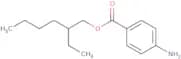
Ethylhexyl triazone Related Compound A
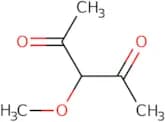
CAS:<p>Ethylhexyl triazone Related Compound A is a compound that inhibits the production of melanin. It is used as an ingredient in sunscreens to protect against ultraviolet radiation. It has been shown to be a potent UVB filter with good photostability, and has been shown to be effective against both erythema and skin cancer in vivo. The analytical method for this compound is based on HPLC separation followed by UV detection at 254 nm. The validation study has been conducted using animals and the recoveries were found to be good across all levels of the test samples.</p>Formula:C15H23NO2Purity:Min. 95%Molecular weight:249.35 g/mol3-Methoxypentane-2,4-dione
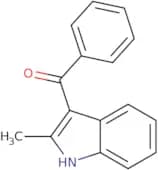
CAS:<p>Versatile small molecule scaffold</p>Formula:C6H10O3Purity:Min. 95%Molecular weight:130.14 g/mol3-Benzoyl-2-methyl-1H-indole
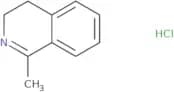
CAS:Controlled Product<p>3-Benzoyl-2-methyl-1H-indole is an isomer of tetrahydrocarbazole. It has a high yield and optical purity. 3-Benzoyl-2-methyl-1H indole can be synthesized from β-unsaturated aldehydes, such as 2-(4,4,5,5-tetramethyl-[1,3,2]dioxaborolan-2yl)-3,5,6,-trimethylphenol. The compound has been shown to react with alkali metals to form a salt in the presence of dehydrogenative conditions. This reaction proceeds via an iminium intermediate that reacts with the metal salt to produce the product. 3BzIMeI can also react with alcohols or amines in the presence of heterocycles such as mesitylene to form substituted benzimidazoles.</p>Formula:C16H13NOPurity:Min. 95%Molecular weight:235.28 g/mol1-Methyl-3,4-dihydroisoquinoline hydrochloride
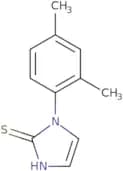
CAS:<p>Versatile small molecule scaffold</p>Formula:C10H12ClNPurity:Min. 95%Molecular weight:181.66 g/mol1-(2,4-Dimethylphenyl)-1H-imidazole-2-thiol
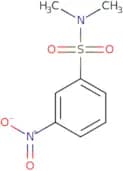
CAS:<p>Versatile small molecule scaffold</p>Formula:C11H12N2SPurity:Min. 95%Molecular weight:204.29 g/molN,N-Dimethyl 3-nitrobenzenesulfonamide
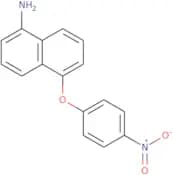
CAS:<p>Versatile small molecule scaffold</p>Formula:C8H10N2O4SPurity:Min. 95%Molecular weight:230.24 g/mol5-(4-Nitrophenoxy)naphthalen-1-amine
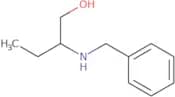
CAS:<p>Versatile small molecule scaffold</p>Formula:C16H12N2O3Purity:Min. 95%Molecular weight:280.28 g/mol(2S)-2-(Benzylamino)butan-1-ol
CAS:<p>Versatile small molecule scaffold</p>Formula:C11H17NOPurity:Min. 95%Molecular weight:179.26 g/mol(2R)-3-[(Carboxymethyl)sulfanyl]-2-acetamidopropanoic acid
CAS:<p>(2R)-3-[(Carboxymethyl)sulfanyl]-2-acetamidopropanoic acid is a metabolite of the drug sulfapyridine. It is formed by conjugation with glutathione in the liver to form 3-glutathione-2-sulfapyridine, and then excreted into bile. (2R)-3-[(Carboxymethyl)sulfanyl]-2-acetamidopropanoic acid has been found to be genotoxic in mice, which may be due to its ability to form reactive metabolites that bind to DNA. This compound also possesses cytotoxic properties, which may be due to its ability to inhibit protein synthesis.</p>Formula:C7H11NO5SPurity:Min. 95%Molecular weight:221.23 g/mol2-(1H-Pyrrol-1-yl)-4H,5H,6H-cyclopenta[b]thiophene-3-carboxylic acid
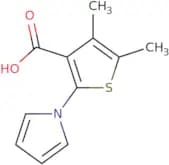
CAS:<p>Versatile small molecule scaffold</p>Formula:C12H11NO2SPurity:Min. 95%Molecular weight:233.29 g/mol4,5-Dimethyl-2-pyrrol-1-yl-thiophene-3-carboxylic acid
CAS:<p>Versatile small molecule scaffold</p>Formula:C11H11NO2SPurity:Min. 95%Molecular weight:221.27 g/mol3-(Hydrazinecarbonyl)benzoic acid
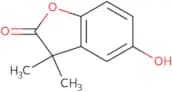
CAS:<p>Versatile small molecule scaffold</p>Formula:C8H8N2O3Purity:Min. 95%Molecular weight:180.16 g/mol5-Hydroxy-3,3-dimethyl-2,3-dihydro-1-benzofuran-2-one
CAS:<p>5-Hydroxy-3,3-dimethyl-2,3-dihydro-1-benzofuran-2-one (HBD) is a cleavage product of serotonin. It has been shown to have peroxide and butyrylcholinesterase inhibitory activities and the ability to act as an inflammatory cell chemoattractant. HBD has also been shown to inhibit cholinesterase activity in vitro and in animal models, which is involved in the regulation of neurotransmission. HBD may be used as a biomarker for Alzheimer's disease due to its association with oxidative DNA damage.</p>Formula:C10H10O3Purity:Min. 95%Molecular weight:178.18 g/mol4-Phenylthiophene-2-carboxaldehyde
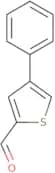
CAS:<p>4-Phenylthiophene-2-carboxaldehyde is an antimicrobial agent that exhibits a broad spectrum of activity against bacteria, fungi, and viruses. It has been shown to be effective at low concentrations of 0.5 ppm against both Gram-positive and Gram-negative bacteria. It is also a relatively stable compound that can be used in optical devices with yields of up to 95%. Ciprofloxacin is a ligand for this compound, forming a complex that is more stable than the free drug. This complex has been shown to have antibacterial activity against Staphylococcus aureus and methicillin resistant Staphylococcus aureus (MRSA). The catalytic reaction time for this compound is approximately 10 minutes. Lanthanides are also known to catalyze the reaction between 4-phenylthiophene-2-carboxaldehyde and amines, making it possible to produce 2-[(4-phenylthiop</p>Formula:C11H8OSPurity:Min. 95%Molecular weight:188.25 g/mol1-Benzo[b]thien-3-yl-2-chloroethanone
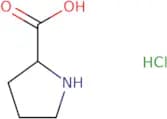
CAS:<p>Versatile small molecule scaffold</p>Formula:C10H7ClOSPurity:Min. 95%Molecular weight:210.68 g/molPyrrolidine-2-carboxylic acid hydrochloride
CAS:<p>Versatile small molecule scaffold</p>Formula:C5H10ClNO2Purity:Min. 95%Molecular weight:151.59 g/mol[4-(2,5-Dimethyl-pyrrol-1-yl)-phenyl]-acetic acid
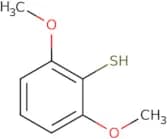
CAS:<p>Versatile small molecule scaffold</p>Formula:C14H15NO2Purity:Min. 95%Molecular weight:229.28 g/mol2,6-Dimethoxybenzene-1-thiol
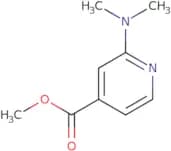
CAS:<p>2,6-Dimethoxybenzene-1-thiol is a metal oxides and thiols. It is used in the synthesis of organolithium reagents. 2,6-Dimethoxybenzene-1-thiol has a number of toxicities including irritation to skin, eyes, and respiratory tract; liver toxicity; and kidney damage. In addition, it can cause skin sensitization. This compound is an intermediate in the synthesis of fluorine chemistry. It reacts with isopropyl alcohol to form the isopropyl ester that can be used as a synthetic reagent in organic chemistry.</p>Formula:C8H10O2SPurity:Min. 95%Molecular weight:170.23 g/molMethyl 2-(dimethylamino)pyridine-4-carboxylate
CAS:<p>Versatile small molecule scaffold</p>Formula:C9H12N2O2Purity:Min. 95%Molecular weight:180.2 g/molMethyl 2-Bromoisonicotinate
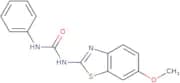
CAS:<p>Methyl 2-bromoisonicotinate is a phenylpyridine derivative that can be used as a molecular imaging agent. It has been shown to have high photophysical and electrochemical properties, which make it suitable for use in devices such as cyclic voltammetry and optical imaging. Methyl 2-bromoisonicotinate is also characterized by high diffraction, diffusivity, solubility, and photostability. It has been shown to be a good ligand for use in cyclic voltammetry because of its ability to incorporate into different layers of the device. The asymmetric methyl group also leads to a difference in the electrochemical behavior when compared with other compounds with the same functional groups.</p>Formula:C7H6BrNO2Purity:Min. 95%Molecular weight:216.03 g/molFrentizole
CAS:<p>Frentizole is a natural compound that has been shown to have antidiabetic effects in animal models. Frentizole prevents the accumulation of fatty acids in the liver by blocking the synthesis of fatty acids from glucose. It also improves glucose regulation and insulin resistance. Frentizole is a molecule that contains two fatty acid chains and can be used as a diagnostic agent for detecting influenza virus, herpes simplex virus, and other diseases. The chemical diversity of frentizole makes it an attractive target for drug development because it can be used as a starting material for creating new drugs with different therapeutic properties.</p>Formula:C15H13N3O2SPurity:Min. 95%Molecular weight:299.35 g/molIsobutylsulfamoyl chloride
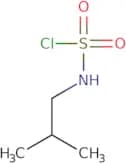
CAS:<p>Isobutylsulfamoyl chloride is a compound that belongs to the class of amide and is used as a reagent in organic synthesis. Isobutylsulfamoyl chloride is an intermediate for the synthesis of oligopeptides and amides, which are important in pharmaceutical chemistry. Isobutylsulfamoyl chloride has been shown to be cardiotoxic in vivo, with a concentration-dependent effect on cardiac muscle cells. The toxicity of this substance may be due to its ability to interfere with the metabolism of other compounds by blocking the activity of secondary amines, such as sulfamic acid, which is involved in neurotransmitter production.</p>Formula:C4H10ClNO2SPurity:Min. 95%Molecular weight:171.65 g/molIsopropylsulfamoyl chloride
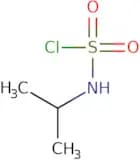
CAS:<p>Isopropylsulfamoyl chloride is a chemical compound that is used for the production of methyl anthranilate, which is an intermediate in the synthesis of sulfanilamide. Isopropylsulfamoyl chloride has been shown to have anti-inflammatory properties and can be used to treat chronic arthritis. It also has an inhibitory effect on the production of amines, serine proteases, and other enzymes. Isopropylsulfamoyl chloride reacts with hydroxy groups in proteins and nucleic acids, leading to their cross-linking and denaturation. Isopropylsulfamoyl chloride reacts with carboxylic acid groups on the surface of herpes simplex virus (HSV) particles and inhibits the infectivity of HSV by inhibiting viral DNA synthesis. It also interacts with amino acid residues in proteins through its halide group, which can lead to protein aggregation or fragmentation. The sulphamic acid produced as</p>Formula:C3H8ClNO2SPurity:Min. 95%Molecular weight:157.62 g/mol(2S)-2-(Carbamoylamino)-4-methylpentanoic acid
CAS:(2S)-2-(Carbamoylamino)-4-methylpentanoic acid is a l-amino acid that is found in the body. It is also known as L-CAMPA or 2-methylpentanoic acid. L-CAMPA is involved in the synthesis of proteins and peptides, including glutathione and creatine. The stereoisomer of (2S)-2-(Carbamoylamino)-4-methylpentanoic acid has been shown to catalyze the hydrolysis of racemic α-D-glucosides with high stereoselectivity. This is due to its active site, which contains an amino group that can form hydrogen bonds with the substrate's hydroxyl group for a stereoselective reaction. The (2S) form also has a crystal structure that has been determined by X-ray diffraction analysis.Formula:C7H14N2O3Purity:Min. 95%Molecular weight:174.2 g/mol(2S,3S)-2-(Carbamoylamino)-3-methylpentanoic acid
CAS:<p>(2S,3S)-2-(Carbamoylamino)-3-methylpentanoic acid (CMA) is a potential anti-tuberculosis drug candidate that inhibits the growth of mycobacterium by inhibiting fatty acid biosynthesis. CMA has been shown to have synergy with cerulenin and clarithromycin in inhibiting the growth of mycobacterium avium. The synergistic effect was observed using radiometric techniques and confirmed using techniques such as thin layer chromatography, gas chromatography and mass spectrometry. CMA is an analog of ethambutol, which is used to treat tuberculosis.</p>Formula:C7H14N2O3Purity:Min. 95%Molecular weight:174.2 g/mol4-[2-(Pyrrolidin-1-yl)ethoxy]benzaldehyde
CAS:<p>Versatile small molecule scaffold</p>Formula:C13H17NO2Purity:Min. 95%Molecular weight:219.28 g/molN(1),N(6)-Bis(2-nitrophenyl)-1,6-hexanediamine
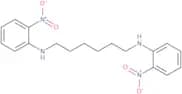
CAS:<p>Versatile small molecule scaffold</p>Formula:C18H22N4O4Purity:Min. 95%Molecular weight:358.4 g/mol2-(3-Aminophenoxy)propanoic acid
CAS:<p>Versatile small molecule scaffold</p>Formula:C9H11NO3Purity:Min. 95%Molecular weight:181.2 g/mol6-Hydroxy-4H-thiochromen-4-one
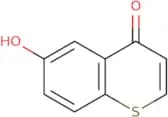
CAS:<p>Versatile small molecule scaffold</p>Formula:C9H6O2SPurity:Min. 95%Molecular weight:178.21 g/mol2-{2-Oxa-6-azaspiro[3.3]heptan-6-yl}ethan-1-ol
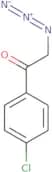
CAS:<p>Versatile small molecule scaffold</p>Formula:C7H13NO2Purity:Min. 95%Molecular weight:143.18 g/mol2-Azido-1-(4-chlorophenyl)ethan-1-one
CAS:<p>Versatile small molecule scaffold</p>Formula:C8H6ClN3OPurity:Min. 95%Molecular weight:195.6 g/molTricyclo[3.3.1.13,7]decane-2-acetic acid
CAS:<p>Tricyclo[3.3.1.13,7]decane-2-acetic acid is a catalyst that can be used in the reduction of 2-adamantanone to butyric acid by aluminium. This compound has also been used as an analog for other catalytic systems such as lactams and monoamides. Tricyclo[3.3.1.13,7]decane-2-acetic acid has been shown to have an affinity for 11β-hydroxysteroid dehydrogenase (11βHSD). This enzyme is involved in the conversion of cortisone to cortisol and is critical for the regulation of glucocorticoid hormones and mineralocorticoids in humans and other mammals. It has also been shown to inhibit chloride ion transport, which increases sodium ion uptake by cells and leads to a decrease in blood pressure when combined with sodium hypochlorite (bleach) treatment.br>br</p>Formula:C12H18O2Purity:Min. 95%Molecular weight:194.27 g/mol(2S)-2-(Carbamoylamino)-3-methylbutanoic acid
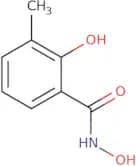
CAS:<p>(2S)-2-(Carbamoylamino)-3-methylbutanoic acid is a synthetic, racemic amino acid that has been used to study the kinetics and dynamics of protein folding. The optimum concentration of (2S)-2-(carbamoylamino) 3-methylbutanoic acid for monitoring kinetic studies is 1.0 mM in aqueous solution at pH 7.4. It can be synthesized from l-alanine using acetonitrile as the solvent and enantiomerically pure 2-chloroacetic acid as the raw material. The synthesis of (2S)-2-(carbamoylamino) 3-methylbutanoic acid is achieved through a series of steps involving chlorination, hydrolysis, and racemization using hydantoin. This compound is also characterized by its high degree of hydrophilicity, which makes it suitable for use in techniques such as liquid chromatography or gas chromatography</p>Formula:C6H12N2O3Purity:Min. 95%Molecular weight:160.17 g/molN,2-Dihydroxy-3-methylbenzamide
CAS:<p>Versatile small molecule scaffold</p>Formula:C8H9NO3Purity:Min. 95%Molecular weight:167.16 g/mol3-iso-Propoxybenzyl alcohol
CAS:<p>3-iso-Propoxybenzyl alcohol is an insect repellent used to prevent insect bites. It is a screening agent that can be used as a solution in ethanol to test for the presence of insects. 3-iso-Propoxybenzyl alcohol is added to a solution and then sprayed onto plants or animals. The solution will turn yellow if it comes into contact with an insect. This product should be stored in a cool, dry place away from direct sunlight and out of reach of children.</p>Formula:C10H14O2Purity:Min. 95%Molecular weight:166.22 g/mol2-(Thiophen-2-yl)-3,4-dihydroquinazolin-4-one
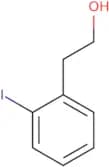
CAS:<p>Versatile small molecule scaffold</p>Formula:C12H8N2OSPurity:Min. 95%Molecular weight:228.27 g/mol2-(2-iodophenyl)ethanol
CAS:<p>2-(2-iodophenyl)ethanol is a ketone that can be made by refluxing benzene with phosphite and halides. It can also be synthesized from 2-phenylethanol, which is obtained from the reaction of acetone with sodium hydroxide. 2-(2-Iodophenyl)ethanol has been used as a precursor to other compounds in organic chemistry. This compound has been shown to react with dichlorophosphite or sulphonium to form organopalladium intermediates. Carbonylation reactions are another method for synthesizing this compound.</p>Formula:C8H9IOPurity:Min. 95%Molecular weight:248.06 g/mol1-(Trifluoromethyl)isoquinoline
CAS:<p>1-(Trifluoromethyl)isoquinoline is an organic compound that is made from a photoredox reaction, which involves the use of a metal catalyst and light to produce reactive species. This chemical can be used in the synthesis of vinyl compounds, such as styrene, by regiospecifically adding an isocyanide. 1-(Trifluoromethyl)isoquinoline has been shown to be a useful reagent for experiments involving regiospecific reactions.</p>Formula:C10H6F3NPurity:Min. 95%Molecular weight:197.16 g/mol9H-Pyrido[3,4-b]indole-1-carboxylic acid
CAS:<p>Versatile small molecule scaffold</p>Formula:C12H8N2O2Purity:Min. 95%Molecular weight:212.2 g/mol3-(4-Nitrophenyl)-1H-pyrazole-4-carbaldehyde
CAS:<p>Versatile small molecule scaffold</p>Formula:C10H7N3O3Purity:Min. 95%Molecular weight:217.18 g/mol2,4-Dichloro-6-phenylpyrimidine
CAS:<p>2,4-Dichloro-6-phenylpyrimidine is a nucleophilic reagent that has been used to synthesize pyrimidine derivatives. It has been shown to react with cyanoacetic acid and malononitrile in the presence of an organolithium reagent to form 2,6-dichloro-2,4-dihydroxypyrimidine. This compound reacts with chlorine gas to give 2,4-dichloro-6-(chloromethyl)pyrimidine. This reaction is regioselective and does not affect the other substituents on the ring. The reaction proceeds via a nucleophilic attack on the carbon atom adjacent to the nitrogen atom.</p>Formula:C10H6Cl2N2Purity:Min. 95%Molecular weight:225.07 g/mol4-Cyclohexyl-5-(3,4,5-trimethoxyphenyl)-4H-1,2,4-triazole-3-thiol
CAS:<p>Versatile small molecule scaffold</p>Formula:C17H23N3O3SPurity:Min. 95%Molecular weight:349.4 g/mol5-(2,4-dichlorophenyl)-4H-1,2,4-triazole-3-thiol
CAS:<p>Versatile small molecule scaffold</p>Formula:C8H5Cl2N3SPurity:Min. 95%Molecular weight:246.11 g/molMethyl 2-(3-hydroxy-2,2-dimethylcyclobutyl)acetate
CAS:<p>Versatile small molecule scaffold</p>Formula:C9H16O3Purity:Min. 95%Molecular weight:172.22 g/mol2-(Benzylamino)butan-1-ol
CAS:<p>2-(Benzylamino)butan-1-ol is an organic compound that is a chiral amine. It can be used as a solvent for chemical reactions, and has been shown to be useful in the preparation of catecholamines and other biologically active compounds. The crystal structure of 2-(benzylamino)butan-1-ol has been determined using x-ray diffraction techniques. The molecule exists as a racemic mixture of two enantiomers, one with a melting point at 56°C and the other at 53°C. These enantiomers have different solubilities in nonpolar solvents such as benzene, which makes them useful as phase transfer catalysts or antisolvents to separate chiral molecules by liquid chromatography.</p>Formula:C11H17NOPurity:Min. 95%Molecular weight:179.26 g/mol6-Methyl-2,3-dihydro-1-benzothiophene-2-carboxylic acid
CAS:<p>Versatile small molecule scaffold</p>Formula:C10H10O2SPurity:Min. 95%Molecular weight:194.25 g/mol6-Fluoro-2,3-dihydro-1-benzofuran-2-carboxylic acid
CAS:Versatile small molecule scaffoldFormula:C9H7FO3Purity:Min. 95%Molecular weight:182.15 g/mol6-Fluorobenzofuran-2-carboxylic acid
CAS:<p>Versatile small molecule scaffold</p>Formula:C9H5FO3Purity:Min. 95%Molecular weight:180.13 g/mol7-Methoxy-2,3-dihydro-1-benzofuran-2-carboxylic acid
CAS:Versatile small molecule scaffoldFormula:C10H10O4Purity:Min. 95%Molecular weight:194.18 g/mol6-Methyl-2,3-dihydro-1-benzofuran-2-carboxylic acid
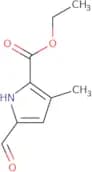
CAS:<p>Versatile small molecule scaffold</p>Formula:C10H10O3Purity:Min. 95%Molecular weight:178.18 g/molEthyl 5-formyl-3-methyl-1H-pyrrole-2-carboxylate
CAS:<p>Versatile small molecule scaffold</p>Formula:C9H11NO3Purity:Min. 95%Molecular weight:181.19 g/mol2,6-Dimethyl-1H,2H,3H,5H,6H,7H-pyrrolo[3,4-F]isoindole-1,3,5,7-tetrone
CAS:<p>Versatile small molecule scaffold</p>Formula:C12H8N2O4Purity:Min. 95%Molecular weight:244.2 g/mol2-Methyl-2-[4-(trifluoromethyl)phenoxy]propanoic acid
CAS:<p>Versatile small molecule scaffold</p>Formula:C11H11F3O3Purity:Min. 95%Molecular weight:248.2 g/moltert-Butyl [3,3'-bipyrrolidine]-1-carboxylate
CAS:<p>Versatile small molecule scaffold</p>Formula:C13H24N2O2Purity:Min. 95%Molecular weight:240.34 g/moltert-Butyl [2,3'-bipyrrolidine]-1-carboxylate
CAS:Versatile small molecule scaffoldFormula:C13H24N2O2Purity:Min. 95%Molecular weight:240.34 g/mol2-[(tert-butoxy)carbonyl]-5-oxa-2-azaspiro[3.4]octane-6-carboxylic acid
CAS:<p>Versatile small molecule scaffold</p>Formula:C12H19NO5Purity:Min. 95%Molecular weight:257.3 g/molrel-((1S,5S)-3-(tert-Butoxycarbonyl)-3-azabicyclo[3.1.0]hexane-1-carboxylic acid)
CAS:Versatile small molecule scaffoldFormula:C11H17NO4Purity:Min. 95%Molecular weight:227.26 g/mol2-(tert-Butoxycarbonyl)-2-azabicyclo[3.1.0]hexane-1-carboxylic acid
CAS:Versatile small molecule scaffoldFormula:C11H17NO4Purity:Min. 95%Molecular weight:227.26 g/mol(3aR,6aR)-rel-Hexahydro-4-oxo-pyrrolo[3,4-c]pyrrole-2(1H)-carboxylic Acid 1,1-Dimethylethyl Ester
CAS:<p>Versatile small molecule scaffold</p>Formula:C11H18N2O2Purity:Min. 95%Molecular weight:210.27 g/moltert-Butyl 3-(hydroxymethyl)-4H,5H,6H,7H-pyrazolo[1,5-a]pyrazine-5-carboxylate
CAS:<p>Versatile small molecule scaffold</p>Formula:C12H19N3O3Purity:Min. 95%Molecular weight:253.3 g/mol9-Oxa-2,6-diazaspiro[4.5]decane-2-carboxylic Acid 1,1-Dimethylethyl Ester
CAS:Versatile small molecule scaffoldFormula:C12H22N2O3Purity:Min. 95%Molecular weight:242.31 g/mol3-Bromo-imidazo[1,5-a]pyrimidine-8-carboxylic acid ethyl ester
CAS:<p>Versatile small molecule scaffold</p>Formula:C9H8BrN3O2Purity:Min. 95%Molecular weight:270.09 g/mol3-Hydroxymethyl-5,6-dihydro-8H-[1,2,4]triazolo[4,3-a]pyrazine-7-carboxylic acid tert-butylester
CAS:<p>Versatile small molecule scaffold</p>Formula:C11H18N4O3Purity:Min. 95%Molecular weight:254.28 g/mol6-[(tert-butoxy)carbonyl]-6-azaspiro[3.4]octane-2-carboxylic acid
CAS:<p>Versatile small molecule scaffold</p>Formula:C13H21NO4Purity:Min. 95%Molecular weight:255.3 g/mol2-{2-[(tert-butoxy)carbonyl]-2-azaspiro[3.3]heptan-6-yl}acetic acid
CAS:<p>Versatile small molecule scaffold</p>Formula:C13H21NO4Purity:Min. 95%Molecular weight:255.3 g/moltert-butyl 7-(aminomethyl)-6-oxa-2-azaspiro[3.4]octane-2-carboxylate
CAS:<p>Versatile small molecule scaffold</p>Formula:C12H22N2O3Purity:Min. 95%Molecular weight:242.3 g/mol2-[(tert-Butoxy)carbonyl]-6-oxa-2-azaspiro[3.4]octane-7-carboxylic acid
CAS:<p>Versatile small molecule scaffold</p>Formula:C12H19NO5Purity:Min. 95%Molecular weight:257.3 g/mol2-boc-8-oxa-2,5-diaza-spiro[3.5]nonane
CAS:Versatile small molecule scaffoldFormula:C11H20N2O3Purity:Min. 95%Molecular weight:228.29 g/mol1,6-Diazaspiro[3.5]nonane-6-carboxylic acid tert-butyl ester
CAS:<p>Versatile small molecule scaffold</p>Formula:C12H22N2O2Purity:Min. 95%Molecular weight:226.32 g/moltert-Butyl 7-amino-5-azabicyclo[4.1.0]heptane-5-carboxylate
CAS:<p>Versatile small molecule scaffold</p>Formula:C11H20N2O2Purity:Min. 95%Molecular weight:212.29 g/moltert-Butyl 4,8-dioxa-1,11-diazaspiro[5.6]dodecane-11-carboxylate
CAS:<p>Versatile small molecule scaffold</p>Formula:C13H24N2O4Purity:Min. 95%Molecular weight:272.3 g/molTert-Butyl 3-Bromo-5,6-Dihydrospiro[Piperidine-4,7-Pyrrolo[1,2-A]Imidazole]-1-Carboxylate
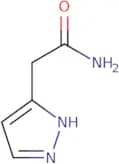
CAS:<p>Versatile small molecule scaffold</p>Formula:C15H22BrN3O2Purity:Min. 95%Molecular weight:356.26 g/mol2-(1H-Pyrazol-3-yl)acetamide
CAS:<p>2-(1H-Pyrazol-3-yl)acetamide (2PZA) is a nitroheterocyclic compound that exhibits anticancer activity by inhibiting the growth of cancer cells. It has been shown to inhibit cell growth and induce apoptosis in vitro. 2PZA also interacts with DNA and inhibits nucleotide synthesis, which leads to inhibition of protein synthesis. The functional theory for this compound is based on its ability to undergo hydrogen bonding interactions with aromatic amino acid residues. 2PZA also has significant antioxidant properties and can be used as a magnetic resonance imaging contrast agent for brain tumors.</p>Formula:C5H7N3OPurity:Min. 95%Molecular weight:125.13 g/mol[1-(4-Bromophenyl)cyclohexyl]methanamine
CAS:Versatile small molecule scaffoldFormula:C13H18BrNPurity:Min. 95%Molecular weight:268.19 g/mol[1-(4-Bromophenyl)cyclopentyl]methanamine
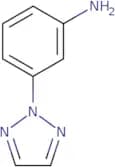
CAS:Versatile small molecule scaffoldFormula:C12H16BrNPurity:Min. 95%Molecular weight:254.17 g/mol3-(2H-1,2,3-Trizazol-2-yl)aniline
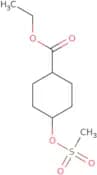
CAS:<p>Versatile small molecule scaffold</p>Formula:C8H8N4Purity:Min. 95%Molecular weight:160.18 g/molrac-Ethyl (1S,4S)-4-(methanesulfonyloxy)cyclohexane-1-carboxylate
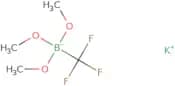
CAS:<p>Versatile small molecule scaffold</p>Formula:C10H18O5SPurity:Min. 95%Color and Shape:PowderMolecular weight:250.31 g/molPotassium Trimethoxy(trifluoromethyl)borate
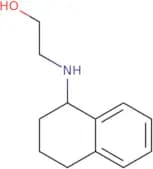
CAS:<p>Potassium trifluoromethoxytrimethylborate is a boronic acid. It is used in organic chemistry as an oxidant and nucleophile. It reacts with alcohols, iodides, and aldehydes to form the corresponding potassium salt and alcohol or the corresponding potassium salt and iodide or the corresponding potassium salt and aldehyde. Potassium trifluoromethoxytrimethylborate has been used for the synthesis of fluoxetine hydrochloride. The reaction time is dependent on the substrate chosen, but typically ranges from 5-12 hours.</p>Formula:C4H9BF3KO3Purity:Min. 95%Molecular weight:212.02 g/mol2-((1,2,3,4-Tetrahydronaphthalen-1-yl)amino)ethanol
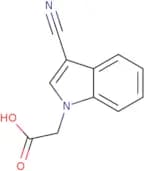
CAS:<p>Versatile small molecule scaffold</p>Formula:C12H17NOPurity:Min. 95%Molecular weight:191.27 g/mol(3-Cyano-indol-1-yl)-acetic acid
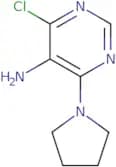
CAS:<p>Versatile small molecule scaffold</p>Formula:C11H8N2O2Purity:Min. 95%Molecular weight:200.2 g/mol4-Chloro-6-pyrrolidin-1-yl-pyrimidin-5-ylamine
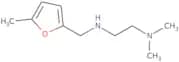
CAS:<p>Versatile small molecule scaffold</p>Formula:C8H11ClN4Purity:Min. 95%Molecular weight:198.65 g/molN,N-Dimethyl-N'-(5-methyl-furan-2-ylmethyl)-ethane-1,2-diamine
CAS:<p>Versatile small molecule scaffold</p>Formula:C10H18N2OPurity:Min. 95%Molecular weight:182.27 g/mol[2-(Dimethylamino)ethyl][(2-fluorophenyl)methyl]amine
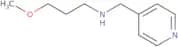
CAS:Versatile small molecule scaffoldFormula:C11H17FN2Purity:Min. 95%Molecular weight:196.26 g/mol(3-Methoxy-propyl)-pyridin-4-ylmethyl-amine
CAS:<p>Versatile small molecule scaffold</p>Formula:C10H16N2OPurity:Min. 95%Molecular weight:180.25 g/mol3-{[Phenyl(pyridin-2-yl)methyl]amino}propan-1-ol
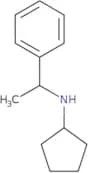
CAS:Versatile small molecule scaffoldFormula:C15H18N2OPurity:Min. 95%Molecular weight:242.32 g/molCyclopentyl-(1-phenyl-ethyl)-amine
CAS:<p>Cyclopentyl-(1-phenyl-ethyl)-amine is a cavity-forming molecule that can be used as a molecular probe. It has been shown to interact with the amine groups in polymers and form chains, which can be used for template molecules. Cyclopentyl-(1-phenyl-ethyl)-amine has been shown to have selectivity for interactions with amines over other moieties, such as nitrobenzene or water. The steric interactions of cyclopentyl-(1-phenyl-ethyl)-amine are also important when considering its interactions with other molecules, such as polymers. Cyclopentyl-(1-phenyl-ethyl)-amine has been shown to form molecular structures that could be used as templates for the synthesis of other molecules.</p>Formula:C13H19NPurity:Min. 95%Molecular weight:189.3 g/molN-(Pyridin-2-ylmethyl)cyclopentanamine
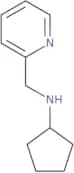
CAS:<p>Versatile small molecule scaffold</p>Formula:C11H16N2Purity:Min. 95%Molecular weight:176.26 g/molN-(4-tert-Butyl-1,3-thiazol-2-yl)-3-methylbutanamide
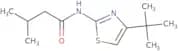
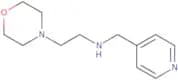
CAS:<p>Versatile small molecule scaffold</p>Formula:C12H20N2OSPurity:Min. 95%Molecular weight:240.37 g/mol(2-Morpholin-4-yl-ethyl)-pyridin-4-ylmethyl-amine
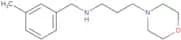
CAS:<p>Versatile small molecule scaffold</p>Formula:C12H19N3OPurity:Min. 95%Molecular weight:221.3 g/mol(3-Methyl-benzyl)-(3-morpholin-4-yl-propyl)-amine
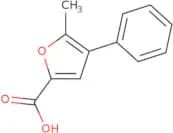
CAS:<p>Versatile small molecule scaffold</p>Formula:C15H24N2OPurity:Min. 95%Molecular weight:248.36 g/mol5-Methyl-4-phenylfuran-2-carboxylic acid
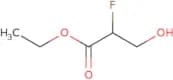
CAS:<p>Versatile small molecule scaffold</p>Formula:C12H10O3Purity:Min. 95%Molecular weight:202.21 g/molEthyl 2-fluoro-3-hydroxypropanoate
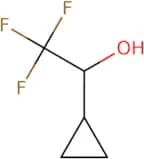
CAS:<p>Versatile small molecule scaffold</p>Formula:C5H9FO3Purity:Min. 95%Molecular weight:136.12 g/mol1-cyclopropyl-2,2,2-trifluoroethan-1-ol
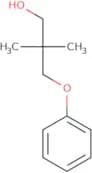
CAS:<p>Versatile small molecule scaffold</p>Formula:C5H7F3OPurity:Min. 95%Molecular weight:140.11 g/mol2,2-Dimethyl-3-phenoxypropan-1-ol
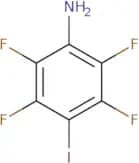
CAS:<p>Versatile small molecule scaffold</p>Formula:C11H16O2Purity:Min. 95%Molecular weight:180.24 g/mol2,3,5,6-Tetrafluoro-4-iodoaniline
CAS:<p>Versatile small molecule scaffold</p>Formula:C6H2F4INPurity:Min. 95%Molecular weight:290.98 g/mol4-bromobicyclo[2.2.2]octane-1-carboxylic acid
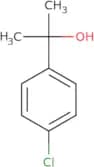
CAS:<p>Versatile small molecule scaffold</p>Formula:C9H13BrO2Purity:Min. 95%Molecular weight:233.11 g/mol2-(4-Chlorophenyl)propan-2-ol
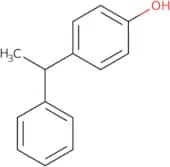
CAS:<p>Versatile small molecule scaffold</p>Formula:C9H11ClOPurity:Min. 95%Molecular weight:170.64 g/mol4-(1-Phenylethyl)phenol
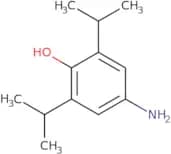
CAS:<p>4-(1-Phenylethyl)phenol is an organic solvent that has been used as a corrosion inhibitor, an antioxidant, and an alkylating agent. It has been shown to be a good catalyst for the production of styrene from ethylene. 4-(1-Phenylethyl)phenol is also used in the production of polyvinyl chloride, polyvinyl acetate, and other chemical products. It is used as a chemical intermediate in the production of nonyl and nitrate modifiers. 4-(1-Phenylethyl)phenol is also a reagent for the preparation of ketones and nitrates.</p>Formula:C14H14OPurity:Min. 95%Molecular weight:198.26 g/mol4-Amino-2,6-diisopropylphenol
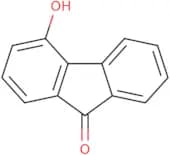
CAS:<p>Versatile small molecule scaffold</p>Formula:C12H19NOPurity:Min. 95%Molecular weight:193.28 g/mol4-Hydroxy-9H-fluoren-9-one
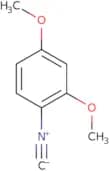
CAS:<p>4-Hydroxy-9H-fluoren-9-one is a byproduct of the oxidation of fatty acids in soil microorganisms. It inhibits bacterial growth and has been shown to have synergistic effects with aromatic hydrocarbons. 4-Hydroxy-9H-fluoren-9-one can inhibit the production of enzymes such as acetyl coenzyme A carboxylase, which are necessary for cellular respiration and carbon metabolism. This compound also inhibits the dioxygenation of propionate to acetate and butyrate, which are important substrates for microorganisms. 4-Hydroxy-9H-fluoren-9-one is produced by bacteria in deionized water when exposed to dioxygen. It can be used as a carbon source for bacterial growth and can inhibit the activity of enzymes that metabolize aromatic compounds, such as biphenyl.</p>Formula:C13H8O2Purity:Min. 95%Molecular weight:196.2 g/mol1-Isocyano-2,4-dimethoxybenzene
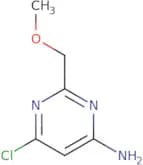
CAS:<p>Versatile small molecule scaffold</p>Formula:C9H9NO2Purity:Min. 95%Molecular weight:163.17 g/mol6-Chloro-2-(methoxymethyl)pyrimidin-4-amine
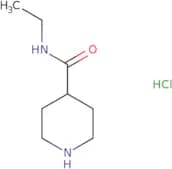
CAS:<p>Versatile small molecule scaffold</p>Formula:C6H8ClN3OPurity:Min. 95%Molecular weight:173.6 g/molN-Ethyl-4-piperidinecarboxamide hydrochloride
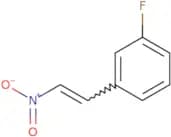
CAS:<p>Versatile small molecule scaffold</p>Formula:C8H17ClN2OPurity:Min. 95%Molecular weight:192.69 g/mol1-Fluoro-3-(2-nitroethenyl)benzene
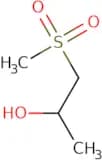
CAS:<p>Versatile small molecule scaffold</p>Formula:C8H6FNO2Purity:Min. 95%Molecular weight:167.14 g/mol1-Methanesulfonylpropan-2-ol
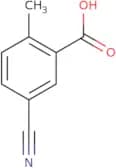
CAS:<p>Methanesulfonylpropan-2-ol is a sulfonic acid that is used in clinical chemistry for the measurement of the concentration of mercaptans. This liquid has an acidic character, which distinguishes it from other sulfonic acids. Methanesulfonylpropan-2-ol also has a magnetic property and can be used to detect the presence of this substance in urine or blood samples. <br>Methanesulfonylpropan-2-ol is excreted by the kidneys and intestines and is diluted when mixed with water. This substance can be detected using chromatographic science, such as gas chromatography, to identify its presence in biological samples. Methanesulfonylpropan-2-ol may have anticancer properties due to its ability to inhibit cell growth and proliferation. It binds to DNA, disrupting the production of new cells. The intestinal absorption of this drug leads to an increased concentration in the intestine, which may lead to anticancer effects</p>Formula:C4H10O3SPurity:Min. 95%Molecular weight:138.19 g/mol5-Cyano-2-methylbenzoic acid
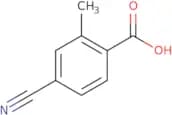
CAS:<p>Versatile small molecule scaffold</p>Formula:C9H7NO2Purity:Min. 95%Molecular weight:161.16 g/mol4-Cyano-2-methylbenzoic acid
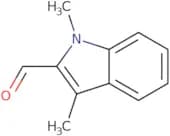
CAS:<p>4-Cyano-2-methylbenzoic acid is an organic compound with the formula CH3CNOC(O)CH2CO2H. It is a white, water soluble solid that is an intermediate in the conversion of 4-cyanoacetophenone to methyl benzoate. The compound has been used in research as an oxime and has shown biological activity against viruses, bacteria, and tumors. As a result of its antiviral activity, 4-Cyano-2-methylbenzoic acid has been studied for treatment of HIV/AIDS patients. The compound also inhibits insect growth by inhibiting chitin production and can be used as a pesticide or acaricide.</p>Formula:C9H7NO2Purity:Min. 95%Molecular weight:161.16 g/mol1,3-Dimethyl-1H-indole-2-carbaldehyde
CAS:<p>Diethyl succinate (DES) is a chemical compound that has reversible photochromic properties. It absorbs ultraviolet light and converts to 1,3-dimethyl-1H-indole-2-carbaldehyde (DMICA), which can be reverted back to DES by exposure to visible light. DMICA is chemically stable in the absence of oxygen and air, but it decomposes in the presence of strong oxidizing agents. The absorption spectrum of DMICA shows maxima at 230 nm and 270 nm with a peak at 254 nm. Diethyl succinate is an isomer of diethyl malonate, which has a similar structure. Diethyl succinate has no solubility in water, but it dissolves readily in organic solvents such as acetone or ethanol.</p>Formula:C11H11NOPurity:Min. 95%Molecular weight:173.21 g/mol[3,3'-Bipyridine]-5-carboxylic acid
CAS:<p>Versatile small molecule scaffold</p>Formula:C11H8N2O2Purity:Min. 95%Molecular weight:200.19 g/mol3-Hydroxy-2-(hydroxymethyl)-4H-pyran-4-one
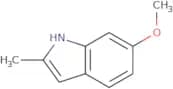
CAS:<p>3-Hydroxy-2-(hydroxymethyl)-4H-pyran-4-one is a manganate compound that is used in the synthesis of carboxylic acid derivatives. The reaction is performed in a solvent mixture of methanol, acetone and triethylamine (1:1:1 v/v). The reaction proceeds through an intermediate formation of a tetrahedral ether, which is then hydrolyzed to yield the desired product. This process can be carried out in batch or continuous mode.</p>Formula:C6H6O4Purity:Min. 95%Molecular weight:142.11 g/mol6-Methoxy-2-methyl-1H-indole
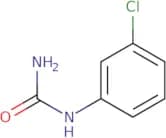
CAS:<p>Versatile small molecule scaffold</p>Formula:C10H11NOPurity:Min. 95%Molecular weight:161.2 g/mol3-Chlorophenylurea
CAS:<p>3-Chlorophenylurea is a quinazolinone that inhibits the growth of candida glabrata. This compound has been shown to inhibit efflux pumps, which are proteins that pump out drugs from the cell. 3-Chlorophenylurea has been shown to inhibit the efflux of fluconazole, a drug used to treat fungal infections, and thiourea, a compound that is known for its cytotoxicity. The inhibition of these two compounds suggests that 3-chlorophenylurea could be an efflux pump inhibitor.</p>Formula:C7H7ClN2OPurity:Min. 95%Molecular weight:170.6 g/molrac-(1R,2R,5R)-Bicyclo[3.2.1]octan-2-ol, exo
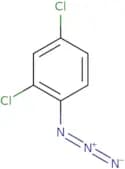
CAS:<p>Versatile small molecule scaffold</p>Formula:C8H14OPurity:Min. 95%Molecular weight:126.2 g/mol1-Azido-2,4-dichlorobenzene
CAS:<p>Versatile small molecule scaffold</p>Formula:C6H3Cl2N3Purity:Min. 95%Molecular weight:188.01 g/mol3,5-Dimethyl benzo[b]thiophene
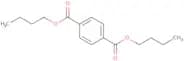
CAS:<p>3,5-Dimethyl benzo[b]thiophene is a linear molecule containing an unsaturated thiophene ring. This compound is reactive and can undergo bond cleavage reactions with oxygen. It is used in analytical methods such as chromatographic analysis and linear regression analysis. 3,5-Dimethyl benzo[b]thiophene can also be used for the desulfurization of petroleum products and hydrogenated to produce polymers. The molecular descriptors for this compound are C=0, H=1, N=1, O=0, S=0.</p>Formula:C10H10SPurity:Min. 95%Molecular weight:162.26 g/mol1,4-dibutyl benzene-1,4-dicarboxylate
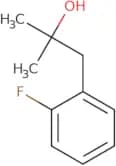
CAS:<p>1,4-Dibutylbenzene-1,4-dicarboxylate (DBDC) is a cationic surfactant that reacts with an acid to form a light emitting compound. It has been shown to have optimum concentrations of 0.5% and 1% in the presence of pueraria lobata extract. DBDC has also been used as sealant, hydroxyl group, glycol ester, and fatty acid. DBDC has been found to be a solid catalyst for dehydrocostus lactone with particle size below 10 microns.</p>Formula:C16H22O4Purity:Min. 95%Color and Shape:PowderMolecular weight:278.35 g/mol1-(2-Fluorophenyl)-2-methylpropan-2-ol
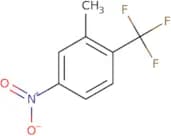
CAS:<p>Versatile small molecule scaffold</p>Formula:C10H13FOPurity:Min. 95%Molecular weight:168.21 g/mol2-Methyl-4-nitrobenzotrifluoride
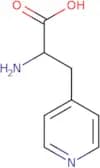
CAS:<p>Versatile small molecule scaffold</p>Formula:C8H6F3NO2Purity:Min. 95%Molecular weight:205.14 g/mol2-Amino-3-(pyridin-4-yl)propanoic acid
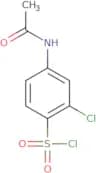
CAS:<p>Versatile small molecule scaffold</p>Formula:C8H10N2O2Purity:Min. 95%Molecular weight:166.18 g/mol4-Acetamido-2-chlorobenzenesulfonyl chloride
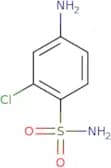
CAS:<p>Versatile small molecule scaffold</p>Formula:C8H7Cl2NO3SPurity:Min. 95%Molecular weight:268.12 g/mol4-Amino-2-chlorobenzene-1-sulfonamide
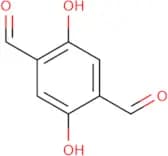
CAS:<p>4-Amino-2-chlorobenzene-1-sulfonamide is an isoform of the amino acid primary amine. It inhibits carbonic anhydrase and is used in treatment of eye diseases caused by uveitis and glaucoma. The IC50 value for 4-amino-2-chlorobenzene 1-sulfonamide is 2 nM, which falls within the nanomolar range. This drug has been shown to inhibit the activity of mammalian and human carbonic anhydrase. Carbonic anhydrase inhibitors are used as antihypertensive agents, diuretics, and antiepileptics. This drug also inhibits human cytosolic anhydrase II (hCA II).</p>Formula:C6H7ClN2O2SPurity:Min. 95%Molecular weight:206.65 g/mol2,5-Dihydroxyterephthalaldehyde
CAS:<p>2,5-Dihydroxyterephthalaldehyde (2,5-DTPA) is a sugar alcohol that is used in the production of polyester. It can be synthesized by electrochemical methods and is produced as an intermediate in the synthesis of 2,5-dihydroxypentane-1,5-diyldimethanol. The optical properties and chemical stability of 2,5-DTPA are determined by its protonation state. The protonation state depends on the pH of the solution or solvent. 2,5-DTPA has two isomers: one with an intramolecular hydrogen bond and one without. 2,5-DTPA also exists as an enol form at high pH values and as a keto form at low pH values. This compound has been shown to have liver protective effects against cell death induced by oxidative stress in animal models.</p>Formula:C8H6O4Purity:Min. 95%Molecular weight:166.13 g/molAmiodarone
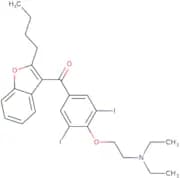
CAS:Controlled Product<p>Amiodarone is a drug that is used to treat and prevent certain types of irregular heartbeats. It belongs to the group of drugs called class III anti-arrhythmics. Amiodarone is a long-acting medication that can take up to three weeks for full effect. Amiodarone has been shown to reduce the number of atrial and ventricular arrhythmias in patients with structural heart disease. This drug also has significant cytotoxicity, which means it may affect normal cells as well as cancer cells, and increases the risk of serious side effects such as fibrillation and glucose intolerance. Amiodarone should not be taken with other medications that can cause fibrillation or make it hard for your body to control blood pressure, such as nonsteroidal anti-inflammatory drugs (NSAIDs) like ibuprofen or naproxen.</p>Formula:C25H29I2NO3Purity:Min. 95%Molecular weight:645.31 g/molPotassium (benzylcarbamothioyl)sulfanide
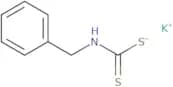
CAS:Versatile small molecule scaffoldFormula:C8H8KNS2Purity:Min. 95%Molecular weight:221.4 g/mol4-Bromobenzaldehyde
CAS:<p>Please enquire for more information about 4-Bromobenzaldehyde including the price, delivery time and more detailed product information at the technical inquiry form on this page</p>Formula:C7H5BrOMolecular weight:185.03 g/mol1-Cyclopropylcycloheptan-1-amine
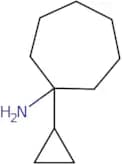
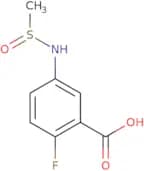
CAS:<p>Versatile small molecule scaffold</p>Formula:C10H19NPurity:Min. 95%Molecular weight:153.3 g/mol2-Fluoro-5-(methanesulfinylamino)benzoic acid
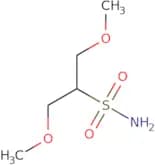
CAS:Versatile small molecule scaffoldFormula:C8H8FNO3SPurity:Min. 95%Molecular weight:217.22 g/mol1,3-Dimethoxypropane-2-sulfonamide
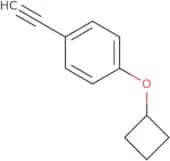
CAS:<p>Versatile small molecule scaffold</p>Formula:C5H13NO4SPurity:Min. 95%Molecular weight:183.23 g/mol1-Cyclobutoxy-4-ethynylbenzene
CAS:<p>Versatile small molecule scaffold</p>Formula:C12H12OPurity:Min. 95%Molecular weight:172.22 g/mol2-(Bromomethyl)bicyclo[2.2.2]octane
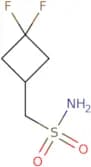
CAS:<p>Versatile small molecule scaffold</p>Formula:C9H15BrPurity:Min. 95%Molecular weight:203.12 g/mol(3,3-Difluorocyclobutyl)methanesulfonamide
CAS:<p>Versatile small molecule scaffold</p>Formula:C5H9F2NO2SPurity:Min. 95%Molecular weight:185.19 g/molMethyl({[2-(1H-pyrazol-1-yl)-1,3-thiazol-5-yl]methyl})amine
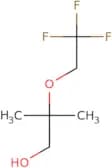
CAS:<p>Versatile small molecule scaffold</p>Formula:C8H10N4SPurity:Min. 95%Molecular weight:194.26 g/mol2-Methyl-2-(2,2,2-trifluoroethoxy)propan-1-ol
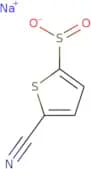
CAS:<p>Versatile small molecule scaffold</p>Formula:C6H11F3O2Purity:Min. 95%Molecular weight:172.15 g/molSodium 5-cyanothiophene-2-sulfinate
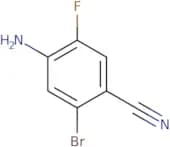
CAS:<p>Versatile small molecule scaffold</p>Formula:C5H2NNaO2S2Purity:Min. 95%Molecular weight:195.2 g/mol4-Amino-2-bromo-5-fluorobenzonitrile
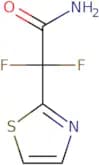
CAS:<p>Versatile small molecule scaffold</p>Formula:C7H4BrFN2Purity:Min. 95%Molecular weight:215.02 g/mol2,2-Difluoro-2-(1,3-thiazol-2-yl)acetamide
CAS:Versatile small molecule scaffoldFormula:C5H4F2N2OSPurity:Min. 95%Molecular weight:178.16 g/mol{2-[(Dimethylamino)methyl]-1,3-oxazol-4-yl}methanamine
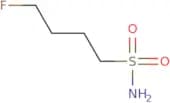
CAS:<p>Versatile small molecule scaffold</p>Formula:C7H13N3OPurity:Min. 95%Molecular weight:155.2 g/mol4-Fluorobutane-1-sulfonamide
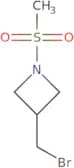
CAS:Versatile small molecule scaffoldFormula:C4H10FNO2SPurity:Min. 95%Molecular weight:155.19 g/mol3-(Bromomethyl)-1-methanesulfonylazetidine
CAS:Versatile small molecule scaffoldFormula:C5H10BrNO2SPurity:Min. 95%Molecular weight:228.11 g/mol{1,7-Dioxaspiro[4.4]nonan-2-yl}methanamine
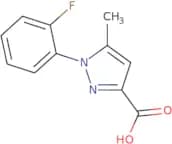
CAS:<p>Versatile small molecule scaffold</p>Formula:C8H15NO2Purity:Min. 95%Molecular weight:157.21 g/mol1-(2-Fluorophenyl)-5-methyl-1H-pyrazole-3-carboxylic acid
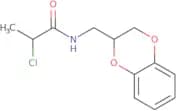
CAS:<p>Versatile small molecule scaffold</p>Formula:C11H9FN2O2Purity:Min. 95%Molecular weight:220.2 g/mol2-Chloro-N-(2,3-dihydro-1,4-benzodioxin-2-ylmethyl)propanamide
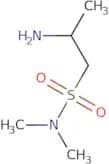
CAS:Versatile small molecule scaffoldFormula:C12H14ClNO3Purity:Min. 95%Molecular weight:255.7 g/mol2-Amino-N,N-dimethylpropane-1-sulfonamide
CAS:<p>Versatile small molecule scaffold</p>Formula:C5H14N2O2SPurity:Min. 95%Molecular weight:166.24 g/mol2-[(4-Aminophenyl)methyl]-1,3-thiazole-4-carboxylic acid
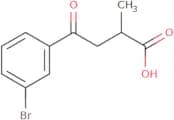
CAS:<p>Versatile small molecule scaffold</p>Formula:C11H10N2O2SPurity:Min. 95%Molecular weight:234.28 g/mol4-(3-Bromophenyl)-2-methyl-4-oxobutanoic acid
CAS:<p>Versatile small molecule scaffold</p>Formula:C11H11BrO3Purity:Min. 95%Molecular weight:271.11 g/mol3-[3-(Trifluoromethyl)phenyl]butan-1-amine
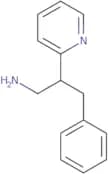
CAS:<p>Versatile small molecule scaffold</p>Formula:C11H14F3NPurity:Min. 95%Molecular weight:217.23 g/mol3-Phenyl-2-(pyridin-2-yl)propan-1-amine
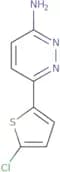
CAS:<p>Versatile small molecule scaffold</p>Formula:C14H16N2Purity:Min. 95%Molecular weight:212.29 g/mol6-(5-Chlorothiophen-2-yl)pyridazin-3-amine
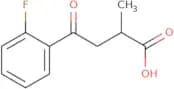
CAS:<p>Versatile small molecule scaffold</p>Formula:C8H6ClN3SPurity:Min. 95%Molecular weight:211.67 g/mol4-(2-Fluorophenyl)-2-methyl-4-oxobutanoic acid
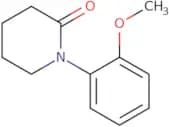
CAS:<p>Versatile small molecule scaffold</p>Formula:C11H11FO3Purity:Min. 95%Molecular weight:210.2 g/mol1-(2-Methoxyphenyl)piperidin-2-one
CAS:<p>Versatile small molecule scaffold</p>Formula:C12H15NO2Purity:Min. 95%Molecular weight:205.25 g/mol2-Chloro-N-[(5-chloro-2-methoxyphenyl)methyl]acetamide
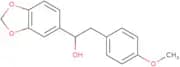
CAS:<p>Versatile small molecule scaffold</p>Formula:C10H11Cl2NO2Purity:Min. 95%Molecular weight:248.1 g/mol1-(1,3-Dioxaindan-5-yl)-2-(4-methoxyphenyl)ethan-1-ol
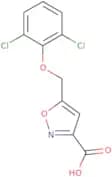
CAS:Controlled Product<p>Versatile small molecule scaffold</p>Formula:C16H16O4Purity:Min. 95%Molecular weight:272.3 g/mol5-(2,6-Dichlorophenoxymethyl)-1,2-oxazole-3-carboxylic acid
CAS:<p>Versatile small molecule scaffold</p>Formula:C11H7Cl2NO4Purity:Min. 95%Molecular weight:288.08 g/mol2-Chloro-N-[2-(naphthalen-2-yloxy)ethyl]acetamide
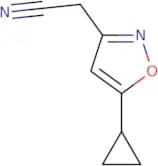
CAS:<p>Versatile small molecule scaffold</p>Formula:C14H14ClNO2Purity:Min. 95%Molecular weight:263.72 g/mol2-(5-Cyclopropylisoxazol-3-yl)acetonitrile
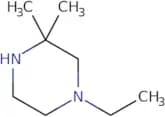
CAS:<p>Versatile small molecule scaffold</p>Formula:C8H8N2OPurity:Min. 95%Molecular weight:148.16 g/mol1-Ethyl-3,3-dimethyl-piperazine
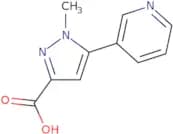
CAS:<p>Versatile small molecule scaffold</p>Formula:C8H18N2Purity:Min. 95%Molecular weight:142.24 g/mol1-Methyl-5-(pyridin-3-yl)-1H-pyrazole-3-carboxylic acid
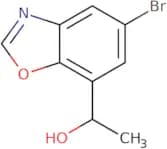
CAS:<p>Versatile small molecule scaffold</p>Formula:C10H9N3O2Purity:Min. 95%Molecular weight:203.2 g/mol1-(5-Bromo-1,3-benzoxazol-7-yl)ethan-1-ol
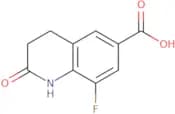
CAS:<p>Versatile small molecule scaffold</p>Formula:C9H8BrNO2Purity:Min. 95%Molecular weight:242.07 g/mol8-Fluoro-2-oxo-1,2,3,4-tetrahydroquinoline-6-carboxylic acid
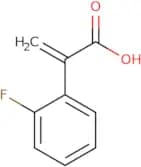
CAS:<p>Versatile small molecule scaffold</p>Formula:C10H8FNO3Purity:Min. 95%Molecular weight:209.17 g/mol2-(2-Fluorophenyl)prop-2-enoic acid
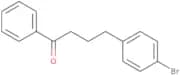
CAS:<p>Versatile small molecule scaffold</p>Formula:C9H7FO2Purity:Min. 95%Molecular weight:166.15 g/mol4-(4-Bromophenyl)-1-phenylbutan-1-one
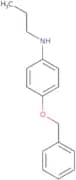
CAS:<p>Versatile small molecule scaffold</p>Formula:C16H15BrOPurity:Min. 95%Molecular weight:303.19 g/mol4-(Benzyloxy)-N-propylaniline
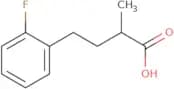
CAS:<p>Versatile small molecule scaffold</p>Formula:C16H19NOPurity:Min. 95%Molecular weight:241.33 g/mol4-(2-Fluorophenyl)-2-methylbutanoic acid
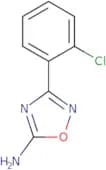
CAS:<p>Versatile small molecule scaffold</p>Formula:C11H13FO2Purity:Min. 95%Molecular weight:196.22 g/mol3-(2-Chlorophenyl)-1,2,4-oxadiazol-5-amine
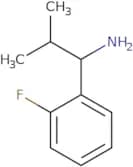
CAS:<p>Versatile small molecule scaffold</p>Formula:C8H6ClN3OPurity:Min. 95%Molecular weight:195.6 g/mol1-(2-Fluorophenyl)-2-methylpropan-1-amine
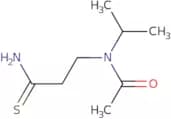
CAS:<p>Versatile small molecule scaffold</p>Formula:C10H14FNPurity:Min. 95%Molecular weight:167.22 g/molN-(2-Carbamothioylethyl)-N-(propan-2-yl)acetamide
CAS:<p>Versatile small molecule scaffold</p>Formula:C8H16N2OSPurity:Min. 95%Molecular weight:188.29 g/molN-[(3-Butoxyphenyl)methyl]-2-chloroacetamide
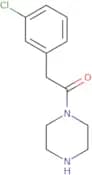
CAS:<p>Versatile small molecule scaffold</p>Formula:C13H18ClNO2Purity:Min. 95%Molecular weight:255.74 g/mol2-(3-Chlorophenyl)-1-(piperazin-1-yl)ethan-1-one
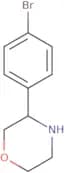
CAS:<p>Versatile small molecule scaffold</p>Formula:C12H15ClN2OPurity:Min. 95%Molecular weight:238.71 g/mol3-(4-Bromophenyl)morpholine
CAS:<p>Versatile small molecule scaffold</p>Formula:C10H12BrNOPurity:Min. 95%Molecular weight:242.11 g/molN-[2-(1,3-Dioxaindan-5-yloxy)ethyl]-2-chloroacetamide
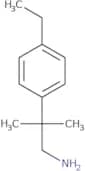
CAS:Versatile small molecule scaffoldFormula:C11H12ClNO4Purity:Min. 95%Molecular weight:257.67 g/mol2-(4-Ethylphenyl)-2-methylpropan-1-amine
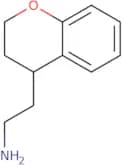
CAS:<p>Versatile small molecule scaffold</p>Formula:C12H19NPurity:Min. 95%Molecular weight:177.29 g/mol2-(3,4-Dihydro-2H-1-benzopyran-4-yl)ethan-1-amine
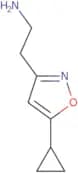
CAS:<p>Versatile small molecule scaffold</p>Formula:C11H15NOPurity:Min. 95%Molecular weight:177.24 g/mol2-(5-Cyclopropyl-1,2-oxazol-3-yl)ethan-1-amine
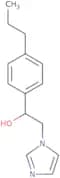
CAS:<p>Versatile small molecule scaffold</p>Formula:C8H12N2OPurity:Min. 95%Molecular weight:152.19 g/mol2-(1H-Imidazol-1-yl)-1-(4-propylphenyl)ethan-1-ol
CAS:<p>Versatile small molecule scaffold</p>Formula:C14H18N2OPurity:Min. 95%Molecular weight:230.31 g/mol1-[(2-Methylphenyl)methyl]cyclohexane-1-carboxylic acid
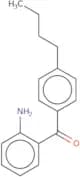
CAS:<p>Versatile small molecule scaffold</p>Formula:C15H20O2Purity:Min. 95%Molecular weight:232.3 g/mol2-(4-Butylbenzoyl)aniline
CAS:<p>Versatile small molecule scaffold</p>Formula:C17H19NOPurity:Min. 95%Molecular weight:253.3 g/mol2-[(3-Bromophenyl)methyl]piperidine
CAS:Controlled Product<p>Versatile small molecule scaffold</p>Formula:C12H16BrNPurity:Min. 95%Molecular weight:254.17 g/mol1-[4-(Propan-2-yl)phenyl]-2,3-dihydro-1H-1,3-benzodiazol-2-one
CAS:<p>Versatile small molecule scaffold</p>Formula:C16H16N2OPurity:Min. 95%Molecular weight:252.3 g/mol2-Chloro-N-{[4-(phenoxymethyl)phenyl]methyl}acetamide
CAS:<p>Versatile small molecule scaffold</p>Formula:C16H16ClNO2Purity:Min. 95%Molecular weight:289.75 g/mol2-[4-Methyl-2-(morpholin-4-yl)-1,3-thiazol-5-yl]acetic acid
CAS:<p>Versatile small molecule scaffold</p>Formula:C10H14N2O3SPurity:Min. 95%Molecular weight:242.3 g/mol3-[Methyl(prop-2-en-1-yl)sulfamoyl]benzoic acid
CAS:<p>Versatile small molecule scaffold</p>Formula:C11H13NO4SPurity:Min. 95%Molecular weight:255.29 g/mol5-[2-(2-Chloro-6-fluorophenyl)ethyl]-1H-1,2,3,4-tetrazole
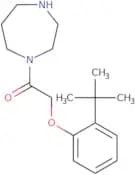
CAS:<p>Versatile small molecule scaffold</p>Formula:C9H8ClFN4Purity:Min. 95%Molecular weight:226.64 g/mol2-(2-tert-Butylphenoxy)-1-(1,4-diazepan-1-yl)ethan-1-one
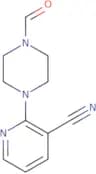
CAS:<p>Versatile small molecule scaffold</p>Formula:C17H26N2O2Purity:Min. 95%Molecular weight:290.4 g/mol2-(4-Formylpiperazin-1-yl)pyridine-3-carbonitrile
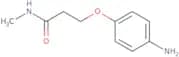
CAS:<p>Versatile small molecule scaffold</p>Formula:C11H12N4OPurity:Min. 95%Molecular weight:216.24 g/mol3-(4-Aminophenoxy)-N-methylpropanamide
CAS:<p>Versatile small molecule scaffold</p>Formula:C10H14N2O2Purity:Min. 95%Molecular weight:194.23 g/mol2-Chloro-N-{[2-(phenoxymethyl)phenyl]methyl}acetamide
CAS:<p>Versatile small molecule scaffold</p>Formula:C16H16ClNO2Purity:Min. 95%Molecular weight:289.75 g/mol3-[(3,5-Difluorophenyl)methyl]piperidine
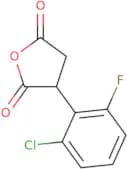
CAS:<p>Versatile small molecule scaffold</p>Formula:C12H15F2NPurity:Min. 95%Molecular weight:211.25 g/mol3-(2-Chloro-6-fluorophenyl)oxolane-2,5-dione
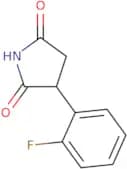
CAS:<p>Versatile small molecule scaffold</p>Formula:C10H6ClFO3Purity:Min. 95%Molecular weight:228.6 g/mol3-(2-Fluorophenyl)pyrrolidine-2,5-dione
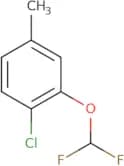
CAS:<p>Versatile small molecule scaffold</p>Formula:C10H8FNO2Purity:Min. 95%Molecular weight:193.17 g/mol1-Chloro-2-(difluoromethoxy)-4-methylbenzene
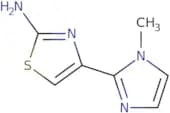
CAS:Versatile small molecule scaffoldFormula:C8H7ClF2OPurity:Min. 95%Molecular weight:192.59 g/mol4-(1-Methyl-1H-imidazol-2-yl)-1,3-thiazol-2-amine
CAS:Versatile small molecule scaffoldFormula:C7H8N4SPurity:Min. 95%Molecular weight:180.23 g/mol[2-(Furan-2-yl)-1,3-thiazol-4-yl]methanamine
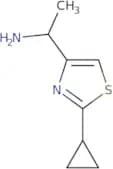
CAS:<p>Versatile small molecule scaffold</p>Formula:C8H8N2OSPurity:Min. 95%Molecular weight:180.23 g/mol1-(2-Cyclopropyl-1,3-thiazol-4-yl)ethan-1-amine
CAS:<p>Versatile small molecule scaffold</p>Formula:C8H12N2SPurity:Min. 95%Molecular weight:168.26 g/molEthyl[2-(1,3-thiazol-2-yl)ethyl]amine
CAS:<p>Versatile small molecule scaffold</p>Formula:C7H12N2SPurity:Min. 95%Molecular weight:156.25 g/mol(Propan-2-yl)[2-(1,3-thiazol-2-yl)ethyl]amine
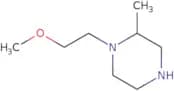
CAS:<p>Versatile small molecule scaffold</p>Formula:C8H14N2SPurity:Min. 95%Molecular weight:170.28 g/mol1-(2-Methoxyethyl)-2-methylpiperazine
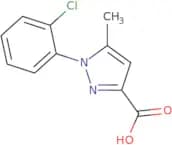
CAS:<p>Versatile small molecule scaffold</p>Formula:C8H18N2OPurity:Min. 95%Molecular weight:158.24 g/mol1-(2-Chlorophenyl)-5-methyl-1H-pyrazole-3-carboxylic acid
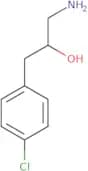
CAS:<p>Versatile small molecule scaffold</p>Formula:C11H9ClN2O2Purity:Min. 95%Molecular weight:236.65 g/mol1-Amino-3-(4-chlorophenyl)propan-2-ol
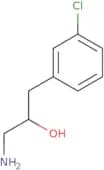
CAS:<p>Versatile small molecule scaffold</p>Formula:C9H12ClNOPurity:Min. 95%Molecular weight:185.65 g/mol1-Amino-3-(3-chlorophenyl)propan-2-ol
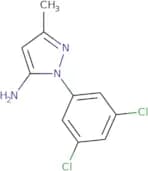
CAS:<p>Versatile small molecule scaffold</p>Formula:C9H12ClNOPurity:Min. 95%Molecular weight:185.65 g/mol1-(3,5-Dichlorophenyl)-3-methyl-1H-pyrazol-5-amine
CAS:<p>Versatile small molecule scaffold</p>Formula:C10H9Cl2N3Purity:Min. 95%Molecular weight:242.1 g/mol

![(2R)-3-[(Carboxymethyl)sulfanyl]-2-acetamidopropanoic acid](/_next/image/?url=https%3A%2Fstatic.cymitquimica.com%2Fproducts%2F3D%2Fthumb-webp%2FBBA17754.webp&w=3840&q=75)
![2-(1H-Pyrrol-1-yl)-4H,5H,6H-cyclopenta[b]thiophene-3-carboxylic acid](/_next/image/?url=https%3A%2Fstatic.cymitquimica.com%2Fproducts%2F3D%2Fthumb-webp%2FBBA17622.webp&w=3840&q=75)

![1-Benzo[b]thien-3-yl-2-chloroethanone](/_next/image/?url=https%3A%2Fstatic.cymitquimica.com%2Fproducts%2F3D%2Fthumb-webp%2FBBA16744.webp&w=3840&q=75)
![[4-(2,5-Dimethyl-pyrrol-1-yl)-phenyl]-acetic acid](/_next/image/?url=https%3A%2Fstatic.cymitquimica.com%2Fproducts%2F3D%2Fthumb-webp%2FBBA16563.webp&w=3840&q=75)



![4-[2-(Pyrrolidin-1-yl)ethoxy]benzaldehyde](/_next/image/?url=https%3A%2Fstatic.cymitquimica.com%2Fproducts%2F3D%2Fthumb-webp%2FBBA11647.webp&w=3840&q=75)

![2-{2-Oxa-6-azaspiro[3.3]heptan-6-yl}ethan-1-ol](/_next/image/?url=https%3A%2Fstatic.cymitquimica.com%2Fproducts%2F3D%2Fthumb-webp%2FBBA09635.webp&w=3840&q=75)
![Tricyclo[3.3.1.13,7]decane-2-acetic acid](/_next/image/?url=https%3A%2Fstatic.cymitquimica.com%2Fproducts%2F3D%2Fthumb-webp%2FBBA08222.webp&w=3840&q=75)




![9H-Pyrido[3,4-b]indole-1-carboxylic acid](/_next/image/?url=https%3A%2Fstatic.cymitquimica.com%2Fproducts%2F3D%2Fthumb-webp%2FBBA05296.webp&w=3840&q=75)


![2,6-Dimethyl-1H,2H,3H,5H,6H,7H-pyrrolo[3,4-F]isoindole-1,3,5,7-tetrone](/_next/image/?url=https%3A%2Fstatic.cymitquimica.com%2Fproducts%2F3D%2Fthumb-webp%2FBBA01179.webp&w=3840&q=75)
![2-Methyl-2-[4-(trifluoromethyl)phenoxy]propanoic acid](/_next/image/?url=https%3A%2Fstatic.cymitquimica.com%2Fproducts%2F3D%2Fthumb-webp%2FBBA00248.webp&w=3840&q=75)
![tert-Butyl [3,3'-bipyrrolidine]-1-carboxylate](/_next/image/?url=https%3A%2Fstatic.cymitquimica.com%2Fproducts%2F3D%2Fthumb-webp%2FBAC00700.webp&w=3840&q=75)
![tert-Butyl [2,3'-bipyrrolidine]-1-carboxylate](/_next/image/?url=https%3A%2Fstatic.cymitquimica.com%2Fproducts%2F3D%2Fthumb-webp%2FBAC00682.webp&w=3840&q=75)
![2-[(tert-butoxy)carbonyl]-5-oxa-2-azaspiro[3.4]octane-6-carboxylic acid](/_next/image/?url=https%3A%2Fstatic.cymitquimica.com%2Fproducts%2F3D%2Fthumb-webp%2FBAC00600.webp&w=3840&q=75)
![rel-((1S,5S)-3-(tert-Butoxycarbonyl)-3-azabicyclo[3.1.0]hexane-1-carboxylic acid)](/_next/image/?url=https%3A%2Fstatic.cymitquimica.com%2Fproducts%2F3D%2Fthumb-webp%2FBAC00534.webp&w=3840&q=75)
![2-(tert-Butoxycarbonyl)-2-azabicyclo[3.1.0]hexane-1-carboxylic acid](/_next/image/?url=https%3A%2Fstatic.cymitquimica.com%2Fproducts%2F3D%2Fthumb-webp%2FBAC00487.webp&w=3840&q=75)
![(3aR,6aR)-rel-Hexahydro-4-oxo-pyrrolo[3,4-c]pyrrole-2(1H)-carboxylic Acid 1,1-Dimethylethyl Ester](/_next/image/?url=https%3A%2Fstatic.cymitquimica.com%2Fproducts%2F3D%2Fthumb-webp%2FBAC00389.webp&w=3840&q=75)
![tert-Butyl 3-(hydroxymethyl)-4H,5H,6H,7H-pyrazolo[1,5-a]pyrazine-5-carboxylate](/_next/image/?url=https%3A%2Fstatic.cymitquimica.com%2Fproducts%2F3D%2Fthumb-webp%2FBAC00382.webp&w=3840&q=75)
![9-Oxa-2,6-diazaspiro[4.5]decane-2-carboxylic Acid 1,1-Dimethylethyl Ester](/_next/image/?url=https%3A%2Fstatic.cymitquimica.com%2Fproducts%2F3D%2Fthumb-webp%2FBAC00379.webp&w=3840&q=75)
![3-Bromo-imidazo[1,5-a]pyrimidine-8-carboxylic acid ethyl ester](/_next/image/?url=https%3A%2Fstatic.cymitquimica.com%2Fproducts%2F3D%2Fthumb-webp%2FBAC00311.webp&w=3840&q=75)
![3-Hydroxymethyl-5,6-dihydro-8H-[1,2,4]triazolo[4,3-a]pyrazine-7-carboxylic acid tert-butylester](/_next/image/?url=https%3A%2Fstatic.cymitquimica.com%2Fproducts%2F3D%2Fthumb-webp%2FBAC00277.webp&w=3840&q=75)
![6-[(tert-butoxy)carbonyl]-6-azaspiro[3.4]octane-2-carboxylic acid](/_next/image/?url=https%3A%2Fstatic.cymitquimica.com%2Fproducts%2F3D%2Fthumb-webp%2FBAC00242.webp&w=3840&q=75)
![2-{2-[(tert-butoxy)carbonyl]-2-azaspiro[3.3]heptan-6-yl}acetic acid](/_next/image/?url=https%3A%2Fstatic.cymitquimica.com%2Fproducts%2F3D%2Fthumb-webp%2FBAC00239.webp&w=3840&q=75)
![tert-butyl 7-(aminomethyl)-6-oxa-2-azaspiro[3.4]octane-2-carboxylate](/_next/image/?url=https%3A%2Fstatic.cymitquimica.com%2Fproducts%2F3D%2Fthumb-webp%2FBAC00226.webp&w=3840&q=75)
![2-[(tert-Butoxy)carbonyl]-6-oxa-2-azaspiro[3.4]octane-7-carboxylic acid](/_next/image/?url=https%3A%2Fstatic.cymitquimica.com%2Fproducts%2F3D%2Fthumb-webp%2FBAC00205.webp&w=3840&q=75)
![2-boc-8-oxa-2,5-diaza-spiro[3.5]nonane](/_next/image/?url=https%3A%2Fstatic.cymitquimica.com%2Fproducts%2F3D%2Fthumb-webp%2FBAC00201.webp&w=3840&q=75)
![1,6-Diazaspiro[3.5]nonane-6-carboxylic acid tert-butyl ester](/_next/image/?url=https%3A%2Fstatic.cymitquimica.com%2Fproducts%2F3D%2Fthumb-webp%2FBAC00200.webp&w=3840&q=75)
![tert-Butyl 7-amino-5-azabicyclo[4.1.0]heptane-5-carboxylate](/_next/image/?url=https%3A%2Fstatic.cymitquimica.com%2Fproducts%2F3D%2Fthumb-webp%2FBAC00132.webp&w=3840&q=75)
![tert-Butyl 4,8-dioxa-1,11-diazaspiro[5.6]dodecane-11-carboxylate](/_next/image/?url=https%3A%2Fstatic.cymitquimica.com%2Fproducts%2F3D%2Fthumb-webp%2FBAC00086.webp&w=3840&q=75)
![Tert-Butyl 3-Bromo-5,6-Dihydrospiro[Piperidine-4,7-Pyrrolo[1,2-A]Imidazole]-1-Carboxylate](/_next/image/?url=https%3A%2Fstatic.cymitquimica.com%2Fproducts%2F3D%2Fthumb-webp%2FBAC00016.webp&w=3840&q=75)
![[1-(4-Bromophenyl)cyclohexyl]methanamine](/_next/image/?url=https%3A%2Fstatic.cymitquimica.com%2Fproducts%2F3D%2Fthumb-webp%2FBAB60332.webp&w=3840&q=75)
![[1-(4-Bromophenyl)cyclopentyl]methanamine](/_next/image/?url=https%3A%2Fstatic.cymitquimica.com%2Fproducts%2F3D%2Fthumb-webp%2FBAB60331.webp&w=3840&q=75)
![[2-(Dimethylamino)ethyl][(2-fluorophenyl)methyl]amine](/_next/image/?url=https%3A%2Fstatic.cymitquimica.com%2Fproducts%2F3D%2Fthumb-webp%2FBAB21627.webp&w=3840&q=75)
![3-{[Phenyl(pyridin-2-yl)methyl]amino}propan-1-ol](/_next/image/?url=https%3A%2Fstatic.cymitquimica.com%2Fproducts%2F3D%2Fthumb-webp%2FBAB21415.webp&w=3840&q=75)
![4-bromobicyclo[2.2.2]octane-1-carboxylic acid](/_next/image/?url=https%3A%2Fstatic.cymitquimica.com%2Fproducts%2F3D%2Fthumb-webp%2FBAA98950.webp&w=3840&q=75)
![[3,3'-Bipyridine]-5-carboxylic acid](/_next/image/?url=https%3A%2Fstatic.cymitquimica.com%2Fproducts%2F3D%2Fthumb-webp%2FBAA97081.webp&w=3840&q=75)

![rac-(1R,2R,5R)-Bicyclo[3.2.1]octan-2-ol, exo](/_next/image/?url=https%3A%2Fstatic.cymitquimica.com%2Fproducts%2F3D%2Fthumb-webp%2FBAA96538.webp&w=3840&q=75)
![3,5-Dimethyl benzo[b]thiophene](/_next/image/?url=https%3A%2Fstatic.cymitquimica.com%2Fproducts%2F3D%2Fthumb-webp%2FBAA96445.webp&w=3840&q=75)

![2-(Bromomethyl)bicyclo[2.2.2]octane](/_next/image/?url=https%3A%2Fstatic.cymitquimica.com%2Fproducts%2F3D%2Fthumb-webp%2FAZC91876.webp&w=3840&q=75)
![Methyl({[2-(1H-pyrazol-1-yl)-1,3-thiazol-5-yl]methyl})amine](/_next/image/?url=https%3A%2Fstatic.cymitquimica.com%2Fproducts%2F3D%2Fthumb-webp%2FAZC90121.webp&w=3840&q=75)
![{2-[(Dimethylamino)methyl]-1,3-oxazol-4-yl}methanamine](/_next/image/?url=https%3A%2Fstatic.cymitquimica.com%2Fproducts%2F3D%2Fthumb-webp%2FAZC82923.webp&w=3840&q=75)
![{1,7-Dioxaspiro[4.4]nonan-2-yl}methanamine](/_next/image/?url=https%3A%2Fstatic.cymitquimica.com%2Fproducts%2F3D%2Fthumb-webp%2FAZC19196.webp&w=3840&q=75)
![2-[(4-Aminophenyl)methyl]-1,3-thiazole-4-carboxylic acid](/_next/image/?url=https%3A%2Fstatic.cymitquimica.com%2Fproducts%2F3D%2Fthumb-webp%2FAZB96738.webp&w=3840&q=75)
![3-[3-(Trifluoromethyl)phenyl]butan-1-amine](/_next/image/?url=https%3A%2Fstatic.cymitquimica.com%2Fproducts%2F3D%2Fthumb-webp%2FAZB96133.webp&w=3840&q=75)
![2-Chloro-N-[(5-chloro-2-methoxyphenyl)methyl]acetamide](/_next/image/?url=https%3A%2Fstatic.cymitquimica.com%2Fproducts%2F3D%2Fthumb-webp%2FAZB91588.webp&w=3840&q=75)
![2-Chloro-N-[2-(naphthalen-2-yloxy)ethyl]acetamide](/_next/image/?url=https%3A%2Fstatic.cymitquimica.com%2Fproducts%2F3D%2Fthumb-webp%2FAZB89090.webp&w=3840&q=75)
![N-[(3-Butoxyphenyl)methyl]-2-chloroacetamide](/_next/image/?url=https%3A%2Fstatic.cymitquimica.com%2Fproducts%2F3D%2Fthumb-webp%2FAZB83658.webp&w=3840&q=75)
![N-[2-(1,3-Dioxaindan-5-yloxy)ethyl]-2-chloroacetamide](/_next/image/?url=https%3A%2Fstatic.cymitquimica.com%2Fproducts%2F3D%2Fthumb-webp%2FAZB81653.webp&w=3840&q=75)
![1-[(2-Methylphenyl)methyl]cyclohexane-1-carboxylic acid](/_next/image/?url=https%3A%2Fstatic.cymitquimica.com%2Fproducts%2F3D%2Fthumb-webp%2FAZB79115.webp&w=3840&q=75)
![2-[(3-Bromophenyl)methyl]piperidine](/_next/image/?url=https%3A%2Fstatic.cymitquimica.com%2Fproducts%2F3D%2Fthumb-webp%2FAZB78484.webp&w=3840&q=75)
![1-[4-(Propan-2-yl)phenyl]-2,3-dihydro-1H-1,3-benzodiazol-2-one](/_next/image/?url=https%3A%2Fstatic.cymitquimica.com%2Fproducts%2F3D%2Fthumb-webp%2FAZB78120.webp&w=3840&q=75)
![2-Chloro-N-{[4-(phenoxymethyl)phenyl]methyl}acetamide](/_next/image/?url=https%3A%2Fstatic.cymitquimica.com%2Fproducts%2F3D%2Fthumb-webp%2FAZB77038.webp&w=3840&q=75)
![2-[4-Methyl-2-(morpholin-4-yl)-1,3-thiazol-5-yl]acetic acid](/_next/image/?url=https%3A%2Fstatic.cymitquimica.com%2Fproducts%2F3D%2Fthumb-webp%2FAZB76917.webp&w=3840&q=75)
![3-[Methyl(prop-2-en-1-yl)sulfamoyl]benzoic acid](/_next/image/?url=https%3A%2Fstatic.cymitquimica.com%2Fproducts%2F3D%2Fthumb-webp%2FAZB76458.webp&w=3840&q=75)
![5-[2-(2-Chloro-6-fluorophenyl)ethyl]-1H-1,2,3,4-tetrazole](/_next/image/?url=https%3A%2Fstatic.cymitquimica.com%2Fproducts%2F3D%2Fthumb-webp%2FAZB76206.webp&w=3840&q=75)
![2-Chloro-N-{[2-(phenoxymethyl)phenyl]methyl}acetamide](/_next/image/?url=https%3A%2Fstatic.cymitquimica.com%2Fproducts%2F3D%2Fthumb-webp%2FAZB70175.webp&w=3840&q=75)
![3-[(3,5-Difluorophenyl)methyl]piperidine](/_next/image/?url=https%3A%2Fstatic.cymitquimica.com%2Fproducts%2F3D%2Fthumb-webp%2FAZB68778.webp&w=3840&q=75)
![[2-(Furan-2-yl)-1,3-thiazol-4-yl]methanamine](/_next/image/?url=https%3A%2Fstatic.cymitquimica.com%2Fproducts%2F3D%2Fthumb-webp%2FAZB63452.webp&w=3840&q=75)
![Ethyl[2-(1,3-thiazol-2-yl)ethyl]amine](/_next/image/?url=https%3A%2Fstatic.cymitquimica.com%2Fproducts%2F3D%2Fthumb-webp%2FAZB62725.webp&w=3840&q=75)
![(Propan-2-yl)[2-(1,3-thiazol-2-yl)ethyl]amine](/_next/image/?url=https%3A%2Fstatic.cymitquimica.com%2Fproducts%2F3D%2Fthumb-webp%2FAZB62716.webp&w=3840&q=75)