Building Blocks
This section contains fundamental products for the synthesis of organic and biological compounds. Building blocks are the essential starting materials used to construct complex molecules through various chemical reactions. They play a critical role in drug discovery, material science, and chemical research. At CymitQuimica, we offer a diverse range of high-quality building blocks to support your innovative research and industrial projects, ensuring you have the essential components for successful synthesis.
Subcategories of "Building Blocks"
- Boronic Acids & Boronic Acid Derivatives(5,756 products)
- Chiral Building Blocks(1,242 products)
- Hydrocarbon Building Blocks(6,095 products)
- Organic Building Blocks(61,051 products)
Found 199813 products of "Building Blocks"
Sort by
Purity (%)
0
100
|
0
|
50
|
90
|
95
|
100
2-[4-(3-Bromobenzamido)phenyl]acetic acid
CAS:<p>Versatile small molecule scaffold</p>Formula:C15H12BrNO3Purity:Min. 95%Molecular weight:334.16 g/molN-(2-Methoxyethyl)-6-methylpiperidine-3-carboxamide
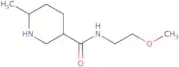
CAS:<p>N-(2-Methoxyethyl)-6-methylpiperidine-3-carboxamide is a custom synthesis that is used as an intermediate in the production of saccharides. It can be used in the synthesis of complex carbohydrates, such as oligosaccharide and polysaccharide. N-(2-Methoxyethyl)-6-methylpiperidine-3-carboxamide has been shown to react with various types of sugar molecules, including monosaccharide, disaccharide, and trisaccharide.</p>Formula:C10H20N2O2Purity:Min. 95%Molecular weight:200.28 g/mol3-(5-bromo-3-methylpyrazolo[3,4-b]pyridin-1-yl)thiolane 1,1-dioxide
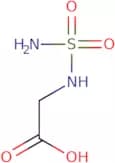
CAS:<p>Versatile small molecule scaffold</p>Formula:C11H12BrN3O2SPurity:Min. 95%Molecular weight:330.2 g/mol2-(Sulfamoylamino)acetic acid
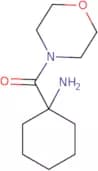
CAS:<p>Versatile small molecule scaffold</p>Formula:C2H6N2O4SPurity:Min. 95%Molecular weight:154.15 g/mol1-(Morpholine-4-carbonyl)cyclohexan-1-amine
CAS:<p>Versatile small molecule scaffold</p>Formula:C11H20N2O2Purity:Min. 95%Molecular weight:212.29 g/mol[(2,4-Difluorophenyl)methyl](ethyl)amine
CAS:<p>Versatile small molecule scaffold</p>Formula:C9H11F2NPurity:Min. 95%Molecular weight:171.19 g/mol4-(Naphthalen-1-yloxy)butanenitrile
CAS:<p>Versatile small molecule scaffold</p>Formula:C14H13NOPurity:Min. 95%Molecular weight:211.26 g/mol2-Chloro-6-fluoro-N-hydroxybenzamide
CAS:<p>Versatile small molecule scaffold</p>Formula:C7H5ClFNO2Purity:Min. 95%Molecular weight:189.57 g/molN-(4-Bromo-3-methylphenyl)-1,3-propanesultam
CAS:<p>Versatile small molecule scaffold</p>Formula:C10H12BrNO2SPurity:Min. 95%Molecular weight:290.18 g/mol2-(1-Oxo-1,2-dihydrophthalazin-2-yl)ethanethioamide
CAS:<p>Versatile small molecule scaffold</p>Formula:C10H9N3OSPurity:Min. 95%Molecular weight:219.27 g/mol2-(3-Oxopiperazin-1-yl)pyridine-3-carbothioamide
CAS:Versatile small molecule scaffoldFormula:C10H12N4OSPurity:Min. 95%Molecular weight:236.3 g/molN-(4-Cyanophenyl)-2-cyclopentylacetamide
CAS:<p>Versatile small molecule scaffold</p>Formula:C14H16N2OPurity:Min. 95%Molecular weight:228.29 g/mol4-[(4-Oxopiperidin-1-yl)methyl]benzonitrile
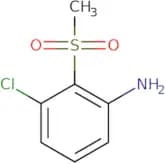
CAS:<p>Versatile small molecule scaffold</p>Formula:C13H14N2OPurity:Min. 95%Molecular weight:214.26 g/mol3-Chloro-2-methanesulfonylaniline
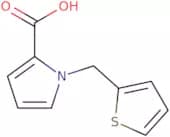
CAS:<p>Versatile small molecule scaffold</p>Formula:C7H8ClNO2SPurity:Min. 95%Molecular weight:205.66 g/mol1-(Thiophen-2-ylmethyl)-1H-pyrrole-2-carboxylic acid
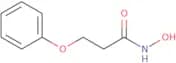
CAS:<p>Versatile small molecule scaffold</p>Formula:C10H9NO2SPurity:Min. 95%Molecular weight:207.25 g/molN-Hydroxy-3-phenoxypropanamide
CAS:<p>Versatile small molecule scaffold</p>Formula:C9H11NO3Purity:Min. 95%Molecular weight:181.19 g/molN'-Hydroxy-2-[(3-methoxyphenyl)methoxy]ethanimidamide
CAS:<p>Versatile small molecule scaffold</p>Formula:C10H14N2O3Purity:Min. 95%Molecular weight:210.23 g/mol6-[4-(3-Methylphenyl)piperazin-1-yl]pyridine-3-carbonitrile
CAS:<p>Versatile small molecule scaffold</p>Formula:C17H18N4Purity:Min. 95%Molecular weight:278.35 g/mol1-[3-(Trifluoromethyl)phenyl]piperidin-4-amine
CAS:<p>Versatile small molecule scaffold</p>Formula:C12H15F3N2Purity:Min. 95%Molecular weight:244.26 g/mol2-Bromo-3-methyl-1-[4-(pyrimidin-2-yl)piperazin-1-yl]butan-1-one
CAS:<p>Versatile small molecule scaffold</p>Formula:C13H19BrN4OPurity:Min. 95%Molecular weight:327.22 g/mol2-[(5-Carbamoylpyridin-2-yl)amino]acetic acid
CAS:<p>Versatile small molecule scaffold</p>Formula:C8H9N3O3Purity:Min. 95%Molecular weight:195.18 g/mol2-(3-Fluorophenoxy)-N'-hydroxyethanimidamide
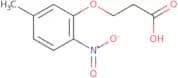
CAS:<p>Versatile small molecule scaffold</p>Formula:C8H9FN2O2Purity:Min. 95%Molecular weight:184.17 g/mol3-(5-Methyl-2-nitrophenoxy)propanoic acid
CAS:<p>Versatile small molecule scaffold</p>Formula:C10H11NO5Purity:Min. 95%Molecular weight:225.2 g/mol2-Bromo-3-methyl-N-(1-phenylethyl)butanamide
CAS:<p>Versatile small molecule scaffold</p>Formula:C13H18BrNOPurity:Min. 95%Molecular weight:284.19 g/mol2-[(2-Methylcyclohexyl)oxy]acetonitrile
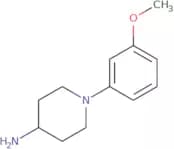
CAS:<p>Versatile small molecule scaffold</p>Formula:C9H15NOPurity:Min. 95%Molecular weight:153.22 g/mol1-(3-Methoxyphenyl)piperidin-4-amine
CAS:<p>Versatile small molecule scaffold</p>Formula:C12H18N2OPurity:Min. 95%Molecular weight:206.28 g/mol2-Ethyl-1-[4-(hydroxyimino)piperidin-1-yl]butan-1-one
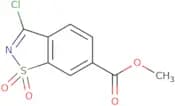
CAS:<p>Versatile small molecule scaffold</p>Formula:C11H20N2O2Purity:Min. 95%Molecular weight:212.29 g/molMethyl 3-chloro-1,1-dioxo-1,2-benzothiazole-6-carboxylate
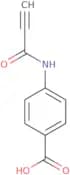
CAS:Versatile small molecule scaffoldFormula:C9H6ClNO4SPurity:Min. 95%Molecular weight:259.67 g/mol4-(Prop-2-ynamido)benzoic acid
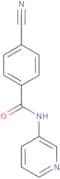
CAS:<p>Versatile small molecule scaffold</p>Formula:C10H7NO3Purity:Min. 95%Molecular weight:189.17 g/mol4-Cyano-N-(pyridin-3-yl)benzamide
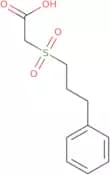
CAS:<p>Versatile small molecule scaffold</p>Formula:C13H9N3OPurity:Min. 95%Molecular weight:223.23 g/mol2-(3-Phenylpropanesulfonyl)acetic acid
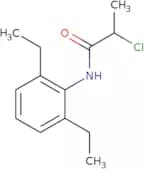
CAS:<p>Versatile small molecule scaffold</p>Formula:C11H14O4SPurity:Min. 95%Molecular weight:242.29 g/mol2-Chloro-N-(2,6-diethylphenyl)propanamide
CAS:<p>Versatile small molecule scaffold</p>Formula:C13H18ClNOPurity:Min. 95%Molecular weight:239.74 g/mol4-Fluoro-3-(1H-imidazol-1-ylmethyl)benzonitrile
CAS:<p>Versatile small molecule scaffold</p>Formula:C11H8FN3Purity:Min. 95%Molecular weight:201.2 g/mol3-[(4-Methylpentan-2-yl)oxy]propanoic acid
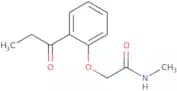
CAS:<p>Versatile small molecule scaffold</p>Formula:C9H18O3Purity:Min. 95%Molecular weight:174.24 g/molN-Methyl-2-(2-propanoylphenoxy)acetamide
CAS:<p>Versatile small molecule scaffold</p>Formula:C12H15NO3Purity:Min. 95%Molecular weight:221.25 g/mol2-{3-Oxo-2H,3H-[1,2,4]triazolo[4,3-a]pyridin-2-yl}acetonitrile
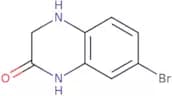
CAS:<p>Versatile small molecule scaffold</p>Formula:C8H6N4OPurity:Min. 95%Molecular weight:174.16 g/mol7-bromo-1,2,3,4-tetrahydroquinoxalin-2-one
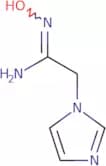
CAS:<p>Versatile small molecule scaffold</p>Formula:C8H7BrN2OPurity:Min. 95%Molecular weight:227.1 g/molN'-Hydroxy-2-(1H-imidazol-1-yl)ethanimidamide
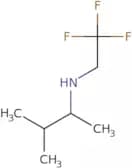
CAS:<p>Versatile small molecule scaffold</p>Formula:C5H8N4OPurity:Min. 95%Molecular weight:140.14 g/mol(3-Methylbutan-2-yl)(2,2,2-trifluoroethyl)amine
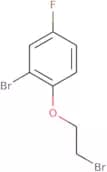
CAS:<p>Versatile small molecule scaffold</p>Formula:C7H14F3NPurity:Min. 95%Molecular weight:169.19 g/mol2-Bromo-1-(2-bromoethoxy)-4-fluorobenzene
CAS:<p>Versatile small molecule scaffold</p>Formula:C8H7Br2FOPurity:Min. 95%Molecular weight:297.95 g/molN'-Hydroxy-2-[(4-hydroxypiperidin-1-yl)methyl]benzene-1-carboximidamide
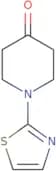
CAS:Versatile small molecule scaffoldFormula:C13H19N3O2Purity:Min. 95%Molecular weight:249.31 g/mol1-(1,3-Thiazol-2-yl)piperidin-4-one
CAS:<p>Versatile small molecule scaffold</p>Formula:C8H10N2OSPurity:Min. 95%Molecular weight:182.25 g/mol1-[3-Methoxy-4-(3-methylbutoxy)phenyl]ethan-1-one
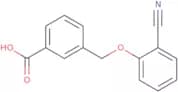
CAS:<p>Versatile small molecule scaffold</p>Formula:C14H20O3Purity:Min. 95%Molecular weight:236.31 g/mol3-(2-Cyanophenoxymethyl)benzoic acid
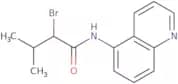
CAS:<p>Versatile small molecule scaffold</p>Formula:C15H11NO3Purity:Min. 95%Molecular weight:253.25 g/mol2-Bromo-3-methyl-N-(quinolin-5-yl)butanamide
CAS:<p>Versatile small molecule scaffold</p>Formula:C14H15BrN2OPurity:Min. 95%Molecular weight:307.19 g/molN-Hydroxy-3-(3-methylphenoxy)propanamide
CAS:<p>Versatile small molecule scaffold</p>Formula:C10H13NO3Purity:Min. 95%Molecular weight:195.21 g/mol3-[(4-Oxopiperidin-1-yl)methyl]benzonitrile
CAS:<p>Versatile small molecule scaffold</p>Formula:C13H14N2OPurity:Min. 95%Molecular weight:214.3 g/mol6-[Methyl(phenyl)amino]pyridine-3-carbonitrile
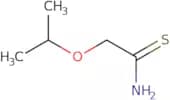
CAS:Versatile small molecule scaffoldFormula:C13H11N3Purity:Min. 95%Molecular weight:209.25 g/mol2-(Propan-2-yloxy)ethanethioamide
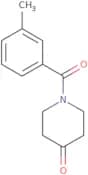
CAS:<p>Versatile small molecule scaffold</p>Formula:C5H11NOSPurity:Min. 95%Molecular weight:133.21 g/mol1-(3-Methylbenzoyl)piperidin-4-one
CAS:Controlled Product<p>Versatile small molecule scaffold</p>Formula:C13H15NO2Purity:Min. 95%Molecular weight:217.26 g/mol2-Cyclopentylethane-1-sulfonamide
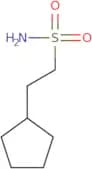
CAS:<p>Versatile small molecule scaffold</p>Formula:C7H15NO2SPurity:Min. 95%Molecular weight:177.27 g/mol2-Methyl-2-(propan-2-yloxy)propanoic acid
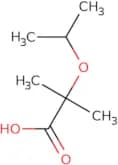
CAS:<p>Versatile small molecule scaffold</p>Formula:C7H14O3Purity:Min. 95%Molecular weight:146.18 g/mol1-Methoxycyclopentane-1-carboxylic acid
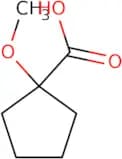
CAS:Versatile small molecule scaffoldFormula:C7H12O3Purity:Min. 95%Molecular weight:144.17 g/mol[(1-Methoxycyclopentyl)methyl](methyl)amine
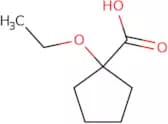
CAS:<p>Versatile small molecule scaffold</p>Formula:C8H17NOPurity:Min. 95%Molecular weight:143.23 g/mol1-Ethoxycyclopentane-1-carboxylic acid
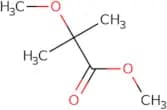
CAS:<p>Versatile small molecule scaffold</p>Formula:C8H14O3Purity:Min. 95%Molecular weight:158.19 g/molMethyl 2-methoxy-2-methylpropanoate
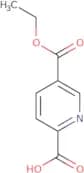
CAS:<p>Versatile small molecule scaffold</p>Formula:C6H12O3Purity:Min. 95%Molecular weight:132.16 g/mol5-(Ethoxycarbonyl)pyridine-2-carboxylic acid
CAS:<p>Versatile small molecule scaffold</p>Formula:C9H9NO4Purity:Min. 95%Molecular weight:195.17 g/mol5-ethynylpyridine-2-carboxylic acid
CAS:<p>5-Ethynylpyridine-2-carboxylic acid is a ligand with a pyridine ring. It binds to the pyridyl subunit of proteins, such as phosphoglycerate kinase and ATP synthase. This compound coordinates with metals to form complexes. It has been used to synthesize other compounds, including benzoate and nitrate salts, which have yielded luminescent frameworks.</p>Formula:C8H5NO2Purity:Min. 95%Molecular weight:147.1 g/molMethyl 5-ethynylpyridine-2-carboxylate
CAS:<p>Methyl 5-ethynylpyridine-2-carboxylate is a ligand that binds in the active site of many enzymes. It can enhance the activity of these enzymes and also change their conformations. Methyl 5-ethynylpyridine-2-carboxylate interacts with four subunits to form a tetradentate framework, which is responsible for this molecule's ability to bind to any type of ligand. This enhancement effect is reversible, and it can be reversed by oxidizing methyl 5-ethynylpyridine-2-carboxylate with nitric acid. The yield of methyl 5-ethynylpyridine-2-carboxylate depends on the reaction conditions and the type of arylacetylene used. Methyl 5-ethynylpyridine-2-carboxylate has been shown to be an effective ligand with a high emission yield when using 1,3</p>Formula:C9H7NO2Purity:Min. 95%Molecular weight:161.2 g/mol[(4-Methylquinolin-2-yl)sulfanyl]acetic acid
CAS:<p>[(4-Methylquinolin-2-yl)sulfanyl]acetic acid is a chemical intermediate that is used in the synthesis of other organic compounds. It can be obtained by reacting acrylonitrile with potassium permanganate in water, followed by hydrolysis of the resulting manganese dioxide to give [(4-methylquinolin-2-yl)sulfanyl]acetic acid. This intermediate can also be synthesized from chloroacetic acid and ethyl bromoacetate, which are then converted to allyl bromide by reaction with potassium. The allyl bromide is then reacted with methyl methacrylate in the presence of amide to produce [(4-methylquinolin-2-yl)sulfanyl]acetic acid.</p>Formula:C12H11NO2SPurity:Min. 95%Molecular weight:233.29 g/mol3-(Trimethylsilyl)benzaldehyde
CAS:<p>Versatile small molecule scaffold</p>Formula:C10H14OSiPurity:Min. 95%Molecular weight:178.3 g/mol2-[(4-Cyanophenyl)sulfanyl]acetic acid
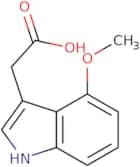
CAS:<p>Versatile small molecule scaffold</p>Formula:C9H7NO2SPurity:Min. 95%Molecular weight:193.22 g/mol4-Methoxyindole-3-acetic Acid
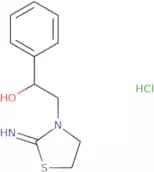
CAS:<p>Versatile small molecule scaffold</p>Formula:C11H11NO3Purity:Min. 95%Molecular weight:205.21 g/mol3-Thiazolidineethanol, 2-imino-α-phenyl-, hydrochloride
CAS:<p>Versatile small molecule scaffold</p>Formula:C11H15ClN2OSPurity:Min. 95%Molecular weight:258.77 g/mol5-Ethyl-4,5,6,7-tetrahydro-thiazolo[5,4-c]pyridin-2-ylamine
CAS:<p>Versatile small molecule scaffold</p>Formula:C8H13N3SPurity:Min. 95%Molecular weight:183.27 g/mol5-Isopropyl-4,5,6,7-tetrahydro-thiazolo[5,4-c]-pyridin-2-ylamine
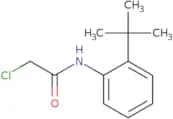
CAS:<p>Versatile small molecule scaffold</p>Formula:C9H15N3SPurity:Min. 95%Molecular weight:197.3 g/molN-(2-tert-Butylphenyl)-2-chloroacetamide
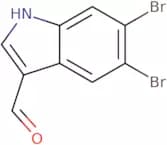
CAS:<p>Versatile small molecule scaffold</p>Formula:C12H16ClNOPurity:Min. 95%Molecular weight:225.71 g/mol5,6-Dibromo-1H-indole-3-carbaldehyde
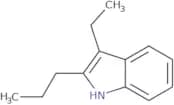
CAS:<p>Versatile small molecule scaffold</p>Formula:C9H5Br2NOPurity:Min. 95%Molecular weight:302.95 g/mol3-Ethyl-2-propyl-1H-indole
CAS:<p>3-Ethyl-2-propyl-1H-indole is an indole that can be used as a synthetic intermediate. It can also be used in nucleophilic substitution reactions to produce functionalized indoles. 3-Ethyl-2-propyl-1H-indole is nontoxic and does not react with most functional groups. This chemical is a good nucleophile and reacts regioselectively with electron deficient or neutral substrates to generate substituted indoles.</p>Formula:C13H17NPurity:Min. 95%Molecular weight:187.28 g/mol[4-(Bromomethyl)phenyl]trimethylsilane
CAS:<p>Versatile small molecule scaffold</p>Formula:C10H15BrSiPurity:Min. 95%Molecular weight:243.21 g/mol6,7,8,9-Tetrahydro-5H-benzo[7]annulen-5-amine
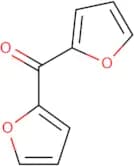
CAS:<p>Versatile small molecule scaffold</p>Formula:C11H15NPurity:Min. 95%Molecular weight:161.25 g/molbis(furan-2-yl)methanone
CAS:<p>Bis(furan-2-yl)methanone is a furyl compound that is activated by trifluoromethanesulfonic acid. It has been shown to be an effective dose for the treatment of bacterial infections that are resistant to erythromycin and other antibiotics. Bis(furan-2-yl)methanone is used in veterinary medicine to treat infections caused by bacteria such as Escherichia coli, Proteus mirabilis, Klebsiella pneumoniae, and Streptococcus agalactiae. This drug has been shown to be active against Gram-positive bacteria, including Bacillus cereus, Clostridium perfringens, Clostridium tetani, Staphylococcus aureus, Streptococcus pyogenes, and Streptococcus pneumoniae.</p>Formula:C9H6O3Purity:Min. 95%Molecular weight:162.14 g/mol3-Methylenebicyclo[3.3.1]nonan-7-one
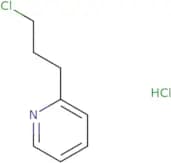
CAS:<p>3-Methylenebicyclo[3.3.1]nonan-7-one is a chiral molecule that has been synthesized as a racemic mixture of two enantiomers. This compound is an amine with a hydroxy group and an isopropyl side chain. It has been shown to have anti-inflammatory properties, which may be due to its ability to inhibit cyclooxygenase and lipoxygenase activity. 3-Methylenebicyclo[3.3.1]nonan-7-one also has antiviral properties, which are due to its inhibition of protein synthesis in viruses by blocking the activity of ribonucleotide reductase, an enzyme required for nucleic acid synthesis. The reaction mechanism involves the formation of a covalent bond between the amantadine and the active site of ribonucleotide reductase through either radical or hydrogen atom transfer mechanisms.</p>Formula:C10H14OPurity:Min. 95%Molecular weight:150.22 g/mol2-(3-Chloropropyl)pyridine hydrochloride
CAS:<p>Versatile small molecule scaffold</p>Formula:C8H11Cl2NPurity:Min. 95%Molecular weight:192.08 g/mol4-Amino-2,3,6-trimethylphenol
CAS:<p>4-Amino-2,3,6-trimethylphenol (4ATMP) is a halogenated phenol that has been used as a developer in the production of silver halide photographic emulsions. It interacts with hydrogen chloride to form a gaseous product and can be used as an indicator for the presence of chlorine gas. 4ATMP is also known to react with formaldehyde and acetaldehyde to produce formic acid and acetic acid respectively. 4ATMP is most commonly prepared by reacting phenol with diethylaminopropyl chloride in the presence of hydrogen chloride gas.</p>Formula:C9H13NOPurity:Min. 95%Molecular weight:151.21 g/mol(2-Phenoxyethyl)amine hydrochloride
CAS:<p>2-Phenoxyethyl)amine hydrochloride is a chlorinated, industrial, synthetic chemical used as a reaction solvent. It can be derived from cyclohexylamine and ethanolamine by reacting with phenol. The reaction product is then hydrolyzed to produce 2-phenoxyethyl)amine hydrochloride.</p>Formula:C8H12ClNOPurity:Min. 95%Molecular weight:173.64 g/mol2,6-Dimethyl-2H-1,4-benzoxazin-3(4H)-one
CAS:<p>Versatile small molecule scaffold</p>Formula:C10H11NO2Purity:Min. 95%Molecular weight:177.2 g/mol4-(Furan-2-yl)-4-oxobutanenitrile
CAS:<p>Versatile small molecule scaffold</p>Formula:C8H7NO2Purity:Min. 95%Molecular weight:149.15 g/mol4-[2-(Trimethylsilyl)ethyl]aniline
CAS:<p>Versatile small molecule scaffold</p>Formula:C11H19NSiPurity:Min. 95%Molecular weight:193.36 g/mol3,7-Dibromo-1,5-naphthyridine
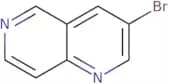
CAS:<p>Versatile small molecule scaffold</p>Formula:C8H4Br2N2Purity:Min. 95%Molecular weight:287.94 g/mol3-Bromo-1,6-naphthyridine
CAS:<p>Versatile small molecule scaffold</p>Formula:C8H5BrN2Purity:Min. 95%Molecular weight:209.04 g/mol3,8-Dibromo-[1,6]naphthyridine
CAS:<p>Versatile small molecule scaffold</p>Formula:C8H4Br2N2Purity:Min. 95%Molecular weight:287.94 g/mol5-bromo-1,7-naphthyridine
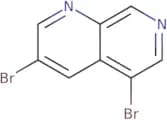
CAS:<p>5-bromo-1,7-naphthyridine is a heterocyclic compound that can be derived from pyrrole by the introduction of an electron deficiency. This molecule has been shown to react with nucleophiles such as water and amide in order to yield unsaturated products. The molecule also has electron-donating groups on it, which can be used to optimize yields. 5-bromo-1,7-naphthyridine is often used as a reagent in organic synthesis.</p>Formula:C8H5BrN2Purity:Min. 95%Molecular weight:209 g/mol3,5-Dibromo-1,7-naphthyridine
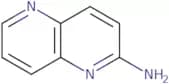
CAS:<p>Versatile small molecule scaffold</p>Formula:C8H4Br2N2Purity:Min. 95%Molecular weight:287.94 g/mol1,5-Naphthyridin-2-ylamine
CAS:<p>1,5-Naphthyridin-2-ylamine is a monocyclic heterocycle that is derived from the amination of 1,5-naphthyridine. It has been used in the preparation of amides and carbocycles. The reaction also produces nitro compounds. The naphthyridinone reacts with a variety of alkyl groups to produce either alkenyl or alkynyl groups. This reaction can be carried out on an industrial scale by using Grignard reagents. The reaction proceeds via a tautomerization mechanism to produce the desired products. It has been shown that this chemical is toxic to cells and can produce DNA damage.</p>Formula:C8H7N3Purity:Min. 95%Molecular weight:145.16 g/mol1,6-Naphthyridin-2-amine
CAS:<p>A 1,6-Naphthyridin-2-amine is a chemical compound that can be synthesized in various yields by extracting it from coal tar. It has been used in the past to make n-substituted derivatives for use in combinatorial and screening studies. A 1,6-Naphthyridin-2-amine can be synthesized using a microwave irradiation technique that uses malononitrile as its starting material. The microwave irradiation technique is operational at low temperatures and can be tracked with a radiotracer. Microwave irradiation of malononitrile produces an intermediate that reacts with ammonia to produce the desired 1,6-naphthyridinone product. This product can then be converted into the desired 1,6-naphthyridin-2 amine via hydrogenation or nitration.</p>Formula:C8H7N3Purity:Min. 95%Molecular weight:145.16 g/mol2-[2-(2,4-Dichlorophenyl)-1,3-thiazol-4-yl]acetic acid
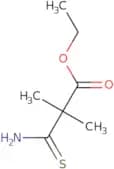
CAS:Controlled Product<p>2-[2-(2,4-Dichlorophenyl)-1,3-thiazol-4-yl]acetic acid is a small molecule inhibitor that belongs to the class of peptides. It inhibits protein interactions by binding to peptide receptors on the surface of cells. This inhibitor is used as a research tool for studying the function of receptor molecules. 2-[2-(2,4-Dichlorophenyl)-1,3-thiazol-4-yl]acetic acid has been shown to activate ligand and receptor interactions in vitro. The purity of this product is high and it can be used as a research tool in life science and ion channels.</p>Formula:C11H7Cl2NO2SPurity:Min. 95%Molecular weight:288.1 g/molEthyl 2-carbamothioyl-2,2-dimethylacetate
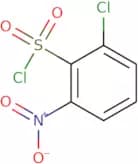
CAS:<p>Versatile small molecule scaffold</p>Formula:C7H13NO2SPurity:Min. 95%Molecular weight:175.25 g/mol2-Chloro-6-nitrobenzene-1-sulfonyl chloride
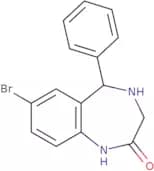
CAS:<p>Versatile small molecule scaffold</p>Formula:C6H3Cl2NO4SPurity:Min. 95%Molecular weight:256.06 g/mol7-Bromo-5-phenyl-2,3,4,5-tetrahydro-1H-1,4-benzodiazepin-2-one
CAS:Controlled Product<p>Versatile small molecule scaffold</p>Formula:C15H13BrN2OPurity:Min. 95%Molecular weight:317.18 g/mol7-Methyl-5-phenyl-1,3,4,5-tetrahydro-2H-1,4-benzodiazepin-2-one
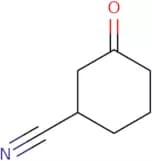
CAS:Controlled Product<p>Versatile small molecule scaffold</p>Formula:C16H16N2OPurity:Min. 95%Molecular weight:252.31 g/mol3-Oxocyclohexanecarbonitrile
CAS:<p>3-Oxocyclohexanecarbonitrile (3OHC) is a novel chemical compound with analgesic properties. 3OHC has been shown to be effective in reducing the inflammation of the human body. The mechanism of action has not yet been elucidated, but it may be due to its ability to inhibit prostaglandin synthesis and reduce the oxidative stress by forming reactive oxygen species. 3OHC is also an active antinociceptive agent that can be used in combination with other drugs to treat inflammatory diseases. 3OHC is able to reduce the pain caused by inflammatory diseases by reducing the production of prostaglandins, which are a group of chemicals that are responsible for causing pain and inflammation.</p>Formula:C7H9NOPurity:Min. 95%Molecular weight:123.15 g/mol2-[4-(Trimethylsilyl)phenyl]acetonitrile
CAS:<p>Versatile small molecule scaffold</p>Formula:C11H15NSiPurity:Min. 95%Molecular weight:189.33 g/mol2-Nitro-5H,6H,7H,8H,9H,10H-cyclohepta[b]indole
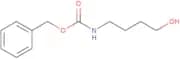
CAS:<p>Versatile small molecule scaffold</p>Formula:C13H14N2O2Purity:Min. 95%Molecular weight:230.26 g/mol4-(Z-Amino)-1-butanol
CAS:<p>4-(Z-Amino)-1-butanol is a synthetic chemokine that has been shown to be an effective vaccine adjuvant. It is believed that this drug works by enhancing the immune response to the vaccine and increasing the production of cytokines. 4-(Z-Amino)-1-butanol has been shown to be effective in treating damaged cells, such as those caused by cancer cells or viruses. This drug also prevents replication of HIV and other virus infections, which may be due to its ability to inhibit viral DNA polymerase. 4-(Z-Amino)-1-butanol binds with high affinity to the chemokine receptor CXCR3, which is expressed on activated T cells and macrophages. The binding induces chemotaxis, activation, and differentiation of T cells into effector cells.</p>Formula:C12H17NO3Purity:Min. 95%Molecular weight:223.27 g/mol7-Methyl-8-quinoxalinesulfonyl Chloride
CAS:<p>Versatile small molecule scaffold</p>Formula:C10H8ClNO2SPurity:Min. 95%Molecular weight:241.69 g/molN-Methyl-N-[(1-methyl-1H-imidazol-2-yl)methyl]amine
CAS:<p>Versatile small molecule scaffold</p>Formula:C6H11N3Purity:Min. 95%Molecular weight:125.17 g/mol4-(1-Phenylethyl)-4H-1,2,4-triazole-3-thiol
CAS:<p>Versatile small molecule scaffold</p>Formula:C10H11N3SPurity:Min. 95%Molecular weight:205.28 g/mol2-{4H,5H,6H,7H,8H-Cyclohepta[D][1,3]thiazol-2-yl}ethan-1-amine
CAS:<p>Versatile small molecule scaffold</p>Formula:C10H16N2SPurity:Min. 95%Molecular weight:196.31 g/mol2-[4-(Trifluoromethyl)-1,3-thiazol-2-yl]ethan-1-amine
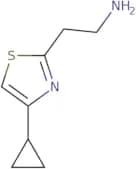
CAS:<p>Versatile small molecule scaffold</p>Formula:C6H7F3N2SPurity:Min. 95%Molecular weight:196.2 g/mol2-(4-Cyclopropyl-1,3-thiazol-2-yl)ethan-1-amine
CAS:<p>Versatile small molecule scaffold</p>Formula:C8H12N2SPurity:Min. 95%Molecular weight:168.26 g/mol2-[4-(Propan-2-yl)-1,3-thiazol-2-yl]ethan-1-amine
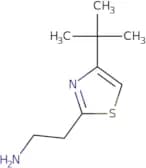
CAS:<p>Versatile small molecule scaffold</p>Formula:C8H14N2SPurity:Min. 95%Molecular weight:170.28 g/mol2-(4-tert-Butyl-1,3-thiazol-2-yl)ethan-1-amine
CAS:<p>Versatile small molecule scaffold</p>Formula:C9H16N2SPurity:Min. 95%Molecular weight:184.3 g/mol1,4-Dibromo-2-(chloromethyl)benzene
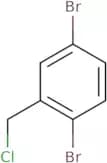
CAS:<p>1,4-Dibromo-2-(chloromethyl)benzene is a synthetic compound that has been used as an anti-hepatitis C virus (HCV) agent. It is effective against HCV genotype 1 and 2, but not 3. It has been shown to be active in inhibiting the replication of HCV RNA by binding to the viral enzyme RNA polymerase. This drug has also been found to inhibit the growth of Mycobacterium tuberculosis and is being investigated for use in treating tuberculosis. The drug is prepared by reacting bromobenzene with sodium hydroxide and chloromethyl chloride in aqueous solution at 0°C. Dibromoethane reacts with paraformaldehyde and cuprous cyanide to form 1,4-dibromo-2-(chloromethyl)benzene, which can then be treated with hydrochloric acid to form the desired product.</p>Formula:C7H5Br2ClPurity:Min. 95%Molecular weight:284.37 g/moltert-Butyl 3-[(2-chloroacetamido)methyl]piperidine-1-carboxylate
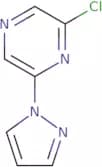
CAS:<p>Versatile small molecule scaffold</p>Formula:C13H23ClN2O3Purity:Min. 95%Molecular weight:290.78 g/mol2-Chloro-6-(pyrazol-1-yl)pyrazine
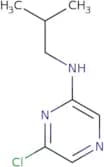
CAS:<p>Versatile small molecule scaffold</p>Formula:C7H5ClN4Purity:Min. 95%Molecular weight:180.6 g/mol6-chloro-N-(2-methylpropyl)pyrazin-2-amine
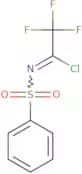
CAS:<p>Versatile small molecule scaffold</p>Formula:C8H12ClN3Purity:Min. 95%Molecular weight:185.7 g/molN-(Benzenesulfonyl)-2,2,2-trifluoroethanecarbonimidoyl chloride
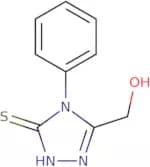
CAS:<p>Versatile small molecule scaffold</p>Formula:C8H5ClF3NO2SPurity:Min. 95%Molecular weight:271.64 g/mol(4-Phenyl-5-sulfanyl-4H-1,2,4-triazol-3-yl)methanol
CAS:<p>Versatile small molecule scaffold</p>Formula:C9H9N3OSPurity:Min. 95%Molecular weight:207.25 g/molMethyl[2-(4-methyl-1,3-thiazol-2-yl)ethyl]amine
CAS:<p>Versatile small molecule scaffold</p>Formula:C7H12N2SPurity:Min. 95%Molecular weight:156.25 g/mol1-[4-(4-Chlorophenyl)-5-methyl-1,3-thiazol-2-yl]ethan-1-amine
CAS:<p>Versatile small molecule scaffold</p>Formula:C12H13ClN2SPurity:Min. 95%Molecular weight:252.76 g/mol1-[4-(4-Bromophenyl)-1,3-thiazol-2-yl]ethan-1-amine
CAS:<p>Versatile small molecule scaffold</p>Formula:C11H11BrN2SPurity:Min. 95%Molecular weight:283.19 g/mol1-{4H,5H,6H,7H,8H-Cyclohepta[D][1,3]thiazol-2-yl}ethan-1-amine
CAS:<p>Versatile small molecule scaffold</p>Formula:C10H16N2SPurity:Min. 95%Molecular weight:196.31 g/mol1-(4-tert-Butyl-1,3-thiazol-2-yl)ethan-1-amine
CAS:<p>Versatile small molecule scaffold</p>Formula:C9H16N2SPurity:Min. 95%Molecular weight:184.3 g/mol2-Bromo-1-cyclopropyl-1H-imidazole
CAS:<p>Versatile small molecule scaffold</p>Formula:C6H7BrN2Purity:Min. 95%Molecular weight:187.05 g/mol1-[(5-Fluoro-2-methoxyphenyl)methyl]cyclopropane-1-carboxylic acid
CAS:<p>Versatile small molecule scaffold</p>Formula:C12H13FO3Purity:Min. 95%Molecular weight:224.23 g/mol1-[1-(4-Methyl-1,3-thiazol-2-yl)ethyl]piperazine
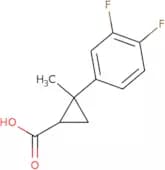
CAS:<p>Versatile small molecule scaffold</p>Formula:C10H17N3SPurity:Min. 95%Molecular weight:211.33 g/mol2-(3,4-Difluorophenyl)-2-methylcyclopropane-1-carboxylic acid
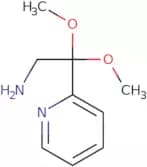
CAS:<p>Versatile small molecule scaffold</p>Formula:C11H10F2O2Purity:Min. 95%Molecular weight:212.19 g/mol2,2-Dimethoxy-2-(pyridin-2-yl)ethan-1-amine
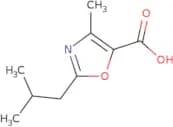
CAS:<p>Versatile small molecule scaffold</p>Formula:C9H14N2O2Purity:Min. 95%Molecular weight:182.22 g/mol4-Methyl-2-(2-methylpropyl)-1,3-oxazole-5-carboxylic acid
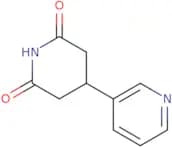
CAS:Versatile small molecule scaffoldFormula:C9H13NO3Purity:Min. 95%Molecular weight:183.2 g/mol4-(Pyridin-3-yl)piperidine-2,6-dione
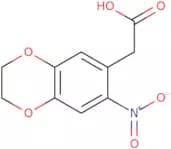
CAS:<p>Versatile small molecule scaffold</p>Formula:C10H10N2O2Purity:Min. 95%Molecular weight:190.2 g/mol2-(7-Nitro-2,3-dihydro-1,4-benzodioxin-6-yl)acetic acid
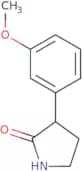
CAS:<p>Versatile small molecule scaffold</p>Formula:C10H9NO6Purity:Min. 95%Molecular weight:239.18 g/mol3-(3-Methoxyphenyl)pyrrolidin-2-one
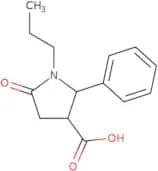
CAS:<p>Versatile small molecule scaffold</p>Formula:C11H13NO2Purity:Min. 95%Molecular weight:191.23 g/mol5-Oxo-2-phenyl-1-propylpyrrolidine-3-carboxylic acid
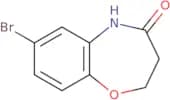
CAS:<p>Versatile small molecule scaffold</p>Formula:C14H17NO3Purity:Min. 95%Molecular weight:247.29 g/mol7-Bromo-2,3,4,5-tetrahydro-1,5-benzoxazepin-4-one
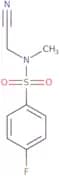
CAS:<p>Versatile small molecule scaffold</p>Formula:C9H8BrNO2Purity:Min. 95%Molecular weight:242.07 g/mol1-Cyano-S-(4-fluorophenyl)-N-methylmethanesulfonamido
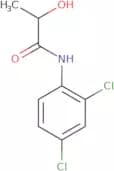
CAS:<p>Versatile small molecule scaffold</p>Formula:C9H9FN2O2SPurity:Min. 95%Molecular weight:228.25 g/molN-(2,4-Dichlorophenyl)-2-hydroxypropanamide
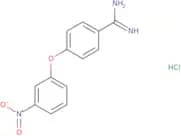
CAS:<p>Versatile small molecule scaffold</p>Formula:C9H9Cl2NO2Purity:Min. 95%Molecular weight:234.08 g/mol4-(3-Nitrophenoxy)benzene-1-carboximidamide hydrochloride
CAS:<p>Versatile small molecule scaffold</p>Formula:C13H12ClN3O3Purity:Min. 95%Molecular weight:293.7 g/mol8-Chloro-2-methyl-3,4-dihydro-2H-1,4-benzoxazin-3-one
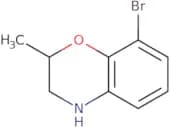
CAS:<p>Versatile small molecule scaffold</p>Formula:C9H8ClNO2Purity:Min. 95%Molecular weight:197.62 g/mol8-Bromo-2-methyl-3,4-dihydro-2H-1,4-benzoxazine
CAS:<p>Versatile small molecule scaffold</p>Formula:C9H10BrNOPurity:Min. 95%Molecular weight:228.09 g/mol2-(2-Fluorophenyl)propanedial
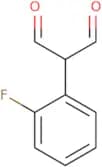
CAS:<p>Versatile small molecule scaffold</p>Formula:C9H7FO2Purity:Min. 95%Molecular weight:166.15 g/mol1-Ethyl-5-(trifluoromethyl)-1H-1,2,3-triazole-4-carboxylic acid
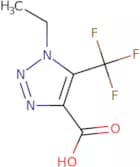
CAS:<p>Versatile small molecule scaffold</p>Formula:C6H6F3N3O2Purity:Min. 95%Molecular weight:209.13 g/mol2-(Methoxymethyl)imidazo[1,2-a]pyridine-3-carboxylic acid
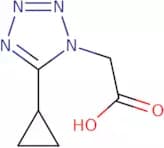
CAS:<p>Versatile small molecule scaffold</p>Formula:C10H10N2O3Purity:Min. 95%Molecular weight:206.2 g/mol2-(5-Cyclopropyl-1H-1,2,3,4-tetrazol-1-yl)acetic acid
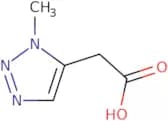
CAS:<p>Versatile small molecule scaffold</p>Formula:C6H8N4O2Purity:Min. 95%Molecular weight:168.15 g/mol2-(1-Methyl-1H-1,2,3-triazol-5-yl)acetic acid
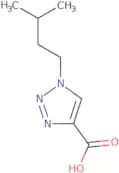
CAS:<p>Versatile small molecule scaffold</p>Formula:C5H7N3O2Purity:Min. 95%Molecular weight:141.13 g/mol1-(3-Methylbutyl)-1H-1,2,3-triazole-4-carboxylic acid
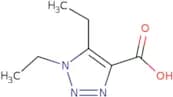
CAS:<p>Versatile small molecule scaffold</p>Formula:C8H13N3O2Purity:Min. 95%Molecular weight:183.21 g/molDiethyl-1H-1,2,3-triazole-4-carboxylic acid
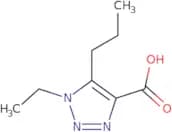
CAS:<p>Versatile small molecule scaffold</p>Formula:C7H11N3O2Purity:Min. 95%Molecular weight:169.18 g/mol1-Ethyl-5-propyl-1H-1,2,3-triazole-4-carboxylic acid
CAS:<p>Versatile small molecule scaffold</p>Formula:C8H13N3O2Purity:Min. 95%Molecular weight:183.21 g/mol3-(1,5-Dimethyl-1H-pyrazol-3-yl)propanoic acid
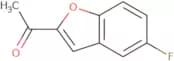
CAS:<p>Versatile small molecule scaffold</p>Formula:C8H12N2O2Purity:Min. 95%Molecular weight:168.19 g/mol1-(5-Fluoro-1-benzofuran-2-yl)ethan-1-one
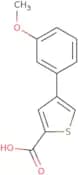
CAS:<p>Versatile small molecule scaffold</p>Formula:C10H7FO2Purity:Min. 95%Molecular weight:178.16 g/mol4-(3-Methoxyphenyl)thiophene-2-carboxylic acid
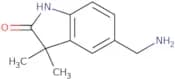
CAS:<p>Versatile small molecule scaffold</p>Formula:C12H10O3SPurity:Min. 95%Molecular weight:234.27 g/mol5-(Aminomethyl)-3,3-dimethyl-2,3-dihydro-1H-indol-2-one
CAS:<p>Versatile small molecule scaffold</p>Formula:C11H14N2OPurity:Min. 95%Molecular weight:190.24 g/mol(2-Cyclopropyl-1,3-thiazol-5-yl)methanol
CAS:<p>Versatile small molecule scaffold</p>Formula:C7H9NOSPurity:Min. 95%Molecular weight:155.22 g/mol1-(1-Butyl-1H-1,2,3,4-tetrazol-5-yl)methanamine
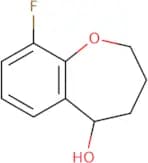
CAS:<p>Versatile small molecule scaffold</p>Formula:C6H13N5Purity:Min. 95%Molecular weight:155.2 g/mol9-Fluoro-2,3,4,5-tetrahydro-1-benzoxepin-5-ol
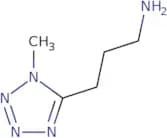
CAS:<p>Versatile small molecule scaffold</p>Formula:C10H11FO2Purity:Min. 95%Molecular weight:182.19 g/mol3-(1-Methyl-1H-1,2,3,4-tetrazol-5-yl)propan-1-amine
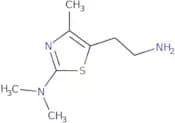
CAS:Versatile small molecule scaffoldFormula:C5H11N5Purity:Min. 95%Molecular weight:141.2 g/mol5-(2-Aminoethyl)-N,N,4-trimethyl-1,3-thiazol-2-amine
CAS:<p>Versatile small molecule scaffold</p>Formula:C8H15N3SPurity:Min. 95%Molecular weight:185.29 g/mol6-tert-Butyl-2-oxo-1,2,5,6,7,8-hexahydroquinoline-3-carboxylic acid
CAS:<p>Versatile small molecule scaffold</p>Formula:C14H19NO3Purity:Min. 95%Molecular weight:249.3 g/mol2-Hydroxy-N-[(pyridin-2-yl)methyl]propanamide
CAS:<p>Versatile small molecule scaffold</p>Formula:C9H12N2O2Purity:Min. 95%Molecular weight:180.2 g/mol2-Methoxy-N-[(4-methyl-1,3-thiazol-2-yl)methyl]aniline
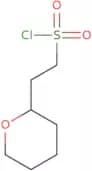
CAS:<p>Versatile small molecule scaffold</p>Formula:C12H14N2OSPurity:Min. 95%Molecular weight:234.32 g/mol2-(Oxan-2-yl)ethane-1-sulfonyl chloride
CAS:<p>Versatile small molecule scaffold</p>Formula:C7H13ClO3SPurity:Min. 95%Molecular weight:212.7 g/mol2-Oxo-6-(propan-2-yl)-1,2,5,6,7,8-hexahydroquinoline-3-carboxylic acid
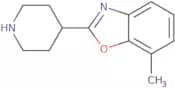
CAS:<p>Versatile small molecule scaffold</p>Formula:C13H17NO3Purity:Min. 95%Molecular weight:235.28 g/mol7-Methyl-2-(piperidin-4-yl)-1,3-benzoxazole
CAS:<p>Versatile small molecule scaffold</p>Formula:C13H16N2OPurity:Min. 95%Molecular weight:216.28 g/mol6-[(Methylamino)methyl]-3,4-dihydro-2H-1,4-benzoxazin-3-one
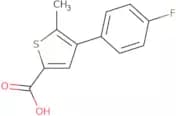
CAS:Versatile small molecule scaffoldFormula:C10H12N2O2Purity:Min. 95%Molecular weight:192.21 g/mol4-(4-Fluorophenyl)-5-methylthiophene-2-carboxylic acid
CAS:<p>Versatile small molecule scaffold</p>Formula:C12H9FO2SPurity:Min. 95%Molecular weight:236.26 g/mol4-(Propan-2-yl)imidazolidin-2-one
CAS:<p>Versatile small molecule scaffold</p>Formula:C6H12N2OPurity:Min. 95%Molecular weight:128.2 g/mol(1-Cyanocyclopentyl)methyl methanesulfonate
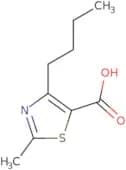
CAS:<p>Versatile small molecule scaffold</p>Formula:C8H13NO3SPurity:Min. 95%Molecular weight:203.26 g/mol4-Butyl-2-methyl-1,3-thiazole-5-carboxylic acid
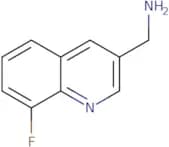
CAS:<p>Versatile small molecule scaffold</p>Formula:C9H13NO2SPurity:Min. 95%Molecular weight:199.27 g/mol(8-Fluoroquinolin-3-yl)methanamine
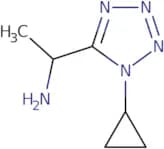
CAS:<p>Versatile small molecule scaffold</p>Formula:C10H9FN2Purity:Min. 95%Molecular weight:176.19 g/mol1-(1-Cyclopropyl-1H-1,2,3,4-tetrazol-5-yl)ethan-1-amine
CAS:<p>Versatile small molecule scaffold</p>Formula:C6H11N5Purity:Min. 95%Molecular weight:153.19 g/mol2-[Butyl(methyl)amino]-1-(2,3-dihydro-1,4-benzodioxin-6-yl)ethan-1-ol
CAS:Controlled Product<p>Versatile small molecule scaffold</p>Formula:C15H23NO3Purity:Min. 95%Molecular weight:265.35 g/mol1-(1-Methyl-5-phenyl-1H-pyrazol-3-yl)ethan-1-one
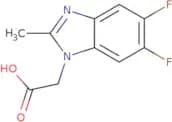
CAS:<p>Versatile small molecule scaffold</p>Formula:C12H12N2OPurity:Min. 95%Molecular weight:200.24 g/mol2-(5,6-Difluoro-2-methyl-1H-1,3-benzodiazol-1-yl)acetic acid
CAS:<p>Versatile small molecule scaffold</p>Formula:C10H8F2N2O2Purity:Min. 95%Molecular weight:226.18 g/mol5-Chloro-2-ethylpyrimidine-4-carboxylic acid
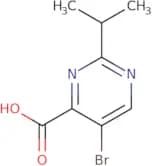
CAS:<p>Versatile small molecule scaffold</p>Formula:C7H7ClN2O2Purity:Min. 95%Molecular weight:186.59 g/mol5-Bromo-2-(propan-2-yl)pyrimidine-4-carboxylic acid
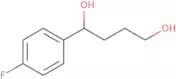
CAS:<p>Versatile small molecule scaffold</p>Formula:C8H9BrN2O2Purity:Min. 95%Molecular weight:245.07 g/mol1-(4-Fluorophenyl)butane-1,4-diol
CAS:<p>Versatile small molecule scaffold</p>Formula:C10H13FO2Purity:Min. 95%Molecular weight:184.21 g/mol4-(Methylsulfanyl)benzene-1,2-diamine
CAS:<p>Versatile small molecule scaffold</p>Formula:C7H10N2SPurity:Min. 95%Molecular weight:154.24 g/mol1,4-Benzodioxine-2-carboxylic acid
CAS:<p>1,4-Benzodioxine-2-carboxylic acid is a synthetic compound that is a member of the c1-6 alkyl group. It has been synthesized in four different stereoisomers, including cis and trans isomers. 1,4-Benzodioxine-2-carboxylic acid has potent inhibitory effects on protein synthesis in cell preparations at multigram concentrations. It also inhibits the activity of translation or replication of DNA or RNA by binding to the active site of the enzyme ribonuclease H and inhibiting its cleavage at the 3'-terminal nucleotide bonds. The trifluoromethyl group on 1,4-benzodioxine-2-carboxylic acid may be responsible for some of its biological properties. Molecular modeling studies have shown that 1,4 benzodioxine carboxylic acid binds to DNA through hydrogen bonding with one water molecule and two guanidine</p>Formula:C9H6O4Purity:Min. 95%Molecular weight:178.14 g/mol5-Ethoxy-1,2,4-thiadiazole-3-carboxylic acid
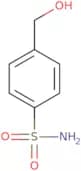
CAS:<p>5-Ethoxy-1,2,4-thiadiazole-3-carboxylic acid (ETT) is a metabolite of etridiazole. Etridiazole is an antihelminthic drug that is used in the treatment of intestinal roundworm infections. ETT has been shown to be excreted in urine and can be used as an analytical marker for monitoring etridazole use.</p>Formula:C5H6N2O3SPurity:Min. 95%Molecular weight:174.18 g/mol4-Hydroxymethylbenzenesulfonamide
CAS:<p>4-Hydroxymethylbenzenesulfonamide is a potent carbonic anhydrase inhibitor that has been shown to be effective against a number of different microorganisms. It inhibits the enzyme carbonic anhydrase, which is involved in hydration and the production of bicarbonate ions. 4-Hydroxymethylbenzenesulfonamide has been shown to be active against streptococci and cryptococcus neoformans, but not against bacteria such as Escherichia coli or Pseudomonas aeruginosa.</p>Formula:C7H9NO3SPurity:Min. 95%Molecular weight:187.22 g/mol1-Trityl-1H-imidazole-2-carboxaldehyde
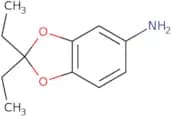
CAS:<p>1-Trityl-1H-imidazole-2-carboxaldehyde is a formylating agent that inhibits tumor growth and has anti-proliferative effects. It binds to the c–h bond of imidazoles in human prostate cells and forms a stable, cell cycle-specific metabolite. This metabolite has been shown to inhibit tumor growth in vivo. 1-Trityl-1H-imidazole-2-carboxaldehyde may be useful as a chemotherapeutic agent for prostate cancer or other cancers with similar metabolic profiles.</p>Formula:C23H18N2OPurity:Min. 95%Molecular weight:338.41 g/mol2,2-Diethyl-1,3-dioxaindan-5-amine
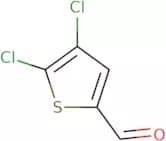
CAS:<p>Versatile small molecule scaffold</p>Formula:C11H15NO2Purity:Min. 95%Molecular weight:193.24 g/mol4,5-Dichlorothiophene-2-carbaldehyde
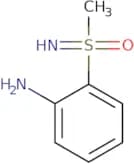
CAS:<p>4,5-Dichlorothiophene-2-carbaldehyde is a terpene that has two chlorine atoms attached to it. It is an alkylbenzenes with the molecular formula C6H3Cl2. It is made up of two isomers and has a boiling point of 146.4°C. The compound was studied by scientists who found that it had mutagenic activity. When tested on bacteria, it was found to have a mutagenic effect on the genetic material as well as the ability to induce mutations in the bacterial chromosome. 4,5-Dichlorothiophene-2-carbaldehyde can be used for scientific purposes such as analyzing its spectra and chromatograms.</p>Formula:C5H2Cl2OSPurity:Min. 95%Molecular weight:181.04 g/molS-(2-Aminophenyl)-S-methylsulfoximine
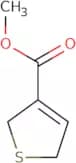
CAS:<p>Versatile small molecule scaffold</p>Formula:C7H10N2OSPurity:Min. 95%Molecular weight:170.23 g/molMethyl 2,5-Dihydrothiophene-3-carboxylate
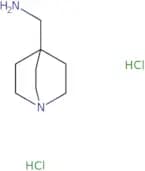
CAS:<p>Versatile small molecule scaffold</p>Formula:C6H8O2SPurity:Min. 95%Molecular weight:144.19 g/mol(Quinuclidin-4-yl)methanamine dihydrochloride
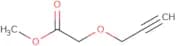
CAS:<p>Versatile small molecule scaffold</p>Formula:C8H18Cl2N2Purity:Min. 95%Molecular weight:213.15 g/molMethyl 2-(prop-2-yn-1-yloxy)acetate
CAS:<p>Versatile small molecule scaffold</p>Formula:C6H8O3Purity:Min. 95%Molecular weight:128.13 g/mol2'-Oxospiro[cyclopropane-1,3'-indoline]-2-carboxylic acid
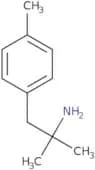
CAS:<p>Versatile small molecule scaffold</p>Formula:C11H9NO3Purity:Min. 95%Molecular weight:203.2 g/mol2-Methyl-1-(4-methylphenyl)propan-2-amine
CAS:Controlled Product<p>Versatile small molecule scaffold</p>Formula:C11H17NPurity:Min. 95%Molecular weight:163.26 g/molrac-(2R,4S)-2,4-Dimethyl-1,2,3,4-tetrahydroquinoline
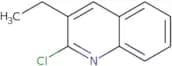
CAS:<p>Versatile small molecule scaffold</p>Formula:C11H15NPurity:Min. 95%Molecular weight:161.2 g/mol2-Chloro-3-ethylquinoline
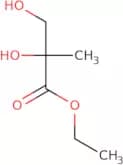
CAS:<p>Versatile small molecule scaffold</p>Formula:C11H10ClNPurity:Min. 95%Molecular weight:191.66 g/molEthyl 2,3-dihydroxy-2-methylpropanoate
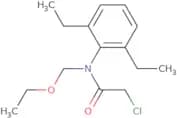
CAS:<p>Versatile small molecule scaffold</p>Formula:C6H12O4Purity:Min. 95%Molecular weight:148.16 g/mol2-Chloro-N-(2,6-diethylphenyl)-N-(ethoxymethyl)acetamide
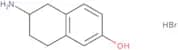
CAS:<p>Versatile small molecule scaffold</p>Formula:C15H22ClNO2Purity:Min. 95%Molecular weight:283.79 g/mol6-Amino-5,6,7,8-tetrahydronaphthalen-2-ol hydrobromide
CAS:Controlled ProductVersatile small molecule scaffoldFormula:C10H14BrNOPurity:Min. 95%Molecular weight:244.13 g/mol1-(2-Amino-1H-imidazol-5-yl)ethan-1-one
CAS:<p>Versatile small molecule scaffold</p>Formula:C5H7N3OPurity:Min. 95%Molecular weight:125.13 g/molDimethyl[2-(pyrrolidin-3-yloxy)ethyl]amine
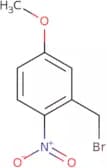
CAS:Controlled Product<p>Versatile small molecule scaffold</p>Formula:C8H18N2OPurity:Min. 95%Molecular weight:158.24 g/mol2-(Bromomethyl)-4-methoxy-1-nitrobenzene
CAS:<p>Versatile small molecule scaffold</p>Formula:C8H8BrNO3Purity:Min. 95%Molecular weight:246.06 g/mol1-[4-(Propan-2-yl)cyclohexyl]ethan-1-one
CAS:<p>1-[4-(Propan-2-yl)cyclohexyl]ethan-1-one is an organic compound that contains a cyclohexane ring with a 1,4-dioxane ring attached. It has the molecular formula C9H16O and it has 12 carbons. The structural formula for this molecule is shown below.</p>Formula:C11H20OPurity:Min. 95%Molecular weight:168.28 g/mol(4-Phenylmorpholin-2-yl)methanol
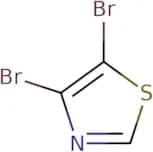
CAS:<p>Versatile small molecule scaffold</p>Formula:C11H15NO2Purity:Min. 95%Molecular weight:193.24 g/mol4,5-Dibromo-1,3-thiazole
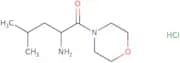
CAS:<p>Versatile small molecule scaffold</p>Formula:C3HBr2NSPurity:Min. 95%Molecular weight:242.92 g/mol(2S)-2-Amino-4-methyl-1-(morpholin-4-yl)pentan-1-one hydrochloride
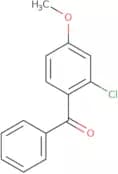
CAS:Controlled Product<p>Versatile small molecule scaffold</p>Formula:C10H21ClN2O2Purity:Min. 95%Molecular weight:236.74 g/mol(2-Chloro-4-methoxyphenyl)(phenyl)methanone
CAS:<p>Versatile small molecule scaffold</p>Formula:C14H11ClO2Purity:Min. 95%Molecular weight:246.69 g/mol1-{Bicyclo[2.2.1]heptan-2-yl}propan-1-ones
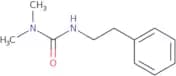
CAS:Versatile small molecule scaffoldFormula:C10H16OPurity:Min. 95%Molecular weight:152.2 g/mol3,3-Dimethyl-1-(2-phenylethyl)urea
CAS:<p>3,3-Dimethyl-1-(2-phenylethyl)urea is a tertiary amine that can be synthesized by reacting isobutyraldehyde with ammonia. It has a molecular weight of 188.2 and a melting point of 117°C. The conformational energy of 3,3-dimethyl-1-(2-phenylethyl)urea has been determined using the electrostatic functional theory. This method was used to study the effect of the solvent on the conformational energy of 3,3-dimethyl-1-(2-phenylethyl)urea by calculating the interaction energies between molecules in different solvents.</p>Formula:C11H16N2OPurity:Min. 95%Molecular weight:192.26 g/mol4,7-Dimethoxy-1,3-benzothiazol-2-amine
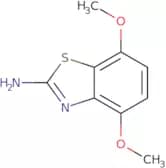
CAS:Versatile small molecule scaffoldFormula:C9H10N2O2SPurity:Min. 95%Molecular weight:210.26 g/mol7-Chloro-4-methoxy-1,3-benzothiazol-2-amine
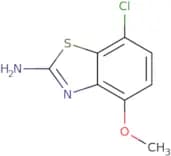
CAS:<p>Versatile small molecule scaffold</p>Formula:C8H7ClN2OSPurity:Min. 95%Molecular weight:214.67 g/mol1-Hexyl-1H-1,3-benzodiazole-2-thiol
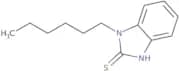
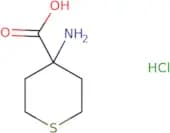
CAS:<p>Versatile small molecule scaffold</p>Formula:C13H18N2SPurity:Min. 95%Molecular weight:234.36 g/mol4-Aminothiane-4-carboxylic acid hydrochloride
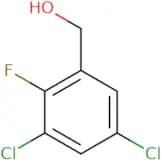
CAS:<p>Versatile small molecule scaffold</p>Formula:C6H12ClNO2SPurity:Min. 95%Molecular weight:197.68 g/mol(3,5-Dichloro-2-fluorophenyl)methanol
CAS:<p>Versatile small molecule scaffold</p>Formula:C7H5Cl2FOPurity:Min. 95%Molecular weight:195.01 g/mol6-Bromo-4-hydroxy-8-methylquinoline-3-carbonitrile
CAS:<p>Versatile small molecule scaffold</p>Formula:C11H7BrN2OPurity:Min. 95%Molecular weight:263.09 g/mol
![2-[4-(3-Bromobenzamido)phenyl]acetic acid](/_next/image/?url=https%3A%2Fstatic.cymitquimica.com%2Fproducts%2F3D%2Fthumb-webp%2FRQB85762.webp&w=3840&q=75)

![3-(5-bromo-3-methylpyrazolo[3,4-b]pyridin-1-yl)thiolane 1,1-dioxide](/_next/image/?url=https%3A%2Fstatic.cymitquimica.com%2Fproducts%2F3D%2Fthumb-webp%2FRQB85776.webp&w=3840&q=75)
amine](/_next/image/?url=https%3A%2Fstatic.cymitquimica.com%2Fproducts%2F3D%2Fthumb-webp%2FRQB85958.webp&w=3840&q=75)


![4-[(4-Oxopiperidin-1-yl)methyl]benzonitrile](/_next/image/?url=https%3A%2Fstatic.cymitquimica.com%2Fproducts%2F3D%2Fthumb-webp%2FRQB86324.webp&w=3840&q=75)
![N'-Hydroxy-2-[(3-methoxyphenyl)methoxy]ethanimidamide](/_next/image/?url=https%3A%2Fstatic.cymitquimica.com%2Fproducts%2F3D%2Fthumb-webp%2FRQB86421.webp&w=3840&q=75)
![6-[4-(3-Methylphenyl)piperazin-1-yl]pyridine-3-carbonitrile](/_next/image/?url=https%3A%2Fstatic.cymitquimica.com%2Fproducts%2F3D%2Fthumb-webp%2FRQB86449.webp&w=3840&q=75)
![1-[3-(Trifluoromethyl)phenyl]piperidin-4-amine](/_next/image/?url=https%3A%2Fstatic.cymitquimica.com%2Fproducts%2F3D%2Fthumb-webp%2FRQB86456.webp&w=3840&q=75)
![2-Bromo-3-methyl-1-[4-(pyrimidin-2-yl)piperazin-1-yl]butan-1-one](/_next/image/?url=https%3A%2Fstatic.cymitquimica.com%2Fproducts%2F3D%2Fthumb-webp%2FRQB86465.webp&w=3840&q=75)
![2-[(5-Carbamoylpyridin-2-yl)amino]acetic acid](/_next/image/?url=https%3A%2Fstatic.cymitquimica.com%2Fproducts%2F3D%2Fthumb-webp%2FRQB86470.webp&w=3840&q=75)


![2-[(2-Methylcyclohexyl)oxy]acetonitrile](/_next/image/?url=https%3A%2Fstatic.cymitquimica.com%2Fproducts%2F3D%2Fthumb-webp%2FRQB86631.webp&w=3840&q=75)
![2-Ethyl-1-[4-(hydroxyimino)piperidin-1-yl]butan-1-one](/_next/image/?url=https%3A%2Fstatic.cymitquimica.com%2Fproducts%2F3D%2Fthumb-webp%2FRQB86754.webp&w=3840&q=75)

![3-[(4-Methylpentan-2-yl)oxy]propanoic acid](/_next/image/?url=https%3A%2Fstatic.cymitquimica.com%2Fproducts%2F3D%2Fthumb-webp%2FRQB87666.webp&w=3840&q=75)
![2-{3-Oxo-2H,3H-[1,2,4]triazolo[4,3-a]pyridin-2-yl}acetonitrile](/_next/image/?url=https%3A%2Fstatic.cymitquimica.com%2Fproducts%2F3D%2Fthumb-webp%2FRQB87815.webp&w=3840&q=75)
![N'-Hydroxy-2-[(4-hydroxypiperidin-1-yl)methyl]benzene-1-carboximidamide](/_next/image/?url=https%3A%2Fstatic.cymitquimica.com%2Fproducts%2F3D%2Fthumb-webp%2FRQB87910.webp&w=3840&q=75)
![1-[3-Methoxy-4-(3-methylbutoxy)phenyl]ethan-1-one](/_next/image/?url=https%3A%2Fstatic.cymitquimica.com%2Fproducts%2F3D%2Fthumb-webp%2FRQB88051.webp&w=3840&q=75)

![3-[(4-Oxopiperidin-1-yl)methyl]benzonitrile](/_next/image/?url=https%3A%2Fstatic.cymitquimica.com%2Fproducts%2F3D%2Fthumb-webp%2FRQB88440.webp&w=3840&q=75)
![6-[Methyl(phenyl)amino]pyridine-3-carbonitrile](/_next/image/?url=https%3A%2Fstatic.cymitquimica.com%2Fproducts%2F3D%2Fthumb-webp%2FRQB88528.webp&w=3840&q=75)
amine](/_next/image/?url=https%3A%2Fstatic.cymitquimica.com%2Fproducts%2F3D%2Fthumb-webp%2FSAA86031.webp&w=3840&q=75)


![[(4-Methylquinolin-2-yl)sulfanyl]acetic acid](/_next/image/?url=https%3A%2Fstatic.cymitquimica.com%2Fproducts%2F3D%2Fthumb-webp%2FSAA88062.webp&w=3840&q=75)

![2-[(4-Cyanophenyl)sulfanyl]acetic acid](/_next/image/?url=https%3A%2Fstatic.cymitquimica.com%2Fproducts%2F3D%2Fthumb-webp%2FSAA89344.webp&w=3840&q=75)
![5-Ethyl-4,5,6,7-tetrahydro-thiazolo[5,4-c]pyridin-2-ylamine](/_next/image/?url=https%3A%2Fstatic.cymitquimica.com%2Fproducts%2F3D%2Fthumb-webp%2FSAA89949.webp&w=3840&q=75)
![5-Isopropyl-4,5,6,7-tetrahydro-thiazolo[5,4-c]-pyridin-2-ylamine](/_next/image/?url=https%3A%2Fstatic.cymitquimica.com%2Fproducts%2F3D%2Fthumb-webp%2FSAA89951.webp&w=3840&q=75)
![[4-(Bromomethyl)phenyl]trimethylsilane](/_next/image/?url=https%3A%2Fstatic.cymitquimica.com%2Fproducts%2F3D%2Fthumb-webp%2FSAA90342.webp&w=3840&q=75)
![6,7,8,9-Tetrahydro-5H-benzo[7]annulen-5-amine](/_next/image/?url=https%3A%2Fstatic.cymitquimica.com%2Fproducts%2F3D%2Fthumb-webp%2FSAA91026.webp&w=3840&q=75)
![3-Methylenebicyclo[3.3.1]nonan-7-one](/_next/image/?url=https%3A%2Fstatic.cymitquimica.com%2Fproducts%2F3D%2Fthumb-webp%2FSAA93329.webp&w=3840&q=75)


![4-[2-(Trimethylsilyl)ethyl]aniline](/_next/image/?url=https%3A%2Fstatic.cymitquimica.com%2Fproducts%2F3D%2Fthumb-webp%2FSAA96195.webp&w=3840&q=75)

![3,8-Dibromo-[1,6]naphthyridine](/_next/image/?url=https%3A%2Fstatic.cymitquimica.com%2Fproducts%2F3D%2Fthumb-webp%2FSAA96575.webp&w=3840&q=75)


![2-[2-(2,4-Dichlorophenyl)-1,3-thiazol-4-yl]acetic acid](/_next/image/?url=https%3A%2Fstatic.cymitquimica.com%2Fproducts%2F3D%2Fthumb-webp%2FSAA96929.webp&w=3840&q=75)

![2-[4-(Trimethylsilyl)phenyl]acetonitrile](/_next/image/?url=https%3A%2Fstatic.cymitquimica.com%2Fproducts%2F3D%2Fthumb-webp%2FSAA98341.webp&w=3840&q=75)
![2-Nitro-5H,6H,7H,8H,9H,10H-cyclohepta[b]indole](/_next/image/?url=https%3A%2Fstatic.cymitquimica.com%2Fproducts%2F3D%2Fthumb-webp%2FSAA99355.webp&w=3840&q=75)
![N-Methyl-N-[(1-methyl-1H-imidazol-2-yl)methyl]amine](/_next/image/?url=https%3A%2Fstatic.cymitquimica.com%2Fproducts%2F3D%2Fthumb-webp%2FSAB07519.webp&w=3840&q=75)

![2-{4H,5H,6H,7H,8H-Cyclohepta[D][1,3]thiazol-2-yl}ethan-1-amine](/_next/image/?url=https%3A%2Fstatic.cymitquimica.com%2Fproducts%2F3D%2Fthumb-webp%2FSAB07828.webp&w=3840&q=75)
![2-[4-(Trifluoromethyl)-1,3-thiazol-2-yl]ethan-1-amine](/_next/image/?url=https%3A%2Fstatic.cymitquimica.com%2Fproducts%2F3D%2Fthumb-webp%2FSAB08123.webp&w=3840&q=75)
![2-[4-(Propan-2-yl)-1,3-thiazol-2-yl]ethan-1-amine](/_next/image/?url=https%3A%2Fstatic.cymitquimica.com%2Fproducts%2F3D%2Fthumb-webp%2FSAB08125.webp&w=3840&q=75)
![tert-Butyl 3-[(2-chloroacetamido)methyl]piperidine-1-carboxylate](/_next/image/?url=https%3A%2Fstatic.cymitquimica.com%2Fproducts%2F3D%2Fthumb-webp%2FSAB44345.webp&w=3840&q=75)
![Methyl[2-(4-methyl-1,3-thiazol-2-yl)ethyl]amine](/_next/image/?url=https%3A%2Fstatic.cymitquimica.com%2Fproducts%2F3D%2Fthumb-webp%2FSAB92937.webp&w=3840&q=75)
![1-[4-(4-Chlorophenyl)-5-methyl-1,3-thiazol-2-yl]ethan-1-amine](/_next/image/?url=https%3A%2Fstatic.cymitquimica.com%2Fproducts%2F3D%2Fthumb-webp%2FSAB92946.webp&w=3840&q=75)
![1-[4-(4-Bromophenyl)-1,3-thiazol-2-yl]ethan-1-amine](/_next/image/?url=https%3A%2Fstatic.cymitquimica.com%2Fproducts%2F3D%2Fthumb-webp%2FSAB92949.webp&w=3840&q=75)
![1-{4H,5H,6H,7H,8H-Cyclohepta[D][1,3]thiazol-2-yl}ethan-1-amine](/_next/image/?url=https%3A%2Fstatic.cymitquimica.com%2Fproducts%2F3D%2Fthumb-webp%2FSAB92972.webp&w=3840&q=75)


![1-[(5-Fluoro-2-methoxyphenyl)methyl]cyclopropane-1-carboxylic acid](/_next/image/?url=https%3A%2Fstatic.cymitquimica.com%2Fproducts%2F3D%2Fthumb-webp%2FSAC00711.webp&w=3840&q=75)
![1-[1-(4-Methyl-1,3-thiazol-2-yl)ethyl]piperazine](/_next/image/?url=https%3A%2Fstatic.cymitquimica.com%2Fproducts%2F3D%2Fthumb-webp%2FSAC00916.webp&w=3840&q=75)

![2-(Methoxymethyl)imidazo[1,2-a]pyridine-3-carboxylic acid](/_next/image/?url=https%3A%2Fstatic.cymitquimica.com%2Fproducts%2F3D%2Fthumb-webp%2FSAC11745.webp&w=3840&q=75)




![2-Hydroxy-N-[(pyridin-2-yl)methyl]propanamide](/_next/image/?url=https%3A%2Fstatic.cymitquimica.com%2Fproducts%2F3D%2Fthumb-webp%2FSAC18236.webp&w=3840&q=75)
![2-Methoxy-N-[(4-methyl-1,3-thiazol-2-yl)methyl]aniline](/_next/image/?url=https%3A%2Fstatic.cymitquimica.com%2Fproducts%2F3D%2Fthumb-webp%2FSAC21513.webp&w=3840&q=75)

![6-[(Methylamino)methyl]-3,4-dihydro-2H-1,4-benzoxazin-3-one](/_next/image/?url=https%3A%2Fstatic.cymitquimica.com%2Fproducts%2F3D%2Fthumb-webp%2FSAC21813.webp&w=3840&q=75)

![2-[Butyl(methyl)amino]-1-(2,3-dihydro-1,4-benzodioxin-6-yl)ethan-1-ol](/_next/image/?url=https%3A%2Fstatic.cymitquimica.com%2Fproducts%2F3D%2Fthumb-webp%2FSAC26377.webp&w=3840&q=75)





![2'-Oxospiro[cyclopropane-1,3'-indoline]-2-carboxylic acid](/_next/image/?url=https%3A%2Fstatic.cymitquimica.com%2Fproducts%2F3D%2Fthumb-webp%2FSCA50308.webp&w=3840&q=75)

![Dimethyl[2-(pyrrolidin-3-yloxy)ethyl]amine](/_next/image/?url=https%3A%2Fstatic.cymitquimica.com%2Fproducts%2F3D%2Fthumb-webp%2FSCA56357.webp&w=3840&q=75)
![1-[4-(Propan-2-yl)cyclohexyl]ethan-1-one](/_next/image/?url=https%3A%2Fstatic.cymitquimica.com%2Fproducts%2F3D%2Fthumb-webp%2FSCA58045.webp&w=3840&q=75)

![1-{Bicyclo[2.2.1]heptan-2-yl}propan-1-ones](/_next/image/?url=https%3A%2Fstatic.cymitquimica.com%2Fproducts%2F3D%2Fthumb-webp%2FSCA61560.webp&w=3840&q=75)