Building Blocks
This section contains fundamental products for the synthesis of organic and biological compounds. Building blocks are the essential starting materials used to construct complex molecules through various chemical reactions. They play a critical role in drug discovery, material science, and chemical research. At CymitQuimica, we offer a diverse range of high-quality building blocks to support your innovative research and industrial projects, ensuring you have the essential components for successful synthesis.
Subcategories of "Building Blocks"
- Boronic Acids & Boronic Acid Derivatives(5,756 products)
- Chiral Building Blocks(1,242 products)
- Hydrocarbon Building Blocks(6,095 products)
- Organic Building Blocks(61,055 products)
Found 199650 products of "Building Blocks"
Sort by
Purity (%)
0
100
|
0
|
50
|
90
|
95
|
100
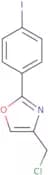
4-(Chloromethyl)-2-(4-iodophenyl)-1,3-oxazole
CAS:<p>Versatile small molecule scaffold</p>Formula:C10H7ClINOPurity:Min. 95%Molecular weight:319.52 g/mol3-{Ethyl[(8-methyl-4-oxo-3,4-dihydroquinazolin-2-yl)methyl]amino}propanoic acid
CAS:<p>Versatile small molecule scaffold</p>Formula:C15H19N3O3Purity:Min. 95%Molecular weight:289.33 g/mol2-[N-Cyclopentyl-3-(1H-1,2,4-triazol-1-yl)propanamido]acetic acid
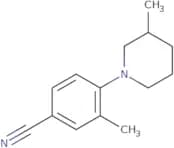
CAS:<p>Versatile small molecule scaffold</p>Formula:C12H18N4O3Purity:Min. 95%Molecular weight:266.3 g/mol3-Methyl-4-(3-methylpiperidin-1-yl)benzonitrile
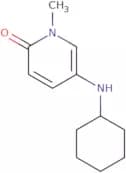
CAS:<p>Versatile small molecule scaffold</p>Formula:C14H18N2Purity:Min. 95%Molecular weight:214.31 g/mol5-(Cyclohexylamino)-1-methyl-1,2-dihydropyridin-2-one
CAS:<p>Versatile small molecule scaffold</p>Formula:C12H18N2OPurity:Min. 95%Molecular weight:206.28 g/mol4-(4-Chloro-1H-pyrazol-1-yl)benzaldehyde
CAS:<p>Versatile small molecule scaffold</p>Formula:C10H7ClN2OPurity:Min. 95%Molecular weight:206.63 g/mol2-[1-(2,6-Dioxo-1,2,3,6-tetrahydropyrimidine-4-carbonyl)piperidin-2-yl]acetic acid
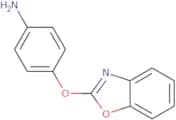
CAS:<p>Versatile small molecule scaffold</p>Formula:C12H15N3O5Purity:Min. 95%Molecular weight:281.26 g/mol4-(1,3-Benzoxazol-2-yloxy)aniline
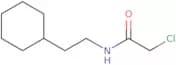
CAS:<p>Versatile small molecule scaffold</p>Formula:C13H10N2O2Purity:Min. 95%Molecular weight:226.23 g/mol2-chloro-N-(2-cyclohexylethyl)acetamide
CAS:<p>Versatile small molecule scaffold</p>Formula:C10H18ClNOPurity:Min. 95%Molecular weight:203.71 g/mol5-{[(tert-Butoxy)carbonyl]amino}-3-methyl-1,2-thiazole-4-carboxylic acid
CAS:<p>Versatile small molecule scaffold</p>Formula:C10H14N2O4SPurity:Min. 95%Molecular weight:258.3 g/mol3-{[(3-Methylphenyl)methyl](phenyl)amino}propanoic acid
CAS:<p>Versatile small molecule scaffold</p>Formula:C17H19NO2Purity:Min. 95%Molecular weight:269.34 g/mol1-[(2,2-Difluoroethyl)amino]propan-2-ol
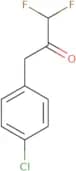
CAS:<p>Versatile small molecule scaffold</p>Formula:C5H11F2NOPurity:Min. 95%Molecular weight:139.1 g/mol3-(4-Chlorophenyl)-1,1-difluoropropan-2-one
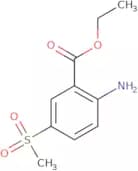
CAS:<p>Versatile small molecule scaffold</p>Formula:C9H7ClF2OPurity:Min. 95%Molecular weight:204.6 g/molEthyl 2-amino-5-methanesulfonylbenzoate
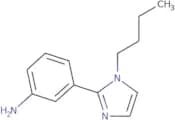
CAS:<p>Versatile small molecule scaffold</p>Formula:C10H13NO4SPurity:Min. 95%Molecular weight:243.28 g/mol3-(1-Butyl-1H-imidazol-2-yl)aniline
CAS:<p>Versatile small molecule scaffold</p>Formula:C13H17N3Purity:Min. 95%Molecular weight:215.29 g/mol2-(2-Chlorophenyl)-1-(furan-2-yl)ethan-1-one
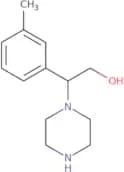
CAS:<p>Versatile small molecule scaffold</p>Formula:C12H9ClO2Purity:Min. 95%Molecular weight:220.65 g/mol2-(3-Methylphenyl)-2-(piperazin-1-yl)ethan-1-ol
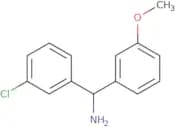
CAS:Versatile small molecule scaffoldFormula:C13H20N2OPurity:Min. 95%Molecular weight:220.31 g/mol(3-Chlorophenyl)(3-methoxyphenyl)methanamine
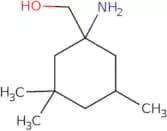
CAS:<p>Versatile small molecule scaffold</p>Formula:C14H14ClNOPurity:Min. 95%Molecular weight:247.72 g/mol(1-Amino-3,3,5-trimethylcyclohexyl)methanol
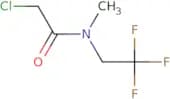
CAS:<p>Versatile small molecule scaffold</p>Formula:C10H21NOPurity:Min. 95%Molecular weight:171.28 g/mol2-Chloro-N-methyl-N-(2,2,2-trifluoroethyl)acetamide
CAS:<p>Versatile small molecule scaffold</p>Formula:C5H7ClF3NOPurity:Min. 95%Molecular weight:189.56 g/mol3-{[(Pyrimidin-2-yl)amino]methyl}benzoic acid
CAS:<p>Versatile small molecule scaffold</p>Formula:C12H11N3O2Purity:Min. 95%Molecular weight:229.23 g/mol5-[(4-Bromo-1H-pyrazol-1-yl)methyl]-2-methylfuran-3-carboxylic acid
CAS:<p>Versatile small molecule scaffold</p>Formula:C10H9BrN2O3Purity:Min. 95%Molecular weight:285.09 g/moltert-Butyl 2-[(2-iodophenyl)amino]acetate
CAS:<p>Versatile small molecule scaffold</p>Formula:C12H16INO2Purity:Min. 95%Molecular weight:333.2 g/molEthyl[(4-fluoro-3-methylphenyl)(pyridin-3-yl)methyl]amine
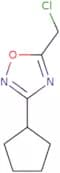
CAS:<p>Versatile small molecule scaffold</p>Formula:C15H17FN2Purity:Min. 95%Molecular weight:244.31 g/mol5-(Chloromethyl)-3-cyclopentyl-1,2,4-oxadiazole
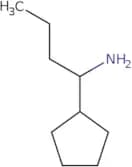
CAS:<p>Versatile small molecule scaffold</p>Formula:C8H11ClN2OPurity:Min. 95%Molecular weight:186.64 g/mol1-Cyclopentylbutan-1-amine
CAS:<p>Versatile small molecule scaffold</p>Formula:C9H19NPurity:Min. 95%Molecular weight:141.25 g/mol1,3-Dimethyl-5-(4-methyl-1H-pyrazol-1-yl)-1H-pyrazol-4-amine
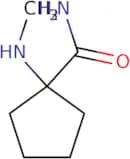
CAS:<p>Versatile small molecule scaffold</p>Formula:C9H13N5Purity:Min. 95%Molecular weight:191.23 g/mol1-(Methylamino)cyclopentane-1-carboxamide
CAS:<p>1-(Methylamino)cyclopentane-1-carboxamide (1-MCPC) is a potent, selective, and orally active inhibitor of bacterial GTPase-activating protein (GAP). 1-MCPC has been shown to be effective against bacteria that cause urinary tract infections. It is also active against methicillin resistant Staphylococcus aureus (MRSA) and Clostridium perfringens. Hydroxyl groups on 1-MCPC enable it to act as an optical system, which can be used in optical imaging techniques such as diffracting or gtpase activating protein.</p>Formula:C7H14N2OPurity:Min. 95%Molecular weight:142.2 g/mol6-Chloro-N-cyclopropylpyridazine-3-carboxamide
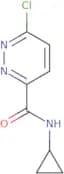
CAS:<p>Versatile small molecule scaffold</p>Formula:C8H8ClN3OPurity:Min. 95%Molecular weight:197.62 g/mol1-(2-Bromophenyl)butan-2-one
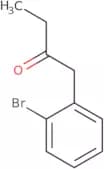
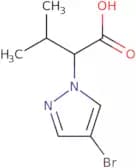
CAS:<p>Versatile small molecule scaffold</p>Formula:C10H11BrOPurity:Min. 95%Molecular weight:227.1 g/mol2-(4-Bromo-1H-pyrazol-1-yl)-3-methylbutanoic acid
CAS:<p>Versatile small molecule scaffold</p>Formula:C8H11BrN2O2Purity:Min. 95%Molecular weight:247.09 g/mol4-[4-(Hydroxymethyl)piperidine-1-carbonyl]-1-methyl-1,2-dihydropyridin-2-one
CAS:<p>Versatile small molecule scaffold</p>Formula:C13H18N2O3Purity:Min. 95%Molecular weight:250.29 g/mol5-[(2-Hydroxyethyl)sulfamoyl]thiophene-2-carboxylic acid
CAS:<p>Versatile small molecule scaffold</p>Formula:C7H9NO5S2Purity:Min. 95%Molecular weight:251.3 g/mol2-Amino-2-ethyl-3-methylbutanamide
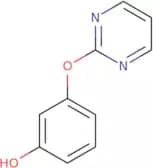
CAS:<p>Versatile small molecule scaffold</p>Formula:C7H16N2OPurity:Min. 95%Molecular weight:144.21 g/mol3-(Pyrimidin-2-yloxy)phenol
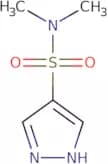
CAS:<p>Versatile small molecule scaffold</p>Formula:C10H8N2O2Purity:Min. 95%Molecular weight:188.18 g/molN,N-Dimethyl-1H-pyrazole-4-sulfonamide
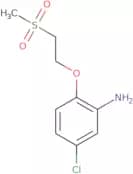
CAS:<p>Versatile small molecule scaffold</p>Formula:C5H9N3O2SPurity:Min. 95%Molecular weight:175.21 g/mol5-Chloro-2-(2-methanesulfonylethoxy)aniline
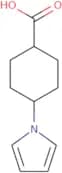
CAS:<p>Versatile small molecule scaffold</p>Formula:C9H12ClNO3SPurity:Min. 95%Molecular weight:249.72 g/mol4-(1H-Pyrrol-1-yl)cyclohexane-1-carboxylic acid
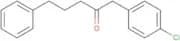
CAS:<p>Versatile small molecule scaffold</p>Formula:C11H15NO2Purity:Min. 95%Molecular weight:193.24 g/mol1-(4-Chlorophenyl)-5-phenylpentan-2-one
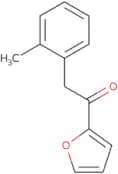
CAS:<p>Versatile small molecule scaffold</p>Formula:C17H17ClOPurity:Min. 95%Molecular weight:272.8 g/mol1-(Furan-2-yl)-2-(2-methylphenyl)ethan-1-one
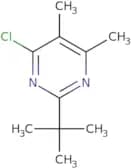
CAS:<p>Versatile small molecule scaffold</p>Formula:C13H12O2Purity:Min. 95%Molecular weight:200.23 g/mol2-tert-Butyl-4-chloro-5,6-dimethylpyrimidine
CAS:<p>Versatile small molecule scaffold</p>Formula:C10H15ClN2Purity:Min. 95%Molecular weight:198.69 g/mol1-(1H-Imidazol-2-ylmethyl)piperazine
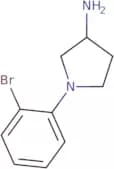
CAS:<p>Versatile small molecule scaffold</p>Formula:C8H14N4Purity:Min. 95%Molecular weight:166.22 g/mol1-(2-Bromophenyl)pyrrolidin-3-amine
CAS:<p>Versatile small molecule scaffold</p>Formula:C10H13BrN2Purity:Min. 95%Molecular weight:241.13 g/mol6-Amino-1-(2,2-difluoroethyl)-1,2,3,4-tetrahydroquinolin-2-one
CAS:<p>Versatile small molecule scaffold</p>Formula:C11H12F2N2OPurity:Min. 95%Molecular weight:226.22 g/mol2-{[2-(3-Fluorophenyl)-2-hydroxyethyl]amino}-2-methylpropan-1-ol
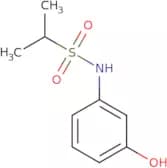
CAS:<p>Versatile small molecule scaffold</p>Formula:C12H18FNO2Purity:Min. 95%Molecular weight:227.27 g/molN-(3-Hydroxyphenyl)propane-2-sulfonamide
CAS:<p>Versatile small molecule scaffold</p>Formula:C9H13NO3SPurity:Min. 95%Molecular weight:215.27 g/molEthyl[1-(4-fluorophenyl)-3-methylbutan-2-yl]amine
CAS:Controlled Product<p>Versatile small molecule scaffold</p>Formula:C13H20FNPurity:Min. 95%Molecular weight:209.3 g/mol1-[2-(Pyridin-2-yl)ethyl]-1H-pyrazol-3-amine
CAS:<p>Versatile small molecule scaffold</p>Formula:C10H12N4Purity:Min. 95%Molecular weight:188.23 g/mol1-[2-(3-Amino-1H-pyrazol-1-yl)ethyl]imidazolidin-2-one
CAS:Versatile small molecule scaffoldFormula:C8H13N5OPurity:Min. 95%Molecular weight:195.22 g/mol7-(Chloromethyl)-2-methyl-1,3-benzoxazole
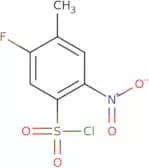
CAS:<p>Versatile small molecule scaffold</p>Formula:C9H8ClNOPurity:Min. 95%Molecular weight:181.62 g/mol5-Fluoro-4-methyl-2-nitrobenzene-1-sulfonyl chloride
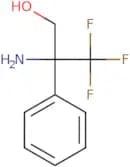
CAS:<p>Versatile small molecule scaffold</p>Formula:C7H5ClFNO4SPurity:Min. 95%Molecular weight:253.64 g/mol2-Amino-3,3,3-trifluoro-2-phenylpropan-1-ol
CAS:<p>Versatile small molecule scaffold</p>Formula:C9H10F3NOPurity:Min. 95%Molecular weight:205.18 g/mol2-[2-(Pyrrolidin-1-yl)pyrimidin-4-yl]morpholine
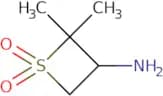
CAS:<p>Versatile small molecule scaffold</p>Formula:C12H18N4OPurity:Min. 95%Molecular weight:234.3 g/mol2,2-Dimethyl-3-thietanamine 1,1-dioxide
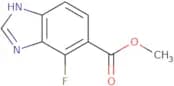
CAS:<p>Versatile small molecule scaffold</p>Formula:C5H11NO2SPurity:Min. 95%Molecular weight:149.21 g/molMethyl 4-fluoro-1H-1,3-benzodiazole-5-carboxylate
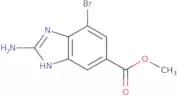
CAS:<p>Versatile small molecule scaffold</p>Formula:C9H7FN2O2Purity:Min. 95%Molecular weight:194.16 g/molMethyl 2-amino-4-bromo-1H-1,3-benzodiazole-6-carboxylate
CAS:<p>Versatile small molecule scaffold</p>Formula:C9H8BrN3O2Purity:Min. 95%Molecular weight:270.08 g/mol4-Fluoro-5-nitropyridin-2-amine
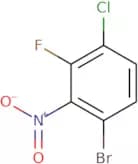
CAS:<p>Versatile small molecule scaffold</p>Formula:C5H4FN3O2Purity:Min. 95%Molecular weight:157.1 g/mol1-Bromo-4-chloro-3-fluoro-2-nitrobenzene
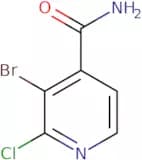
CAS:<p>Versatile small molecule scaffold</p>Formula:C6H2BrClFNO2Purity:Min. 95%Molecular weight:254.44 g/mol3-Bromo-2-chloropyridine-4-carboxamide
CAS:<p>Versatile small molecule scaffold</p>Formula:C6H4BrClN2OPurity:Min. 95%Molecular weight:235.46 g/molMethyl 2-bromo-4-chloronicotinate
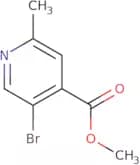
CAS:<p>Versatile small molecule scaffold</p>Formula:C7H5BrClNO2Purity:Min. 95%Molecular weight:250.48 g/molMethyl 5-bromo-2-methylisonicotinate
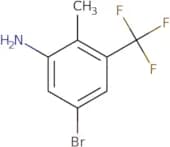
CAS:<p>Versatile small molecule scaffold</p>Formula:C8H8BrNO2Purity:Min. 95%Molecular weight:230.06 g/mol5-Bromo-2-methyl-3-(trifluoromethyl)aniline
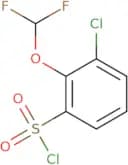
CAS:<p>Versatile small molecule scaffold</p>Formula:C8H7BrF3NPurity:Min. 95%Molecular weight:254.05 g/mol3-Chloro-2-(difluoromethoxy)benzene-1-sulfonyl chloride
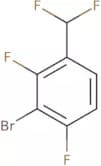
CAS:<p>Versatile small molecule scaffold</p>Formula:C7H4Cl2F2O3SPurity:Min. 95%Molecular weight:277.07 g/mol3-Bromo-2,4-difluorobenzal fluoride
CAS:<p>Versatile small molecule scaffold</p>Formula:C7H3BrF4Purity:Min. 95%Molecular weight:243 g/mol2,4-Dibromo-3-fluoropyridine
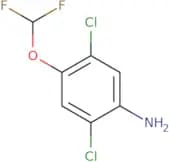
CAS:<p>Versatile small molecule scaffold</p>Formula:C5H2Br2FNPurity:Min. 95%Molecular weight:254.88 g/mol2,5-Dichloro-4-(difluoromethoxy)aniline
CAS:<p>Versatile small molecule scaffold</p>Formula:C7H5Cl2F2NOPurity:Min. 95%Molecular weight:228.02 g/mol3,5-Dichloro-4-fluorophenylacetonitrile
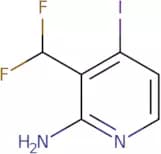
CAS:<p>Versatile small molecule scaffold</p>Formula:C8H4Cl2FNPurity:Min. 95%Molecular weight:204.02 g/mol3-(Difluoromethyl)-4-iodopyridin-2-amine
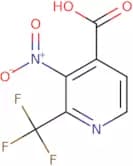
CAS:<p>Versatile small molecule scaffold</p>Formula:C6H5F2IN2Purity:Min. 95%Molecular weight:270.02 g/mol3-Nitro-2-(trifluoromethyl)pyridine-4-carboxylic acid
CAS:<p>Versatile small molecule scaffold</p>Formula:C7H3F3N2O4Purity:Min. 95%Molecular weight:236.1 g/mol2,3-Difluoro-5-nitrobenzodifluoride
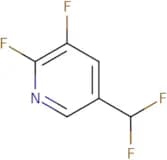
CAS:<p>Versatile small molecule scaffold</p>Formula:C7H3F4NO2Purity:Min. 95%Molecular weight:209.1 g/mol5-(Difluoromethyl)-2,3-difluoropyridine
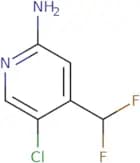
CAS:<p>Versatile small molecule scaffold</p>Formula:C6H3F4NPurity:Min. 95%Molecular weight:165.09 g/mol5-Chloro-4-(difluoromethyl)pyridin-2-amine
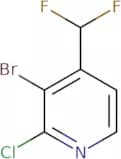
CAS:<p>Versatile small molecule scaffold</p>Formula:C6H5ClF2N2Purity:Min. 95%Molecular weight:178.57 g/mol3-Bromo-2-chloro-4-(difluoromethyl)pyridine
CAS:<p>Versatile small molecule scaffold</p>Formula:C6H3BrClF2NPurity:Min. 95%Molecular weight:242.45 g/mol5-(Difluoromethyl)-6-fluoropyridine-3-carboxylic acid
CAS:<p>Versatile small molecule scaffold</p>Formula:C7H4F3NO2Purity:Min. 95%Molecular weight:191.11 g/mol2-Bromo-3-(bromomethyl)-1-fluoro-4-nitrobenzene
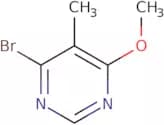
CAS:<p>Versatile small molecule scaffold</p>Formula:C7H4Br2FNO2Purity:Min. 95%Molecular weight:312.92 g/mol4-Bromo-6-methoxy-5-methylpyrimidine
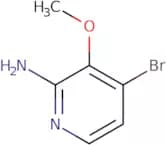
CAS:<p>Versatile small molecule scaffold</p>Formula:C6H7BrN2OPurity:Min. 95%Molecular weight:203.04 g/mol4-Bromo-3-methoxypyridin-2-amine
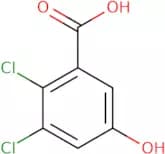
CAS:<p>Versatile small molecule scaffold</p>Formula:C6H7BrN2OPurity:Min. 95%Molecular weight:203.04 g/mol2,3-Dichloro-5-hydroxybenzoic acid
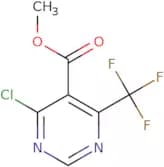
CAS:<p>Versatile small molecule scaffold</p>Formula:C7H4Cl2O3Purity:Min. 95%Molecular weight:207.01 g/molMethyl 4-chloro-6-(trifluoromethyl)pyrimidine-5-carboxylate
CAS:<p>Versatile small molecule scaffold</p>Formula:C7H4ClF3N2O2Purity:Min. 95%Molecular weight:240.57 g/mol5-Bromo-2-(difluoromethoxy)-3-(trifluoromethyl)pyridine
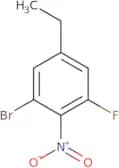
CAS:<p>Versatile small molecule scaffold</p>Formula:C7H3BrF5NOPurity:Min. 95%Molecular weight:292 g/mol1-Bromo-5-ethyl-3-fluoro-2-nitrobenzene
CAS:<p>Versatile small molecule scaffold</p>Formula:C8H7BrFNO2Purity:Min. 95%Molecular weight:248.05 g/mol6-Bromo-2,3-difluorobenzodifluoride
CAS:<p>Versatile small molecule scaffold</p>Formula:C7H3BrF4Purity:Min. 95%Molecular weight:243 g/mol2-Bromo-3-fluoro-4-iodopyridine
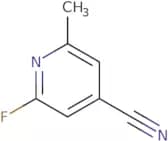
CAS:<p>Versatile small molecule scaffold</p>Formula:C5H2BrFINPurity:Min. 95%Molecular weight:301.9 g/mol2-Fluoro-6-methylpyridine-4-carbonitrile
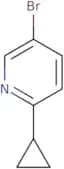
CAS:<p>Versatile small molecule scaffold</p>Formula:C7H5FN2Purity:Min. 95%Molecular weight:136.13 g/mol5-Bromo-2-cyclopropylpyridine
CAS:<p>5-Bromo-2-cyclopropylpyridine is a brominated organic compound that is soluble in organic solvents. It can be used as a coupling agent for the Suzuki reaction. This compound has high yields, optimal reaction conditions, and an optimal solvent system. 5-Bromo-2-cyclopropylpyridine can be used to produce pharmaceuticals, dyes, and pesticides.</p>Formula:C8H8BrNPurity:Min. 95%Molecular weight:198.06 g/mol4,6-Dichloro-2-methyl-1H-imidazo[4,5-c]pyridine
CAS:<p>Versatile small molecule scaffold</p>Formula:C7H5Cl2N3Purity:Min. 95%Molecular weight:202.04 g/mol4,6-Dichloro-2-ethyl-1H-imidazo[4,5-c]pyridine
CAS:<p>Versatile small molecule scaffold</p>Formula:C8H7Cl2N3Purity:Min. 95%Molecular weight:216.06 g/mol2-(2-Formylphenoxy)-N-(4-methylphenyl)acetamide
CAS:<p>Versatile small molecule scaffold</p>Formula:C16H15NO3Purity:Min. 95%Molecular weight:269.29 g/mol2',4',6',7'-Tetrahydrospiro[1,3-dioxolane-2,5'-indazole]
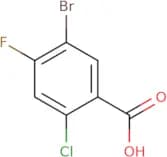
CAS:<p>Versatile small molecule scaffold</p>Formula:C9H12N2O2Purity:Min. 95%Molecular weight:180.2 g/mol5-bromo-2-chloro-4-fluorobenzoic acid
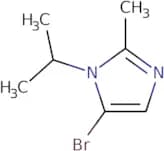
CAS:<p>Versatile small molecule scaffold</p>Formula:C7H3BrClFO2Purity:Min. 95%Molecular weight:253.5 g/mol5-Bromo-1-isopropyl-2-methyl-1H-imidazole
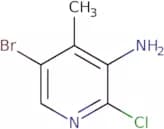
CAS:<p>Versatile small molecule scaffold</p>Formula:C7H11BrN2Purity:Min. 95%Molecular weight:203.08 g/mol5-Bromo-2-chloro-4-methylpyridin-3-amine
CAS:<p>Versatile small molecule scaffold</p>Formula:C6H6BrClN2Purity:Min. 95%Molecular weight:221.48 g/mol2-chloro-5-[(trifluoromethyl)sulfanyl]pyridine
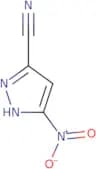
CAS:<p>Versatile small molecule scaffold</p>Formula:C6H3ClF3NSPurity:Min. 95%Molecular weight:213.6 g/mol3-Nitro-1H-pyrazole-5-carbonitrile
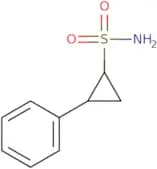
CAS:<p>Versatile small molecule scaffold</p>Formula:C4H2N4O2Purity:Min. 95%Molecular weight:138.08 g/molrac-(1R,2S)-2-Phenylcyclopropane-1-sulfonamide
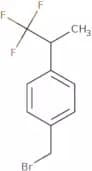
CAS:<p>Versatile small molecule scaffold</p>Formula:C9H11NO2SPurity:Min. 95%Molecular weight:197.26 g/mol1-(Bromomethyl)-4-(1,1,1-trifluoropropan-2-yl)benzene
CAS:<p>Versatile small molecule scaffold</p>Formula:C10H10BrF3Purity:Min. 95%Molecular weight:267.08 g/mol2-Bromo-4-(difluoromethyl)pyridine
CAS:<p>Versatile small molecule scaffold</p>Formula:C6H4BrF2NPurity:Min. 95%Molecular weight:208 g/mol6-(Piperazin-1-yl)-[1,2,4]triazolo[4,3-b]pyridazine
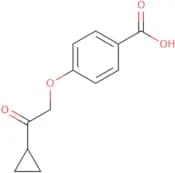
CAS:<p>Versatile small molecule scaffold</p>Formula:C9H12N6Purity:Min. 95%Molecular weight:204.23 g/mol4-(2-Cyclopropyl-2-oxoethoxy)benzoic acid
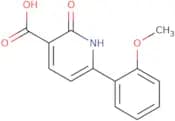
CAS:<p>Versatile small molecule scaffold</p>Formula:C12H12O4Purity:Min. 95%Molecular weight:220.22 g/mol6-(2-Methoxyphenyl)-2-oxo-1,2-dihydropyridine-3-carboxylic acid
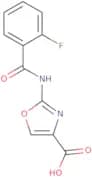
CAS:<p>Versatile small molecule scaffold</p>Formula:C13H11NO4Purity:Min. 95%Molecular weight:245.23 g/mol2-(2-Fluorobenzamido)-1,3-oxazole-4-carboxylic acid
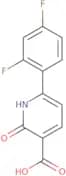
CAS:<p>Versatile small molecule scaffold</p>Formula:C11H7FN2O4Purity:Min. 95%Molecular weight:250.18 g/mol6-(2,4-Difluorophenyl)-2-oxo-1,2-dihydropyridine-3-carboxylic acid
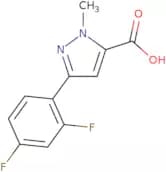
CAS:<p>Versatile small molecule scaffold</p>Formula:C12H7F2NO3Purity:Min. 95%Molecular weight:251.18 g/mol3-(2,4-Difluorophenyl)-1-methyl-1H-pyrazole-5-carboxylic acid
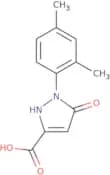
CAS:<p>Versatile small molecule scaffold</p>Formula:C11H8F2N2O2Purity:Min. 95%Molecular weight:238.19 g/mol1-(2,4-Dimethylphenyl)-5-oxo-2,5-dihydro-1H-pyrazole-3-carboxylic acid
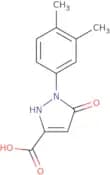
CAS:<p>Versatile small molecule scaffold</p>Formula:C12H12N2O3Purity:Min. 95%Molecular weight:232.23 g/mol1-(3,4-Dimethylphenyl)-5-oxo-2,5-dihydro-1H-pyrazole-3-carboxylic acid
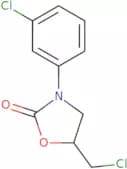
CAS:<p>Versatile small molecule scaffold</p>Formula:C12H12N2O3Purity:Min. 95%Molecular weight:232.23 g/mol5-(Chloromethyl)-3-(3-chlorophenyl)-1,3-oxazolidin-2-one
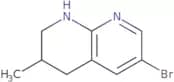
CAS:<p>Versatile small molecule scaffold</p>Formula:C10H9Cl2NO2Purity:Min. 95%Molecular weight:246.09 g/mol6-bromo-3-methyl-1,2,3,4-tetrahydro-1,8-naphthyridine
CAS:Versatile small molecule scaffoldFormula:C9H11BrN2Purity:Min. 95%Molecular weight:227.1 g/mol2-Methyl-4-{[1,3]thiazolo[5,4-b]pyridin-2-yl}aniline
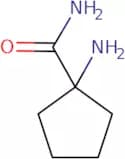
CAS:<p>Versatile small molecule scaffold</p>Formula:C13H11N3SPurity:Min. 95%Molecular weight:241.31 g/mol1-Amino-1-cyclopentanecarboxamide
CAS:<p>1-Amino-1-cyclopentanecarboxamide is a bicyclic heterocycle that has been shown to have therapeutic effects in the treatment of autoimmune diseases and cancer. It is structurally related to chemokines, which are cytokines that induce inflammatory responses by activating the immune system. 1-Amino-1-cyclopentanecarboxamide binds to specific receptors on white blood cells, resulting in an increase in the production of chemokines and other proinflammatory molecules. This leads to an increase in inflammation, as well as an increase in blood pressure. The chemical also has anti-inflammatory properties and can be used for the treatment of inflammatory diseases such as arthritis. 1-Amino-1-cyclopentanecarboxamide has been shown to inhibit cancer cell growth by inducing apoptosis (programmed cell death).</p>Formula:C6H12N2OPurity:Min. 95%Color and Shape:PowderMolecular weight:128.17 g/mol4-(Azidomethyl)benzoic acid
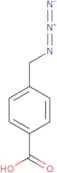
CAS:<p>4-(Azidomethyl)benzoic acid is a chemical compound that has been used in studies on mammalian cells, as well as in vitro assays. This molecule belongs to the class of organic compounds called heterocyclic compounds and contains a reactive functional group. 4-(Azidomethyl)benzoic acid can be synthetically made by combining the appropriate reactants, including lysine residues, in a solid-phase synthesis. The postsynthetic modification of this molecule includes its conversion to other molecules with different functional groups. 4-(Azidomethyl)benzoic acid has been shown to have anti-cancer properties against leukemia cells in vivo.</p>Formula:C8H7N3O2Purity:Min. 95%Molecular weight:177.16 g/molAzaperol-D4
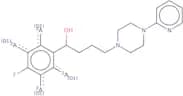
CAS:Controlled Product<p>Please enquire for more information about Azaperol-D4 including the price, delivery time and more detailed product information at the technical inquiry form on this page</p>Formula:C19H20D4FN3OPurity:Min. 95%Molecular weight:333.4 g/molApixaban-d3
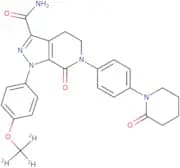
CAS:Controlled Product<p>Please enquire for more information about Apixaban-d3 including the price, delivery time and more detailed product information at the technical inquiry form on this page</p>Formula:C25H22D3N5O4Purity:Min. 95%Molecular weight:462.52 g/mol[(Aminocarbonyl)[[5-(4-nitrophenyl)-2-furanyl]methylene]hydrazino]-acetic acid
CAS:<p>Please enquire for more information about [(Aminocarbonyl)[[5-(4-nitrophenyl)-2-furanyl]methylene]hydrazino]-acetic acid including the price, delivery time and more detailed product information at the technical inquiry form on this page</p>Formula:C14H12N4O6Purity:Min. 95%Molecular weight:332.27 g/molAlphasone acetonide
CAS:<p>Please enquire for more information about Alphasone acetonide including the price, delivery time and more detailed product information at the technical inquiry form on this page</p>Formula:C24H34O4Purity:Min. 95%Molecular weight:386.5 g/molAmoxicillin dimer sodium
CAS:Please enquire for more information about Amoxicillin dimer sodium including the price, delivery time and more detailed product information at the technical inquiry form on this pageFormula:C32H38N6O10S2•(Na)xPurity:90%5-Amino-4-bromo-2-fluorobenzoic acid hydrochloride
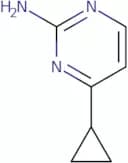
CAS:<p>Please enquire for more information about 5-Amino-4-bromo-2-fluorobenzoic acid hydrochloride including the price, delivery time and more detailed product information at the technical inquiry form on this page</p>Formula:C7H5BrFNO2•HClMolecular weight:270.48 g/mol2-Amino-4-(cyclopropyl)pyrimidine
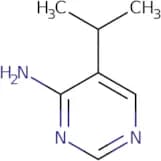
CAS:<p>Please enquire for more information about 2-Amino-4-(cyclopropyl)pyrimidine including the price, delivery time and more detailed product information at the technical inquiry form on this page</p>Formula:C7H9N3Purity:Min. 95%Molecular weight:135.17 g/mol5-(Propan-2-yl)pyrimidin-4-amine
CAS:<p>Versatile small molecule scaffold</p>Formula:C7H11N3Purity:Min. 95%Molecular weight:137.18 g/mol2-{[(Propan-2-ylidene)amino]oxy}hexanoic acid
CAS:<p>Versatile small molecule scaffold</p>Formula:C9H17NO3Purity:Min. 95%Molecular weight:187.24 g/molMethyl 2-{[(propan-2-ylidene)amino]oxy}hexanoate
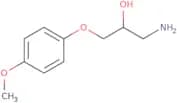
CAS:<p>Versatile small molecule scaffold</p>Formula:C10H19NO3Purity:Min. 95%Molecular weight:201.26 g/mol4-(3-Amino-2-hydroxypropoxy)anisole
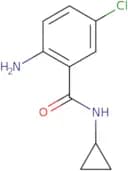
CAS:<p>Versatile small molecule scaffold</p>Formula:C10H15NO3Purity:Min. 95%Molecular weight:197.23 g/mol2-Amino-5-chloro-N-cyclopropylbenzamide
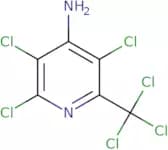
CAS:<p>Versatile small molecule scaffold</p>Formula:C10H11ClN2OPurity:Min. 95%Molecular weight:210.66 g/mol2,3,5-Trichloro-6-(trichloromethyl)pyridin-4-amine
CAS:<p>Versatile small molecule scaffold</p>Formula:C6H2Cl6N2Purity:Min. 95%Molecular weight:314.8 g/mol7-Methyl-[1,2,4]triazolo[4,3-a]pyridin-3-amine
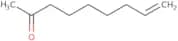
CAS:<p>Versatile small molecule scaffold</p>Formula:C7H8N4Purity:Min. 95%Molecular weight:148.17 g/molNon-8-en-2-one
CAS:<p>Non-8-en-2-one is a pheromone that is found in the mandibular gland of the hornet. It is an ethyl ester that has been shown to be responsible for attracting males to females during mating. Non-8-en-2-one has been detected with mass spectrometry and fluorescence light, which has been shown to be due to its fatty acid content. The methyl ketones present in this substance have not yet been identified.</p>Formula:C9H16OPurity:Min. 95%Molecular weight:140.22 g/mol4-(3,4-Dimethoxyphenyl)-3H,4H,5H,6H,7H-imidazo[4,5-c]pyridine dihydrochloride
CAS:Versatile small molecule scaffoldFormula:C14H19Cl2N3O2Purity:Min. 95%Molecular weight:332.2 g/mol2-Bromo-3,3,5-trimethylcyclohexanone
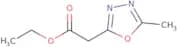
CAS:<p>Versatile small molecule scaffold</p>Formula:C9H15BrOPurity:Min. 95%Molecular weight:219.12 g/molEthyl 2-(5-methyl-1,3,4-oxadiazol-2-yl)acetate
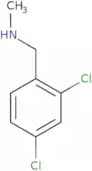
CAS:Versatile small molecule scaffoldFormula:C7H10N2O3Purity:Min. 95%Molecular weight:170.17 g/mol2,4-Dichloro-N-methylbenzylamine
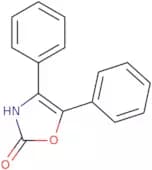
CAS:<p>Versatile small molecule scaffold</p>Formula:C8H9Cl2NPurity:Min. 95%Molecular weight:190.07 g/mol4,5-Diphenyl-2,3-dihydro-1,3-oxazol-2-one
CAS:<p>4,5-Diphenyl-2,3-dihydro-1,3-oxazol-2-one is an antiinflammatory drug that belongs to the group of primary amines. It is a coxib class drug and inhibits COX enzymes by binding to their active site and blocking the formation of prostaglandins. 4,5-Diphenyl-2,3-dihydro-1,3-oxazol-2-one has been found to be selective for COX type 2 inhibition and has been shown to inhibit COX enzyme activity in blood assay experiments. This compound also has a high yield in reaction mixtures and recyclization reactions with benzoin.</p>Formula:C15H11NO2Purity:Min. 95%Molecular weight:237.25 g/mol3-Methyl-octahydro-1H-pyrido[1,2-a]piperazine
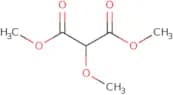
CAS:<p>Versatile small molecule scaffold</p>Formula:C9H18N2Purity:Min. 95%Molecular weight:154.25 g/molDimethyl Methoxymalonate
CAS:<p>Dimethyl methoxymalonate (DMM) is a synthetic compound that functions as an inhibitor of histone lysine methyltransferases. It may be used to treat cancer and inflammatory bowel disease by inhibiting the growth of cancer cells and reducing inflammation. DMM has been shown to be effective in diabetic patients, as it can improve the optical system in the retina. The drug also has pharmacokinetic properties that are similar to those seen with insulin, making it a potential treatment for insulin resistance and diabetes.</p>Formula:C6H10O5Purity:Min. 95%Molecular weight:162.14 g/molBicyclo[3.2.1]octan-2-one
CAS:<p>Bicyclo[3.2.1]octan-2-one is a cyclic ketone that reacts with nucleophiles to form addition products. It can be synthesized by reacting an aldehyde with nitrous acid or hydrocyanic acid, and has been used in the synthesis of various other compounds. Bicyclo[3.2.1]octan-2-one is also used as a solvent for organic reactions, and may be useful in the production of pharmaceuticals and other chemicals.</p>Formula:C8H12OPurity:Min. 95%Molecular weight:124.18 g/mol{Bicyclo[2.2.2]oct-5-en-2-yl}methanol
CAS:Versatile small molecule scaffoldFormula:C9H14OPurity:Min. 95%Molecular weight:138.21 g/mol{Bicyclo[2.2.2]octan-2-yl}methanol
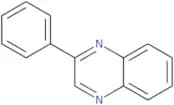
CAS:<p>Versatile small molecule scaffold</p>Formula:C9H16OPurity:Min. 95%Molecular weight:140.22 g/mol2-Phenylquinoxaline
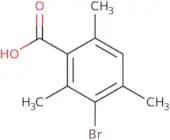
CAS:<p>2-Phenylquinoxaline is a compound that belongs to the aryl halide group. It has been used as a solvent in organic synthesis, and it has also been shown to be able to transport substances. 2-Phenylquinoxaline has been found to induce cancer in laboratory animals and is known for its ability to cause DNA damage. The chemical structure of 2-phenylquinoxaline contains nitrogen atoms, which are important for its reactivity. The <br>chemical reaction mechanism of 2-phenylquinoxaline is nucleophilic addition, with biphenyl acting as the nucleophile. This chemical reaction takes place in the presence of palladium as a catalyst.</p>Formula:C14H10N2Purity:Min. 95%Molecular weight:206.24 g/mol3-Bromo-2,4,6-trimethylbenzoic acid
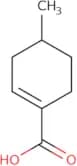
CAS:<p>Versatile small molecule scaffold</p>Formula:C10H11BrO2Purity:Min. 95%Molecular weight:243.1 g/mol4-Methylcyclohex-1-ene-1-carboxylic acid
CAS:<p>Versatile small molecule scaffold</p>Formula:C8H12O2Purity:Min. 95%Molecular weight:140.18 g/mol4-(3,4-dimethoxyphenyl)-4-oxobutanoic acid
CAS:<p>4-(3,4-dimethoxyphenyl)-4-oxobutanoic acid is an acylation reaction product. It can be made by the acylation of succinic anhydride with nitrobenzene. Optimizing the parameters for this reaction will yield the most desirable product. The optimum conditions for this reaction are 30 minutes at 60 degrees Celsius in a solvent of propionic acid. 4-(3,4-dimethoxyphenyl)-4-oxobutanoic acid can also be made by the Friedel-Crafts acylation reaction between veratrole and succinic anhydride. This reaction takes place over a period of 20 hours at room temperature in a solvent of ethylene glycol dimethyl ether.</p>Formula:C12H14O5Purity:Min. 95%Molecular weight:238.24 g/mol6-Chloro-1-methyl-1H-pyrazolo[3,4-d]pyrimidin-4(7H)-one
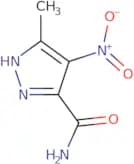
CAS:<p>Versatile small molecule scaffold</p>Formula:C6H5ClN4OPurity:Min. 95%Molecular weight:184.58 g/mol5-Methyl-4-nitro-1H-pyrazole-3-carboxamide
CAS:<p>Versatile small molecule scaffold</p>Formula:C5H6N4O3Purity:Min. 95%Molecular weight:170.13 g/molN,1-Dimethyl-1H-pyrazolo[3,4-d]pyrimidin-4-amine
CAS:<p>N,1-Dimethyl-1H-pyrazolo[3,4-d]pyrimidin-4-amine is an isomer of pyrazolopyrimidine. It has been shown to be a strong inhibitor of uracil incorporation in DNA and RNA syntheses. The autoassociation kinetics of this compound are dependent on the concentration of its methyl derivatives. The equilibrium constants for the N,1-dimethyl derivative are different from those for the N,2-dimethyl derivative. The parameters and constants used in the simulation were obtained from thermodynamic calculations and from experimental data for other molecules with similar properties. The equilibrium constant for tautomeric interaction was determined by calculating the ratio of concentrations at equilibrium for two competing tautomers.</p>Formula:C7H9N5Purity:Min. 95%Molecular weight:163.18 g/mol1-Methyl-1H-pyrazolo[3,4-d]pyrimidin-4(7H)-one
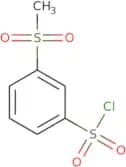
CAS:<p>Versatile small molecule scaffold</p>Formula:C6H6N4OPurity:Min. 95%Molecular weight:150.14 g/mol3-(Methylsulfonyl)benzenesulfonyl Chloride
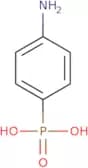
CAS:<p>Versatile small molecule scaffold</p>Formula:C7H7ClO4S2Purity:Min. 95%Molecular weight:254.71 g/mol(4-Aminophenyl)phosphonic Acid
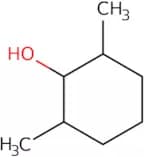
CAS:<p>4-Aminophenylphosphonic acid (4AP) is an organic compound that is used as a building block for the synthesis of other chemicals. It reacts optimally with chlorhexidine, a human receptor binding agent, to form 4-aminophenylchlorohexidinium chloride. 4AP has been shown to have antimicrobial properties and is used in topical applications. It also has an inhibitory effect on the growth of bacteria such as Pseudomonas aeruginosa, which can cause serious infections in humans. 4AP inhibits bacterial growth by interfering with the synthesis of proteins and nucleic acids. This inhibition occurs because 4AP binds to phosphatases and hydrolyzes them into phosphate and amine groups. The amine group will bind to the DNA or RNA molecule and inhibit its function.</p>Formula:C6H8NO3PPurity:Min. 95%Molecular weight:173.11 g/mol2,6-Dimethylcyclohexanol (mixture of isomers)
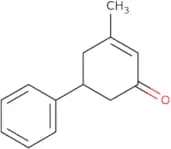
CAS:<p>2,6-Dimethylcyclohexanol is a mixture of isomers that has been shown to enhance the activity of cationic surfactants in a cell culture model. The isomers are 2,6-dimethylcyclohexane carboxylic acid and 2,6-dimethylcyclohexanol. This compound has been used in mice to determine if it can reverse the infertility caused by exposure to monoterpene hydrocarbons. It also inhibits the activity of recombinant human epidermal growth factor receptor (EGFR) and can be used as an anticancer drug for EGFR-overexpressing tumors. The solubility data indicate that this molecule has low solubility in water and organic solvents such as chloroform or methanol. The molecular modeling shows that this molecule contains a hydroxyl group at C2 and two methyl groups at C6. The nmr spectra show a signal at δ =</p>Formula:C8H16OPurity:Min. 95%Molecular weight:128.22 g/mol3-Methyl-5-phenylcyclohex-2-en-1-one
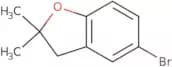
CAS:<p>3-Methyl-5-phenylcyclohex-2-en-1-one is an organic compound that belongs to the class of cyano compounds. This agent is a colorless, oily liquid with a peculiar odor. 3-Methyl-5-phenylcyclohex-2-en-1-one has been used as a solvent for acetoacetate and solvents. The use of this agent in the synthesis of ethyl benzoylacetate has been reported. The axial orientation of the methyl group and the orientations of the phenyl ring have been optimized in order to achieve a conformation that does not lead to steric hindrance during the reaction. A sodium ethoxide solution was used as an additive to promote nucleophilic attack on the carbonyl group in order to obtain ethyl acetoacetate.</p>Formula:C13H14OPurity:Min. 95%Molecular weight:186.25 g/mol5-Bromo-2,2-dimethyl-2,3-dihydro-1-benzofuran
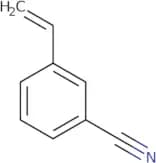
CAS:<p>Versatile small molecule scaffold</p>Formula:C10H11BrOPurity:Min. 95%Molecular weight:227.1 g/mol3-Ethenylbenzonitrile
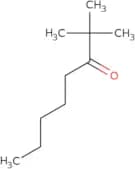
CAS:<p>3-Ethenylbenzonitrile is an organic compound that can be prepared by photolysis of 2-bromobenzonitrile in the presence of a nonpolar solvent. It is also synthesized by laser induced exciplex reaction between benzene and ethylene. 3-Ethenylbenzonitrile has a conformation that is dependent on the polarity of the solvent. In polar solvents, it adopts a bent structure while in nonpolar solvents, it adopts a linear structure. The molecule undergoes cyclobutane formation and then reacts with electron acceptors such as cations to form intermediates. These intermediates react with other molecules to form products.</p>Formula:C9H7NPurity:Min. 95%Molecular weight:129.16 g/mol2,2-Dimethyloctan-3-one
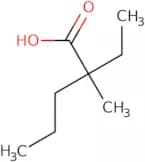
CAS:<p>Versatile small molecule scaffold</p>Formula:C10H20OPurity:Min. 95%Molecular weight:156.26 g/mol(2RS)-2-Ethyl-2-methylpentanoic acid
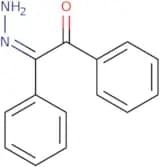
CAS:<p>(2RS)-2-Ethyl-2-methylpentanoic acid is an organic compound that is used to synthesize the drug 2-ethylhexanoic acid. This compound can be obtained by asymmetric synthesis and it has cytosolic activity. It inhibits the growth of tumor cells by inducing necrotic cell death and hemolysis in erythrocytes. The pH of this substance is acidic and it can be used for the uptake of drugs. In addition, (2RS)-2-Ethyl-2-methylpentanoic acid has significant cytotoxicity as well as fusogenic properties. It also has endosomal excipients and can be used as a neutral or acidic buffer solution for intravenous injections.</p>Formula:C8H16O2Purity:Min. 95%Molecular weight:144.21 g/mol(2E)-2-hydrazinylidene-1,2-diphenylethan-1-one
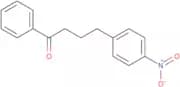
CAS:<p>Versatile small molecule scaffold</p>Formula:C14H12N2OPurity:Min. 95%Molecular weight:224.26 g/mol4-(4-Nitrophenyl)-1-phenylbutan-1-one
CAS:<p>Versatile small molecule scaffold</p>Formula:C16H15NO3Purity:Min. 95%Molecular weight:269.29 g/mol5-Amino-1-(2-hydroxyethyl)-3-methyl-1H-pyrazole-4-carbonitrile
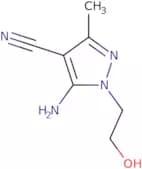
CAS:<p>Versatile small molecule scaffold</p>Formula:C7H10N4OPurity:Min. 95%Molecular weight:166.18 g/mol2-([1,1'-Biphenyl]-2-yloxy)acetic acid
CAS:<p>2-([1,1'-Biphenyl]-2-yloxy)acetic acid is a white solid that has a melting point of 9 °C and a boiling point of 244 °C. It is soluble in water, ethanol, and acetone. This compound can be used as an organic solvent and is used to synthesize sodium carbonate. 2-([1,1'-Biphenyl]-2-yloxy)acetic acid is also used as a recrystallizing agent for industrial purposes. The synthesis method for this compound includes the use of catalysts such as carbonates and trifluoroacetic anhydride. The substance has been shown to cause pollution in the environment due to its high reactivity with oxygen.</p>Formula:C14H12O3Purity:Min. 95%Molecular weight:228.25 g/mol2-Bromobenzo[b]thiophene 1,1-dioxide
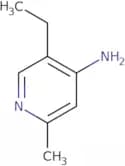
CAS:Versatile small molecule scaffoldFormula:C8H5BrO2SPurity:Min. 95%Molecular weight:245.09 g/mol5-Ethyl-2-methylpyridin-4-amine
CAS:<p>Versatile small molecule scaffold</p>Formula:C8H12N2Purity:Min. 95%Molecular weight:136.19 g/molBenzenesulfonamidothiourea
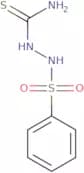
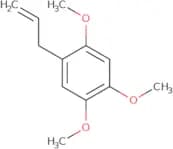
CAS:<p>Benzenesulfonamidothiourea is a biocompatible polymer that has been shown to inhibit the proliferation of tumor cells. The polymer is injected into tumor tissues and binds to boron, which prevents the formation of new blood vessels. This inhibits the growth of tumors and induces cell death. Benzenesulfonamidothiourea is an in vitro method with intracellular targets. It has been shown to be effective against tumors that have been irradiated or exposed to neutron radiation. This polymer also has analytical properties that allow it to be used for biochemical studies such as determining DNA sequencing and structure analysis.</p>Formula:C7H9N3O2S2Purity:Min. 95%Molecular weight:231.3 g/mol1,2,4-Trimethoxy-5-(prop-2-en-1-yl)benzene
CAS:<p>1,2,4-Trimethoxy-5-(prop-2-en-1-yl)benzene is a pharmaceutical drug that belongs to the class of compounds known as alpha-asarone or asarone. It has been shown to have hemolytic activity and is used in food composition. The compound has not been tested for carcinogenic, mutagenic, or reproductive toxicity. 1,2,4-Trimethoxy-5-(prop-2-en-1-yl)benzene can be injected intravenously in a 10% solution with sodium carbonate as a buffer and diluted with water for injection. This drug is also available in an oral formulation that is administered in tablet form. The bioavailability of 1,2,4-trimethoxy 5-(prop - 2 - en - 1 - yl)benzene is low due to its high affinity for proteins and low solubility in water.</p>Formula:C12H16O3Purity:Min. 95%Molecular weight:208.25 g/mol4-(Methoxymethyl)phenol
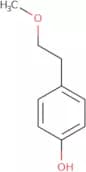
CAS:4-(Methoxymethyl)phenol is a chemical compound which has been shown to inhibit the growth of bacteria. It is a photochemical that has a low sub-effective dose and high photochemical properties. 4-(Methoxymethyl)phenol is found in many plants and vegetables, such as parsley and celery, and can be used as an antimicrobial agent. Stenotrophomonas maltophilia, which causes pneumonia in cystic fibrosis patients, was one of the bacterial strains inhibited by this compound. The mechanism for inhibition of this compound is unknown but it does not seem to involve the production of reactive oxygen species. Furthermore, 4-(Methoxymethyl)phenol has been shown to have potent inhibitory activity against RNA polymerase II, which is important for protein synthesis.Formula:C8H10O2Purity:Min. 95%Molecular weight:138.16 g/molGMQ hydrochloride
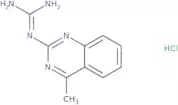
CAS:<p>GMQ hydrochloride is a blocker with sensitivity and blocking effects. It blocks the neurogenic inflammation induced by proton influx, which may be due to its antagonistic effect on 5-hydroxytryptamine (5-HT) receptors. GMQ hydrochloride has been shown to block the neurogenic inflammation induced by injecting substances into the skin or muscle of mice. GMQ hydrochloride also blocks the neurogenic inflammation that arises from chronic migraine, which is related to 5-HT3 receptors.</p>Formula:C10H11N5·HClPurity:Min. 95%Molecular weight:237.69 g/mol4-Sulfobenzaldehyde Hydrate
CAS:<p>4-Sulfobenzaldehyde hydrate is a chemical intermediate that is used for the production of detergents and other products. This compound can be prepared by reacting phenol with sulfur dioxide in the presence of a chlorinating agent. 4-Sulfobenzaldehyde hydrate can also be obtained by reacting aniline or phenol with sodium hypochlorite in the presence of a catalyst. The biphenyl molecule contains two benzene rings joined by a single carbon atom, and this compound can be oxidized to form biphenyldicarboxylic acid, which has fluorescent properties. 4-Sulfobenzaldehyde hydrate is an acid and cleaves in water to form hydrochloric acid and benzoic acid.</p>Formula:C7H6O4S·xH2OPurity:Min. 95%Molecular weight:186.19 g/mol2-(1,3-Dioxo-2,3-dihydro-1H-isoindol-2-yl)propanoyl chloride
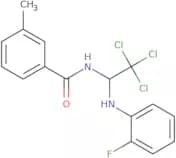
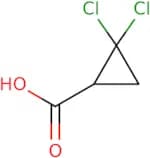
CAS:<p>Versatile small molecule scaffold</p>Formula:C16H14Cl3FN2OPurity:Min. 95%Molecular weight:375.6 g/mol2,2-Dichlorocyclopropane-1-carboxylic acid
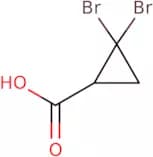
CAS:2,2-Dichlorocyclopropane-1-carboxylic acid is a chemical substance that belongs to the group of fungicides. It is used as an acceptor in organic synthesis and as a dehydrative agent. 2,2-Dichlorocyclopropane-1-carboxylic acid has bactericidal effects on some bacteria species and is active against fungi. The compound can be prepared by reacting chloroacetic acid with cyclopropanecarboxylic acid or by the reaction of 2,2,2-trichloroethanol with cyclopropanecarboxylic acid. 2,2-Dichlorocyclopropane-1-carboxylic acid can be used as an enantiomer to synthesize other compounds. This compound has two resonance forms which are related to its carboxylic group and its optically active form.Formula:C4H4Cl2O2Purity:Min. 95%Molecular weight:154.98 g/mol2,2-Dibromocyclopropane-1-carboxylic acid
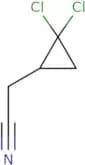
CAS:<p>Versatile small molecule scaffold</p>Formula:C4H4Br2O2Purity:Min. 95%Molecular weight:243.88 g/mol2-(2,2-Dichlorocyclopropyl)acetonitrile
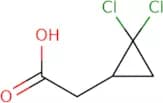
CAS:<p>2-(2,2-Dichlorocyclopropyl)acetonitrile is a polyatomic molecule that is often used in the synthesis of other compounds. It has been shown to react with sodium cyanide to form a compound called covid-19, which is then reacted with piperidine and thiophenol to form polyatomic molecules. Covid-19 is also the active ingredient in a vaccine that was developed as a response to the pandemic of H1N1 influenza. This drug has been shown to be effective against influenza A strains and other flu viruses, including avian flu.</p>Formula:C5H5Cl2NPurity:Min. 95%Molecular weight:150 g/mol2-(2,2-Dichlorocyclopropyl)acetic acid
CAS:<p>Versatile small molecule scaffold</p>Formula:C5H6Cl2O2Purity:Min. 95%Molecular weight:169 g/mol1,8-Dioxo-1,3,4,8-tetrahydro-2H-pyrido[1,2-a]pyrazine-6-carboxylic acid
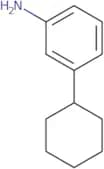
CAS:<p>Versatile small molecule scaffold</p>Formula:C9H8N2O4Purity:Min. 95%Molecular weight:208.17 g/mol3-Cyclohexylaniline
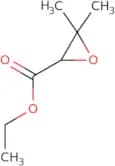
CAS:<p>Versatile small molecule scaffold</p>Formula:C12H17NPurity:Min. 95%Molecular weight:175.27 g/molEthyl 3,3-dimethyloxirane-2-carboxylate
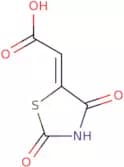
CAS:<p>Versatile small molecule scaffold</p>Formula:C7H12O3Purity:Min. 95%Molecular weight:144.17 g/mol(2Z)-(2,4-Dioxo-1,3-thiazolidin-5-ylidene)acetic acid
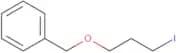
CAS:<p>Versatile small molecule scaffold</p>Formula:C5H3NO4SPurity:Min. 95%Molecular weight:173.15 g/mol1-Benzyloxy-3-iodopropane
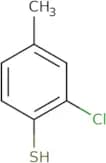
CAS:<p>1-Benzyloxy-3-iodopropane is an enantiopure prenyl alcohol, which can be used in the alkylation of unsaturated fatty acids. It has been used to synthesize pseudoephedrine with yields of up to 97% and chirality that is stereospecific and enantiopure. In addition, it can be used as a reagent for biomolecular studies.</p>Formula:C10H13IOPurity:Min. 95%Molecular weight:276.11 g/mol2-Chloro-4-methylbenzenethiol
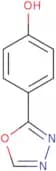
CAS:<p>Versatile small molecule scaffold</p>Formula:C7H7ClSPurity:Min. 95%Molecular weight:158.65 g/mol4-(1,3,4-Oxadiazol-2-yl)phenol
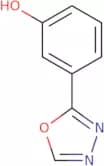
CAS:4-(1,3,4-Oxadiazol-2-yl)phenol (ODOP) is a potent and selective apoptosis inducer that causes the death of cancer cells by generating reactive oxygen species. ODOP activates polyphosphoric acid in the mitochondria to form reactive oxygen species. The cytotoxicity of ODOP is dose-dependent and can be reconfirmed by nucleophilic attack on DNA. ODOP has been shown to have pharmacokinetic properties that are similar to those of other drugs in the same class, such as acylhydrazides. These drugs are rapidly metabolized by esterases or glucuronidases in vivo and are excreted mainly through urine.Formula:C8H6N2O2Purity:Min. 95%Molecular weight:162.15 g/mol3-(1,3,4-Oxadiazol-2-yl)phenol
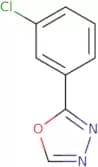
CAS:<p>Versatile small molecule scaffold</p>Formula:C8H6N2O2Purity:Min. 95%Molecular weight:162.15 g/mol2-(3-Chlorophenyl)-1,3,4-oxadiazole
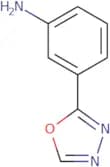
CAS:<p>Versatile small molecule scaffold</p>Formula:C8H5ClN2OPurity:Min. 95%Molecular weight:180.59 g/mol3-(1,3,4-Oxadiazol-2-yl)aniline
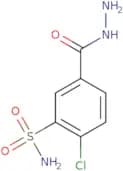
CAS:<p>Versatile small molecule scaffold</p>Formula:C8H7N3OPurity:Min. 95%Molecular weight:161.16 g/mol2-Chloro-5-(hydrazinecarbonyl)benzene-1-sulfonamide
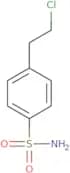
CAS:<p>2-Chloro-5-(hydrazidecarbonyl)benzene-1-sulfonamide is an aliphatic aldehyde that is used to synthesize other chemicals. It can be synthesized from the condensation of 2-chloroacetaldehyde with hydrazine and formaldehyde in the presence of a base. This compound has been shown to have diuretic and saluretic properties, which are due to its ability to increase urine flow by inhibiting reabsorption of sodium ions in the kidney tubules. 2-Chloro-5-(hydrazidecarbonyl)benzene-1-sulfonamide is soluble in alcohols and dioxane, but insoluble in water. This compound hydrolyzes in acidic conditions, so it cannot be stored for long periods without protection from moisture.</p>Formula:C7H8ClN3O3SPurity:Min. 95%Molecular weight:249.68 g/mol4-(2-Chloroethyl)benzene-1-sulfonamide
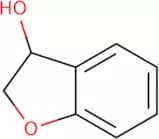
CAS:<p>Versatile small molecule scaffold</p>Formula:C8H10ClNO2SPurity:Min. 95%Molecular weight:219.69 g/mol2,3-Dihydro-1-benzofuran-3-ol
CAS:<p>Versatile small molecule scaffold</p>Formula:C8H8O2Purity:Min. 95%Molecular weight:136.15 g/mol3-(Hydroxymethyl)benzo[b]thiophene
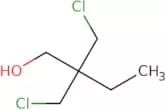
CAS:<p>3-(Hydroxymethyl)benzo[b]thiophene is a potential anticancer agent that inhibits the PI3K/Akt pathway. It has been shown to have cytotoxic effects on colorectal adenocarcinoma cells, as well as other cancer cells. 3-(Hydroxymethyl)benzo[b]thiophene also binds to DNA and alters the structure of the double helix, leading to inhibition of DNA synthesis, which may lead to cell death. The compound has been tested in vitro and found to be effective against leukemia and colon cancer cells. It has also shown anticancer activity in vivo in mice, with no observable side effects or toxicity.</p>Formula:C9H8OSPurity:Min. 95%Molecular weight:164.22 g/mol2,2-Bis(chloromethyl)butan-1-ol
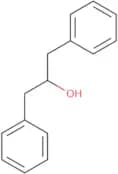
CAS:<p>Versatile small molecule scaffold</p>Formula:C6H12Cl2OPurity:Min. 95%Molecular weight:171.06 g/mol1,3-Diphenylpropan-2-ol
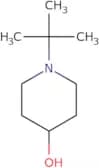
CAS:<p>1,3-Diphenylpropan-2-ol is an organic molecule that can be used in analytical toxicology. It has been shown to have a nonequivalence of 1,3-diphenylpropane and 2-hydroxypentane. The functional groups present on this molecule are the silicon atom and the organic acids. This molecule is metastable due to its radical coupling. 1,3-Diphenylpropan-2-ol is found in a number of chemical reactions including bond cleavage, aldehyde formation, alkene formation, and asymmetric synthesis. Cleavage products include 3-phenylpropanoic acid, phenylacetic acid, and phenylglycolic acid.</p>Formula:C15H16OPurity:Min. 95%Molecular weight:212.29 g/mol1-tert-Butylpiperidin-4-ol
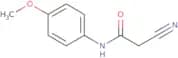
CAS:<p>1-tert-Butylpiperidin-4-ol is a chemical compound that is used as a model drug. It is injected into the muscle to calibrate a signal and extract spatial information. The nitroxyl radical has been shown to have radical scavenging activity, and liposomal encapsulation of the drug may be an effective way to deliver it to cells in the body. 1-tert-Butylpiperidin-4-ol has been shown to have lipophilic properties, which would allow it to cross the blood brain barrier more easily than other drugs with hydrophilic properties.</p>Formula:C9H19NOPurity:Min. 95%Molecular weight:157.26 g/mol2-Cyano-N-(4-methoxyphenyl)acetamide
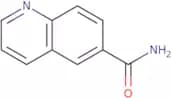
CAS:<p>2-Cyano-N-(4-methoxyphenyl)acetamide is a synthetic compound with inhibitory effects on the enzyme dipeptidyl peptidase IV (DPP-IV). This enzyme is involved in the degradation of incretins, such as glucagon-like peptide 1 (GLP-1), and has been implicated in the development of type 2 diabetes mellitus. The synthesis and characterization of this compound was reported in a paper published in 2000. It has been shown to be a potent inhibitor of DPP-IV, with IC50 values of 0.10 μM for rat pancreatic DPP-IV and 0.06 μM for human recombinant enzyme. The effects of this compound on GLP-1 levels were also studied, showing that it had no effect on basal levels but significantly increased postprandial GLP-1 secretion.</p>Formula:C10H10N2O2Purity:Min. 95%Molecular weight:190.2 g/molQuinoline-6-carboxamide
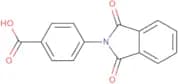
CAS:<p>Quinoline-6-carboxamide is a drug that binds to the CB2 receptor and inhibits cancer cell proliferation. It has been shown to be effective in inhibiting human cervical carcinoma cells, as well as hydroxy group corrosion inhibitors. Quinoline-6-carboxamide also inhibits the growth of diabetic neuropathy and acts as an amide skeleton binder in binding experiments. The compound has been shown to have anti-inflammatory effects in animal models of pain, acting through the metabotropic glutamate receptor. Quinoline-6-carboxamide also blocks herpes simplex virus replication, which may be due to its ability to inhibit viral DNA synthesis.</p>Formula:C10H8N2OPurity:Min. 95%Molecular weight:172.19 g/molN-(4-Carboxyphenyl)phthalimide
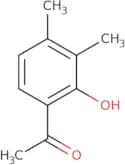
CAS:<p>N-(4-Carboxyphenyl)phthalimide is a ligand that interacts with metal ions. It has been shown to bind to benzocaine and dihedral angles in polyvinyl chloride, lysine, and hydrogen bonds in hydrogen-bonded complexes. N-(4-Carboxyphenyl)phthalimide has been used as a bifunctional agent for the polymerization of vinyl chloride.</p>Formula:C15H9NO4Purity:Min. 95%Molecular weight:267.24 g/mol1-(2-Hydroxy-3,4-dimethylphenyl)ethan-1-one
CAS:<p>Versatile small molecule scaffold</p>Formula:C10H12O2Purity:Min. 95%Molecular weight:164.2 g/molTricyclo[7.2.1.0,2,7]dodeca-2,4,6-trien-8-one
CAS:<p>Versatile small molecule scaffold</p>Formula:C12H12OPurity:Min. 95%Molecular weight:172.2 g/molTizanidine Related Compound C
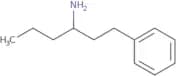
CAS:Versatile small molecule scaffoldFormula:C5H8N2OSPurity:Min. 95%Molecular weight:144.19 g/mol1-Phenylhexan-3-amine
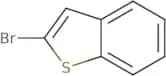
CAS:Versatile small molecule scaffoldFormula:C12H19NPurity:Min. 95%Molecular weight:177.29 g/mol2-Bromobenzothiophene
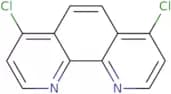
CAS:<p>2-Bromobenzothiophene (BBT) is a synthetic molecule that has potent inhibitory activity against several biological targets, including hydroxy group, enantiomer and enhancement. BBT has been shown to have anticancer properties in vitro and in vivo. This compound also exhibits anti-inflammatory activities, which may be mediated by the inhibition of inflammatory cytokines such as IL-6, IL-8 and TNF-α. This heterocycle inhibits estradiol binding to estrogen receptors by competitive inhibition. The hydroxyl group on 2-bromobenzothiophene can form a covalent bond with thiols, which are abundant in proteins involved in inflammation. It also reacts with other reactive functional groups such as carbonyl groups or aromatic hydrocarbons.</p>Formula:C8H5BrSPurity:Min. 95%Molecular weight:213.09 g/mol4,7-Dichloro-1,10-phenanthroline
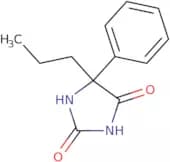
CAS:<p>4,7-Dichloro-1,10-phenanthroline is a bidentate ligand that binds to the chloride anion and has been shown to have anticancer activity against leukemia cells. This compound has also been shown to inhibit the proliferation of cervical cancer cells and chronic myeloid leukemia cells. 4,7-Dichloro-1,10-phenanthroline enhances the fluorescence of human chronic myeloid leukemia cells in a cytometry assay by increasing hydrogen bonding between the cell membrane and fluorophore. This enhancement effect was seen at concentrations of 0.01 μM and higher. 4,7-Dichloro-1,10-phenanthroline also binds to DNA and has been shown to be effective against cancer cells in a luminescent human chronic myeloid leukemia (MRC5) assay.</p>Formula:C12H6Cl2N2Purity:Min. 95%Molecular weight:249.09 g/mol5-Phenyl-5-propylimidazolidine-2,4-dione
CAS:<p>Versatile small molecule scaffold</p>Formula:C12H14N2O2Purity:Min. 95%Molecular weight:218.25 g/mol4-(2,5-Dimethylphenyl)-4-oxobutanoic acid
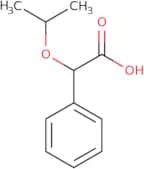
CAS:<p>Versatile small molecule scaffold</p>Formula:C12H14O3Purity:Min. 95%Molecular weight:206.24 g/mol2-Phenyl-2-(propan-2-yloxy)acetic acid
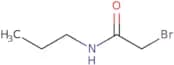
CAS:<p>2-Phenyl-2-(propan-2-yloxy)acetic acid (PPAA) is a serotonin antagonist that inhibits the binding of serotonin to its receptor. PPAA has been shown to have anti-cancer and anti-inflammatory properties. It also has antagonistic properties against azabicyclic compounds, organic acids, and tachykinin peptides. PPAA has also been found to be a prodrug for the treatment of Parkinson's disease, with the active form being 2-(benzyloxy)-2-phenylethanoic acid. The molecular weight of PPAA is 220.21 g/mol and it is soluble in water.<br>PPAA can be synthesized from piperidine and benzyl group with amide as a byproduct. The oxygen atoms in PPAA are c1-c6 alkoxy which are esterified by propan-2-ol.</p>Formula:C11H14O3Purity:Min. 95%Molecular weight:194.23 g/mol2-Bromo-N-propylacetamide
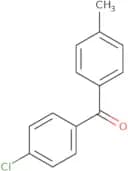
CAS:<p>2-Bromo-N-propylacetamide is a protein target that has been shown to regulate the activity of amines. It has affinity for both anionic and cationic amines. 2-Bromo-N-propylacetamide is used in optimization studies to identify the fluorescent groups that can be used as labels on proteins. This drug also interacts with family members, such as elution and immobilization.</p>Formula:C5H10BrNOPurity:Min. 95%Molecular weight:180.04 g/mol(4-Chlorophenyl)(4-methylphenyl)methanone
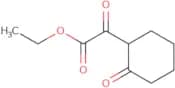
CAS:<p>Versatile small molecule scaffold</p>Formula:C14H11ClOPurity:Min. 95%Color and Shape:PowderMolecular weight:230.69 g/molEthyl oxo(2-oxocyclohexyl)acetate
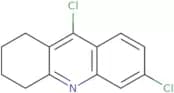
CAS:<p>Ethyl oxo(2-oxocyclohexyl)acetate is a condensation product of glycine and anhydride, which is obtained by heating the two components in the presence of acid. The reaction yields an isomeric mixture of ethyl oxo(2-oxocyclohexyl)acetate and ethyl oxo(3-oxocyclohexyl)acetate. The condensation products are hydrolyzed to their respective amino acids with ammonia or sodium hydroxide. Ethyl oxo(2-oxocyclohexyl)acetate can also be synthesized from glycine ethyl ester and aminomalonic acid in the presence of enamine.</p>Formula:C10H14O4Purity:Min. 95%Molecular weight:198.22 g/mol6,9-Dichloro-1,2,3,4-tetrahydroacridine
CAS:<p>Versatile small molecule scaffold</p>Formula:C13H11Cl2NPurity:Min. 95%Molecular weight:252.14 g/mol

![3-{Ethyl[(8-methyl-4-oxo-3,4-dihydroquinazolin-2-yl)methyl]amino}propanoic acid](/_next/image/?url=https%3A%2Fstatic.cymitquimica.com%2Fproducts%2F3D%2Fthumb-webp%2FEXB74761.webp&w=3840&q=75)
![2-[N-Cyclopentyl-3-(1H-1,2,4-triazol-1-yl)propanamido]acetic acid](/_next/image/?url=https%3A%2Fstatic.cymitquimica.com%2Fproducts%2F3D%2Fthumb-webp%2FEXB74972.webp&w=3840&q=75)

![2-[1-(2,6-Dioxo-1,2,3,6-tetrahydropyrimidine-4-carbonyl)piperidin-2-yl]acetic acid](/_next/image/?url=https%3A%2Fstatic.cymitquimica.com%2Fproducts%2F3D%2Fthumb-webp%2FEXB76033.webp&w=3840&q=75)
![5-{[(tert-Butoxy)carbonyl]amino}-3-methyl-1,2-thiazole-4-carboxylic acid](/_next/image/?url=https%3A%2Fstatic.cymitquimica.com%2Fproducts%2F3D%2Fthumb-webp%2FEXB76594.webp&w=3840&q=75)
amino}propanoic acid](/_next/image/?url=https%3A%2Fstatic.cymitquimica.com%2Fproducts%2F3D%2Fthumb-webp%2FEXB77160.webp&w=3840&q=75)
![1-[(2,2-Difluoroethyl)amino]propan-2-ol](/_next/image/?url=https%3A%2Fstatic.cymitquimica.com%2Fproducts%2F3D%2Fthumb-webp%2FEXB77217.webp&w=3840&q=75)

![3-{[(Pyrimidin-2-yl)amino]methyl}benzoic acid](/_next/image/?url=https%3A%2Fstatic.cymitquimica.com%2Fproducts%2F3D%2Fthumb-webp%2FEXB83568.webp&w=3840&q=75)
![5-[(4-Bromo-1H-pyrazol-1-yl)methyl]-2-methylfuran-3-carboxylic acid](/_next/image/?url=https%3A%2Fstatic.cymitquimica.com%2Fproducts%2F3D%2Fthumb-webp%2FEXB84418.webp&w=3840&q=75)
![tert-Butyl 2-[(2-iodophenyl)amino]acetate](/_next/image/?url=https%3A%2Fstatic.cymitquimica.com%2Fproducts%2F3D%2Fthumb-webp%2FEXB85078.webp&w=3840&q=75)
![Ethyl[(4-fluoro-3-methylphenyl)(pyridin-3-yl)methyl]amine](/_next/image/?url=https%3A%2Fstatic.cymitquimica.com%2Fproducts%2F3D%2Fthumb-webp%2FEXB86137.webp&w=3840&q=75)

![4-[4-(Hydroxymethyl)piperidine-1-carbonyl]-1-methyl-1,2-dihydropyridin-2-one](/_next/image/?url=https%3A%2Fstatic.cymitquimica.com%2Fproducts%2F3D%2Fthumb-webp%2FEXB88687.webp&w=3840&q=75)
![5-[(2-Hydroxyethyl)sulfamoyl]thiophene-2-carboxylic acid](/_next/image/?url=https%3A%2Fstatic.cymitquimica.com%2Fproducts%2F3D%2Fthumb-webp%2FEXB89219.webp&w=3840&q=75)



![2-{[2-(3-Fluorophenyl)-2-hydroxyethyl]amino}-2-methylpropan-1-ol](/_next/image/?url=https%3A%2Fstatic.cymitquimica.com%2Fproducts%2F3D%2Fthumb-webp%2FEXB94801.webp&w=3840&q=75)
![Ethyl[1-(4-fluorophenyl)-3-methylbutan-2-yl]amine](/_next/image/?url=https%3A%2Fstatic.cymitquimica.com%2Fproducts%2F3D%2Fthumb-webp%2FEXB96863.webp&w=3840&q=75)
![1-[2-(Pyridin-2-yl)ethyl]-1H-pyrazol-3-amine](/_next/image/?url=https%3A%2Fstatic.cymitquimica.com%2Fproducts%2F3D%2Fthumb-webp%2FEXB96967.webp&w=3840&q=75)
![1-[2-(3-Amino-1H-pyrazol-1-yl)ethyl]imidazolidin-2-one](/_next/image/?url=https%3A%2Fstatic.cymitquimica.com%2Fproducts%2F3D%2Fthumb-webp%2FEXB97427.webp&w=3840&q=75)

![2-[2-(Pyrrolidin-1-yl)pyrimidin-4-yl]morpholine](/_next/image/?url=https%3A%2Fstatic.cymitquimica.com%2Fproducts%2F3D%2Fthumb-webp%2FEXC12972.webp&w=3840&q=75)





![4,6-Dichloro-2-methyl-1H-imidazo[4,5-c]pyridine](/_next/image/?url=https%3A%2Fstatic.cymitquimica.com%2Fproducts%2F3D%2Fthumb-webp%2FEYA48660.webp&w=3840&q=75)
![4,6-Dichloro-2-ethyl-1H-imidazo[4,5-c]pyridine](/_next/image/?url=https%3A%2Fstatic.cymitquimica.com%2Fproducts%2F3D%2Fthumb-webp%2FEYA48661.webp&w=3840&q=75)

![2',4',6',7'-Tetrahydrospiro[1,3-dioxolane-2,5'-indazole]](/_next/image/?url=https%3A%2Fstatic.cymitquimica.com%2Fproducts%2F3D%2Fthumb-webp%2FEYB21841.webp&w=3840&q=75)
![2-chloro-5-[(trifluoromethyl)sulfanyl]pyridine](/_next/image/?url=https%3A%2Fstatic.cymitquimica.com%2Fproducts%2F3D%2Fthumb-webp%2FEYB23495.webp&w=3840&q=75)

![6-(Piperazin-1-yl)-[1,2,4]triazolo[4,3-b]pyridazine](/_next/image/?url=https%3A%2Fstatic.cymitquimica.com%2Fproducts%2F3D%2Fthumb-webp%2FEYB29627.webp&w=3840&q=75)
![2-Methyl-4-{[1,3]thiazolo[5,4-b]pyridin-2-yl}aniline](/_next/image/?url=https%3A%2Fstatic.cymitquimica.com%2Fproducts%2F3D%2Fthumb-webp%2FEYB29768.webp&w=3840&q=75)
![[(Aminocarbonyl)[[5-(4-nitrophenyl)-2-furanyl]methylene]hydrazino]-acetic acid](/_next/image/?url=https%3A%2Fstatic.cymitquimica.com%2Fproducts%2F3D%2Fthumb-webp%2FFA183732.webp&w=3840&q=75)

![2-{[(Propan-2-ylidene)amino]oxy}hexanoic acid](/_next/image/?url=https%3A%2Fstatic.cymitquimica.com%2Fproducts%2F3D%2Fthumb-webp%2FFAA00138.webp&w=3840&q=75)
![Methyl 2-{[(propan-2-ylidene)amino]oxy}hexanoate](/_next/image/?url=https%3A%2Fstatic.cymitquimica.com%2Fproducts%2F3D%2Fthumb-webp%2FFAA00141.webp&w=3840&q=75)
![7-Methyl-[1,2,4]triazolo[4,3-a]pyridin-3-amine](/_next/image/?url=https%3A%2Fstatic.cymitquimica.com%2Fproducts%2F3D%2Fthumb-webp%2FFAA00656.webp&w=3840&q=75)
![4-(3,4-Dimethoxyphenyl)-3H,4H,5H,6H,7H-imidazo[4,5-c]pyridine dihydrochloride](/_next/image/?url=https%3A%2Fstatic.cymitquimica.com%2Fproducts%2F3D%2Fthumb-webp%2FFAA01147.webp&w=3840&q=75)

![3-Methyl-octahydro-1H-pyrido[1,2-a]piperazine](/_next/image/?url=https%3A%2Fstatic.cymitquimica.com%2Fproducts%2F3D%2Fthumb-webp%2FFAA01592.webp&w=3840&q=75)
![Bicyclo[3.2.1]octan-2-one](/_next/image/?url=https%3A%2Fstatic.cymitquimica.com%2Fproducts%2F3D%2Fthumb-webp%2FFAA01982.webp&w=3840&q=75)
![{Bicyclo[2.2.2]oct-5-en-2-yl}methanol](/_next/image/?url=https%3A%2Fstatic.cymitquimica.com%2Fproducts%2F3D%2Fthumb-webp%2FFAA01990.webp&w=3840&q=75)
![{Bicyclo[2.2.2]octan-2-yl}methanol](/_next/image/?url=https%3A%2Fstatic.cymitquimica.com%2Fproducts%2F3D%2Fthumb-webp%2FFAA01991.webp&w=3840&q=75)
![6-Chloro-1-methyl-1H-pyrazolo[3,4-d]pyrimidin-4(7H)-one](/_next/image/?url=https%3A%2Fstatic.cymitquimica.com%2Fproducts%2F3D%2Fthumb-webp%2FFAA33435.webp&w=3840&q=75)
![N,1-Dimethyl-1H-pyrazolo[3,4-d]pyrimidin-4-amine](/_next/image/?url=https%3A%2Fstatic.cymitquimica.com%2Fproducts%2F3D%2Fthumb-webp%2FFAA33449.webp&w=3840&q=75)
![1-Methyl-1H-pyrazolo[3,4-d]pyrimidin-4(7H)-one](/_next/image/?url=https%3A%2Fstatic.cymitquimica.com%2Fproducts%2F3D%2Fthumb-webp%2FFAA33456.webp&w=3840&q=75)
![2-([1,1'-Biphenyl]-2-yloxy)acetic acid](/_next/image/?url=https%3A%2Fstatic.cymitquimica.com%2Fproducts%2F3D%2Fthumb-webp%2FFAA34875.webp&w=3840&q=75)
![2-Bromobenzo[b]thiophene 1,1-dioxide](/_next/image/?url=https%3A%2Fstatic.cymitquimica.com%2Fproducts%2F3D%2Fthumb-webp%2FFAA35005.webp&w=3840&q=75)

![1,8-Dioxo-1,3,4,8-tetrahydro-2H-pyrido[1,2-a]pyrazine-6-carboxylic acid](/_next/image/?url=https%3A%2Fstatic.cymitquimica.com%2Fproducts%2F3D%2Fthumb-webp%2FFAA36842.webp&w=3840&q=75)
![3-(Hydroxymethyl)benzo[b]thiophene](/_next/image/?url=https%3A%2Fstatic.cymitquimica.com%2Fproducts%2F3D%2Fthumb-webp%2FFAA38124.webp&w=3840&q=75)
![Tricyclo[7.2.1.0,2,7]dodeca-2,4,6-trien-8-one](/_next/image/?url=https%3A%2Fstatic.cymitquimica.com%2Fproducts%2F3D%2Fthumb-webp%2FFAA38719.webp&w=3840&q=75)