Building Blocks
This section contains fundamental products for the synthesis of organic and biological compounds. Building blocks are the essential starting materials used to construct complex molecules through various chemical reactions. They play a critical role in drug discovery, material science, and chemical research. At CymitQuimica, we offer a diverse range of high-quality building blocks to support your innovative research and industrial projects, ensuring you have the essential components for successful synthesis.
Subcategories of "Building Blocks"
- Boronic Acids & Boronic Acid Derivatives(5,756 products)
- Chiral Building Blocks(1,242 products)
- Hydrocarbon Building Blocks(6,095 products)
- Organic Building Blocks(61,055 products)
Found 199650 products of "Building Blocks"
Sort by
Purity (%)
0
100
|
0
|
50
|
90
|
95
|
100
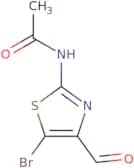
N-(5-Bromo-4-formyl-1,3-thiazol-2-yl)acetamide
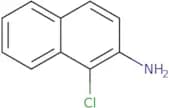
CAS:<p>Versatile small molecule scaffold</p>Formula:C6H5BrN2O2SPurity:Min. 95%Molecular weight:249.09 g/mol1-Chloronaphthalen-2-amine
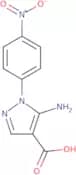
CAS:<p>1-Chloronaphthalen-2-amine is an organic compound that belongs to the group of amines. It is a colorless liquid with a molecular weight of 122.14 and a boiling point of 164°C. This compound is an isomer of naphthalene, which means it has the same chemical formula but different arrangement of atoms within the molecule. 1-Chloronaphthalen-2-amine can be used in pharmaceuticals as well as in nature, where it reacts with singlet oxygen to form nitrosonium ion, which can then react with benzoate to produce nitrobenzene. The enzyme catalysis process involves the use of 1-chloronaphthalen-2-amine as a substrate and acetonitrile as a catalyst to produce 2,6 -dichloroisonicotinic acid.</p>Formula:C10H8ClNPurity:Min. 95%Molecular weight:177.63 g/mol5-Amino-1-(4-nitrophenyl)-1H-pyrazole-4-carboxylic acid
CAS:<p>Versatile small molecule scaffold</p>Formula:C10H8N4O4Purity:Min. 95%Molecular weight:248.19 g/mol1-(4-Nitrophenyl)-1H-pyrazol-5-amine
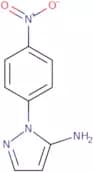
CAS:<p>Versatile small molecule scaffold</p>Formula:C9H8N4O2Purity:Min. 95%Molecular weight:204.19 g/mol3,4-Diaminopyrazole
CAS:<p>3,4-Diaminopyrazole is a heterocyclic compound that has been used as a colorant in the textile industry. It is also known to be an effective acceptor for hydrogen bonding in human keratin. 3,4-Diaminopyrazole reacts with primary alcohols to form chalcones and the long-term exposure of this compound has been shown to cause fatty alcohols. This heterocyclic compound undergoes a bathochromic shift under UV light and can be used as a spectral marker in vitro.</p>Formula:C3H8N4O4SPurity:Min. 95%Molecular weight:196.19 g/mol(3-Bromo-2,2-dimethylpropanesulfonyl)benzene
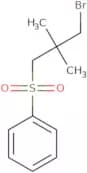
CAS:<p>Versatile small molecule scaffold</p>Formula:C11H15BrO2SPurity:Min. 95%Molecular weight:291.21 g/mol4-Methyl-1H,2H,3H-pyrrolo[2,3-b]pyridine
CAS:<p>The protonation of 4-methyl-1H,2H,3H-pyrrolo[2,3-b]pyridine can be described by the following equilibrium equation:</p>Formula:C8H10N2Purity:Min. 95%Molecular weight:134.18 g/mol4-(tert-Butylsulfanyl)aniline
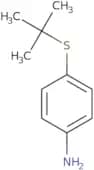
CAS:<p>Versatile small molecule scaffold</p>Formula:C10H15NSPurity:Min. 95%Molecular weight:181.3 g/mol1-(4-Methoxyphenyl)prop-2-yn-1-one
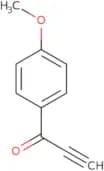
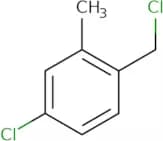
CAS:<p>Versatile small molecule scaffold</p>Formula:C10H8O2Purity:Min. 95%Molecular weight:160.17 g/mol4-Chloro-1-(chloromethyl)-2-methyl-benzene
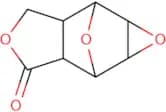
CAS:<p>Lidamine is a potential drug candidate for use in cancer therapy. It has been shown to be cytotoxic, meaning it kills cancer cells. Lidamine was also found to inhibit the growth of cancer cells in vitro and in vivo. More research is needed to investigate lidamine as a potential treatment for cancer.</p>Formula:C8H8Cl2Purity:Min. 95%Molecular weight:175.05 g/mol4-Oxatricyclo[4.2.1.0,3,7]nonane-2,5-dione
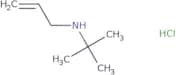
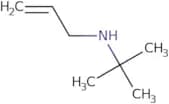
CAS:<p>Versatile small molecule scaffold</p>Formula:C8H8O3Purity:Min. 95%Molecular weight:152.15 g/moltert-Butyl(prop-2-en-1-yl)amine hydrochloride
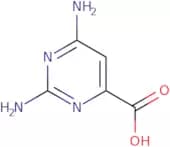
CAS:<p>Versatile small molecule scaffold</p>Formula:C7H16ClNPurity:Min. 95%Molecular weight:149.66 g/mol2,6-Diaminopyrimidine-4-carboxylic acid
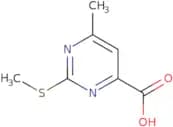
CAS:<p>Versatile small molecule scaffold</p>Formula:C5H6N4O2Purity:Min. 95%Molecular weight:154.13 g/mol6-Methyl-2-(methylsulfanyl)pyrimidine-4-carboxylic acid
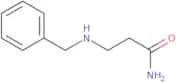
CAS:<p>Versatile small molecule scaffold</p>Formula:C7H8N2O2SPurity:Min. 95%Molecular weight:184.22 g/mol3-(Benzylamino)propanamide
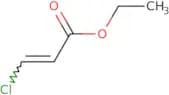
CAS:<p>Versatile small molecule scaffold</p>Formula:C10H14N2OPurity:Min. 95%Molecular weight:178.23 g/molEthyl (2Z)-3-chloroprop-2-enoate
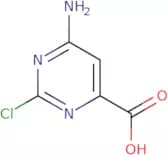
CAS:<p>Versatile small molecule scaffold</p>Formula:C5H7ClO2Purity:Min. 95%Molecular weight:134.56 g/mol6-Amino-2-chloropyrimidine-4-carboxylic acid
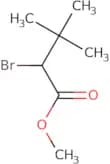
CAS:<p>Versatile small molecule scaffold</p>Formula:C5H4ClN3O2Purity:Min. 95%Molecular weight:173.56 g/molMethyl 2-bromo-3,3-dimethylbutanoate
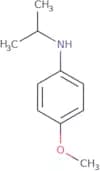
CAS:<p>Versatile small molecule scaffold</p>Formula:C7H13BrO2Purity:Min. 95%Molecular weight:209.08 g/molN-iso-Propyl-4-methoxyaniline
CAS:<p>N-iso-Propyl-4-methoxyaniline is a supramolecular framework that has been demonstrated to be mediated by nitrogen atoms. This framework has been shown to form when the two isomers are mixed together, which leads to the formation of an alkylation reaction. The isomerism of this compound can be quantified and is unique in that it destabilizes the molecule. X-ray crystallography has been used to study the molecular structure and elucidate the non-covalent interactions. N-iso-Propyl-4-methoxyaniline's destabilization may be attributed to its ability to form hydrogen bonds with water molecules, as well as its hydrophobic character.</p>Formula:C10H15NOPurity:Min. 95%Molecular weight:165.24 g/molMethyl 2-chloro-3-quinolinecarboxylate
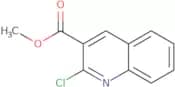
CAS:<p>Methyl 2-chloro-3-quinolinecarboxylate is a heterocycle that inhibits bacterial growth by binding to the DNA gyrase and topoisomerase IV. This antibiotic has been shown to be active against Pseudomonas aeruginosa and other bacteria, including those that are resistant to quinolones. Methyl 2-chloro-3-quinolinecarboxylate binds to the enzyme's active site, inhibiting its function and halting DNA synthesis. It also contains a halogen group that may interact with the enzyme's active site, thereby preventing the formation of an enzyme-substrate complex.</p>Formula:C11H8ClNO2Purity:Min. 95%Molecular weight:221.64 g/mol8-(Trifluoromethyl)-3,4-dihydroquinazolin-4-one
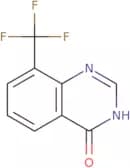
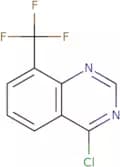
CAS:<p>Versatile small molecule scaffold</p>Formula:C9H5F3N2OPurity:Min. 95%Molecular weight:214.14 g/mol4-Chloro-8-(trifluoromethyl)quinazoline
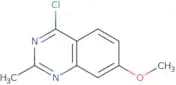
CAS:<p>Versatile small molecule scaffold</p>Formula:C9H4ClF3N2Purity:Min. 95%Molecular weight:232.59 g/mol4-Chloro-7-methoxy-2-methylquinazoline
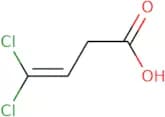
CAS:<p>Versatile small molecule scaffold</p>Formula:C10H9ClN2OPurity:Min. 95%Molecular weight:208.64 g/mol4,4-Dichlorobut-3-enoic acid
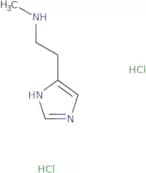
CAS:<p>Versatile small molecule scaffold</p>Formula:C4H4Cl2O2Purity:Min. 95%Molecular weight:154.98 g/molN±-Methylhistamine dihydrochloride
CAS:<p>N±-Methylhistamine dihydrochloride is a metabolite of histamine that has been shown to be produced in mononuclear phagocytes by the oxidation of histamine. N±-Methylhistamine dihydrochloride has been shown to cause oxidative damage to cells, and causes cell response, which may lead to radical formation. It has also been shown to damage DNA and RNA.</p>Formula:C6H11N3·2HClPurity:Min. 95%Molecular weight:198.09 g/molMethyl 3-methyl-4-nitrobutanoate
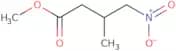
CAS:<p>Methyl 3-methyl-4-nitrobutanoate is a reagent that can be used in the synthesis of pyrrolo, quinazolone, and deoxyvasicinone analogues. It has been shown to react with electrophiles such as epoxides and aziridines to form six-membered heterocycles. Methyl 3-methyl-4-nitrobutanoate is a useful synthetic intermediate for the preparation of various analogues of vasicinone.</p>Formula:C6H11NO4Purity:Min. 95%Molecular weight:161.16 g/mol4-Phenyl-1-butyne
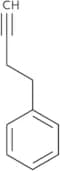
CAS:<p>4-Phenyl-1-butyne is an organic molecule that can be synthesized in a number of ways, including using an asymmetric synthesis. It is one of the two structural isomers of terminal alkynes and has been shown to inhibit the enzyme carboxylesterase. 4-Phenyl-1-butyne has also been shown to have a control experiment, which may help to identify the chemical mechanism of reaction. The optimal reaction time for this molecule is between 1 and 2 hours at a temperature of 100 degrees Celsius. 4-Phenyl-1-butyne reacts with acid molecules such as hydrochloric acid or sulfuric acid to form monocarboxylic acids. This molecular structure also reacts with water to produce hydrogen gas and carbon dioxide.</p>Formula:C10H10Purity:Min. 95%Molecular weight:130.19 g/mol2-[(4-Methylphenyl)amino]benzoic acid
CAS:<p>Versatile small molecule scaffold</p>Formula:C14H13NO2Purity:Min. 95%Molecular weight:227.26 g/molHexanethioamide
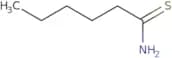
CAS:<p>Hexanethioamide is an organic compound that is a nitro, fluoroalkyl, and thioacetamide. It is used as an acid catalyst in the synthesis of various pharmaceuticals, such as sulfonylureas and antibiotics. Hexanethioamide has been shown to possess viscosity-increasing properties. The functional theory for hexanethioamide is that it adsorbs on the surface of the polymer chain with its nitro group, which becomes protonated. This increases the acidity of the surface and lowers the pKa value of the amide group. Hexanethioamide has been used in pest control as a control agent for termites and other insects.</p>Formula:C6H13NSPurity:Min. 95%Molecular weight:131.24 g/mol4-Methylpentanethioamide
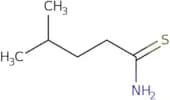
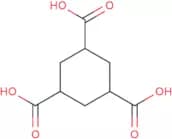
CAS:<p>Versatile small molecule scaffold</p>Formula:C6H13NSPurity:Min. 95%Molecular weight:131.24 g/mol1,3,5-Cyclohexanetricarboxylic acid
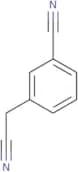
CAS:<p>1,3,5-Cyclohexanetricarboxylic acid is a supramolecular molecule with an imine nitrogen and chloride. It has been analyzed by X-ray crystallography and was found to have the structure of a monoclinic crystal. The deionized water molecules form hydrogen bonds with the carboxylate group on the molecule. The hydrogen bonds are intermolecular and are formed between two different molecules of water. 1,3,5-Cyclohexanetricarboxylic acid is also able to form hydrogen bonds with other molecules that contain a nitrogen atom, such as ammonia or amines. Molecular modeling software was used to show how a cavity is created in the center of the molecule from which it can bind to other molecules.</p>Formula:C9H12O6Purity:Min. 95%Molecular weight:216.19 g/mol3-Cyanbenzylcyanide
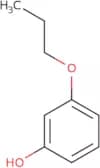
CAS:<p>3-Cyanbenzylcyanide is a synthetic compound that belongs to the class of benzonitriles. It is used as an intermediate in organic synthesis, most notably for the production of atorvastatin and gabapentin. 3-Cyanbenzylcyanide is used in synthesizing amides, such as amides with acetonitrile. It has been shown to be a chemists' tool for elucidating the structures of complex molecules. The systematic study of 3-cyanbenzylcyanide has led to modifications that can be applied to other chemical compounds. The chemists have also examined the biotransformations of 3-cyanbenzylcyanide and found that it can be biotransformed into diacids and gabapentin by modifying its structure. The integration of 3-cyanbenzylcyanide with other compounds has led to new discoveries in the field</p>Formula:C9H6N2Purity:Min. 95%Molecular weight:142.16 g/mol3-Propoxyphenol
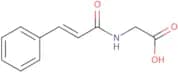
CAS:<p>3-Propoxyphenol is a compound that is used as an intermediate in the synthesis of other organic compounds. It has been shown to have homologous properties with 3-phenoxypropionitrile, which can be used to synthesize violaceum and other organic compounds. The protonation of 3-propoxyphenol at pH 7.2 produces a stable ion pair, which can be quantified by chromatography. The x-ray structure analysis of this compound showed that it contains a dipole moment of 1.406 D and that it has high affinity for hydrocarbons, providing a possible explanation for its thermal stability and high yield.</p>Formula:C9H12O2Purity:Min. 95%Molecular weight:152.19 g/molN-Cinnamylglycine
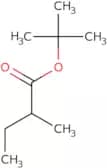
CAS:<p>N-Cinnamylglycine is a compound that belongs to the class of amino acids and has a hydroxyl group and an ethylene diamine side chain. It is an endogenous metabolite which can be found in skin cells, body mass index, gamma-aminobutyric acid, and epidermal growth factor. N-Cinnamylglycine has been identified as a potential biomarker for glomerular filtration rate (GFR). This amino acid may also serve as a biomarker for atherosclerotic cardiovascular disease. N-Cinnamylglycine may be involved in metabolic disorders due to its involvement in microbial metabolism of fatty acids.</p>Formula:C11H11NO3Purity:Min. 95%Molecular weight:205.21 g/moltert-Butyl 2-methylbutanoate
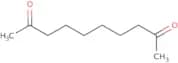
CAS:<p>Versatile small molecule scaffold</p>Formula:C9H18O2Purity:Min. 95%Molecular weight:158.24 g/molDecane-2,9-dione
CAS:<p>Decane-2,9-dione is a ketone that is used as an intermediate in organic synthesis. It can be used to synthesize terminal alkyne compounds. Decane-2,9-dione also has the ability to react with chloride or hydration to form methoxymethylene chloride or methyl ketones. Decane-2,9-dione can also be used as a catalyst for various reactions including the transfer of rhodium and benzene. The nature of this compound is not known but it is speculated that it may be a natural product from catalysis by ruthenium and rhodium.</p>Formula:C10H18O2Purity:Min. 95%Molecular weight:170.25 g/molN-[(3-Bromophenyl)methyl]-N-methylaniline
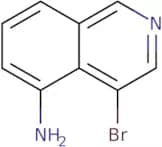
CAS:<p>Versatile small molecule scaffold</p>Formula:C14H14BrNPurity:Min. 95%Molecular weight:276.17 g/mol4-bromoisoquinolin-5-amine
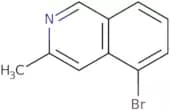
CAS:<p>Versatile small molecule scaffold</p>Formula:C9H7BrN2Purity:Min. 95%Molecular weight:223.1 g/mol5-bromo-3-methylisoquinoline
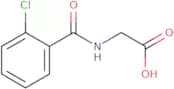
CAS:<p>Versatile small molecule scaffold</p>Formula:C10H8NBrPurity:Min. 95%Molecular weight:222.08 g/mol2-Chlorohippuric acid
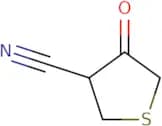
CAS:<p>2-Chlorohippuric acid is a synthetic, non-natural molecule that has been shown to inhibit the growth of liver cells. This drug also has an analytical method for detecting the presence of 2-chlorohippuric acid in urine samples. The terminal half-life is about 30 minutes, and this drug also inhibits the synthesis of hippuric acid, which is a metabolite of benzoic acid. The acylation reaction enhances the elimination of 2-chlorohippuric acid from the body.</p>Formula:C9H8ClNO3Purity:Min. 95%Molecular weight:213.62 g/mol4-Cyano-3-tetrahydrothiophenone
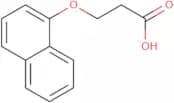
CAS:<p>4-Cyano-3-tetrahydrothiophenone is a simple compound that can be synthesized in a variety of ways. It is not symmetrical, and has been shown to have biological properties. This compound has been used in the synthesis of other compounds with optical properties. 4-Cyano-3-tetrahydrothiophenone is also used as a precursor for the preparation of other compounds that are used as acceptors, such as diethyl ether and thioglycolate. Preparative methods for this compound involve the use of acrylonitrile and solar cells.</p>Formula:C5H5NOSPurity:Min. 95%Molecular weight:127.16 g/mol3-(Naphthalen-1-yloxy)propanoic acid
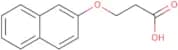
CAS:<p>Versatile small molecule scaffold</p>Formula:C13H12O3Purity:Min. 95%Molecular weight:216.23 g/mol3-(Naphthalen-2-yloxy)propanoic acid
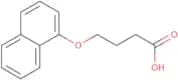
CAS:<p>Versatile small molecule scaffold</p>Formula:C13H12O3Purity:Min. 95%Molecular weight:216.23 g/mol4-(Naphthalen-1-yloxy)butanoic acid
CAS:Controlled Product<p>Versatile small molecule scaffold</p>Formula:C14H14O3Purity:Min. 95%Molecular weight:230.26 g/mol2H,3H,4H,5H-Naphtho[1,2-b]oxepin-5-one
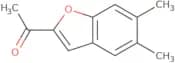
CAS:<p>Naphtho[1,2-b]oxepin-5-one is a crystalline compound that is a derivative of naphthalene. It has an elemental composition of C10H8O and a molecular weight of 142.16 g/mol. Naphtho[1,2-b]oxepin-5-one is stabilized by hydrogen bonding interactions with the hydroxyl groups on the benzene rings and has been shown to have a crystallographic space group of P21/c. The molecule can be analyzed using x-ray diffraction studies, which will provide information about its atomic structure and topology. Computational analysis of the molecule reveals that it has non-covalent interactions at its surface that are due to van der Waals forces. Nature also plays an important role in determining the structural properties of this compound by providing an environment for it to exist in, such as water or air.</p>Formula:C14H12O2Purity:Min. 95%Molecular weight:212.24 g/mol1-(5,6-Dimethyl-1-benzofuran-2-yl)ethan-1-one
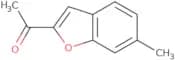
CAS:<p>Versatile small molecule scaffold</p>Formula:C12H12O2Purity:Min. 95%Molecular weight:188.22 g/mol1-(6-Methyl-1-benzofuran-2-yl)ethan-1-one
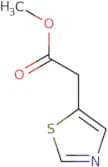
CAS:<p>Versatile small molecule scaffold</p>Formula:C11H10O2Purity:Min. 95%Molecular weight:174.2 g/molMethyl 2-(1,3-thiazol-5-yl)acetate
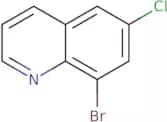
CAS:<p>Versatile small molecule scaffold</p>Formula:C6H7NO2SPurity:Min. 95%Molecular weight:157.19 g/mol8-Bromo-6-chloroquinoline
CAS:<p>8-Bromo-6-chloroquinoline (8BCQ) is a fluorescent dye that emits blue light. It has photophysical properties such as its emission, absorption, and fluorescence. 8BCQ is an isomeric compound that can be used to study the relationship between emission and absorption spectra. It has been shown to be a good mediator of cross-coupling reactions in the synthesis of heterocycles. 8BCQ has a high yield as it can be synthesized by heating dioxane with potassium carbonate and palladium chloride under pressure.</p>Formula:C9H5BrClNPurity:Min. 95%Molecular weight:242.5 g/mol2-Benzoylquinoline
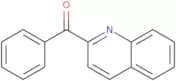
CAS:<p>2-Benzoylquinoline is an antimicrobial agent that can be used as a corrosion inhibitor. It contains a nitro group, an inorganic acid, and an aliphatic hydrocarbon. The molecule has been shown to be effective against Gram-positive and Gram-negative bacteria, fungi, and yeast. 2-Benzoylquinoline is also an efficient method for the synthesis of β-unsaturated ketones.</p>Formula:C16H11NOPurity:Min. 95%Molecular weight:233.26 g/mol1-Chloro-3-methyl-5-nitrobenzene
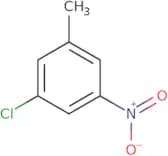
CAS:<p>1-Chloro-3-methyl-5-nitrobenzene is a reactant that is used to prepare the chlorination reaction of hydrochloric acid and sodium nitrite. It has been used in the preparation process for polysaccharides and amino acids. 1-Chloro-3-methyl-5-nitrobenzene is an organic compound that contains a carbamate group and a methylphenyl group. This molecule can be prepared by the chlorination of 1,1,1,2,2,3,4,4,5,5,-octachlorobenzene with potassium chloride or sodium chloride in the presence of hydrochloric acid and sodium nitrite. The nitrite reacts with the methylphenyl group to form an amide bond that then undergoes deamination to form ammonia.</p>Formula:C7H6ClNO2Purity:Min. 95%Molecular weight:171.58 g/mol6-Iodobenzo[d]thiazol-2-amine
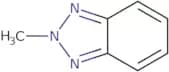
CAS:<p>6-Iodobenzo[d]thiazol-2-amine is an antimicrobial agent that has been shown to have antimycobacterial activity against Mycobacterium tuberculosis. 6-Iodobenzo[d]thiazol-2-amine inhibits the synthesis of mycolic acid, which is a key component in the cell wall of the bacteria. It also has shown to be effective against other bacteria such as Staphylococcus aureus and Pseudomonas aeruginosa. The mechanism of action is not fully understood but may involve binding to bacterial DNA or RNA, inhibiting protein synthesis, or altering cellular membranes. This compound is used as a building block for drug development, where it can be conjugated with other molecules to form new compounds with different properties.</p>Formula:C7H5IN2SPurity:Min. 95%Molecular weight:276.1 g/mol2-Methyl-2H-1,2,3-benzotriazole
CAS:<p>2-Methyl-2H-1,2,3-benzotriazole is a denser form of 2-methyl-1,2,3-benzotriazole. It has been deuterated to facilitate magnetic resonance analysis and has been quantified in wastewater samples. The molecular weight of 2-methyl-2H-1,2,3-benzotriazole is higher than its methylated counterpart. The ionization potential of this molecule is lower than that of the methylated molecule. This difference in electron density between the two molecules can be attributed to the incorporation of deuterium atoms into the molecule's structure. 2-Methyl-2H-1,2,3-benzotriazole may be synthesized from desethylatrazine by hydrogenation. Density profiles were generated for both compounds and it was found that 2-methyl-2H -1,2,3 -benzot</p>Formula:C7H7N3Purity:Min. 95%Molecular weight:133.15 g/mol1-Ethylbenzotriazole
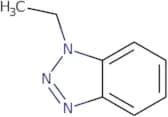
CAS:<p>1-Ethylbenzotriazole is a biologically active compound that is used in organic synthesis. 1-Ethylbenzotriazole can be prepared through the reaction of benzotriazole and ethanol. This compound has been shown to yield high yields of imidazoles in aqueous ethanol solutions. It also has hypsochromic properties, which are changes in color when exposed to ultraviolet light or radiation. The conformational properties of 1-ethylbenzotriazole have been studied using photoelectron spectroscopy. These studies have revealed that the molecule has a conformation with an electronegativity parameter of 0.48 and an average potential energy of -0.8 eV for the benzene ring, as well as a high cyclic potential energy (-2.6 eV).</p>Formula:C8H9N3Purity:Min. 95%Molecular weight:147.18 g/mol5-(Propan-2-yl)-1,3-thiazole
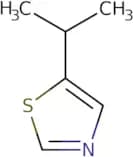
CAS:<p>5-(Propan-2-yl)-1,3-thiazole is a bioactive compound that belongs to the class of antimicrobial agents. It has been shown to have a broad spectrum of activity against Gram-positive and Gram-negative bacteria. 5-(Propan-2-yl)-1,3-thiazole has been used as an active ingredient in biocides, making it effective against both aerobic and anaerobic organisms. This compound has been shown to denature proteins and inhibit their enzymatic activity. 5-(Propan-2-yl)-1,3-thiazole also inhibits protein synthesis by binding to ribosomes at the site of mRNA translation. The minimal inhibitory concentration for this compound is not yet known.</p>Formula:C6H9NSPurity:Min. 95%Molecular weight:127.21 g/mol4-Methoxy-6-nitro-1,3-benzothiazol-2-amine
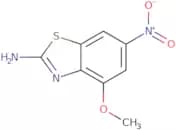
CAS:<p>Versatile small molecule scaffold</p>Formula:C8H7N3O3SPurity:Min. 95%Molecular weight:225.23 g/mol2,7-Dimethyl-1-benzothiophene
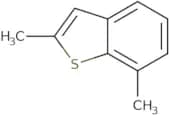
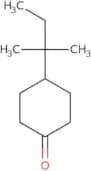
CAS:<p>Versatile small molecule scaffold</p>Formula:C10H10SPurity:Min. 95%Molecular weight:162.25 g/mol4-(tert-Pentyl)cyclohexanone
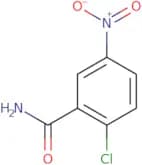
CAS:<p>4-(tert-Pentyl)cyclohexanone is a cyclohexanone derivative that has been modified to have a tert-pentyl group. The compound has been shown to be effective in vitro against bacteria, yeast, and fungi. 4-(tert-Pentyl)cyclohexanone is used as a feedstock for the production of sugar alcohols and can be used as a feedstock for the production of detergent compositions. This compound also has photolabile properties that make it an ideal candidate for use in sterilization processes. 4-(tert-Pentyl)cyclohexanone is also soluble in liquid phase systems and can be removed by filtration methods. The chemical structure of this compound contains functional groups such as ethers and esters, which allow it to function well with other compounds in many different applications.</p>Formula:C11H20OPurity:Min. 95%Molecular weight:168.28 g/mol2-Chloro-5-nitrobenzamide
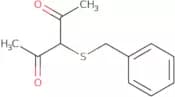
CAS:<p>Versatile small molecule scaffold</p>Formula:C7H5ClN2O3Purity:Min. 95%Molecular weight:200.58 g/mol3-(Benzylsulfanyl)pentane-2,4-dione
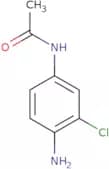
CAS:<p>Versatile small molecule scaffold</p>Formula:C12H14O2SPurity:Min. 95%Molecular weight:222.31 g/molN-(4-Amino-3-chlorophenyl)acetamide
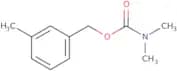
CAS:<p>Versatile small molecule scaffold</p>Formula:C8H9ClN2OPurity:Min. 95%Molecular weight:184.62 g/mol(3-Methylphenyl)methyl N,N-dimethylcarbamate
CAS:<p>Versatile small molecule scaffold</p>Formula:C11H15NO2Purity:Min. 95%Molecular weight:193.24 g/mol6-Benzyl-6-azabicyclo[3.2.1]octan-3-one
CAS:<p>Versatile small molecule scaffold</p>Formula:C14H17NOPurity:Min. 95%Molecular weight:215.29 g/mol(1R,3S,5S)-6,6-Dimethylbicyclo[3.1.0]hexan-3-ol
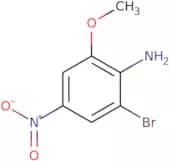
CAS:<p>Versatile small molecule scaffold</p>Formula:C8H14OPurity:Min. 95%Molecular weight:126.2 g/mol2-bromo-6-methoxy-4-nitroaniline
CAS:<p>Versatile small molecule scaffold</p>Formula:C7H7BrN2O3Purity:Min. 95%Molecular weight:247 g/molOctahydropyrrolo[1,2-a]piperazin-1-one
CAS:<p>Versatile small molecule scaffold</p>Formula:C7H12N2OPurity:Min. 95%Molecular weight:140.18 g/molOctahydropyrrolo[1,2-a]piperazin-3-one
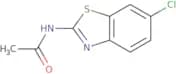
CAS:<p>Versatile small molecule scaffold</p>Formula:C7H12N2OPurity:Min. 95%Molecular weight:140.18 g/molN-(6-Chloro-1,3-benzothiazol-2-yl)acetamide
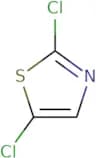
CAS:<p>Versatile small molecule scaffold</p>Formula:C9H7ClN2OSPurity:Min. 95%Molecular weight:226.68 g/mol2,5-dichlorothiazole
CAS:<p>2,5-Dichlorothiazole is a nitroaromatic compound with a six-membered ring. It is an anionic molecule that has been shown to be a good nucleophile in the presence of a transition metal. 2,5-Dichlorothiazole interacts with piperidine to form a 1:1 adduct. This reaction proceeds through the formation of an intermediate nitroso species, which undergoes nucleophilic attack by piperidine. The kinetic data for this reaction have been found to be dependent on the concentration of piperidine and temperature.</p>Formula:C3HCl2NSPurity:Min. 95%Molecular weight:154.01 g/mol4-(2-Methylphenyl)-5-(pyridin-4-yl)-4H-1,2,4-triazole-3-thiol
CAS:<p>Versatile small molecule scaffold</p>Formula:C14H12N4SPurity:Min. 95%Molecular weight:268.34 g/mol4-(4-Methylphenyl)-5-(pyridin-4-yl)-4H-1,2,4-triazole-3-thiol
CAS:<p>Versatile small molecule scaffold</p>Formula:C14H12N4SPurity:Min. 95%Molecular weight:268.34 g/mol3-(Methylsulfanyl)butanoic acid
CAS:<p>Versatile small molecule scaffold</p>Formula:C5H10O2SPurity:Min. 95%Molecular weight:134.2 g/mol2-Amino-4-oxohexanoic acid hydrochloride
CAS:<p>Versatile small molecule scaffold</p>Formula:C6H12ClNO3Purity:Min. 95%Molecular weight:181.62 g/molrac-(1R,2R)-2-(4-Methylphenyl)cyclopropane-1-carboxylic acid
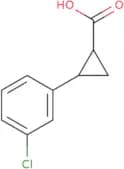
CAS:Versatile small molecule scaffoldFormula:C11H12O2Purity:Min. 95%Molecular weight:176.21 g/molrac-(1R,2R)-2-(3-Chlorophenyl)cyclopropane-1-carboxylic acid
CAS:<p>Versatile small molecule scaffold</p>Formula:C10H9ClO2Purity:Min. 95%Molecular weight:196.63 g/molrac-(1R,2R)-2-(4-Nitrophenyl)cyclopropane-1-carboxylic acid
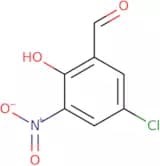
CAS:<p>Versatile small molecule scaffold</p>Formula:C10H9NO4Purity:Min. 95%Molecular weight:207.18 g/mol5-Chloro-3-nitrosalicylaldehyde
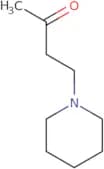
CAS:<p>5-Chloro-3-nitrosalicylaldehyde is a cyclohexanol with catalytic properties. It has been shown to have high activity in the transfer and selectivity of cyclohexanone from cyclohexane. 5-Chloro-3-nitrosalicylaldehyde has also been used as a ligand in the preparation of catalysts for electrochemical reactions. 5-Chloro-3-nitrosalicylaldehyde is used in spectroscopic studies and elemental analysis, which includes elemental analysis by gas chromatography, atomic absorption spectroscopy, inductively coupled plasma mass spectrometry, and X ray powder diffraction.</p>Formula:C7H4ClNO4Purity:Min. 95%Molecular weight:201.56 g/mol4-(Piperidin-1-yl)butan-2-one
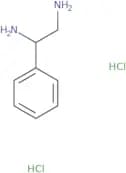
CAS:<p>Versatile small molecule scaffold</p>Formula:C9H17NOPurity:Min. 95%Molecular weight:155.24 g/mol1-Phenylethane-1,2-diamine dihydrochloride
CAS:<p>Versatile small molecule scaffold</p>Formula:C8H14Cl2N2Purity:Min. 95%Molecular weight:209.12 g/mol2-Propenoic acid, 3-(4-cyanophenyl)-, (E)-
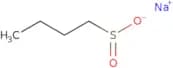
CAS:<p>2-Propenoic acid, 3-(4-cyanophenyl)-, (E)- is a fatty acid that is used in the production of biodiesel. This reaction is catalyzed by an acid methyl ester, which can be either reactive or unreactive. The product of this reaction - fatty acid methyl esters - has significant activity as an anion and has a high boiling point. It also has the potential to be used as a fuel in the future.</p>Formula:C10H7NO2Purity:Min. 95%Molecular weight:173.17 g/molSodium butane-1-sulfinate
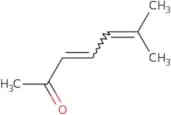
CAS:<p>Sodium butane-1-sulfinate is a reagent that can be used to synthesize sulfoxides, pyrrole derivatives, and other organic compounds. It is also used as a salt form for pharmaceuticals. Sodium butane-1-sulfinate may be used to produce sulfoxides, which are often used in organic synthesis because they are both reactive and unreactive. This compound has been found to be an antagonist of the CRTH2 receptor, which is involved in the production of prostaglandins that regulate inflammation.</p>Formula:C4H9NaO2SPurity:Min. 95%Molecular weight:144.17 g/mol6-Methyl-3,5-heptadien-2-one
CAS:<p>This product is a mixture of 6-methyl-3,5-heptadien-2-one and 2,6-dimethyloctane. It has a pleasant, fruity odor. It is used as an additive for perfumes and other products to improve the smell. This product can be found in foods such as meat, cheese, chocolate, and coffee. The minutiflora plant contains this compound. It is also present in propolis and chitosan nanoparticles (as an antioxidant). The maltol content of this product is about 95% with yields ranging from 10% to 50%.</p>Formula:C8H12OPurity:Min. 95%Molecular weight:124.18 g/molBicyclo[3.1.0]hexane-6-carboxylic acid, somers
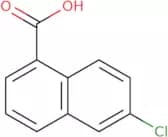
CAS:<p>Bicyclo[3.1.0]hexane-6-carboxylic acid, somers is an organic compound that is a carboxylic acid derivative with a cyclopentane ring and six carboxyl groups. It is used in the synthesis of other compounds, such as hydroxyalkyl, tetrahydropyranyl, sulfur, carboxylic acid, alkylthio, c1-6 alkyl, cycloalkyl and efficient carboxylic. Bicyclo[3.1.0]hexane-6-carboxylic acid, somers can be synthesized from bicyclo[2.2.1]heptane-2-carboxylic acid by reaction with ethylene oxide and hydrogen sulfide in the presence of a catalytic amount of hydrochloric acid or pyridine hydrochloride.</p>Formula:C7H10O2Purity:Min. 95%Molecular weight:126.15 g/mol6-Chloronaphthalene-1-carboxylic acid
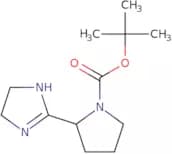
CAS:<p>6-Chloronaphthalene-1-carboxylic acid is a chlorinated aromatic compound with the chemical formula ClCH=CClO2H. The compound was first synthesized in 1887 by Friedel and Crafts reaction between aluminum chloride and 2-furoic acid. It is an intermediate in the production of chlorobenzene, which is used to make polychlorinated biphenyls (PCBs). 6-Chloronaphthalene-1-carboxylic acid can be prepared by nitration of benzene or toluene, followed by hydrolysis with hydrochloric acid. It also has applications as a herbicide.</p>Formula:C11H7ClO2Purity:Min. 95%Molecular weight:206.62 g/moltert-Butyl 2-(4,5-dihydro-1H-imidazol-2-yl)pyrrolidine-1-carboxylate
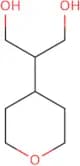
CAS:<p>Versatile small molecule scaffold</p>Formula:C12H21N3O2Purity:Min. 95%Molecular weight:239.31 g/mol2-(Oxan-4-yl)propane-1,3-diol
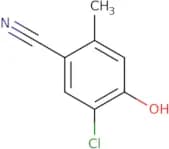
CAS:<p>Versatile small molecule scaffold</p>Formula:C8H16O3Purity:Min. 95%Molecular weight:160.21 g/mol5-Chloro-4-hydroxy-2-methylbenzonitrile
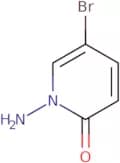
CAS:<p>Versatile small molecule scaffold</p>Formula:C8H6ClNOPurity:Min. 95%Molecular weight:167.59 g/mol1-Amino-5-bromo-1,2-dihydropyridin-2-one
CAS:<p>Versatile small molecule scaffold</p>Formula:C5H5BrN2OPurity:Min. 95%Molecular weight:189.01 g/mol8-Oxo-7H,8H-imidazo[1,2-a]pyrazine-2-carboxylic acid
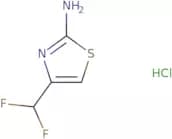
CAS:<p>Versatile small molecule scaffold</p>Formula:C7H5N3O3Purity:Min. 95%Molecular weight:179.13 g/mol4-(Difluoromethyl)-1,3-thiazol-2-amine hydrochloride
CAS:<p>Versatile small molecule scaffold</p>Formula:C4H5ClF2N2SPurity:Min. 95%Molecular weight:186.61 g/mol[(5,5-Dimethylpyrrolidin-3-yl)methyl]dimethylamine
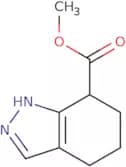
CAS:<p>Versatile small molecule scaffold</p>Formula:C9H20N2Purity:Min. 95%Molecular weight:156.3 g/molMethyl 4,5,6,7-tetrahydro-1H-indazole-7-carboxylate
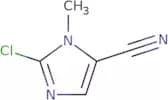
CAS:<p>Versatile small molecule scaffold</p>Formula:C9H12N2O2Purity:Min. 95%Molecular weight:180.2 g/mol2-Chloro-1-methyl-1H-imidazole-5-carbonitrile
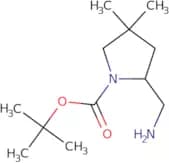
CAS:<p>Versatile small molecule scaffold</p>Formula:C5H4ClN3Purity:Min. 95%Molecular weight:141.56 g/moltert-Butyl 2-(aminomethyl)-4,4-dimethylpyrrolidine-1-carboxylate
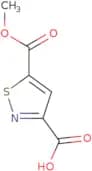
CAS:<p>Versatile small molecule scaffold</p>Formula:C12H24N2O2Purity:Min. 95%Molecular weight:228.33 g/mol5-(Methoxycarbonyl)-1,2-thiazole-3-carboxylic acid
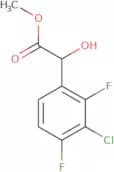
CAS:<p>Versatile small molecule scaffold</p>Formula:C6H5NO4SPurity:Min. 95%Molecular weight:187.2 g/molMethyl 2-(3-chloro-2,4-difluorophenyl)-2-hydroxyacetate
CAS:<p>Versatile small molecule scaffold</p>Formula:C9H7ClF2O3Purity:Min. 95%Molecular weight:236.6 g/mol3-(2-Bromo-6-fluorophenyl)propan-1-ol
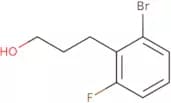
CAS:<p>Versatile small molecule scaffold</p>Formula:C9H10BrFOPurity:Min. 95%Molecular weight:233.08 g/mol1-(3-Methanesulfonylphenyl)cyclopentane-1-carboxylic acid
CAS:<p>Versatile small molecule scaffold</p>Formula:C13H16O4SPurity:Min. 95%Molecular weight:268.33 g/mol7-Methyl-1,2,3,4-tetrahydroisoquinolin-6-ol hydrobromide
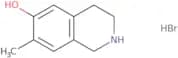
CAS:<p>Versatile small molecule scaffold</p>Formula:C10H14BrNOPurity:Min. 95%Molecular weight:244.13 g/mol3-[3-(3-Hydroxypropyl)phenyl]propan-1-ol
CAS:<p>Versatile small molecule scaffold</p>Formula:C12H18O2Purity:Min. 95%Molecular weight:194.27 g/mol2-N-(4-Methoxyphenyl)pyridine-2,3-diamine
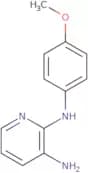
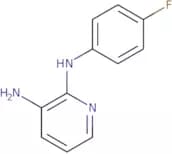
CAS:<p>Versatile small molecule scaffold</p>Formula:C12H13N3OPurity:Min. 95%Molecular weight:215.25 g/mol2-N-(4-Fluorophenyl)pyridine-2,3-diamine
CAS:<p>Versatile small molecule scaffold</p>Formula:C11H10FN3Purity:Min. 95%Molecular weight:203.22 g/mol4,6-Dichloro-2-ethyl-5-methylpyrimidine
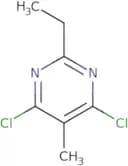
CAS:<p>Versatile small molecule scaffold</p>Formula:C7H8Cl2N2Purity:Min. 95%Molecular weight:191.05 g/mol1-(4-Phenyl-1,3-thiazol-2-yl)ethan-1-ol
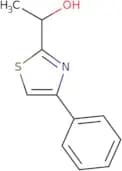
CAS:<p>Versatile small molecule scaffold</p>Formula:C11H11NOSPurity:Min. 95%Molecular weight:205.28 g/mol4-(2-hydroxyethyl)morpholin-3-one
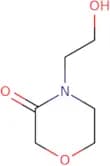
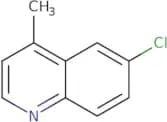
CAS:<p>Versatile small molecule scaffold</p>Formula:C6H11NO3Purity:Min. 95%Molecular weight:145.15 g/mol6-Chloro-4-methylquinoline
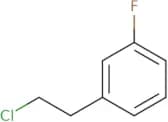
CAS:<p>6-Chloro-4-methylquinoline is a quinoline compound that is used as a catalyst in organic synthesis. It is soluble in butanediol, carbon tetrachloride, and anilines. 6-Chloro-4-methylquinoline catalyzes the conversion of 1,2-dichlorobutane to 2,3-dichloropropane with carbon tetrachloride and butanediol as the reaction solvent. The process can be accelerated by using molecular sieves or aluminum oxide as a catalyst. 6-Chloro-4-methylquinoline has been shown to be effective for the production of 2,3 dichloropropane from 1,2 dichlorobutane via the following reaction:</p>Formula:C10H8ClNPurity:Min. 95%Molecular weight:177.63 g/molBenzene, 1-(2-chloroethyl)-3-fluoro-
CAS:<p>Benzene, 1-(2-chloroethyl)-3-fluoro-, is a fluorinated benzene that is used as an organic sorbent. It has been shown to be nonpolar and polar in nature, with the fluorine atoms contributing to its polarity. The molecule has structural analogs with other fluorinated compounds. In addition, it can be used in chromatographic applications as a stationary phase or as an eluent.</p>Formula:C8H8ClFPurity:Min. 95%Molecular weight:158.6 g/mol6,7,8,9-Tetrahydro-5H-pyrido[2,3-b]azepine
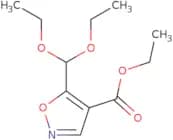
CAS:<p>Versatile small molecule scaffold</p>Formula:C9H12N2Purity:Min. 95%Molecular weight:148.2 g/molEthyl 5-(diethoxymethyl)-1,2-oxazole-4-carboxylate
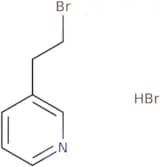
CAS:<p>Versatile small molecule scaffold</p>Formula:C11H17NO5Purity:Min. 95%Molecular weight:243.26 g/mol3-(2-Bromoethyl)pyridine hydrobromide
CAS:<p>Versatile small molecule scaffold</p>Formula:C7H9Br2NPurity:Min. 95%Molecular weight:266.96 g/mol1-(1,3-Thiazol-4-yl)ethan-1-ol
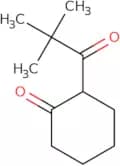
CAS:<p>Versatile small molecule scaffold</p>Formula:C5H7NOSPurity:Min. 95%Molecular weight:129.18 g/mol2-(2,2-Dimethylpropanoyl)cyclohexan-1-one
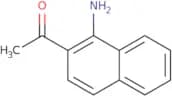
CAS:Versatile small molecule scaffoldFormula:C11H18O2Purity:Min. 95%Molecular weight:182.26 g/mol1-(1-Aminonaphthalen-2-yl)ethan-1-one
CAS:<p>Versatile small molecule scaffold</p>Formula:C12H11NOPurity:Min. 95%Molecular weight:185.22 g/mol3-Allyl-4-hydroxybenzaldehyde
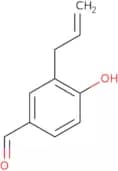
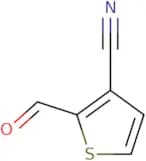
CAS:<p>3-Allyl-4-hydroxybenzaldehyde is a hydroxyalkyl, 6-membered, heteroaromatic ring with a hydroxyl group. It has a hydroxy, alkoxycarbonyl, formyl group, alkoxy group, acid group, alkenyl, alkyloxy, formyl and alkenyl group. 3-Allyl-4-hydroxybenzaldehyde can be found in the chemical family of nitro, carbamoyl.</p>Formula:C10H10O2Purity:Min. 95%Molecular weight:162.19 g/mol2-Formylthiophene-3-carbonitrile
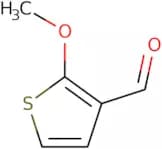
CAS:<p>Versatile small molecule scaffold</p>Formula:C6H3NOSPurity:Min. 95%Molecular weight:137.16 g/mol2-Methoxy-3-thiophenecarboxaldehyde
CAS:<p>Versatile small molecule scaffold</p>Formula:C6H6O2SPurity:Min. 95%Molecular weight:142.17 g/mol1',2'-Dihydrospiro[cyclopentane-1,3'-indole]-2'-one
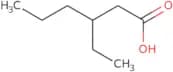
CAS:1',2'-Dihydrospiro[cyclopentane-1,3'-indole]-2'-one is a bromodomain inhibitor that inhibits the function of the bromodomain and prevents it from binding to acetylated lysine residues in the N-terminal domain of histones. This drug has been shown to inhibit the growth and proliferation of cancer cells in vitro. 1',2'-Dihydrospiro[cyclopentane-1,3'-indole]-2'-one is used as an excipient or diluent in pharmaceutical formulations. The drug is also used therapeutically as bromodomain inhibitors for cancers including breast, prostate, and colorectal cancers.Formula:C12H13NOPurity:Min. 95%Molecular weight:187.24 g/mol3-Ethylhexanoic acid
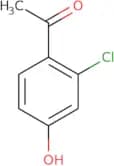
CAS:<p>3-Ethylhexanoic acid is an organic compound that can be synthesized by reacting benzyl chloride with triethylamine and aluminum chloride in the presence of a catalyst such as sulfuric acid. 3-Ethylhexanoic acid is used to produce polymers, solvents, and plasticizers. It has been shown that 3-ethylhexanoic acid reacts with birch wood to give a mixture of enolates, which can then be alkylated to produce a variety of compounds. The reduction of 3-ethylhexanoic acid using lithium reduces it to 2-ethylhexanol.</p>Formula:C8H16O2Purity:Min. 95%Molecular weight:144.21 g/mol1-(2-Chloro-4-methoxyphenyl)ethanone
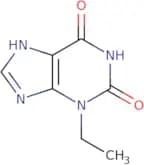
CAS:<p>Versatile small molecule scaffold</p>Formula:C9H9ClO2Purity:Min. 95%Molecular weight:184.62 g/mol3-Ethyl-1H-purine-2,6(3H,7H)-dione
CAS:Controlled Product<p>3-Ethyl-1H-purine-2,6(3H,7H)-dione is a pharmaceutical preparation that is used in the treatment of cardiac diseases. It has been shown to be effective in the treatment of cardiac disease by lowering blood pressure and improving exercise tolerance. This medication should not be taken if you have a history of congestive heart failure or cardiogenic shock.</p>Formula:C7H8N4O2Purity:Min. 95%Molecular weight:180.16 g/mol2-[(Ethylcarbamoyl)amino]-2-oxoethanecarbonimidoyl cyanide
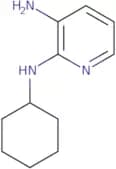
CAS:<p>Versatile small molecule scaffold</p>Formula:C6H8N4O3Purity:Min. 95%Molecular weight:184.15 g/mol2-N-Cyclohexylpyridine-2,3-diamine
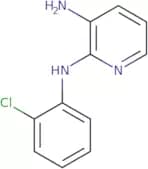
CAS:<p>Versatile small molecule scaffold</p>Formula:C11H17N3Purity:Min. 95%Molecular weight:191.27 g/mol2-N-(2-Chlorophenyl)pyridine-2,3-diamine
CAS:<p>Versatile small molecule scaffold</p>Formula:C11H10ClN3Purity:Min. 95%Molecular weight:219.67 g/mol1-Bromo-2-methylpropan-2-yl acetate
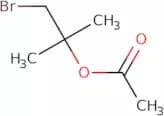
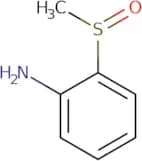
CAS:<p>1-Bromo-2-methylpropan-2-yl acetate is a glycol that is used as a stabilizer in the synthesis of other organic compounds. It can be used to cleave bonds and is useful for the production of drugs, such as antibiotics. In addition, 1-Bromo-2-methylpropan-2-yl acetate has been shown to inhibit the growth of staphylococcus aureus and other bacteria. This compound binds to the ribosome and inhibits protein synthesis by preventing peptide bond formation. It also has been shown to be effective against vancomycin resistance in strains of staphylococcus aureus.</p>Formula:C6H11BrO2Purity:Min. 95%Molecular weight:195.05 g/mol2-Methanesulfinylaniline
CAS:<p>2-Methanesulfinylaniline is a chemical compound that can be used as an arylating agent. It reacts with benzaldehyde or benzaldehydes to form benzylic alcohols. The reaction is catalyzed by acid and the regioselectivity of the reaction depends on the type of acid used. 2-Methanesulfinylaniline has been shown to be effective in the synthesis of 3-benzoylbenzoic acids, which are useful intermediates in organic chemistry.</p>Formula:C7H9NOSPurity:Min. 95%Molecular weight:155.22 g/mol(E,E)-Bis[(4-chlorophenyl)methylidene]hydrazine
CAS:<p>Versatile small molecule scaffold</p>Purity:Min. 95%Molecular weight:277.15 g/mol7-bromothieno[3,2-d]pyrimidine-2,4-diol
CAS:<p>Versatile small molecule scaffold</p>Formula:C6H3BrN2O2SPurity:Min. 95%Molecular weight:247.07 g/mol7-bromo-2,4-dichlorothieno[3,2-d]pyrimidine
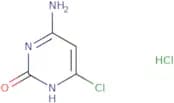
CAS:<p>Versatile small molecule scaffold</p>Formula:C6HBrCl2N2SPurity:Min. 95%Molecular weight:283.95 g/mol4-Amino-6-chloro-1,2-dihydropyrimidin-2-one hydrochloride
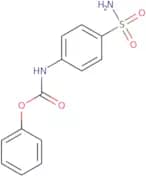
CAS:<p>Versatile small molecule scaffold</p>Formula:C4H5Cl2N3OPurity:Min. 95%Molecular weight:182.01 g/molPhenyl N-(4-sulfamoylphenyl)carbamate
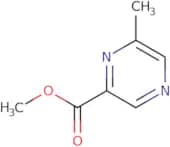
CAS:<p>Versatile small molecule scaffold</p>Formula:C13H12N2O4SPurity:Min. 95%Molecular weight:292.31 g/molMethyl 6-methylpyrazine-2-carboxylate
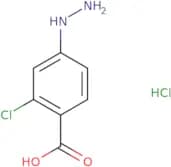
CAS:<p>Versatile small molecule scaffold</p>Formula:C7H8N2O2Purity:Min. 95%Molecular weight:152.15 g/mol2-Chloro-4-hydrazinylbenzoic Acid Hydrochloride
CAS:<p>Versatile small molecule scaffold</p>Formula:C7H7N2O2Cl·HClPurity:Min. 95%Molecular weight:223.05 g/molN-Ethyl-3-methoxyaniline
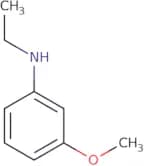
CAS:<p>N-Ethyl-3-methoxyaniline (NEM) is a biocompatible and biodegradable surrogate that can be used as a substitute for arginine in metathesis reactions. NEM has been shown to inhibit thrombin, an enzyme involved in the coagulation of blood. Cocrystallization with cobalt(II) chloride has been optimized to yield crystals with an x-ray crystal structure. The crystal structure was analyzed by x-ray diffraction and found to contain the cocrystallized product of NEM and cobalt(II) chloride.</p>Formula:C9H13NOPurity:Min. 95%Molecular weight:151.21 g/molMethyl 4-oxochromane-6-carboxylate
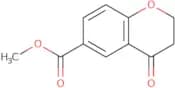
CAS:<p>Versatile small molecule scaffold</p>Formula:C11H10O4Purity:Min. 95%Molecular weight:206.2 g/molEthyl 2-oxo-2,3-dihydro-1H-1,3-benzodiazole-1-carboxylate
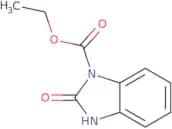
CAS:<p>Versatile small molecule scaffold</p>Formula:C10H10N2O3Purity:Min. 95%Molecular weight:206.2 g/mol5-Methyl-2-sulfanyl-4H,7H-[1,2,4]triazolo[1,5-a]pyrimidin-7-one
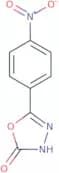
CAS:<p>Versatile small molecule scaffold</p>Formula:C6H6N4OSPurity:Min. 95%Molecular weight:182.2 g/mol5-(4-Nitrophenyl)-1,3,4-oxadiazol-2-ol
CAS:<p>Nitrophenols, such as 5-(4-nitrophenyl)-1,3,4-oxadiazol-2-ol (NPO), are a class of drugs that bind to the c1-6 alkyl receptor. This binding causes receptor desensitization and leads to the inhibition of the release of neurotransmitters such as acetylcholine, histamine, and serotonin. NPO is an excipient in some pharmaceuticals and may also be used for treatment of high blood pressure or damaged heart tissue. The carboxylic acid group on NPO can react with sodium ions to form a salt called sodium nitrophenolate. The residue from this reaction can be removed by adding a cationic polymer before use.</p>Formula:C8H5N3O4Purity:Min. 95%Molecular weight:207.14 g/molMethyl 4-cyanobutanoate
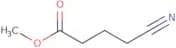
CAS:<p>Versatile small molecule scaffold</p>Formula:C6H9NO2Purity:Min. 95%Molecular weight:127.14 g/mol2-(Acetylsulfanyl)-2-phenylacetic acid
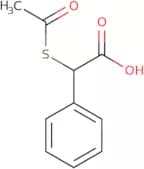
CAS:<p>Versatile small molecule scaffold</p>Formula:C10H10O3SPurity:Min. 95%Color and Shape:PowderMolecular weight:210.25 g/mol1-(Thiolan-2-yl)ethan-1-one
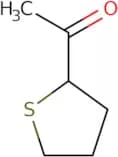
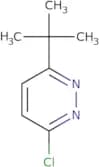
CAS:Versatile small molecule scaffoldFormula:C6H10OSPurity:Min. 95%Molecular weight:130.21 g/mol3-tert-Butyl-6-chloropyridazine
CAS:<p>Versatile small molecule scaffold</p>Formula:C8H11ClN2Purity:Min. 95%Molecular weight:170.64 g/mol2,2-Dimethyl-1,3-diphenylpropane-1,3-dione
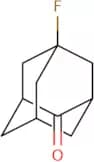
CAS:<p>Versatile small molecule scaffold</p>Formula:C17H16O2Purity:Min. 95%Molecular weight:252.31 g/mol5-Fluoroadamantan-2-one
CAS:<p>5-Fluoroadamantan-2-one is a stable molecule that has been shown to stabilize transition states in the presence of cyclohexanone. This agent can also be used for carbonyl reduction, iminium formation and epoxidation reactions. 5-Fluoroadamantan-2-one can also react with nucleophiles to form imino or organic chemistry moieties. It acts as a radical cation and can be detected by infrared spectroscopy.</p>Formula:C10H13FOPurity:Min. 95%Molecular weight:168.21 g/mol3-Oxocyclopentane-1-carbonitrile
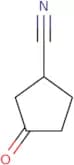
CAS:<p>3-Oxocyclopentane-1-carbonitrile is a chiral aliphatic compound that is used in the synthesis of other organic compounds. It is a diastereomer of cyclopentanone and can be obtained by the isomerization of cyclohexanone. The carbon atom at position 1 has three different substituents, which give it three stereoisomers. 3-Oxocyclopentane-1-carbonitrile is used to synthesize hexanoic acid, acrylonitrile, and styrene.</p>Purity:Min. 95%3-[4-(Methoxycarbonyl)-1,3-oxazol-5-yl]propanoic acid
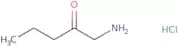
CAS:<p>Versatile small molecule scaffold</p>Formula:C8H9NO5Purity:Min. 95%Molecular weight:199.16 g/mol1-Aminopentan-2-one hydrochloride
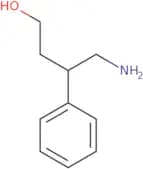
CAS:<p>Versatile small molecule scaffold</p>Formula:C5H12ClNOPurity:Min. 95%Molecular weight:137.61 g/mol4-Amino-3-phenylbutan-1-ol
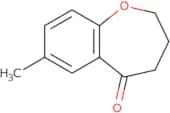
CAS:<p>Versatile small molecule scaffold</p>Formula:C10H15NOPurity:Min. 95%Molecular weight:165.23 g/mol7-Methyl-2,3,4,5-tetrahydro-1-benzoxepin-5-one
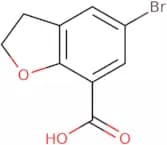
CAS:<p>Versatile small molecule scaffold</p>Formula:C11H12O2Purity:Min. 95%Molecular weight:176.21 g/mol5-Bromo-2,3-dihydrobenzofuran-7-carboxylic acid
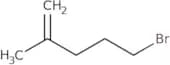
CAS:<p>Versatile small molecule scaffold</p>Formula:C9H7BrO3Purity:Min. 95%Molecular weight:243.06 g/mol5-bromo-2-methylpent-1-ene
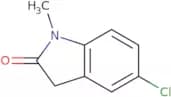
CAS:<p>5-bromo-2-methylpent-1-ene is an organic compound that belongs to the group of isopentenyl compounds. It is a synthetic compound that has been shown to be effective as an antimicrobial agent. 5-bromo-2-methylpent-1-ene has a copper complex which binds to the copper and diphosphate groups in bacterial DNA, preventing replication and transcription. This drug also inhibits the synthesis of proteins by binding to ribosomes, thereby inhibiting protein synthesis. The antimicrobial activity of 5-bromo-2-methylpent-1e is due to its ability to inhibit RNA synthesis and DNA synthesis in bacteria.</p>Formula:C6H11BrPurity:Min. 95%Molecular weight:163.06 g/mol5-Chloro-1-methyl-2,3-dihydro-1H-indol-2-one
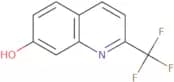
CAS:<p>Versatile small molecule scaffold</p>Formula:C9H8ClNOPurity:Min. 95%Molecular weight:181.62 g/mol2-(Trifluoromethyl)quinolin-7-ol
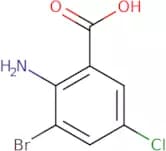
CAS:<p>Versatile small molecule scaffold</p>Formula:C10H6F3NOPurity:Min. 95%Molecular weight:213.16 g/mol2-Amino-3-bromo-5-chlorobenzoic acid
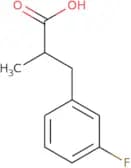
CAS:<p>Versatile small molecule scaffold</p>Formula:C7H5BrClNO2Purity:Min. 95%Molecular weight:250.48 g/mol3-(3-fluorophenyl)-2-methylpropanoic acid
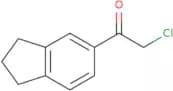
CAS:<p>Versatile small molecule scaffold</p>Formula:C10H11O2FPurity:Min. 95%Molecular weight:182.19 g/mol2-Chloro-1-(2,3-dihydro-1H-inden-5-yl)ethan-1-one
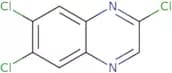
CAS:<p>Versatile small molecule scaffold</p>Formula:C11H11ClOPurity:Min. 95%Molecular weight:194.66 g/mol2,6,7-Trichloroquinoxaline
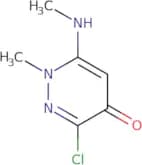
CAS:<p>Versatile small molecule scaffold</p>Formula:C8H3Cl3N2Purity:Min. 95%Molecular weight:233.5 g/mol3-Chloro-1-methyl-6-(methylamino)-1,4-dihydropyridazin-4-one
CAS:<p>Versatile small molecule scaffold</p>Formula:C6H8ClN3OPurity:Min. 95%Molecular weight:173.6 g/mol1-[(2-Methylphenyl)methyl]piperidin-4-amine
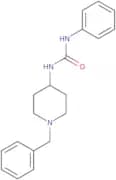
CAS:<p>Versatile small molecule scaffold</p>Formula:C13H20N2Purity:Min. 95%Molecular weight:204.31 g/mol3-(1-Benzylpiperidin-4-yl)-1-phenylurea
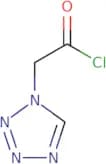
CAS:<p>Versatile small molecule scaffold</p>Formula:C19H23N3OPurity:Min. 95%Molecular weight:309.4 g/mol1H-Tetrazol-1-ylacetyl chloride
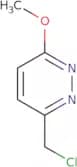
CAS:<p>Versatile small molecule scaffold</p>Formula:C3H3ClN4OPurity:Min. 95%Molecular weight:146.53 g/mol3-(Chloromethyl)-6-methoxypyridazine
CAS:<p>Versatile small molecule scaffold</p>Formula:C6H7ClN2OPurity:Min. 95%Molecular weight:158.58 g/mol2,3-Dimethyl-3H-imidazo[4,5-b]pyridine
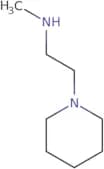
CAS:<p>Versatile small molecule scaffold</p>Formula:C8H9N3Purity:Min. 95%Color and Shape:PowderMolecular weight:147.18 g/molN-Methyl-2-piperidin-1-ylethanamine
CAS:<p>Versatile small molecule scaffold</p>Formula:C8H18N2Purity:Min. 95%Molecular weight:142.24 g/molH-Imidazo[1,2-a]pyridine-3-carbaldehyde
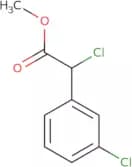
CAS:<p>H-Imidazo[1,2-a]pyridine-3-carbaldehyde is an anti-infective agent that is active against bacteria and fungi. The compound inhibits the growth of bacteria by interfering with the synthesis of DNA and RNA. H-Imidazo[1,2-a]pyridine-3-carbaldehyde has been shown to be effective in treating infections caused by Stenotrophomonas maltophilia and Pseudomonas aeruginosa. It also has an effect on Enterobacteriaceae, including Escherichia coli, Klebsiella pneumoniae, and Proteus mirabilis. H-Imidazo[1,2-a]pyridine-3-carbaldehyde is not effective against Streptococcus species such as Streptococcus pyogenes or Group A beta hemolytic streptococci.</p>Formula:C9H8N2OPurity:Min. 95%Molecular weight:160.17 g/molMethyl 2-chloro-2-(3-chlorophenyl)acetate
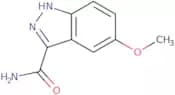
CAS:<p>Versatile small molecule scaffold</p>Formula:C9H8Cl2O2Purity:Min. 95%Molecular weight:219.06 g/mol5-Methoxy-1H-indazole-3-carboxylic acid amide
CAS:Controlled Product<p>5-Methoxy-1H-indazole-3-carboxylic acid amide is a glycogen synthase kinase 3 (GSK3) inhibitor. GSK3 is a serine/threonine protein kinase that regulates glycogen synthase and phosphorylates tau proteins. 5-Methoxy-1H-indazole-3-carboxylic acid amide has been used in the treatment of type 2 diabetes mellitus, Alzheimer's disease and other neurological disorders. The cocrystal structure of 5-methoxy indazole carboxamide with glycogen synthase was determined at 1.2 Å resolution.</p>Formula:C9H9N3O2Purity:Min. 95%Molecular weight:191.19 g/molN-(3-Hydroxypropyl)piperidine-4-carboxamide
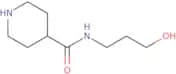
CAS:<p>Versatile small molecule scaffold</p>Formula:C9H18N2O2Purity:Min. 95%Molecular weight:186.25 g/molN-[8-(Propan-2-yl)-8-azabicyclo[3.2.1]octan-3-ylidene]hydroxylamine
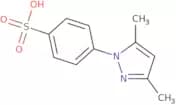
CAS:<p>Versatile small molecule scaffold</p>Formula:C10H18N2OPurity:Min. 95%Molecular weight:182.3 g/mol4-(3,5-Dimethyl-1H-pyrazol-1-yl)benzene-1-sulfonic acid
CAS:<p>Versatile small molecule scaffold</p>Formula:C11H12N2O3SPurity:Min. 95%Molecular weight:252.29 g/mol4-Benzyl-5-methyl-1,3-thiazol-2-amine
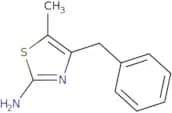
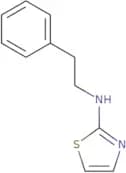
CAS:<p>Versatile small molecule scaffold</p>Formula:C11H12N2SPurity:Min. 95%Molecular weight:204.29 g/molN-(2-Phenylethyl)-1,3-thiazol-2-amine
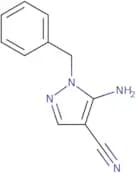
CAS:<p>Versatile small molecule scaffold</p>Formula:C11H12N2SPurity:Min. 95%Molecular weight:204.29 g/mol5-Amino-1-benzyl-1H-pyrazole-4-carbonitrile
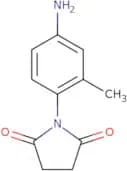
CAS:<p>5-Amino-1-benzyl-1H-pyrazole-4-carbonitrile is a receptor antagonist that belongs to the group of diazonium salts. It has been shown to bind selectively to high levels of purine receptors in the heart, lungs, and kidneys. This drug has also been shown to be an effective inhibitor of smooth muscle cell proliferation, which can reduce the risk of pulmonary hypertension. 5-Amino-1-benzyl-1H-pyrazole-4-carbonitrile has been synthesized and tested for clinical studies. The compound has shown potency against diazotization reactions with biological activity.</p>Formula:C11H10N4Purity:Min. 95%Molecular weight:198.22 g/mol1-(4-Amino-2-methylphenyl)pyrrolidine-2,5-dione
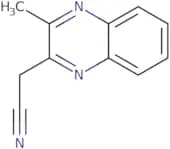
CAS:<p>Versatile small molecule scaffold</p>Formula:C11H12N2O2Purity:Min. 95%Molecular weight:204.22 g/mol2-(3-Methylquinoxalin-2-yl)acetonitrile
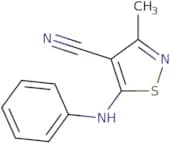
CAS:<p>Versatile small molecule scaffold</p>Formula:C11H9N3Purity:Min. 95%Molecular weight:183.21 g/mol3-Methyl-5-(phenylamino)-1,2-thiazole-4-carbonitrile
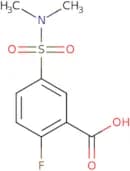
CAS:<p>Versatile small molecule scaffold</p>Formula:C11H9N3SPurity:Min. 95%Molecular weight:215.28 g/mol5-Dimethylsulfamoyl-2-fluoro-benzoic acid
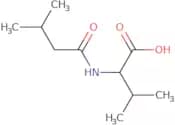
CAS:<p>Versatile small molecule scaffold</p>Formula:C9H10FNO4SPurity:Min. 95%Molecular weight:247.25 g/mol3-Methyl-2-(3-methylbutanamido)butanoic acid
CAS:<p>Versatile small molecule scaffold</p>Formula:C10H19NO3Purity:Min. 95%Molecular weight:201.26 g/mol2-[(2-Methoxy-2-oxoethyl)sulfanyl]acetic acid
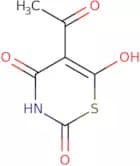
CAS:<p>Versatile small molecule scaffold</p>Formula:C5H8O4SPurity:Min. 95%Molecular weight:164.18 g/mol5-Acetyl-4-hydroxy-3,6-dihydro-2H-1,3-thiazine-2,6-dione
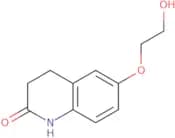
CAS:<p>5-Acetyl-4-hydroxy-3,6-dihydro-2H-1,3-thiazine-2,6-dione is a phenolate which has been shown to have antibacterial activity. It binds to the thiol group of the enzyme hepg2 and inhibits its activity. This leads to a decrease in cell growth and eventually cell death. 5-Acetyl-4-hydroxy-3,6-dihydro-2H-1,3-thiazine - 2,6 - dione has been found to be effective against strains of Staphylococcus and other bacteria that are resistant to penicillin. 5ADHTD has also been shown to have kinetic and thermodynamic properties that make it a good candidate for use as an antibiotic.</p>Formula:C6H5NO4SPurity:Min. 95%Molecular weight:187.18 g/mol6-(2-Hydroxyethoxy)-1,2,3,4-tetrahydroquinolin-2-one
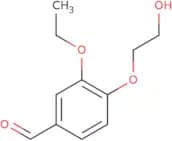
CAS:<p>Versatile small molecule scaffold</p>Formula:C11H13NO3Purity:Min. 95%Molecular weight:207.23 g/mol3-Ethoxy-4-(2-hydroxy-ethoxy)-benzaldehyde
CAS:<p>Versatile small molecule scaffold</p>Formula:C11H14O4Purity:Min. 95%Molecular weight:210.23 g/mol2-{8-Methyl-8-azabicyclo[3.2.1]octan-3-yl}acetic acid hydrochloride
CAS:<p>Versatile small molecule scaffold</p>Formula:C10H18ClNO2Purity:Min. 95%Molecular weight:219.71 g/mol5-[(2-Phenylethyl)amino]-1,3,4-thiadiazole-2-thiol
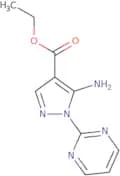
CAS:<p>Versatile small molecule scaffold</p>Formula:C10H11N3S2Purity:Min. 95%Molecular weight:237.3 g/molethyl 5-amino-1-(pyrimidin-2-yl)-1H-pyrazole-4-carboxylate
CAS:<p>Versatile small molecule scaffold</p>Formula:C10H11N5O2Purity:Min. 95%Molecular weight:233.2 g/mol2-Chloro-N-[(4-methylphenyl)methyl]propanamide
CAS:<p>Versatile small molecule scaffold</p>Formula:C11H14ClNOPurity:Min. 95%Molecular weight:211.69 g/mol2-Chloro-N-[1-(4-methoxyphenyl)ethyl]acetamide
CAS:<p>Versatile small molecule scaffold</p>Formula:C11H14ClNO2Purity:Min. 95%Molecular weight:227.69 g/mol2-Hydroxy-2-[4-(propan-2-yl)phenyl]acetonitrile
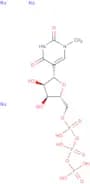
CAS:<p>2-Hydroxy-2-[4-(propan-2-yl)phenyl]acetonitrile, or bornyl acetate, is a volatile chemical compound. It is a colorless liquid with a strong odor that is sometimes described as fruity and citrusy. The smell of this chemical is often compared to the scent of oranges or apricots. Bornyl acetate has been found in Hymenoptera (bees and wasps), mandelonitrile, and borneol. This chemical also has a slight acidic taste to it.</p>Formula:C11H13NOPurity:Min. 95%Molecular weight:175.23 g/molN1-Methyl-pseudouridine-5'-triphosphate trisodium, 100mM aqueous solution
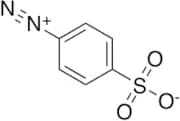
CAS:<p>Methyl-pseudouridine-5'-triphosphate trisodium is the triphosphate of 1-Methylpseudouridine is a substitute for uridine in modified mRNA. This substitution has shown to increase transfection by reducing immuogenicity. UV max wavelength = 272nm</p>Formula:C10H17N2O15P3•Na3Purity:Min. 95%Color and Shape:Clear LiquidMolecular weight:567.17 g/mol4-Diazobenzenesulfonic Acid
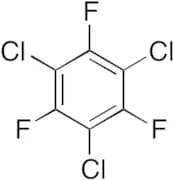
CAS:<p>Applications 4-Diazobenzenesulfonic acid (cas# 305-80-6) is a useful research chemical.<br></p>Formula:C6H4N2O3SMolecular weight:184.171,3,5-Trifluorotrichlorobenzene
CAS:<p>Applications 1,3,5-Trifluorotrichlorobenzene is a useful reagent.<br></p>Formula:C6Cl3F3Molecular weight:235.42Methyl 4-chlorobenzenesulfonate
CAS:<p>Versatile small molecule scaffold</p>Formula:C7H7ClO3SPurity:Min. 95%Molecular weight:206.65 g/mol5-amino-2-chloropyridin-4-ol
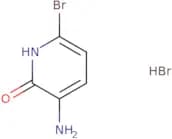
CAS:<p>Versatile small molecule scaffold</p>Formula:C5H5ClN2OPurity:Min. 95%Molecular weight:144.56 g/mol3-amino-6-bromopyridin-2-ol hydrobromide
CAS:<p>Versatile small molecule scaffold</p>Formula:C5H6Br2N2OPurity:Min. 95%Molecular weight:269.9 g/moltert-Butyl 6-(4,4,5,5-tetramethyl-1,3,2-dioxaborolan-2-yl)-3,4-dihydroquinoline-1(2H)-carboxylate 97
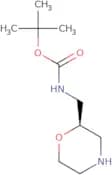
CAS:<p>Versatile small molecule scaffold</p>Formula:C20H30BNO4Purity:Min. 95%Molecular weight:359.27 g/mol(R)-2-(N-Boc-aminomethyl)morpholine
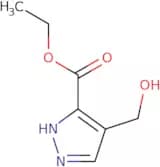
CAS:<p>Versatile small molecule scaffold</p>Formula:C10H20N2O3Purity:Min. 95%Molecular weight:216.28 g/molEthyl 4-(hydroxymethyl)-1H-pyrazole-3-carboxylate
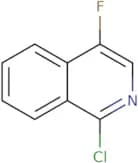
CAS:<p>Versatile small molecule scaffold</p>Formula:C7H10N2O3Purity:Min. 95%Molecular weight:170.17 g/mol1-chloro-4-fluoroisoquinoline
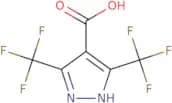
CAS:<p>1-chloro-4-fluoroisoquinoline is a chlorinating agent that has been used as a synthetic method for the synthesis of oxychloride. It is typically used in the presence of palladium catalyst, in the presence of phosphorus and under reductive conditions. The chlorination reaction is initiated by addition of hydrochloric acid or phosphorous oxychloride. The 1-hydroxyisoquinoline reacts with phosphorus to form a chloroformate, which reacts with fluorine gas to produce an intermediate chlorofluorinate. This intermediate then reacts with chlorine gas in the presence of palladium catalyst to generate the desired product, 1-chloro-4-fluoroisoquinoline.</p>Formula:C9H5ClFNPurity:Min. 95%Molecular weight:181.59 g/mol3,5-Bis(trifluoromethyl)-1H-pyrazole-4-carboxylic acid
CAS:<p>3,5-Bis(trifluoromethyl)-1H-pyrazole-4-carboxylic acid is a chiral compound that has been shown to be an active building block for coordination frameworks. It is prepared from the reaction of 3,5-bis(trifluoromethyl)-1H-pyrazole with a carboxylic acid and can be used in the synthesis of metalloporphyrins. 3,5-Bis(trifluoromethyl)-1H-pyrazole-4-carboxylic acid has been shown to form stable coordination complexes with ligands such as bidentate or tridentate phosphoramidites and dimethylammonium chloride. This compound undergoes thermal treatment during the preparation process and reacts with various solvents and reagents.</p>Formula:C6H2F6N2O2Purity:Min. 95%Molecular weight:248.08 g/mol


![4-Methyl-1H,2H,3H-pyrrolo[2,3-b]pyridine](/_next/image/?url=https%3A%2Fstatic.cymitquimica.com%2Fproducts%2F3D%2Fthumb-webp%2FRAA46294.webp&w=3840&q=75)
![4-Oxatricyclo[4.2.1.0,3,7]nonane-2,5-dione](/_next/image/?url=https%3A%2Fstatic.cymitquimica.com%2Fproducts%2F3D%2Fthumb-webp%2FRAA47973.webp&w=3840&q=75)
![2-[(4-Methylphenyl)amino]benzoic acid](/_next/image/?url=https%3A%2Fstatic.cymitquimica.com%2Fproducts%2F3D%2Fthumb-webp%2FRAA52423.webp&w=3840&q=75)
![N-[(3-Bromophenyl)methyl]-N-methylaniline](/_next/image/?url=https%3A%2Fstatic.cymitquimica.com%2Fproducts%2F3D%2Fthumb-webp%2FRAA54715.webp&w=3840&q=75)
![2H,3H,4H,5H-Naphtho[1,2-b]oxepin-5-one](/_next/image/?url=https%3A%2Fstatic.cymitquimica.com%2Fproducts%2F3D%2Fthumb-webp%2FRAA56358.webp&w=3840&q=75)
![6-Iodobenzo[d]thiazol-2-amine](/_next/image/?url=https%3A%2Fstatic.cymitquimica.com%2Fproducts%2F3D%2Fthumb-webp%2FRAA58258.webp&w=3840&q=75)
![6-Benzyl-6-azabicyclo[3.2.1]octan-3-one](/_next/image/?url=https%3A%2Fstatic.cymitquimica.com%2Fproducts%2F3D%2Fthumb-webp%2FRAA60747.webp&w=3840&q=75)
![(1R,3S,5S)-6,6-Dimethylbicyclo[3.1.0]hexan-3-ol](/_next/image/?url=https%3A%2Fstatic.cymitquimica.com%2Fproducts%2F3D%2Fthumb-webp%2FRAA61381.webp&w=3840&q=75)
![Octahydropyrrolo[1,2-a]piperazin-1-one](/_next/image/?url=https%3A%2Fstatic.cymitquimica.com%2Fproducts%2F3D%2Fthumb-webp%2FRAA62061.webp&w=3840&q=75)
![Octahydropyrrolo[1,2-a]piperazin-3-one](/_next/image/?url=https%3A%2Fstatic.cymitquimica.com%2Fproducts%2F3D%2Fthumb-webp%2FRAA62083.webp&w=3840&q=75)

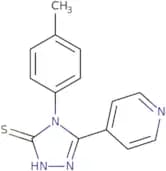
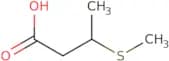
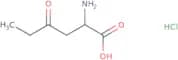
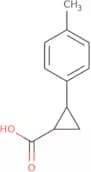


![Bicyclo[3.1.0]hexane-6-carboxylic acid, somers](/_next/image/?url=https%3A%2Fstatic.cymitquimica.com%2Fproducts%2F3D%2Fthumb-webp%2FRAA65037.webp&w=3840&q=75)
![8-Oxo-7H,8H-imidazo[1,2-a]pyrazine-2-carboxylic acid](/_next/image/?url=https%3A%2Fstatic.cymitquimica.com%2Fproducts%2F3D%2Fthumb-webp%2FRAD20798.webp&w=3840&q=75)
![[(5,5-Dimethylpyrrolidin-3-yl)methyl]dimethylamine](/_next/image/?url=https%3A%2Fstatic.cymitquimica.com%2Fproducts%2F3D%2Fthumb-webp%2FRAD22550.webp&w=3840&q=75)

![3-[3-(3-Hydroxypropyl)phenyl]propan-1-ol](/_next/image/?url=https%3A%2Fstatic.cymitquimica.com%2Fproducts%2F3D%2Fthumb-webp%2FRBA00985.webp&w=3840&q=75)
![6,7,8,9-Tetrahydro-5H-pyrido[2,3-b]azepine](/_next/image/?url=https%3A%2Fstatic.cymitquimica.com%2Fproducts%2F3D%2Fthumb-webp%2FRBA03870.webp&w=3840&q=75)

![1',2'-Dihydrospiro[cyclopentane-1,3'-indole]-2'-one](/_next/image/?url=https%3A%2Fstatic.cymitquimica.com%2Fproducts%2F3D%2Fthumb-webp%2FRBA05867.webp&w=3840&q=75)
![2-[(Ethylcarbamoyl)amino]-2-oxoethanecarbonimidoyl cyanide](/_next/image/?url=https%3A%2Fstatic.cymitquimica.com%2Fproducts%2F3D%2Fthumb-webp%2FRBA07809.webp&w=3840&q=75)
![(E,E)-Bis[(4-chlorophenyl)methylidene]hydrazine](/_next/image/?url=https%3A%2Fstatic.cymitquimica.com%2Fproducts%2F3D%2Fthumb-webp%2FRBA09737.webp&w=3840&q=75)
![7-bromothieno[3,2-d]pyrimidine-2,4-diol](/_next/image/?url=https%3A%2Fstatic.cymitquimica.com%2Fproducts%2F3D%2Fthumb-webp%2FRBA10202.webp&w=3840&q=75)
![7-bromo-2,4-dichlorothieno[3,2-d]pyrimidine](/_next/image/?url=https%3A%2Fstatic.cymitquimica.com%2Fproducts%2F3D%2Fthumb-webp%2FRBA10225.webp&w=3840&q=75)
![5-Methyl-2-sulfanyl-4H,7H-[1,2,4]triazolo[1,5-a]pyrimidin-7-one](/_next/image/?url=https%3A%2Fstatic.cymitquimica.com%2Fproducts%2F3D%2Fthumb-webp%2FRBA12281.webp&w=3840&q=75)

![3-[4-(Methoxycarbonyl)-1,3-oxazol-5-yl]propanoic acid](/_next/image/?url=https%3A%2Fstatic.cymitquimica.com%2Fproducts%2F3D%2Fthumb-webp%2FRBA17261.webp&w=3840&q=75)
![1-[(2-Methylphenyl)methyl]piperidin-4-amine](/_next/image/?url=https%3A%2Fstatic.cymitquimica.com%2Fproducts%2F3D%2Fthumb-webp%2FRBA22034.webp&w=3840&q=75)
![2,3-Dimethyl-3H-imidazo[4,5-b]pyridine](/_next/image/?url=https%3A%2Fstatic.cymitquimica.com%2Fproducts%2F3D%2Fthumb-webp%2FRBA23105.webp&w=3840&q=75)
![H-Imidazo[1,2-a]pyridine-3-carbaldehyde](/_next/image/?url=https%3A%2Fstatic.cymitquimica.com%2Fproducts%2F3D%2Fthumb-webp%2FRBA24294.webp&w=3840&q=75)
![N-[8-(Propan-2-yl)-8-azabicyclo[3.2.1]octan-3-ylidene]hydroxylamine](/_next/image/?url=https%3A%2Fstatic.cymitquimica.com%2Fproducts%2F3D%2Fthumb-webp%2FRDA08725.webp&w=3840&q=75)
![2-[(2-Methoxy-2-oxoethyl)sulfanyl]acetic acid](/_next/image/?url=https%3A%2Fstatic.cymitquimica.com%2Fproducts%2F3D%2Fthumb-webp%2FRDA11448.webp&w=3840&q=75)
![2-{8-Methyl-8-azabicyclo[3.2.1]octan-3-yl}acetic acid hydrochloride](/_next/image/?url=https%3A%2Fstatic.cymitquimica.com%2Fproducts%2F3D%2Fthumb-webp%2FRDA12978.webp&w=3840&q=75)
![5-[(2-Phenylethyl)amino]-1,3,4-thiadiazole-2-thiol](/_next/image/?url=https%3A%2Fstatic.cymitquimica.com%2Fproducts%2F3D%2Fthumb-webp%2FRDA12985.webp&w=3840&q=75)
![2-Chloro-N-[(4-methylphenyl)methyl]propanamide](/_next/image/?url=https%3A%2Fstatic.cymitquimica.com%2Fproducts%2F3D%2Fthumb-webp%2FRDA13115.webp&w=3840&q=75)
![2-Chloro-N-[1-(4-methoxyphenyl)ethyl]acetamide](/_next/image/?url=https%3A%2Fstatic.cymitquimica.com%2Fproducts%2F3D%2Fthumb-webp%2FRDA13130.webp&w=3840&q=75)
![2-Hydroxy-2-[4-(propan-2-yl)phenyl]acetonitrile](/_next/image/?url=https%3A%2Fstatic.cymitquimica.com%2Fproducts%2F3D%2Fthumb-webp%2FRDA13218.webp&w=3840&q=75)