Building Blocks
Subcategories of "Building Blocks"
- Boronic Acids & Boronic Acid Derivatives(5,778 products)
- Chiral Building Blocks(1,243 products)
- Hydrocarbon Building Blocks(6,098 products)
- Organic Building Blocks(61,042 products)
Found 204339 products of "Building Blocks"
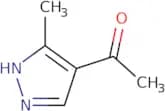
1-(5-Methyl-1H-Pyrazol-4-Yl)Ethanone
CAS:Phenylhydrazine is a white crystalline solid with a molecular weight of 150.25, and the molecular formula C6H5NHN. It is soluble in water, alcohol, ether and chloroform. Phenylhydrazine can react with an acid chloride to form a hydrazone; this reaction is used in the synthesis of some pharmaceuticals. The most common use of phenylhydrazine is as a precursor to various pharmaceuticals, such as antipyretics and anti-inflammatory agents. Phenylhydrazine reacts with zinc chloride to form 1-(5-methyl-1H-pyrazol-4-yl)ethanone.
Formula:C6H8N2OPurity:Min. 95%Molecular weight:124.14 g/molRef: 3D-FEA22404
Discontinued producttert-Butyl 4-methoxy-3,10-diazabicyclo[4.3.1]dec-3-ene-10-carboxylate
CAS:Versatile small molecule scaffoldFormula:C14H24N2O3Purity:Min. 95%Molecular weight:268.4 g/molRef: 3D-FSD25605
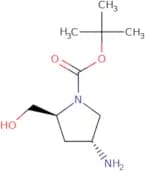
Discontinued product(2S,4R)-1-Boc-2-Hydroxymethyl-4-aminopyrrolidinehydrochloride
CAS:Versatile small molecule scaffold
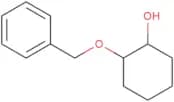
Formula:C10H21ClN2O3Purity:Min. 95%Molecular weight:252.74 g/molrac-(1R,2R)-2-(Benzyloxy)cyclohexan-1-ol
CAS:Versatile small molecule scaffold
Formula:C13H18O2Purity:Min. 95%Molecular weight:206.28 g/molRef: 3D-BCA32929
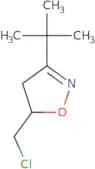
Discontinued product3-tert-Butyl-5-(chloromethyl)-4,5-dihydro-1,2-oxazole
CAS:Versatile small molecule scaffoldFormula:C8H14ClNOPurity:Min. 95%Molecular weight:175.65 g/molRef: 3D-RDC44061
Discontinued producttert-Butyl N-{4-[1-(4-bromophenoxy)ethyl]phenyl}carbamate
CAS:Versatile small molecule scaffold
Formula:C19H22BrNO3Purity:Min. 95%Molecular weight:392.3 g/molRef: 3D-PZC05838
Discontinued product[1-(Fluoromethyl)cyclopropyl]methanesulfonyl chloride
CAS:Versatile small molecule scaffold
Formula:C5H8ClFO2SPurity:Min. 95%Molecular weight:186.63 g/molRef: 3D-PCC96395
Discontinued product2-(Pyrrolidin-3-yl)ethanol hydrochloride
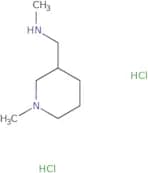
CAS:Versatile small molecule scaffoldFormula:C6H13NO·HClPurity:Min. 95%Molecular weight:151.64 g/molN-Methyl-1-(1-methylpiperidin-3-yl)methanamine
CAS:Versatile small molecule scaffoldFormula:C8H18N2Purity:Min. 95%Molecular weight:142.25 g/molAcetic acid, dibromo-, ethyl ester
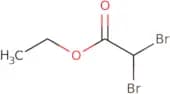
CAS:Acetic acid, dibromo-, ethyl ester is a reactive molecule that can be used as a nucleophilic substituent. It has hydroxyl group and ruthenium complex. It is a particle that can be used in the production of monoclonal antibodies. Acetic acid, dibromo-, ethyl ester also has viscosity and polycarboxylic acid. This chemical reacts with β-unsaturated ketones to form polymerization initiator. Acetic acid, dibromo-, ethyl ester also has carbonyl group and monoclonal antibodies. Acetic acid, dibromo-, ethyl ester can be conjugated with ethyl bromoacetate to produce conjugates.
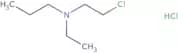
Formula:C4H6Br2O2Purity:Min. 95%Molecular weight:245.9 g/molN-(2-Chloroethyl)-N-ethylpropan-1-amine hydrochloride
CAS:Controlled ProductVersatile small molecule scaffold
Formula:C7H17Cl2NPurity:Min. 95%Molecular weight:186.12 g/molRef: 3D-NAA10593
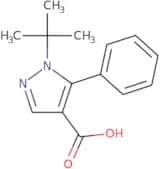
Discontinued product1-tert-Butyl-5-phenyl-1H-pyrazole-4-carboxylic acid
CAS:Versatile small molecule scaffold
Formula:C14H16N2O2Purity:Min. 95%Molecular weight:244.29 g/molRef: 3D-LMB12968
Discontinued product4-Methyl-1,1,3-trioxothieno[3,2-d][1,2]thiazole-5-carboxylic acid
CAS:Versatile small molecule scaffoldFormula:C7H5NO5S2Purity:Min. 95%Molecular weight:247.3 g/molRef: 3D-GEB80217
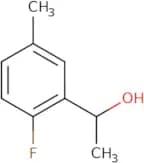
Discontinued product1-(2-Fluoro-5-methylphenyl)ethan-1-ol
CAS:Versatile small molecule scaffoldFormula:C9H11FOPurity:Min. 95%Molecular weight:154.18 g/molRef: 3D-LLB21808
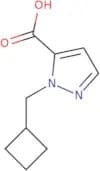
Discontinued product1-(Cyclobutylmethyl)-1H-pyrazole-5-carboxylic acid
CAS:Versatile small molecule scaffoldFormula:C9H12N2O2Purity:Min. 95%Molecular weight:180.2 g/molRef: 3D-WJC58413
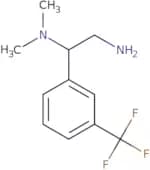
Discontinued productN*1*,N*1*-Dimethyl-1-(3-trifluoromethyl-phenyl)-ethane-1,2-diamine
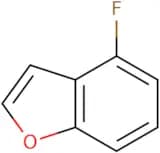
CAS:Versatile small molecule scaffoldFormula:C11H15F3N2Purity:Min. 95%Molecular weight:232.25 g/mol4-Fluorobenzofuran
CAS:Versatile small molecule scaffold
Formula:C8H5FOPurity:Min. 95%Molecular weight:136.12 g/molRef: 3D-ZAA41058
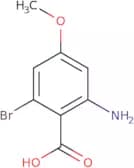
Discontinued product2-Amino-6-bromo-4-methoxybenzoic acid
CAS:Versatile small molecule scaffold
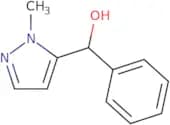
Formula:C8H8BrNO3Purity:Min. 95%Molecular weight:246.06 g/mol(1-Methyl-1H-pyrazol-5-yl)(phenyl)methanol
CAS:Versatile small molecule scaffold
Formula:C11H12N2OPurity:Min. 95%Molecular weight:188.23 g/molRef: 3D-HBA50065
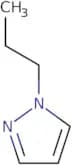
Discontinued product1-Propylpyrazole
CAS:1-Propylpyrazole is a non-classical inhibitor of aldehyde oxidase that has been shown to have an inhibitory effect on pentane. 1-Propylpyrazole has peroxidase-like activity, which means it can bind to lipid hydroperoxides in the presence of hydrogen peroxide or peroxidase. It has also been shown to be an effective inhibitor of dehydrogenase, which is an enzyme that catalyzes the oxidation of aldehydes and ketones to carboxylic acids. This drug is not active against classical aldehyde oxidases such as alcohol dehydrogenase, but it does inhibit polyunsaturated fatty acid synthesis by binding with cytochrome P450 enzymes.
Formula:C6H10N2Purity:Min. 95%Molecular weight:110.16 g/mol2-{5-Methylimidazo[1,2-a]pyridin-2-yl}morpholine
CAS:Versatile small molecule scaffoldFormula:C12H15N3OPurity:Min. 95%Molecular weight:217.27 g/molRef: 3D-HKC66896
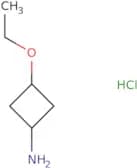
Discontinued productrac-(1R,3R)-3-Ethoxycyclobutan-1-amine hydrochloride
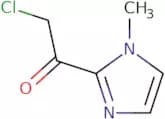
CAS:Versatile small molecule scaffoldFormula:C6H14ClNOPurity:Min. 95%Molecular weight:151.63 g/mol2-Chloro-1-(1-methyl-1H-imidazol-2-yl)ethan-1-one
CAS:Versatile small molecule scaffold
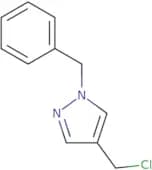
Formula:C6H7ClN2OPurity:Min. 95%Molecular weight:158.58 g/mol1-Benzyl-4-(chloromethyl)-1H-pyrazole
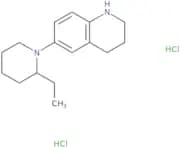
CAS:Controlled ProductVersatile small molecule scaffoldFormula:C11H11ClN2Purity:Min. 95%Molecular weight:206.67 g/mol6-(2-Ethylpiperidin-1-yl)-1,2,3,4-tetrahydroquinoline dihydrochloride
CAS:Versatile small molecule scaffoldFormula:C16H26Cl2N2Purity:Min. 95%Molecular weight:317.3 g/molRef: 3D-LIC71538
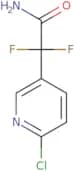
Discontinued product2-(6-Chloropyridin-3-yl)-2,2-difluoroacetamide
CAS:Versatile small molecule scaffoldFormula:C7H5ClF2N2OPurity:Min. 95%Molecular weight:206.58 g/molRef: 3D-NKD14959
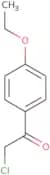
Discontinued product2-Chloro-1-(4-ethoxyphenyl)ethan-1-one
CAS:2-Chloro-1-(4-ethoxyphenyl)ethan-1-one is a hydrocarbon radical that is used as a vitamin and in the synthesis of other molecules. This molecule has a covalent bond between the two chlorine atoms and one carbon atom. The hydrocarbon radical is also present in many hydrocarbons.
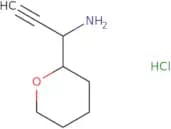
Formula:C10H11ClO2Purity:Min. 95%Molecular weight:198.64 g/mol1-(Oxan-2-yl)prop-2-yn-1-amine hydrochloride
CAS:Versatile small molecule scaffoldFormula:C8H14ClNOPurity:Min. 95%Molecular weight:175.65 g/molRef: 3D-PED67166
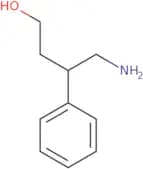
Discontinued product4-Amino-3-phenylbutan-1-ol
CAS:Versatile small molecule scaffold
Formula:C10H15NOPurity:Min. 95%Molecular weight:165.23 g/molRef: 3D-RBA17540
Discontinued producttert-Butyl N-[1-(4-aminophenyl)ethyl]carbamate
CAS:Versatile small molecule scaffold
Formula:C13H20N2O2Purity:Min. 95%Molecular weight:236.31 g/molRef: 3D-TAB08668
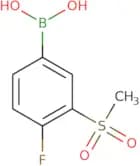
Discontinued product4-Fluoro-3-(methanesulfonyl)phenylboronic acid
CAS:Versatile small molecule scaffold
Formula:C7H8BFO4SPurity:Min. 95%Molecular weight:218.02 g/molRef: 3D-TAC49635
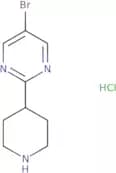
Discontinued product5-Bromo-2-(piperidin-4-yl)pyrimidine hydrochloride
CAS:Versatile small molecule scaffold
Formula:C9H13BrClN3Purity:Min. 95%Molecular weight:278.58 g/molRef: 3D-UTD67898
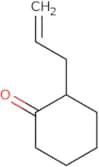
Discontinued product2-Allylcyclohexanone
CAS:2-Allylcyclohexanone is an unsaturated ketone that is synthesized by the ring-opening of allyl cyclohexane carboxylate with sodium hydroxide. It can be used as a chemical intermediate for the synthesis of other compounds. 2-Allylcyclohexanone can also be used to react with hydroxide solution to produce a salt and an alcohol. The hydroxide solution can act as a base, reducing the carbonyl group in the presence of an acid to form the corresponding alcohol. This reaction is stereoselective because it only occurs when there are two different groups on adjacent carbons.
2-Allylcyclohexanone has been shown to inhibit non-nucleoside reverse transcriptase inhibitors (NNRTIs) such as nevirapine, efavirenz, and delavirdine. In addition, it has been found to have functional groups that are capable of reactingFormula:C9H14OPurity:Min. 95%Molecular weight:138.21 g/molEthyl 1-amino-1-cyclobutanecarboxylate monohydrochloride
CAS:Ethyl 1-amino-1-cyclobutanecarboxylate monohydrochloride is a cyclic carbonyl compound that is used as a building block in organic synthesis. It has been used to synthesize a number of natural products, such as piperarborenine and cyclobutanes. This compound can be synthesized by reacting ethyl chloroformate with cyclobutanecarbaldehyde in the presence of an acid or base catalyst. The steric and geometric properties of this molecule are highlighted below.
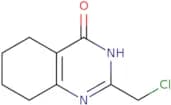
Formula:C2H5O2CC4H6NH2·HClPurity:Min. 95%Molecular weight:179.64 g/mol2-(Chloromethyl)-5,6,7,8-tetrahydroquinazolin-4(3H)-one
CAS:Versatile small molecule scaffold
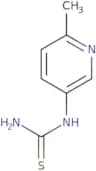
Formula:C9H11ClN2OPurity:Min. 95%Molecular weight:198.65 g/mol(6-Methylpyridin-3-yl)thiourea
CAS:Versatile small molecule scaffold
Formula:C7H9N3SPurity:Min. 95%Molecular weight:167.23 g/molRef: 3D-VRA13075
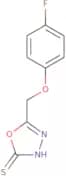
Discontinued product5-(4-Fluorophenoxymethyl)-1,3,4-oxadiazole-2-thiol
CAS:Versatile small molecule scaffoldFormula:C9H7FN2O2SPurity:Min. 95%Molecular weight:226.23 g/molRef: 3D-VSA22441
Discontinued product2-Bromo-3,3,3-trifluoro-1-propene
CAS:Controlled Product2-Bromo-3,3,3-trifluoro-1-propene is a chemical compound that has been synthesized in an asymmetric reaction. The reactant is bromopropane and the product is 2,2,2-trifluoropropene. The methylene group on the propene molecule is activated by the nucleophilic attack of a fluoride ion from hydrogen fluoride to form a cavity with a highly strained bond. The kinetic study of this reaction revealed that the activation energy for the reaction is 42 kJ/mol. Palladium-catalyzed coupling reactions are catalyzed by palladium and require nonpolar solvents such as toluene or dichloromethane. This type of reaction has been shown to be exothermic with an isolated yield of 1%.
Formula:C3H2BrF3Purity:Min. 95%Color and Shape:Colorless PowderMolecular weight:174.95 g/molPiperyline
CAS:Piperyline is an alkanoic acid that has shown to be effective against skin cancer. It also has antimicrobial properties, which may be due to its ability to bind metal ions and form polymeric compounds. Piperyline inhibits microbial growth by inhibiting the synthesis of proteins and nucleic acids. The antimicrobial activity is related to its cationic polymerization with hydroxyl groups, which forms a structure that can inhibit microbial enzymes and disrupt microbial cell membranes. This compound also interacts with the skin's natural lipids, making it difficult for microorganisms to attach and grow on the skin. Piperyline is synthesized in organic chemistry laboratories as an amide precursor of other pharmaceuticals such as penicillin.
Formula:C16H17NO3Purity:Min. 95%Molecular weight:271.31 g/mol

![tert-Butyl 4-methoxy-3,10-diazabicyclo[4.3.1]dec-3-ene-10-carboxylate](/_next/image/?url=https%3A%2Fstatic.cymitquimica.com%2Fproducts%2F3D%2Fthumb-webp%2FFSD25605.webp&w=3840&q=75)
![tert-Butyl N-{4-[1-(4-bromophenoxy)ethyl]phenyl}carbamate](/_next/image/?url=https%3A%2Fstatic.cymitquimica.com%2Fproducts%2F3D%2Fthumb-webp%2FPZC05838.webp&w=3840&q=75)
![[1-(Fluoromethyl)cyclopropyl]methanesulfonyl chloride](/_next/image/?url=https%3A%2Fstatic.cymitquimica.com%2Fproducts%2F3D%2Fthumb-webp%2FPCC96395.webp&w=3840&q=75)

![4-Methyl-1,1,3-trioxothieno[3,2-d][1,2]thiazole-5-carboxylic acid](/_next/image/?url=https%3A%2Fstatic.cymitquimica.com%2Fproducts%2F3D%2Fthumb-webp%2FGEB80217.webp&w=3840&q=75)
![2-{5-Methylimidazo[1,2-a]pyridin-2-yl}morpholine](/_next/image/?url=https%3A%2Fstatic.cymitquimica.com%2Fproducts%2F3D%2Fthumb-webp%2FHKC66896.webp&w=3840&q=75)
![tert-Butyl N-[1-(4-aminophenyl)ethyl]carbamate](/_next/image/?url=https%3A%2Fstatic.cymitquimica.com%2Fproducts%2F3D%2Fthumb-webp%2FTAB08668.webp&w=3840&q=75)