


Building Blocks
This section contains fundamental products for the synthesis of organic and biological compounds. Building blocks are the essential starting materials used to construct complex molecules through various chemical reactions. They play a critical role in drug discovery, material science, and chemical research. At CymitQuimica, we offer a diverse range of high-quality building blocks to support your innovative research and industrial projects, ensuring you have the essential components for successful synthesis.
Subcategories of "Building Blocks"
- Boronic Acids & Boronic Acid Derivatives(5,778 products)
- Chiral Building Blocks(1,243 products)
- Hydrocarbon Building Blocks(6,098 products)
- Organic Building Blocks(61,057 products)
Found 200716 products of "Building Blocks"
Sort by
Purity (%)
0
100
|
0
|
50
|
90
|
95
|
100
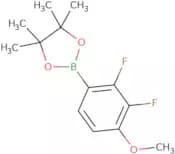
2-(2,3-Difluoro-4-methoxyphenyl)-4,4,5,5-tetramethyl-1,3,2-dioxaborolane
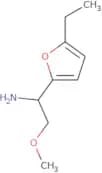
CAS:<p>Versatile small molecule scaffold</p>Formula:C13H17BF2O3Purity:Min. 95%Color and Shape:PowderMolecular weight:270.08 g/mol1-(5-Ethylfuran-2-yl)-2-methoxyethan-1-amine
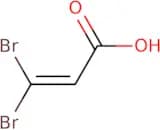
CAS:Versatile small molecule scaffoldFormula:C9H15NO2Purity:(%) Min. 85%Color and Shape:Clear LiquidMolecular weight:169.22 g/mol3,3-Dibromoprop-2-enoic acid
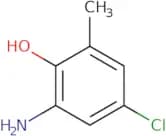
CAS:<p>Versatile small molecule scaffold</p>Formula:C3H2Br2O2Purity:Min. 95%Molecular weight:229.85 g/mol2-Amino-4-chloro-6-methylphenol
CAS:<p>2-Amino-4-chloro-6-methylphenol is a radioactive tracer that is used in biomedical imaging and has high binding affinity to the 5-HT3 receptor. 2-Amino-4-chloro-6-methylphenol can be used to study the mechanisms of cancer and other diseases. The specific activity of this tracer is around 1000 Ci/mmol at 37°C. This compound is a ligand for the 5HT3 receptor, which has been shown to be associated with nausea and vomiting, anxiety, depression, epilepsy, and Alzheimer's disease. It also binds with high affinity to serotonin receptors in the brain.</p>Formula:C7H8ClNOPurity:Min. 95 Area-%Color and Shape:PowderMolecular weight:157.6 g/mol3-Dimethylaminobenzoic acid
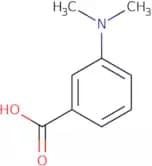
CAS:3-Dimethylaminobenzoic acid is a bacterial enzyme that belongs to the group of p2 carboxylates. It is a non-specific esterase that has been shown to hydrolyze 3-ethylbenzthiazoline-6-sulfonic acid, which is an indicator of root formation. The enzyme activity of 3-dimethylaminobenzoic acid has been demonstrated in kinetic data and redox potential measurements. 3DMBB is found in plants and can be used for the determination of dry weight, as it can hydrolyze triticum aestivum urine samples or cholesterol esters. This enzyme also has catalase activity and can be used in the determination of catalase activity in biological fluids such as urine samples or blood serum.Formula:C9H11NO2Purity:Min. 95%Color and Shape:Off-White PowderMolecular weight:165.19 g/mol4-(N,N-Diethylamino)benzoic acid
CAS:<p>4-(N,N-Diethylamino)benzoic acid is a hydrogenated product of 4-hydroxybenzoic acid. It has been shown to be an effective chemopreventive agent against chemically induced cancer in rats. The analytical method for this compound is based on the fluorescence properties of the compound and its structural studies have been reported. This drug also has bioequivalence properties, which were shown by the spectrometry analyses of human serum samples. The dipole moment of 4-(N,N-diethylamino)benzoic acid is 1.8 D and it reacts with protocatechuic acid to form 4-hydroxybenzaldehyde and diethyl ether.</p>Formula:C11H15NO2Purity:Min. 95%Color and Shape:PowderMolecular weight:193.24 g/mol3,4-Dimethoxytoluene
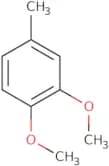
CAS:3,4-Dimethoxytoluene is a methoxylated aromatic hydrocarbon. It has the chemical formula CH3OCH2C6H4CH3. 3,4-Dimethoxytoluene is used as an intermediate in the synthesis of a variety of organic compounds including olefins, polymers, and pharmaceuticals. It can also be used to extract fatty acids from plant oils and animal fats. The extraction yield increases when using this compound as an extraction solvent. 3,4-Dimethoxytoluene is synthesized by reacting benzene with formaldehyde in the presence of a Friedel-Crafts catalyst such as aluminum chloride or zinc chloride. END>>Formula:C9H12O2Purity:Min. 95%Color and Shape:PowderMolecular weight:152.19 g/mol2,4-Dimethoxybenzoic acid
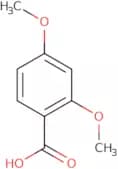
CAS:<p>2,4-Dimethoxybenzoic acid is a phenolic compound that has been shown to bind to the ferrocene carboxylate of protocatechuic acid. The resulting complex was shown to be able to react with chloride ions in an acylation reaction. The kinetic study showed that the rate of reaction increased with increasing concentration of 2,4-dimethoxybenzoic acid. The protonation of 2,4-dimethoxybenzoic acid also increases its ability to react with chloride ions. This acidic compound can also react with amines and other compounds containing nitrogen in a similar manner as acetic anhydride. Addition of alkali hydrolysis may cause the cleavage of the hydrogen bond between 2,4-dimethoxybenzoic acid and protocatechuic acid, releasing 2,4-dimethoxybenzoic acid and protocatechuic acid.</p>Formula:C9H10O4Purity:Min. 95%Color and Shape:White PowderMolecular weight:182.17 g/mol4,5-Dimethoxy-2-hydroxyacetophenone
CAS:<p>4,5-Dimethoxy-2-hydroxyacetophenone is a versatile building block that belongs to the group of complex compounds. It has been used as a reagent in organic synthesis and as a speciality chemical. This compound is also useful for the synthesis of pharmaceuticals, agricultural chemicals, and other industrial products. The high quality and usefulness of this compound make it an important intermediate for the production of other compounds. This product can be used to synthesize many different types of compounds with different properties, depending on the reaction conditions used.</p>Formula:C10H12O4Purity:Min. 95%Color and Shape:Off-White PowderMolecular weight:196.2 g/mol2,5-Dichlorobenzoic acid methyl ester
CAS:<p>2,5-Dichlorobenzoic acid methyl ester is a synthetic chemical compound that belongs to the class of aryl chlorides. It is soluble in organic solvents and can be polymerized using the vibrational method. 2,5-Dichlorobenzoic acid methyl ester has been shown to inhibit the growth of various bacteria strains by binding to sulfhydryl groups on proteins and inhibiting protein synthesis. This chemical also inhibits the uptake of sulfate ions by inhibiting the enzyme sulfate adenylyltransferase.</p>Formula:C8H6Cl2O2Purity:Min. 95%Color and Shape:PowderMolecular weight:205.04 g/mol7-Methyl-[1,2,4]triazolo[1,5-α]pyridin-6-amine
CAS:7-Methyl-[1,2,4]triazolo[1,5-α]pyridin-6-amine is an organic chemical compound that is a reaction component and useful scaffold. It is also used as a reagent in the synthesis of other compounds, such as pharmaceuticals and agrochemicals. 7-Methyl-[1,2,4]triazolo[1,5-α]pyridin-6-amine has been shown to have high purity and quality. This chemical is a versatile building block for the synthesis of complex compounds.Formula:C7H8N4Purity:Min. 95%Color and Shape:PowderMolecular weight:148.17 g/mol3,5-Dibromo-4-hydroxybenzoic acid
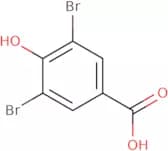
CAS:<p>3,5-Dibromo-4-hydroxybenzoic acid is a chemical that is used as a herbicide and insecticide. It inhibits the growth of plants by preventing protein synthesis in cells. 3,5-Dibromo-4-hydroxybenzoic acid has been found to be effective against bacteria such as Escherichia coli, Pseudomonas aeruginosa, and Klebsiella pneumoniae. The compound also has an inhibitory effect on the growth of industrial chemicals such as ethylene oxide and acetaldehyde. 3,5-Dibromo-4-hydroxybenzoic acid is produced from p-hydroxybenzoic acid by the action of corrin (a bacterial enzyme).</p>Formula:C7H4Br2O3Purity:Min. 98 Area-%Color and Shape:PowderMolecular weight:295.91 g/mol2',5'-Dimethylacetophenone
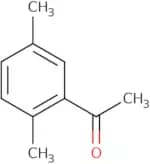
CAS:<p>2,5-Dimethylacetophenone is an alcohol with a chiral center. It is synthesized by reacting chlorinating agents with the ligand periconia, which leads to high yield and regiospecificity. The reaction system can be carried out in solvents such as diethyl ether or dichloromethane. The product is obtained as a mixture of two stereoisomers (R and S) with the R form being more abundant than the S form due to steric effects.<br>2,5-Dimethylacetophenone has been shown to react with naphthylamine in the presence of a base to give N-(2,5-dimethylphenyl)naphthalene-1,4-diamine in good yield.</p>Formula:C10H12OPurity:Min. 95%Color and Shape:Clear LiquidMolecular weight:148.2 g/mol1-{[(9H-Fluoren-9-yl)methoxy]carbonyl}-3-hydroxypiperidine-2-carboxylic acid
CAS:1-{[(9H-Fluoren-9-yl)methoxy]carbonyl}-3-hydroxypiperidine-2-carboxylic acid is a reaction component that can be used in the synthesis of a variety of chemical compounds. This product has been shown to be useful as a scaffold for the synthesis of complex compounds, and as an intermediate for the synthesis of speciality chemicals. It has also been found to have versatile building block properties and is used in the production of fine chemicals.Formula:C21H21NO5Purity:Min. 95%Color and Shape:PowderMolecular weight:367.4 g/mol2,5-Dimethoxycinnamic acid
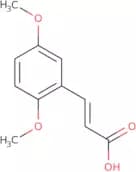
CAS:2,5-Dimethoxycinnamic acid is an unsymmetrical phenolic compound that is synthesized from caffeic acid. It has been shown to have a number of biological activities such as anti-inflammatory, coagulation, and inhibitory effects on platelet aggregation. 2,5-Dimethoxycinnamic acid has also been shown to be a potent inhibitor of platelet aggregation and thrombosis formation in vitro. This natural compound is also found in plants such as green tea leaves which contain the polyphenols epigallocatechin gallate and hydroxyanisole. The chromophore group in the molecule is responsible for the yellow color of this substance.Formula:C11H12O4Purity:Min. 95%Color and Shape:PowderMolecular weight:208.21 g/mol3,5-Dimethyl-4-nitrobenzoic acid
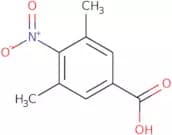
CAS:<p>3,5-Dimethyl-4-nitrobenzoic acid is a synthetic compound that has been used in the synthesis of other organic compounds. It is not currently used as a drug, but it has been shown to inhibit the growth of bacteria in vitro. The mechanism of action for this compound is unclear. 3,5-Dimethyl-4-nitrobenzoic acid has been shown to be active against the bacterium Typhimurium and may inhibit bacterial growth by being metabolised into nitrite or nitrate ions. This chemical can also be converted into a reactive intermediate that reacts with oxygen to form superoxide anion radicals, which are known to have antibacterial effects.</p>Formula:C9H9NO4Purity:Min. 95%Color and Shape:PowderMolecular weight:195.17 g/mol2-Amino-4-methyl-N-(1,3-thiazol-2-yl)pentanamide
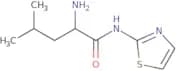
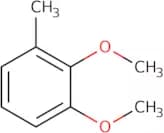
CAS:<p>Versatile small molecule scaffold</p>Formula:C9H15N3OSPurity:Min. 95%Color and Shape:PowderMolecular weight:213.3 g/mol2,3-Dimethoxytoluene
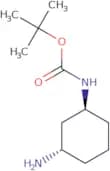
CAS:<p>2,3-Dimethoxytoluene is a chemical used in food chemistry and analytical methods. It is the product of the reaction between 2-methoxybenzaldehyde and formaldehyde. 2,3-Dimethoxytoluene is used as an intermediate for the synthesis of papaverine, a drug that has analgesic properties. This chemical also reacts with an acid to produce dimethoxytoluene, a chemical that contains two methoxy groups on opposite sides of the benzene ring.</p>Formula:C9H12O2Purity:Min. 95%Color and Shape:PowderMolecular weight:152.19 g/mol(1S,3S)-1-(Boc-amino)cyclohexan-3-amine
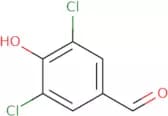
CAS:Versatile small molecule scaffoldFormula:C11H22N2O2Purity:Min. 95%Molecular weight:214.3 g/mol3,5-Dichloro-4-hydroxybenzaldehyde
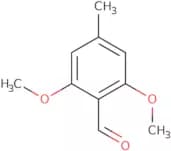
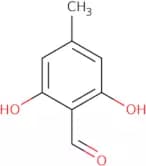
CAS:<p>3,5-Dichloro-4-hydroxybenzaldehyde is a triiodomethane derivative that reacts with chlorine to form a chlorinated aldehyde. It is used as an intermediate in the production of 4-hydroxybenzoic acid from phenylacetic acid and 4,4'-dichlorodiphenyl sulfone. 3,5-Dichloro-4-hydroxybenzaldehyde can be decarboxylated at elevated temperatures to produce formic acid. This compound has been used in wastewater treatment as it can remove chlorine byproducts and other pollutants such as nitrates, nitrites, and iron ions. The reaction kinetics of 3,5-dichloro-4-hydroxybenzaldehyde have been studied using hydroxymethyl groups and formyl groups to determine the rate of demethylation. The rates were found to be dependent on temperature.</p>Formula:C7H4Cl2O2Purity:Min. 95%Color and Shape:White PowderMolecular weight:191.01 g/mol2,6-Dimethoxy-4-methylbenzaldehyde
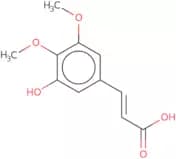
CAS:<p>2,6-Dimethoxy-4-methylbenzaldehyde (DMMB) is a useful chemical that is used as a building block in the synthesis of complex compounds. It has been shown to be an effective chemical intermediate and can be used in the synthesis of various products, such as pharmaceuticals and pesticides. DMMB can also be used to produce high quality research chemicals.</p>Formula:C10H12O3Purity:Min. 95%Color and Shape:PowderMolecular weight:180.2 g/mol3,4-Dimethoxy-5-hydroxycinnamic acid
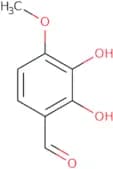
CAS:<p>3,4-Dimethoxy-5-hydroxycinnamic acid is a monoterpenoid indole alkaloid that belongs to the class of biochemical compounds. It is a promiscuous compound and can be found in many plants, such as coffee beans, black pepper, cinnamon, and thyme. 3,4-Dimethoxy-5-hydroxycinnamic acid has been shown to have antimicrobial properties against bacteria and fungi. The metabolomics study showed that this compound may also have anti-inflammatory effects. 3,4-Dimethoxy-5-hydroxycinnamic acid was shown to enhance the transcription of ferulic acid in E. coli cells. This compound was also shown to decrease the levels of transcripts for genes involved in lipid metabolism and fatty acid biosynthesis in human liver cells.</p>Formula:C11H12O5Purity:Min. 98 Area-%Color and Shape:PowderMolecular weight:224.21 g/mol2,3-Dihydroxy-4-methoxybenzaldehyde
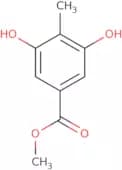
CAS:<p>2,3-Dihydroxy-4-methoxybenzaldehyde is the oxidized form of 2,3-dihydroxybenzaldehyde. It has been used in biological studies to investigate the biosynthetic pathways of reductoisomerase and analytical methods for detecting hydrogen bonds in samples. This chemical can also be found in urine samples as a metabolite of adenine nucleotide and polypeptides. The chemical has been shown to have health benefits, such as being a recombinant that helps cell culture.</p>Formula:C8H8O4Purity:Min. 95%Color and Shape:PowderMolecular weight:168.15 g/mol3,5-Dihydroxy-4-methylbenzoic acid methyl ester
CAS:<p>3,5-Dihydroxy-4-methylbenzoic acid methyl ester is a fine chemical that is used as a versatile building block in the synthesis of pharmaceuticals, agrochemicals and other chemicals. It can be used as an intermediate in the synthesis of organic compounds and research chemicals. This compound is also used as a reaction component in organic syntheses and is often found in speciality chemicals. 3,5-Dihydroxy-4-methylbenzoic acid methyl ester is soluble in most solvents and has high purity. It is a complex compound that can be used as a useful building block or reagent for many different reactions.</p>Formula:C9H10O4Purity:Min. 95%Color and Shape:PowderMolecular weight:182.17 g/mol4-(Oxolan-2-yl)butan-1-ol
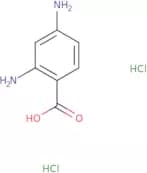
CAS:<p>Versatile small molecule scaffold</p>Formula:C8H16O2Purity:Min. 95%Color and Shape:Clear LiquidMolecular weight:144.21 g/mol2,4-Diaminobenzoic acid dihydrochloride
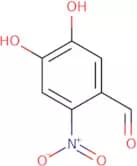
CAS:2,4-Diaminobenzoic acid dihydrochloride is a versatile building block for complex compounds. This compound can be used as a research chemical and is also a reagent and speciality chemical. 2,4-Diaminobenzoic acid dihydrochloride has been used in the synthesis of many useful compounds, including pharmaceuticals and agrochemicals. It is also an intermediate in the synthesis of some pharmaceuticals and agrochemicals. 2,4-Diaminobenzoic acid dihydrochloride can be used as a scaffold to produce new molecules that are potentially useful as drugs or other chemicals.Formula:C7H8N2O2•(HCL)2Purity:Min. 95%Color and Shape:Off-White PowderMolecular weight:225.07 g/mol3,4-Dihydroxy-6-nitrobenzaldehyde
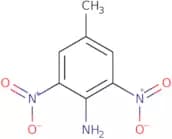
CAS:3,4-Dihydroxy-6-nitrobenzaldehyde is a nitrite that can be used to produce nitric acid. It can also be used in the synthesis of caffeic acid and protocatechuic aldehyde. This molecule is also a catalyst for the conversion of 3,4-dihydroxybenzoic acid to chloride and purine derivatives. 3,4-Dihydroxy-6-nitrobenzaldehyde is nucleophilic and can react with an electron pair donor such as methyl ester or dimerization. The product of this reaction is an unsaturated compound called hyperuricemic mice.Formula:C7H5NO5Purity:Min. 95%Color and Shape:Yellow PowderMolecular weight:183.12 g/mol2,6-Dinitro-4-methylaniline
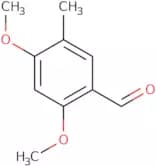
CAS:<p>2,6-Dinitro-4-methylaniline is an amide that has been shown to induce cancer in animals. It has a high affinity for nucleic acids and forms covalent bonds with DNA. 2,6-Dinitro-4-methylaniline is metabolized by the liver and excreted by the kidneys into urine, where it can be detected in urine samples. This compound has been shown to bioconcentrate in organisms and accumulate in tissues as well as activate radiation. The activation of this compound is dose dependent and may be due to its ability to form covalent bonds with DNA.</p>Formula:C7H7N3O4Purity:Min. 95%Color and Shape:PowderMolecular weight:197.15 g/mol2,4-Dimethoxy-5-methylbenzaldehyde
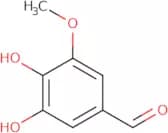
CAS:<p>2,4-Dimethoxy-5-methylbenzaldehyde is an aryl aldehyde that can be synthesized from 2,4-dimethoxyphenol and methyl benzoate. It can also be produced by condensation of benzaldehyde with chloroform in the presence of zinc chloride. This compound is used in the production of various pharmaceuticals, including antihistamines, antidepressants, and antipsychotics.</p>Formula:C10H12O3Purity:Min. 95%Color and Shape:PowderMolecular weight:180.2 g/mol3,4-Dihydroxy-5-methoxybenzaldehyde
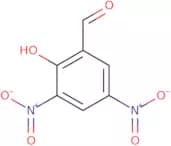
CAS:<p>3,4-Dihydroxy-5-methoxybenzaldehyde is a synthetic compound that has shown to have inhibitory effects on the replication of DNA and RNA. It also inhibits the growth of bacteria in culture by binding to the nucleic acid. The chemical structure of 3,4-Dihydroxy-5-methoxybenzaldehyde is similar to that of bisbenzylisoquinoline alkaloids, which are found in plants such as opium poppy. This similarity may explain its ability to inhibit bacterial growth. 3,4-Dihydroxy-5-methoxybenzaldehyde may be used as a drug candidate for treating bacterial infections.</p>Formula:C8H8O4Purity:Min. 95%Color and Shape:PowderMolecular weight:168.15 g/mol3,5-Dinitrosalicylaldehyde
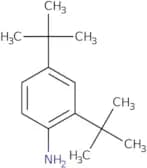
CAS:<p>3,5-Dinitrosalicylaldehyde is an oxidizing agent that is used in organic chemistry to produce aldehydes or carboxylic acids. It reacts with the amino groups of lysine residues and converts them to nitro groups. 3,5-Dinitrosalicylaldehyde is also used as a reagent in the determination of the number of lysine residues in proteins by titration with hydrochloric acid. The reaction mechanism of 3,5-dinitrosalicylaldehyde involves formation of an electron deficient intermediate that oxidizes chloride ions to form water molecules and chloride radicals. These intermediates react with nitro groups on lysine residues, resulting in nitro compounds. Crystallography studies have shown that the molecular structure of 3,5-dinitrosalicylaldehyde has two nitro groups and one hydroxyl group.</p>Formula:C7H4N2O6Purity:Min. 95%Color and Shape:Yellow PowderMolecular weight:212.12 g/mol2,4-di-tert-Butylaniline hydrochloride
CAS:<p>The reaction mechanism of 2,4-di-tert-butylaniline hydrochloride is the alkylation of anilines with protonated tert-butyl chloride. This reaction proceeds by a substitution process in which one or more hydrogen atoms are replaced by the substituent. The selectivity of this reaction depends on the parameters and conditions used to carry it out. The reaction can be carried out under autogenous conditions or with the addition of a catalyst such as nickel (Ni), palladium (Pd) or platinum (Pt). The product obtained can be modified by changing the catalyst, solvent, temperature, pressure and other parameters. Reaction kinetics is affected by additives such as water, alcohols and acids that may be added during the reaction process. The size and shape of nanoparticles can also affect kinetic properties.<br>2,4-di-tert-Butylaniline hydrochloride has been shown to have high activity for organic synthesis in hom</p>Formula:C14H24ClNPurity:Min. 95%Color and Shape:White PowderMolecular weight:241.8 g/molOrcinol monohydrate
CAS:<p>Orcinol monohydrate is a high quality chemical that can be used as a reagent, complex compound, or useful intermediate in the synthesis of fine chemicals. It is also an important building block in the synthesis of other compounds. This product has CAS No. 6153-39-5 and is classified as a speciality chemical. It is also a versatile building block that can be used as a reaction component in organic syntheses.</p>Formula:C7H10O3Molecular weight:142.16 g/mol(2,5-Dichlorophenyl)acetone
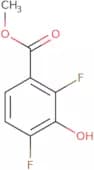
CAS:(2,5-Dichlorophenyl)acetone is a chemical compound that is used as a reaction component in the synthesis of other compounds. It can be used as a reagent in the preparation of high quality research chemicals, speciality chemicals and fine chemicals. It is also used as an intermediate in the synthesis of complex compounds. (2,5-Dichlorophenyl)acetone has CAS number 102052-40-4.Formula:C9H8Cl2OPurity:Min. 95%Color and Shape:PowderMolecular weight:203.06 g/mol2,4-Difluoro-3-hydroxybenzoic acid methyl ester
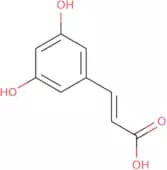
CAS:<p>2,4-Difluoro-3-hydroxybenzoic acid methyl ester is a fine chemical that is used as a versatile building block for research chemicals and other complex compounds. It can be used as a reaction component in the synthesis of new chemical entities or as a reagent for organic chemistry reactions. 2,4-Difluoro-3-hydroxybenzoic acid methyl ester has CAS No. 194804-80-3 and is available in high quality.</p>Formula:C8H6F2O3Purity:Min. 95%Color and Shape:PowderMolecular weight:188.13 g/mol3,5-Dihydroxycinnamic acid
CAS:<p>3,5-Dihydroxycinnamic acid is a metabolite of the amino acid tyrosine and an intermediate in the biosynthesis of phenylalanine. It has been shown to have anti-inflammatory properties that may be due to its ability to inhibit prostaglandin synthesis. 3,5-Dihydroxycinnamic acid has also been identified as a carcinogen and is associated with an increased risk of cancer in women. 3,5-Dihydroxycinnamic acid is found in urine samples at concentrations between 2 and 10 µmol/L.</p>Formula:C9H8O4Purity:Min. 98 Area-%Color and Shape:PowderMolecular weight:180.16 g/mol2,5-Difluoro-3-methylbenzoic acid methyl ester
CAS:<p>2,5-Difluoro-3-methylbenzoic acid methyl ester is a high quality, complex compound that can be used as a versatile building block in synthesis. It acts as a reagent and can be used as a research chemical. 2,5-Difluoro-3-methylbenzoic acid methyl ester is an intermediate in the production of other chemicals and can also be used as a reaction component or useful scaffold.</p>Formula:C9H8F2O2Purity:Min. 95%Color and Shape:PowderMolecular weight:186.16 g/mol2,4-Dihydroxy-3-methylbenzoic acid
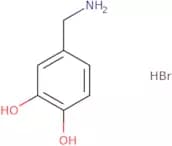
CAS:<p>2,4-Dihydroxy-3-methylbenzoic acid (2,4-DMB) is a potent compound that has been shown to have chemotherapeutic properties. It is a DNA repair agent that also inhibits the activity of topoisomerase II and DNA polymerase III. 2,4-DMB can be used in the treatment of radiation and ionizing radiation induced cancers. The pharmacophore of 2,4-DMB has been identified as being composed of three hydrophobic regions and one hydrophilic region. This pharmacophore has been used to design other potent compounds with similar activity against cancer cells.</p>Formula:C8H8O4Purity:Min. 95%Color and Shape:PowderMolecular weight:168.15 g/mol3,4-Dihydroxybenzylamine hydrobromide
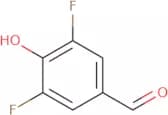
CAS:<p>3,4-Dihydroxybenzylamine hydrobromide is a chemical that reacts with hydrogen peroxide to produce light. It is used as a nutrient for the chemiluminescent reaction in a nutrient solution to detect dopamine, chlorogenic acids, and trifluoroacetic acid. 3,4-Dihydroxybenzylamine hydrobromide can also be used as an analytical method for the measurement of cortisol concentration in plasma and saliva samples. This chemical analogically reacts with monoamine neurotransmitters such as dopamine and gamma-aminobutyric acid (GABA) to form fluorescent probes. 3,4-Dihydroxybenzylamine hydrobromide is not toxic or mutagenic and has been shown to be safe for use in humans.</p>Formula:C7H10BrNO2Purity:Min. 95%Color and Shape:PowderMolecular weight:220.06 g/mol3,5-Difluoro-4-hydroxybenzaldehyde
CAS:<p>3,5-Difluoro-4-hydroxybenzaldehyde is a biochemical that belongs to the group of anticancer agents. It is activated by hydroxyl radicals and inhibits cancer cells. 3,5-Difluoro-4-hydroxybenzaldehyde inhibits protein synthesis in the cell by binding to messenger RNA and preventing its translation into protein. This compound also has inhibitory properties against DNA polymerase, which prevents DNA replication and transcription. 3,5-Difluoro-4-hydroxybenzaldehyde can be used as a template for oligodeoxynucleotides (ODN) to enhance photochemical properties.</p>Formula:C7H4F2O2Purity:Min. 95%Color and Shape:Off-White PowderMolecular weight:158.1 g/molAtranol
CAS:<p>Atranol is a phenolic compound that is found in plants such as the leaves of the white willow tree. It has been shown to have anti-inflammatory properties and is being researched for its potential use in treatment of inflammatory bowel disease. Atranol has been shown to inhibit the production of inflammatory cytokines such as tumor necrosis factor-α (TNF-α) and interleukin-1β (IL-1β), which are key mediators of inflammation, by inhibiting NFκB activation. The reaction mechanism for atranol's inhibition of IL-1β production involves atranol binding with the cystein residue on IκB kinase β, which prevents phosphorylation and thus activation.</p>Formula:C8H8O3Purity:Min. 95%Color and Shape:Brown Yellow PowderMolecular weight:152.15 g/mol2-(Dimethylphosphoryl)-2-hydroxyacetic acid
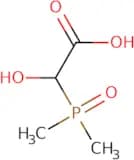
CAS:<p>2-(Dimethylphosphoryl)-2-hydroxyacetic acid (DMPPA) is a herbicide that inhibits acetaldehyde dehydrogenase, an enzyme in the biochemical pathway of acetaldehyde biosynthesis. DMPPA does not have any effect on glutamate and l-threonine metabolism or on the formation of diketones. The target enzyme is activated by the addition of glyphosate to the leaves. DMPPA is used for diagnosis of velvetleaf (Abutilon theophrasti), which is a weed found in corn fields in North America. The chemical can be applied as a foliar spray or as a soil application, with many different formulations available. The chemical has been shown to be effective against graminaceous weeds such as barnyardgrass (Echinochloa crusgalli) and crabgrass (Digitaria spp.).</p>Formula:C4H9O4PPurity:Min. 95%Molecular weight:152.09 g/mol2,5-Dimethylbenzaldehyde
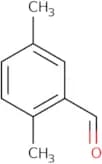
CAS:<p>2,5-Dimethylbenzaldehyde is a chemical that is used in the synthesis of various compounds. It has been shown to have anticancer and energy metabolism properties. 2,5-Dimethylbenzaldehyde can be used as an energy source in the mitochondria. This compound also prevents the formation of fatty acids by inhibiting the conversion of acetyl-CoA into malonyl-CoA. The phase transition temperature for 2,5-dimethylbenzaldehyde is approximately −20 °C. The reaction mechanism for this compound is not well understood, but it has been shown to react with piperonal to form 3,4-dimethylbenzyl alcohol and methyl ethyl ether, which are both carcinogenic compounds. Chemical ionization mass spectrometry experiments have shown that protonated 2,5-dimethylbenzaldehyde reacts with methane gas to form methyl ethane and hydrogen gas. Thermodynamic data suggest that 2,5-dimethyl</p>Formula:C9H10OPurity:Min. 98.0 Area-%Color and Shape:Slightly Yellow Clear LiquidMolecular weight:134.18 g/mol2-Phenylethanimidamide hydrochloride
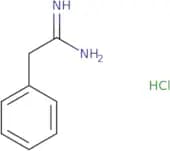
CAS:<p>2-Phenylethanimidamide hydrochloride is a chemical compound that is used as an insecticide and acaricide. It is a derivative of benzonitrile, which contains a chlorine atom. 2-Phenylethanimidamide hydrochloride is typically sprayed on plants to control pests such as mites, aphids, and beetles. This product can be mixed with other chemicals that help it stay on the plant for longer periods of time. The use of 2-phenylethanimidamide hydrochloride does not pose any health risks to humans or animals when use according to the directions on the label.</p>Formula:C8H10N2•HClPurity:Min. 95%Color and Shape:PowderMolecular weight:170.64 g/mol2,4-Dihydroxy-6-pentylbenzoic acid
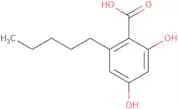
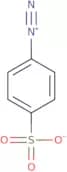
CAS:<p>An intermediate in the phytocannabinoid biosynthetic pathway.</p>Formula:C12H16O4Purity:Min. 98 Area-%Color and Shape:PowderMolecular weight:224.25 g/mol4-Diazobenzenesulfonic acid - moistened with water (H2O~50%)
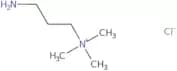
CAS:<p>4-Diazobenzenesulfonic acid is a reagent used for the determination of phenols, amines and, bilirubin. It also has extensive usage as a protein-modifying reagent. This is because it reacts with a wide variety of functional groups in proteins including: tyrosine, histidine, amino, and thiol residues. It is known to react with proteins located on the exterior of erythrocytes; additionally, it has been used to study chloroplast and mitochondrial membranes.</p>Formula:C6H4N2O3SPurity:Min. 95%Color and Shape:PowderMolecular weight:184.17 g/mol(3-Aminopropyl)trimethylazanium chloride
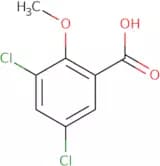
CAS:(3-Aminopropyl)trimethylazanium chloride is a fine chemical that is used as a building block and reagent in the synthesis of various organic compounds. It has been shown to be useful for reactions involving nucleophilic aromatic substitution, radical addition, and cycloaddition reactions. (3-Aminopropyl)trimethylazanium chloride has also been shown to be an effective intermediate in the synthesis of various pharmaceuticals. The CAS number is 19223-69-9.Formula:C6H17ClN2Purity:Min. 95%Color and Shape:PowderMolecular weight:152.66 g/mol3,5-Dichloro-2-methoxybenzoic acid
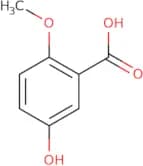
CAS:<p>3,5-Dichloro-2-methoxybenzoic acid (3,5-DMB) is a diphenyl ether with a pharmacokinetic half-life of about 3 hours. It has two isomers: the cis and trans forms. The cis isomer is more active than the trans form. The cis isomer has been shown to be effective in treatments for amine oxidase inhibitors and short-chain fatty acids. It also has growth regulator properties that are used in treatments for psoriasis and acne. 3,5-DMB inhibits bacterial growth by binding to the enzyme dioxygenase, which catalyzes the conversion of 4-hydroxybenzoic acid into 4-hydroxyphenylpyruvic acid; this prevents the production of catecholamines and subsequent cell proliferation. This drug binds to apical membranes in the intestine by attaching to sulfhydryl groups on proteins involved in transport processes, preventing uptake</p>Formula:C8H6Cl2O3Purity:Min. 95%Color and Shape:White PowderMolecular weight:221.04 g/mol5-Hydroxy-2-methoxybenzoic acid
CAS:<p>Apigenin is a flavonoid found in plants of the genus Labiatae, such as chamomile and feverfew. It is a potent anti-inflammatory agent that may be due to its ability to inhibit cyclooxygenase (COX) enzymes and subsequent production of proinflammatory prostaglandins, leukotrienes, and thromboxanes. Apigenin has also been shown to inhibit cancer cell growth by binding to DNA and inhibiting transcription. Apigenin is chemically stable at room temperature and has been used in techniques such as liquid chromatography-mass spectrometry (LC-MS).</p>Formula:C8H8O4Purity:Min. 95%Color and Shape:PowderMolecular weight:168.14 g/mol3-[4-(Difluoromethoxy)phenyl]propanenitrile
CAS:Versatile small molecule scaffoldFormula:C10H9F2NOPurity:Min. 95%Color and Shape:PowderMolecular weight:197.18 g/mol




![7-Methyl-[1,2,4]triazolo[1,5-α]pyridin-6-amine](/_next/image/?url=https%3A%2Fstatic.cymitquimica.com%2Fproducts%2F3D%2Fthumb-webp%2FXLD46650.webp&w=3840&q=75)
![1-{[(9H-Fluoren-9-yl)methoxy]carbonyl}-3-hydroxypiperidine-2-carboxylic acid](/_next/image/?url=https%3A%2Fstatic.cymitquimica.com%2Fproducts%2F3D%2Fthumb-webp%2FSMA38434.webp&w=3840&q=75)




![3-[4-(Difluoromethoxy)phenyl]propanenitrile](/_next/image/?url=https%3A%2Fstatic.cymitquimica.com%2Fproducts%2F3D%2Fthumb-webp%2FHSB67627.webp&w=3840&q=75)