Building Blocks
This section contains fundamental products for the synthesis of organic and biological compounds. Building blocks are the essential starting materials used to construct complex molecules through various chemical reactions. They play a critical role in drug discovery, material science, and chemical research. At CymitQuimica, we offer a diverse range of high-quality building blocks to support your innovative research and industrial projects, ensuring you have the essential components for successful synthesis.
Subcategories of "Building Blocks"
- Boronic Acids & Boronic Acid Derivatives(5,778 products)
- Chiral Building Blocks(1,243 products)
- Hydrocarbon Building Blocks(6,098 products)
- Organic Building Blocks(61,057 products)
Found 200716 products of "Building Blocks"
Sort by
Purity (%)
0
100
|
0
|
50
|
90
|
95
|
100
2-Ethynylbenzoic acid
CAS:2-Ethynylbenzoic acid is an organic compound with a carboxylic acid functional group. It is an efficient method for the synthesis of amides from primary and secondary alcohols in the presence of a chloride donor, such as thionyl chloride. The reaction system is typically carried out in an organic solvent, such as dichloromethane or chloroform. The reaction mechanism proceeds by protonation of the alkene followed by nucleophilic attack by the amine on the carbonyl carbon atom. This step forms a tetrahedral intermediate that tautomerizes to give a furyl intermediate. The furyl intermediate then undergoes oxidative carbonylation to form 2-ethynylbenzaldehyde, which reacts with the amine to form 2-ethynylbenzoic acid. In this process, stereoselectivity can be achieved by using an acceptor that favors one enantiomer of 2-ethynylbenzaldehydeFormula:C9H6O2Purity:Min. 95%Color and Shape:Yellow solid.Molecular weight:146.14 g/mol2,4,6-Trimethoxybenzaldehyde
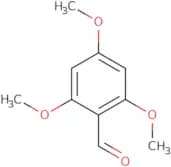
CAS:<p>2,4,6-Trimethoxybenzaldehyde is a chemical compound that is used as an intermediate in organic chemistry. It has been shown to have antiviral effects on influenza A virus by inhibiting the enzyme neuraminidase. This inhibition prevents the release of viruses from infected cells and thus prevents viral replication. 2,4,6-Trimethoxybenzaldehyde also inhibits the growth of cancer cells in vitro and has minimal toxicity to normal cells. This chemical has been shown to inhibit the reaction mechanism of proton pumps in mammalian cells, which may be due to its ability to inhibit p2y receptors or nitrogen atoms. 2,4,6-Trimethoxybenzaldehyde can also be used as a solvent for pharmaceutical preparations and as a reagent in x-ray diffraction data analysis.</p>Formula:C10H12O4Purity:Min. 95%Color and Shape:PowderMolecular weight:196.2 g/molEthyl indole-3-acetate
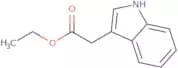
CAS:<p>Ethyl indole-3-acetate (EIA) is a compound that inhibits the growth of certain cancer cells. It belongs to the group of acyl halides. EIA inhibits the synthesis of nucleic acids, proteins and other macromolecules by the cancer cells. It has been shown to be effective in reducing the size of tumors in mice with prostate and breast cancer. This compound also inhibits enzymes such as abscisic acid oxidase, which is responsible for converting abscisic acid into reactive oxygen species. EIA has been shown to have hemolytic activity in human lung tissue, but not ovules or human erythrocytes. This may be due to its ability to inhibit hormone production and cause an increase in progesterone levels.</p>Formula:C12H13NO2Purity:Min. 95%Color and Shape:PowderMolecular weight:203.24 g/molN-Methyl-4-(1,3-thiazol-2-yl)aniline
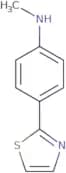
CAS:<p>Versatile small molecule scaffold</p>Formula:C10H10N2SPurity:Min. 95%Color and Shape:PowderMolecular weight:190.27 g/mol3-(3-(But-3-yn-1-yl)-3H-diazirin-3-yl)propanoic acid
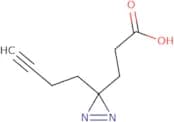
CAS:3-(3-(But-3-yn-1-yl)-3H-diazirin-3-yl)propanoic acid (BDPA) is a reagent that is used as a starting material or intermediate for the synthesis of pharmaceuticals and other chemical compounds. This compound has been shown to be an excellent scaffold for the synthesis of complex structures, such as peptides and natural products. BDPA is also a versatile building block for organic syntheses, which can be used in reactions with other chemicals to form new compounds. Research chemicals such as BDPA are not approved by the FDA, so they should only be handled and used by professionals.Formula:C8H10N2O2Purity:Min. 95%Color and Shape:PowderMolecular weight:166.18 g/mol3,5,6-Trichlorosalicylic acid
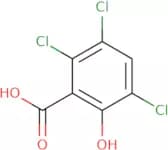
CAS:<p>3,5,6-Trichlorosalicylic acid binds to the active site of bacterial 5-nitrosalicylic acid reductase and inhibits its activity. It is an inhibitor of proton-translocating ATPases. 3,5,6-Trichlorosalicylic acid has been shown to be effective against a variety of bacteria at low concentrations. 3,5,6-Trichlorosalicylic acid has also been shown to inhibit some physiological activities such as the light emission and chemiluminescent reaction of luciferin in fireflies. This chemical reacts with chloride ions to produce light.</p>Formula:C7H3Cl3O3Purity:Min. 95%Color and Shape:PowderMolecular weight:241.46 g/mol9-Ethylguanine
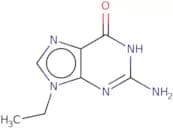
CAS:9-Ethylguanine is a protonated guanine derivative that has significant cytotoxicity. It is an analog of the natural nucleobase guanosine and is structurally similar to the group P2 purine base, hypoxanthine. 9-Ethylguanine specifically binds with nitrogen atoms in DNA, forming hydrogen bonds with adjacent bases. The compound has low potency and therefore must be administered at high doses for it to be effective. 9-Ethylguanine has been shown to have anticancer activity against cervical cancer cells in cell cultures, but no biological studies have been conducted on other cancer types.Formula:C7H9N5OPurity:Min. 95%Color and Shape:PowderMolecular weight:179.18 g/mol2-Ethoxybenzoic acid
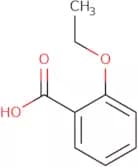
CAS:<p>Component in some dental cements</p>Formula:C9H10O3Purity:Min. 99.0 Area-%Color and Shape:Colorless Clear LiquidMolecular weight:166.17 g/mol3-Ethoxy-1,2,4-dithiazolidine-5-one
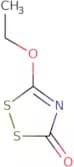
CAS:<p>3-Ethoxy-1,2,4-dithiazolidine-5-one (3ED) is a small molecule that has been shown to have potent antitumor activity against multiple tumor types. It is a selective inhibitor of epidermal growth factor receptor (EGFR) that can be used in combination with chemotherapy or radiation therapy. 3ED has also been shown to inhibit the growth of bladder cancer cells and cervical cancer cells by affecting the EGFR pathway. In addition, 3ED inhibits the proliferation of human urothelial carcinoma cells through its inhibition of the EGFR pathway and can be used as an adjuvant treatment for patients with nonmetastatic bladder cancer and patients with locally advanced or metastatic urothelial carcinoma. 3ED also inhibits creatine kinase, which is an enzyme important in maintaining the health of the detrusor muscle in the urinary bladder and could potentially be used to treat overactive bladder disease.</p>Formula:C4H5NO2S2Purity:Min. 97 Area-%Color and Shape:Yellow PowderMolecular weight:163.22 g/mol5-Ethylthio-1H-tetrazole - Conductivity < 30 uS/cm
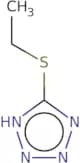
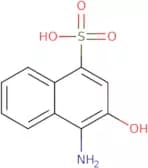
CAS:5-Ethylthio-1H-tetrazole is an angiogenic inhibitor. It has been shown to inhibit the TLR2 and TLR4 pathways by binding to toll-like receptor-inhibitory proteins, which results in the inhibition of the intracellular signaling cascade. This compound also inhibits the expression of inflammatory cytokines and chemokines that are involved in bowel disease. 5-Ethylthio-1H-tetrazole has been shown to be a potent activator of PPARγ, which is a nuclear receptor that regulates the expression of genes important for lipid metabolism and cell proliferation. 5-Ethylthio-1H-tetrazole has also been shown to have antiinflammatory activity through inhibition of cyclooxygenase 2 (COX2) enzyme activity.Formula:C3H6N4SColor and Shape:White PowderMolecular weight:130.17 g/mol1-Amino-2-naphthol-4-sulfonic acid
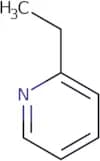
CAS:<p>1-Amino-2-naphthol-4-sulfonic acid is a fluorescent dye that belongs to the class of naphtholsulfonates. It has been shown to react with protonated hydroxyl groups, which are present in the matrix, and form an electrochemical impedance spectrum. The fluorescence of tryptophan can be used as a probe to detect the presence of 1-amino-2-naphthol-4-sulfonic acid in a solution. This reaction mechanism suggests that adsorption is the dominating process for 1-amino-2-naphthol-4-sulfonic acid.</p>Formula:C10H9NO4SColor and Shape:PowderMolecular weight:239.25 g/mol2-Ethylpyridine
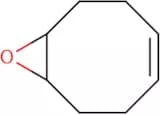
CAS:2-Ethylpyridine is a chemical compound that can be derived from sodium succinate, 2-ethylpyridine, and trifluoroacetic acid. It has been shown to have biological properties such as the inhibition of mitochondrial membrane potential, which is the driving force for ATP synthesis in mitochondria. This drug also inhibits the production of hydrogen peroxide and nitric oxide by reacting with hydrochloric acid or nitrogen atoms. 2-Ethylpyridine can be used as a solid catalyst for reactions involving hydrogen bond formation or intermolecular hydrogen bond formation. 2-Ethylpyridine reacts with protocatechuic acid to form an intramolecular hydrogen bond and a group p2 type of reaction mechanism.Formula:C7H9NPurity:Min. 95%Color and Shape:Colorless Clear LiquidMolecular weight:107.15 g/mol1,2-Epoxy-5-cyclooctene
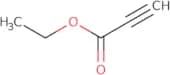
CAS:<p>1,2-Epoxy-5-cyclooctene is a cyclic epoxide that undergoes ring opening with the addition of a nucleophile. This reaction is catalyzed by a bromonium ion, which acts as the electrophile. The product of this reaction is 2-hydroxy-1,2-epoxycyclohexane. 1,2-Epoxy-5-cyclooctene has been used in synthesizing various compounds such as monoepoxides and hydrosilanes. It can also be used to produce compounds that are difficult to access through other methods. 1,2-Epoxy-5-cyclooctene has been studied using x-ray crystallography and conformational analysis.</p>Formula:C8H12OPurity:Min. 98 Area-%Color and Shape:Clear LiquidMolecular weight:124.18 g/molEthyl propiolate
CAS:<p>Ethyl propiolate is a halide that is structurally related to the alkylating agent trifluoroacetic acid. Ethyl propiolate inhibits the activity of several enzymes including phosphofructokinase and pyruvate kinase, which are important for energy metabolism in cells. It also has been shown to have beneficial effects on autoimmune diseases such as lupus erythematosus. The mechanism of action of ethyl propiolate is due to its ability to react with activated oxygen and form an intramolecular hydrogen bond with carbon atoms in the substrate molecule. The reaction between ethyl propiolate and diethyl ketomalonate results in the formation of diethyl 2-propiolate, which can then be hydrolyzed by water into acetaldehyde and diethyl ketomalonate.</p>Formula:C5H6O2Purity:Min. 98 Area-%Color and Shape:Colorless Clear LiquidMolecular weight:98.1 g/mol1,2-Phenylenedimethanamine dihydrochloride
CAS:1,2-Phenylenedimethanamine dihydrochloride is a colorless to white crystalline solid that is soluble in diethyl ether, ethyl acetate and methanol. It is insoluble in water and most organic solvents. 1,2-Phenylenedimethanamine dihydrochloride is used as a reagent for the preparation of primary amines from alkyl halides. This chemical has been shown to be stable in air and remains unchanged when heated at 100°C. Synonyms include: 2-Amino-1,2-phenylene dichloride; 2-Amino-1,2-diphenylethane dichloride; 2-[(1,2)-Phenylenebis(amino)]dichloroethene; 2-[(1,2)-Phenylenebis(amino)]dichloroethene; and PhenFormula:C8H14Cl2N2Purity:Min. 95%Color and Shape:PowderMolecular weight:209.12 g/mol2-Amino-5-iodobenzoic acid
CAS:<p>2-Amino-5-iodobenzoic acid (5-AIBA) is a chemical compound with a molecular weight of 152.14 g/mol. It belongs to the group of anthranilic compounds, and has antiinflammatory activity. 5-AIBA also inhibits cancer cell proliferation in vitro and in vivo by inhibiting the synthesis of DNA, RNA, and proteins. The reaction solution for the palladium-catalyzed coupling of 5-AIBA with 2-(N,N′-dimethylcarbamoyl)phenyl boronic acid was found to be stable at room temperature for 24 hours. The inhibitory activity of 5-AIBA against MCL1 protein was potent, as it inhibited MCL1 protein expression by 90%. Molecular modeling studies showed that 5-AIBA binds to the amide region on the ATP binding site in MCL1 protein (mcf7). Carbonyl groups are present on both sides of the am</p>Formula:C7H6INO2Purity:Min. 98 Area-%Color and Shape:PowderMolecular weight:263.03 g/mol2-Aminoethanethiol
CAS:<p>2-Aminoethanethiol is a bitartrate salt of cysteamine. It inhibits the growth of bacteria by inhibiting the synthesis of the bacterial cell wall, which is required for bacterial replication and division. 2-Aminoethanethiol has been shown to be effective in experimental models of cystinosis and cystamine. 2-Aminoethanethiol has also been used as an antidote to cyanide poisoning.</p>Formula:C2H7NSColor and Shape:White Off-White PowderMolecular weight:77.15 g/mol4-Amino-6-bromoindole
CAS:4-Amino-6-bromoindole is a potent and selective antagonist of the 5-HT6 receptor, which is a subtype of serotonin receptor. It has been shown to bind with high affinity to this receptor in both rat and human brain tissue. 4-Amino-6-bromoindole has been synthesised by medicinal chemistry methods and has been shown to block the effects of scopolamine in animal models. 4-Amino-6-bromoindole has also shown promise as a potential treatment for schizophrenia, depression, anxiety disorders, and other psychiatric disorders.Formula:C8H7BrN2Purity:Min. 90%Molecular weight:211.06 g/mol4-Acetamidobenzaldehyde
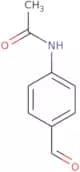
CAS:<p>4-Acetamidobenzaldehyde is an organic compound that has been shown to exhibit inhibitory effects on influenza virus replication in cell culture. 4-Acetamidobenzaldehyde is a dihedral molecule with a p2 group and can be synthesized from benzaldehyde and acetamide. It has also been shown to have potential use in the treatment of tuberculosis. The biological properties of 4-acetamidobenzaldehyde are not well understood, but it is thought that uptake may occur through the imine nitrogen. This molecule has been detected in tissue samples such as lung, liver, and kidney.</p>Formula:C9H9NO2Purity:Min. 95%Color and Shape:PowderMolecular weight:163.17 g/mol4-Amino-3-methoxybenzoic acid
CAS:<p>4-Amino-3-methoxybenzoic acid is an inhibitor of the enzyme hydroxylase. It has been shown to inhibit cancer cell growth in nanomolar concentrations and may be a potential anti-cancer drug candidate. 4-Amino-3-methoxybenzoic acid inhibits the production of 3-methoxy-4-nitrobenzoic acid, which is an intermediate in the biosynthesis of cyclic peptides. This compound also has potent inhibitory activity against active enzymes involved in the biosynthesis of 3-methoxy-4-nitrobenzoic acid, such as hydroxylases, nitroreductases, and methyltransferases.</p>Formula:C8H9NO3Purity:Min. 95%Color and Shape:PowderMolecular weight:167.16 g/mol4-(Acetylamino)phenetole
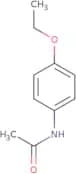
CAS:<p>4-(Acetylamino)phenetole is a drug that belongs to the class of nonsteroidal anti-inflammatory drugs. It is a reactive, toxic chemical that has been shown to inhibit ATP binding cassette transporter (ABC) proteins and can be used for treatment of pain. 4-(Acetylamino)phenetole inhibits cellular energy metabolism by inhibiting an enzyme in the electron transport chain, which prevents the formation of reactive oxygen species necessary for cell growth. 4-(Acetylamino)phenetole also binds to DNA and reduces the transcriptional activity of certain genes. This drug has been found to show cytotoxicity in solid tumours and can be used as a chemotherapeutic agent.</p>Formula:C10H13NO2Purity:Min. 95%Color and Shape:White PowderMolecular weight:179.22 g/mol5-Amino-1-[2,6-dichloro-4-(trifluoromethyl)phenyl]-4-[(trifluoromethyl)sulfinyl]-1H-pyrazole-3-carbonitrile
CAS:<p>5-Amino-1-[2,6-dichloro-4-(trifluoromethyl)phenyl]-4-[(trifluoromethyl)sulfinyl]-1H-pyrazole-3-carbonitrile (TCFP), also known as CX-546, is a photosynthetic activity enhancer that inhibits oxidative injury to chloroplasts. TCFP is a pyrazole ring with a sulfinyl group and a chlorine atom. TCFP has been shown to have no genotoxic or carcinogenic potential in vitro and in vivo studies. TCFP is not active against infectious diseases. TCFP can be used as an analytical reagent for the detection of cytochrome P450 activities in human serum.</p>Formula:C12H4Cl2F6N4OSPurity:Min. 95%Color and Shape:PowderMolecular weight:437.15 g/mol2-Amino-3-(furan-3-yl)propanoic acid hydrochloride
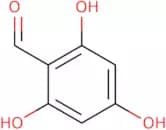
CAS:<p>Please enquire for more information about 2-Amino-3-(furan-3-yl)propanoic acid hydrochloride including the price, delivery time and more detailed product information at the technical inquiry form on this page</p>Formula:C7H9NO3•HClPurity:Min. 95%Color and Shape:PowderMolecular weight:191.61 g/mol2,4,6-Trihydroxybenzaldehyde
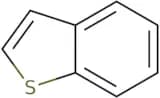
CAS:<p>2,4,6-Trihydroxybenzaldehyde is a polymerase chain inhibitor that blocks the synthesis of DNA and RNA. It has been shown to have significant cytotoxicity in vitro and has been used as an antimicrobial agent to inhibit the growth of bacteria. 2,4,6-Trihydroxybenzaldehyde also inhibits tetracycline resistance in Mycobacterium tuberculosis (Mtb) by inhibiting the production of proteins vital for bacterial cell division. This compound is structurally related to naturally occurring compounds such as anthocyanins and it has been shown to have inhibitory properties on mitochondrial membrane potential, which may be due to its ability to inhibit protein synthesis and induce apoptosis. The analytical methods used for this compound are thin layer chromatography and high performance liquid chromatography.</p>Formula:C7H6O4Purity:Min. 98 Area-%Color and Shape:PowderMolecular weight:154.12 g/molThianaphthene
CAS:Used in raloxifene synthesis and preparation of 2-thianapthenylphenyllithiumFormula:C8H6SPurity:Min. 94 Area-%Color and Shape:Brown White Yellow PowderMolecular weight:134.2 g/mol2-Thiophenecarboxylic acid hydrazide
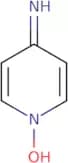
CAS:<p>2-Thiophenecarboxylic acid hydrazide is a potent antifungal agent that inhibits the growth of bacteria by binding to the cell membrane. It has been shown to be an effective inhibitor of Candida albicans, as well as other fungi, including Saccharomyces cerevisiae and Aspergillus niger. 2-Thiophenecarboxylic acid hydrazide binds to the cell membrane by forming stable complexes with nitrogen atoms in the bacterial cell wall. This binding prevents the formation of an antibiotic-inhibitor complex with enzymes required for protein synthesis, resulting in inhibition of protein synthesis and cell division. 2-Thiophenecarboxylic acid hydrazide also inhibits epidermal growth factor (EGF) activity in vitro, which may be due to its ability to form amide bonds with α1-acid glycoprotein.</p>Formula:C5H6N2OSPurity:Min. 98 Area-%Color and Shape:White PowderMolecular weight:142.18 g/mol4-Aminopyridine N-oxide
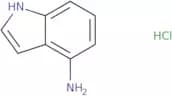
CAS:<p>4-Aminopyridine N-oxide is a white, crystalline solid that is soluble in water and alcohol. It has a molecular weight of 128.2 and formula weight of 135.2. 4-Aminopyridine N-oxide reacts with acid solutions to produce nitrous acid and ammonia gas. The rate of the reaction depends on the concentration of aminopyridine and aniline, as well as the pH of the solution. The acetylation, diazotisation, and kinetics have also been studied extensively for this compound. Nitrous acid can react with amides to form azulene, which can then react with amines to form a molecule containing nitrogen, oxygen, carbon, hydrogen and one other element or compound from each group (e.g., NHCOCH). This reaction is reversible when solvents are present.br> 4-Aminopyridine N-oxide may be used as a precursor for other organic</p>Formula:C5H6N2OPurity:Min. 95%Color and Shape:Slightly Yellow PowderMolecular weight:110.11 g/mol4-Aminoindole hydrochloride
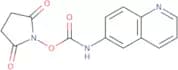
CAS:<p>4-Aminoindole hydrochloride is a white crystalline solid that can be used as a versatile building block in organic synthesis. It is also used as an intermediate in the production of various pharmaceuticals and other chemical compounds. 4-Aminoindole hydrochloride is soluble in most polar solvents, but insoluble in ethers and oils. This compound is also a useful reagent for the conversion of nitrobenzenes to aminobenzoic acids. CAS Number 174854-93-4</p>Formula:C8H9ClN2Purity:Min. 95%Color and Shape:PowderMolecular weight:168.62 g/mol6-Aminoquinolyl-N-hydroxysuccinimidyl carbamate, particle size < 0.25 mm
CAS:6-Aminoquinolyl-N-hydroxysuccinimidylcarbamate reacts rapidly with amino acids to form stable urea derivatives. The use of fluorescence detection techniques allows quantification of amines at pmol levels. 6-Aminoquinolyl-N-hydroxysuccinimidylcarbamate was used in a study to derivatize glycated amino acids with the purpose of developing chromatographic assays for their quantification. Glycation of proteins initially gives rise to early glycation adducts, then progresses to advanced glycation end-products, which are markers for conditions such as diabetes, cataracts, uraemia and Alzheimer's disease. We also offer the product FA36291.Formula:C14H11N3O4Color and Shape:PowderMolecular weight:285.25 g/mol1-Adamantanecarboxylic acid methyl ester
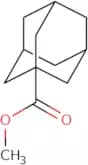
CAS:1-Adamantanecarboxylic acid methyl ester is a specialized chemical compound, classified as an ester derivative from the adamantane structure. It is sourced through the esterification of 1-adamantanecarboxylic acid, often involving methanol as a reagent under catalyzed conditions. The compound's mode of action is primarily as an intermediate in organic synthesis, where it enables the introduction of adamantyl groups into target molecules, influencing molecular structure with its bulky, rigid framework.This ester derivative finds extensive application in the realm of synthetic organic chemistry. It serves as a crucial intermediate in the development of complex organic materials and pharmaceuticals, where the adamantane moiety is required to confer specific steric and electronic properties. The incorporation of adamantane from 1-adamantanecarboxylic acid methyl ester can enhance the thermal stability, lipophilicity, and rigidity of the resultant compounds, making it invaluable for researchers focused on material sciences and drug development. Its versatile reactivity and robust structure make it a sought-after compound for advancing chemical research and innovation.Formula:C12H18O2Purity:Min. 98%Color and Shape:White PowderMolecular weight:194.27 g/mol2-(Aminomethyl)benzamide hydrochloride
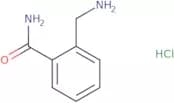
CAS:2-(Aminomethyl)benzamide hydrochloride is a research chemical with high quality and versatile building block properties. It is a useful intermediate in the synthesis of complex compounds, and can be used as a reagent for the production of speciality chemicals. 2-(Aminomethyl)benzamide hydrochloride is also an important reaction component in the synthesis of some fine chemicals, such as pharmaceuticals, dyes, pesticides, and perfumes. 2-(Aminomethyl)benzamide hydrochloride has CAS No. 1187927-15-6 and can be purchased from chemical suppliers worldwide.Formula:C8H10N2O·HClPurity:Min. 95%Color and Shape:White PowderMolecular weight:186.64 g/mol4-Amino-3-nitroacetophenone
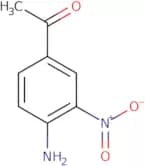
CAS:<p>4-Amino-3-nitroacetophenone is a ketone that is synthesized by the reaction of acetophenone and nitric acid. It has been used as a precursor in the production of dyes, pharmaceuticals, and explosives. The conversion of 4-amino-3-nitroacetophenone to 2,4,6-trinitrophenol is catalyzed by aluminium powder or activated charcoal. This reagent converts the amide group to an amine group by reacting with water in the presence of oxygen. Diethyl ether can be used as a solvent for this reaction.</p>Formula:C8H8N2O3Purity:Min. 95%Color and Shape:Orange PowderMolecular weight:180.16 g/mol2,4,6-Trimethylbromobenzene
CAS:<p>2,4,6-Trimethylbromobenzene is a chemical compound with the molecular formula C7H8Br3. It is synthesized by the reaction of 2,4,6-trimethylaniline and bromine in the presence of a base such as potassium carbonate or sodium hydroxide. The synthesis can be carried out with or without solvent. When heated at reflux in toluene, it undergoes an electrophilic substitution reaction with chloroform to form 2-chloro-6-methylbenzene. 2,4,6-Trimethylbromobenzene can also be synthesized by reacting 1,3-dibromopropane with hydroquinone and dibutyltin dichloride in the presence of a strong acid catalyst. The light emission from this compound appears as a yellow color in solution. The molecule has three asymmetric centers: two on the benz</p>Formula:C9H11BrPurity:80%Color and Shape:Clear LiquidMolecular weight:199.09 g/mol1,3,5-Trimethoxybenzene
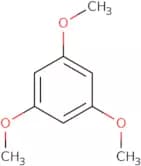
CAS:<p>1,3,5-Trimethoxybenzene is used for the analysis of drugs in human serum and as a precursor to pharmaceuticals. It is also used as a reagent in organic synthesis. Trimethyl 1,3,5-trimethoxybenzene reacts with nitrite ion to produce an unstable intermediate that undergoes hydrolysis to form trifluoroacetic acid and hydrogen gas. The reaction mechanism involves an intramolecular hydrogen transfer from the hydroxyl group of the methoxy benzene ring to the methyl group on carbon 3. This leads to formation of a highly reactive trimethyl cation that abstracts hydrogen from water or hydroxyl groups on nearby molecules and eventually undergoes hydrolysis to produce trifluoroacetic acid and hydrogen gas.</p>Formula:C9H12O3Purity:Min. 98.5%Color and Shape:White PowderMolecular weight:168.19 g/mol1,2,4-Triazole-3-carboxylic acid
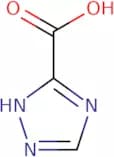
CAS:<p>1,2,4-Triazole-3-carboxylic acid is a functional group that has been studied extensively in supramolecular chemistry for its ability to form a variety of tautomers. 1,2,4-Triazole-3-carboxylic acid can also be used to synthesize heterocycles and polymers. It has been shown to inhibit the reaction vessel of influenza virus by binding with the carboxylate groups on the viral surface. The functional group's nitrogen atoms are responsible for this type of inhibition by forming hydrogen bonds with the carboxylate groups. This type of inhibition is reversible because it is caused by an acid catalyst that can be regenerated. The vibrational spectra of 1,2,4-triazole-3-carboxylic acid have been determined using FTIR spectroscopy. The dominant vibrations are found in the region corresponding to 1028 cm−1 and 784 cm−1</p>Formula:C3H3N3O2Purity:Min. 95%Color and Shape:White PowderMolecular weight:113.07 g/molN10-(Trifluoroacetyl)pteroic acid
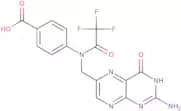
CAS:<p>Pteroic acid is a ligand that binds to cholanic receptors in the cell membrane and induces the uptake of ethylene. This process is receptor-mediated and can be inhibited by folic and hydrophobic molecules, such as N10-(Trifluoroacetyl)pteroic acid. Pteroic acid is an important precursor of folic acid, which plays an important role in DNA synthesis and amino acid metabolism. Pteroic acid also has a hydrophobic nature that facilitates its binding to cells through hydrophobic interactions.</p>Formula:C16H11F3N6O4Purity:Min. 95 Area-%Color and Shape:White PowderMolecular weight:408.29 g/molTaurine
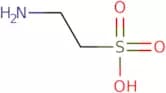
CAS:<p>Taurine is an amino acid that is found in the body and plays a number of different roles, including in biochemical composition, energy metabolism, and cell signaling. Taurine has been shown to be effective for the treatment of bowel disease and can be used as a reaction solution. It has also been shown to increase mitochondrial membrane potential and prevent cellular death in 3T3-L1 preadipocytes. Taurine inhibits growth factor-β1, which may be responsible for the inhibition of cellular proliferation and apoptosis induction. Taurine also decreases tubulointerstitial injury by increasing the synthesis of collagen type II and decreasing the production of reactive oxygen species. Taurine may play a role in reversing neuronal death through its interactions with intracellular targets such as tubulin.</p>Formula:C2H7NO3SColor and Shape:PowderMolecular weight:125.15 g/mol4-Toluenesulfonyl chloride
CAS:<p>4-Toluenesulfonyl chloride is a tosylate that reacts with amines and n-oxide groups to form sulfonamides. It is used as an antimicrobial agent and as an irreversible enzyme inhibitor. 4-Toluenesulfonyl chloride inhibits enzymes in the bowel, which may be due to its ability to form a disulfide bond with cysteine residues. This compound has been shown to have anti-cancer properties in vitro, where it inhibited the growth of carcinoma cells by inhibiting DNA synthesis. 4-Toluenesulfonyl chloride also has inhibitory properties against nitrogen atoms, which are found in the active site of many enzymes.</p>Formula:C7H7ClO2SPurity:Min. 95%Color and Shape:White Clear LiquidMolecular weight:190.65 g/mol1,1,3,3-Tetramethylbutyl isocyanide
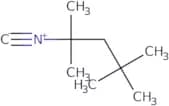
CAS:<p>1,1,3,3-Tetramethylbutyl isocyanide (TMBC) is a palladium complex that has been used in palladium-catalyzed coupling reactions. TMBC is also a ligand for the synthesis of β-amino acid and can be used to form hydrogen bonds with nucleophiles. It has been used in biological studies as well as clinical diagnostics. The solid-phase synthesis of TMBC has been shown to be an efficient method for producing this compound. In addition, TMBC shows stereoselective reactivity with amines and methoxy groups. The nmr spectra of TMBC are characteristic of a carbonyl group at δ 3.20 ppm and two methyl groups at δ 1.36 and 1.37 ppm respectively.</p>Formula:C9H17NPurity:Min. 98%Color and Shape:Clear LiquidMolecular weight:139.24 g/molTrifluoromethanesulfonic anhydride
CAS:Trifluoromethanesulfonic anhydride is more frequently known as triflic anhydride, since it derives from triflic acid. It is a versatile and strong electrophile used to insert the triflyl group (represented as Tf-) into chemical molecules (Ouyang, 2018). For example, trifluoromethane sulfonic anhydride interacts with some alkylsulfides to form stable salts that are used in the oxidation of alcohols. Moreover, trifluoromethane sulfonic anhydride has successfully shown high activity as a promoter in glycosylation reactions to obtain disaccharides (Tatai, 2007).Formula:C2F6O5S2Purity:Min. 95%Color and Shape:Colorless Slightly Brown Clear LiquidMolecular weight:282.14 g/mol3-(1-Methyl-1H-pyrazol-3-yl)benzoic acid
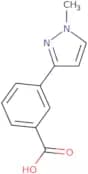
CAS:<p>3-(1-Methyl-1H-pyrazol-3-yl)benzoic acid is a chemical compound with the molecular formula C5H5NO2. It is a research chemical that has not yet been fully characterized and its potential uses have not yet been determined. 3-(1-Methyl-1H-pyrazol-3-yl)benzoic acid is used as an intermediate in the synthesis of other compounds, including pharmaceuticals and pesticides. This compound has the potential to be used as a building block for complex compounds, or as a reagent in various reactions.</p>Formula:C11H10N2O2Purity:Min. 95%Color and Shape:PowderMolecular weight:202.21 g/mol2-(2,3-Difluoro-4-methoxyphenyl)-4,4,5,5-tetramethyl-1,3,2-dioxaborolane
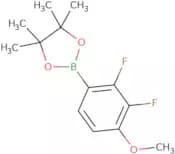
CAS:<p>Versatile small molecule scaffold</p>Formula:C13H17BF2O3Purity:Min. 95%Color and Shape:PowderMolecular weight:270.08 g/mol2,2,2-Trifluoroethanol
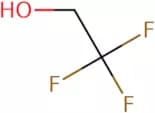
CAS:<p>2,2,2-Trifluoroethanol is a trifluoroacetic acid analogue that has been shown to be an effective antimicrobial agent. It binds to the active site of the enzyme enoyl reductase, inhibiting the synthesis of fatty acids and disrupting cell membrane function. 2,2,2-Trifluoroethanol has also been shown to have anti-inflammatory effects. The drug binds to human serum albumin and inhibits hydrogen peroxide release from neutrophils. This complexation with albumin prevents the release of hydroxyl radicals that are generated in response to oxidative stress. Intramolecular hydrogen bonding between 2,2,2-trifluoroethanol molecules may also contribute to its activity as a natural drug.</p>Formula:C2H3F3OPurity:Min. 95%Color and Shape:Clear LiquidMolecular weight:100.04 g/mol1H,4H,6H,7H-Pyrano[4,3-b]pyrrole-2-carboxylic acid
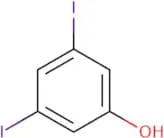
CAS:<p>1H,4H,6H,7H-Pyrano[4,3-b]pyrrole-2-carboxylic acid is a fine chemical that is used as a versatile building block in the synthesis of complex compounds. It can be used as a reagent or speciality chemical for research purposes and has been shown to be useful for the synthesis of high quality building blocks and scaffolds for organic molecules. The CAS No. 1263083-03-9 is 1263083-03-9 and it's molecular formula is C11H10N2O3.</p>Formula:C8H9NO3Purity:Min. 95%Color and Shape:PowderMolecular weight:167.16 g/mol3,5-Diiodophenol
CAS:<p>Versatile small molecule scaffold</p>Formula:C6H4I2OPurity:Min. 95%Molecular weight:345.9 g/molBicyclo[2.1.1]hexane-1-carboxylic acid
CAS:Versatile small molecule scaffoldFormula:C7H10O2Purity:Min. 95%Molecular weight:126.15 g/mol(1S,3S,5S)-2-Azabicyclo[3.1.0]hexane-3-carboxylic Acid
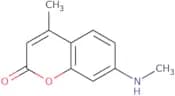
CAS:(1S,3S,5S)-2-Azabicyclo[3.1.0]hexane-3-carboxylic Acid is a crystalline compound in the form of a white solid with a melting point of 210°C and a molecular weight of 164.09 g/mol. It has been used to stabilize the helical conformation of l-proline and proline, which are amino acids that have been shown to inhibit the conformational changes in proteins that may lead to protein misfolding and aggregation. (1S,3S,5S)-2-Azabicyclo[3.1.0]hexane-3-carboxylic Acid also has structural properties that make it suitable for x-ray crystallography experiments as well as structural studies with dichroism or tetrameric techniques.Formula:C6H9NO2Purity:Min. 95%Molecular weight:127.14 g/mol4-Methyl-7-(methylamino)-2H-chromen-2-one
CAS:4-Methyl-7-(methylamino)-2H-chromen-2-one is a fine chemical that is used as a building block in the synthesis of other compounds. It has been used in research as a reagent and in the production of pharmaceuticals. 4-Methyl-7-(methylamino)-2H-chromen-2-one can be used to produce a variety of complex compounds, including those with versatile scaffolds. This compound has been shown to react with many different groups, such as alcohols, amines and thiols, which makes it an excellent intermediate for organic synthesis.Formula:C11H11NO2Purity:Min. 95%Color and Shape:PowderMolecular weight:189.21 g/mol2-Methyl-2-phenylsuccinimide
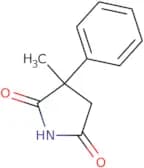
CAS:<p>2-Methyl-2-phenylsuccinimide is a synthetic cannabinoid that has been found in urine samples. It is not known whether 2-methyl-2-phenylsuccinimide has any psychoactive effects. Phensuximide, a drug that is used to treat epilepsy, has been shown to interact with 2-methyl-2-phenylsuccinimide and other drugs. 5HT7 receptor agonists are thought to be involved in the treatment of depression and anxiety. The terminal half-life of 2-methyl-2-phenylsuccinimide is unknown at this time, but it may be shorter than that of phensuximide. Clinical studies have shown that carbamazepine and enzyme inducing antiepileptic drugs can decrease the concentration of 2-methyl-2-phenylsuccinimide in the blood. Chromatography techniques have been used to detect 2 methyl -2 phenyl</p>Formula:C11H11NO2Purity:Min. 95%Molecular weight:189.21 g/mol5-Bromofuran-2-sulfonamide
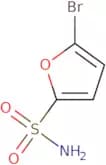
CAS:<p>Versatile small molecule scaffold</p>Formula:C4H4BrNO3SPurity:Min. 95%Color and Shape:PowderMolecular weight:226.05 g/mol





![5-Amino-1-[2,6-dichloro-4-(trifluoromethyl)phenyl]-4-[(trifluoromethyl)sulfinyl]-1H-pyrazole-3-car…](/_next/image/?url=https%3A%2Fstatic.cymitquimica.com%2Fproducts%2F3D%2Fthumb-webp%2FFA23290.webp&w=3840&q=75)




![1H,4H,6H,7H-Pyrano[4,3-b]pyrrole-2-carboxylic acid](/_next/image/?url=https%3A%2Fstatic.cymitquimica.com%2Fproducts%2F3D%2Fthumb-webp%2FNAC08303.webp&w=3840&q=75)
![Bicyclo[2.1.1]hexane-1-carboxylic acid](/_next/image/?url=https%3A%2Fstatic.cymitquimica.com%2Fproducts%2F3D%2Fthumb-webp%2FPCA72577.webp&w=3840&q=75)
![(1S,3S,5S)-2-Azabicyclo[3.1.0]hexane-3-carboxylic Acid](/_next/image/?url=https%3A%2Fstatic.cymitquimica.com%2Fproducts%2F3D%2Fthumb-webp%2FPIA19313.webp&w=3840&q=75)