Building Blocks
This section contains fundamental products for the synthesis of organic and biological compounds. Building blocks are the essential starting materials used to construct complex molecules through various chemical reactions. They play a critical role in drug discovery, material science, and chemical research. At CymitQuimica, we offer a diverse range of high-quality building blocks to support your innovative research and industrial projects, ensuring you have the essential components for successful synthesis.
Subcategories of "Building Blocks"
- Boronic Acids & Boronic Acid Derivatives(5,756 products)
- Chiral Building Blocks(1,242 products)
- Hydrocarbon Building Blocks(6,095 products)
- Organic Building Blocks(61,051 products)
Found 199813 products of "Building Blocks"
Sort by
Purity (%)
0
100
|
0
|
50
|
90
|
95
|
100
4-Hydrazinothieno[2,3-d]pyrimidine
CAS:<p>4-Hydrazinothieno[2,3-d]pyrimidine is an anti-cancer drug that is activated by xylene. It is used in the treatment of bowel disease and cancer. 4-Hydrazinothieno[2,3-d]pyrimidine has been shown to have antibacterial properties against Gram-positive bacteria and may be effective as a topical agent for skin infections. This drug also has platelet activating properties, which are mediated through the p2y12 receptor. This receptor is involved in inflammatory bowel disease, as well as other tissues such as the brain and heart. 4-Hydrazinothieno[2,3-d]pyrimidine may be useful in treating cancer because it inhibits the production of TNF-α (tumour necrosis factor alpha) which leads to tumor growth inhibition.</p>Formula:C6H6N4SPurity:Min. 95%Molecular weight:166.2 g/mol2-(5-Amino-3-phenylpyrazol-1-yl)ethanol
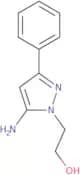
CAS:<p>2-(5-Amino-3-phenylpyrazol-1-yl)ethanol is a chemical compound that is used in the preparation of mezlocillin, an antibiotic medicine. It is also used as a raw material for the production of ampicillin sodium by crystallization with sodium hydroxide. 2-(5-Amino-3-phenylpyrazol-1-yl)ethanol has been shown to inhibit bacterial growth by binding to penicillin binding proteins, which prevents the formation of an antibiotic inhibitor complex with enzymes involved in cell wall synthesis, inhibiting protein synthesis and cell division.</p>Formula:C11H13N3OPurity:Min. 95%Molecular weight:203.25 g/molN-(2-Aminoethyl)-3-bromoaniline
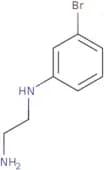
CAS:<p>Versatile small molecule scaffold</p>Formula:C8H11BrN2Purity:Min. 95%Molecular weight:215.09 g/mol1-[3-(Trifluoromethyl)phenyl]imidazolidin-2-one
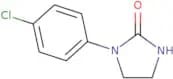
CAS:<p>Versatile small molecule scaffold</p>Formula:C10H9F3N2OPurity:Min. 95%Molecular weight:230.19 g/mol1-(4-chlorophenyl)imidazolidin-2-one
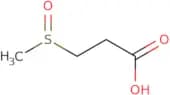
CAS:<p>Versatile small molecule scaffold</p>Formula:C9H9N2OClPurity:Min. 95%Molecular weight:196.63 g/mol3-Methanesulfinylpropanoic acid
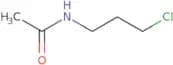
CAS:<p>Versatile small molecule scaffold</p>Formula:C4H8O3SPurity:Min. 95%Molecular weight:136.17 g/molN-(3-Chloropropyl)acetamide
CAS:<p>Versatile small molecule scaffold</p>Formula:C5H10ClNOPurity:Min. 95%Molecular weight:135.59 g/mol2-Methylbenzyl mercaptan
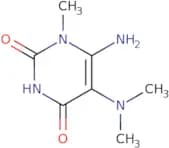
CAS:<p>2-Methylbenzyl mercaptan is a heterocyclic compound that is found in the sulfoxides and azides classes. It can be synthesized by treating 2-methylbenzaldehyde with trifluoromethanesulfonic acid or trifluoroacetic acid. The chloride yields are high and the reaction is catalysed by aluminum chloride, triethylamine, or zinc chloride. This compound can be converted to a bioconjugate through ring-opening reactions with carboxyamide groups, which are present on proteins in mammalian cells. The bioconjugate can then be used as a fluorescent probe to detect the presence of specific proteins in living cells.</p>Formula:C8H10SPurity:Min. 95%Molecular weight:138.23 g/mol6-Amino-5-(dimethylamino)-1-methyl-1,2,3,4-tetrahydropyrimidine-2,4-dione
CAS:<p>Versatile small molecule scaffold</p>Formula:C7H12N4O2Purity:Min. 95%Molecular weight:184.2 g/mol1,3-Diphenylpropan-1-ol
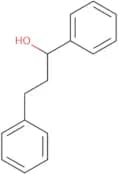
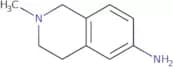
CAS:1,3-Diphenylpropan-1-ol is a benzyl alcohol derivative. It is a white solid that can be used as a dehydrogenation agent for the synthesis of chalcone derivatives. It has been used as an intermediate in the synthesis of other organic compounds and has been detected in the reaction solution by thin layer chromatography. 1,3-Diphenylpropan-1-ol is also involved in the catalytic transfer of acetylacetonate to benzaldehyde or benzoic acid. The resulting anion can be neutralized with hydrochloric acid to produce benzyl alcohol or reacted with sodium hydroxide to produce dihydrochalcone.Formula:C15H16OPurity:Min. 95%Molecular weight:212.29 g/mol2-Methyl-1,2,3,4-tetrahydroisoquinolin-6-amine
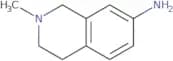
CAS:<p>Versatile small molecule scaffold</p>Formula:C10H14N2Purity:Min. 95%Molecular weight:162.23 g/mol2-Methyl-1,2,3,4-tetrahydroisoquinolin-7-amine
CAS:<p>Versatile small molecule scaffold</p>Formula:C10H14N2Purity:Min. 95%Molecular weight:162.23 g/molN-benzylsulfamide
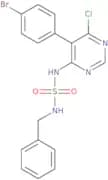
CAS:<p>N-benzylsulfamide is a synthetic cannabinoid derivative that is activated by hydrochloric acid in the stomach. It is an agonist of the cannabinoid receptor, which is found in the brain and nervous system. N-benzylsulfamide has been shown to produce muscle relaxation by increasing potassium efflux from muscle cells and decreasing calcium influx, leading to decreased contractions. N-benzylsulfamide has also been shown to have anti-inflammatory effects. It inhibits prostaglandin synthesis by inhibiting cyclooxygenase activity, thus reducing inflammation. The molecule also binds to benzodiazepine receptors and can be used as a treatment for seizures or convulsions.</p>Formula:C7H10N2O2SPurity:Min. 95%Molecular weight:186.23 g/molN-Benzyl-N-ethylaminosulfonamide
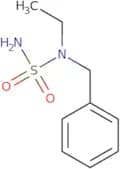
CAS:<p>Versatile small molecule scaffold</p>Formula:C9H14N2O2SPurity:Min. 95%Molecular weight:214.29 g/mol3-Amino-3,4-dihydro-2H-1-benzopyran-4-one hydrochloride
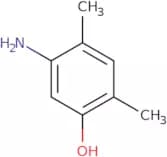
CAS:<p>Versatile small molecule scaffold</p>Formula:C9H10ClNO2Purity:Min. 95%Molecular weight:199.63 g/mol5-Amino-2,4-dimethylphenol
CAS:<p>Versatile small molecule scaffold</p>Formula:C8H11NOPurity:Min. 95%Molecular weight:137.18 g/mol2-Sulfanylidene-1,3-diazaspiro[4.4]nonan-4-one
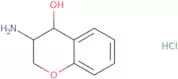
CAS:<p>Versatile small molecule scaffold</p>Formula:C7H10N2OSPurity:Min. 95%Molecular weight:170.23 g/mol3-Amino-3,4-dihydro-2H-1-benzopyran-4-ol hydrochloride
CAS:<p>Versatile small molecule scaffold</p>Formula:C9H12ClNO2Purity:Min. 95%Molecular weight:201.65 g/mol3,5-Dichloro-4-[2-(dimethylamino)ethoxy]aniline
CAS:Controlled Product<p>Versatile small molecule scaffold</p>Formula:C10H14Cl2N2OPurity:Min. 95%Molecular weight:249.13 g/mol1-Cyclopropyl-2-phenylethan-1-one
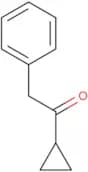
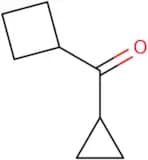
CAS:<p>1-Cyclopropyl-2-phenylethan-1-one is a synthetic compound that can be obtained by the ring opening of an epoxide. It has two carbonyl groups, two aldehyde groups, and one fluorine atom. This molecule can be synthesized in high yields and has been shown to react with nucleophiles due to its electrophilic nature. 1-Cyclopropyl-2-phenylethan-1-one reacts with chlorine atoms or chlorine ions to form 1-(chloromethyl)cyclopropane or 1-(chloromethyl)cyclobutane respectively. The regiospecificity of this reaction is determined by the stereochemistry of the cyclopropane ring.</p>Formula:C11H12OPurity:Min. 95%Molecular weight:160.21 g/molCyclobutyl(cyclopropyl)methanone
CAS:<p>Versatile small molecule scaffold</p>Formula:C8H12OPurity:Min. 95%Molecular weight:124.18 g/mol2,3,3,3-Tetrafluoropropan-1-amine hydrochloride
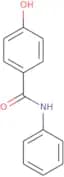
CAS:<p>Versatile small molecule scaffold</p>Formula:C3H6ClF4NPurity:Min. 95%Molecular weight:167.5 g/mol4-Hydroxy-N-phenylbenzamide
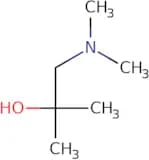
CAS:<p>4-Hydroxy-N-phenylbenzamide is an organic solvent that is used as a potentiator in hexane. This compound has been shown to have potentiating effects on the solubility and volatility of hexane, which are important for industrial applications. 4-Hydroxy-N-phenylbenzamide also has carcinogenic properties, which may be due to its ability to induce DNA transfer reactions with nitro groups or due to its ability to react with chloride ions in the presence of human colon carcinoma cells. The carcinogenic effects of this compound are not limited to humans; it also induces cancerous transformation in mice. Impurities found in this compound include 5-hydroxytryptamine (serotonin) and carboxyamide (NH2CONH2).</p>Formula:C13H11NO2Purity:Min. 95%Molecular weight:213.23 g/mol1-(Dimethylamino)-2-methylpropan-2-ol
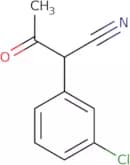
CAS:<p>Versatile small molecule scaffold</p>Formula:C6H15NOPurity:Min. 95%Molecular weight:117.19 g/mol2-(3-Chlorophenyl)-3-oxobutanenitrile
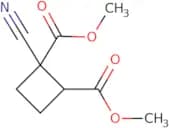
CAS:<p>Versatile small molecule scaffold</p>Formula:C10H8ClNOPurity:Min. 95%Molecular weight:193.63 g/mol1,2-Dimethyl 1-cyanocyclobutane-1,2-dicarboxylate
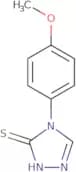
CAS:<p>Versatile small molecule scaffold</p>Formula:C9H11NO4Purity:Min. 95%Molecular weight:197.19 g/mol4-(4-Methoxyphenyl)-4H-1,2,4-triazole-3-thiol
CAS:<p>Versatile small molecule scaffold</p>Formula:C9H9N3OSPurity:Min. 95%Molecular weight:207.25 g/mol3-Phenyl-2-sulfanylidene-1H,2H,3H,4H-pyrido[2,3-d]pyrimidin-4-one
CAS:<p>Versatile small molecule scaffold</p>Formula:C13H9N3OSPurity:Min. 95%Molecular weight:255.3 g/mol2-Phenyl-2,3-dihydropyridazin-3-one
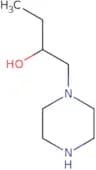
CAS:<p>2-Phenyl-2,3-dihydropyridazin-3-one is a natural product that has been found in the human liver. It is also an organic solvent that is used in pest control to kill insects and spiders. 2-Phenyl-2,3-dihydropyridazin-3-one is a model system for studying cancer, as it has been shown to induce tumor formation in animals. It is also active against cervical cancer cells at low concentrations and induces apoptosis at high concentrations. This compound can be used as a potential therapeutic agent for the treatment of cancer in humans.</p>Formula:C10H8N2OPurity:Min. 95%Molecular weight:172.18 g/mol1-(Piperazin-1-yl)butan-2-ol
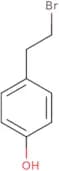
CAS:<p>Versatile small molecule scaffold</p>Formula:C8H18N2OPurity:Min. 95%Molecular weight:158.24 g/mol4-(2-Bromoethyl)phenol
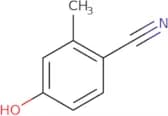
CAS:<p>4-(2-Bromoethyl)phenol is a synthetic substance that has been shown to have antinociceptive properties. It is an organic compound that is used in the synthesis of other substances. 4-(2-Bromoethyl)phenol has been shown to inhibit the growth of cancer cells, and it inhibits the production of microalgal lipids and proteins. This substance also has inhibitory properties against copper chromite (CuCrO4) oxidation and can be used as a biodegradable additive for oil paints or lacquers. 4-(2-Bromoethyl)phenol can also be used as an active substance in therapeutic drugs for the treatment of pain or cancer.</p>Formula:C8H9BrOPurity:Min. 95%Molecular weight:201.06 g/mol4-hydroxy-2-methylbenzonitrile
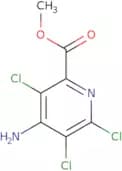
CAS:Versatile small molecule scaffoldFormula:C7H7N3Purity:Min. 95%Molecular weight:133.15 g/molMethyl 4-amino-3,5,6-trichloropicolinate
CAS:<p>Methyl 4-amino-3,5,6-trichloropicolinate (MTAP) is a synthetic compound that inhibits fatty acid transport. It was found to have potent antiviral activity against HIV and it has been used as a topical treatment for herpes. MTAP inhibits the biosynthesis of fatty acids by inhibiting the enzyme phospholipase A2. This inhibition prevents the hydrolysis of phospholipids into free fatty acids and glycerides. MTAP also has been shown to be a potent inhibitor of human leukemia cells in culture and is under investigation for its potential use in cancer treatment.</p>Formula:C7H5Cl3N2O2Purity:Min. 95%Molecular weight:255.49 g/molN-Methylquinolin-8-amine
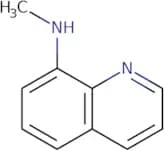
CAS:<p>N-Methylquinolin-8-amine (NMQ) is a cytosolic calcium ionophore, which is a drug target for the treatment of HIV infections. NMQ binds to the cytosolic calcium channels and potently inhibits the release of this ion from the cells. It also has stereoselective binding to phenyl groups and terminal alkynes. This drug has been shown to have anti-cancer properties in vitro and in vivo, as well as chemokine inhibition. The synthesis of NMQ was achieved by reacting aniline with chloroacetaldehyde followed by quinolinoyl chloride and then methylation with methyl iodide.</p>Formula:C10H10N2Purity:Min. 95%Molecular weight:158.2 g/mol4,4-Diethylpiperidine-2,6-dione
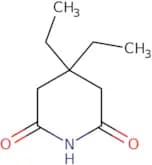
CAS:<p>Versatile small molecule scaffold</p>Formula:C9H15NO2Purity:Min. 95%Molecular weight:169.22 g/mol4-Phenylpiperidine-2,6-dione
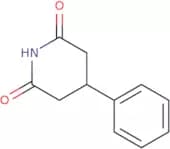
CAS:<p>4-Phenylpiperidine-2,6-dione is a pharmacological agent that binds to the lipoprotein receptor, which is found on the surface of cells. It has been shown to reduce serum lipid levels in animals by decreasing the synthesis of cholesterol and triglycerides. 4-Phenylpiperidine-2,6-dione has also been shown to inhibit the activity of chylomicrons and very low density lipoproteins (VLDL) by reducing their production or increasing their catabolism. The affinity of 4-phenylpiperidine-2,6-dione for chylomicrons and VLDLs can be measured using assay methods such as ELISA or Western blot analysis.</p>Formula:C11H11NO2Purity:Min. 95%Molecular weight:189.21 g/mol4-Methyl-4-phenylpiperidine-2,6-dione
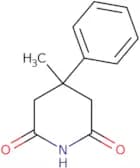
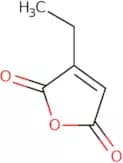
CAS:<p>Versatile small molecule scaffold</p>Formula:C12H13NO2Purity:Min. 95%Molecular weight:203.24 g/mol3-Ethyl-2,5-dihydrofuran-2,5-dione
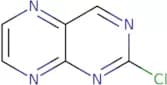
CAS:<p>3-Ethyl-2,5-dihydrofuran-2,5-dione is a phenylsiloxane that has been synthesized by the reaction of 2,5-diiodohexene with ethyl 2,3-epoxypropanoate. It is soluble in organic solvents and has been used as an antibacterial agent. 3-Ethyl-2,5-dihydrofuran-2,5-dione is also used as a coating material with excellent barrier properties and good resistance to water. This compound can be modified to produce reactive silanes or silicon polymers.</p>Formula:C6H6O3Purity:Min. 95%Molecular weight:126.11 g/mol2-Chloropteridine
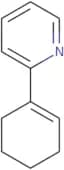
CAS:<p>2-Chloropteridine is a surfactant that has been shown to have antibacterial, antifungal, and antiviral activities. This compound is a triethyl orthoformate derivative of 2-chloro-1,3-dimethylhydrazine. It has been shown to have antimicrobial activity against gram positive bacteria such as methicillin resistant Staphylococcus aureus (MRSA) and Acinetobacter baumannii. 2-Chloropteridine also inhibits the production of TNF-α in macrophages by suppressing the transcription of NF-κB. This molecule can be used as a fluorescent probe for nucleic acid hybridization studies. It can also be used in an electroluminescent device or an ethyl orthoformate based light emitting diode (LED).</p>Formula:C6H3ClN4Purity:Min. 95%Molecular weight:166.57 g/mol2-(Cyclohex-1-en-1-yl)pyridine
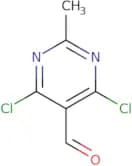
CAS:<p>2-(Cyclohex-1-en-1-yl)pyridine (CXEP) is a synthetic precursor in the synthesis of aminopyridines. CXEP has been used as a reagent for the synthesis of pyrimidine compounds, and it has been proposed as a possible antibacterial agent. This compound reacts with alcohols to form cyclohexene derivatives that have antibacterial properties. It can also be used as an acceptor in mechanistic studies or to connect two molecules together.</p>Formula:C11H13NPurity:Min. 95%Molecular weight:159.23 g/mol4,6-Dichloro-2-methylpyrimidine-5-carbaldehyde
CAS:<p>Versatile small molecule scaffold</p>Formula:C6H4Cl2N2OPurity:Min. 95%Molecular weight:191.01 g/mol4-Chloro-6-(dimethylamino)pyrimidine-5-carbaldehyde
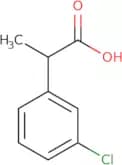
CAS:<p>Versatile small molecule scaffold</p>Formula:C7H8ClN3OPurity:Min. 95%Molecular weight:185.61 g/mol2-(3-Chlorophenyl)propanoic acid
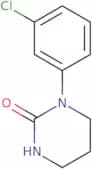
CAS:<p>2-(3-Chlorophenyl)propanoic acid is a surfactant that is soluble in water. It has been shown to be an effective reactant in the liquid phase of a reaction system. The molecular structure of 2-(3-Chlorophenyl)propanoic acid has been determined by optical and nuclear magnetic resonance spectroscopy. Its chemical formula is C8H10ClO2, with a molecular weight of 228.19 g/mol. It can be hydrolyzed by lipases, which are enzymes that catalyze the hydrolysis of ester bonds in lipids and other organic compounds. The reaction was monitored by high-performance liquid chromatography (HPLC). 2-(3-Chlorophenyl)propanoic acid is used as an intermediate in the production of polymers, plastics, and pharmaceuticals.</p>Formula:C9H9ClO2Purity:Min. 95%Molecular weight:184.62 g/mol1-(3-Chlorophenyl)tetrahydropyrimidin-2(1H)-one
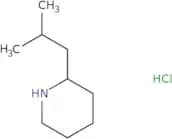
CAS:<p>Versatile small molecule scaffold</p>Formula:C10H11ClN2OPurity:Min. 95%Molecular weight:210.66 g/mol2-(2-Methylpropyl)piperidine hydrochloride
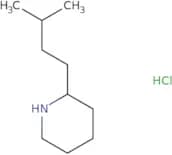
CAS:<p>Versatile small molecule scaffold</p>Formula:C9H20ClNPurity:Min. 95%Molecular weight:177.71 g/mol2-(3-Methylbutyl)piperidine hydrochloride
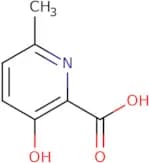
CAS:<p>Versatile small molecule scaffold</p>Formula:C10H22ClNPurity:Min. 95%Molecular weight:191.74 g/mol3-Hydroxy-6-methylpicolinic acid
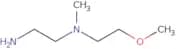
CAS:<p>3-Hydroxy-6-methylpicolinic acid is a pyridine derivative, a carboxylic acid and an isomer of picolinic acid. It was first synthesized in 1884 by the French chemist Pierre Paul Emile Leloir. 3-Hydroxy-6-methylpicolinic acid is produced by the ammonolysis of picoline with ammonia or ammonium salts at high pressure and temperature. The product is used as a precursor to other compounds, such as methylpyridines and ethylpyridines. It can also be used to make the cyanogen chloride gas, which has been used as a chemical weapon in World War II.</p>Formula:C7H7NO3Purity:Min. 95%Molecular weight:153.14 g/mol(2-Aminoethyl)(2-methoxyethyl)methylamine
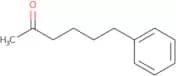
CAS:<p>Versatile small molecule scaffold</p>Formula:C6H16N2OPurity:Min. 95%Molecular weight:132.2 g/mol6-Phenylhexan-2-one
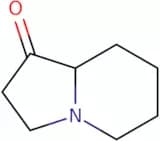
CAS:<p>6-Phenylhexan-2-one is a ketone that can be synthesized by the reaction of benzene with perborate. The compound is used as a starting material in organic synthesis, for example in the phenylation of an alcohol. 6-Phenylhexan-2-one has been shown to react with anhydrous hydrogen peroxide and form benzoyl peroxide.</p>Formula:C12H16OPurity:Min. 95%Molecular weight:176.25 g/molOctahydroindolizin-1-one
CAS:<p>Octahydroindolizin-1-one is a biologically active organic compound that has been shown to be effective against bowel disease and inflammatory bowel disease. The major pathway of metabolism for this drug is hydroxylation followed by conjugation with glucuronic acid. It also undergoes oxidative deamination, which produces the corresponding amide. Octahydroindolizin-1-one has been shown to have an effect on growth factor receptors, and can inhibit serine proteases in striatal dopamine. The drug has not been found to be enantioselective, with both the (S)- and (R)-isomers being synthesized during its synthesis.</p>Formula:C8H13NOPurity:Min. 95%Molecular weight:139.19 g/mol
![4-Hydrazinothieno[2,3-d]pyrimidine](/_next/image/?url=https%3A%2Fstatic.cymitquimica.com%2Fproducts%2F3D%2Fthumb-webp%2FPAA08058.webp&w=3840&q=75)

![1-[3-(Trifluoromethyl)phenyl]imidazolidin-2-one](/_next/image/?url=https%3A%2Fstatic.cymitquimica.com%2Fproducts%2F3D%2Fthumb-webp%2FPAA08895.webp&w=3840&q=75)
![2-Sulfanylidene-1,3-diazaspiro[4.4]nonan-4-one](/_next/image/?url=https%3A%2Fstatic.cymitquimica.com%2Fproducts%2F3D%2Fthumb-webp%2FPAA10998.webp&w=3840&q=75)
![3,5-Dichloro-4-[2-(dimethylamino)ethoxy]aniline](/_next/image/?url=https%3A%2Fstatic.cymitquimica.com%2Fproducts%2F3D%2Fthumb-webp%2FPAA11115.webp&w=3840&q=75)
![3-Phenyl-2-sulfanylidene-1H,2H,3H,4H-pyrido[2,3-d]pyrimidin-4-one](/_next/image/?url=https%3A%2Fstatic.cymitquimica.com%2Fproducts%2F3D%2Fthumb-webp%2FPAA13323.webp&w=3840&q=75)