Building Blocks
This section contains fundamental products for the synthesis of organic and biological compounds. Building blocks are the essential starting materials used to construct complex molecules through various chemical reactions. They play a critical role in drug discovery, material science, and chemical research. At CymitQuimica, we offer a diverse range of high-quality building blocks to support your innovative research and industrial projects, ensuring you have the essential components for successful synthesis.
Subcategories of "Building Blocks"
- Boronic Acids & Boronic Acid Derivatives(5,756 products)
- Chiral Building Blocks(1,242 products)
- Hydrocarbon Building Blocks(6,095 products)
- Organic Building Blocks(61,038 products)
Found 196817 products of "Building Blocks"
Sort by
Purity (%)
0
100
|
0
|
50
|
90
|
95
|
100
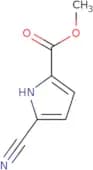
Methyl 5-cyano-1H-pyrrole-2-carboxylate
CAS:<p>Methyl 5-cyano-1H-pyrrole-2-carboxylate is a chiral, intramolecular catalysis inhibitor of the enzyme acetylcholinesterase. It is a potent compound that inhibits the activity of this enzyme and prevents the breakdown of acetylcholine in the brain. Methyl 5-cyano-1H-pyrrole-2-carboxylate binds to the active site with an axial orientation and has been shown to be selective for parp-1. This molecule also inhibits other enzymes that are involved in protein synthesis and cell signaling, such as alkenes and alkaloids. Methyl 5-cyano-1H-pyrrole-2-carboxylate may have therapeutic value as a treatment for Alzheimer's disease due to its ability to inhibit acetylcholinesterase activity.</p>Formula:C7H6N2O2Purity:Min. 95%Molecular weight:150.13 g/mol2-Chloro-1-(4-chlorophenyl)ethanone
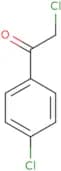
CAS:<p>2-Chloro-1-(4-chlorophenyl)ethanone is a pyrazole derivative that inhibits the production of proinflammatory cytokines, such as tumor necrosis factor-α (TNF-α), interleukin 1β (IL-1β), and IL-6. It also exhibits significant anti-inflammatory activity. 2-Chloro-1-(4-chlorophenyl)ethanone is synthesized from the Grignard reagent and chloroacetaldehyde. The synthesis proceeds in two steps: first, the Grignard reagent is added to chloroacetaldehyde in DMF at -78°C to form an organometallic intermediate; second, the organometallic intermediate reacts with an acid chloride to produce the desired product. This reaction can be catalyzed by aluminium chloride or zinc chloride. 2CPAE has a high solubility in organic solvents and surfactants such as sodium dodecyl</p>Formula:C8H6Cl2OPurity:Min. 95%Molecular weight:189.04 g/mol4-(Aminomethyl)-2,6-dimethylphenol hydrochloride
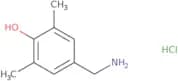
CAS:<p>Versatile small molecule scaffold</p>Formula:C9H14ClNOPurity:Min. 95%Molecular weight:187.66 g/molPhenyl acrylate
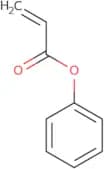
CAS:<p>Phenyl acrylate is a molecule that belongs to the class of aliphatic hydrocarbons. It is a boron nitride-based film-forming polymer and has been shown to have potential as a coating material for radiation protection. Phenyl acrylate is able to form films that are resistant to chloride erosion and can be used in nuclear power plants, where it can be used as an efficient method for preventing the release of radioactive materials.</p>Formula:C9H8O2Purity:Min. 95%Molecular weight:148.16 g/molp-Tolyl chloroformate
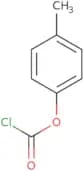
CAS:<p>The p-tolyl chloroformate (PCOCl) is a reactive organic compound that belongs to the group of pharmaceutical preparations. It has a functional group of hydroxy group, which is eliminated by reaction with chlorine in the presence of base. PCOCl is also used as a precursor for the synthesis of other compounds. The pharmacokinetic properties and cardiovascular effects have been studied in animals. This compound has been shown to have natriuretic properties and can be used for the treatment of inflammatory diseases.</p>Formula:C8H7ClO2Purity:Min. 95%Color and Shape:Clear LiquidMolecular weight:170.59 g/mol2,2-dimethyl-1-phenylpropan-1-one
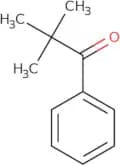
CAS:<p>2,2-dimethyl-1-phenylpropan-1-one is a reactive chemical that reacts with phosphorus pentachloride to form 2,2-dimethyloxirane. This compound has been shown to react with methoxy groups to form the oxirane ring. The UV absorption spectrum of this compound shows two bands at 222 nm and 246 nm. This reaction can be performed in a lab by combining the reactants in a hydroxide solution or sodium hydroxide solution. The transfer reactions can be performed using a solid catalyst such as silica gel, aluminum chloride, or titanium tetrachloride.<br>The reaction mechanism for this compound is a free radical addition of the methyl group to the phosphorus pentachloride molecule. The activation energies for this reaction are low because there are relatively few steps involved.</p>Formula:C11H14OPurity:Min. 95%Molecular weight:162.23 g/mol4-Bromoquinolin-2-one
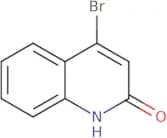
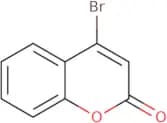
CAS:<p>Versatile small molecule scaffold</p>Formula:C9H6BrNOPurity:Min. 95%Molecular weight:224.06 g/mol4-Bromo-2H-chromen-2-one
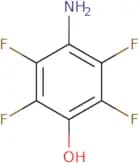
CAS:<p>4-Bromo-2H-chromen-2-one is a coumaryl derivative that can be synthesized by the coupling of an aryl boronic acid with a chlorocoumarin. Coumarin derivatives are important for their vibrational, stereoselective, and synthetic properties. Coumarin derivatives have been used to synthesize arylboronates and palladium catalyzed cross couplings. They also inhibit the activity of soybean lipoxygenase in vitro and are used as anti-inflammatory agents. Coumarin derivatives are often found in natural products such as plants and animals. They can be differentiated from other aromatic compounds due to their functional groups, halides, or palladium catalyzed coupling reactions.</p>Formula:C9H5BrO2Purity:Min. 95%Molecular weight:225.04 g/mol4-Amino-2,3,5,6-tetrafluorophenol
CAS:<p>4-Amino-2,3,5,6-tetrafluorophenol is a hydrolyzing agent that is used in the production of nitrides. It hydrolyzes to form an amino group and a tetrafluorohydroxyl group. The industrial applications of 4-amino-2,3,5,6-tetrafluorophenol include its use as a target compound for the determination of the rate constant for hydrolysis. In addition to this application, it is also used as a reagent in organic synthesis.</p>Formula:C6H3F4NOPurity:Min. 95%Molecular weight:181.09 g/mol1-(3-chloro-2-hydroxyphenyl)propan-1-one
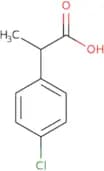
CAS:<p>Versatile small molecule scaffold</p>Formula:C9H9O2ClPurity:Min. 95%Molecular weight:184.61 g/mol2-(4-Chlorophenyl)propanoic acid
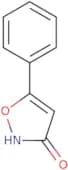
CAS:<p>2-(4-Chlorophenyl)propanoic acid is a chiral compound that can be used as a chiral selector. The compound has been investigated for its use in the separation of enantiomers and racemates by enantioseparation. It has also been investigated as a potential benzene ring substituent in research. Countercurrent chromatography was used to investigate the enantiomer properties of 2-(4-chlorophenyl)propanoic acid. The compound is not suitable for the separation of β-cyclodextrin or other cyclodextrins due to its hydrophobic nature.</p>Formula:C9H9ClO2Purity:Min. 95%Molecular weight:184.62 g/mol5-Phenyl-1,2-oxazol-3-ol
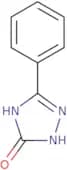
CAS:<p>5-Phenyl-1,2-oxazol-3-ol is an organophosphorus insecticide that binds to acetylcholine receptors in the neuromuscular junction. It is a synthetic substance that has been shown to have carcinogenic effects on animal tissue. It is metabolized by hydrolysis of the ammonium group, and then undergoes methylation and oxidation. The metabolites are excreted through the urine or bile. 5-Phenyl-1,2-oxazol-3-ol can be used as a binding agent for isolating proteins from cellular extracts.</p>Formula:C9H7NO2Purity:Min. 95%Molecular weight:161.16 g/mol3-Phenyl-4,5-dihydro-1H-1,2,4-triazol-5-one
CAS:<p>Versatile small molecule scaffold</p>Formula:C8H7N3OPurity:Min. 95%Molecular weight:161.16 g/mol5-pyridin-4-yl-2,4-dihydro-[1,2,4]triazol-3-one
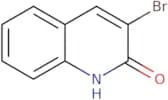
CAS:<p>Versatile small molecule scaffold</p>Formula:C7H6N4OPurity:Min. 95%Molecular weight:162.14 g/mol3-Bromoquinolin-2(1H)-one
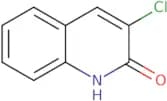
CAS:<p>3-Bromoquinolin-2(1H)-one is a linker that can be used in the synthesis of organic compounds. It is a synthetic compound and has been shown to inhibit cancer cell growth by binding to receptor ligands, such as epidermal growth factor receptor (EGFR) and vascular endothelial growth factor receptor 2 (VEGFR2). 3-Bromoquinolin-2(1H)-one has also been shown to inhibit the activity of EGFR ligand inhibitors, such as erlotinib and gefitinib. This linker can be used in bifunctional molecules with amide or hydroxy groups. It is resistant to bacteria, making it ideal for use in conjugates with proteins or peptides.</p>Formula:C9H6BrNOPurity:Min. 95%Molecular weight:224.05 g/mol3-Chloroquinolin-2(1H)-one
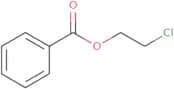
CAS:<p>3-Chloroquinolin-2(1H)-one is an antimicrobial agent that contains a chlorine atom. It is used in the treatment of cancer, and has been shown to inhibit the replication of DNA by binding to the nitrogen atoms in DNA. 3-Chloroquinolin-2(1H)-one is also used as an anti-infective agent and has been shown to have inhibitory activities against Gram positive bacteria, such as Staphylococcus aureus, and Gram negative bacteria, such as Escherichia coli. 3-Chloroquinolin-2(1H)-one binds to the chloride ion on the bacterial cell wall membrane, which prevents the transport of essential nutrients into the cell and leads to cell death. The chemical structure of 3-chloroquinein-2(1H)-one consists of two enantiomers (mirror images), one being more active than the other. The less active form can be converted</p>Formula:C9H6ClNOPurity:Min. 95%Molecular weight:179.6 g/mol2-Chloroethyl Benzoate
CAS:<p>2-Chloroethyl benzoate is a monocarboxylic acid that is used as an industrial chemical, pharmaceutical intermediate, and food additive. It is produced by the catalytic hydrogenation of hippuric acid with hydrogen chloride in the presence of p-hydroxybenzoic acid. 2-Chloroethyl benzoate has been shown to be effective in treating bowel disease, congestive heart failure, and inflammatory bowel disease. This compound can be synthesized by reacting piperazine with benzoic acid and chloroethyl chloride. The resulting product can be purified using solid catalyst.</p>Formula:C9H9ClO2Purity:Min. 95%Molecular weight:184.62 g/mol(E)-3-(o-Tolyl)acrylic acid
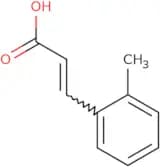
CAS:<p>(E)-3-(o-Tolyl)acrylic acid is a boronic acid with the chemical structure of an ester. Boronic acids are electron-deficient, which makes them good ligands for metal ions such as ruthenium. In this case, the boronic acid is used to form a ruthenium complex. The compound can be used in a Suzuki coupling reaction to form C–H bonds. It also has acidic properties and hydrogenations that make it useful for synthetic purposes. (E)-3-(o-Tolyl)acrylic acid is able to bind to prostanoid receptors, which are a type of ligand in the body that interacts with prostanoids (hormones). This makes it useful as a synthetic ligand for radioligands or radioactive isotopes.</p>Formula:C10H10O2Purity:Min. 95%Molecular weight:162.18 g/mol(E)-3-(2-Chlorophenyl)acrylic acid
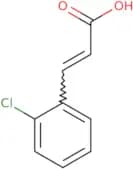
CAS:<p>(E)-3-(2-Chlorophenyl)acrylic acid is a byproduct of the reaction between 2-chlorocinnamic acid and dioxane. It is a reactive compound that reacts with cellulose acetate to form a cinnamic acid derivative. The chloride ion in this compound can be removed by filtration, which leaves behind decarboxylated (E)-3-(2-chlorophenyl)acrylic acid. Decarboxylation of (E)-3-(2-chlorophenyl)acrylic acid yields caffeic acid. This compound also thermally decomposes into cinnamic acid derivatives, which are also reactive compounds.</p>Formula:C9H7ClO2Purity:Min. 95%Molecular weight:182.6 g/mol2-Bromo-1-(bromomethyl)-4-nitrobenzene
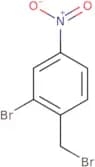
CAS:<p>Versatile small molecule scaffold</p>Formula:C7H5Br2NO2Purity:Min. 95%Molecular weight:294.93 g/mol1-(Ethenyloxy)-4-nitrobenzene
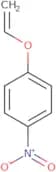
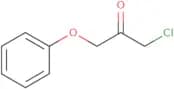
CAS:<p>1-Ethoxy-4-nitrobenzene (ENB) is a glycolaldehyde that is used as a food additive and has been shown to have tumorigenic properties. ENB has been found to interact with the enzyme activities of copper salt, which can lead to the formation of epoxides. This chemical has also been shown to induce skin tumors in mice. In addition, ENB can react with chloride ions to form polymers, which are known carcinogens. Furthermore, 1-Ethoxy-4-nitrobenzene reacts with hydroxylamine and methane monooxygenase, leading to the production of ethyl nitrite and ethyl nitrate respectively. These compounds are known skin tumor promoters in rats.</p>Formula:C8H7NO3Purity:Min. 95%Molecular weight:165.15 g/mol1-chloro-3-phenoxypropan-2-one
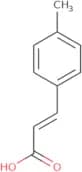
CAS:<p>1-Chloro-3-phenoxypropan-2-one (1CPP) is a chemical that belongs to the group of ketones. It is a colorless liquid with a sweet, acetone odor. 1CPP is used as an intermediate in organic synthesis, mainly for the preparation of acetylcholinesterase inhibitors. This compound has been found to be a potent inhibitor of acetylcholinesterase and shows irreversible inhibition. 1CPP also reacts with epoxide, dehalogenases, and transition metals to form epoxides.</p>Formula:C9H9ClO2Purity:Min. 95%Molecular weight:184.62 g/mol(E)-3-(4-Methylphenyl)-2-propenoic acid
CAS:<p>(E)-3-(4-Methylphenyl)-2-propenoic acid is a chlorinated cinnamic acid derivative that inhibits the formation of (E)-3-(4-methylphenyl)-2-propenoic acid. The rate of formation of (E)-3-(4-methylphenyl)-2-propenoic acid is inhibited by the presence of phosphorus pentachloride. It is also possible to synthesize 4-hydroxycinnamic acid, which has a similar inhibitory effect on the formation of (E)-3-(4-methylphenyl)-2-propenoic acid. This inhibition may be due to the polarizability and molecule size of (E)-3-(4-methylphenyl)-2-propenoic acid. The chloride ion can also affect this reaction through hydrogen bonding interactions with the fatty acids in (E)-3-(4-methylphenyl)-2-propenoic</p>Formula:C10H10O2Purity:Min. 95%Molecular weight:162.19 g/molBenzo[D]thiazole-2-sulfonic acid
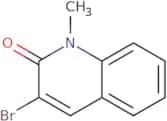
CAS:<p>The Benzo[D]thiazole-2-sulfonic acid antigen is a low molecular weight, water-soluble chemical compound. It can be found in the wastewater of industrial facilities that produce it as a byproduct. The antigen has been used to develop an assay for detecting influenza virus in human sera and has also been shown to be effective against avian influenza virus.</p>Formula:C7H5NO3S2Purity:Min. 95%Color and Shape:PowderMolecular weight:215.3 g/mol3-Bromo-1-methyl-1H-quinolin-2-one
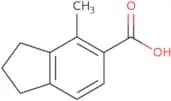
CAS:<p>Versatile small molecule scaffold</p>Formula:C10H8BrNOPurity:Min. 95%Molecular weight:238.08 g/mol4-Methyl-2,3-dihydro-1H-indene-5-carboxylic acid
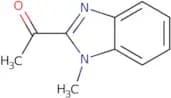
CAS:<p>Versatile small molecule scaffold</p>Formula:C11H12O2Purity:Min. 95%Molecular weight:176.2 g/mol1-(1-Methyl-1H-benzimidazol-2-yl)ethanone
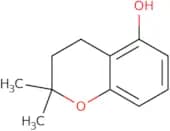
CAS:Controlled Product<p>1-(1-Methyl-1H-benzimidazol-2-yl)ethanone (1MBZ) is a chemical compound that has been shown to have anti-cancer properties. It inhibits the growth of renal cells in vitro and induces cytotoxicity in breast cancer cells. 1MBZ is an alkylating agent, which has the ability to bind to cellular nucleophiles such as lysine and cysteine. This binding results in the inhibition of DNA synthesis and protein synthesis. 1MBZ also binds to DNA via intercalation with high selectivity for double helix sites, making it a potential candidate for anti-HIV agents.</p>Formula:C10H10N2OPurity:Min. 95%Molecular weight:174.2 g/mol2,2-Dimethyl-3,4-dihydro-2H-1-benzopyran-5-ol
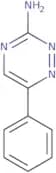
CAS:<p>2,2-Dimethyl-3,4-dihydro-2H-1-benzopyran-5-ol is a β-unsaturated chromanone that can be synthesized from the reaction of benzaldehyde with 2,3,4,5-tetrahydrobenzo[b]thiophene. It is a white solid with a melting point of 110°C. The compound has been found to have antiinflammatory and analgesic properties.</p>Formula:C11H14O2Purity:Min. 95%Molecular weight:178.23 g/mol6-Phenyl-1,2,4-triazin-3-amine
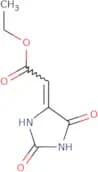
CAS:<p>Versatile small molecule scaffold</p>Formula:C9H8N4Purity:Min. 95%Molecular weight:172.19 g/molEthyl 2-(2,5-dioxoimidazolidin-4-ylidene)acetate
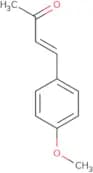
CAS:<p>Versatile small molecule scaffold</p>Formula:C7H8N2O4Purity:Min. 95%Molecular weight:184.1 g/mol4-(4-Methoxyphenyl)-3-buten-2-one
CAS:<p>4-(4-Methoxyphenyl)-3-buten-2-one is a compound that has been used as a model for the study of immobilization strategies. It is used to measure the diameter of mammalian cells and to study sugar transport. This compound also has hydroxide groups, which are capable of reacting with malonic acid or an aldehyde group, forming a covalent bond. The presence of these groups makes 4-(4-Methoxyphenyl)-3-buten-2-one an ideal candidate for immobilization purposes. The optical properties of this molecule are due to its β-unsaturated ketones and methyl ethyl group.</p>Formula:C11H12O2Purity:Min. 95%Molecular weight:176.22 g/mol4-Methoxycinnamic acid
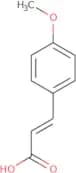
CAS:<p>4-Methoxycinnamic acid is a compound that is found in plants, such as coffee beans and tea leaves. It has been used to treat wastewater and light-exposed plastics. 4-Methoxycinnamic acid can act as a hydrogen bond donor, which may help break up aggregates of organic contaminants in water. In addition, it has been shown to have genotoxic effects on bacteria when exposed to ultraviolet radiation. 4-Methoxycinnamic acid also has the ability to activate chlorogenic acids from plant material, which are thought to be the major contributor to its protective effect against colon cancer. 4-Methoxycinnamic acid can also inhibit diphenolase activity in certain cells, leading to the accumulation of protocatechuic acid and skin cancer.</p>Formula:C10H10O3Purity:Min. 95%Molecular weight:178.18 g/mol2-(3-Bromo-2,4,6-trimethylphenyl)acetic acid
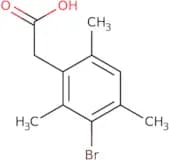
CAS:<p>Versatile small molecule scaffold</p>Formula:C11H13BrO2Purity:Min. 95%Molecular weight:257.12 g/molCyclohexyl(phenyl)methanol
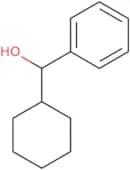
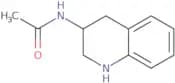
CAS:<p>Cyclohexyl(phenyl)methanol (CHPM) is a biphenyl derivative that has been shown to bind to the benzodiazepine receptor. The binding of CHPM to the benzodiazepine receptor was determined using kinetic and vitro assays. The binding affinity of CHPM was determined using a competitive binding assay with 3H-flumazenil. The molecular structure of CHPM contains two phenyl groups, which may contribute to its ability to act as an antagonist at the benzodiazepine receptor. This compound has been shown to be able to react with atmospheric oxygen, water and heat in a supercritical environment, producing particle products that can be used for therapy. The optimal reaction conditions for this chemical are found between 50 and 70 degrees Celsius and 10 bar pressure, yielding an 89% yield of product.</p>Formula:C13H18OPurity:Min. 95%Molecular weight:190.28 g/molN-(1,2,3,4-Tetrahydroquinolin-3-yl)acetamide
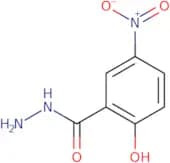
CAS:<p>Versatile small molecule scaffold</p>Formula:C11H14N2OPurity:Min. 95%Molecular weight:190.24 g/mol2-Hydroxy-5-nitrobenzohydrazide
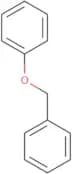
CAS:<p>2-Hydroxy-5-nitrobenzohydrazide is an antibacterial agent that binds to the hydroxylase domain of bacterial 7-ethoxycoumarin hydroxylase, a key enzyme in the synthesis of tetranuclear cofactors. It forms a coordination geometry with the metal ions that are required for this enzyme, thereby blocking its activity. 2-Hydroxy-5-nitrobenzohydrazide has been shown to be effective against bacteria such as Staphylococcus aureus, Escherichia coli, and Pseudomonas aeruginosa. This compound also has a specific affinity for mononuclear bacteria such as Proteus mirabilis and Klebsiella pneumoniae.<br>2-Hydroxy-5-nitrobenzohydrazide is not active against Gram positive bacteria due to its lack of binding affinity for the epoxide hydrolase domain of bacterial 7-ethoxycou</p>Formula:C7H7N3O4Purity:Min. 95%Molecular weight:197.15 g/molBenzyl phenyl ether
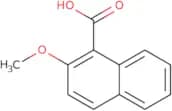
CAS:<p>Benzyl phenyl ether is a catalyst that is used in the synthesis of amide compounds for pharmaceuticals, insecticides, and other organic compounds. It has been shown to inhibit the growth of infectious diseases by inhibiting the transfer reactions that are required for the production of amides from amino acids. Benzyl phenyl ether also inhibits autoimmune diseases by blocking the reaction between amines and nitrosamines. It also reacts with lignin which is found in plant cell walls and can be used as a catalyst in the manufacture of phenol and phenolic resins.</p>Formula:C13H12OPurity:Min. 95%Molecular weight:184.23 g/mol2-Methoxy-1-naphthoic Acid
CAS:<p>2-Methoxy-1-naphthoic Acid is a molecule with two methoxy groups and one naphthalene ring. It has been shown to induce DNA adducts in the human epidermoid carcinoma cells, which may be due to its covalent binding to nucleic acids. The frequency of this compound has been shown to shift when it interacts with murine leukemia cells, which may be due to the formation of intramolecular hydrogen bonds. 2-Methoxy-1-naphthoic Acid also has the ability to form hydrogen bonds with other molecules, such as with the chelate ring of metal ions and other organic compounds. This property can be used for techniques such as nuclear magnetic resonance (NMR) spectroscopy and X-ray crystallography.</p>Formula:C12H10O3Purity:Min. 95%Molecular weight:202.21 g/molMethyl 1-hydroxy-2-naphthoate
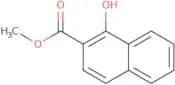
CAS:<p>Methyl 1-hydroxy-2-naphthoate is a wittig reaction product of hexane and chlorides. It is an alkyl ester that can be isolated as a colorless liquid with a boiling point of 87°C. The molecule has two tautomers, one of which is the 1-hydroxy-2-acetonaphthone and the other is the 1,2,3,4-tetrahydronapthalene. The hydroxynaphthoate group can undergo photostability to form the 1-hydroxy-2-acetonaphthone tautomer.</p>Formula:C12H10O3Purity:Min. 95%Molecular weight:202.21 g/mol4-Trifluoromethanesulfinylbenzoic acid
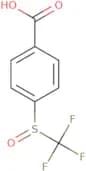
CAS:<p>Versatile small molecule scaffold</p>Formula:C8H5F3O3SPurity:Min. 95%Molecular weight:238.19 g/mol2,4-Dichloro-5-nitrobenzene-1-sulfonyl chloride
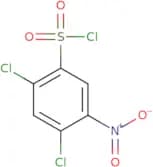
CAS:<p>Versatile small molecule scaffold</p>Formula:C6H2Cl3NO4SPurity:Min. 95%Molecular weight:290.5 g/mol2-Methyl-4,6-bis(trichloromethyl)-1,3,5-triazine
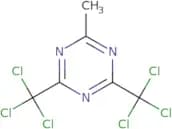
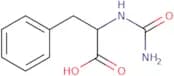
CAS:<p>2-Methyl-4,6-bis(trichloromethyl)-1,3,5-triazine is a triazine with an ionic structure. It is used as a precursor to benzene and acetonitrile. The yields of 2-methyl-4,6-bis(trichloromethyl)-1,3,5-triazine are higher in the presence of benzene compared to acetonitrile. The quantum yield for 2-methyl-4,6-bis(trichloromethyl)-1,3,5-triazine has been found to be 0.2 from the photophysical properties of its emission spectrum. This technique has been used to detect small amounts of singlet oxygen that are generated by photolysis or irradiation with lasers.</p>Formula:C6H3Cl6N3Purity:Min. 95%Molecular weight:329.81 g/mol(2S)-2-(Carbamoylamino)-3-phenylpropanoic acid
CAS:<p>(2S)-2-(Carbamoylamino)-3-phenylpropanoic acid is a nutritional supplement that is used as a transcriptional regulator. It binds to the hydroxyl group of DNA and alters gene expression. (2S)-2-(Carbamoylamino)-3-phenylpropanoic acid has been shown to suppress the expression of chronic kidney disease genes in mice, which may be due to its ability to inhibit hydrogenated protein synthesis. This drug also inhibits monoamine reuptake and cross-links dna strands. (2S)-2-(Carbamoylamino)-3-phenylpropanoic acid is also an inhibitor of dna replication and has been shown to bind to monoclonal antibodies that recognize specific bacterial strains, including Mycobacterium tuberculosis.</p>Formula:C10H12N2O3Purity:Min. 95%Molecular weight:208.21 g/mol3',4'-Dihydro-1'H-spiro[cyclohexane-1,2'-quinazoline]-4'-one
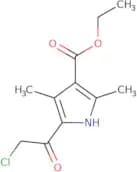
CAS:<p>Versatile small molecule scaffold</p>Formula:C13H16N2OPurity:Min. 95%Molecular weight:216.28 g/molEthyl 5-(2-chloroacetyl)-2,4-dimethyl-1H-pyrrole-3-carboxylate
CAS:<p>Versatile small molecule scaffold</p>Formula:C11H14ClNO3Purity:Min. 95%Molecular weight:243.68 g/mol2,3-Dimethoxy-6,7,8,9-tetrahydro-5H-benzo[7]annulen-5-one
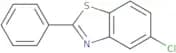
CAS:<p>Versatile small molecule scaffold</p>Formula:C13H16O3Purity:Min. 95%Molecular weight:220.3 g/mol5-Chloro-2-phenyl-1,3-benzothiazole
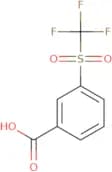
CAS:<p>5-Chloro-2-phenyl-1,3-benzothiazole is a benzothiazole with a phenyl ring and a phenyl group. It has two dihedral angles: one at the center of the ring system, and the other at the junction of the phenyl and benzene rings. The molecule has a molecular weight of 229.5 g/mol and a melting point of 243°C. 5-Chloro-2-phenyl-1,3-benzothiazole is used as an intermediate in chemical synthesis.</p>Formula:C13H8ClNSPurity:Min. 95%Molecular weight:245.73 g/mol3-(Trifluoromethylsulphonyl)benzoic acid
CAS:<p>Versatile small molecule scaffold</p>Formula:C8H5F3O4SPurity:Min. 95%Molecular weight:254.18 g/mol4-Phenylbicyclo[2.2.2]octane-1-carboxylic acid ee
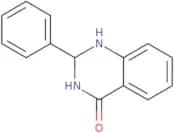
CAS:<p>Versatile small molecule scaffold</p>Formula:C15H18O2Purity:Min. 95%Molecular weight:230.3 g/mol2-Phenyl-2,3-dihydroquinazolin-4(1H)-one
CAS:<p>2-Phenyl-2,3-dihydroquinazolin-4(1H)-one (2PDQ) is a heterocyclic compound that has been used as a building block for the synthesis of other heterocycles. 2PDQ is an efficient catalyst for the condensation reaction between benzaldehyde and anthranilamide, which produces a mixture of products. This mixture can be purified using column chromatography. The optimal conditions for this reaction are pH 8 and temperature 80°C. 2PDQ can also be used to catalyze the condensation of glycols with aldehydes to produce polyethylene glycol (PEG) oligomers. In addition, it can be used in supramolecular systems by binding β-cyclodextrin, which stabilizes the molecules involved in these systems.</p>Formula:C14H12N2OPurity:Min. 95%Molecular weight:224.26 g/mol


![5-pyridin-4-yl-2,4-dihydro-[1,2,4]triazol-3-one](/_next/image/?url=https%3A%2Fstatic.cymitquimica.com%2Fproducts%2F3D%2Fthumb-webp%2FAAA93908.webp&w=3840&q=75)
![Benzo[D]thiazole-2-sulfonic acid](/_next/image/?url=https%3A%2Fstatic.cymitquimica.com%2Fproducts%2F3D%2Fthumb-webp%2FAAA94157.webp&w=3840&q=75)
![3',4'-Dihydro-1'H-spiro[cyclohexane-1,2'-quinazoline]-4'-one](/_next/image/?url=https%3A%2Fstatic.cymitquimica.com%2Fproducts%2F3D%2Fthumb-webp%2FAAA95031.webp&w=3840&q=75)
![2,3-Dimethoxy-6,7,8,9-tetrahydro-5H-benzo[7]annulen-5-one](/_next/image/?url=https%3A%2Fstatic.cymitquimica.com%2Fproducts%2F3D%2Fthumb-webp%2FAAA95199.webp&w=3840&q=75)
![4-Phenylbicyclo[2.2.2]octane-1-carboxylic acid ee](/_next/image/?url=https%3A%2Fstatic.cymitquimica.com%2Fproducts%2F3D%2Fthumb-webp%2FAAA95369.webp&w=3840&q=75)