Building Blocks
This section contains fundamental products for the synthesis of organic and biological compounds. Building blocks are the essential starting materials used to construct complex molecules through various chemical reactions. They play a critical role in drug discovery, material science, and chemical research. At CymitQuimica, we offer a diverse range of high-quality building blocks to support your innovative research and industrial projects, ensuring you have the essential components for successful synthesis.
Subcategories of "Building Blocks"
- Boronic Acids & Boronic Acid Derivatives(5,756 products)
- Chiral Building Blocks(1,242 products)
- Hydrocarbon Building Blocks(6,095 products)
- Organic Building Blocks(61,055 products)
Found 199650 products of "Building Blocks"
Sort by
Purity (%)
0
100
|
0
|
50
|
90
|
95
|
100
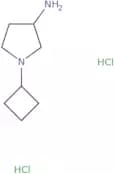
(S)-1-Cyclobutylpyrrolidin-3-amine dihydrochloride
CAS:<p>Versatile small molecule scaffold</p>Formula:C8H18Cl2N2Purity:Min. 95%Molecular weight:213.15 g/mol(R)-1-Cyclobutylpyrrolidin-3-amine dihydrochloride
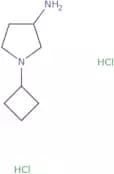
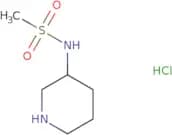
CAS:<p>Versatile small molecule scaffold</p>Formula:C8H18Cl2N2Purity:Min. 95%Molecular weight:213.15 g/mol(R)-N-(Piperidin-3-yl)methanesulfonamidehydrochloride
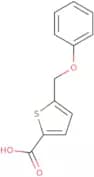
CAS:<p>Versatile small molecule scaffold</p>Formula:C6H15ClN2O2SPurity:Min. 95%Molecular weight:214.71 g/mol5-(Phenoxymethyl)thiophene-2-carboxylic acid
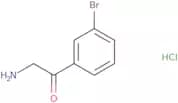
CAS:<p>Versatile small molecule scaffold</p>Formula:C12H10O3SPurity:Min. 95%Molecular weight:234.27 g/mol2-Amino-1-(3-bromophenyl)ethanone hydrochloride
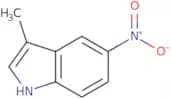
CAS:Controlled Product<p>Versatile small molecule scaffold</p>Formula:C8H9BrClNOPurity:Min. 95%Molecular weight:250.52 g/mol3-Methyl-5-nitro-1H-indole
CAS:<p>3-Methyl-5-nitro-1H-indole is a potent inhibitor of rifampicin, which is an antibiotic used to treat tuberculosis. 3-Methyl-5-nitro-1H-indole inhibits the growth of bacteria by binding to the 50S ribosomal subunit. It does not show any bactericidal activity in vitro and has been found to be ineffective in mice with chronic infections. 3-Methyl-5-nitro-1H-indole binds to the 50S ribosomal subunit and prevents the formation of antibiotic–ribosome complexes that are needed for bacterial protein synthesis. This drug also has pharmacokinetic properties that have been optimized for oral administration in humans. 3methyl 5 nitro 1H indole targets enzymes involved in DNA replication and transcription, such as bacterial gyrase, dna topoisomerase, and RNA polymerase.</p>Formula:C9H8N2O2Purity:Min. 95%Molecular weight:176.17 g/molN-[3-(2,5-Dioxo-2,5-dihydro-1H-pyrrol-1-yl)phenyl]acetamide
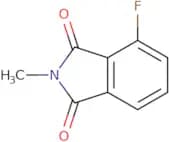
CAS:<p>2,5-Dioxo-2,5-dihydro-1H-pyrrole is a compound that belongs to the group of heterocyclic compounds. It is an amide derivative of 3-(2,5-dioxo-2,5-dihydro-1H-pyrrol-1yl)phenylacetic acid. 2,5-Dioxo-2,5-dihydro-1H pyrrole has been shown to have high radiation resistance and can be used for the production of polyimide film and plastics. This compound also has thermogravimetric properties that make it suitable for use as a heat transfer fluid in industrial furnaces. 2,5 Dioxo -2,5 dihydro -1H pyrrole has nitrogen atoms at both ends of the molecule that are reactive with amino groups on other molecules. The terminal amino groups on 2, 5 dioxo</p>Formula:C12H10N2O3Purity:Min. 95%Molecular weight:230.22 g/mol4-Fluoro-2-methyl-2,3-dihydro-1H-isoindole-1,3-dione
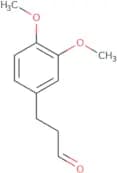
CAS:<p>Versatile small molecule scaffold</p>Formula:C9H6FNO2Purity:Min. 95%Molecular weight:179.15 g/mol3-(3,4-Dimethoxyphenyl)propanal
CAS:<p>Versatile small molecule scaffold</p>Formula:C11H14O3Purity:Min. 95%Molecular weight:194.23 g/mol(2-{[2-(Dimethylamino)ethyl](methyl)amino}ethyl)(methyl)amine
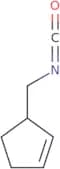
CAS:<p>Versatile small molecule scaffold</p>Formula:C8H21N3Purity:Min. 95%Molecular weight:159.27 g/mol3-(Isocyanatomethyl)cyclopent-1-ene
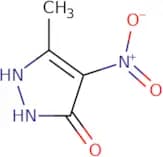
CAS:<p>Versatile small molecule scaffold</p>Formula:C7H9NOPurity:Min. 95%Molecular weight:123.15 g/mol5-Methyl-4-nitro-2,3-dihydro-1H-pyrazol-3-one
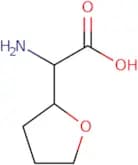
CAS:<p>Versatile small molecule scaffold</p>Formula:C4H5N3O3Purity:Min. 95%Molecular weight:143.1 g/mol2-Amino-2-(oxolan-2-yl)acetic acid
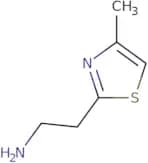
CAS:<p>Versatile small molecule scaffold</p>Formula:C6H11NO3Purity:Min. 95%Molecular weight:145.16 g/mol2-(4-Methylthiazol-2-yl)ethanamine
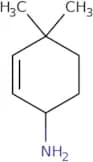
CAS:<p>Versatile small molecule scaffold</p>Formula:C6H10N2SPurity:Min. 95%Molecular weight:142.22 g/mol4,4-Dimethylcyclohex-2-en-1-amine
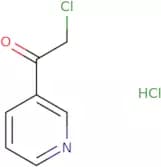
CAS:<p>Versatile small molecule scaffold</p>Formula:C8H15NPurity:Min. 95%Molecular weight:125.21 g/mol2-Chloro-1-(pyridin-3-yl)ethanone hydrochloride
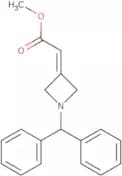
CAS:<p>2-Chloro-1-(pyridin-3-yl)ethanone hydrochloride is a chloride that has been shown to have nitro and carbonyl groups. It has been used in animal studies for the treatment of infectious diseases such as gram-negative bacteria, herpes virus, or glyceraldehyde phosphate dehydrogenase. 2-Chloro-1-(pyridin-3-yl)ethanone hydrochloride inhibits glycolytic enzyme and cyanoalkyl amines.<br>END></p>Formula:C7H7Cl2NOPurity:Min. 95%Molecular weight:192.04 g/molMethyl 2-(1-benzhydrylazetidin-3-ylidene)acetate
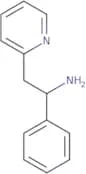
CAS:<p>Versatile small molecule scaffold</p>Formula:C19H19NO2Purity:Min. 95%Molecular weight:293.4 g/mol1-Phenyl-2-(pyridin-2-yl)ethan-1-amine
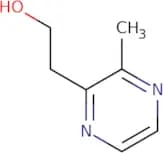
CAS:<p>1-Phenyl-2-(pyridin-2-yl)ethan-1-amine is a diagnostic agent that can be used to detect the presence of c1-6 alkyl groups in the body. It is a prodrug that is hydrolyzed by esterases to form pyridinium ion, which has been shown to bind to nucleotides and inhibit c1-6 alkoxy and arylalkylamine receptors. The inhibition of these receptors leads to neuroprotective effects in animal models. 1-Phenyl-2-(pyridin-2-yl)ethanamine also has been shown to have beneficial effects on depression, neurodegenerative diseases, and polymorphisms.</p>Formula:C13H14N2Purity:Min. 95%Molecular weight:198.26 g/mol2-(3-Methylpyrazin-2-yl)ethan-1-ol
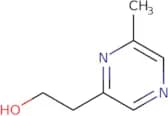
CAS:<p>Versatile small molecule scaffold</p>Formula:C7H10N2OPurity:Min. 95%Molecular weight:138.17 g/mol2-(6-Methylpyrazin-2-yl)ethan-1-ol
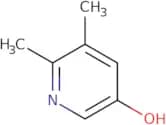
CAS:<p>Versatile small molecule scaffold</p>Formula:C7H10N2OPurity:Min. 95%Molecular weight:138.17 g/mol5,6-dimethylpyridin-3-ol
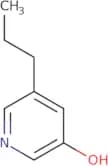
CAS:<p>Versatile small molecule scaffold</p>Formula:C7H9NOPurity:Min. 95%Molecular weight:123.16 g/mol5-Propylpyridin-3-ol
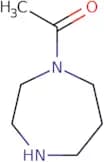
CAS:<p>Versatile small molecule scaffold</p>Formula:C8H11NOPurity:Min. 95%Molecular weight:137.18 g/mol1-(1,4-Diazepan-1-yl)ethanone
CAS:<p>1-(1,4-Diazepan-1-yl)ethanone is an imidazopyridine that acts as a competitive inhibitor of tyrosine kinases, which are enzymes important for the transmission of signals in the central nervous system and other tissues. This drug has been shown to have a high degree of selectivity for receptor tyrosine kinases and inhibit the activity of IGF-1 receptor at low concentrations, with no significant effects on other receptors such as dopamine or serotonin. 1-(1,4-Diazepan-1-yl)ethanone has also been shown to be an effective inhibitor of channel proteins that mediate neurotransmitter release.</p>Formula:C7H14N2OPurity:Min. 95%Molecular weight:142.2 g/mol(1,4-Diazepan-1-yl)(furan-2-yl)methanone
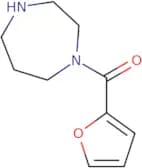
CAS:<p>(1,4-Diazepan-1-yl)(furan-2-yl)methanone is an inhibitor of protein interactions. It binds to the active site of the enzyme and blocks access by the substrate. This inhibitor can be used as a research tool in cell biology, as well as in pharmacology and peptide chemistry. It is also an activator of Ligand and a ligand for Receptor. (1,4-Diazepan-1-yl)(furan-2-yl)methanone has shown no toxicity to cells at concentrations up to 10 mM.</p>Formula:C10H14N2O2Purity:Min. 95%Molecular weight:194.23 g/mol1-(1,4-Diazepan-1-yl)-2-methylpropan-1-one
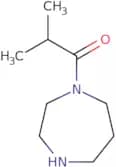
CAS:Versatile small molecule scaffoldFormula:C9H18N2OPurity:Min. 95%Molecular weight:170.25 g/mol1-(2-Chlorobenzoyl)-1,4-diazepane
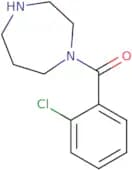
CAS:<p>Versatile small molecule scaffold</p>Formula:C12H15ClN2OPurity:Min. 95%Molecular weight:238.71 g/mol1-(2-Methoxybenzoyl)-1,4-diazepane
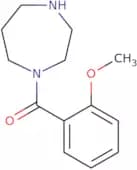
CAS:Versatile small molecule scaffoldFormula:C13H18N2O2Purity:Min. 95%Molecular weight:234.29 g/mol1-Phenyl-1,4-diazepane
CAS:<p>Versatile small molecule scaffold</p>Formula:C11H16N2Purity:Min. 95%Molecular weight:176.26 g/mol2-(2,5-Dimethyl-1H-pyrrol-1-yl)acetamide
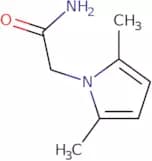
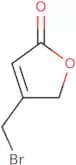
CAS:<p>Versatile small molecule scaffold</p>Formula:C8H12N2OPurity:Min. 95%Molecular weight:152.19 g/mol4-(Bromomethyl)-5-hydrofuran-2-one
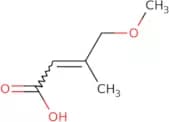
CAS:<p>Yuzurine is a natural product that has been shown to be a potent inhibitor of the enzyme methionine adenosyltransferase. This drug has been synthesized from 4-(bromomethyl)-5-hydrofuran-2-one and propargyl bromide in the presence of a rhodium catalyst. Yuzurine is an optically active compound, which means that it can exist as two different enantiomers. The enantioselective synthesis of yuzurine was achieved by using a chiral dieckmann condensation reaction with ruthenium as a catalyst.</p>Formula:C5H5BrO2Purity:Min. 95%Molecular weight:177 g/mol(2E)-4-Methoxy-3-methylbut-2-enoic acid
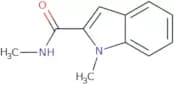
CAS:<p>Versatile small molecule scaffold</p>Formula:C6H10O3Purity:Min. 95%Molecular weight:130.14 g/molN,1-Dimethyl-1H-indole-2-carboxamide
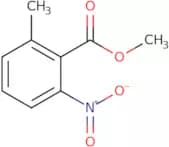
CAS:Controlled Product<p>Versatile small molecule scaffold</p>Formula:C11H12N2OPurity:Min. 95%Molecular weight:188.23 g/molMethyl 2-methyl-6-nitro-benzoate
CAS:Methyl 2-methyl-6-nitro-benzoate (MMNB) is a small molecule that has been shown to inhibit the growth of human cancers. MMNB inhibits cell growth by inhibiting the activity of lysine in hCT-116 cells. It also binds to the active site of HCT-116 and A549 lung cancer cells, blocking DNA synthesis and tumor formation. MMNB can be used as a therapeutic agent for cancer prevention or treatment. The inhibition of cell growth is reversible, with MMNB being excreted from the body within 24 hours after its administration.Formula:C9H9NO4Purity:Min. 95%Molecular weight:195.17 g/molDiethyl[(methylsulfanyl)methyl]amine
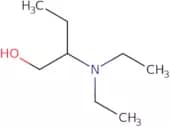
CAS:<p>Versatile small molecule scaffold</p>Formula:C6H15NSPurity:Min. 95%Molecular weight:133.26 g/mol2-(Diethylamino)butan-1-ol
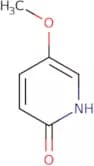
CAS:<p>Versatile small molecule scaffold</p>Formula:C8H19NOPurity:Min. 95%Molecular weight:145.24 g/mol2-Hydroxy-5-methoxypyridine
CAS:<p>Versatile small molecule scaffold</p>Formula:C6H7NO2Purity:Min. 95%Molecular weight:125.13 g/mol6-Bromo-2,3-dihydro-benzo[b]thiophene 1,1-dioxide
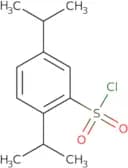
CAS:Versatile small molecule scaffoldFormula:C8H7BrO2SPurity:Min. 95%Molecular weight:247.11 g/mol2,5-Bis(propan-2-yl)benzene-1-sulfonyl chloride
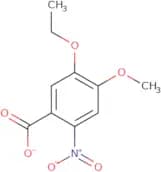
CAS:<p>Versatile small molecule scaffold</p>Formula:C12H17ClO2SPurity:Min. 95%Molecular weight:260.78 g/mol5-Ethoxy-4-methoxy-2-nitrobenzoic acid
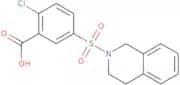
CAS:<p>Versatile small molecule scaffold</p>Formula:C10H10NO6Purity:Min. 95%Molecular weight:240.19 g/mol2-Chloro-5-(1,2,3,4-tetrahydroisoquinoline-2-sulfonyl)benzoic acid
CAS:<p>Versatile small molecule scaffold</p>Formula:C16H14ClNO4SPurity:Min. 95%Molecular weight:351.8 g/mol5-Bromo-4-phenyl-1,3-thiazol-2-amine
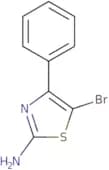
CAS:<p>Versatile small molecule scaffold</p>Formula:C9H7BrN2SPurity:Min. 95%Molecular weight:255.14 g/mol2-Chloro-N-[(4-methoxyphenyl)(phenyl)methyl]acetamide
CAS:<p>Versatile small molecule scaffold</p>Formula:C16H16ClNO2Purity:Min. 95%Molecular weight:289.75 g/mol3-tert-Butylbenzene-1,2-diamine
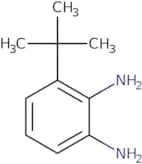
CAS:<p>Versatile small molecule scaffold</p>Formula:C10H16N2Purity:Min. 95%Molecular weight:164.25 g/mol3-Amino-6-bromo-3,4-dihydro-2H-1-benzopyran-4-one hydrochloride
CAS:<p>Versatile small molecule scaffold</p>Formula:C9H9BrClNO2Purity:Min. 95%Molecular weight:278.53 g/mol3-(4-Chlorophenyl)-1H,2H,3H-imidazo[4,5-b]pyridin-2-one
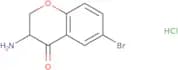
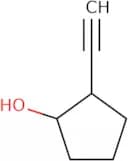
CAS:<p>Versatile small molecule scaffold</p>Formula:C12H8ClN3OPurity:Min. 95%Molecular weight:245.66 g/molCis-2-ethynylcyclopentanol
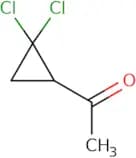
CAS:<p>Versatile small molecule scaffold</p>Formula:C7H10OPurity:Min. 95%Molecular weight:110.15 g/mol1-(2,2-Dichlorocyclopropyl)ethan-1-one
CAS:<p>Versatile small molecule scaffold</p>Formula:C5H6Cl2OPurity:Min. 95%Molecular weight:153 g/mol4-[3-(Trifluoromethyl)benzoyl]pyridine
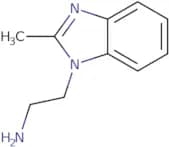
CAS:<p>Versatile small molecule scaffold</p>Formula:C13H8F3NOPurity:Min. 95%Molecular weight:251.2 g/mol2-(2-Methyl-1h-benzimidazol-1-yl)ethanamine HCl
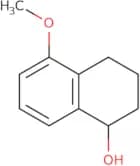
CAS:<p>Versatile small molecule scaffold</p>Formula:C10H13N3·HClPurity:Min. 95%Molecular weight:211.7 g/mol5-Methoxy-1,2,3,4-tetrahydronaphthalen-1-ol
CAS:<p>Versatile small molecule scaffold</p>Formula:C11H14O2Purity:Min. 95%Molecular weight:178.23 g/mol

![N-[3-(2,5-Dioxo-2,5-dihydro-1H-pyrrol-1-yl)phenyl]acetamide](/_next/image/?url=https%3A%2Fstatic.cymitquimica.com%2Fproducts%2F3D%2Fthumb-webp%2FLCA86229.webp&w=3840&q=75)
amino}ethyl)(methyl)amine](/_next/image/?url=https%3A%2Fstatic.cymitquimica.com%2Fproducts%2F3D%2Fthumb-webp%2FLCA87780.webp&w=3840&q=75)

![Diethyl[(methylsulfanyl)methyl]amine](/_next/image/?url=https%3A%2Fstatic.cymitquimica.com%2Fproducts%2F3D%2Fthumb-webp%2FLCA94056.webp&w=3840&q=75)
![6-Bromo-2,3-dihydro-benzo[b]thiophene 1,1-dioxide](/_next/image/?url=https%3A%2Fstatic.cymitquimica.com%2Fproducts%2F3D%2Fthumb-webp%2FLCA94264.webp&w=3840&q=75)
![2-Chloro-N-[(4-methoxyphenyl)(phenyl)methyl]acetamide](/_next/image/?url=https%3A%2Fstatic.cymitquimica.com%2Fproducts%2F3D%2Fthumb-webp%2FLCA95604.webp&w=3840&q=75)
![3-(4-Chlorophenyl)-1H,2H,3H-imidazo[4,5-b]pyridin-2-one](/_next/image/?url=https%3A%2Fstatic.cymitquimica.com%2Fproducts%2F3D%2Fthumb-webp%2FLCA96300.webp&w=3840&q=75)
![4-[3-(Trifluoromethyl)benzoyl]pyridine](/_next/image/?url=https%3A%2Fstatic.cymitquimica.com%2Fproducts%2F3D%2Fthumb-webp%2FLCA97756.webp&w=3840&q=75)