Building Blocks
This section contains fundamental products for the synthesis of organic and biological compounds. Building blocks are the essential starting materials used to construct complex molecules through various chemical reactions. They play a critical role in drug discovery, material science, and chemical research. At CymitQuimica, we offer a diverse range of high-quality building blocks to support your innovative research and industrial projects, ensuring you have the essential components for successful synthesis.
Subcategories of "Building Blocks"
- Boronic Acids & Boronic Acid Derivatives(5,778 products)
- Chiral Building Blocks(1,242 products)
- Hydrocarbon Building Blocks(6,098 products)
- Organic Building Blocks(61,034 products)
Found 199601 products of "Building Blocks"
Sort by
Purity (%)
0
100
|
0
|
50
|
90
|
95
|
100
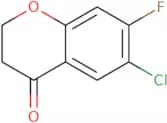
6-Chloro-7-fluoro-3,4-dihydro-2H-1-benzopyran-4-one
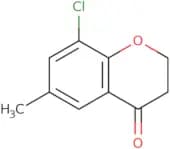
CAS:<p>Versatile small molecule scaffold</p>Formula:C9H6ClFO2Purity:Min. 95%Molecular weight:200.59 g/mol8-Chloro-6-methyl-3,4-dihydro-2H-1-benzopyran-4-one
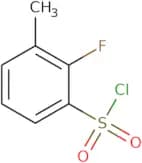
CAS:<p>Versatile small molecule scaffold</p>Formula:C10H9ClO2Purity:Min. 95%Molecular weight:196.63 g/mol2-Fluoro-3-methylbenzenesulfonyl chloride
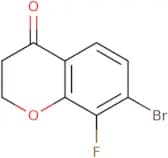
CAS:<p>Versatile small molecule scaffold</p>Formula:C7H6ClFO2SPurity:Min. 95%Molecular weight:208.63 g/mol7-Bromo-8-fluorochroman-4-one
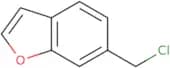
CAS:<p>Versatile small molecule scaffold</p>Formula:C9H6BrFO2Purity:Min. 95%Molecular weight:245.05 g/mol6-(Chloromethyl)benzofuran
CAS:<p>Versatile small molecule scaffold</p>Formula:C9H7ClOPurity:Min. 95%Molecular weight:166.6 g/molPSB-603
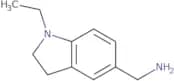
CAS:<p>PSB-603 is a small molecule that inhibits the P2Y receptors, which are involved in signal transduction pathways. It has been shown to induce neuronal death by inhibiting the activation of Epidermal Growth Factor Receptor (EGFR) and downstream signaling pathways. PSB-603 has also been shown to have anticancer activity in prostate cancer cells, as well as other types of cancer cells. PSB-603 inhibits proliferation and induces apoptosis in prostate cancer cells through inhibition of EGFR and cAMP levels. The mechanism of action for this drug is not fully understood, but it is thought that it may block transcription or translation processes.</p>Formula:C24H25ClN6O4SPurity:Min. 95%Molecular weight:529.01 g/mol(1-Ethyl-2,3-dihydro-1H-indol-5-yl)methanamine
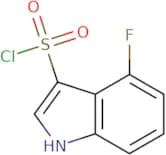
CAS:<p>Versatile small molecule scaffold</p>Formula:C11H16N2Purity:Min. 95%Molecular weight:176.26 g/mol4-Fluoro-1H-indole-3-sulfonyl chloride
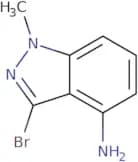
CAS:<p>Versatile small molecule scaffold</p>Formula:C8H5ClFNO2SPurity:Min. 95%Molecular weight:233.65 g/mol3-Bromo-1-methyl-1H-indazol-4-amine
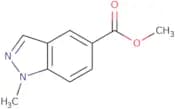
CAS:<p>Versatile small molecule scaffold</p>Formula:C8H8BrN3Purity:Min. 95%Molecular weight:226.08 g/molMethyl 1-methyl-1H-indazole-5-carboxylate
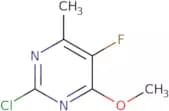
CAS:<p>Versatile small molecule scaffold</p>Formula:C10H10N2O2Purity:Min. 95%Molecular weight:190.2 g/mol2-Chloro-5-fluoro-4-methoxy-6-methylpyrimidine
CAS:<p>2-Chloro-5-fluoro-4-methoxy-6-methylpyrimidine is a drug candidate that has been optimized for potency and selectivity. It has been shown to have high affinity for the BACE1 enzyme in nonhuman primates, with a time-dependent profile. This compound has also been validated in monkeys and is being considered for medicinal chemistry optimization by Pfizer.</p>Formula:C6H6N2OFClPurity:Min. 95%Molecular weight:176.57 g/molN-Boc-4-(bromomethyl)-2,2-dimethyloxazolidine
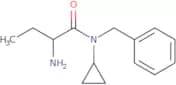
CAS:<p>Versatile small molecule scaffold</p>Formula:C11H20BrNO3Purity:Min. 95%Molecular weight:294.19 g/mol2-Amino-N-benzyl-N-cyclopropylbutanamide
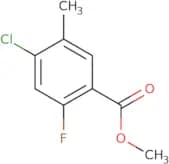
CAS:Versatile small molecule scaffoldFormula:C14H20N2OPurity:Min. 95%Molecular weight:232.32 g/molMethyl 4-chloro-2-fluoro-5-methylbenzoate
CAS:<p>Versatile small molecule scaffold</p>Formula:C9H8ClFO2Purity:Min. 95%Molecular weight:202.61 g/mol2-[3-Fluoro-2-(trifluoromethyl)phenyl]-4,4,5,5-tetramethyl-1,3,2-dioxaborolane
CAS:<p>Versatile small molecule scaffold</p>Formula:C13H15BO2F4Purity:Min. 95%Molecular weight:290.06 g/molMethyl 2-Chloroquinoline-5-carboxylate
CAS:<p>Versatile small molecule scaffold</p>Formula:C11H8NO2ClPurity:Min. 95%Molecular weight:221.63 g/mol2-(2,5-Difluorophenyl)-2-(methylamino)acetic acid
CAS:Versatile small molecule scaffoldFormula:C9H9F2NO2Purity:Min. 95%Molecular weight:201.17 g/mol3-Amino-1H-indole-2-carbonitrile
CAS:<p>3-Amino-1H-indole-2-carbonitrile (3AIC) is a chemical compound that is a byproduct of the production of indigo dye. It can be used as an efficient and inexpensive reagent for the synthesis of organic compounds, such as amino acid derivatives. 3AIC is soluble in water at high temperatures, but insoluble in water at low temperatures. The solubility of 3AIC in water can be increased by adding ionic liquids to the solution.</p>Formula:C9H7N3Purity:Min. 95%Molecular weight:157.17 g/molMethyl 3-(2-methyl-1,3-oxazol-5-yl)propanoate
CAS:<p>Versatile small molecule scaffold</p>Formula:C8H11NO3Purity:Min. 95%Molecular weight:169.2 g/mol2-Methyl-3-[4-(trifluoromethyl)phenyl]propanoic acid
CAS:<p>Versatile small molecule scaffold</p>Formula:C11H11F3O2Purity:Min. 95%Molecular weight:232.2 g/mol2-(Difluoromethoxy)-5-nitropyridine
CAS:<p>2-(Difluoromethoxy)-5-nitropyridine is a reagent that is used in organic synthesis. This compound is synthesized by the reaction of 2-fluoro-5-nitrobenzaldehyde with difluoromethylmagnesium bromide. The yields for this compound are high and it can be used as a starting material for various chemical reactions, such as formylations, nucleophilic aromatic substitutions, or sulfonylations. The synthesis of 2-(difluoromethoxy)-5-nitropyridine involves an electrophilic substitution at the C2 position of the pyridine ring with the trifluoromethyl group to produce a fluorine atom. The mechanism of this reaction is catalysed by strong bases, such as potassium fluoride.</p>Formula:C6H4F2N2O3Purity:Min. 95%Molecular weight:190.1 g/mol5,6-dichloropyridin-2-amine
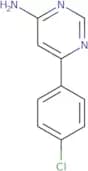
CAS:<p>Versatile small molecule scaffold</p>Formula:C5H4Cl2N2Purity:Min. 95%Molecular weight:163 g/mol6-(4-Chlorophenyl)pyrimidin-4-amine
CAS:<p>Versatile small molecule scaffold</p>Formula:C10H8ClN3Purity:Min. 95%Molecular weight:205.64 g/mol3-chloro-4-(difluoromethoxy)benzoic acid
CAS:<p>Versatile small molecule scaffold</p>Formula:C8H5ClF2O3Purity:Min. 95%Molecular weight:222.57 g/mol2-(2-Bromoethyl)-1-chloro-3-fluorobenzene
CAS:<p>Versatile small molecule scaffold</p>Formula:C8H7BrClFPurity:Min. 95%Molecular weight:237.49 g/mol1-(3-Methoxyphenyl)-2-methyl-5-phenyl-1H-pyrrole-3-carboxylic acid
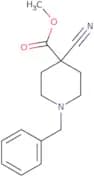
CAS:Versatile small molecule scaffoldFormula:C19H17NO3Purity:Min. 95%Molecular weight:307.3 g/molMethyl 1-benzyl-4-cyanopiperidine-4-carboxylate
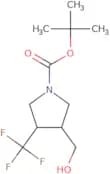
CAS:<p>Versatile small molecule scaffold</p>Formula:C15H18N2O2Purity:Min. 95%Molecular weight:258.32 g/molrac-tert-Butyl (3R,4R)-3-(hydroxymethyl)-4-(trifluoromethyl)pyrrolidine-1-carboxylate
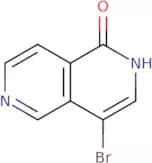
CAS:<p>Versatile small molecule scaffold</p>Formula:C11H18F3NO3Purity:Min. 95%Molecular weight:269.26 g/mol4-Bromo-2,6-naphthyridin-1-ol
CAS:<p>Versatile small molecule scaffold</p>Formula:C8H5BrN2OPurity:Min. 95%Molecular weight:225.04 g/molN-{[4-(Methylsulfanyl)phenyl]methylidene}hydroxylamine
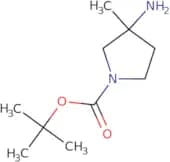
CAS:<p>Versatile small molecule scaffold</p>Formula:C8H9NOSPurity:Min. 95%Molecular weight:167.2 g/moltert-Butyl (3R)-3-amino-3-methylpyrrolidine-1-carboxylate
CAS:<p>Versatile small molecule scaffold</p>Formula:C10H20N2O2Purity:Min. 95%Molecular weight:200.28 g/mol2-(Difluoromethoxy)-4-(4-methylpiperazin-1-yl)aniline
CAS:Versatile small molecule scaffoldFormula:C12H17F2N3OPurity:Min. 95%Molecular weight:257.28 g/moltert-Butyl (1S,5R)-1-amino-3-azabicyclo[3.1.0]hexane-3-carboxylate
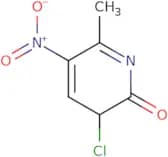
CAS:<p>Versatile small molecule scaffold</p>Formula:C10H18N2O2Purity:Min. 95%Molecular weight:198.26 g/mol3-Chloro-6-methyl-5-nitro-1,2-dihydropyridin-2-one
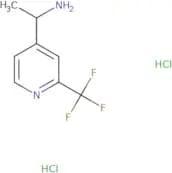
CAS:<p>Versatile small molecule scaffold</p>Formula:C6H5ClN2O3Purity:Min. 95%Molecular weight:188.57 g/mol1-(2-(Trifluoromethyl)pyridin-4-yl)ethanamine dihydrochloride
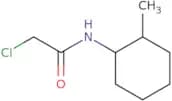
CAS:<p>Versatile small molecule scaffold</p>Formula:C8H11Cl2F3N2Purity:Min. 95%Molecular weight:263.08 g/mol2-Chloro-N-(2-methylcyclohexyl)acetamide
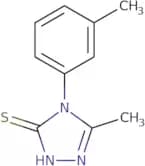
CAS:Versatile small molecule scaffoldFormula:C9H16ClNOPurity:Min. 95%Molecular weight:189.68 g/mol5-Methyl-4-(3-methylphenyl)-4H-1,2,4-triazole-3-thiol
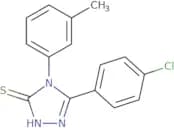
CAS:<p>Versatile small molecule scaffold</p>Formula:C10H11N3SPurity:Min. 95%Molecular weight:205.28 g/mol5-(4-Chlorophenyl)-4-(3-methylphenyl)-4H-1,2,4-triazole-3-thiol
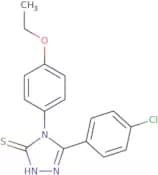
CAS:<p>Versatile small molecule scaffold</p>Formula:C15H12ClN3SPurity:Min. 95%Molecular weight:301.8 g/mol5-(4-Chlorophenyl)-4-(4-ethoxyphenyl)-4H-1,2,4-triazole-3-thiol
CAS:<p>Versatile small molecule scaffold</p>Formula:C16H14ClN3OSPurity:Min. 95%Molecular weight:331.8 g/mol2-Methyl-1-[(4-methylphenyl)methyl]-1H-indole-3-carbaldehyde
CAS:Versatile small molecule scaffoldFormula:C18H17NOPurity:Min. 95%Molecular weight:263.3 g/molMethyl 2-[(3-nitropyridin-4-yl)oxy]acetate
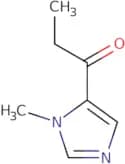
CAS:<p>Versatile small molecule scaffold</p>Formula:C8H8N2O5Purity:Min. 95%Molecular weight:212.16 g/mol1-(1-Methyl-1H-imidazol-5-yl)propan-1-one
CAS:<p>Versatile small molecule scaffold</p>Formula:C7H10N2OPurity:Min. 95%Molecular weight:138.17 g/mol1-(3-chlorophenyl)cyclopropanamine. hcl
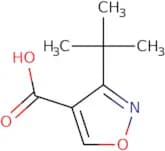
CAS:<p>Versatile small molecule scaffold</p>Formula:C9H11Cl2NPurity:Min. 95%Molecular weight:204.09 g/mol3-tert-Butylisoxazole-4-carboxylic acid
CAS:<p>Versatile small molecule scaffold</p>Formula:C8H11NO3Purity:Min. 95%Molecular weight:169.18 g/mol3-{[4-(Trifluoromethyl)pyrimidin-2-yl]amino}benzoic acid
CAS:<p>Versatile small molecule scaffold</p>Formula:C12H8F3N3O2Purity:Min. 95%Molecular weight:283.21 g/molN-Cyclopropylpiperidin-4-amine dihydrochloride
CAS:<p>Versatile small molecule scaffold</p>Formula:C8H18Cl2N2Purity:Min. 95%Molecular weight:213.15 g/mol3-Cyclopropylpropan-1-amine hydrochloride
CAS:<p>3-Cyclopropylpropan-1-amine hydrochloride is an allosteric modulator of nicotinic acetylcholine receptors. It has been shown to be a potent agonist of these receptors, and has been used in experimental research to study the effects of nicotinic acetylcholine receptor activation on neuromuscular transmission. 3-Cyclopropylpropan-1-amine hydrochloride has also been shown to have excitatory effects on the central nervous system and may be used as a nootropic agent for the treatment of Alzheimer's disease.</p>Formula:C6H14ClNPurity:Min. 95%Molecular weight:135.63 g/mol1-(Pyrimidin-4-yl)piperidin-4-ol
CAS:<p>Versatile small molecule scaffold</p>Formula:C9H13N3OPurity:Min. 95%Molecular weight:179.22 g/mol4-(Hydroxymethyl)-3-methyl-1,3-oxazolidin-2-one
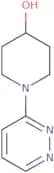
CAS:<p>Versatile small molecule scaffold</p>Formula:C5H9NO3Purity:Min. 95%Molecular weight:131.13 g/mol1-(Pyridazin-3-yl)piperidin-4-ol
CAS:<p>Versatile small molecule scaffold</p>Formula:C9H13N3OPurity:Min. 95%Molecular weight:179.22 g/mol



![2-[3-Fluoro-2-(trifluoromethyl)phenyl]-4,4,5,5-tetramethyl-1,3,2-dioxaborolane](/_next/image/?url=https%3A%2Fstatic.cymitquimica.com%2Fproducts%2F3D%2Fthumb-webp%2FSXB54805.webp&w=3840&q=75)


![2-Methyl-3-[4-(trifluoromethyl)phenyl]propanoic acid](/_next/image/?url=https%3A%2Fstatic.cymitquimica.com%2Fproducts%2F3D%2Fthumb-webp%2FSXB77271.webp&w=3840&q=75)




![N-{[4-(Methylsulfanyl)phenyl]methylidene}hydroxylamine](/_next/image/?url=https%3A%2Fstatic.cymitquimica.com%2Fproducts%2F3D%2Fthumb-webp%2FSXC76841.webp&w=3840&q=75)

![tert-Butyl (1S,5R)-1-amino-3-azabicyclo[3.1.0]hexane-3-carboxylate](/_next/image/?url=https%3A%2Fstatic.cymitquimica.com%2Fproducts%2F3D%2Fthumb-webp%2FSXC80651.webp&w=3840&q=75)
![2-Methyl-1-[(4-methylphenyl)methyl]-1H-indole-3-carbaldehyde](/_next/image/?url=https%3A%2Fstatic.cymitquimica.com%2Fproducts%2F3D%2Fthumb-webp%2FSYA55044.webp&w=3840&q=75)
![Methyl 2-[(3-nitropyridin-4-yl)oxy]acetate](/_next/image/?url=https%3A%2Fstatic.cymitquimica.com%2Fproducts%2F3D%2Fthumb-webp%2FSYA55216.webp&w=3840&q=75)

![3-{[4-(Trifluoromethyl)pyrimidin-2-yl]amino}benzoic acid](/_next/image/?url=https%3A%2Fstatic.cymitquimica.com%2Fproducts%2F3D%2Fthumb-webp%2FSYB07988.webp&w=3840&q=75)