Building Blocks
This section contains fundamental products for the synthesis of organic and biological compounds. Building blocks are the essential starting materials used to construct complex molecules through various chemical reactions. They play a critical role in drug discovery, material science, and chemical research. At CymitQuimica, we offer a diverse range of high-quality building blocks to support your innovative research and industrial projects, ensuring you have the essential components for successful synthesis.
Subcategories of "Building Blocks"
- Boronic Acids & Boronic Acid Derivatives(5,778 products)
- Chiral Building Blocks(1,242 products)
- Hydrocarbon Building Blocks(6,098 products)
- Organic Building Blocks(61,034 products)
Found 199601 products of "Building Blocks"
Sort by
Purity (%)
0
100
|
0
|
50
|
90
|
95
|
100
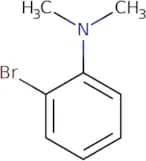
2-Bromo-N,N-dimethylaniline
CAS:<p>2-Bromo-N,N-dimethylaniline is a chemical compound that belongs to the class of alkylating agents. It is prepared by the reaction of 2-bromoaniline with a Grignard reagent, followed by acidification and removal of the volatile bromide. 2-Bromo-N,N-dimethylaniline has been used in the preparation of ligands for metal complexes and as an acetal protecting group for alcohols and phenols. 2-Bromo-N,N-dimethylaniline has been shown to be a good cross-coupling agent for halides or aromatic heterocycles, which is an important property in organic synthesis. The mechanism involves initial abstraction of hydrogen from the substrate molecule by 2-bromo-N,N-dimethylaniline forming an intermediate cationic species. This intermediate cationic species then reacts with the substrate molecule</p>Formula:C8H10BrNPurity:Min. 95%Molecular weight:200.08 g/mola-Chlorobenzaldoxime
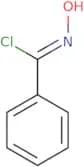
CAS:<p>a-Chlorobenzaldoxime is a potent antibacterial agent that inhibits bacterial growth by binding to the enzyme protein, thereby preventing the synthesis of essential proteins. It also has insecticidal activities. a-Chlorobenzaldoxime is an inorganic compound and is not metabolized by the body. This makes it an efficient method for treating bacterial infections.</p>Formula:C7H6ClNOPurity:Min. 95%Molecular weight:155.58 g/mol(2,4-Dimethylpyrimidin-5-yl)methanol
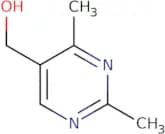
CAS:<p>(2,4-Dimethylpyrimidin-5-yl)methanol is an ethylene diamine molecule that is covalently bonded to a cyclic peptide. It has been shown to have strong antimicrobial activity against various types of bacteria and fungi. (2,4-Dimethylpyrimidin-5-yl)methanol is able to kill bacteria by inhibiting protein synthesis, which may be due to its ability to form hydrogen bonds with the transfer reactions of the ribosome. In addition, (2,4-Dimethylpyrimidin-5-yl)methanol has also been shown to form acid in the presence of malonic acid and inhibitor molecules. This results in inhibition of bacterial growth and structural analysis by electrochemical impedance spectroscopy.</p>Formula:C7H10N2OPurity:Min. 95%Molecular weight:138.17 g/mol4-Chloro-5-methoxy-2-methylpyrimidine
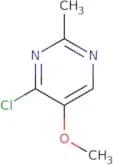
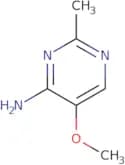
CAS:<p>Versatile small molecule scaffold</p>Formula:C6H7ClN2OPurity:Min. 95%Molecular weight:158.58 g/mol5-Methoxy-2-methylpyrimidin-4-amine
CAS:<p>Versatile small molecule scaffold</p>Formula:C6H9N3OPurity:Min. 95%Molecular weight:139.16 g/mol5-Methoxy-2-methyl-1,4-dihydropyrimidin-4-one
CAS:<p>Versatile small molecule scaffold</p>Formula:C6H8N2O2Purity:Min. 95%Molecular weight:140.14 g/mol2-chloro-[1,2,4]triazolo[1,5-a]pyridine
CAS:<p>Versatile small molecule scaffold</p>Formula:C6H4ClN3Purity:Min. 95%Molecular weight:153.57 g/mol2-(Phenylthio)ethanol
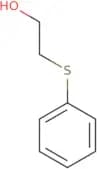
CAS:<p>2-Phenylthioethanol is a monomer that is used in the synthesis of silver trifluoromethanesulfonate. 2-Phenylthioethanol reacts with hydroxyl groups to form an ether linkage, which is the basis for its use as a monomer. 2-Phenylthioethanol has been shown to react with orthophosphate to form an ester linkage. This reaction is catalyzed by a nucleophile (e.g., chloride) and occurs at neutral pH in the presence of aluminium powder. The rate of this reaction increases with temperature and can be accelerated by diphenyl sulfoxide. The coatings industry uses 2-phenylthioethanol as a solvent for polyvinylchloride and polyurethane coatings, due to its ability to dissolve these materials without degrading them.</p>Formula:C8H10OSPurity:Min. 95%Molecular weight:154.23 g/molcis-ethyl (1R,2S)-2-cyanocyclopropane-1-carboxylate
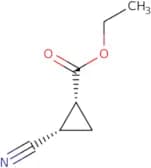
CAS:Versatile small molecule scaffoldFormula:C7H9NO2Purity:Min. 95%Molecular weight:139.15 g/mol1,3-Diazaspiro[4.4]nonane-2,4-dione
CAS:<p>1,3-Diazaspiro[4.4]nonane-2,4-dione (1) is a new fungicide that was shown to have fungicidal activity in vitro against the grapevine pathogens Plasmopara viticola and Plasmopara obducens. This compound has been isolated from the plant Express erythroxylum coca (Erythroxylum coca). The compound belongs to the class of diaza spiro compounds and is a member of a family of diaza spiro compounds with antifungal activity. One possible mode of action for 1 is that it inhibits the synthesis of DNA by binding to bacterial DNA gyrase.</p>Formula:C7H10N2O2Purity:Min. 95%Molecular weight:154.17 g/mol3-Phenyloxetan-3-ol
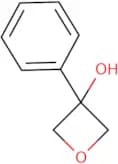
CAS:3-Phenyloxetan-3-ol is a degassing agent that can be used to regulate the sensitivity of metal plates. It has been shown to increase the efficiency of hydroelectric power generation by reducing the amount of turbidity in water. 3-Phenyloxetan-3-ol is not resistant to impurities, and can form metal oxides with copper and other elements. 3-Phenyloxetan-3-ol is a liquid that has a particle size of about 1 micrometre, which makes it useful for industrial applications such as plates and alloys.Formula:C9H10O2Purity:Min. 95%Molecular weight:150.17 g/molPentamethylbenzene
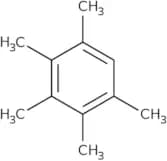
CAS:<p>Pentamethylbenzene is a reactive organic chemical that is used in the production of other chemicals and is used as a solvent. It has been shown to have high reactivity with hydrochloric acid, pentamethylbenzene, and trifluoroacetic acid. Pentamethylbenzene reacts with redox potentials to form bicyclic heterocycles. This reaction mechanism leads to metabolic disorders such as protonation of amino acids and deamination of nucleosides. Pentamethylbenzene also reacts with oxygen in vivo to form trifluoroacetic acid, which may lead to treatment of metabolic disorders by reducing the concentration of proton ions.</p>Formula:C11H16Purity:Min. 95%Molecular weight:148.25 g/molBicyclo[2.2.1]hept-5-ene-2-sulfonyl fluoride, somers
CAS:Versatile small molecule scaffoldFormula:C7H9FO2SPurity:Min. 95%Molecular weight:176.21 g/mol1-(Propan-2-yl)-1,3-diazinane-2,4-dione
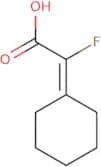
CAS:<p>Versatile small molecule scaffold</p>Formula:C7H12N2O2Purity:Min. 95%Molecular weight:156.18 g/mol2-Cyclohexylidene-2-fluoroacetic acid
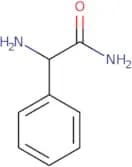
CAS:<p>2-Cyclohexylidene-2-fluoroacetic acid is a geometrically constrained molecule that has been synthesized and characterized by X-ray crystallography. The compound adopts three conformations, each of which is related to the other two by a rotation of the cyclohexane ring around the central fluoroacetate group.</p>Formula:C8H11FO2Purity:Min. 95%Molecular weight:158.17 g/mol2-Amino-2-phenylacetamide
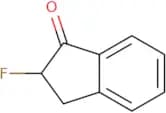
CAS:<p>2-Amino-2-phenylacetamide is a model compound that has been used to study enzyme catalysis. It is an amide with a hydroxylamine group and an aromatic ring. 2-Amino-2-phenylacetamide inhibits the replication of DNA by binding to the protein polymerase, which blocks the transfer of amino acids from the tRNA molecule to the growing strand of DNA. This leads to apoptosis in cells that are susceptible to this type of inhibition. The synthesis of 2-Amino-2-phenylacetamide can be achieved through two methods: nitration of phenylacetic acid and oxidation of benzoic acid with nitric acid. Hydrochloric acid is required for both methods, as well as zinc chloride for the nitration method.<br>2-Amino-2-phenylacetamide is also known as succinoyl.</p>Formula:C8H10N2OPurity:Min. 95%Molecular weight:150.18 g/mol2-Fluoro-2,3-dihydro-1H-inden-1-one
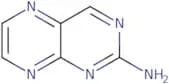
CAS:<p>2-Fluoro-2,3-dihydro-1H-inden-1-one is an enolate salt that has been shown to be effective as a ligand for palladium complexes. The compound is used in the photochemical production of cycloalkanones from allyl alcohols and ketones. 2-Fluoro-2,3-dihydro-1H-inden-1-one has also been used in the synthesis of chiral phosphine ligands. This chemical can be synthesized by reacting potassium phosphate with triflates in the presence of carbonyl compounds. It is also produced when uv irradiation interacts with enolates.</p>Formula:C9H7FOPurity:Min. 95%Molecular weight:150.15 g/molPteridin-2-amine
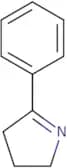
CAS:<p>Pteridin-2-amine is a calibration standard that is used to measure the covalent binding of metal ions to protein. It has been shown to have kidney toxicity and can cause liver damage. Pteridin-2-amine can be oxidized by O2 or NO3-, forming oxidation products containing nitrogen atoms, which are detected using voltammetry. The product has a high affinity for neopterin, a metabolic product that is released from eosinophils and mast cells in response to inflammatory stimuli. Pteridin-2-amine can inhibit the enzyme aldehyde oxidase and the activity of an enzyme called catalase, which helps protect cells from oxidative stress. This product has also been shown to form chromatographic peaks with oxygen atoms and sodium hydrogen when mixed with water.</p>Formula:C6H5N5Purity:Min. 95%Molecular weight:147.14 g/mol5-Phenyl-3,4-dihydro-2H-pyrrole
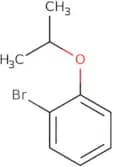
CAS:<p>5-Phenyl-3,4-dihydro-2H-pyrrole is a heterocyclic compound that is used in the synthesis of other chemicals. It can be positioned with a variety of functional groups and undergoes aromatisation by the cytochrome P450 enzyme system. 5-Phenyl-3,4-dihydro-2H-pyrrole reacts with perchlorates to form heterocycles such as pyrrolidine and activated pyrrole, which are used in supramolecular chemistry. 5PDP has been shown to react with haloalkanes to form bicyclic heterocycles such as 1,3,5-trioxane.</p>Formula:C10H11NPurity:Min. 95%Molecular weight:145.2 g/mol1-Bromo-2-isopropoxybenzene
CAS:<p>Versatile small molecule scaffold</p>Formula:C9H11BrOPurity:Min. 95%Molecular weight:215.09 g/mol1-(4-Fluorophenyl)propan-1-ol
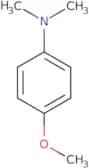
CAS:<p>Versatile small molecule scaffold</p>Formula:C9H11FOPurity:Min. 95%Molecular weight:154.18 g/mol4-Methoxy-N,N-dimethylaniline
CAS:<p>4-Methoxy-N,N-dimethylaniline is a glycol ether that is used in active antiretroviral therapy. It is an effective contraceptive and has been shown to be safe for use in women. It has been shown to inhibit the polymerase chain reaction (PCR) of HIV-1 and HIV-2, as well as the DNA polymerases of hepatitis B virus and herpes simplex virus type 2. The drug does not affect the function of biological samples such as vaginal cells or semen, but does prevent water vapor from reaching them. 4-Methoxy-N,N-dimethylaniline also inhibits prostaglandin synthesis by binding to cyclooxygenase enzymes. This drug can cause stomach upset and nausea when taken orally, but these side effects are less pronounced when it is administered intravenously.</p>Formula:C9H13NOPurity:Min. 95%Molecular weight:151.21 g/mol2-Bromo-4-(chloromethyl)-1-methoxybenzene
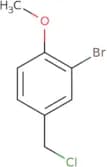
CAS:<p>2-Bromo-4-(chloromethyl)-1-methoxybenzene is a formaldehyde releaser that is used in the production of chloroacetamide. It is also used as an intermediate in organic chemistry, where it is acrylonitrile and chloride alkylation. The bromine atom in 2-bromo-4-(chloromethyl)-1-methoxybenzene can react to release formaldehyde, which may be toxic to humans. Formaldehyde exposure has been linked to cancer and other diseases.</p>Formula:C8H8BrClOPurity:Min. 95%Molecular weight:235.5 g/mol4-(Propan-2-yloxy)benzene-1-thiol
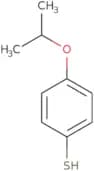
CAS:<p>4-(Propan-2-yloxy)benzene-1-thiol is a chemical that inhibits the enzyme acetyl-coa carboxylase. It is used in medicinal chemistry to create inhibitors of this enzyme. 4-(Propan-2-yloxy)benzene-1-thiol has been found to be selective for the inhibition of acetyl-coa carboxylase and not other enzymes such as malonyl coenzyme A carboxykinase. The high throughput screening of this compound has led to the discovery of new inhibitors with potential therapeutic benefits.</p>Formula:C9H12OSPurity:Min. 95%Molecular weight:168.26 g/mol2-(4-Fluoro-phenylamino)-ethanol
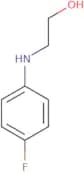
CAS:<p>Versatile small molecule scaffold</p>Formula:C8H10FNOPurity:Min. 95%Molecular weight:155.17 g/molDimethyl cyclopropane-1,2-dicarboxylate
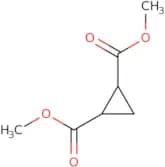
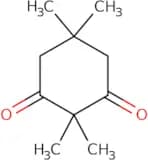
CAS:<p>Dimethyl cyclopropane-1,2-dicarboxylate (DMCPD) is a racemic antiviral agent that inhibits the synthesis of viral nucleic acids and proteins. It was developed as an intermediate for the production of allylstannanes and substituted cyclobutyls. DMCPD has been shown to inhibit the replication of influenza A virus in calf-thymus cells.</p>Formula:C7H10O4Purity:Min. 95%Molecular weight:158.15 g/mol2,2,5,5-Tetramethyl-1,3-cyclohexanedione
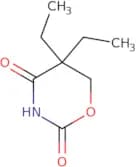
CAS:<p>Versatile small molecule scaffold</p>Formula:C10H16O2Purity:Min. 95%Molecular weight:168.23 g/mol5,5-Diethyl-1,3-oxazinane-2,4-dione
CAS:<p>5,5-Diethyl-1,3-oxazinane-2,4-dione is a water soluble plant growth regulator that belongs to the chemical class of hydroxylated dioximes. It has been shown to have biological properties in plants and is used as a soil wetting agent, but not as an herbicide. 5,5-Diethyl-1,3-oxazinane-2,4-dione has been shown to be highly resistant to microbial infection and have biocompatible properties. This compound was also found to be nonirritant in vitro and can be used as a sample preparation tool for kinetic studies. The compound is also useful for the detection of radiation in fatty acids.</p>Formula:C8H13NO3Purity:Min. 95%Molecular weight:171.19 g/mol4-Methylbicyclo[2.2.2]octane-1-carboxylic acid
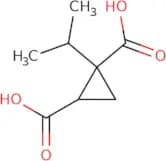
CAS:<p>Versatile small molecule scaffold</p>Formula:C10H16O2Purity:Min. 95%Molecular weight:168.23 g/molrac-(1R,2R)-1-(Propan-2-yl)cyclopropane-1,2-dicarboxylic acid
CAS:<p>Versatile small molecule scaffold</p>Formula:C8H12O4Purity:Min. 95%Molecular weight:172.2 g/mol4-Bromo-N-methylbenzenesulfonamide
CAS:<p>Versatile small molecule scaffold</p>Formula:C7H8BrNO2SPurity:Min. 95%Molecular weight:250.11 g/mol5,8-Dichloroquinoline
CAS:<p>Dichloroquinoline is a nitrated nitrogen heterocycle, which has been orientated to the para position. It is a precursor to a variety of other compounds, including 5,8-dichloroquinoline and 3-chloro-5,8-dichloroquinoline.</p>Formula:C9H5Cl2NPurity:Min. 95%Molecular weight:198.05 g/mol7,8-Dichloroquinoline
CAS:<p>7,8-Dichloroquinoline is a chlorinated quinoline that can be used as a marker for the identification of lactobacillus acidophilus. It has been shown to be an effective agent against l. acidophilus and other lactobacilli in vitro. The effect of 7,8-dichloroquinoline on the growth of lactobacillus species was studied using a nutrient agar medium containing potassium phosphate and calcium carbonate as nutrients. The results showed that 7,8-dichloroquinoline inhibited the growth of all strains tested except Lactobacillus pentosus and Lactobacillus brevis.</p>Formula:C9H5Cl2NPurity:Min. 95%Molecular weight:198.05 g/mol3-Phenyl-2-oxazolidinone
CAS:<p>3-Phenyl-2-oxazolidinone is a potent antibacterial agent. It has been shown to be active against a wide range of Gram-positive and Gram-negative bacteria, including Enterococcus faecalis, Staphylococcus aureus, Mycobacterium avium complex and Escherichia coli. 3-Phenyl-2-oxazolidinone has also been shown to inhibit the growth of Mycobacterium tuberculosis in culture. The mechanism of action is not yet fully understood but may involve inhibition of cell wall synthesis or protein synthesis. 3-Phenyl-2-oxazolidinone also exhibits antiviral activity against human immunodeficiency virus type 1 (HIV) and herpes simplex virus type 2 (HSV).</p>Formula:C9H9NO2Purity:Min. 95%Molecular weight:163.17 g/molBicyclo[2.2.2]oct-5-ene-2-sulfonyl fluoride-(endo)
CAS:Versatile small molecule scaffoldFormula:C8H11FO2SPurity:Min. 95%Molecular weight:190.24 g/mol4-Fluoro-2-nitro-n-methylaniline
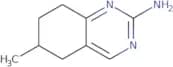
CAS:<p>Versatile small molecule scaffold</p>Formula:C7H7FN2O2Purity:Min. 95%Molecular weight:170.14 g/mol6-Methyl-5,6,7,8-tetrahydroquinazolin-2-amine
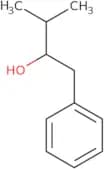
CAS:Versatile small molecule scaffoldFormula:C9H13N3Purity:Min. 95%Molecular weight:163.22 g/mol3-Methyl-1-phenylbutan-2-ol
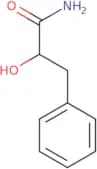
CAS:<p>3-Methyl-1-phenylbutan-2-ol is a benzene derivative that is used in the formulation of perfumes, as well as other products. It is safe to use and has no known side effects. 3-Methyl-1-phenylbutan-2-ol is a fragrance ingredient that belongs to the class of aromatic alcohols. This compound has been shown to have toxicologic and dermatologic properties, although it does not cause irritation or sensitization.<br>3-Methyl-1-phenylbutan-2-ol contains a benzene ring with an alcohol group. The benzene ring has two methyl groups at positions 1 and 2.</p>Formula:C11H16OPurity:Min. 95%Molecular weight:164.24 g/mol2-Hydroxy-3-phenylpropanamide
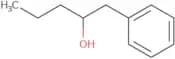
CAS:<p>2-Hydroxy-3-phenylpropanamide is a fatty acid that has been shown to have radical scavenging activity. It is an omega-3 fatty acid, which means it has the first double bond at the third carbon from the methyl end of the molecule. 2-Hydroxy-3-phenylpropanamide also has a phenolic group, which is a type of chemical group with one or more hydroxyl (-OH) groups attached to an aromatic hydrocarbon ring. This compound may be selective for substrate, as it does not react with carboxylic acids or amides. 2-Hydoxy-3-phenylpropanamide's unsaturated aliphatic chain makes it susceptible to oxidation and can lead to the formation of carboxylic acids and aldehydes, which are reactive molecules.</p>Formula:C9H11NO2Purity:Min. 95%Molecular weight:165.19 g/mol2-Hydroxy-1-phenylpentane
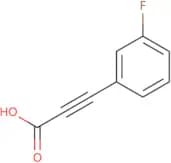
CAS:<p>2-Hydroxy-1-phenylpentane is a mandelonitrile with an alcohol group. It is a cytotoxic compound that can induce apoptosis in cancer cells. 2-Hydroxy-1-phenylpentane has been shown to inhibit the growth of MDA-MB-231 breast cancer cells and induce apoptosis. In addition, this compound also induces apoptosis in rat liver cells and human fibroblasts. This compound induces apoptosis by inhibiting the phosphatidylinositol 3 kinase (PI3K)/Akt pathways. 2-Hydroxy-1-phenylpentane also inhibits cell growth through a clonogenic assay in which it was found to be toxic to mouse embryonic stem cells at concentrations greater than or equal to 50 μM, but not at concentrations less than 10 μM. The toxicity of 2-Hydroxy-1-phenylpentane may be due to its ability to bind with DNA and</p>Formula:C11H16OPurity:Min. 95%Molecular weight:164.24 g/mol3-(3-fluorophenyl)prop-2-ynoic acid
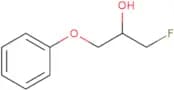
CAS:<p>3-(3-fluorophenyl)prop-2-ynoic acid is an organic compound that is used as a reagent in organic synthesis. It is activated with strong Lewis acids such as aluminum chloride and boron trifluoride etherate to yield the terminal alkynes. The terminal alkynes can be converted to carboxylic acids by carboxylation. 3-(3-Fluorophenyl)prop-2-ynoic acid has been shown to catalyze the reaction in which propiolic acid reacts with butyllithium, yielding methylene chloride and 1,1,1-trichloropropanol. 3-(3-Fluorophenyl)prop-2-ynoic acid also has a mononuclear structure and can be diffracted by x-rays.</p>Formula:C9H5O2FPurity:Min. 95%Molecular weight:164.13 g/mol1-Fluoro-3-phenoxypropan-2-ol
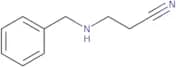
CAS:<p>1-Fluoro-3-phenoxypropan-2-ol is a chiral epoxide that is used as a reagent in organic synthesis. It reacts with styrene to form an enantiomerically pure styrene oxide. 1-Fluoro-3-phenoxypropan-2-ol also has the ability to react with epoxides, chlorohydrins, and chloride to form cyclohexene oxide and fluorine oxide, respectively. The stereochemistry of these reactions can be manipulated by changing the solvent or by using an enantioselective catalyst.</p>Formula:C9H11FO2Purity:Min. 95%Molecular weight:170.18 g/mol²-(Benzylamino)propionitrile
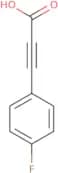
CAS:<p>²-(Benzylamino)propionitrile is a synthetic organic compound that is used in the synthesis of catalytic amines and aziridinium salts. It is an intermediate for the production of amines and aziridinium salts, which are compounds with a wide range of applications. ²-(Benzylamino)propionitrile also has the ability to be used as a ligand in metal-catalyzed reactions, such as hydrochloric acid catalyzed reactions. This chemical can be reused several times and is stable at temperatures from 0 to 150 ˚C.</p>Formula:C10H12N2Purity:Min. 95%Molecular weight:160.22 g/mol3-(4-Fluorophenyl)prop-2-ynoic acid
CAS:<p>Versatile small molecule scaffold</p>Formula:C9H5FO2Purity:Min. 95%Molecular weight:164.13 g/mol1,3-Diazaspiro[4.6]undecane-2,4-dione
CAS:<p>Versatile small molecule scaffold</p>Formula:C9H14N2O2Purity:Min. 95%Molecular weight:182.22 g/mol8-Methyl-1,3-diazaspiro[4.5]decane-2,4-dione
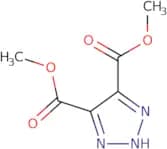
CAS:<p>Versatile small molecule scaffold</p>Formula:C9H14N2O2Purity:Min. 95%Molecular weight:182.22 g/mol4,5-Dimethyl 1H-1,2,3-triazole-4,5-dicarboxylate
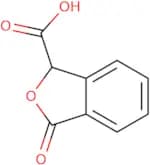
CAS:<p>Versatile small molecule scaffold</p>Formula:C6H7N3O4Purity:Min. 95%Molecular weight:185.14 g/mol3-Oxo-1,3-dihydro-2-benzofuran-1-carboxylic acid
CAS:<p>3-Oxo-1,3-dihydro-2-benzofuran-1-carboxylic acid is a cyclic compound with a molecular weight of 174.19. It is a white crystalline solid with a melting point of 164°C and can be found in isopropyl alcohol. 3-Oxo-1,3-dihydro-2-benzofuran-1-carboxylic acid is used as an intermediate for the synthesis of coatings, which are applied to surfaces to protect them from corrosion or other chemical attack. The reaction time and solvent must be considered when working with this compound.</p>Formula:C9H6O4Purity:Min. 95%Molecular weight:178.14 g/mol1-Methyl-2,3-dihydro-1H-indene-2-carboxylic acid
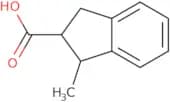
CAS:Versatile small molecule scaffoldFormula:C11H12O2Purity:Min. 95%Molecular weight:176.21 g/mol2-Chloro-6-(trifluoromethyl)pyrimidine-4,5-diamine
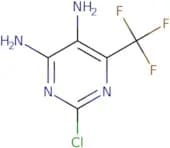
CAS:Versatile small molecule scaffoldFormula:C5H4ClF3N4Purity:Min. 95%Molecular weight:212.56 g/mol


![2-chloro-[1,2,4]triazolo[1,5-a]pyridine](/_next/image/?url=https%3A%2Fstatic.cymitquimica.com%2Fproducts%2F3D%2Fthumb-webp%2FAAA69843.webp&w=3840&q=75)
![1,3-Diazaspiro[4.4]nonane-2,4-dione](/_next/image/?url=https%3A%2Fstatic.cymitquimica.com%2Fproducts%2F3D%2Fthumb-webp%2FAAA69951.webp&w=3840&q=75)
![Bicyclo[2.2.1]hept-5-ene-2-sulfonyl fluoride, somers](/_next/image/?url=https%3A%2Fstatic.cymitquimica.com%2Fproducts%2F3D%2Fthumb-webp%2FAAA70026.webp&w=3840&q=75)


![4-Methylbicyclo[2.2.2]octane-1-carboxylic acid](/_next/image/?url=https%3A%2Fstatic.cymitquimica.com%2Fproducts%2F3D%2Fthumb-webp%2FAAA70267.webp&w=3840&q=75)


![Bicyclo[2.2.2]oct-5-ene-2-sulfonyl fluoride-(endo)](/_next/image/?url=https%3A%2Fstatic.cymitquimica.com%2Fproducts%2F3D%2Fthumb-webp%2FAAA70390.webp&w=3840&q=75)

![1,3-Diazaspiro[4.6]undecane-2,4-dione](/_next/image/?url=https%3A%2Fstatic.cymitquimica.com%2Fproducts%2F3D%2Fthumb-webp%2FAAA70716.webp&w=3840&q=75)
![8-Methyl-1,3-diazaspiro[4.5]decane-2,4-dione](/_next/image/?url=https%3A%2Fstatic.cymitquimica.com%2Fproducts%2F3D%2Fthumb-webp%2FAAA70717.webp&w=3840&q=75)