Building Blocks
This section contains fundamental products for the synthesis of organic and biological compounds. Building blocks are the essential starting materials used to construct complex molecules through various chemical reactions. They play a critical role in drug discovery, material science, and chemical research. At CymitQuimica, we offer a diverse range of high-quality building blocks to support your innovative research and industrial projects, ensuring you have the essential components for successful synthesis.
Subcategories of "Building Blocks"
- Boronic Acids & Boronic Acid Derivatives(5,778 products)
- Chiral Building Blocks(1,242 products)
- Hydrocarbon Building Blocks(6,098 products)
- Organic Building Blocks(61,034 products)
Found 199601 products of "Building Blocks"
Sort by
Purity (%)
0
100
|
0
|
50
|
90
|
95
|
100
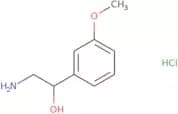
2-Amino-1-(3-methoxyphenyl)ethan-1-ol hydrochloride
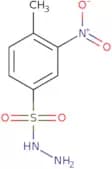
CAS:Versatile small molecule scaffoldFormula:C9H14ClNO2Purity:Min. 95%Molecular weight:203.66 g/mol4-Methyl-3-nitrobenzenesulfonohydrazide
CAS:Versatile small molecule scaffoldFormula:C7H9N3O4SPurity:Min. 95%Molecular weight:231.23 g/mol6-Chloro-1H,2H,3H-pyrrolo[2,3-b]pyridine
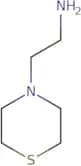
CAS:Versatile small molecule scaffoldFormula:C7H7ClN2Purity:Min. 95%Molecular weight:154.6 g/mol4-(2-Aminoethyl)thiomorpholine
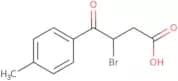
CAS:<p>4-(2-Aminoethyl)thiomorpholine is an operational chemical that dilates the coronary and other blood vessels. It is used to treat cases of high blood pressure. 4-(2-Aminoethyl)thiomorpholine has been shown to increase the permeability of membranes, which may be due to its ability to inhibit platelet aggregation. 4-(2-Aminoethyl)thiomorpholine also functions as a coagulant. This drug is a fatty acid ester with two functional groups, one being borane and the other being dialysis. The borane group can be reduced by diborane, while the dialysis group acts as a buffer in the presence of acids or bases.</p>Formula:C6H14N2SPurity:Min. 95%Molecular weight:146.3 g/mol3-Bromo-4-(4-methylphenyl)-4-oxobutanoic acid
CAS:<p>Versatile small molecule scaffold</p>Formula:C11H11BrO3Purity:Min. 95%Molecular weight:271.11 g/mol3-Bromo-4-oxo-4-phenylbutanoic acid
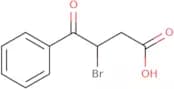
CAS:<p>Versatile small molecule scaffold</p>Formula:C10H9BrO3Purity:Min. 95%Molecular weight:257.09 g/mol3-Bromo-4-oxo-4-thiophen-2-yl-butyric acid
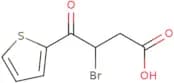
CAS:<p>Versatile small molecule scaffold</p>Formula:C8H7BrO3SPurity:Min. 95%Molecular weight:263.11 g/mol4-Isopropylbenzenecarbothioamide
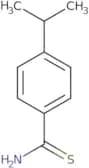
CAS:<p>4-Isopropylbenzenecarbothioamide is a versatile compound with various applications. It belongs to the class of epoxy, pyrazoles, acalabrutinib, eriosema tuberosum, broussonetia, amide, sulfonamide, pyrroles, monoterpenoid, ether, aluminum, quinazolines, aspergillus, piperazines and is considered a natural product. This compound has been extensively studied for its potential therapeutic properties and has shown promising results in various fields. Its unique chemical structure makes it suitable for use in different industries such as pharmaceuticals and agriculture. The diverse range of applications of 4-Isopropylbenzenecarbothioamide makes it an essential ingredient in many products.</p>Formula:C10H13NSPurity:Min. 95%Molecular weight:179.28 g/mol2-[4-(2-Hydroxyethyl)-2,5-dimethylpiperazin-1-yl]ethan-1-ol
CAS:Versatile small molecule scaffoldFormula:C10H22N2O2Purity:Min. 95%Molecular weight:202.29 g/mol2,4-Dibromo-6-[(tert-butylamino)methyl]phenol
CAS:<p>Versatile small molecule scaffold</p>Formula:C11H15Br2NOPurity:Min. 95%Molecular weight:337.05 g/mol2-(Chloromethyl)-2,3-dihydro-1-benzofuran
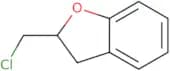
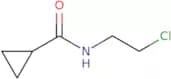
CAS:Versatile small molecule scaffoldFormula:C9H9ClOPurity:Min. 95%Molecular weight:168.62 g/molN-(2-Chloroethyl)cyclopropanecarboxamide
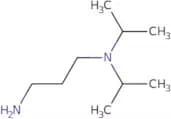
CAS:Versatile small molecule scaffoldFormula:C6H10ClNOPurity:Min. 95%Molecular weight:147.6 g/mol(3-Aminopropyl)bis(propan-2-yl)amine
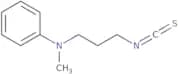
CAS:<p>Versatile small molecule scaffold</p>Formula:C9H22N2Purity:Min. 95%Molecular weight:158.28 g/molN-(3-Isothiocyanatopropyl)-N-methylaniline
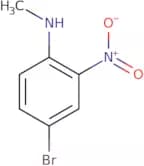
CAS:<p>Versatile small molecule scaffold</p>Formula:C11H14N2SPurity:Min. 95%Molecular weight:206.31 g/mol4-Bromo-N-methyl-2-nitroaniline
CAS:<p>Versatile small molecule scaffold</p>Formula:C7H7BrN2O2Purity:Min. 95%Molecular weight:231.05 g/mol5-Cyano-1-methylbenzoimidazole
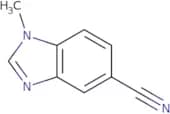
CAS:<p>5-Cyano-1-methylbenzoimidazole is a pyridine that is used primarily in the synthesis of anticancer drugs. It has been shown to have significant cytotoxic effects on cancer cells and inhibit cell growth. 5-Cyano-1-methylbenzoimidazole is synthesized from 1,2,4-triazol and methyl benzoate.</p>Formula:C9H7N3Purity:Min. 95%Molecular weight:157.18 g/mol2-Benzyl-3-methylbutanoic acid
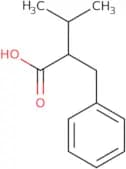
CAS:<p>Versatile small molecule scaffold</p>Formula:C12H16O2Purity:Min. 95%Molecular weight:192.25 g/mol(2S,3S)-2-(2-{[(tert-Butoxy)carbonyl]amino}acetamido)-3-methylpentanoic acid
CAS:Versatile small molecule scaffoldFormula:C13H24N2O5Purity:Min. 95%Molecular weight:288.3 g/mol6-Bromo-2,3-dihydro-1H-inden-5-amine
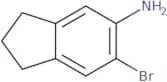
CAS:<p>Versatile small molecule scaffold</p>Formula:C9H10BrNPurity:Min. 95%Molecular weight:212.09 g/molBenzo[d]isothiazol-5-amine
CAS:<p>Versatile small molecule scaffold</p>Formula:C7H6N2SPurity:Min. 95%Molecular weight:150.2 g/mol1-Amino-3-fluoropropan-2-ol hydrochloride
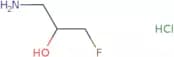
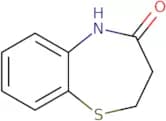
CAS:<p>Versatile small molecule scaffold</p>Formula:C3H9ClFNOPurity:Min. 95%Molecular weight:129.56 g/mol2,3,4,5-Tetrahydro-1,5-benzothiazepin-4-one
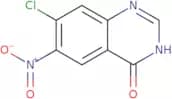
CAS:<p>2,3,4,5-Tetrahydro-1,5-benzothiazepin-4-one is an organic compound that is used in the synthesis of pharmaceuticals. It is a ketone that has been shown to be active against some alkali metal ions such as potassium and sodium. 2,3,4,5-Tetrahydro-1,5-benzothiazepin-4-one reacts with an ethyl acetate solution of potassium carbonate to give a precipitate. The reaction proceeds through an acylation reaction between the ethyl acetate and potassium carbonate. This reaction is catalyzed by hydrogen bonds between 2,3,4,5-tetrahydro-1,5 benzothiazepin-4 one and the ethyl acetate molecule. This compound also reacts with esters to form ester derivatives. It has been shown to have an optically active form when dissolved in dieth</p>Formula:C9H9NOSPurity:Min. 95%Molecular weight:179.24 g/mol7-Chloro-6-nitroquinazolin-4(1H)-one
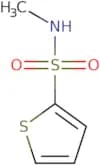
CAS:<p>7-Chloro-6-nitroquinazolin-4(1H)-one is a manipulator that has been shown to be effective in the treatment of epidermal growth. The compound was found to be an efficient inhibitor of protein kinases and histone deacetylases, which are important for the regulation of cellular proliferation. 7-Chloro-6-nitroquinazolin-4(1H)-one is also a nucleophile that reacts with electrophiles such as organic peroxides and nitrosating agents. This reaction leads to the production of reactive oxygen species, which may contribute to its antitumor activity.</p>Formula:C8H4ClN3O3Purity:Min. 95%Molecular weight:225.59 g/molN-Methylthiophene-2-sulfonamide
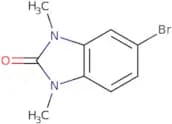
CAS:<p>N-Methylthiophene-2-sulfonamide is an inhibitor of arylsulfonamides. It can be used to investigate the conformational and torsional effects of arylsulfonamides and their relationship to the inhibition of sulfonamide. N-Methylthiophene-2-sulfonamide has been shown to have good inhibitory activity against sulfonamide with conformation and torsional effects, which may be due to its ability to bind to the sulfanilamide in the active site. The computational results also show that this compound has potential for use as a drug candidate.</p>Formula:C5H7NO2S2Purity:Min. 95%Molecular weight:177.24 g/mol5-Bromo-1,3-dimethyl-2,3-dihydro-1h-1,3-benzodiazol-2-one
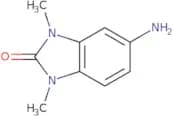
CAS:Versatile small molecule scaffoldFormula:C9H9N2OBrPurity:Min. 95%Molecular weight:241.08 g/mol5-Amino-1,3-dimethyl-1,3-dihydro-2H-benzimidazol-2-one
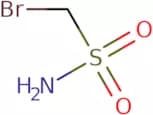
CAS:<p>Versatile small molecule scaffold</p>Formula:C9H11N3OPurity:Min. 95%Molecular weight:177.21 g/molBromomethanesulfonamide
CAS:<p>Bromomethanesulfonamide is a synthetic drug that is used to treat acute lymphoblastic leukemia and hepatitis. It inhibits the activity of the enzyme ns5b polymerase, which is involved in viral replication. Bromomethanesulfonamide is also an NS5B polymerase inhibitor, which may be effective against some types of chronic hepatitis caused by a virus. This drug has been shown to inhibit serotonin synthesis in animals, but this effect has not been observed in humans. Bromomethanesulfonamide has also been used as a control agent for pharmaceutical preparations and carbonic anhydrase inhibitors for glaucoma treatment.</p>Formula:CH4BrNO2SPurity:Min. 95%Molecular weight:174.02 g/mol6-Hydroxy-2H-benzo[b][1,4]oxazin-3(4H)-one
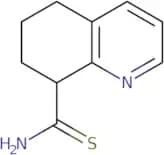
CAS:<p>6-Hydroxy-2H-benzo[b][1,4]oxazin-3(4H)-one is a dermatological active substance that is used in the treatment of skin diseases. It has been shown to be an immunosuppressant in animals and humans and can also be used in the treatment of respiratory disease. It has vasotropic properties and is an antiinflammatory agent. 6-Hydroxy-2H-benzo[b][1,4]oxazin-3(4H)-one is a topoisomerase II inhibitor that binds to DNA and prevents the unwinding of DNA strands by inhibiting the formation of topoisomerases II–DNA complexes. The compound binds to the C1 position on the cyclohexane ring, which contains both unsubstituted alkyl and unsubstituted aryl groups as well as elements such as silver halide.</p>Formula:C8H7NO3Purity:Min. 95%Molecular weight:165.15 g/mol5,6,7,8-Tetrahydro-8-quinolinecarbothioamide
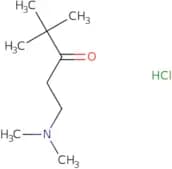
CAS:<p>5,6,7,8-Tetrahydro-8-quinolinecarbothioamide is a pyridine compound with the molecular formula C4H5N. It is an anti-ulcer agent that has been used in the synthesis of other organic compounds. This compound contains a pyridine ring with a nitrogen atom at position 8 that is substituted with a cyano group. It also contains two hydrocarbon rings and one nitro group at position 5. 5,6,7,8-Tetrahydro-8-quinolinecarbothioamide can be synthesized by reacting 2 equivalents of carbonyl fluoride with 1 equivalent of sodium nitrite in the presence of copper metal.</p>Formula:C10H12N2SPurity:Min. 95%Molecular weight:192.28 g/mol1-(Dimethylamino)-4,4-dimethylpentan-3-one hydrochloride
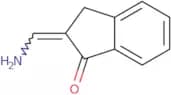
CAS:<p>Versatile small molecule scaffold</p>Formula:C9H20ClNOPurity:Min. 95%Molecular weight:193.71 g/mol2-(Aminomethylidene)-2,3-dihydro-1H-inden-1-one
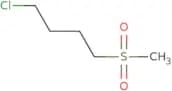
CAS:<p>2-(Aminomethylidene)-2,3-dihydro-1H-inden-1-one is a lipophilic drug that is used in pharmaceutical preparations. It is a non-irritating and non-sensitizing agent that does not cause any significant sensitization reactions. It is used as a diagnostic aid for the detection of fatty acid esters in tissue samples, an enhancement agent during cavity preparation, and as pharmaceutical dosage for treatment of depression. This compound has been shown to act as a transporter gene modulator and can be found in tissues such as the brain, heart, kidney, liver, spleen, adrenal gland and pancreas. 2-(Aminomethylidene)-2,3-dihydro-1H-inden-1-one may be conjugated with glutathione or sulfate and excreted into bile. Fatty acids are transported into cells by carriers</p>Formula:C10H9NOPurity:Min. 95%Molecular weight:159.18 g/mol1-Chloro-4-methanesulfonylbutane
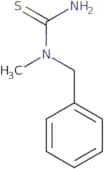
CAS:<p>Versatile small molecule scaffold</p>Formula:C5H11ClO2SPurity:Min. 95%Molecular weight:170.66 g/molN-Benzyl-N-methylthiourea
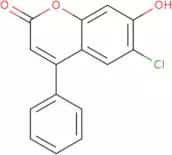
CAS:<p>N-Benzyl-N-methylthiourea is an isomeric, bicyclic compound. It has antiaromatic properties and belongs to the thiazole class of compounds. It was isolated from a reaction mixture in which benzyl chloride and methylisothiourea were heated together with sodium amide. It has been reinvestigated as a possible intermediate for heterocyclic synthesis. The substance is stable at room temperature, but decomposes on heating.</p>Formula:C9H12N2SPurity:Min. 95%Molecular weight:180.27 g/mol6-Chloro-7-hydroxy-4-phenyl-2H-chromen-2-one
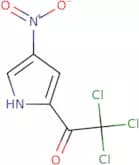
CAS:<p>6-Chloro-7-hydroxy-4-phenyl-2H-chromen-2-one (6CHC) is a chromene derivative that binds to nuclear DNA and can be used for the diagnosis of cancer. 6CHC has been shown to inhibit the growth of cancer cells by binding to their nuclear DNA. The compound has also been shown to bind to the PPAR receptors and thereby inhibiting the proliferation of cancer cells. 6CHC has been shown to be a more sustainable alternative for phaseolus, which is currently being used as an inhibitor in wastewater treatment. This compound is resistant to acid molecules, making it a good candidate for use in wastewater treatment with high concentrations of acid. 6CHC is also an antioxidant that can be used as an corrosion inhibitor in wastewater treatment systems.</p>Formula:C15H9ClO3Purity:Min. 95%Molecular weight:272.68 g/mol2,2,2-Trichloro-1-(4-nitro-1h-pyrrol-2-yl)ethanone
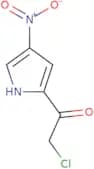
CAS:Versatile small molecule scaffoldFormula:C6H3Cl3N2O3Purity:Min. 95%Molecular weight:257.46 g/mol2-Chloro-1-(4-nitro-1H-pyrrol-2-yl)ethan-1-one
CAS:Versatile small molecule scaffoldFormula:C6H5ClN2O3Purity:Min. 95%Molecular weight:188.57 g/molSpiro[2.2]pentan-1-ylmethanol
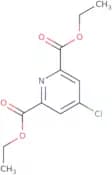
CAS:Versatile small molecule scaffoldFormula:C6H10OPurity:Min. 95%Molecular weight:98.14 g/molDiethyl 4-chloropyridine-2,6-dicarboxylate
CAS:<p>Versatile small molecule scaffold</p>Formula:C11H12ClNO4Purity:Min. 95%Molecular weight:257.67 g/molC-Furan-2-yl-C-phenyl-methylaminehydrochloride
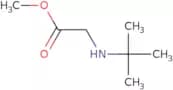
CAS:<p>Versatile small molecule scaffold</p>Formula:C11H12ClNOPurity:Min. 95%Molecular weight:209.67 g/molMethyl 2-(tert-butylamino)acetate
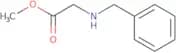
CAS:<p>Versatile small molecule scaffold</p>Formula:C7H15NO2Purity:Min. 95%Molecular weight:145.2 g/molMethyl 2-(benzylamino)acetate
CAS:<p>Methyl 2-(benzylamino)acetate is a carboxyalkyl compound that is involved in the biosynthesis of β-unsaturated ketones. It can be used as a substrate for the oxidation of molecules such as quinazolines, piperidines and piperazines. Methyl 2-(benzylamino)acetate can also act as an acceptor for hydrogen atoms or electrons from other molecules. The methyl group in this molecule has been shown to be able to donate or accept electrons from other molecules, allowing it to participate in many different reactions. Methyl 2-(benzylamino)acetate is synthesized by bacteria such as Bacillus subtilis.</p>Formula:C10H13NO2Purity:Min. 95%Molecular weight:179.22 g/mol2-Ethoxycyclopropane-1-carboxylic acid
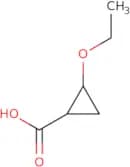
CAS:<p>Versatile small molecule scaffold</p>Formula:C6H10O3Purity:Min. 95%Molecular weight:130.14 g/mol2-(Methanesulfonylmethyl)phenol
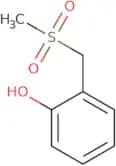
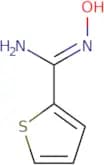
CAS:<p>Versatile small molecule scaffold</p>Formula:C8H10O3SPurity:Min. 95%Molecular weight:186.23 g/molN'-Hydroxy-2-thiophenecarboximidamide
CAS:N'-Hydroxy-2-thiophenecarboximidamide is a factor-1 inhibitor that has been shown to inhibit the hypoxia inducible transcription factors (HIF) 1α and HIF2α. These proteins are involved in cellular response to hypoxia, which can lead to metastasis. This drug also inhibits the development of xenograft tumors by inhibiting cellular responses. N'-Hydroxy-2-thiophenecarboximidamide has been shown to be more effective than other inhibitors at preventing tumor growth and angiogenesis. It is also an important advance for cancer therapy as it provides a new target for cancer therapeutics.Formula:C5H6N2OSPurity:Min. 95%Molecular weight:142.18 g/mol[2-(Aminomethyl)benzyl]dimethylamine dihydrochloride
CAS:<p>Versatile small molecule scaffold</p>Formula:C10H18Cl2N2Purity:Min. 95%Molecular weight:237.17 g/mol2-[(Dimethylamino)methyl]benzonitrile
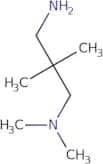
CAS:<p>Versatile small molecule scaffold</p>Formula:C10H12N2Purity:Min. 95%Molecular weight:160.22 g/molN,N,2,2-Tetramethyl-1,3-propanediamine
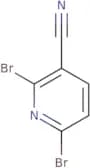
CAS:<p>N,N,2,2-Tetramethyl-1,3-propanediamine is a disulfide compound. It crystallizes in the orthorhombic system and exhibits an axial ligand. It has been shown to be a good ligand for many metal ions such as copper and zinc. The crystal structure of N,N,2,2-Tetramethyl-1,3-propanediamine is most likely a perchlorate salt with polymeric chains. The topology of the N,N,2,2-Tetramethyl-1,3-propanediamine molecule is anions.</p>Formula:C7H18N2Purity:Min. 95%Molecular weight:130.23 g/mol2,6-Dibromopyridine-3-carbonitrile
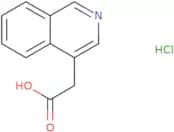
CAS:<p>Versatile small molecule scaffold</p>Formula:C6H2Br2N2Purity:Min. 95%Molecular weight:261.9 g/mol2-(Isoquinolin-4-yl)acetic acid hydrochloride
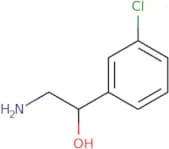
CAS:Versatile small molecule scaffoldFormula:C11H10ClNO2Purity:Min. 95%Molecular weight:223.65 g/mol2-amino-1-(3-chlorophenyl)ethan-1-ol
CAS:<p>2-Amino-1-(3-chlorophenyl)ethan-1-ol is an iodide compound that has been shown to have insulin-like growth factor activity. It has been developed for clinical use in the treatment of cancer and other diseases. 2-Amino-1-(3-chlorophenyl)ethan-1-ol has been shown to reduce borohydride and peracid, which are compounds that are used in organic synthesis. The stereoisomers of this compound have also been characterized by X-ray crystallography. This iodide has been found to stimulate the growth of cells in vitro, as well as increase fatty acid production, thus making it a potential candidate for the treatment of obesity.</p>Formula:C8H10ClNOPurity:Min. 95%Molecular weight:171.62 g/mol

![6-Chloro-1H,2H,3H-pyrrolo[2,3-b]pyridine](/_next/image/?url=https%3A%2Fstatic.cymitquimica.com%2Fproducts%2F3D%2Fthumb-webp%2FDCA51607.webp&w=3840&q=75)
![2-[4-(2-Hydroxyethyl)-2,5-dimethylpiperazin-1-yl]ethan-1-ol](/_next/image/?url=https%3A%2Fstatic.cymitquimica.com%2Fproducts%2F3D%2Fthumb-webp%2FDCA50386.webp&w=3840&q=75)
![2,4-Dibromo-6-[(tert-butylamino)methyl]phenol](/_next/image/?url=https%3A%2Fstatic.cymitquimica.com%2Fproducts%2F3D%2Fthumb-webp%2FDCA50038.webp&w=3840&q=75)
![(2S,3S)-2-(2-{[(tert-Butoxy)carbonyl]amino}acetamido)-3-methylpentanoic acid](/_next/image/?url=https%3A%2Fstatic.cymitquimica.com%2Fproducts%2F3D%2Fthumb-webp%2FDCA48149.webp&w=3840&q=75)
![Benzo[d]isothiazol-5-amine](/_next/image/?url=https%3A%2Fstatic.cymitquimica.com%2Fproducts%2F3D%2Fthumb-webp%2FDCA47385.webp&w=3840&q=75)
![6-Hydroxy-2H-benzo[b][1,4]oxazin-3(4H)-one](/_next/image/?url=https%3A%2Fstatic.cymitquimica.com%2Fproducts%2F3D%2Fthumb-webp%2FDCA41238.webp&w=3840&q=75)
![Spiro[2.2]pentan-1-ylmethanol](/_next/image/?url=https%3A%2Fstatic.cymitquimica.com%2Fproducts%2F3D%2Fthumb-webp%2FDCA38910.webp&w=3840&q=75)
![[2-(Aminomethyl)benzyl]dimethylamine dihydrochloride](/_next/image/?url=https%3A%2Fstatic.cymitquimica.com%2Fproducts%2F3D%2Fthumb-webp%2FDCA36978.webp&w=3840&q=75)
![2-[(Dimethylamino)methyl]benzonitrile](/_next/image/?url=https%3A%2Fstatic.cymitquimica.com%2Fproducts%2F3D%2Fthumb-webp%2FDCA36976.webp&w=3840&q=75)