


Building Blocks
This section contains fundamental products for the synthesis of organic and biological compounds. Building blocks are the essential starting materials used to construct complex molecules through various chemical reactions. They play a critical role in drug discovery, material science, and chemical research. At CymitQuimica, we offer a diverse range of high-quality building blocks to support your innovative research and industrial projects, ensuring you have the essential components for successful synthesis.
Subcategories of "Building Blocks"
- Boronic Acids & Boronic Acid Derivatives(5,756 products)
- Chiral Building Blocks(1,242 products)
- Hydrocarbon Building Blocks(6,095 products)
- Organic Building Blocks(61,055 products)
Found 199650 products of "Building Blocks"
Sort by
Purity (%)
0
100
|
0
|
50
|
90
|
95
|
100
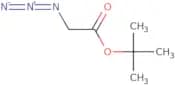
tert-Butyl 2-azidoacetate
CAS:<p>Tert-butyl 2-azidoacetate is a synthetic chemical that is used to synthesize azides. It reacts with ethyl diazoacetate to produce tert-butyl azide and tert-butanol. This reaction can be used to synthesize the azide functional group in a single step, which is more efficient than the traditional two-step process. Tert-butyl 2-azidoacetate has been shown to have antibacterial activity against hl-60 cells, an immortalized promyelocytic leukemia cell line. The antibacterial effect of tert-butyl 2-azidoacetate may be due to its ability to react with amino groups on proteins and phosphonates on DNA, which are important for bacterial growth and replication.</p>Formula:C6H11N3O2Purity:Min. 95%Molecular weight:157.17 g/mol(2S)-2-Acetamido-3-hydroxy-N-methylpropanamide
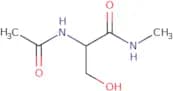
CAS:<p>(2S)-2-Acetamido-3-hydroxy-N-methylpropanamide is a compound that belongs to the class of phosphopeptides. It is synthesized by reacting an N-acetylcysteamine with methylamine in the presence of sodium bicarbonate. This compound has shown to have antihypertensive and vasodilatory effects, as well as the ability to inhibit platelet aggregation.</p>Formula:C6H12N2O3Purity:Min. 95%Molecular weight:160.17 g/molSodium 5-sulphoisophthalate
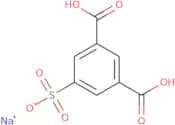
CAS:<p>Sodium 5-sulphoisophthalate is a chemical compound that is the monosodium salt of sulfonated 5-sulphoisophthalic acid. It is an important raw material in the production of polycarboxylic acids, which are used as intermediates in the production of nylon and polyester. The reaction vessel for the production of sodium 5-sulfoisophthalate is usually a stainless steel pressure reactor. Sodium carbonate and sulfur trioxide react at high temperatures to produce sodium 5-sulfoisophthalate and hydrogen sulfide. The product can be purified by fractional distillation, or it can be reacted with ammonia to form ammonium sulfite, which can then be used as a fertilizer. Sodium 5-sulfoisophthalate has been shown to have fluorescence properties and can serve as a probe for hydrogen bonding between molecules.</p>Formula:C8H5NaO7SPurity:Min. 95%Molecular weight:268.17 g/molEthyl 3-cyano-3-phenylpyruvate
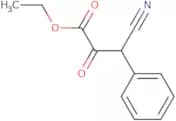
CAS:<p>Ethyl 3-cyano-3-phenylpyruvate is a chemical compound that is used as an antiviral agent. It has been shown in vitro to inhibit influenza virus and depression. Ethyl 3-cyano-3-phenylpyruvate is synthesized by the alkylation of furyl with phenyl group, followed by the reduction of the tetronic acid formed. The antiviral activity of ethyl 3-cyano-3-phenylpyruvate was analyzed by assessing the ability to inhibit viral replication and production of new viruses. The sodium salt form of this compound is used in foodstuff as a preservative.</p>Formula:C12H11NO3Purity:Min. 95%Molecular weight:217.22 g/mol4-Chloro-2,5-dimethoxyaniline
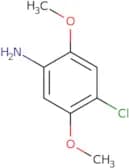
CAS:<p>4-Chloro-2,5-dimethoxyaniline (4CMA) is a synthetic organic compound that can be used in the synthesis of dyes and pharmaceuticals. This compound is synthesized by reacting ammonium nitrate with 4-chloro-2,5-dimethoxybenzene in the presence of sodium formate. The reaction takes place in an organic solvent such as xylene or sulfoxide. The product is then reacted with methyl alcohol and alkylation agent such as hydrogen chloride to produce the desired product.</p>Formula:C8H10ClNO2Purity:Min. 95%Molecular weight:187.62 g/mol2-Amino-3,4,6-trichlorophenol
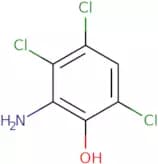
CAS:<p>2-Amino-3,4,6-trichlorophenol is a versatile compound that has various applications in different fields. It is commonly used in chromatographic analysis as a reference standard and as a reagent in organic synthesis. This compound is also found naturally in plants such as monoterpenoids, isoflavones, pyrazoles, alkaloids, and chalcones. Additionally, it has been identified as a component of certain research chemicals.</p>Formula:C6H4Cl3NOPurity:Min. 95%Molecular weight:212.5 g/mol2-[2-(Hydroxymethyl)phenyl]ethan-1-ol
CAS:<p>2-[2-(Hydroxymethyl)phenyl]ethan-1-ol is an antibacterial agent that belongs to the group of aryl alcohols. It is a bactericidal agent that inhibits the growth and reproduction of bacteria by binding to their DNA. 2-[2-(Hydroxymethyl)phenyl]ethan-1-ol has shown effectiveness against gram-positive and gram-negative bacteria, including Staphylococcus aureus, Streptococcus pneumoniae, Escherichia coli, Haemophilus influenzae and Bacillus subtilis. This compound has also been shown to be active against Mycobacterium tuberculosis, but not against Candida albicans or Aspergillus niger.</p>Formula:C9H12O2Purity:Min. 95%Molecular weight:152.19 g/mol2-[(Pyridin-3-yl)amino]acetic acid hydrochloride
CAS:<p>Versatile small molecule scaffold</p>Formula:C7H9ClN2O2Purity:Min. 95%Molecular weight:188.61 g/mol1-benzoylpyrrolidine-2,5-dione
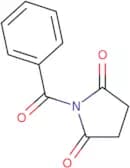
CAS:<p>1-Benzoylpyrrolidine-2,5-dione is a ketone that can be used as an industrial coupling agent. It is used in the synthesis of saccharin and arylketones. This reagent can be used to cleave amides and succinimide esters. 1-Benzoylpyrrolidine-2,5-dione reacts with arylsiloxanes to form functional groups on the silicon atom. In addition, this compound can be used as a substrate for organic synthesis.</p>Formula:C11H9NO3Purity:Min. 95%Molecular weight:203.2 g/mol6-Acetyl-1,2,3,4-tetrahydropyrimidine-2,4-dione
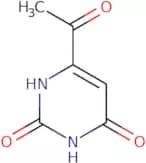
CAS:<p>6-Acetyl-1,2,3,4-tetrahydropyrimidine-2,4-dione is a chemical compound that has two functions. One function is as a dianion that can be used to measure the hydrogen ion concentration in an aqueous solution with the pH range of 1 to 14. The second function is as an acid complex with constant K1 and K2 values. This compound is stable in the presence of acids and bases and can react with alcohols to form esters. 6-Acetyl-1,2,3,4-tetrahydropyrimidine-2,4-dione has been used in the synthesis of orotic acid from orotic acid esters.</p>Formula:C6H6N2O3Purity:Min. 95%Molecular weight:154.12 g/mol2-Hydroxy-2-(naphthalen-1-yl)propanoic acid
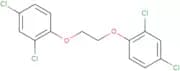
CAS:<p>Versatile small molecule scaffold</p>Formula:C13H12O3Purity:Min. 95%Molecular weight:216.23 g/mol1,2-Bis(2,4-dichlorophenoxy)ethane
CAS:<p>Versatile small molecule scaffold</p>Formula:C14H10Cl4O2Purity:Min. 95%Molecular weight:352 g/mol1-Methyl-4-nitro-1H-imidazole-5-sulfonamide
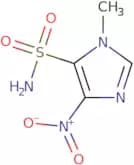
CAS:<p>1-Methyl-4-nitro-1H-imidazole-5-sulfonamide is a cytotoxic agent that is used to treat cancer. This drug inhibits the growth of cancer cells and sensitizes them to radiation therapy by binding to DNA, which inhibits its ability to replicate. It has been shown to have an inhibitory effect on tumour growth in animal models. 1-Methyl-4-nitro-1H-imidazole-5-sulfonamide binds preferentially to tissues with high oxygen tension, such as the brain and bone marrow, and has been shown to be effective in treating leukemia cells. 1MM4NIAS is also radiosensitizing for cancer and can be used in combination with radiation therapy treatments for cancer patients.</p>Formula:C4H6N4O4SPurity:Min. 95%Molecular weight:206.18 g/mol2-Hydroxy-4-(methoxymethyl)-6-methylpyridine-3-carbonitrile
CAS:<p>This is a pyridine compound that is used in the nitration of aromatic compounds. It can be synthesized by reaction of 2-aminopyridine with nitric acid and sulfuric acid, followed by filtration and recrystallization. The experimental procedure for this compound is not currently available.</p>Formula:C9H10N2O2Purity:Min. 95%Molecular weight:178.19 g/mol1-[2-(2-Aminoethoxy)ethoxy]butane
CAS:<p>Versatile small molecule scaffold</p>Formula:C8H19NO2Purity:Min. 95%Molecular weight:161.24 g/mol4-[(Phenylamino)methyl]phenol hydrochloride
CAS:<p>Versatile small molecule scaffold</p>Formula:C13H14ClNOPurity:Min. 95%Molecular weight:235.71 g/mol3-(2-Nitrophenoxy)propanoic acid
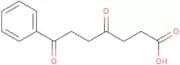
CAS:<p>Versatile small molecule scaffold</p>Formula:C9H9NO5Purity:Min. 95%Molecular weight:211.17 g/mol4,7-Dioxo-7-phenylheptanoic acid
CAS:<p>Versatile small molecule scaffold</p>Formula:C13H14O4Purity:Min. 95%Molecular weight:234.25 g/molBismuthiol II
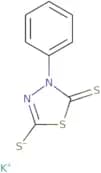
CAS:<p>Bismuthiol II is a reagent that is used in the reaction mechanism of particle. It reacts with hydrochloric acid to form silver chloride, which can be detected by fluorescence probe. Bismuthiol II is also used as a plasma mass spectrometry (PMS) reagent, where it reacts with tellurium to form copper tellurate and bismuth tellurate. Bismuthiol II has been shown to have anti-cancer effects on cancer tissue during the extractant process. The extractant process utilizes a multi-walled carbon nanotube (MWCNT) to extract copper complexes from the tissue. This extraction process has been shown to enhance the analytical chemistry of bismuthiol II.</p>Formula:C8H5KN2S3Purity:Min. 95%Molecular weight:264.42 g/molNitrosodioctylamine
CAS:<p>Nitrosodioctylamine is a polycarboxylic acid that is used for the production of chlorinated hydrocarbons. It is also used as an industrial chemical and a polymerization inhibitor. Nitrosodioctylamine can be synthesized from hydrogen chloride and nitric acid, or from sodium nitrate and sulfuric acid. The polymerization inhibition activity of this compound is due to its ability to form cross-links with polyvinyl alcohol. Nitrosodioctylamine has been shown to cause cancer in rats, which may be due to its ability to bind with DNA and inhibit the synthesis of enzyme proteins. Nitrosodioctylamine has also been found to have a sealant effect on metal surfaces that are contaminated by halogen compounds such as chlorine and bromine because it reacts with these compounds to form a layer of insoluble organic material.</p>Formula:C16H34N2OPurity:Min. 95%Molecular weight:270.45 g/mol{[1-(Pyridin-3-yl)ethylidene]amino}urea
CAS:<p>Versatile small molecule scaffold</p>Formula:C8H10N4OPurity:Min. 95%Molecular weight:178.19 g/mol4-Isopropylbenzenesulfonamide
CAS:<p>4-Isopropylbenzenesulfonamide is a compound that belongs to the class of antifungals. It is an intramolecular inhibitor of the enzyme, target molecules, that catalyzes the formation of ergosterol in fungi. The inhibition of this enzyme leads to the accumulation of squalene and other sterols, which causes cell death. 4-Isopropylbenzenesulfonamide also has x-ray diffraction studies that have shown its ability to inhibit germination of spores from some fungi.</p>Formula:C9H13NO2SPurity:Min. 95%Molecular weight:199.27 g/molBis(2-chlorophenyl)methanol
CAS:<p>Versatile small molecule scaffold</p>Formula:C13H10Cl2OPurity:Min. 95%Molecular weight:253.12 g/mol9-Phenyl-6,9-dihydro-1H-purin-6-one
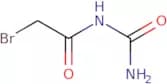
CAS:Versatile small molecule scaffoldFormula:C11H8N4OPurity:Min. 95%Molecular weight:212.21 g/mol2-Bromo-N-carbamoylacetamide
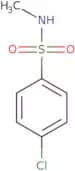
CAS:<p>Versatile small molecule scaffold</p>Formula:C3H5BrN2O2Purity:Min. 95%Molecular weight:180.99 g/mol4-Chloro-N-methylbenzenesulfonamide
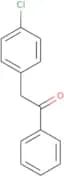
CAS:<p>Versatile small molecule scaffold</p>Formula:C7H8ClNO2SPurity:Min. 95%Molecular weight:205.66 g/mol2-(4-Chlorophenyl)acetophenone
CAS:<p>2-(4-Chlorophenyl)acetophenone is a synthetic compound that has been used in the synthesis of other compounds. It has been shown to have affinity for chloride ions and can be used as a substitute for hydrochloric acid. 2-(4-Chlorophenyl)acetophenone has been shown to react with sodium hydroxide in a stepwise manner, forming sodium chloride as an intermediate product. This reaction is believed to be due to the high nucleophilicity of chlorine ions. The molecular descriptors of this compound include four bonds, one ring, two heteroatoms, and two double bonds. This chemical also displays functional theory characteristics such as elimination and leishmania inhibition.</p>Formula:C14H11ClOPurity:Min. 95%Molecular weight:230.69 g/molBis(2-phenylethyl)amine hydrochloride
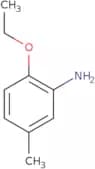
CAS:<p>Bis(2-phenylethyl)amine hydrochloride (BPEA) is a compound that has been shown to have neuroprotective effects in animal models of Alzheimer's disease. This compound has been found to inhibit the formation of reactive oxygen species, which are responsible for neuronal cell death. BPEA also inhibits the enzyme amine oxidase, which is responsible for the breakdown of neurotransmitters and may be involved in the development of Alzheimer's disease and other neurodegenerative diseases. BPEA has been shown to be effective in preventing and treating symptoms of Alzheimer's disease in an experimental model. Dipropylamine (DPEA), a known inhibitor of amine oxidase, was tested with BPEA and found to have synergistic effects. DPBA was not able to prevent or treat symptoms when given alone.</p>Formula:C16H20ClNPurity:Min. 95%Molecular weight:261.79 g/mol2-Ethoxy-5-methylaniline
CAS:<p>Versatile small molecule scaffold</p>Formula:C9H13NOPurity:Min. 95%Molecular weight:151.21 g/mol3-Amino-4,N,N-trimethyl-benzenesulfonamide
CAS:Versatile small molecule scaffoldFormula:C9H14N2O2SPurity:Min. 95%Molecular weight:214.29 g/mol5-Amino-2,n,n-trimethyl-benzenesulfonamide
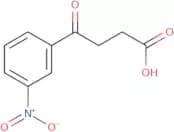
CAS:<p>Versatile small molecule scaffold</p>Formula:C914N2O2SPurity:Min. 95%Molecular weight:214.29 g/mol4-(3-Nitrophenyl)-4-oxobutanoic acid
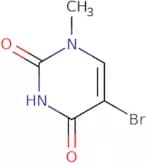
CAS:<p>Versatile small molecule scaffold</p>Formula:C10H9NO5Purity:Min. 95%Molecular weight:223.18 g/mol5-Bromo-1-methylpyrimidine-2,4(1H,3H)-dione
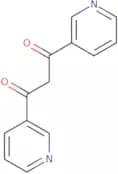
CAS:<p>5-Bromo-1-methylpyrimidine-2,4(1H,3H)-dione is a group p2 enhancement agent that can be used to enhance radiation damage. It has been shown to interact with radiation under 13c-nmr spectroscopy and x-ray diffraction studies. 5-Bromo-1-methylpyrimidine-2,4(1H,3H)-dione can also act as a radical chain or radical in the presence of reactive oxygen species. The ph profile of 5-Bromo-1-methylpyrimidine-2,4(1H,3H)-dione has been studied and it was found that this compound was stable in acidic conditions but unstable in basic conditions. The nmr spectra of 5-Bromo-1-methylpyrimidine 2,4(1H,3H)-dione have been studied and proton signals were observed at 1.</p>Formula:C5H5BrN2O2Purity:Min. 95%Molecular weight:205.01 g/mol1,3-Bis(pyridin-3-yl)propane-1,3-dione
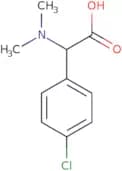
CAS:Versatile small molecule scaffoldFormula:C13H10N2O2Purity:Min. 95%Molecular weight:226.23 g/mol(4-Chloro-phenyl)-dimethylamino-acetic acid
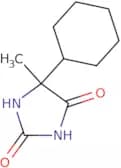
CAS:<p>Versatile small molecule scaffold</p>Formula:C10H12ClNO2Purity:Min. 95%Molecular weight:213.67 g/mol5-Cyclohexyl-5-methylimidazolidine-2,4-dione
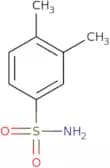
CAS:<p>5-Cyclohexyl-5-methylimidazolidine-2,4-dione is a ligand that binds to the receptor and activates it. It is used in research as a tool for studying ion channels, peptides, and protein interactions. 5-Cyclohexyl-5-methylimidazolidine-2,4-dione has been shown to inhibit the binding of an antibody to its antigen.</p>Formula:C10H16N2O2Purity:Min. 95%Molecular weight:196.25 g/mol3,4-Dimethylbenzene-1-sulfonamide
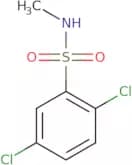
CAS:<p>Versatile small molecule scaffold</p>Formula:C8H11NO2SPurity:Min. 95%Molecular weight:185.25 g/mol2,5-Dichloro-N-methylbenzene-1-sulfonamide
CAS:<p>Versatile small molecule scaffold</p>Formula:C7H7Cl2NO2SPurity:Min. 95%Molecular weight:240.11 g/mol2,2-Dimethylbenzo[d][1,3]dioxol-5-amine
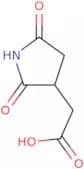
CAS:<p>Versatile small molecule scaffold</p>Formula:C9H11NO2Purity:Min. 95%Molecular weight:165.19 g/mol2-(2,5-Dioxopyrrolidin-3-yl)acetic acid
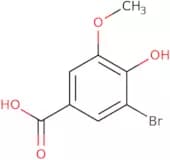
CAS:<p>Versatile small molecule scaffold</p>Formula:C6H7NO4Purity:Min. 95%Molecular weight:157.12 g/mol3-Bromo-4-hydroxy-5-methoxybenzoic acid
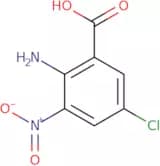
CAS:<p>3-Bromo-4-hydroxy-5-methoxybenzoic acid is an organic compound that is a chlorinated derivative of benzoic acid. It can be synthesized by the reaction between benzene and sodium hypochlorite in the presence of a nuclear reactor. The reaction produces 3-bromo-4,5-dihydroxyphenylacetic acid which reacts with chlorine to produce 3,4,5-trichlorobenzoic acid. This compound can then be oxidized to form 3-bromo-4,5-dihydroxybenzoic acid or chlorinated to form 3,4,5,6 -tetrachlorobenzoic acid. The latter compound has been used as a precursor for herbicides such as Benlate and Clorox.</p>Formula:C8H7BrO4Purity:Min. 95%Molecular weight:247.04 g/mol2-Amino-5-chloro-3-nitrobenzoic acid
CAS:<p>2-Amino-5-chloro-3-nitrobenzoic acid is a synthetic compound that has been shown to have topoisomerase activity. It binds to the DNA of cancer cells and inhibits the expression of certain genes, which inhibits cell proliferation. 2-Amino-5-chloro-3-nitrobenzoic acid also interacts with the drug transport protein p-glycoprotein, inhibiting its function and leading to multidrug resistance in cancer cells. This drug has been shown to be cytotoxic for lung carcinoma cells.</p>Formula:C7H5ClN2O4Purity:Min. 95%Molecular weight:216.58 g/mol2-(Hydroxymethyl)-5-methoxy-4(1H)-pyridinone
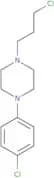
CAS:<p>Versatile small molecule scaffold</p>Formula:C7H9NO3Purity:Min. 95%Molecular weight:155.15 g/mol1-(4-Chlorophenyl)-4-(3-chloropropyl)piperazine
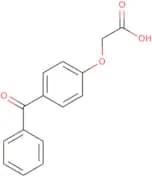
CAS:Controlled Product<p>4-Chlorophenyl-1-(3-chloropropyl)piperazine dihydrochloride (PCPP) is a drug that is used in the treatment of Parkinson's disease. It has been shown to be an effective replacement for levodopa, which is the most common treatment for Parkinson's disease and other dopamine-related disorders. PCPP does not have any effect on the levels of dopamine or other neurotransmitters in the brain, but it does inhibit the enzymes that break down dopamine and other neurotransmitters. As a result, PCPP prevents or reduces symptoms of Parkinson's disease and other dopamine-related disorders.</p>Formula:C13H18Cl2N2Purity:Min. 95%Molecular weight:273.2 g/mol2-(4-Benzoylphenoxy)acetic acid
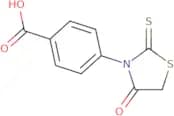
CAS:<p>2-(4-Benzoylphenoxy)acetic acid is a phenoxy compound that can be used as an antinociceptive agent. It has been shown to inhibit the pain response in mice by binding to the peripheral cannabinoid receptor CB2 and blocking intracellular calcium channels, thereby inhibiting the release of pro-inflammatory molecules. 2-(4-Benzoylphenoxy)acetic acid also inhibits the activity of two enzymes involved in carbonic acid production and glucose metabolism, which may provide protection against metabolic disorders. Computational methods have been used to model the molecular structure of 2-(4-benzoylphenoxy)acetic acid, which are then compared with experimental data on hydrogen bonding interactions between dihedral angles and intramolecular hydrogen bonds.</p>Formula:C15H12O4Purity:Min. 95%Molecular weight:256.25 g/mol4-(4-Oxo-2-sulfanylidene-1,3-thiazolidin-3-yl)benzoic acid
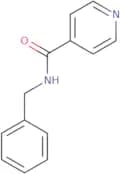
CAS:<p>4-(4-Oxo-2-sulfanylidene-1,3-thiazolidin-3-yl)benzoic acid (L-OTSA) is a potent inhibitor of the uptake of potassium ions into cells. It binds to the extracellular surface of the cell membrane and prevents potassium from entering the cell. This results in hyperpolarization of the membrane potential and an increase in spontaneous activity. L-OTSA also induces electrophysiological effects such as increased spontaneous activity, decreased action potential duration, and increased threshold for excitation. L-OTSA has been found to inhibit cellular uptake of potassium ions.</p>Formula:C10H7NO3S2Purity:Min. 95%Molecular weight:253.3 g/molN-Benzylpyridine-4-carboxamide
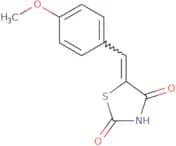
CAS:<p>N-Benzylpyridine-4-carboxamide is a synthetic compound that has been shown to have anticancer, anti-inflammatory, and neuropathic properties. This compound is an innovative drug candidate for the treatment of inflammatory diseases and cancer. N-Benzylpyridine-4-carboxamide inhibits the production of chemokines, which are cytokines that are involved in the recruitment of cells to sites of inflammation and infection. The mechanism involves the ring opening of the amide bond between the nitro group and the carboxylic acid group. The pharmacophore is derived from this ring opening reaction. This compound also blocks receptor subtypes such as 5HT3A or NMDA receptors, which may lead to neuropathic effects.</p>Formula:C13H12N2OPurity:Min. 95%Molecular weight:212.25 g/mol5-(4-Methoxy-benzylidene)-thiazolidine-2,4-dione
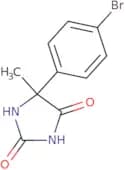
CAS:<p>5-(4-Methoxy-benzylidene)-thiazolidine-2,4-dione is a drug that binds to the transcription factor NF-κB and prevents its translocation into the nucleus. It is used in the treatment of inflammatory diseases such as rheumatoid arthritis, psoriasis, and Crohn's disease. 5-(4-Methoxy-benzylidene)-thiazolidine-2,4-dione also has hepatoprotective effects by inhibiting oxidative stress and proinflammatory cytokines. This drug can be administered orally or intravenously.</p>Formula:C11H9NO3SPurity:Min. 95%Molecular weight:235.26 g/mol5-(4-Bromophenyl)-5-methylimidazolidine-2,4-dione
CAS:<p>Versatile small molecule scaffold</p>Formula:C10H9BrN2O2Purity:Min. 95%Molecular weight:269.1 g/mol3-Phenylbicyclo[2.2.1]hept-5-ene-2-carboxylic acid
CAS:<p>Versatile small molecule scaffold</p>Formula:C14H14O2Purity:Min. 95%Molecular weight:214.26 g/mol

![2-[2-(Hydroxymethyl)phenyl]ethan-1-ol](/_next/image/?url=https%3A%2Fstatic.cymitquimica.com%2Fproducts%2F3D%2Fthumb-webp%2FGAA34600.webp&w=3840&q=75)
![2-[(Pyridin-3-yl)amino]acetic acid hydrochloride](/_next/image/?url=https%3A%2Fstatic.cymitquimica.com%2Fproducts%2F3D%2Fthumb-webp%2FGAA34528.webp&w=3840&q=75)
![1-[2-(2-Aminoethoxy)ethoxy]butane](/_next/image/?url=https%3A%2Fstatic.cymitquimica.com%2Fproducts%2F3D%2Fthumb-webp%2FGAA33853.webp&w=3840&q=75)
![4-[(Phenylamino)methyl]phenol hydrochloride](/_next/image/?url=https%3A%2Fstatic.cymitquimica.com%2Fproducts%2F3D%2Fthumb-webp%2FGAA33784.webp&w=3840&q=75)


![{[1-(Pyridin-3-yl)ethylidene]amino}urea](/_next/image/?url=https%3A%2Fstatic.cymitquimica.com%2Fproducts%2F3D%2Fthumb-webp%2FGAA33540.webp&w=3840&q=75)





![2,2-Dimethylbenzo[d][1,3]dioxol-5-amine](/_next/image/?url=https%3A%2Fstatic.cymitquimica.com%2Fproducts%2F3D%2Fthumb-webp%2FGAA32489.webp&w=3840&q=75)
![3-Phenylbicyclo[2.2.1]hept-5-ene-2-carboxylic acid](/_next/image/?url=https%3A%2Fstatic.cymitquimica.com%2Fproducts%2F3D%2Fthumb-webp%2FGAA31919.webp&w=3840&q=75)