Building Blocks
Subcategories of "Building Blocks"
- Boronic Acids & Boronic Acid Derivatives(5,780 products)
- Chiral Building Blocks(1,239 products)
- Hydrocarbon Building Blocks(6,100 products)
- Organic Building Blocks(61,005 products)
Found 205234 products of "Building Blocks"
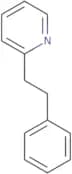
2-(2-Phenylethyl)pyridine
CAS:2-(2-Phenylethyl)pyridine is a trifluoride that has been shown to be a good yielder in the dehydration of pyridine. It is also catalytic and can be used as a catalyst for the conversion of vinylic compounds. 2-(2-Phenylethyl)pyridine has been used in mechanistic studies of the reaction mechanism, showing that it is an electron donor. The n-oxide derivative is formed when this compound is irradiated with UV light. 2-(2-Phenylethyl)pyridine also has anti-inflammatory properties and has been shown to reduce inflammation in animal models.Formula:C13H13NPurity:Min. 95%Color and Shape:Clear LiquidMolecular weight:183.25 g/mol2-Bromo-4-methyl-6-(prop-2-en-1-yl)phenol
CAS:Versatile small molecule scaffoldFormula:C10H11BrOPurity:Min. 95%Molecular weight:227.1 g/mol2-Bromo-4-methyl-1-(prop-2-en-1-yloxy)benzene
CAS:Versatile small molecule scaffold
Formula:C10H11BrOPurity:Min. 95%Molecular weight:227.1 g/mol2,4-Dimethylpentanedioic acid
CAS:2,4-Dimethylpentanedioic acid is a low molecular weight organic compound. It has a molecular weight of 76.12 and a melting point of -114°C. This compound can be used as a model for other compounds with the same chemical formula. 2,4-Dimethylpentanedioic acid is an anion that dissolves in water and its structure can be determined by X-ray crystallography. It is also known to form dimers through intramolecular hydrogen bonding, which may cause it to fragment into smaller molecules during isolation procedures.
2,4-Dimethylpentanedioic acid is a constant that yields high yields when heated with methylamine in the presence of acetic acid and sulfuric acid. The resulting product is abyssomicin, which has been shown to have antibacterial activity against gram positive bacteria such as staphylococcus aureus and clostridium perfringens.Formula:C7H12O4Purity:Min. 95%Molecular weight:160.17 g/mol2,4-Dimethylpentane-1,5-diol
CAS:Versatile small molecule scaffoldFormula:C7H16O2Purity:Min. 95%Molecular weight:132.2 g/mol4-Methylimidazolidine-2-thione
CAS:4-Methylimidazolidine-2-thione is a corrosion inhibitor that is used in the treatment of environmental pollution, such as dry weight and diameter. It has been shown to be an effective inhibitor of copper corrosion when used in combination with piperonyl butoxide. 4-Methylimidazolidine-2-thione has also been shown to have high detection ability as it reacts with hydrochloric acid to form a particle that can be detected by an optical microscope. This chemical is typically found in urine samples and has been shown to inhibit the formation of primary amino acids from ammonia. 4-Methylimidazolidine-2-thione also forms an acid complex with methylamine, which may be the reason for its inhibition of aminogenesis.
Formula:C4H2D6N2SPurity:Min. 95%Molecular weight:122.22 g/mol2,4-Dichloro-1-ethenylbenzene
CAS:2,4-Dichloro-1-ethenylbenzene is an aliphatic hydrocarbon that can be used in the production of alkylated products. It is a colorless liquid with a sweet smell and low toxicity. The photoelectron microscope has been used to study the immobilization of 2,4-dichloro-1-ethenylbenzene on silica gel. This compound is often admixed with acrylonitrile, styrene, methacrylates, aromatic hydrocarbons, inorganic compounds and primary alcohols. It can also be immobilized on silica gel by covalent bonding or adsorption.Formula:C8H6Cl2Purity:Min. 95%Molecular weight:173.04 g/molSpiro[5.5]undecan-3-amine hydrochloride
CAS:Versatile small molecule scaffoldFormula:C11H22ClNPurity:Min. 95%Molecular weight:203.75 g/molSpiro[4.5]decan-2-amine hydrochloride
CAS:Versatile small molecule scaffoldFormula:C10H20ClNPurity:Min. 95%Molecular weight:189.7 g/mol3-Bromophenyl Isothiocyanate
CAS:3-Bromophenyl isothiocyanate (3BP) is a thiohydantoin derivative that is used for the treatment of prostate cancer. 3BP has been shown to be an effective inhibitor of MDV3100, which is an oncogene that activates prostate cancer cells and leads to tumor growth. 3BP also inhibits the translocation of other oncogenes such as c-myc and p53, which are involved in the development of prostate cancer. It has been shown to be effective against activated and resistant prostate cancer cells, as well as against prostate cancers that have undergone a translocation event.Formula:C7H4BrNSPurity:Min. 95%Molecular weight:214.08 g/mol4-Isothiocyanatophenol
CAS:4-Isothiocyanatophenol (4ITCP) is an anticancer agent that has been shown to inhibit the growth of cancer cells in vivo. It is a metabolite of etoposide, which is used to treat certain types of cancer. 4ITCP inhibits the growth of cancer cells by enhancing mitochondrial membrane potential and inhibiting cell proliferation. This compound also inhibits cell growth by binding to phenyl groups on proteins, including enzymes and structural proteins. 4ITCP has been shown to act as a prodrug in vivo, where it is converted into 4-nitrophenol before being activated. 4ITCP also has optical properties that can be detected using spectroscopy and fluorescence.
Formula:C7H5NOSPurity:Min. 95%Molecular weight:151.19 g/mol4-Carboxyphenyl isothiocyanate
CAS:4-Carboxyphenyl isothiocyanate (4CPITC) is an antimicrobial agent that has been shown to inhibit the function of mitochondria by hyperpolarizing the mitochondrial membrane potential. It also inhibits cancer cell growth, which may be due to its effects on mitochondrial function. 4CPITC binds to mammalian cells and inhibits the production of reactive oxygen species and chloride ions. This inhibition has been shown to cause a decrease in hydrogen bond formation, which leads to a decrease in the rate of protein synthesis. 4CPITC has a chemical structure that includes ether linkages, which may contribute to its antimicrobial activity.Formula:C8H5NO2SPurity:Min. 95%Molecular weight:179.2 g/mol1H,2H-Cyclohepta[D]imidazol-2-one
CAS:1H,2H-Cyclohepta[D]imidazol-2-one is a chromophore that has resonance at wavelength of 370 nm with an optical density of 1.4 when exposed to an electron beam. The azulene group in the molecule causes it to absorb light and become excited. This excitation leads to the emission of light at a wavelength of 450 nm, which can be seen with a laser. The long-term recording properties are due to the stability of this chromophore as well as its ability to be sensitized by nitrogen atoms in the auxochrome.Formula:C8H6N2OPurity:Min. 95%Molecular weight:146.15 g/molEthyl 4-chloro-2-methylpyrimidine-5-carboxylate
CAS:Versatile small molecule scaffoldFormula:C8H9ClN2O2Purity:Min. 95%Molecular weight:200.62 g/mol2-Chlorobenzotrichloride
CAS:2-Chlorobenzotrichloride is a reactive chlorine donor. It reacts with metal carbonyls such as copper oxide to form chloro complexes, and it reacts with hydroxyl groups on organic molecules to form chlorides. 2-Chlorobenzotrichloride is used in the preparation of ferrocene, which is a useful molecule for organic synthesis. This chemical can be purified from the reaction mixture by chromatography.Formula:C7H4Cl4Purity:Min. 95%Molecular weight:229.92 g/mol(2Z)-4-(tert-Butoxy)but-2-enoic acid
CAS:Versatile small molecule scaffoldFormula:C8H14O3Purity:Min. 95%Molecular weight:158.2 g/mol1-(2-Ethylphenyl)ethanone
CAS:1-(2-Ethylphenyl)ethanone is a colorless liquid with a benzene-like odor. It is used as an intermediate in the manufacture of other chemicals. The reaction sequence starts with oxidative cleavage of the ethyl group, yielding aldehyde and ammonium chloride. The nitro group is then reduced to amine, which reacts with ammonium chloride to produce 1-(2-ethylphenyl)ethanone. 1-(2-Ethylphenyl)ethanone can be used as a precursor for other chemical compounds such as deuterated compounds and pentane, which are used in organic synthesis.Formula:C10H12OPurity:Min. 95%Molecular weight:148.2 g/mol2-Acetylbiphenyl
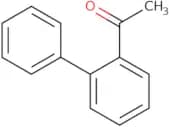
CAS:2-Acetylbiphenyl is a synthetic compound that is derived from the Friedel-Crafts reaction. It has been shown to inhibit the production of dopamine D3 in animals, which may be due to its structural similarity to dopamine. 2-Acetylbiphenyl also has an inhibitory effect on inflammatory diseases and autoimmune diseases. This compound has been shown to modulate the immune system and reduce inflammation by inhibiting the production of proinflammatory cytokines such as IL-1β and TNF-α. 2-Acetylbiphenyl can also be used as a solid catalyst for preparing pharmaceutical preparations that contain monocarboxylic acids, such as acetaminophen and ibuprofen.Formula:C14H12OPurity:Min. 95%Molecular weight:196.24 g/molcis-2,3,3a,4,7,7a-hexahydro-1h-isoindole
CAS:Versatile small molecule scaffold
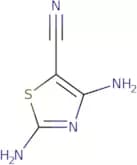
Formula:C8H13NPurity:Min. 95%Molecular weight:123.2 g/molDiamino-1,3-thiazole-5-carbonitrile
CAS:Versatile small molecule scaffoldFormula:C4H4N4SPurity:Min. 95%Molecular weight:140.17 g/mol[1-(2-Phenylethyl)pyrrolidin-3-yl]methanol
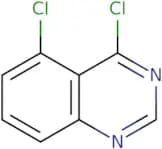
CAS:Versatile small molecule scaffoldFormula:C13H19NOPurity:Min. 95%Molecular weight:205.3 g/mol4,5-Dichloroquinazoline
CAS:4,5-Dichloroquinazoline is a chemical compound that has been shown to undergo a number of reactions. These include the formation of orthoesters, ketones, rearrangements, and nitrous compounds. 4,5-Dichloroquinazoline can be prepared by the reaction of hydrochloric acid and triethyl orthoformate with nitrous acid. It is also formed from the reaction of hydrazine and nitrous acid with an aldehyde or ketone. The product can be isolated by adding potassium dichromate to the solution and precipitating it with water.Formula:C8H4Cl2N2Purity:Min. 95%Molecular weight:199.04 g/molEthyl 2-(5,6-dimethyl-1H-1,3-benzodiazol-2-yl)acetate
CAS:Versatile small molecule scaffoldFormula:C13H16N2O2Purity:Min. 95%Molecular weight:232.28 g/mol3',4'-Dichloroacetanilide
CAS:3',4'-Dichloroacetanilide is a chemical that is used in the manufacture of industrial chemicals. It has been shown to inhibit bacterial growth by binding to their receptors and inhibiting their ability to acetylate amino acids. 3',4'-Dichloroacetanilide has also been shown to inhibit the growth of Gram-positive bacteria, including strains that are resistant to other antibiotics. 3',4'-Dichloroacetanilide can be toxic at high doses, but studies have shown that it does not have any effects on the central nervous system or locomotor activity in rats.Formula:C8H7Cl2NOPurity:Min. 95%Molecular weight:204.05 g/mol4-(2-Hydrazinylethyl)morpholine
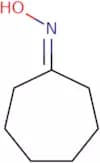
CAS:4-(2-Hydrazinylethyl)morpholine is a fluorescent probe that has been used to study the lysosome. It is not cytotoxic and can be used for bioimaging and cell staining. This compound is water-soluble, which makes it useful as a tracer in living cells and organisms. 4-(2-Hydrazinylethyl)morpholine has been shown to be permeable through the cell membrane and is used as a probe for studying the cytotoxicity of cells.Formula:C6H15N3OPurity:Min. 95%Molecular weight:145.21 g/molCycloheptanone Oxime
CAS:Cycloheptanone oxime is a nutritional supplement that is used as an antioxidant and additive in food. It is also used as an oxidation catalyst for the production of acetic acid, vinyl chloride, and cyclohexanol. Cycloheptanone oxime may contain impurities such as carbon disulphide, which can lead to health problems if consumed in large quantities. It has been shown that this substance can be recycled by combining it with mercuric chloride, reacting it with an acid catalyst such as inorganic acid or alicyclic acid, and removing the contaminants.Formula:C7H13NOPurity:Min. 95%Molecular weight:127.19 g/mol2-(4-Bromobenzoyl)benzoic acid
CAS:2-(4-Bromobenzoyl)benzoic acid (BBBA) is a potent cytotoxic agent that inhibits the growth of cancer cells. BBBA binds to amines and forms Schiff bases with them, which prevents the cells from making DNA, RNA, and protein. BBBA also has anti-proliferative effects on human breast cancer cells in vitro and in vivo. These effects are due to its ability to inhibit cell growth by blocking the synthesis of cellular components. BBBA was shown to be effective against line MFC-7 cells, which were resistant to glycol.Formula:C14H9BrO3Purity:Min. 95%Molecular weight:305.12 g/mol2-Bromo-5-methanesulfonyl-3-nitrothiophene
CAS:Versatile small molecule scaffoldFormula:C5H4BrNO4S2Purity:Min. 95%Molecular weight:286.1 g/mol2-Bromo-5-(methylsulfonyl)thiophene
CAS:Versatile small molecule scaffoldFormula:C5H5BrO2S2Purity:Min. 95%Molecular weight:241.13 g/mol[1-(Hydroxymethyl)cyclohex-3-en-1-yl]methanol
CAS:1-(Hydroxymethyl)cyclohex-3-en-1-yl]methanol is a chemical intermediate. It is a colorless liquid with a mild odor. This product has been shown to be catalytic in the reduction of acetone, epoxy, and polyols, as well as the epoxidation of olefins. The molecular weight of 1-(hydroxymethyl)cyclohex-3-en-1-yl]methanol is high and can be modified by adding different groups to it chemically. It is soluble in nitrate solvents and organic solvents such as acetone, ethanol, or ethylene glycol.
Formula:C8H14O2Purity:Min. 95%Molecular weight:142.2 g/mol4-Methyl-2-(methylamino)thiazole
CAS:4-Methyl-2-(methylamino)thiazole is an organic compound that is a bromination substrate, a palladium catalyst, and an inhibitor of cyclin-dependent kinases. It has been shown to be an effective inhibitor of the Suzuki coupling reaction. 4-Methyl-2-(methylamino)thiazole reacts with borane in the presence of a palladium catalyst to form 4-methylthiazoleboronic acid. This reaction can be used as a way to synthesize target products. 4-Methyl-2-(methylamino)thiazole also reacts with carbon monoxide and hydrogen cyanide to form 2,4-dimethoxybenzaldehyde in the presence of sodium hydroxide.
Formula:C5H8N2SPurity:Min. 95%Molecular weight:128.2 g/molDiethyl 2-cyclohexylmalonate
CAS:Diethyl 2-cyclohexylmalonate is a chemical compound that can be used as a pesticide. It is an inhibitor of the enzyme enolase, which catalyzes the conversion of 2-phosphoglycerate to phosphoenolpyruvate. This prevents the formation of glycolysis intermediates and leads to cell death. Diethyl 2-cyclohexylmalonate is also used in the synthesis of amides, amines, and heterocyclic compounds. The debromination reaction for this compound is shown in Figure 1.Formula:C13H22O4Purity:Min. 95%Molecular weight:242.31 g/mol7-Methyl-2,4,5,7-tetraazatricyclo[6.4.0.0,2,6]dodeca-1(12),3,5,8,10-pentaene-3-thiol
CAS:Versatile small molecule scaffoldFormula:C9H8N4SPurity:Min. 95%Molecular weight:204.25 g/mol6-(4-Methylphenyl)pyridazin-3-ol
CAS:6-(4-Methylphenyl)pyridazin-3-ol (6MP) is a halogenated alkyl-type compound. It is an antacid that neutralizes stomach acid and provides relief from the symptoms of indigestion, such as heartburn, pain, nausea and vomiting. 6MP has been used for the treatment of peptic ulcers, hyperacidity and other conditions characterized by excess gastric acid production. The remedy is taken orally or as a suppository. It can be used in combination with other drugs to treat more severe cases of peptic ulcers.Formula:C11H10N2OPurity:Min. 95%Molecular weight:186.21 g/mol5,6-Diphenyl-2,3-dihydropyridazin-3-one
CAS:Vinblastine is a cytotoxic drug that inhibits the growth of cells by binding to DNA. It is used in the treatment of cancers and other diseases such as Hodgkin's disease. Vinblastine binds to the hepg2 cell, an enzyme involved in RNA synthesis. This binding prevents guanosine from functioning as a building block for RNA synthesis, leading to decreased protein synthesis and cell death. The kinetic data obtained from this study was used to calculate the molecular weight of vinblastine, which was found to be 594 Da. Vinblastine has been shown to inhibit the growth of bacteria including typhimurium and subtilis, and it also has some effect against chlorinated hydrocarbons.
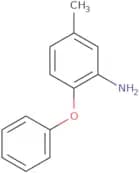
Formula:C16H12N2OPurity:Min. 95%Molecular weight:248.28 g/mol5-Methyl-2-phenoxyaniline
CAS:Versatile small molecule scaffold
Formula:C13H13NOPurity:Min. 95%Molecular weight:199.25 g/mol2-Methyl-2-phenylpropan-1-ol
CAS:2-Methyl-2-phenylpropan-1-ol is a diketone that can be used as a copper catalyst in the synthesis of styrene. 2-Methyl-2-phenylpropan-1-ol can also be used for the methylation of phenols and chloroarenes, as well as for the conversion of nitrobenzenes to anilines. This reagent has been shown to be useful for the methylation of various organic compounds and is also commonly used in spectroscopy experiments. 2-Methyl-2-phenylpropan-1-ol has been shown to convert alkenes to transmetallated products with both copper and palladium catalysts, which are often difficult to remove from organic compounds.Formula:C10H14OPurity:Min. 95%Molecular weight:150.22 g/mol2-[4-(Benzyloxy)-3,5-dimethoxyphenyl]ethan-1-amine hydrochloride
CAS:Controlled ProductVersatile small molecule scaffoldFormula:C17H22ClNO3Purity:Min. 95%Molecular weight:323.8 g/mol1-Benzyl-3-phenylpiperidin-4-amine dihydrochloride
CAS:Versatile small molecule scaffold
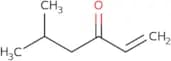
Formula:C18H24Cl2N2Purity:Min. 95%Molecular weight:339.3 g/molIso-butyl vinyl ketone (stabilized with BHT)
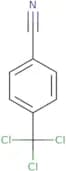
CAS:Versatile small molecule scaffoldFormula:C7H12OPurity:Min. 95%Molecular weight:112.17 g/mol4-(Trichloromethyl)benzonitrile
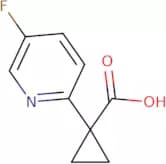
CAS:4-(Trichloromethyl)benzonitrile is an organochlorine compound that can be chlorinating, chlorinating and chlorinating. It can also form mixtures with chlorine, chloride and methyl groups. 4-(Trichloromethyl)benzonitrile is a colorless liquid with a strong odor of chlorine.Formula:C8H4Cl3NPurity:Min. 95%Molecular weight:220.5 g/mol1-(5-Fluoropyridin-2-yl)cyclopropanecarboxylic acid
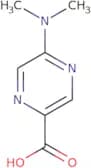
CAS:Versatile small molecule scaffoldFormula:C9H8FNO2Purity:Min. 95%Molecular weight:181.16 g/mol5-(Dimethylamino)pyrazine-2-carboxylic acid
CAS:Versatile small molecule scaffold
Formula:C7H9N3O2Purity:Min. 95%Molecular weight:167.17 g/molrac-tert-Butyl (1R,5S,6R)-6-(methylamino)-3-azabicyclo[3.1.0]hexane-3-carboxylate
CAS:Versatile small molecule scaffoldFormula:C11H20N2O2Purity:Min. 95%Molecular weight:212.3 g/mol4-(1H-Imidazol-2-ylsulfanyl)-1H-pyrazole
CAS:Versatile small molecule scaffold
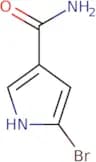
Formula:C6H6N4SPurity:Min. 95%Molecular weight:166.2 g/mol5-Bromo-1H-pyrrole-3-carboxamide
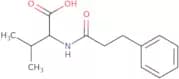
CAS:Versatile small molecule scaffoldFormula:C5H5BrN2OPurity:Min. 95%Molecular weight:189.01 g/mol3-Methyl-2-(3-phenylpropanamido)butanoic acid
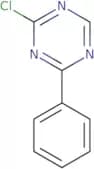
CAS:Versatile small molecule scaffoldFormula:C14H19NO3Purity:Min. 95%Molecular weight:249.3 g/mol2-Chloro-4-phenyl-1,3,5-triazine
CAS:Versatile small molecule scaffold
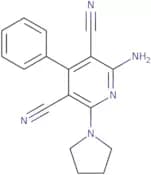
Formula:C9H6ClN3Purity:Min. 95%Molecular weight:191.62 g/mol2-Amino-4-phenyl-6-(pyrrolidin-1-yl)pyridine-3,5-dicarbonitrile
CAS:Versatile small molecule scaffoldFormula:C17H15N5Purity:Min. 95%Molecular weight:289.33 g/molEthyl pipecolinate hydrochloride
CAS:Ethyl pipecolinate hydrochloride (EPH) is a stereoselective compound that inhibits aminopyrine N-demethylase and acetylcholinesterase. It has been shown to be effective in treating Alzheimer's disease and environmental pollution, as well as the inhibition of ovary cells. EPH is an alkynylated analog of pipecolic acid. This molecule contains a chiral center at the carbon atom adjacent to the amine group. The two possible enantiomers are called ethyl pipecolinate (EP) and ethyl diazoacetate (ED). EP is a more potent inhibitor of aminopyrine N-demethylase than ED, which inhibits acetylcholinesterase more effectively. The two compounds have been shown to be useful in the diagnosis of Parkinsonism and Alzheimer's disease by measuring their ability to inhibit acetylcholinesterase activity in vitro. Ethyl pipecolinate hydroFormula:C8H15NO2·HClPurity:Min. 95%Molecular weight:193.67 g/mol


![Spiro[5.5]undecan-3-amine hydrochloride](/_next/image/?url=https%3A%2Fstatic.cymitquimica.com%2Fproducts%2F3D%2Fthumb-webp%2FCAA12694.webp&w=3840&q=75)
![Spiro[4.5]decan-2-amine hydrochloride](/_next/image/?url=https%3A%2Fstatic.cymitquimica.com%2Fproducts%2F3D%2Fthumb-webp%2FCAA12695.webp&w=3840&q=75)


![1H,2H-Cyclohepta[D]imidazol-2-one](/_next/image/?url=https%3A%2Fstatic.cymitquimica.com%2Fproducts%2F3D%2Fthumb-webp%2FCAA13233.webp&w=3840&q=75)



![[1-(2-Phenylethyl)pyrrolidin-3-yl]methanol](/_next/image/?url=https%3A%2Fstatic.cymitquimica.com%2Fproducts%2F3D%2Fthumb-webp%2FCAA14852.webp&w=3840&q=75)




![[1-(Hydroxymethyl)cyclohex-3-en-1-yl]methanol](/_next/image/?url=https%3A%2Fstatic.cymitquimica.com%2Fproducts%2F3D%2Fthumb-webp%2FCAA16094.webp&w=3840&q=75)


![7-Methyl-2,4,5,7-tetraazatricyclo[6.4.0.0,2,6]dodeca-1(12),3,5,8,10-pentaene-3-thiol](/_next/image/?url=https%3A%2Fstatic.cymitquimica.com%2Fproducts%2F3D%2Fthumb-webp%2FCAA16512.webp&w=3840&q=75)



![2-[4-(Benzyloxy)-3,5-dimethoxyphenyl]ethan-1-amine hydrochloride](/_next/image/?url=https%3A%2Fstatic.cymitquimica.com%2Fproducts%2F3D%2Fthumb-webp%2FCAA17615.webp&w=3840&q=75)

![rac-tert-Butyl (1R,5S,6R)-6-(methylamino)-3-azabicyclo[3.1.0]hexane-3-carboxylate](/_next/image/?url=https%3A%2Fstatic.cymitquimica.com%2Fproducts%2F3D%2Fthumb-webp%2FCCD86438.webp&w=3840&q=75)