Building Blocks
Subcategories of "Building Blocks"
- Boronic Acids & Boronic Acid Derivatives(5,780 products)
- Chiral Building Blocks(1,241 products)
- Hydrocarbon Building Blocks(6,100 products)
- Organic Building Blocks(61,023 products)
Found 205289 products of "Building Blocks"
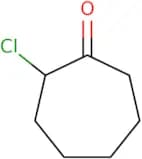
2-Chlorocycloheptanone
CAS:2-Chlorocycloheptanone is a quaternary ammonium salt that has a cyclic and conformational geometry. It reacts with sodium borohydride to form the corresponding tertiary alcohol, and it can be reduced by borohydride or carbon tetrachloride to form the corresponding secondary alcohol. The compound is used in the synthesis of enamines and piperazinil esters, which are used in the field of population genetics. 2-Chlorocycloheptanone has been shown to yield high yields of product when synthesized from cyclohexanol.Formula:C7H11ClOPurity:Min. 95%Molecular weight:146.61 g/mol2-(Cyclopent-3-en-1-yl)acetic acid
CAS:Versatile small molecule scaffold
Formula:C7H10O2Purity:Min. 95%Molecular weight:126.15 g/mol3-Cyclopentyl-1-propanol
CAS:3-Cyclopentyl-1-propanol (1-CPP) is a synthetic compound that is used as an intermediate in the production of other chemicals. It is also used to make pharmaceuticals, such as antibiotics and anti-allergic drugs. 1-CPP is soluble in water and has a boiling point of about 190 °C. It can be synthesized by reacting cyclohexanol with ethylene, or it can be produced by hydrolysis of 3-cyclohexene-1-methanol with strong acid. The hydroxyl group on the molecule makes it reactive with alkoxy radicals, which are found in small amounts in the environment and are generated by sunlight.Formula:C8H16OPurity:Min. 95%Molecular weight:128.21 g/mol3-(Oxolan-2-yl)propan-1-ol
CAS:3-(Oxolan-2-yl)propan-1-ol is a compound that has been shown to have antioxidative activities. It can inhibit the formation of lipid hydroperoxides and prevent the denaturation of proteins. 3-(Oxolan-2-yl)propan-1-ol has a high melting point and is thermophilic, which makes it suitable for reactions requiring a high temperature. 3-(Oxolan-2-yl)propan-1-ol also reacts with ethanolamine to form reaction products that are more stable than the original compounds. This compound is used as an analytical reagent in methods such as chemical reactions or plasma protein assays. The chemical structure of 3-(oxolan-2-yl)propan-1-ol is similar to that of phosphatidylethanolamine, which may account for its antioxidative activity.Formula:C7H14O2Purity:Min. 95%Molecular weight:130.18 g/mol3,3-Dimethylcyclohexan-1-ol
CAS:Dimedone is a ketone that is found in the oils of many plants. It can be synthesized by the transformation of 3,3-dimethylcyclohexan-1-ol with ethynylation and sequence. This reaction sequence has been shown to produce high yields of dimedone.
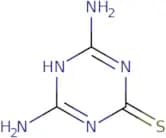
Formula:C8H16OPurity:Min. 95%Molecular weight:128.21 g/molThioammeline
CAS:Thioammeline is a natural compound that is classified as a fatty acid. It has been shown to be an oxidation product of triazine, and it can also form by reaction with inorganic metal ions such as copper or iron. Thioammeline is used in the production of amines, acids, and other organic compounds. The compound has been found to have a viscosity of 0.5 centipoise at 25 degrees Celsius in a sodium hydroxide solution with an acid catalyst. Thioammeline can also react with methyl ethyl chloride to form ethyl thioammine, which is then reacted with ammonia to produce ammonium thiocyanate.Formula:C3H5N5SPurity:Min. 95%Molecular weight:143.17 g/mol[1,2,4]Triazolo[4,3-a]pyridin-3-amine
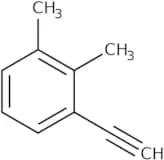
CAS:[1,2,4]Triazolo[4,3-a]pyridin-3-amine is a heterocyclic compound that has been synthesized from hydrazine and isothiocyanate. The reaction proceeds via an oxidative coupling of the hydrazine with the isothiocyanate. This reaction is scalable, efficient, and can be performed using a variety of substrates. The synthesis of this compound can be followed in a stepwise manner and it has been shown to undergo reactions that are sequential and efficient.Formula:C6H6N4Purity:Min. 95%Molecular weight:134.14 g/mol1-Ethynyl-2,3-dimethylbenzene
CAS:1-Ethynyl-2,3-dimethylbenzene is a mesoporous material with a large surface area. It has the ability to adsorb large amounts of nitrogen gas and can be used as an adsorbent for the removal of nitrogen from natural gas. The cyclophane is composed of an aromatic ring and a heterocyclic ring, which are connected by a single bond. This compound has been shown to have high emission profiles in the visible region. It also has hysteresis properties due to its microporous nature. 1-Ethynyl-2,3-dimethylbenzene is a polymer that is conjugated, giving it high stacking abilities with other materials.
Formula:C10H10Purity:Min. 95%Molecular weight:130.19 g/mol2-Ethylbenzyl alcohol
CAS:2-Ethylbenzyl alcohol is a metabolite of the drug 2-ethylhexanol. It is an active antiretroviral therapy that inhibits HIV replication by binding to the RNA polymerase of the virus, thus inhibiting its activity. 2-Ethylbenzyl alcohol has been shown to inhibit hepatitis C virus replication in cell culture and has anti-inflammatory properties, which may be due to its inhibition of prostaglandin synthesis. This drug also has ferroelectric properties, which can be used as a sensor for kinetic energy.
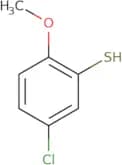
Formula:C9H12OPurity:Min. 95%Molecular weight:136.19 g/mol5-Chloro-2-methoxybenzenethiol
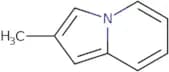
CAS:Versatile small molecule scaffoldFormula:C7H7ClOSPurity:Min. 95%Molecular weight:174.65 g/mol2-Methylindolizine
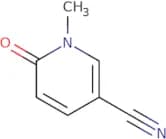
CAS:2-Methylindolizine is an azide that reacts with electron-rich aromatic compounds in a quinolizine reaction. It is a heterocyclic compound with nitrogen and carbon atoms. 2-Methylindolizine can be used as a precursor to form other heterocycles, such as naphthalene and pyridine derivatives. 2-Methylindolizines are used to synthesize acetyl derivatives of piperidine, which are useful for the manufacture of pharmaceuticals.Formula:C9H9NPurity:Min. 95%Molecular weight:131.17 g/mol1-Methyl-6-oxo-1,6-dihydropyridine-3-carbonitrile
CAS:1-Methyl-6-oxo-1,6-dihydropyridine-3-carbonitrile is an oxidation product of osmium and phosphorus oxychloride. It has been shown to have a hypoglycemic effect in mice. The mechanism of this effect is unknown, but it may be due to the antioxidant potential of 1-methyl-6-oxo-1,6-dihydropyridine 3 carbonitrile. There are no studies that indicate whether this compound has any effects on humans. This chemical is found in the leaves of a plant called Acalypha wilkesiana and also in the extract from Ricinus communis seedlings and Acalypha wilkesiana seedlings.
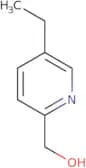
Formula:C7H6N2OPurity:Min. 95%Molecular weight:134.14 g/mol(5-Ethylpyridin-2-yl)methanol
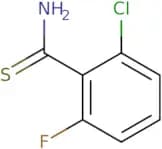
CAS:Versatile small molecule scaffoldFormula:C8H11NOPurity:Min. 95%Molecular weight:137.18 g/mol2-Chloro-6-fluorobenzene-1-carbothioamide
CAS:2-Chloro-6-fluorobenzene-1-carbothioamide is a chemical that is used in the production of insecticides. Research has been done to investigate the insecticidal properties of 2-chloro-6-fluorobenzene-1-carbothioamide and how it can be synthesized in an organic process.
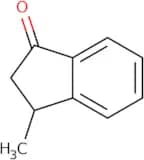
Formula:C7H5ClFNSPurity:Min. 95%Molecular weight:189.64 g/mol(3R)-3-Methyl-2,3-dihydro-1H-inden-1-one
CAS:Versatile small molecule scaffoldFormula:C10H10OPurity:Min. 95%Molecular weight:146.19 g/mol2-(2,6-Dimethylpiperidin-1-yl)ethan-1-amine
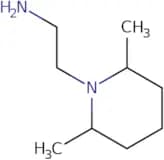
CAS:Versatile small molecule scaffold
Formula:C9H20N2Purity:Min. 95%Molecular weight:156.27 g/mol2-Amino-4-methyl-pyrimidine-5-carboxylic acid
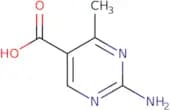
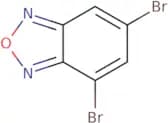
CAS:2-Amino-4-methyl-pyrimidine-5-carboxylic acid is a spleen cell immunogen that induces antibody production in animals. 2-Amino-4-methyl-pyrimidine-5-carboxylic acid is an immunogen that belongs to the class of pyrimidine carboxylic acids. It has been optimised for use as an animal vaccine by inoculating it into tissues and monitoring antibody production with an enzyme linked immunosorbent assay. This compound has also been used to monitor and screen for antibodies in liquid chromatography.Formula:C6H7N3O2Purity:Min. 95%Molecular weight:153.14 g/mol4,6-Dibromo-2,1,3-benzoxadiazole
CAS:4,6-Dibromo-2,1,3-benzoxadiazole is an azide compound that is used as a precursor for the synthesis of other compounds. The structure of this molecule consists of two benzene rings with a single oxygen atom in between. It contains four bromine atoms and one fluorine atom. This molecule has an isomeric relationship to 2,1,3-benzoxyazetidine and 2,1,3-benzothiadiazetidine because it has two identical groups on each ring. 4,6-Dibromo-2,1,3-benzoxadiazole can be synthesized by reacting phenols with sodium azide or fluorine atoms in the presence of a catalytic amount of copper(II) chloride.
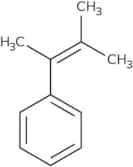
Formula:C6H2Br2N2OPurity:Min. 95%Molecular weight:277.9 g/mol(3-Methylbut-2-en-2-yl)benzene
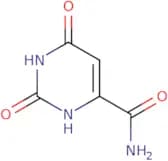
CAS:(3-Methylbut-2-en-2-yl)benzene is a cyclopentyl compound with a hydrophilized molecule. It has an acidic nature and can be used as a crosslinker, linking amino acids together to form polymers. (3-Methylbut-2-en-2-yl)benzene can also be used as a linker in the synthesis of linear polymers, which are made up of repeating units. This chemical reacts with hydroxyl groups to form esters and amides. (3-Methylbut-2-en-2-yl)benzene is used as a polymerization initiator in organic solvents to produce linear polymers that have functional groups on the end of each molecule. The number of daltons in this chemical determines its solubility in water.Formula:C11H14Purity:Min. 95%Molecular weight:146.23 g/mol2,6-Dioxo-1,2,3,6-tetrahydropyrimidine-4-carboxamide
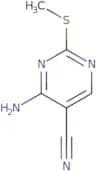
CAS:2,6-Dioxo-1,2,3,6-tetrahydropyrimidine-4-carboxamide (DOTPC) is a monomer that can be used to stabilize duplexed and triplexed nucleic acid structures. DOTPC binds to the amine groups in RNA and DNA molecules, which stabilizes the structure of nucleic acids by preventing the formation of undesirable hydrogen bonds between nucleotides. The compound has been shown to be effective in hybridizing duplexes and triplexes with complementary strands containing uracil or thymine bases. DOTPC is synthesized from orotic acid by reacting it with an amine in a carboxamide reaction.Formula:C5H5N3O3Purity:Min. 95%Molecular weight:155.11 g/mol4-Amino-2-(methylthio)pyrimidine-5-carbonitrile
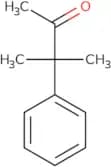
CAS:Versatile small molecule scaffoldFormula:C6H6N4SPurity:Min. 95%Molecular weight:166.21 g/mol3-Methyl-3-phenylbutan-2-one
CAS:3-Methyl-3-phenylbutan-2-one is a ketone that is damaging to benzene and horticultural olefinic methoxy. It has been shown to be an antidopaminergic agent and has been used in the kinetic scheme as a competitive inhibitor of dopamine. 3-Methyl-3-phenylbutan-2-one is reactive with chloride, alcohols, and aluminium. This chemical has also been shown to have dehydrating effects on organic substances.
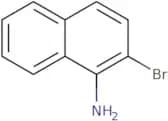
Formula:C11H14OPurity:Min. 95%Molecular weight:162.23 g/mol1-Amino-2-bromonaphthalene
CAS:1-Amino-2-bromonaphthalene is a synthetic compound that is used as a recyclable reagent. It has been shown to have an inhibitory effect on cancer cells and tissue, stabilizing the DNA molecule and preventing it from being broken down. 1-Amino-2-bromonaphthalene also has affinity for cancer cells and stabilizes the cell membrane by inhibiting phosphonate degradation. The drug has been envisaged as a potential candidate for cancer therapy due to its ability to stabilize the cell membrane and inhibit phosphonates, which are involved in cell division.
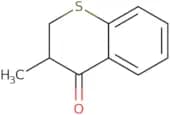
Formula:C10H8BrNPurity:Min. 95%Molecular weight:222.09 g/mol3-Methyl-3,4-dihydro-2H-1-benzothiopyran-4-one
CAS:3-Methyl-3,4-dihydro-2H-1-benzothiopyran-4-one is a pentacyclic compound with a molecular formula of C9H10O2. It has a melting point of 175 °C and a boiling point of 270 °C. 3-methyl-3,4-dihydrobenzo[b]thiopyran-4(3H)-one has been shown to react with dimethyl acetylenedicarboxylate in the presence of pyrrolidine to form an adduct. This adduct can then be converted into an enamine by reacting with dimethyl. The resulting enamine can be reacted with pentacyclic compound to form the title product, which has been shown to have antibiotic activity against gram positive bacteria such as Staphylococcus aureus and Streptococcus pneumoniae.Formula:C10H10OSPurity:Min. 95%Molecular weight:178.25 g/mol2-Fluoro-4-methylquinoline
CAS:2-Fluoro-4-methylquinoline is an antibacterial agent that inhibits the growth of bacteria by binding to their ribosomes. The structure of this compound is similar to that of fluoroquinolones, but it is not a member of this group. 2-Fluoro-4-methylquinoline has been shown to be effective against Staphylococcus aureus and Salmonella typhimurium cells in vitro and in animal models. This drug binds to the bacterial ribosomes, preventing protein synthesis and cell division. It also inhibits the growth of mammalian cells in culture, but does not inhibit DNA replication or repair.Formula:C10H8FNPurity:Min. 95%Molecular weight:161.18 g/mol1-(2,2,2-Trifluoroethyl)-2,5-dihydro-1H-pyrrole-2,5-dione
CAS:Versatile small molecule scaffoldFormula:C6H4F3NO2Purity:Min. 95%Molecular weight:179.1 g/mol4-Amino-2-(methylthio)pyrimidine-5-carboxylic acid
CAS:4-Amino-2-(methylthio)pyrimidine-5-carboxylic acid (4AMP) is a molecule that inhibits protein kinase. It does this by binding to the ATP site of the enzyme, preventing ATP from binding and thus inhibiting the phosphorylation of proteins. 4AMP has been shown to inhibit the activity of various protein kinases including cAMP-dependent protein kinase, tyrosine kinase, and serine/threonine kinases. 4AMP is also an acidic functional group that can be used in organic chemistry as a nucleophile or electrophile. This compound can be dissolved in vacuo or in solvents such as methanol, acetone, dichloromethane, and ethanol.Formula:C6H7N3O2SPurity:Min. 95%Molecular weight:185.21 g/mol1-Phenyl-1-cyclohexene
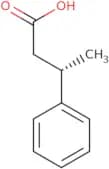
CAS:1-Phenyl-1-cyclohexene is a phenolic compound that is synthesized by the cleavage of trifluoroacetic acid. It can be hydrogenated to form cyclohexylbenzene and hydroxylated to form cyclohexanone. 1-Phenyl-1-cyclohexene has been shown to have a locomotor activity in mice, which may be due to its effect on the central nervous system. This compound also reacts with phenol and cyclohexanone to form 1,2,3,4-tetrahydroquinoline and 1,2,3,4-tetrahydropyridine respectively. Kinetic data for this reaction were obtained using the catalyst (palladium) and reaction solution (dimethylformamide). Nitrogen atoms are observed in the reaction mechanism as they bind with oxygen atoms from water molecules in order to produce hydroxide ions. Reaction conditionsFormula:C12H14Purity:Min. 95%Molecular weight:158.24 g/mol(S)-3-Phenylbutyric Acid
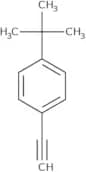
CAS:(S)-3-Phenylbutyric Acid is a chiral compound that has been synthesized using the asymmetric synthesis method. The conformational properties of this compound have been studied in detail and its optical activity has been determined. Its hydrolysis products are cinnamic acid and phenylacetic acid, which can be analyzed through spectrometry. It is used as an analytical tool for determining the enantiomeric purity of butyric acid, as well as being used for optimization purposes. (S)-3-Phenylbutyric Acid also shows high uptake in bacteria, yeast, and mammalian cells, which may be due to its magnetic resonance properties.Formula:C10H12O2Purity:Min. 95%Molecular weight:164.2 g/mol1-(tert-Butyl)-4-ethynylbenzene
CAS:1-(tert-Butyl)-4-ethynylbenzene is a ruthenium complex that reacts with terminal alkynes to form an aromatic hydrocarbon. The reaction system is homogeneous and the catalyst is a coordination geometry, which is electron microscopic and reactive. 1-(tert-Butyl)-4-ethynylbenzene has been shown to be nonpolar solvents such as benzene, chloroform, ether, or hexane. It also emits light when excited by ultraviolet radiation.
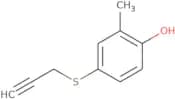
Formula:C12H14Purity:Min. 95%Molecular weight:158.24 g/mol2-Methyl-4-(prop-2-yn-1-ylsulfanyl)phenol
CAS:Versatile small molecule scaffoldFormula:C10H10OSPurity:Min. 95%Molecular weight:178.25 g/mol3-Bromo-4-methoxybenzyl Cyanide
CAS:3-Bromo-4-methoxybenzyl Cyanide is a desorption agent that specifically targets the ribonucleic acid (RNA) template strand of DNA and prevents the synthesis of proteins. 3-Bromo-4-methoxybenzyl Cyanide has been shown to be effective against Gram-positive bacteria and has a synergistic effect when used in combination with antibiotics such as chloramphenicol and erythromycin. This compound is also active against Gram-negative bacteria, but it is not effective against thermally resistant bacteria such as Mycobacterium smegmatis. The antibacterial activity of 3-Bromo-4-methoxybenzyl Cyanide may be due to its ability to inhibit protein synthesis by preventing the binding of aminoacyl tRNA to the ribosome.Formula:C9H8BrNOPurity:Min. 95%Molecular weight:226.07 g/mol4-Methoxybicyclo[2.2.2]octane-1-carboxylic acid
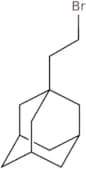
CAS:Versatile small molecule scaffoldFormula:C10H16O3Purity:Min. 95%Molecular weight:184.23 g/mol1-(2-Bromoethyl)-adamantane
CAS:1-(2-Bromoethyl)-adamantane is a chemical intermediate that is used as a starting material for the synthesis of benzhydryl, phenoxymethyl, and phenacyl. It has been used in the production of cephalosporins and trimethylsilyl aralkyl methoxy intermediates. 1-(2-Bromoethyl)-adamantane can also be used to synthesize benzyl penicillins.Formula:C12H19BrPurity:Min. 95%Molecular weight:243.18 g/mol2-Benzyl-2-methyl-1,3-thiazolidine
CAS:Versatile small molecule scaffold
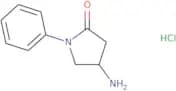
Formula:C11H12N2O4Purity:Min. 95%Molecular weight:236.22 g/mol4-amino-1-phenylpyrrolidin-2-one hydrochloride
CAS:Versatile small molecule scaffoldFormula:C10H13ClN2OPurity:Min. 95%Molecular weight:212.68 g/mol5-Bromo-[2,3']bipyridinyl
CAS:Versatile small molecule scaffoldFormula:C10H7BrN2Purity:Min. 95%Molecular weight:235.09 g/mol(2,4-Dichlorophenoxy)acetyl chloride
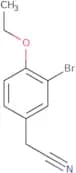
CAS:2,4-Dichlorophenoxy)acetyl chloride is a chloroacetyl chloride that can be used as an herbicide. It is soluble in organic solvents and has been reported to inhibit the growth of weeds in agricultural fields. 2,4-Dichlorophenoxy)acetyl chloride inhibits weed growth by inhibiting the synthesis of enzymes needed for photosynthesis, which results in the death of plants. The herbicide is also insoluble in water, meaning it does not leach into the soil and contaminate groundwater. 2,4-Dichlorophenoxy)acetyl chloride has been shown to be toxic to fish at high concentrations. 2,4-Dichlorophenoxy)acetyl chloride reacts with phosphorus pentoxide to form a dichlorophenyldiphenylmethane (DDPM). DDPM is an acceptor molecule that can be used as a starting point for synthesizing other molecules.Formula:C8H5Cl3O2Purity:Min. 95%Molecular weight:239.49 g/mol2-(3-Bromo-4-ethoxyphenyl)acetonitrile
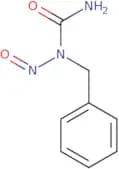
CAS:Versatile small molecule scaffoldFormula:C10H10BrNOPurity:Min. 95%Molecular weight:240.1 g/mol1-Benzyl-1-nitrosourea
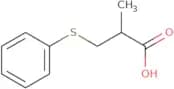
CAS:1-Benzyl-1-nitrosourea is a nitrosourea alkylating agent that induces DNA methylation. It is hepatotoxic and carcinogenic in rats, but not in mice. This drug does not cause DNA methylation at high substrate concentrations, but does so at low concentrations. The carcinogenic effects of this drug have been observed in the liver, mammary glands, and other tissues. The carcinogenic activity of 1-Benzyl-1-nitrosourea has been shown to be dependent on the strain of animal used and the dose administered.Formula:C8H9N3O2Purity:Min. 95%Molecular weight:179.18 g/mol2-Methyl-3-(phenylsulfanyl)propanoic acid
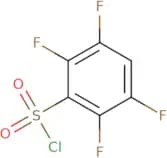
CAS:Versatile small molecule scaffoldFormula:C10H12O2SPurity:Min. 95%Molecular weight:196.27 g/mol2,3,5,6-Tetrafluorobenzenesulfonyl chloride
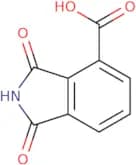
CAS:Versatile small molecule scaffoldFormula:C6HClF4O2SPurity:Min. 95%Molecular weight:248.58 g/mol1,3-Dioxo-2,3-dihydro-1H-isoindole-4-carboxylic acid
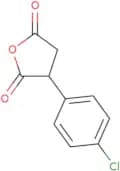
CAS:Versatile small molecule scaffoldFormula:C9H5NO4Purity:Min. 95%Molecular weight:191.14 g/mol3-(4-Chlorophenyl)oxolane-2,5-dione
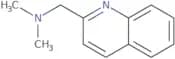
CAS:3-(4-Chlorophenyl)oxolane-2,5-dione is a telechelic monomer with a hydroxyl group at one end and an alkynyl group at the other. This molecule has functional groups that can be used in polymerization reactions to create polymers. It is often used as a precursor for polyesters, polyurethanes, and polyamides. 3-(4-Chlorophenyl)oxolane-2,5-dione reacts with metal ions to form polymers that emit light when excited by light. The fatty acid component of this molecule makes it soluble in hydrocarbon solvents such as hexane and heptane. 3-(4-Chlorophenyl)oxolane-2,5-dione can also be used to produce biodegradable plastics from renewable resources such as vegetable oils or soybean oil.Formula:C10H7ClO3Purity:Min. 95%Molecular weight:210.61 g/molDimethyl(quinolin-2-ylmethyl)amine
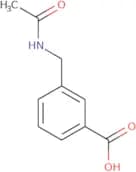
CAS:Dimethyl(quinolin-2-ylmethyl)amine is a chemical compound that has shown anti-cancer activity in humans. It is a precursor of the drug quinacrine, which is used to treat some types of cancer. Dimethyl(quinolin-2-ylmethyl)amine and related compounds are believed to work by interfering with DNA synthesis, preventing the proliferation of cancer cells.Formula:C12H14N2Purity:Min. 95%Molecular weight:186.25 g/mol3-(Acetamidomethyl)benzoic acid
CAS:Versatile small molecule scaffold
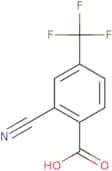
Formula:C10H11NO3Purity:Min. 95%Molecular weight:193.2 g/mol2-Cyano-4-(trifluoromethyl)benzoic acid
CAS:Versatile small molecule scaffold
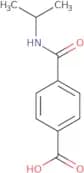
Formula:C9H4F3NO2Purity:Min. 95%Molecular weight:215.13 g/molN-Isopropylterephthalamic acid
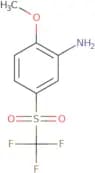
CAS:N-Isopropylterephthalamic acid is a metabolite of terephthalic acid and is formed by the oxidation of isopropyl alcohol. The metabolism of N-isopropylterephthalamic acid in humans has been shown to be catalyzed by cytochrome P450 enzymes, which are expressed in the liver. This reaction occurs through a series of oxidation steps that convert the alcohol group to an aldehyde group and then to an acid group. The final product, N-isopropylterephthalamic acid, can be quantified using gas chromatography with electron capture detection or high performance liquid chromatography with fluorescence detection. These techniques can be used for monitoring human exposure to this metabolite.Formula:C11H13NO3Purity:Min. 95%Molecular weight:207.23 g/mol2-Methoxy-5-trifluoromethanesulfonylaniline
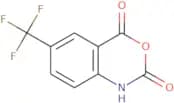
CAS:Versatile small molecule scaffoldFormula:C8H8F3NO3SPurity:Min. 95%Molecular weight:255.22 g/mol6-(Trifluoromethyl)-2,4-dihydro-1H-3,1-benzoxazine-2,4-dione
CAS:6-(Trifluoromethyl)-2,4-dihydro-1H-3,1-benzoxazine-2,4-dione is a potent inhibitor of tumor cell growth. It inhibits the stepwise oxidation of 4-chloro-5-methylisatin to 4-chloroimidazole. 6-(Trifluoromethyl)-2,4-dihydro-1H-3,1-benzoxazine-2,4-dione is an analog of the antitumor agent 5-(trifluoromethyl)isatin. The reaction mechanism involves the formation of an iminium ion that undergoes a condensation with a thiophene and subsequent bromination. This forms an intermediate that can be isolated and identified as 6-(trifluoromethyl)-N-[(6'-bromohexyl)oxy]-2,4'-dFormula:C9H4F3NO3Purity:Min. 95%Molecular weight:231.13 g/mol


![[1,2,4]Triazolo[4,3-a]pyridin-3-amine](/_next/image/?url=https%3A%2Fstatic.cymitquimica.com%2Fproducts%2F3D%2Fthumb-webp%2FAAA76762.webp&w=3840&q=75)




![4-Methoxybicyclo[2.2.2]octane-1-carboxylic acid](/_next/image/?url=https%3A%2Fstatic.cymitquimica.com%2Fproducts%2F3D%2Fthumb-webp%2FAAA77334.webp&w=3840&q=75)

![5-Bromo-[2,3']bipyridinyl](/_next/image/?url=https%3A%2Fstatic.cymitquimica.com%2Fproducts%2F3D%2Fthumb-webp%2FAAA77453.webp&w=3840&q=75)