Building Blocks
Subcategories of "Building Blocks"
- Boronic Acids & Boronic Acid Derivatives(5,784 products)
- Chiral Building Blocks(1,244 products)
- Hydrocarbon Building Blocks(6,105 products)
- Organic Building Blocks(61,070 products)
Found 205437 products of "Building Blocks"
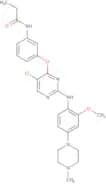
WZ4003
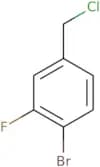
CAS:WZ4003 is a fatty acid that has been shown to inhibit protein synthesis and cell growth. It has been shown to have cancer-preventative effects in prostate cancer cells by inhibiting the production of epidermal growth factor and other growth factors. WZ4003 also inhibits phosphatase activity, which may be related to its anti-cancer properties. WZ4003 is not toxic for healthy cells such as those found in skin and muscle tissue.Formula:C25H29ClN6O3Purity:Min. 95%Molecular weight:497 g/mol1-Bromo-4-(chloromethyl)-2-fluorobenzene
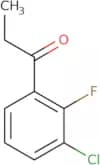
CAS:Versatile small molecule scaffoldFormula:C7H5BrClFPurity:Min. 95%Molecular weight:223.47 g/mol1-(3-Chloro-2-fluorophenyl)propan-1-one
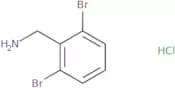
CAS:Versatile small molecule scaffoldFormula:C9H8ClFOPurity:Min. 95%Molecular weight:186.61 g/mol(2,6-Dibromophenyl)methanamine hydrochloride
CAS:Versatile small molecule scaffold
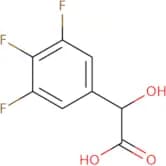
Formula:C7H8Br2ClNPurity:Min. 95%Molecular weight:301.4 g/mol3,4,5-Trifluoromandelic acid
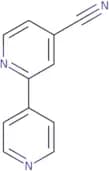
CAS:Versatile small molecule scaffoldFormula:C8H5F3O3Purity:Min. 95%Molecular weight:206.12 g/mol2-(Pyridin-4-yl)pyridine-4-carbonitrile
CAS:Versatile small molecule scaffold
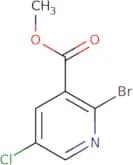
Formula:C11H7N3Purity:Min. 95%Molecular weight:181.19 g/molMethyl 2-bromo-5-chloro-pyridine-3-carboxylate
CAS:Versatile small molecule scaffold
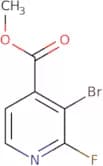
Formula:C7H5BrClNO2Purity:Min. 95%Molecular weight:250.48 g/molMethyl 3-bromo-2-fluoropyridine-4-carboxylate
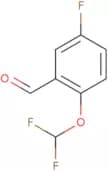
CAS:Versatile small molecule scaffoldFormula:C7H5BrFNO2Purity:Min. 95%Molecular weight:234.02 g/mol2-(Difluoromethoxy)-5-fluorobenzaldehyde
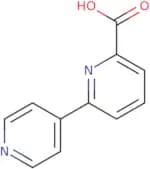
CAS:Versatile small molecule scaffoldFormula:C8H5F3O2Purity:Min. 95%Molecular weight:190.12 g/mol2,4'-Bipyridine-6-carboxylic acid
CAS:Versatile small molecule scaffold
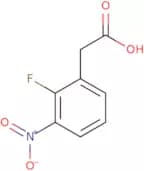
Formula:C11H8N2O2Purity:Min. 95%Molecular weight:200.2 g/mol2-(2-Fluoro-3-nitrophenyl)acetic acid
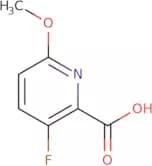
CAS:Versatile small molecule scaffoldFormula:C8H6FNO4Purity:Min. 95%Molecular weight:199.1 g/mol3-Fluoro-6-methoxypyridine-2-carboxylic acid
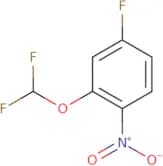
CAS:Versatile small molecule scaffoldFormula:C7H6FNO3Purity:Min. 95%Molecular weight:171.13 g/mol2-(Difluoromethoxy)-4-fluoro-1-nitro-benzene
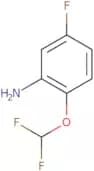
CAS:Versatile small molecule scaffoldFormula:C7H4F3NO3Purity:Min. 95%Molecular weight:207.11 g/mol2-(Difluoromethoxy)-5-fluoroaniline
CAS:Versatile small molecule scaffold
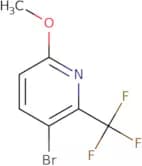
Formula:C7H6F3NOPurity:Min. 95%Molecular weight:177.12 g/mol3-Bromo-6-methoxy-2-(trifluoromethyl)pyridine
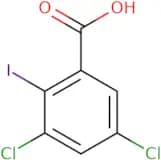
CAS:Versatile small molecule scaffoldFormula:C7H5BrF3NOPurity:Min. 95%Molecular weight:256.02 g/mol3,5-Dichloro-2-iodobenzoic acid
CAS:Versatile small molecule scaffold
Formula:C7H3Cl2IO2Purity:Min. 95%Molecular weight:316.9 g/molEthyl 2-hydroxy-3-phenylpropanoate
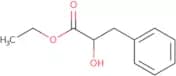
CAS:Ethyl 2-hydroxy-3-phenylpropanoate (EPP) is a component of the fragrance, which is used in perfumes, soaps, and detergents. It has been shown to have a hypocholesterolemic effect in rats and a proliferator-activated receptor agonist effect on human cells. EPP also has been shown to stimulate collagen production and inhibit the proliferation of human keratinocytes. The biological properties of this compound are related to its ability to activate insulin receptors in muscle cells. EP can be synthesized by reacting 3-phenylpropanal with ethyl bromoacetate followed by hydrolysis of the resulting ester.
Formula:C11H14O3Purity:Min. 95%Molecular weight:194.23 g/mol1,4-Diamidinobenzene
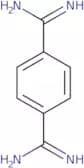
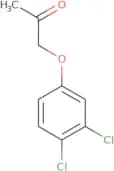
CAS:1,4-Diamidinobenzene is a chemical compound that belongs to the group of triazines. It has been extensively used in pharmaceutical preparations because of its stability and low toxicity. 1,4-Diamidinobenzene is an acid complex with a molecule that has a crystalline structure. It is soluble in organic solvents such as ethanol and acetone. The terminal half-life of 1,4-diamidinobenzene depends on the type of coating applied to the metal surface; it can be degradable or not. The electronic interaction between 1,4-diamidinobenzene and urokinase-type plasminogen increases its activity by tenfold when compared to other non-interacting molecules.Formula:C8H10N4Purity:Min. 95%Molecular weight:162.19 g/mol1-(3,4-Dichlorophenoxy)propan-2-one
CAS:Versatile small molecule scaffold
Formula:C9H8Cl2O2Purity:Min. 95%Molecular weight:219.06 g/mol3-(2-bromoethoxy)prop-1-ene
CAS:Versatile small molecule scaffold
Formula:C5H9OBrPurity:Min. 95%Molecular weight:165.02 g/mol3-(3-Bromopropoxy)prop-1-ene
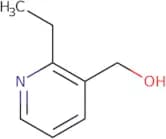
CAS:Versatile small molecule scaffoldFormula:C6H11BrOPurity:Min. 95%Molecular weight:179.05 g/mol(2-Ethylpyridin-3-yl)methanol
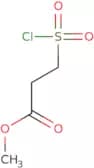
CAS:(2-Ethylpyridin-3-yl)methanol is a drug that can be used for the treatment of cerebral ischemia. It has been shown to increase blood flow to the brain and reduce the infarct size in animal models. (2-Ethylpyridin-3-yl)methanol is also effective in treating acute ischemic stroke, as it has been shown to reduce the severity of cerebral vasospasm. This drug can be used as a substitute for insulin in type 2 diabetes mellitus, because it reduces insulin resistance and improves glycemic control. As with other drugs in this class, (2-Ethylpyridin-3-yl)methanol should be administered by intravenous infusion only. The recommended dose for adults with normal renal function is 3 mg/kg body weight over 15 minutes followed by an infusion at 0.5 mg/kg over 4 hours. If given as an infusion,Formula:C8H11NOPurity:Min. 95%Molecular weight:137.18 g/molmethyl 3-(chlorosulfonyl)propanoate
CAS:Versatile small molecule scaffoldFormula:C4H7ClO4SPurity:Min. 95%Molecular weight:186.6 g/molDimethyl bicyclo[2.2.1]heptane-1,4-dicarboxylate
CAS:Dimethyl bicyclo[2.2.1]heptane-1,4-dicarboxylate is a synthetic diol with the chemical formula (CH)C(O)CH(CH)(CO)OCH. It has been shown to be one of the most effective diols for alkylation of ethylene in a continuous process, yielding high yields and low amounts of byproducts. Dimethyl bicyclo[2.2.1]heptane-1,4-dicarboxylate has also been used as an immobilized catalyst for lipase production and has shown potential as an immobilized catalyst for cycloaliphatic ring opening reactions using magnetic fields to control reactivity and stereochemistry.Formula:C11H16O4Purity:Min. 95%Molecular weight:212.24 g/molMethyl 4-carbamoylbicyclo[2.2.1]heptane-1-carboxylate
CAS:Versatile small molecule scaffoldFormula:C10H15NO3Purity:Min. 95%Molecular weight:197.23 g/mol4-Bromobicyclo[2.2.1]heptane-1-carboxylic acid
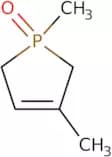
CAS:Versatile small molecule scaffoldFormula:C8H11BrO2Purity:Min. 95%Molecular weight:219.08 g/mol1,3-Dimethyl-3-phospholene 1-oxide
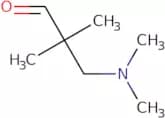
CAS:Versatile small molecule scaffoldFormula:C6H11OPPurity:Min. 95%Molecular weight:130.12 g/mol3-Dimethylamino-2,2-dimethyl-propionaldehyde
CAS:3-Dimethylamino-2,2-dimethylpropionaldehyde is an equimolar mixture of 3-dimethylamino-2,2-dimethylpropionaldehyde and 3-methylbutyraldehyde. This aldehyde has multifunctional properties and can be used in the preparation of a wide variety of aldehydes, such as acetaldehyde, benzaldehyde, butyraldehyde, and cinnamaldehyde. The reaction products are known for their pharmacophore activity. This product was also shown to have nmr spectrum with signals at δ 0.94 (3H), δ 1.23 (3H), δ 2.00 (6H), δ 4.82 (1H). The proton signal is at δ 7.28 ppm and the nitrogen atom is at δ 5.04 ppm in the spectrum of this product.END> END>Formula:C7H15NOPurity:Min. 95%Molecular weight:129.2 g/mol2-[2-(4-Methoxyphenyl)ethyl]-1H-1,3-benzodiazole
CAS:Versatile small molecule scaffold
Formula:C16H16N2OPurity:Min. 95%Molecular weight:252.31 g/mol4-Chloro-2,6-diiodophenol
CAS:4-Chloro-2,6-diiodophenol is a disinfectant that belongs to the family of phenolic compounds. It is used as a water purifier and has been shown to be effective against Diptera, Culicidae and Trichoptera, although it is not effective against other insects. 4-Chloro-2,6-diiodophenol reacts with chlorine to form chloral hydrate, which is an intermediate in the synthesis of trichloroacetic acid. This reaction rate has been shown to increase with population density. The effectiveness of 4-chloro-2,6-diiodophenol as a disinfectant has been found to be dependent on the concentration of chlorine in the water.Formula:C6H3ClI2OPurity:Min. 95%Molecular weight:380.35 g/mol4-[Cyano(hydroxy)methyl]benzonitrile
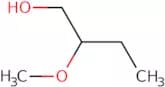
CAS:Versatile small molecule scaffoldFormula:C9H6N2OPurity:Min. 95%Molecular weight:158.16 g/mol2-Methoxy-1-butanol
CAS:2-Methoxy-1-butanol is a hydroxy group with a primary alcohol that is often used in the oxidation of epoxides. The cavity of 2-methoxy-1-butanol forms hydrogen bonds with the epoxide ring, which allows for an epoxide to be cleaved by the ring opening. This process requires an acid catalyst and has an activation energy of 170 kJ/mol. The reaction rate is 5.0 x 10^6 M/sec and the reaction mechanism is proposed to be as follows: first, phosphotungstic acid reacts with water to form phosphotungstate ion; second, phosphotungstate ion reacts with butanol to produce hydroxyl group.Formula:C5H12O2Purity:Min. 95%Molecular weight:104.15 g/mol2-Hydroxy-1-(4-methylphenyl)propan-1-one
CAS:2-Hydroxy-1-(4-methylphenyl)propan-1-one is a putrefactive compound that has been detected in the breath of pneumoniae and escherichia coli patients. It is also present in the urine of porcine, where it can be used as a biomarker for bacterial infection. The detection of 2-hydroxy-1-(4-methylphenyl)propan-1-one was found to be detectable by magnetic resonance spectroscopy and monitoring with magnetic resonance spectroscopy. The compound has been shown to inhibit bacterial growth in vitro.
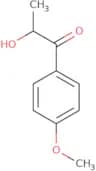
Formula:C10H12O2Purity:Min. 95%Molecular weight:164.2 g/mol2-Hydroxy-1-(4-methoxyphenyl)propan-1-one
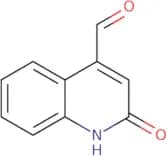
CAS:Versatile small molecule scaffoldFormula:C10H12O3Purity:Min. 95%Molecular weight:180.2 g/mol2-Oxo-1H-quinoline-4-carbaldehyde
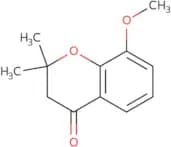
CAS:2-Oxo-1H-quinoline-4-carbaldehyde is a synthetic compound that was synthesized by modifying the experimental method. Single crystals of this compound were obtained by x-ray analysis and x-ray diffraction. The infrared spectrum and mass spectrum of this compound showed it to be a single molecule composed of two identical molecules. 2-Oxo-1H-quinoline-4-carbaldehyde has been found to have transforming properties, which can be used for the synthesis of other compounds. Experimental methods have been developed to optimize the production of this substance and analyze its physical properties.Formula:C10H7NO2Purity:Min. 95%Molecular weight:173.17 g/mol8-Methoxy-2,2-dimethyl-3,4-dihydro-2H-1-benzopyran-4-one
CAS:Versatile small molecule scaffoldFormula:C12H14O3Purity:Min. 95%Molecular weight:206.24 g/molN-Cyclohexylpyridin-2-amine
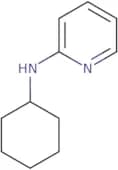
CAS:N-Cyclohexylpyridin-2-amine is a cyclic amine that has two cyclohexane rings with a nitrogen atom in the center. This compound is a dimer, which means it has two identical molecules bonded together. The hydrogen bond between the molecules causes them to have different geometries than expected. The catalytic activity of this compound is dependent on the nature and steric interactions of the macrocycles. Spectroscopies can be used to determine the molecular structure and confirm its dimeric form. X-ray crystal structures show that N-Cyclohexylpyridin-2-amine forms a macrocycle with one molecule bound to another in a head-to-tail orientation. Ligands are compounds that bind to metal ions, such as magnesium, zinc, or iron.
Formula:C11H16N2Purity:Min. 95%Molecular weight:176.26 g/molN-(Propan-2-yl)pyridin-2-amine
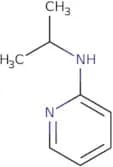
CAS:N-(Propan-2-yl)pyridin-2-amine is a ligand that binds to metal ions via the chloride, n-oxide and bidentate ligands. It is used in coordination chemistry as a precursor for the preparation of complexes with metals. In electron spin resonance spectroscopy it has been used as an anion for the determination of chloride and nitrate content in water. The damaged and halogenated forms of this compound are useful in the synthesis of other compounds, such as nerve agents.Formula:C8H12N2Purity:Min. 95%Molecular weight:136.19 g/mol2-(Aminomethyl)-3,3-dimethylbutan-1-ol
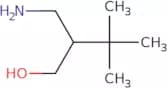
CAS:Versatile small molecule scaffoldFormula:C7H17NOPurity:Min. 95%Molecular weight:131.22 g/mol1,3-Dichloro-5H,6H,7H-cyclopenta[C]pyridine-4-carbonitrile
CAS:Versatile small molecule scaffoldFormula:C9H6Cl2N2Purity:Min. 95%Molecular weight:213.06 g/mol3-tert-Butyl-7-oxabicyclo[4.1.0]heptane
CAS:Versatile small molecule scaffold
Formula:C10H18OPurity:Min. 95%Molecular weight:154.25 g/mol2-Cyclohexyl-2-methoxyacetic acid
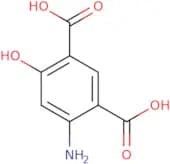
CAS:2-Cyclohexyl-2-methoxyacetic acid (CHMA) is a spectroscopic reagent. The 13C NMR spectrum of CHMA shows the presence of two carbonyl groups, one methylene and one methoxymethylene group. The compound can be derivatized to produce an aldehyde or ester.Formula:C9H16O3Purity:Min. 95%Molecular weight:172.22 g/mol4-Amino-6-hydroxybenzene-1,3-dicarboxylic acid
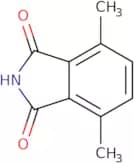
CAS:Versatile small molecule scaffoldFormula:C8H7NO5Purity:Min. 95%Molecular weight:197.14 g/mol4,7-Dimethyl-2,3-dihydro-1H-isoindole-1,3-dione
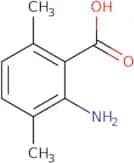
CAS:Versatile small molecule scaffoldFormula:C10H9NO2Purity:Min. 95%Molecular weight:175.18 g/mol2-Amino-3,6-dimethylbenzoic acid
CAS:2-Amino-3,6-dimethylbenzoic acid is an equilibrating agent that has been used to study the interaction and kinetics of hydrogen bonds. It is a white crystalline solid with a molecular weight of 164.2 g/mol and a melting point of 127 °C. The kinetic method has been used to study the equilibration between its two forms: 3,4-dihydroxybenzoic acid (DHB) and 2-hydroxybenzoic acid (HBA). This equilibrium can be described by the equation DHB + HBA ⇌ DHB + HBA, where the equilibrium constant is K = [DHB][HBA]/[DHB][HBA]. The kinetic method was also applied to study the reaction between 2-amino-3,6-dimethylbenzoic acid and methyl derivatives of olefins. In this case, the kinetic method was used to determineFormula:C9H11NO2Purity:Min. 95%Molecular weight:165.19 g/molbicyclo[2.2.1]heptane-1,4-dicarboxylic acid
CAS:Versatile small molecule scaffoldFormula:C9H12O4Purity:Min. 95%Molecular weight:184.19 g/mol4-[(Ethoxycarbonyl)oxy]benzoic acid
CAS:Versatile small molecule scaffoldFormula:C10H10O5Purity:Min. 95%Molecular weight:210.18 g/mol2-(2,6-Dimethoxyphenyl)acetic acid
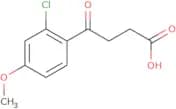
CAS:2-(2,6-Dimethoxyphenyl)acetic acid is a phenolic compound that can be found in the urine of people suffering from alcaptonuria. This disease is caused by the accumulation of homogentisic acid in the body and results in abnormalities such as neural tube defects. 2-(2,6-Dimethoxyphenyl)acetic acid is formed during the conversion of resorcinol to dihydroxybenzene by demethylation. It also has low yields when synthesized from methyl ester and benzene, which makes it difficult to produce synthetically.Formula:C10H12O4Purity:Min. 95%Molecular weight:196.2 g/mol4-(2-Chloro-4-methoxyphenyl)-4-oxobutanoic acid
CAS:Versatile small molecule scaffold
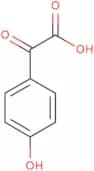
Formula:C11H11ClO4Purity:Min. 95%Molecular weight:242.65 g/mol2-(4-Hydroxyphenyl)-2-oxoacetic acid
CAS:2-Hydroxyphenyl-2-oxoacetic acid (HPPAA) is a pharmaceutical preparation used to treat insulin resistance and type 2 diabetes. It has been shown to increase the activity of mitochondrial enzymes, inhibit oxidative phosphorylation, and increase the oxidation of fatty acids. HPPAA has also been shown to reduce carnitine levels in muscle tissue, which may contribute to its anti-obesity effects. HPPAA is an analytical method for detecting insulin resistance in Sprague-Dawley rats. This method is based on UV absorption at 280 nm and can be used with other analytical methods such as gas chromatography or liquid chromatography.Formula:C8H6O4Purity:Min. 95%Molecular weight:166.13 g/mol



![Dimethyl bicyclo[2.2.1]heptane-1,4-dicarboxylate](/_next/image/?url=https%3A%2Fstatic.cymitquimica.com%2Fproducts%2F3D%2Fthumb-webp%2FQAA44876.webp&w=3840&q=75)
![Methyl 4-carbamoylbicyclo[2.2.1]heptane-1-carboxylate](/_next/image/?url=https%3A%2Fstatic.cymitquimica.com%2Fproducts%2F3D%2Fthumb-webp%2FQAA44878.webp&w=3840&q=75)
![4-Bromobicyclo[2.2.1]heptane-1-carboxylic acid](/_next/image/?url=https%3A%2Fstatic.cymitquimica.com%2Fproducts%2F3D%2Fthumb-webp%2FQAA44885.webp&w=3840&q=75)
![2-[2-(4-Methoxyphenyl)ethyl]-1H-1,3-benzodiazole](/_next/image/?url=https%3A%2Fstatic.cymitquimica.com%2Fproducts%2F3D%2Fthumb-webp%2FQAA45232.webp&w=3840&q=75)

![4-[Cyano(hydroxy)methyl]benzonitrile](/_next/image/?url=https%3A%2Fstatic.cymitquimica.com%2Fproducts%2F3D%2Fthumb-webp%2FQAA46407.webp&w=3840&q=75)

![1,3-Dichloro-5H,6H,7H-cyclopenta[C]pyridine-4-carbonitrile](/_next/image/?url=https%3A%2Fstatic.cymitquimica.com%2Fproducts%2F3D%2Fthumb-webp%2FQAA52446.webp&w=3840&q=75)
![3-tert-Butyl-7-oxabicyclo[4.1.0]heptane](/_next/image/?url=https%3A%2Fstatic.cymitquimica.com%2Fproducts%2F3D%2Fthumb-webp%2FQAA53671.webp&w=3840&q=75)

![bicyclo[2.2.1]heptane-1,4-dicarboxylic acid](/_next/image/?url=https%3A%2Fstatic.cymitquimica.com%2Fproducts%2F3D%2Fthumb-webp%2FQAA54451.webp&w=3840&q=75)
![4-[(Ethoxycarbonyl)oxy]benzoic acid](/_next/image/?url=https%3A%2Fstatic.cymitquimica.com%2Fproducts%2F3D%2Fthumb-webp%2FQAA55232.webp&w=3840&q=75)