Building Blocks
Subcategories of "Building Blocks"
- Boronic Acids & Boronic Acid Derivatives(5,781 products)
- Chiral Building Blocks(1,242 products)
- Hydrocarbon Building Blocks(6,101 products)
- Organic Building Blocks(61,038 products)
Found 205338 products of "Building Blocks"
1-[(tert-Butoxy)carbonyl]cyclopentane-1-carboxylic acid
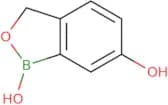
CAS:Versatile small molecule scaffoldFormula:C11H18O4Purity:Min. 95%Molecular weight:214.26 g/mol1,3-dihydro-2,1-benzoxaborole-1,6-diol
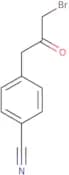
CAS:Versatile small molecule scaffoldFormula:C7H7BO3Purity:Min. 95%Molecular weight:149.9 g/mol4-(3-Bromo-2-oxopropyl)benzonitrile
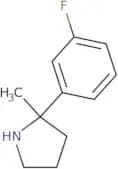
CAS:Versatile small molecule scaffoldFormula:C10H8BrNOPurity:Min. 95%Molecular weight:238.08 g/mol2-(3-Fluorophenyl)-2-methylpyrrolidine
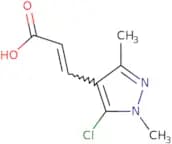
CAS:Versatile small molecule scaffoldFormula:C11H14FNPurity:Min. 95%Molecular weight:179.23 g/mol3-(5-Chloro-1,3-dimethyl-1H-pyrazol-4-yl)prop-2-enoic acid
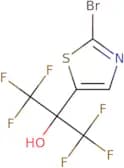
CAS:Versatile small molecule scaffoldFormula:C8H9ClN2O2Purity:Min. 95%Molecular weight:200.62 g/mol2-(2-Bromo-1,3-thiazol-5-yl)-1,1,1,3,3,3-hexafluoropropan-2-ol
CAS:Versatile small molecule scaffoldFormula:C6H2BrF6NOSPurity:Min. 95%Molecular weight:330.05 g/molHSF1A
CAS:Heat shock factor 1A (HSF1A) is a transcription factor that binds to regulatory elements in the DNA, and is also involved in the regulation of protein synthesis. HSF1A regulates gene expression during periods of cellular stress such as heat shock or oxidative stress. It is found in both cytosolic and nuclear compartments, and its binding domains are found in both cytosolic and nuclear compartments. HSF1A has a role in the specific treatment of HIV infection at physiological levels. It has been shown to regulate gene expression by binding to response elements on DNA, which is important for regulating the growth of cells. HSF1A can also act as a molecular chaperone, helping other proteins fold correctly.
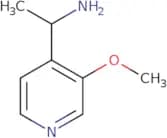
Formula:C21H19N3O2S2Purity:Min. 95%Molecular weight:409.52 g/mol1-(3-Methoxypyridin-4-yl)ethan-1-amine
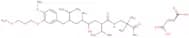
CAS:Versatile small molecule scaffoldFormula:C8H12N2OPurity:Min. 95%Molecular weight:152.19 g/mol(2S,4S,5S,7S)-5-Amino-N-(2-carbamoyl-2,2-dimethylethyl)-4-hydroxy-7-{[4-methoxy-3-(3-methoxypropoxy)phenyl]methyl}-8-methyl-2-(propa n-2-yl)nonanamide, but-2-enedioic acid
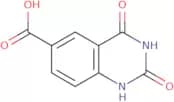
CAS:(2S,4S,5S,7S)-5-Amino-N-(2-carbamoyl-2,2-dimethylethyl)-4-hydroxy-7-[(4-methoxy-3-(3-methoxypropoxy)phenyl]methyl}-- 8-methylnonanamide butanedioic acid is a degradable drug that has vasodilatory effects on the circulatory system. It is used in clinical studies for the treatment of cardiovascular disorders such as cardiac hypertrophy and hypertension. This drug is also used to diagnose diseases such as aortic aneurysms and myocardial infarctions. The drug can be taken orally or intravenously via a solid oral formulation. (2S,4S,5S,7S)-5-Amino-N-(2-carbamoyl-2,2-dimethylethyl)-4hydroxyFormula:C34H57N3O10Purity:Min. 95%Molecular weight:667.8 g/mol2,4-dioxo-1,2,3,4-tetrahydroquinazoline-6-carboxylic acid
CAS:Versatile small molecule scaffoldFormula:C9H6N2O4Purity:Min. 95%Molecular weight:206.16 g/molCU-T12-9
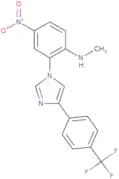
CAS:CU-T12-9 is a molecule that belongs to the group of toll-like receptor (TLR) agonists. It activates TLRs and has potent inhibitory activity against IL-10, TNF-α, and other inflammatory cytokines. CU-T12-9 also prevents the growth of cancer cells by inhibiting the production of tumor necrosis factor alpha (TNFα). CU-T12-9 is highly specific for human macrophages, which makes it an excellent candidate for drug development in the treatment of inflammatory conditions such as cancer. This chemical has been shown to activate TLRs on human macrophages and reduce the production of inflammatory cytokines such as IL-10, TNFα, and other inflammatory cytokines.Formula:C17H13F3N4O2Purity:Min. 95%Molecular weight:362.31 g/molrac-tert-Butyl (1S,3R,5R)-8-azaspiro[bicyclo[3.2.1]octane-3,2'-oxirane]-8-carboxylate
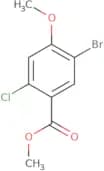
CAS:Versatile small molecule scaffoldFormula:C13H21NO3Purity:Min. 95%Molecular weight:239.31 g/molMethyl 5-bromo-2-chloro-4-methoxybenzoate
CAS:Versatile small molecule scaffoldFormula:C9H8BrClO3Purity:Min. 95%Molecular weight:279.51 g/mol[(8R)-1,4-Dioxa-7-azaspiro[4.4]nonan-8-yl]methanol
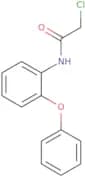
CAS:Versatile small molecule scaffoldFormula:C7H13NO3Purity:Min. 95%Molecular weight:159.2 g/mol2-Chloro-N-(2-phenoxy-phenyl)-acetamide
CAS:Versatile small molecule scaffoldFormula:C14H12ClNO2Purity:Min. 95%Molecular weight:261.7 g/mol2-Chloro-N-[2-(phenylsulfanyl)phenyl]acetamide
CAS:Versatile small molecule scaffoldFormula:C14H12ClNOSPurity:Min. 95%Molecular weight:277.8 g/mol5-[(Diethylamino)methyl]quinolin-8-ol
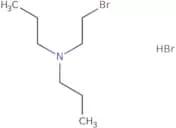
CAS:Versatile small molecule scaffoldFormula:C14H18N2OPurity:Min. 95%Molecular weight:230.31 g/mol(2-Bromoethyl)dipropylamine hydrobromide
CAS:Versatile small molecule scaffold
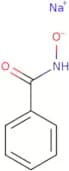
Formula:C8H19Br2NPurity:Min. 95%Molecular weight:289.05 g/molSodium Benzohydroxamate
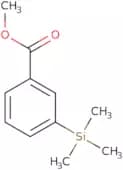
CAS:Sodium benzohydroxamate (SBH) is a synthetic reagent that is used in organic synthesis to form hydroxamic acids. Sodium benzohydroxamate can be used as a substitute for sodium carbonate, which is not available in some countries. The reaction time of SBH and cyanamide is much shorter than the reaction time of sodium carbonate and cyanamide. The yield of hydroxamic acid formed by SBH is lower than the yield of hydroxamic acid formed by sodium carbonate, due to its low efficiency. Sodium hydrogen reacts with the cyanide ion to form the corresponding hydroxamic acid and ammonium ion, which are separated from each other during the process. A postulated mechanism for this reaction includes an aldehyde dehydrogenase enzyme that oxidizes the aldehyde group on the reactant, thereby forming an alcohol group.Formula:C7H6NNaO2Purity:Min. 95%Molecular weight:159.12 g/molMethyl 3-(trimethylsilyl)benzoate
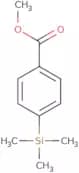
CAS:Versatile small molecule scaffoldFormula:C11H16O2SiPurity:Min. 95%Molecular weight:208.33 g/molMethyl 4-(Trimethylsilyl)benzoate
CAS:Methyl 4-(trimethylsilyl)benzoate is a chemical compound that is used in geosmin removal. Geosmin is a natural chemical compound that has a strong, earthy smell. Methyl 4-(trimethylsilyl)benzoate is used to remove geosmin from recycled water and wastewater, as well as the fatty acids that have been released into the environment by oil spills. It is also used in the synthesis of linearis, which can be used for the production of halides and undecanoic acid. Methyl 4-(trimethylsilyl)benzoate can be used for catalysis of reactions at room temperature or below, without the need for high pressures or temperatures. This chemical compound has been shown to be an effective catalyst for cross-coupling reactions involving disilane, isolating silicon from siloxanes, and producing linearis from unsaturated fatty acids and alcohols. Methyl 4
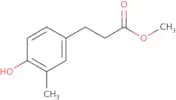
Formula:C11H16O2SiPurity:Min. 95%Molecular weight:208.33 g/molMethyl 3-(4-hydroxy-3-methylphenyl)propanoate
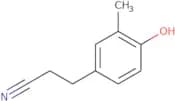
CAS:Versatile small molecule scaffoldFormula:C11H14O3Purity:Min. 95%Molecular weight:194.23 g/mol3-(4-Hydroxy-3-methylphenyl)propanenitrile
CAS:Versatile small molecule scaffold
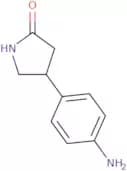
Formula:C10H11NOPurity:Min. 95%Molecular weight:161.2 g/mol4-(4-Aminophenyl)pyrrolidin-2-one
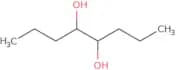
CAS:Versatile small molecule scaffoldFormula:C10H12N2OPurity:Min. 95%Molecular weight:176.21 g/mol(4R,5S)-Octane-4,5-diol
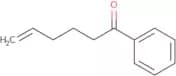
CAS:Versatile small molecule scaffoldFormula:C8H18O2Purity:Min. 95%Molecular weight:146.2 g/mol1-Phenylhex-5-en-1-one
CAS:Pyrrole is a heterocyclic organic compound with the chemical formula C5H5N. It is structurally similar to benzene, with one of the hydrogen atoms replaced by a nitrogen atom in the 1-position. Pyrrole has been used extensively as a starting material for synthesizing other heterocycles and compounds. The advances in pyrrole synthesis have been made using acetonitrile as an acceptor and phenyl ring as a five-membered ring. In this reaction, photoirradiation or irradiation can be used to generate an oxime which can then be coupled with an acceptor molecule such as aniline or cyclohexanone. This process yields neocryptolepine, which has shown anti-inflammatory properties and is currently being researched for use in drug development.
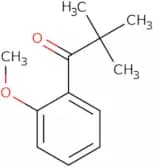
Formula:C12H14OPurity:Min. 95%Molecular weight:174.24 g/mol1-(2-Methoxyphenyl)-2,2-dimethylpropan-1-one
CAS:Versatile small molecule scaffold
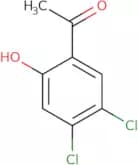
Formula:C12H16O2Purity:Min. 95%Molecular weight:192.25 g/mol1-(4,5-Dichloro-2-hydroxyphenyl)ethanone
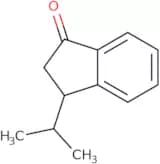
CAS:Versatile small molecule scaffoldFormula:C8H6O2Cl2Purity:Min. 95%Molecular weight:205.03 g/mol3-(Propan-2-yl)-2,3-dihydro-1H-inden-1-one
CAS:The conformational analysis of 3-(Propan-2-yl)-2,3-dihydro-1H-inden-1-one was carried out by the technique of conformational analysis. It was found that this molecule has two possible conformations, one with an alkyl group in the axial position and another with an alkyl group on the equatorial position.Formula:C12H14OPurity:Min. 95%Molecular weight:174.24 g/mol[(2-Oxo-2-phenylethyl)sulfanyl]acetic acid
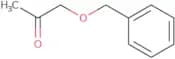
CAS:[(2-Oxo-2-phenylethyl)sulfanyl]acetic acid is a methyl ester that belongs to the class of alpha,alpha-diphenylacetates. It has been shown to be an effective inhibitor of protein synthesis in bacteria and yeast. This inhibition may be due to its ability to inhibit ribosome function by binding to the 30S subunit of bacterial ribosomes. The acid methyl ester form of [(2-Oxo-2-phenylethyl)sulfanyl]acetic acid is also an inhibitor of protein synthesis in bacteria and yeast, but it does not inhibit ribosome function.Formula:C10H10O3SPurity:Min. 95%Molecular weight:210.25 g/molbenzyloxyacetone
CAS:Benzyloxyacetone is a chiral compound that can be synthesized from salicylic acid. It has been shown to induce apoptosis in cancer cells, and is also an antibiotic. Benzyloxyacetone can be used as a substrate for the biosynthesis of various isoprenoid compounds such as cholesterol, steroids, and vitamins. The asymmetric synthesis of benzyloxyacetone is due to the presence of a hydroxyl group on one side of the molecule.Formula:C10H12O2Purity:Min. 95%Molecular weight:164.2 g/mol[(4-Methoxyphenyl)methyl][2-(pyridin-2-yl)ethyl]amine
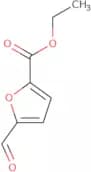
CAS:Versatile small molecule scaffoldFormula:C15H18N2OPurity:Min. 95%Molecular weight:242.32 g/molEthyl 5-formylfuran-2-carboxylate
CAS:Versatile small molecule scaffoldFormula:C8H8O4Purity:Min. 95%Molecular weight:168.15 g/mol1,2-Dimethoxy-4-[(E)-2-nitroethenyl]benzene
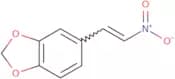
CAS:Versatile small molecule scaffoldFormula:C10H11NO4Purity:Min. 95%Molecular weight:209.2 g/mol5-(2-Nitroethenyl)-2H-1,3-benzodioxole
CAS:Versatile small molecule scaffoldFormula:C9H7NO4Purity:Min. 95%Molecular weight:193.16 g/mol2-({4-[(Carboxymethyl)carbamoyl]phenyl}formamido)acetic acid
CAS:Versatile small molecule scaffold
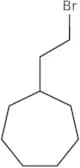
Formula:C12H12N2O6Purity:Min. 95%Molecular weight:280.23 g/mol(2-Bromoethyl)cycloheptane
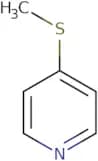
CAS:Versatile small molecule scaffoldFormula:C9H17BrPurity:Min. 95%Molecular weight:205.13 g/mol4-(Methylsulfanyl)pyridine
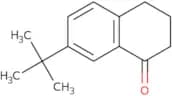
CAS:4-Methylsulfanylpyridine is a ligand, chiral, and metallophilic. It has a pyridine ring that is magnetic. 4-Methylsulfanylpyridine also shows oxidation process profiles in hexane and tetrahydrofuran. 4-Methylsulfanylpyridine interacts with other compounds through a number of spectroscopies, including photoelectron, diffraction, and single-crystal x-ray diffraction. 4-Methylsulfanylpyridine can be used to catalyze reactions.Formula:C6H7NSPurity:Min. 95%Molecular weight:125.19 g/mol7-tert-Butyl-1,2,3,4-tetrahydronaphthalen-1-one
CAS:Versatile small molecule scaffoldFormula:C14H18OPurity:Min. 95%Molecular weight:202.29 g/molN-Propyl-1,2,3,4-tetrahydronaphthalen-2-amine hydrochloride
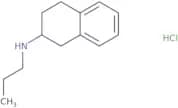
CAS:Controlled ProductVersatile small molecule scaffold
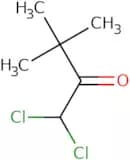
Formula:C13H20ClNPurity:Min. 95%Molecular weight:225.76 g/mol1,1-Dichloropinacolone
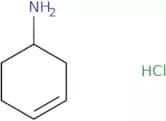
CAS:1,1-Dichloropinacolone is a chlorinated derivative of the organic compound 1,1-dichloropinacol. It is used as a precursor to produce chloride gas and hydrogen chloride. The reaction of 1,1-dichloropinacolone with hydrochloric acid produces hydrogen and chlorine gas. This method has been used to remove nitro compounds from wastewater as well as to produce pesticides. The reaction products include hydrogen peroxide which can be used for wastewater treatment. Treatment methods include the use of organic solvents or catalysts to speed up the reaction rate.Formula:C6H10Cl2OPurity:Min. 95%Molecular weight:169.05 g/molCyclohex-3-en-1-amine hydrochloride
CAS:Versatile small molecule scaffold
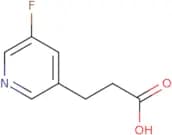
Formula:C6H11N·HClPurity:Min. 95%Molecular weight:133.62 g/mol3-(5-fluoropyridin-3-yl)propanoic acid
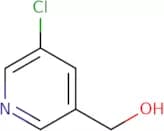
CAS:Versatile small molecule scaffoldFormula:C8H8NO2FPurity:Min. 95%Molecular weight:169.15 g/mol(5-Chloro-3-pyridinyl)methanol
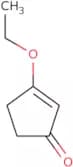
CAS:Versatile small molecule scaffoldFormula:C6H6ClNOPurity:Min. 95%Molecular weight:143.57 g/mol3-Ethoxy-2-cyclopentenone
CAS:3-Ethoxy-2-cyclopentenone is an unsaturated fatty acid that is used in the synthesis of prostaglandins and other biologically active compounds. It can be synthesized by the hydrogenation of 3-ethoxy-2-cyclohexenecarboxaldehyde, which is an analog of a natural product. 3-Ethoxy-2-cyclopentenone has been used as a radioisotope for medical diagnosis, yielding high specific activity with low radiation dosages. This compound can also be produced by formylation and hydrogenation of 2-(3'-formoxyphenoxy)propane. 3-Ethoxy-2-cyclopentenone has shown inhibitory effects on glycosidases and can be diluted at 1:10 to produce a 10% concentration.
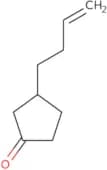
Formula:C7H10O2Purity:Min. 95%Molecular weight:126.15 g/mol3-(3-Butenyl)cyclopentanone
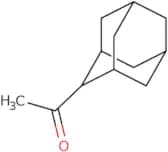
CAS:Versatile small molecule scaffoldFormula:C9H14OPurity:Min. 95%Molecular weight:138.21 g/mol1-(Adamantan-2-yl)ethan-1-one
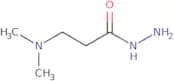
CAS:Adamantan-2-yl ethan-1-one is a carbocation with an electron deficient double bond. This compound has been shown to react with alkyl halides, such as benzyl chloride, to form a 1,3-diphenylpropane. Adamantan-2-yl ethan-1-one was synthesized by radical intermediates in the course of hydrocarbon activation and has shown to be an important reaction intermediate for the synthesis of carbonyl compounds. The activation of hydrocarbons by adamantan-2-yl ethan-1-one has been studied extensively and has led to advances in medicinal chemistry.Formula:C12H18OPurity:Min. 95%Molecular weight:178.27 g/mol3-(Dimethylamino)propanohydrazide
CAS:3-(Dimethylamino)propanohydrazide is a potent inhibitor of lipoxygenases in the nanomolar range. It has been shown to inhibit a number of lipoxygenases, including 5-lipoxygenase and 15-lipoxygenase, which are enzymes that catalyze the conversion of arachidonic acid to leukotrienes. 3-(Dimethylamino)propanohydrazide was also found to be an efficient inhibitor of acylhydrazone formation and is being used as a lead compound for drug discovery. This compound has been shown to be potent inhibitors of regulatory enzymes in the lung disease screening reaction mixtures, such as those that regulate inflammation or blood pressure.Formula:C5H13N3OPurity:Min. 95%Molecular weight:131.18 g/mol3-{Bicyclo[2.2.1]heptan-2-yl}propanoic acid
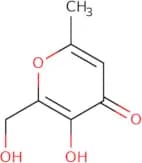
CAS:Versatile small molecule scaffoldFormula:C10H16O2Purity:Min. 95%Molecular weight:168.23 g/mol3-Hydroxy-2-(hydroxymethyl)-6-methyl-4H-pyran-4-one
CAS:Versatile small molecule scaffoldFormula:C7H8O4Purity:Min. 95%Molecular weight:156.14 g/mol
![1-[(tert-Butoxy)carbonyl]cyclopentane-1-carboxylic acid](/_next/image/?url=https%3A%2Fstatic.cymitquimica.com%2Fproducts%2F3D%2Fthumb-webp%2FWXB26109.webp&w=3840&q=75)


![rac-tert-Butyl (1S,3R,5R)-8-azaspiro[bicyclo[3.2.1]octane-3,2'-oxirane]-8-carboxylate](/_next/image/?url=https%3A%2Fstatic.cymitquimica.com%2Fproducts%2F3D%2Fthumb-webp%2FWXC40191.webp&w=3840&q=75)
![[(8R)-1,4-Dioxa-7-azaspiro[4.4]nonan-8-yl]methanol](/_next/image/?url=https%3A%2Fstatic.cymitquimica.com%2Fproducts%2F3D%2Fthumb-webp%2FWXC51934.webp&w=3840&q=75)
![2-Chloro-N-[2-(phenylsulfanyl)phenyl]acetamide](/_next/image/?url=https%3A%2Fstatic.cymitquimica.com%2Fproducts%2F3D%2Fthumb-webp%2FXAA50408.webp&w=3840&q=75)
![5-[(Diethylamino)methyl]quinolin-8-ol](/_next/image/?url=https%3A%2Fstatic.cymitquimica.com%2Fproducts%2F3D%2Fthumb-webp%2FXAA50613.webp&w=3840&q=75)
![[(2-Oxo-2-phenylethyl)sulfanyl]acetic acid](/_next/image/?url=https%3A%2Fstatic.cymitquimica.com%2Fproducts%2F3D%2Fthumb-webp%2FXAA53646.webp&w=3840&q=75)
![[(4-Methoxyphenyl)methyl][2-(pyridin-2-yl)ethyl]amine](/_next/image/?url=https%3A%2Fstatic.cymitquimica.com%2Fproducts%2F3D%2Fthumb-webp%2FXAA54058.webp&w=3840&q=75)
![1,2-Dimethoxy-4-[(E)-2-nitroethenyl]benzene](/_next/image/?url=https%3A%2Fstatic.cymitquimica.com%2Fproducts%2F3D%2Fthumb-webp%2FXAA56847.webp&w=3840&q=75)
![2-({4-[(Carboxymethyl)carbamoyl]phenyl}formamido)acetic acid](/_next/image/?url=https%3A%2Fstatic.cymitquimica.com%2Fproducts%2F3D%2Fthumb-webp%2FXAA57894.webp&w=3840&q=75)
![3-{Bicyclo[2.2.1]heptan-2-yl}propanoic acid](/_next/image/?url=https%3A%2Fstatic.cymitquimica.com%2Fproducts%2F3D%2Fthumb-webp%2FXAA63741.webp&w=3840&q=75)