Building Blocks
Subcategories of "Building Blocks"
- Boronic Acids & Boronic Acid Derivatives(5,774 products)
- Chiral Building Blocks(1,237 products)
- Hydrocarbon Building Blocks(6,098 products)
- Organic Building Blocks(60,969 products)
Found 205134 products of "Building Blocks"
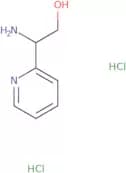
2-Amino-2-(2-pyridyl)ethanol dihydrochloride
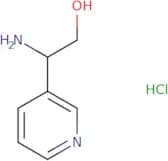
CAS:Versatile small molecule scaffoldFormula:C7H10N2O·2HClPurity:Min. 95%Molecular weight:211.09 g/mol2-Amino-2-pyridin-3-yl-ethanol dihydrochloride
CAS:Versatile small molecule scaffoldFormula:C7H10N2O·2HClPurity:Min. 95%Molecular weight:211.09 g/mol2-[(4-Fluorophenyl)methyl]pyrrolidine hydrochloride
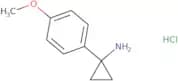
CAS:Controlled ProductVersatile small molecule scaffoldFormula:C11H15ClFNPurity:Min. 95%Molecular weight:215.69 g/mol1-(4-Methoxyphenyl)cyclopropylamine hydrochloride
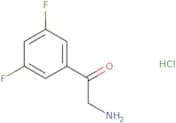
CAS:Versatile small molecule scaffoldFormula:C10H14ClNOPurity:Min. 95%Molecular weight:199.68 g/mol2-Amino-1-(3,5-difluorophenyl)-ethanone HCl
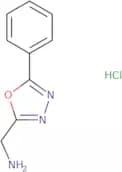
CAS:Controlled ProductVersatile small molecule scaffoldFormula:C8H8ClF2NOPurity:Min. 95%Molecular weight:207.61 g/mol(5-Phenyl-1,3,4-oxadiazol-2-yl)methanamine hydrochloride
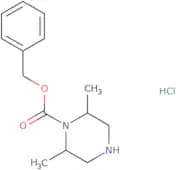
CAS:Versatile small molecule scaffoldFormula:C9H10ClN3OPurity:Min. 95%Molecular weight:211.65 g/molBenzyl 2,6-dimethylpiperazine-1-carboxylate hydrochloride
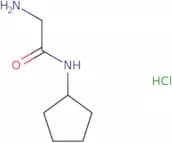
CAS:Versatile small molecule scaffoldFormula:C14H20N2O2·HClPurity:Min. 95%Molecular weight:284.79 g/mol2-Amino-N-cyclopentylacetamide hydrochloride
CAS:Versatile small molecule scaffold
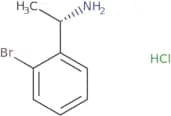
Formula:C7H15ClN2OPurity:Min. 95%Molecular weight:178.66 g/mol(1R)-1-(2-Bromophenyl)ethan-1-amine hydrochloride
CAS:Versatile small molecule scaffoldFormula:C8H10BrN·HClPurity:Min. 95%Molecular weight:236.54 g/mol(1S)-1-(2-bromophenyl)ethan-1-amine hydrochloride
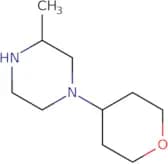
CAS:Versatile small molecule scaffoldFormula:C8H11BrClNPurity:Min. 95%Molecular weight:236.5 g/mol(3S)-3-Methyl-1-(oxan-4-yl)piperazine
CAS:Versatile small molecule scaffoldFormula:C10H20N2OPurity:Min. 95%Molecular weight:184.28 g/mol(8-Methylimidazo[1,2-a]pyridin-2-yl)methanamine dihydrochloride
CAS:Versatile small molecule scaffoldFormula:C9H13Cl2N3Purity:Min. 95%Molecular weight:234.13 g/molImidazo[1,5-a]pyridin-1-ylmethanamine hydrochloride
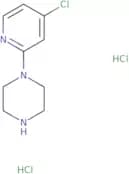
CAS:Versatile small molecule scaffoldFormula:C8H9N3·HClPurity:Min. 95%Molecular weight:183.64 g/mol1-(4-Chloropyridin-2-yl)piperazine dihydrochloride
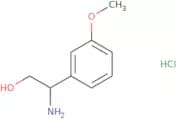
CAS:Versatile small molecule scaffoldFormula:C9H14Cl3N3Purity:Min. 95%Molecular weight:270.59 g/mol2-Amino-2-(3-methoxyphenyl)ethanol hydrochloride
CAS:Versatile small molecule scaffoldFormula:C9H13NO2·HClPurity:Min. 95%Molecular weight:203.67 g/mol(9H-Fluoren-9-yl)methyl 3-(aminomethyl)-1,2,3,4-tetrahydroisoquinoline-2-carboxylate hydrochloride
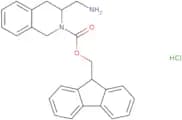
CAS:Versatile small molecule scaffoldFormula:C25H25ClN2O2Purity:Min. 95%Molecular weight:420.9 g/mol5-Nitro-1,2,3,4-tetrahydroisoquinoline hydrochloride
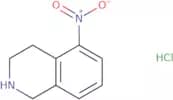
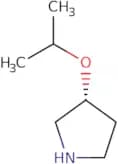
CAS:Versatile small molecule scaffoldFormula:C9H10N2O2·HClPurity:Min. 95%Molecular weight:214.65 g/mol(R)-3-Isopropoxypyrrolidine
CAS:Versatile small molecule scaffoldFormula:C7H15NOPurity:Min. 95%Molecular weight:129.2 g/mol1-Azabicyclo[2.2.1]heptan-3-amine dihydrochloride
CAS:Versatile small molecule scaffold
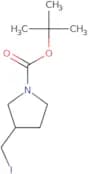
Formula:C6H14Cl2N2Purity:Min. 95%Molecular weight:185.09 g/mol3(R)-Iodomethyl-pyrrolidine-1-carboxylic acid tert-butyl ester
CAS:Versatile small molecule scaffoldFormula:C10H18INO2Purity:Min. 95%Molecular weight:311.16 g/mol2,3-Dihydro-1H-indole-4-carboxylic acid hydrochloride
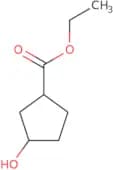
CAS:Versatile small molecule scaffoldFormula:C9H9NO2·HClPurity:Min. 95%Molecular weight:199.64 g/molethyl 3-hydroxycyclopentane-1-carboxylate
CAS:Versatile small molecule scaffoldFormula:C8H14O3Purity:Min. 95%Molecular weight:158.2 g/mol2-[2-(Trifluoromethyl)phenyl]cyclopropanecarboxylic acid
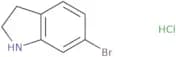
CAS:Versatile small molecule scaffoldFormula:C11H9F3O2Purity:Min. 95%Molecular weight:230.18 g/mol6-bromo-2,3-dihydro-1H-indole hydrochloride
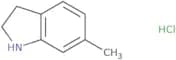
CAS:Versatile small molecule scaffoldFormula:C8H9BrClNPurity:Min. 95%Molecular weight:234.5 g/mol6-Methyl-2,3-dihydro-1H-indole hydrochloride
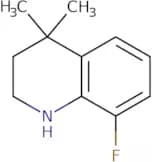
CAS:Versatile small molecule scaffoldFormula:C9H12ClNPurity:Min. 95%Molecular weight:169.65 g/mol8-Fluoro-4,4-dimethyl-1,2,3,4-tetrahydroquinoline
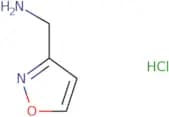
CAS:Versatile small molecule scaffoldFormula:C11H14FNPurity:Min. 95%Molecular weight:179.23 g/molc-Isoxazol-3-yl-methylamine hydrochloride
CAS:Versatile small molecule scaffold
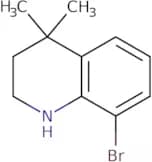
Formula:C4H6N2O·HClPurity:Min. 95%Molecular weight:134.57 g/mol8-Bromo-4,4-dimethyl-1,2,3,4-tetrahydro-quinoline
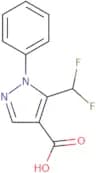
CAS:Versatile small molecule scaffoldFormula:C11H14BrNPurity:Min. 95%Molecular weight:240.14 g/mol5-(Difluoromethyl)-1-phenyl-1H-pyrazole-4-carboxylic acid
CAS:Versatile small molecule scaffoldFormula:C11H8F2N2O2Purity:Min. 95%Molecular weight:238.19 g/mol[3-(3-Fluoro-4-methoxyphenyl)-4,5-dihydro-1,2-oxazol-5-yl]methanamine hydrochloride
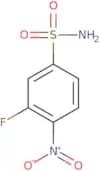
CAS:Versatile small molecule scaffoldFormula:C11H14ClFN2O2Purity:Min. 95%Molecular weight:260.69 g/mol3-Fluoro-4-nitrobenzene-1-sulfonamide
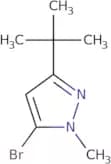
CAS:Versatile small molecule scaffoldFormula:C6H5FN2O4SPurity:Min. 95%Molecular weight:220.18 g/mol5-Bromo-3-tert-butyl-1-methyl-1H-pyrazole
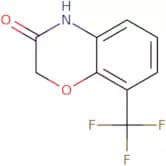
CAS:Versatile small molecule scaffoldFormula:C8H13BrN2Purity:Min. 95%Molecular weight:217.11 g/mol8-(Trifluoromethyl)-3,4-dihydro-2H-1,4-benzoxazin-3-one
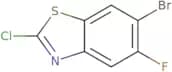
CAS:Versatile small molecule scaffoldFormula:C9H6F3NO2Purity:Min. 95%Molecular weight:217.14 g/mol6-Bromo-2-chloro-5-fluoro-1,3-benzothiazole
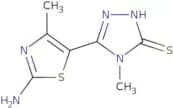
CAS:Versatile small molecule scaffoldFormula:C7H2BrClFNSPurity:Min. 95%Molecular weight:266.52 g/mol5-(2-amino-4-methyl-1,3-thiazol-5-yl)-4-methyl-2,4-dihydro-3h-1,2,4-triazole-3-thione
CAS:Versatile small molecule scaffoldFormula:C7H9N5S2Purity:Min. 95%Molecular weight:227.3 g/mol2-Amino-N-(quinolin-8-yl)acetamide
CAS:2-Amino-N-(quinolin-8-yl)acetamide is a fluorescent inorganic compound. It has been shown to have a high affinity for chloride, with nanotube structures that are able to bind the chloride ions by supramolecular interactions. This binding prevents the chloride from interacting with other biomolecules, such as proteins and DNA. The energy of this interaction can be measured using fluorophore spectroscopy, which can be used for bioassays and medical imaging. 2-Amino-N-(quinolin-8-yl)acetamide has also been shown to have an ability to interact with zinc ions (Zn2+) in electrospray experiments, resulting in the emission of fluorescence.
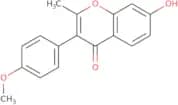
Formula:C11H11N3OPurity:Min. 95%Molecular weight:201.22 g/mol7-Hydroxy-3-(4-methoxyphenyl)-2-methyl-4H-chromen-4-one
CAS:Versatile small molecule scaffold
Formula:C17H14O4Purity:Min. 95%Molecular weight:282.29 g/mol1-Chloro-3-(methylsulfanyl)propane
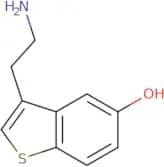
CAS:1-Chloro-3-(methylsulfanyl)propane is a chiral molecule that has been shown to be present in humans, plants, and nature. It can be synthesized from isothiocyanates, which are compounds that are found in tissues of animals and plants. 1-Chloro-3-(methylsulfanyl)propane has been shown to be toxic to cancer cells by inhibiting the synthesis of DNA and RNA. This compound also activates sulforaphane, welwitindolinone, and other natural products.Formula:C4H9ClSPurity:Min. 95%Molecular weight:124.63 g/mol3-(2-Aminoethyl)-1-benzothiophen-5-ol
CAS:Versatile small molecule scaffoldFormula:C10H11NOSPurity:Min. 95%Molecular weight:193.27 g/mol4-Nitrobutyric Acid Methyl Ester
CAS:4-Nitrobutyric Acid Methyl Ester is a compound that belongs to the group of nitro compounds. It is an antimycobacterial agent that inhibits the growth of Mycobacterium tuberculosis by inhibiting the synthesis of mycolic acids and cell wall components. 4-Nitrobutyric Acid Methyl Ester has been shown to be effective in vitro against Mycobacterium avium complex and in animal models against Mycobacterium bovis. This molecule was synthesized by means of a solid-phase synthesis, with a stereoselective process yielding 98% ee.Formula:C5H9NO4Purity:Min. 95%Molecular weight:147.13 g/mol9-Decen-1-ol
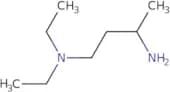
CAS:9-Decen-1-ol is an acyl chain that contains a hydroxyl group. It is a chemical precursor to the synthesis of long-chain fatty acids and other biologically important lipids. 9-Decen-1-ol is also used as a solid catalyst in organic synthesis reactions, such as the reaction mechanism for hydrochloric acid and fatty acids. The expression plasmid containing the gene for 9-decen-1-ol was introduced into Escherichia coli cells using cationic surfactant to create an E. coli strain that produces this chemical compound. This synthetic pathway has been shown to be stable in both water vapor and cell culture conditions. It also binds odorants, which may contribute its odorant binding properties. Intracellular calcium concentration increases when 9-decen-1-ol binds with G protein coupled receptors, leading to cellular activation of phospholipase A2 and increased free arachidonic acid release from membrane phosphFormula:C10H20OPurity:Min. 95%Molecular weight:156.27 g/mol(3-Aminobutyl)diethylamine
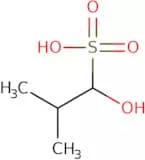
CAS:Versatile small molecule scaffoldFormula:C8H20N2Purity:Min. 95%Molecular weight:144.26 g/molSodium 1-hydroxy-2-methylpropane-1-sulfonate
CAS:Versatile small molecule scaffold
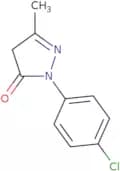
Formula:C4H10O4SPurity:Min. 95%Molecular weight:154.19 g/mol1-(4-Chlorophenyl)-3-methyl-5-pyrazolone
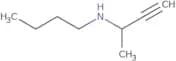
CAS:1-(4-Chlorophenyl)-3-methyl-5-pyrazolone is a molecule that has the ability to form hydrogen bonds. It has been shown that it is a monomer and can exist in two tautomeric forms, as an enol and keto form. The most stable form of the molecule is the keto form, which has been shown to be antipyrine. Hydrogen bonding occurs when electronegative atoms on one molecule are attracted to electropositive atoms on another molecule. Intermolecular hydrogen bonding between 1-(4-chlorophenyl)-3-methyl-5-pyrazolone molecules results in a more stable compound than would otherwise be possible. This property is of great importance in determining the function of many organic compounds.Formula:C10H9ClN2OPurity:Min. 95%Molecular weight:208.65 g/mol(But-3-yn-2-yl)(butyl)amine
CAS:Versatile small molecule scaffoldFormula:C8H15NPurity:Min. 95%Molecular weight:125.21 g/mol2-{[(4-Fluorophenyl)sulphonyl]amino}acetic acid
CAS:Versatile small molecule scaffoldFormula:C8H8FNO4SPurity:Min. 95%Molecular weight:233.21 g/mol2-{[(4-Chlorophenyl)sulfonyl]amino}acetic acid
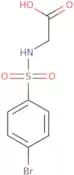
CAS:Versatile small molecule scaffoldFormula:C8H8ClNO4SPurity:Min. 95%Molecular weight:249.67 g/mol2-(4-Bromophenylsulfonamido)acetic acid
CAS:2-(4-Bromophenylsulfonamido)acetic acid is a basic organic compound that is used as a reagent in organic synthesis. This compound is the salt of 2-bromoacetic acid and 4-aminobenzenesulfonic acid, which are both carboxylic acids. The chemical formula for this compound is CHBrNO2SCH3COOH. 2-(4-Bromophenylsulfonamido)acetic acid has been shown to hydrolyze at a basic pH and undergo ester hydrolysis with methyl alcohol. It also has properties that make it useful for the synthesis of symmetrical dimers and centrosymmetric molecules.Formula:C8H8BrNO4SPurity:Min. 95%Molecular weight:294.12 g/mol(4-Methoxy-benzenesulfonylamino)-acetic acid
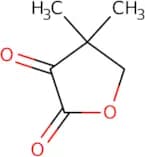
CAS:Versatile small molecule scaffoldFormula:C9H11NO5SPurity:Min. 95%Molecular weight:245.25 g/molDihydro-4,4-dimethyl-2,3-furandione
CAS:Dihydro-4,4-dimethyl-2,3-furandione is an organic compound that belongs to a class of molecules called cinchona alkaloids. It is used as a substrate for the study of enzyme reactions in the laboratory and as a model system for studying other molecules that are similar in structure. Dihydro-4,4-dimethyl-2,3-furandione has shown to be an effective inhibitor of acid formation from cinchonidine, which is a natural product derived from the bark of Cinchona species. The molecule also has asymmetric synthesis capabilities and can produce lactones with one or two ester groups.Formula:C6H8O3Purity:Min. 95%Molecular weight:128.13 g/mol

![2-[(4-Fluorophenyl)methyl]pyrrolidine hydrochloride](/_next/image/?url=https%3A%2Fstatic.cymitquimica.com%2Fproducts%2F3D%2Fthumb-webp%2FMXB93100.webp&w=3840&q=75)

![(8-Methylimidazo[1,2-a]pyridin-2-yl)methanamine dihydrochloride](/_next/image/?url=https%3A%2Fstatic.cymitquimica.com%2Fproducts%2F3D%2Fthumb-webp%2FMXB93182.webp&w=3840&q=75)
![Imidazo[1,5-a]pyridin-1-ylmethanamine hydrochloride](/_next/image/?url=https%3A%2Fstatic.cymitquimica.com%2Fproducts%2F3D%2Fthumb-webp%2FMXB93215.webp&w=3840&q=75)
![1-Azabicyclo[2.2.1]heptan-3-amine dihydrochloride](/_next/image/?url=https%3A%2Fstatic.cymitquimica.com%2Fproducts%2F3D%2Fthumb-webp%2FMXB93251.webp&w=3840&q=75)

![2-[2-(Trifluoromethyl)phenyl]cyclopropanecarboxylic acid](/_next/image/?url=https%3A%2Fstatic.cymitquimica.com%2Fproducts%2F3D%2Fthumb-webp%2FMXB93313.webp&w=3840&q=75)
![[3-(3-Fluoro-4-methoxyphenyl)-4,5-dihydro-1,2-oxazol-5-yl]methanamine hydrochloride](/_next/image/?url=https%3A%2Fstatic.cymitquimica.com%2Fproducts%2F3D%2Fthumb-webp%2FMXB94735.webp&w=3840&q=75)




![2-{[(4-Fluorophenyl)sulphonyl]amino}acetic acid](/_next/image/?url=https%3A%2Fstatic.cymitquimica.com%2Fproducts%2F3D%2Fthumb-webp%2FNAA02971.webp&w=3840&q=75)
![2-{[(4-Chlorophenyl)sulfonyl]amino}acetic acid](/_next/image/?url=https%3A%2Fstatic.cymitquimica.com%2Fproducts%2F3D%2Fthumb-webp%2FNAA02972.webp&w=3840&q=75)