Building Blocks
This section contains fundamental products for the synthesis of organic and biological compounds. Building blocks are the essential starting materials used to construct complex molecules through various chemical reactions. They play a critical role in drug discovery, material science, and chemical research. At CymitQuimica, we offer a diverse range of high-quality building blocks to support your innovative research and industrial projects, ensuring you have the essential components for successful synthesis.
Subcategories of "Building Blocks"
- Boronic Acids & Boronic Acid Derivatives(5,778 products)
- Chiral Building Blocks(1,242 products)
- Hydrocarbon Building Blocks(6,098 products)
- Organic Building Blocks(61,063 products)
Found 197855 products of "Building Blocks"
Sort by
Purity (%)
0
100
|
0
|
50
|
90
|
95
|
100
(2-Chloroethyl)(ethyl)amine hydrochloride
CAS:Versatile small molecule scaffoldFormula:C4H11Cl2NPurity:Min. 95%Molecular weight:144.04 g/molcyclopentanecarboxylic acid, 1-phenyl-, methyl ester
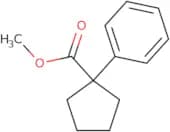
CAS:Cyclopentanecarboxylic acid, 1-phenyl-, methyl ester is a synthetic chemical that belongs to the group of quaternary ammonium salts. It is used as a catalyst and has been shown to interact with benzene, thionyl chloride, carbonium ion and atropine. Cyclopentanecarboxylic acid, 1-phenyl-, methyl ester can be used in the manufacture of anhydrous hydrogen chloride and anhydrous chloride. The chemical is insoluble in water and reacts with alcohols to form esters. This product is not soluble in water but reacts with alcohols to form esters.Formula:C13H16O2Purity:Min. 95%Molecular weight:204.27 g/mol8-Chloronaphthalene-1-carboxylic acid
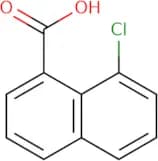
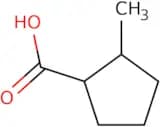
CAS:<p>8-Chloronaphthalene-1-carboxylic acid is a cannabinoid receptor agonist. It has affinity for both CB1 and CB2 receptors and has been shown to have activity in vivo. 8-Chloronaphthalene-1-carboxylic acid is an analog of the natural cannabinoid, anandamide, which activates CB1 and CB2 receptors. The chloro substituent on the phenyl ring of 8-chloronaphthalene-1-carboxylic acid can be substituted with electron withdrawing groups such as bromo or chloro to increase affinity for cb2 receptors. This substitution decreases affinity for cb1 receptors, but increases affinity for cb2 receptors.</p>Formula:C11H7ClO2Purity:Min. 95%Molecular weight:206.62 g/molrac-(1R,2R)-2-Methylcyclopentane-1-carboxylic acid
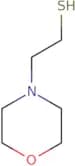
CAS:Versatile small molecule scaffoldFormula:C7H12O2Purity:Min. 95%Molecular weight:128.2 g/mol2-(Morpholin-4-yl)ethane-1-thiol
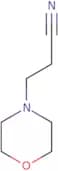
CAS:<p>Versatile small molecule scaffold</p>Formula:C6H13NOSPurity:Min. 95%Molecular weight:147.24 g/molN-(2-Cyanoethyl)morpholine
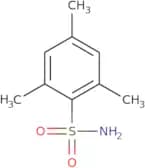
CAS:<p>N-(2-Cyanoethyl)morpholine is an antibacterial agent that inhibits cell growth by binding to the ribosomal RNA of bacteria, thereby inhibiting protein synthesis. This drug has been shown to inhibit the growth of staphylococcus and leukemia cells in vitro. N-(2-Cyanoethyl)morpholine also inhibits the production of polyamines, which are involved in cell proliferation. These inhibitory properties have been attributed to amines on the molecule that bind to bacterial ribosomes and prevent the production of proteins. N-(2-Cyanoethyl)morpholine has been shown to be effective against Mycobacterium avium complex, but not Mycobacterium tuberculosis or other acid-fast bacteria.</p>Formula:C7H12N2OPurity:Min. 95%Molecular weight:140.19 g/mol2,4,6-Trimethylbenzenesulfonamide
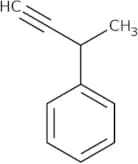
CAS:<p>2,4,6-Trimethylbenzenesulfonamide is an organic solvent that has a range of uses in the manufacture of plastics and elastomers. It also has inflammatory properties and may be used to induce symptoms of dermatitis. This compound competitively inhibits the production of imine from amino acid precursors and reactive oxygen species (ROS) formation by neutrophils. 2,4,6-Trimethylbenzenesulfonamide has been shown to have antibacterial activity against thp-1 cells and chloride ion channels. The inhibitory properties of this compound are due to its ability to interfere with the transepidermal water loss (TEWL).</p>Formula:C9H13NO2SPurity:Min. 95%Molecular weight:199.27 g/molBut-3-yn-2-ylbenzene
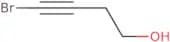
CAS:But-3-yn-2-ylbenzene is a substance that is found in the oil of plant seeds. It is a hydrocarbon molecule, meaning it contains only hydrogen and carbon atoms. The but-3-yn-2-ylbenzene molecule has been studied with high level optimizations and frequency calculations to determine its transition states, molecular mechanisms, and functions. This substance can be used as a biofuel because it has high energy density. But-3-yn-2-ylbenzene has been studied by chemists to determine its chemical constants and viscosity.Formula:C10H10Purity:Min. 95%Molecular weight:130.19 g/mol4-Bromobut-3-yn-1-ol
CAS:<p>4-Bromobut-3-yn-1-ol is a monomer that belongs to the class of methacrylates. It is a stereoselective monomer and can be used to prepare acrylates. 4-Bromobut-3-yn-1-ol has been shown to have an attractant activity in lepidoptera, which may be due to its unsymmetrical structure. This molecule also has a piperidine skeleton, which can be used in synthetic methods for the preparation of cross-coupling products.</p>Formula:C4H5BrOPurity:Min. 95%Molecular weight:148.99 g/mol(+)-Tranylcypromine hydrochloride
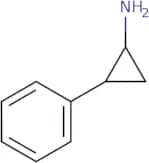
CAS:Controlled Product<p>(+)-Tranylcypromine hydrochloride is a drug that is used for the treatment of depression. It inhibits monoamine oxidase (MAO) and reversibly inhibits the activity of tyrosine hydroxylase, which are enzymes involved in the production of amines. The binding of this drug to lysine residues on the enzyme MAO-A prevents the oxidation of dopamine and other neurotransmitters, such as serotonin. This drug has shown to have pluripotent effects in animal studies. (+)-Tranylcypromine hydrochloride has been shown to induce dedifferentiation in human liver cells grown in culture, which may be due to its ability to inhibit protein synthesis. There are many known drug interactions with (+)-tranylcypromine hydrochloride. Clinical studies have found that it increases cardiovascular toxicity when taken with drugs such as beta blockers, calcium channel blockers, and clonidine.</p>Formula:C9H11N·HClPurity:Min. 95%Molecular weight:169.65 g/mol1,7-Dibromoheptane
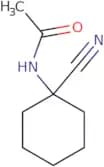
CAS:<p>1,7-Dibromoheptane is an α2-adrenergic receptor antagonist that prevents the activation of these receptors by blocking the binding of endogenous noradrenaline and adrenaline. It has been shown to inhibit hydrochloric acid-induced gastric ulceration in rats. 1,7-Dibromoheptane also has a high detection sensitivity and can be used for the qualitative identification of fatty acids. The compound's viscosity is affected by changes in temperature and it forms dipoles due to its structure. This compound has been used as a covid-19 pandemic flu vaccine adjuvant.</p>Formula:C7H14Br2Purity:Min. 95%Molecular weight:258 g/molN-(1-Cyanocyclohexyl)acetamide
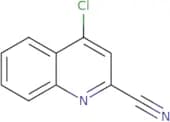
CAS:<p>Versatile small molecule scaffold</p>Formula:C9H14N2OPurity:Min. 95%Molecular weight:166.22 g/mol4-Chloroquinoline-2-carbonitrile
CAS:<p>4-Chloroquinoline-2-carbonitrile is a cytotoxic agent that inhibits the growth of cancer cells. It has been shown to be effective against a number of cancer cell lines, including those resistant to colchicine. 4-Chloroquinoline-2-carbonitrile binds to the colchicine binding site on the enzyme mitotic spindle and prevents the anchoring of microtubules at the centrosomes, inhibiting cell division and leading to apoptosis. This drug is structurally similar to colchicine, which is also an inhibitor of mitotic spindle assembly, but lacks its ability to bind covalently to DNA.</p>Formula:C10H5ClN2Purity:Min. 95%Molecular weight:188.61 g/mol2-(4-Benzylpiperazino)ethan-1-amine
CAS:Controlled Product<p>2-(4-Benzylpiperazino)ethan-1-amine (BZPEA) is a research chemical that has affinity for the sigma-1 receptor. It has been shown to have pharmacological effects on the central nervous system and cardiovascular system. BZPEA modulates the activity of sigma receptors, which are targets for certain drugs such as antipsychotics and antidepressants. This drug may be useful in the future for research into novel treatments for neurological disorders.</p>Formula:C13H21N3Purity:Min. 95%Molecular weight:219.33 g/mol10-(Propan-2-ylidene)-4-azatricyclo[5.2.1.0,2,6]dec-8-ene-3,5-dione
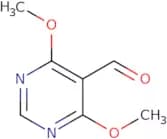
CAS:<p>Versatile small molecule scaffold</p>Formula:C12H13NO2Purity:Min. 95%Molecular weight:203.2 g/mol4,6-Dimethoxypyrimidine-5-carbaldehyde
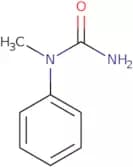
CAS:<p>Versatile small molecule scaffold</p>Formula:C7H8N2O3Purity:Min. 95%Molecular weight:168.15 g/mol1-Methyl-1-phenylurea
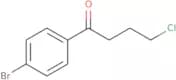
CAS:<p>1-Methyl-1-phenylurea is an epoxy molecule that has been used to synthesize pharmaceutical preparations for the treatment of autoimmune diseases and nervous system diseases. 1-Methyl-1-phenylurea is activated by hydroxyl groups in the cavity, which leads to a variety of reaction products. Reaction products from the cavity can be modified with polyols or fatty acids, allowing for a range of therapeutic indications. 1-Methyl-1-phenylurea has been shown to have anti-inflammatory properties due to its ability to inhibit prostaglandin synthesis.</p>Formula:C8H10N2OPurity:Min. 95%Molecular weight:150.18 g/mol1-(4-Bromophenyl)-4-chlorobutan-1-one
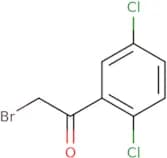
CAS:<p>1-(4-Bromophenyl)-4-chlorobutan-1-one is a chemokine ligand that binds to the CXC receptor 2 and regulates chemotaxis. It is also a potent inhibitor of neuropathic pain, as well as a key regulator of atherosclerosis and restenosis. This ligand has shown significant binding to the insulin receptor, which may be due to modifications in its structure. Clinical trials are currently underway to investigate the interactions between this ligand and insulin resistance.</p>Formula:C10H10BrClOPurity:Min. 95%Molecular weight:261.54 g/mol2-Bromo-1-(2,5-dichlorophenyl)ethanone
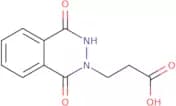
CAS:<p>2-Bromo-1-(2,5-dichlorophenyl)ethanone is an alcohol with a chemical formula of C6H4BrCl2O. It is an optically active compound that can be synthesized from ethanol and potassium bromide. The synthesis of this compound involves a condensation reaction between acetaldehyde and 2,5-dichlorobenzaldehyde in the presence of potassium carbonate. This product has been shown to be a radiosensitizer for cancer cells and was used in the drug TARANIT, which was approved by the FDA in 2003. This product also has enantiomeric properties, which allows it to inhibit the growth of bacteria such as Mycobacterium tuberculosis and Mycobacterium avium complex.<br>2-Bromo-1-(2,5-dichlorophenyl)ethanone has been shown to have antifungal activity against Candida alb</p>Formula:C8H5BrCl2OPurity:Min. 95%Molecular weight:267.93 g/mol3-(1,4-Dioxo-1,2,3,4-tetrahydrophthalazin-2-yl)propanoic acid
CAS:Versatile small molecule scaffoldFormula:C11H10N2O4Purity:Min. 95%Molecular weight:234.21 g/molBenzyl N-[2-(4,4-dimethyl-5-oxo-4,5-dihydro-1,3-oxazol-2-yl)propan-2-yl]carbamate
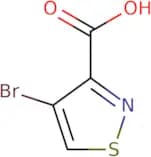
CAS:Versatile small molecule scaffoldFormula:C16H20N2O4Purity:Min. 95%Molecular weight:304.34 g/mol4-Bromo-1,2-thiazole-3-carboxylic acid
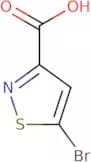
CAS:<p>Versatile small molecule scaffold</p>Formula:C4H2BrNO2SPurity:Min. 95%Molecular weight:208.04 g/mol5-Bromo-1,2-thiazole-3-carboxylic acid
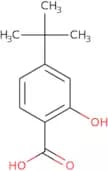
CAS:<p>Versatile small molecule scaffold</p>Formula:C4H2BrNO2SPurity:Min. 95%Molecular weight:208.04 g/mol4-(tert-Butyl)-2-hydroxybenzoic acid
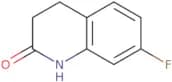
CAS:<p>Versatile small molecule scaffold</p>Formula:C11H14O3Purity:Min. 95%Molecular weight:194.23 g/mol7-Fluoro-3,4-dihydroquinolin-2(1H)-one
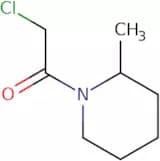
CAS:<p>Versatile small molecule scaffold</p>Formula:C9H8FNOPurity:Min. 95%Molecular weight:165.16 g/mol2-Chloro-1-(2-methylpiperidin-1-yl)ethan-1-one
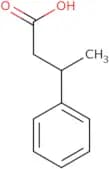
CAS:Versatile small molecule scaffoldFormula:C8H14ClNOPurity:Min. 95%Molecular weight:175.65 g/mol3-Phenylbutyric acid
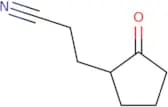
CAS:<p>3-Phenylbutyric acid is a hydrolysis product of butyric acid. It can be formed by the hydrolysis of phytanic acid, benzoate, or 2-phenylbutyric acid. 3-Phenylbutyric acid is often used as a substrate for lipase enzymes in industrial applications. The binding of 3-phenylbutyric acid to the enzyme's active site has been studied using molecular modeling and computer simulations. The enzyme hormone-sensitive lipase is most commonly used for this purpose. Lipases are also used in analytical methods to determine the concentration of 3-phenylbutyric acid in a sample.</p>Formula:CH3CHPurity:Min. 95%Molecular weight:164.2 g/mol3-(2-Oxocyclopentyl)propanenitrile
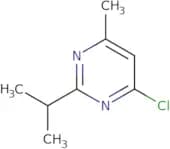
CAS:<p>3-(2-Oxocyclopentyl)propanenitrile is a nitrile that can be used as a catalyst. It is a β-unsaturated acid compound that has been shown to have high selectivity and selectivity when catalyzing the conversion of cyclopentanone to pyrrolidine. 3-(2-Oxocyclopentyl)propanenitrile is catalytically active for the conversion of cyclopentanone to pyrrolidine in the presence of a nickel(0) complex, which makes it an excellent choice for industrial applications.</p>Formula:C8H11NOPurity:Min. 95%Molecular weight:137.18 g/mol4-Chloro-6-methyl-2-(propan-2-yl)pyrimidine
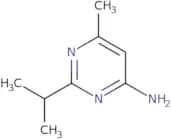
CAS:4-Chloro-6-methyl-2-(propan-2-yl)pyrimidine is a pyrimidine derivative that is an antifungal agent. It has fungicidal and fungistatic activities against phytopathogenic fungi, inhibiting the synthesis of ergosterol, which is necessary for fungal cell membrane integrity. It also inhibits the enzyme squalene epoxidase, which is required for the production of sterols and other compounds in fungi. 4-Chloro-6-methyl-2-(propan-2-yl)pyrimidine has shown to be active against many strains of Aspergillus, including those resistant to other antifungals.Formula:C8H11ClN2Purity:Min. 95%Molecular weight:170.64 g/mol2-Isopropyl-6-methylpyrimidin-4-amine
CAS:Versatile small molecule scaffoldFormula:C8H13N3Purity:Min. 95%Molecular weight:151.21 g/mol(Ethoxycarbonyl)glycine
CAS:Ethoxycarbonylglycine is an organic acid that is a β-amino acid ester. It is the sodium salt of ethoxycarbonylglycine and can be found as a white solid. It is synthesized from glycine, which is synthesized from nitrous acid, and methyl pentadecanoate in solvents such as chloroform and ether. Ethoxycarbonylglycine has been shown to have a chiral center at carbon atom 9. The molecule has two stereoisomers, which are mirror images of each other. The stereoisomers have different physical properties, such as melting point or boiling point. This compound also reacts with carbamic acid or carbamate to form reaction products.Formula:C5H9NO4Purity:Min. 95%Molecular weight:147.13 g/mol1,2-Dimethyl-1H-benzo[d]imidazole-5-carbaldehyde
CAS:Versatile small molecule scaffoldFormula:C10H10N2OPurity:Min. 95%Molecular weight:174.2 g/mol1-Methylpiperidine-3-carbonitrile
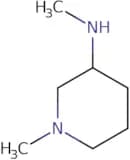
CAS:<p>Versatile small molecule scaffold</p>Formula:C7H12N2Purity:Min. 95%Molecular weight:124.19 g/molN,1-Dimethylpiperidin-3-amine
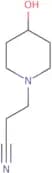
CAS:<p>Versatile small molecule scaffold</p>Formula:C7H16N2Purity:Min. 95%Molecular weight:128.22 g/mol3-(4-Hydroxypiperidin-1-yl)propanenitrile
CAS:<p>Versatile small molecule scaffold</p>Formula:C8H14N2OPurity:Min. 95%Molecular weight:154.21 g/mol1-(3-Amino-propyl)-piperidin-4-ol
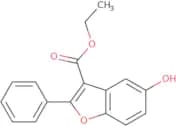
CAS:Versatile small molecule scaffoldFormula:C8H18N2OPurity:Min. 95%Molecular weight:158.25 g/molEthyl 5-hydroxy-2-phenyl-1-benzofuran-3-carboxylate
CAS:<p>Versatile small molecule scaffold</p>Formula:C17H14O4Purity:Min. 95%Molecular weight:282.29 g/mol5-Bromobenzo[d]isothiazol-3(2H)-one 1,1-dioxide
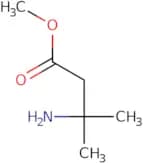
CAS:Versatile small molecule scaffoldFormula:C7H4BrNO3SPurity:Min. 95%Molecular weight:262.08 g/molMethyl 3-amino-3-methylbutanoate
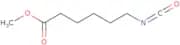
CAS:Versatile small molecule scaffoldFormula:C6H13NO2Purity:Min. 95%Molecular weight:131.17 g/molMethyl 6-isocyanatohexanoate
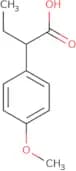
CAS:<p>Versatile small molecule scaffold</p>Formula:C8H13NO3Purity:Min. 95%Molecular weight:171.19 g/mol2-(4-Methoxyphenyl)butanoic acid
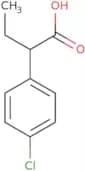
CAS:<p>2-(4-Methoxyphenyl)butanoic acid is a protonated form of 2-phenoxyacetic acid. It has been shown to act as a potent cardiac muscle activator and inotropic agent, with the ability to increase contractility and optimize cardiac function. The mechanism of action of 2-(4-methoxyphenyl)butanoic acid is not fully understood, but it may be due to its ability to decarboxylate into phenoxyacetic acid, which has been shown to increase calcium uptake by the sarcoplasmic reticulum.</p>Formula:C11H14O3Purity:Min. 95%Molecular weight:194.23 g/mol2-(4-chlorophenyl)butanoic acid
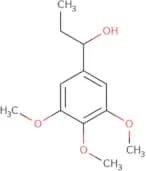
CAS:<p>2-(4-Chlorophenyl)butanoic acid is a metabolite of the drug baclofen. It is produced by Streptomyces, and has been found in cultures, experiments, and soil samples. This compound has been shown to metabolize through microbial metabolism with a chiral center (2R), which can be used as an indicator of microbial activity. 2-(4-Chlorophenyl)butanoic acid also has anti-inflammatory properties that may be due to its ability to inhibit prostaglandin synthesis.</p>Formula:C10H11ClO2Purity:Min. 95%Molecular weight:198.65 g/mol-1(3,4,5-Trimethoxyphenyl)Propan-1-Ol
CAS:<p>-1(3,4,5-Trimethoxyphenyl)Propan-1-Ol is a Grignard reagent that is used as a starting material for the synthesis of other compounds. This reagent is an alkylating agent that can be used to prepare various functional groups such as carbinols and dialkyls. This compound has been shown to react with methyl iodide in the presence of sodium carbonate to form a Grignard reagent.</p>Formula:C12H18O4Purity:Min. 95%Molecular weight:226.27 g/mol2,2-Dimethyloctanoic acid
CAS:<p>2,2-Dimethyloctanoic acid is a fatty acid that has been shown to increase the uptake of radioactive butyric acid in the rat. It is also known to be an intermediate in the metabolism of dodecyl and hexadecanoic acids. 2,2-Dimethyloctanoic acid has been shown to have anti-depressant effects in animals. The mechanism for this effect may be due to its ability to increase fatty acid metabolism in mitochondria.</p>Formula:C10H20O2Purity:Min. 95%Molecular weight:172.26 g/mol2,3-Dihydro-benzo[1,4]dioxine-5-carbaldehyde
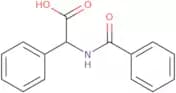
CAS:Versatile small molecule scaffoldFormula:C9H8O3Purity:Min. 95%Molecular weight:164.16 g/mol2-(Benzoylamino)-2-phenylacetic acid
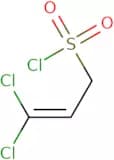
CAS:<p>2-(Benzoylamino)-2-phenylacetic acid is a hydrazone that has been used as a precursor for the synthesis of azoalkenes. It is also biologically active and may be useful for the treatment of cancer.</p>Formula:C15H13NO3Purity:Min. 95%Molecular weight:255.27 g/mol3,3-Dichloroprop-2-ene-1-sulfonyl chloride
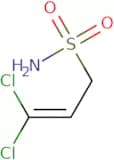
CAS:Versatile small molecule scaffoldFormula:C3H3Cl3O2SPurity:Min. 95%Molecular weight:209.5 g/mol3,3-Dichloroprop-2-ene-1-sulfonamide
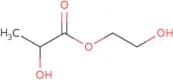
CAS:Versatile small molecule scaffoldFormula:C3H5Cl2NO2SPurity:Min. 95%Molecular weight:190.05 g/mol2-Hydroxyethyl 2-hydroxypropanoate
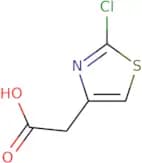
CAS:<p>2-Hydroxyethyl 2-hydroxypropanoate is a polyester that is produced by the dehydration of ethylene glycol and 2-hydroxyethanol. It is a biodegradable, degradable, and regenerative material that can be used in biomedical applications such as scaffolds for tissue engineering. The hydroxy group on the molecule has been shown to prevent protein adhesion and degradation. This product has been shown to inhibit growth of bacteria such as Staphylococcus aureus and Escherichia coli, which may be due to its ability to block the activity of cellular enzymes.</p>Formula:C5H10O4Purity:Min. 95%Molecular weight:134.13 g/mol(4-Chloro-thiazol-2-yl)acetic acid
CAS:<p>Versatile small molecule scaffold</p>Formula:C5H4ClNO2SPurity:Min. 95%Molecular weight:177.61 g/mol




![10-(Propan-2-ylidene)-4-azatricyclo[5.2.1.0,2,6]dec-8-ene-3,5-dione](/_next/image/?url=https%3A%2Fstatic.cymitquimica.com%2Fproducts%2F3D%2Fthumb-webp%2FEAA55844.webp&w=3840&q=75)
![Benzyl N-[2-(4,4-dimethyl-5-oxo-4,5-dihydro-1,3-oxazol-2-yl)propan-2-yl]carbamate](/_next/image/?url=https%3A%2Fstatic.cymitquimica.com%2Fproducts%2F3D%2Fthumb-webp%2FEAA57616.webp&w=3840&q=75)
![1,2-Dimethyl-1H-benzo[d]imidazole-5-carbaldehyde](/_next/image/?url=https%3A%2Fstatic.cymitquimica.com%2Fproducts%2F3D%2Fthumb-webp%2FEAA59721.webp&w=3840&q=75)


![5-Bromobenzo[d]isothiazol-3(2H)-one 1,1-dioxide](/_next/image/?url=https%3A%2Fstatic.cymitquimica.com%2Fproducts%2F3D%2Fthumb-webp%2FEBA63282.webp&w=3840&q=75)

![2,3-Dihydro-benzo[1,4]dioxine-5-carbaldehyde](/_next/image/?url=https%3A%2Fstatic.cymitquimica.com%2Fproducts%2F3D%2Fthumb-webp%2FEBA66843.webp&w=3840&q=75)