


Building Blocks
This section contains fundamental products for the synthesis of organic and biological compounds. Building blocks are the essential starting materials used to construct complex molecules through various chemical reactions. They play a critical role in drug discovery, material science, and chemical research. At CymitQuimica, we offer a diverse range of high-quality building blocks to support your innovative research and industrial projects, ensuring you have the essential components for successful synthesis.
Subcategories of "Building Blocks"
- Boronic Acids & Boronic Acid Derivatives(5,778 products)
- Chiral Building Blocks(1,243 products)
- Hydrocarbon Building Blocks(6,098 products)
- Organic Building Blocks(61,057 products)
Found 200716 products of "Building Blocks"
Sort by
Purity (%)
0
100
|
0
|
50
|
90
|
95
|
100
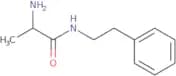
(2S)-2-Amino-N-(2-phenylethyl)propanamide
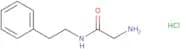
CAS:<p>Versatile small molecule scaffold</p>Formula:C11H16N2OPurity:Min. 95%Molecular weight:192.26 g/mol2-Amino-N-(2-phenylethyl)acetamide hydrochloride
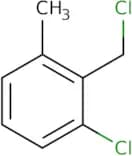
CAS:Versatile small molecule scaffoldFormula:C10H15ClN2OPurity:Min. 95%Molecular weight:214.69 g/mol1-Chloro-2-(chloromethyl)-3-methylbenzene
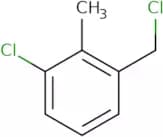
CAS:<p>Versatile small molecule scaffold</p>Formula:C8H8Cl2Purity:Min. 95%Molecular weight:175.05 g/mol1-Chloro-3-(chloromethyl)-2-methylbenzene
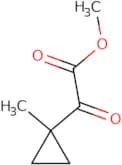
CAS:Versatile small molecule scaffoldFormula:C8H8Cl2Purity:Min. 95%Molecular weight:175.05 g/molMethyl 2-(1-methylcyclopropyl)-2-oxoacetate
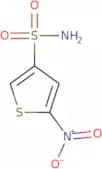
CAS:Versatile small molecule scaffoldFormula:C7H10O3Purity:Min. 95%Molecular weight:142.2 g/mol5-Nitrothiophene-3-sulfonamide
CAS:Versatile small molecule scaffoldFormula:C4H4N2O4S2Purity:Min. 95%Molecular weight:208.2 g/molN-{[3-(Benzyloxy)-4-methoxyphenyl]methylidene}hydroxylamine
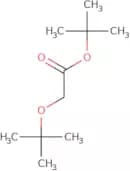
CAS:<p>Versatile small molecule scaffold</p>Formula:C15H15NO3Purity:Min. 95%Molecular weight:257.28 g/moltert-Butyl 2-(tert-butoxy)acetate
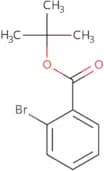
CAS:Versatile small molecule scaffoldFormula:C10H20O3Purity:Min. 95%Color and Shape:Clear LiquidMolecular weight:188.26 g/moltert-Butyl 2-bromobenzoate
CAS:<p>Versatile small molecule scaffold</p>Formula:C11H13BrO2Purity:Min. 95%Molecular weight:257.12 g/mol5-Methyl-7H,8H-imidazo[1,2-a]pyrimidin-7-one
CAS:<p>Versatile small molecule scaffold</p>Formula:C7H7N3OPurity:Min. 95%Molecular weight:149.15 g/mol7H,8H-Imidazo[1,2-a]pyrimidin-7-one
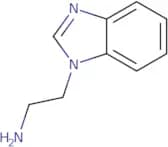
CAS:<p>Versatile small molecule scaffold</p>Formula:C6H5N3OPurity:Min. 95%Molecular weight:135.1 g/mol2-(1H-1,3-Benzodiazol-1-yl)ethan-1-amine
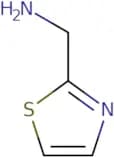
CAS:<p>Versatile small molecule scaffold</p>Formula:C9H11N3Purity:Min. 95%Molecular weight:161.2 g/mol(1,3-Thiazol-2-yl)methanamine
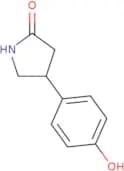
CAS:<p>Please enquire for more information about (1,3-Thiazol-2-yl)methanamine including the price, delivery time and more detailed product information at the technical inquiry form on this page</p>Formula:C4H6N2SPurity:Min. 95%Color and Shape:Clear LiquidMolecular weight:114.17 g/mol4-(4-Hydroxyphenyl)pyrrolidin-2-one
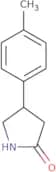
CAS:<p>Versatile small molecule scaffold</p>Formula:C10H11NO2Purity:Min. 95%Molecular weight:177.2 g/mol4-(4-Methylphenyl)pyrrolidin-2-one
CAS:Versatile small molecule scaffoldFormula:C11H13NOPurity:Min. 95%Molecular weight:175.23 g/mol4-(Methylsulfanyl)-2-[(3,4,5-trimethoxyphenyl)formamido]butanoic acid
CAS:Versatile small molecule scaffoldFormula:C15H21NO6SPurity:Min. 95%Molecular weight:343.4 g/mol6-Chloro-2-methyl-[1,2,4]triazolo[1,5-b]pyridazine
CAS:<p>Versatile small molecule scaffold</p>Formula:C6H5ClN4Purity:Min. 95%Molecular weight:168.58 g/mol1,2-Diaminopyrazin-1-ium 2,4,6-trimethylbenzene-1-sulfonate
CAS:Versatile small molecule scaffoldFormula:C13H18N4O3SPurity:Min. 95%Molecular weight:310.4 g/mol3-[(Pentan-3-yl)amino]propanenitrile
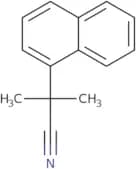
CAS:Versatile small molecule scaffoldFormula:C8H16N2Purity:Min. 95%Molecular weight:140.23 g/mol2-Methyl-2-(naphthalen-1-yl)propanenitrile
CAS:<p>Versatile small molecule scaffold</p>Formula:C14H13NPurity:Min. 95%Molecular weight:195.26 g/mol3-Methoxy-N-methyl-1-propanamine HCl
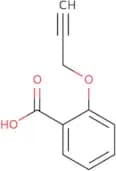
CAS:Versatile small molecule scaffoldFormula:C5H14ClNOPurity:Min. 95%Molecular weight:139.62 g/mol2-(2-Propynyloxy)benzenecarboxylic acid
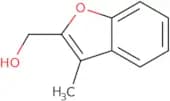
CAS:Versatile small molecule scaffoldFormula:C10H8O3Purity:Min. 95%Molecular weight:176.17 g/mol3-Methylbenzofuran-2-methanol
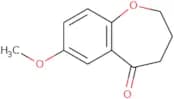
CAS:Versatile small molecule scaffoldFormula:C10H10O2Purity:Min. 95%Molecular weight:162.19 g/mol7-Methoxy-2,3,4,5-tetrahydro-1-benzoxepin-5-one
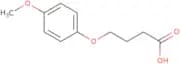
CAS:<p>Versatile small molecule scaffold</p>Formula:C11H12O3Purity:Min. 95%Molecular weight:192.21 g/mol4-(4-Methoxyphenoxy)butanoic acid
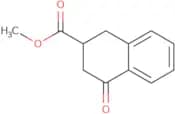
CAS:Controlled Product4-(4-Methoxyphenoxy)butanoic acid is a reagent that yields an exothermic reaction when heated in hexane. It is used in the acylation of carboxylic acids with chlorides, forming esters. Impurities include chlorides and carbocations, which may react to form a reaction product. 4-(4-Methoxyphenoxy)butanoic acid is also used as an intermediate for making other compounds, including pharmaceuticals.Formula:C11H14O4Purity:Min. 95%Molecular weight:210.23 g/molMethyl 4-oxo-1,2,3,4-tetrahydronaphthalene-2-carboxylate
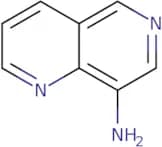
CAS:<p>Versatile small molecule scaffold</p>Formula:C12H12O3Purity:Min. 95%Molecular weight:204.22 g/mol1,6-Naphthyridin-8-amine
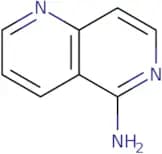
CAS:<p>Versatile small molecule scaffold</p>Formula:C8H7N3Purity:Min. 95%Molecular weight:145.16 g/mol1,6-Naphthyridin-5-amine
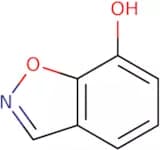
CAS:<p>Versatile small molecule scaffold</p>Formula:C8H7N3Purity:Min. 95%Molecular weight:145.17 g/mol1,2-Benzoxazol-7-ol
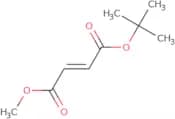
CAS:Versatile small molecule scaffoldFormula:C7H5NO2Purity:Min. 95%Molecular weight:135.12 g/molt-Butyl methyl fumarate
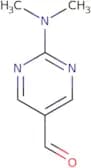
CAS:<p>t-Butyl methyl fumarate is a white crystalline powder with a molecular weight of 236.2 g/mol and a solubility in water of 0.05 g/L at 20 °C. It is an organic solvent that can be used as an initiator for free radical polymerization reactions, such as vinyl polymers, which are homopolymers or copolymers derived from the monomer ethylene. t-Butyl methyl fumarate has a boiling point of -21 °C and can be used as a solvent for organic compounds. It is soluble in organic solvents such as xylene, benzene, toluene, and dichloromethane. In the gas phase it has been found to have a critical temperature of 143 °C with no observable melting point.</p>Formula:C9H14O4Purity:Min. 95%Molecular weight:186.21 g/mol2-Dimethylamino-pyrimidine-5-carbaldehyde
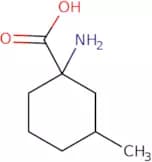
CAS:Versatile small molecule scaffoldFormula:C7H9N3OPurity:Min. 95%Molecular weight:151.17 g/mol1-Amino-3-methylcyclohexanecarboxylic acid
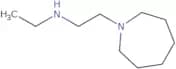
CAS:1-Amino-3-methylcyclohexanecarboxylic acid is an amino acid that can inhibit the growth of Ochromonas. It has been shown to reduce the number of protozoa in a mouse model, which may be due to its ability to inhibit cyclic adenosine monophosphate (cAMP) production in phagocytes. 1-Amino-3-methylcyclohexanecarboxylic acid is also known for its glycine and l-alanine content, which are both essential for all life forms. This amino acid is found in the cells of all organisms and is necessary for protein synthesis and cell growth.Formula:C8H15NO2Purity:Min. 95%Molecular weight:157.21 g/molN-(2-Azepan-1-ylethyl)-N-ethylamine
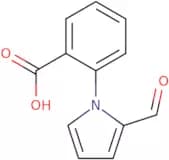
CAS:<p>Versatile small molecule scaffold</p>Formula:C10H22N2Purity:Min. 95%Molecular weight:170.3 g/mol2-(2-Formyl-1H-pyrrol-1-yl)benzoic acid
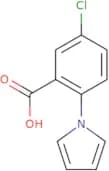
CAS:<p>Versatile small molecule scaffold</p>Formula:C12H9NO3Purity:Min. 95%Molecular weight:215.2 g/mol5-Chloro-2-(1H-pyrrol-1-yl)benzoic acid
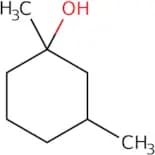
CAS:<p>Versatile small molecule scaffold</p>Formula:C11H8ClNO2Purity:Min. 95%Color and Shape:PowderMolecular weight:221.64 g/mol1,3-Dimethylcyclohexan-1-ol
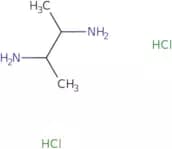
CAS:Versatile small molecule scaffoldFormula:C8H16OPurity:Min. 95%Molecular weight:128.21 g/molButane-2,3-diamine dihydrochloride
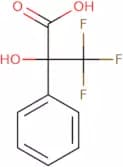
CAS:<p>Versatile small molecule scaffold</p>Formula:C4H14Cl2N2Purity:Min. 95%Molecular weight:161.07 g/mol3,3,3-Trifluoro-2-hydroxy-2-phenylpropanoic acid
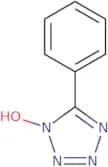
CAS:Versatile small molecule scaffoldFormula:C9H7F3O3Purity:Min. 95%Molecular weight:220.14 g/mol5-Phenyl-1H-1,2,3,4-tetrazol-1-ol
CAS:<p>5-Phenyl-1H-1,2,3,4-tetrazol-1-ol is a hydrophilic chemical that has been used as a coupling agent. It has been employed in the production of polyurethane elastomers and polyurethane foams. The substituents on this molecule can be classified as multilayer or sterically bulky. 5-Phenyl-1H-1,2,3,4-tetrazol-1-ol also regenerates easily by means of alkaline reactions and yields high yields under mild conditions. This compound is not soluble in water but is soluble in ethylene oxide and organic solvents. 5-Phenyl-1H-1,2,3,4-tetrazol-1-ol is hydrophobic and does not react with silver halides.</p>Formula:C7H6N4OPurity:Min. 95%Molecular weight:162.15 g/mol2-(Carbamoylamino)hexanoic acid
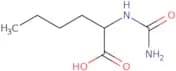
CAS:Versatile small molecule scaffoldFormula:C7H14N2O3Purity:Min. 95%Molecular weight:174.2 g/mol2-(Carbamoylamino)pentanoic acid
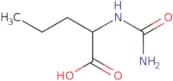
CAS:2-(Carbamoylamino)pentanoic acid is a monoclonal antibody that can be used as a diagnostic agent. It inhibits the proliferation of cancer cells by binding to the malic acid receptor, which is overexpressed on prostate cancer cells. This antibody has been shown to have an inhibitory effect on cell proliferation in vivo, but does not interfere with the function of other cells. 2-(Carbamoylamino)pentanoic acid also binds to antibodies and has shown a detection time of 4 hours in vivo. 2-(Carbamoylamino)pentanoic acid has been shown to bind to malic acid in vitro and can be used for the diagnosis of prostate cancer.Formula:C6H12N2O3Purity:Min. 95%Molecular weight:160.17 g/molN-Carbamyl-DL-α-amino-N-butyric acid
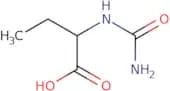
CAS:<p>N-Carbamyl-DL-α-amino-N-butyric acid is a reactive monocarboxylic acid that is found in fatty acids. It can be converted into an enantiomer, which has the same chemical formula but a different arrangement of atoms. This conversion can be achieved by reacting it with an alcohol and a base or an acid. N-Carbamyl-DL-α-amino-N-butyric acid reacts with glufosinate ammonium to form reaction products that are toxic to plants.</p>Formula:C5H10N2O3Purity:Min. 95%Molecular weight:146.14 g/molEthyl cyclohex-2-ene-1-carboxylate
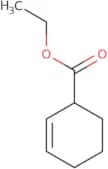
CAS:<p>Ethyl cyclohex-2-ene-1-carboxylate is an organic compound that is used as an analgesic, antiarrhythmic, and neuroleptic. It belongs to the group of esters and has a nitrogen atom in its structure. Ethyl cyclohex-2-ene-1-carboxylate was first synthesized by the reaction of ethyl bromide with 2-cyclohexenone. The molecule has two hydroxyalkyl groups, which are esters of alcohols. The two alkenyl groups are arranged cis to each other, which gives it a planar shape. Ethyl cyclohex-2-ene-1-carboxylate contains a heterocyclic system composed of a six membered ring containing three carbon atoms and three oxygen atoms.</p>Formula:C9H14O2Purity:Min. 95%Molecular weight:154.21 g/molPropyl[2-(pyridin-2-yl)ethyl]amine
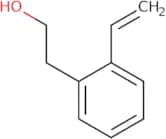
CAS:<p>Versatile small molecule scaffold</p>Formula:C10H16N2Purity:Min. 95%Molecular weight:164.25 g/mol2-(2-Ethenylphenyl)ethan-1-ol
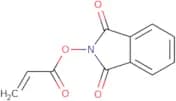
CAS:Versatile small molecule scaffoldFormula:C10H12OPurity:Min. 95%Molecular weight:148.2 g/mol1,3-Dioxo-2,3-dihydro-1H-isoindol-2-yl prop-2-enoate
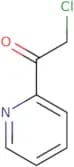
CAS:Versatile small molecule scaffoldFormula:C11H7NO4Purity:Min. 95%Molecular weight:217.18 g/mol2-Chloro-1-(pyridin-2-yl)ethan-1-one
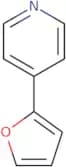
CAS:<p>Versatile small molecule scaffold</p>Formula:C7H6ClNOPurity:Min. 95%Molecular weight:155.58 g/mol4-(Furan-2-yl)pyridine
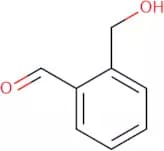
CAS:4-(Furan-2-yl)pyridine is a heterocyclic organic compound that belongs to the group of pyridines. It has been shown to have strong cleavage reactions, which are enhanced by factors such as structural factors and the presence of a pyridine ring. The most common fragmentation reaction is the ionization of the furan ring, followed by dissociation of electron pairs from the furyl rings. This causes alkyl groups to be formed with n-propyl and alkyl groups. 4-(Furan-2-yl)pyridine can also undergo rearrangement reactions involving these groups, leading to formation of a new molecule with an additional carbon atom at one end.Formula:C9H7NOPurity:Min. 95%Molecular weight:145.16 g/mol2-(Hydroxymethyl)benzaldehyde
CAS:<p>2-(Hydroxymethyl)benzaldehyde (2HB) is a reactive aldehyde that is used as a cancer drug. It binds to the receptor in the cell membrane and inhibits fatty acid synthesis, which prevents cell division. 2HB has been shown to inhibit tumor growth by inhibiting chemokines, proteins that act as chemoattractants for immune cells. 2HB also inhibits the growth of cultured leukemia cells through crosslinking of DNA. This reaction can be enhanced by UV light, resulting in covalent bonds between adjacent nucleotides. The reaction mechanism for this process is called metathesis reactions.</p>Formula:C8H8O2Purity:Min. 95%Molecular weight:136.15 g/mol5-Bromo-[1,2,4]triazolo[1,5-a]pyrazine
CAS:<p>Versatile small molecule scaffold</p>Formula:C5H3BrN4Purity:Min. 95%Molecular weight:199.01 g/mol

![N-{[3-(Benzyloxy)-4-methoxyphenyl]methylidene}hydroxylamine](/_next/image/?url=https%3A%2Fstatic.cymitquimica.com%2Fproducts%2F3D%2Fthumb-webp%2FFCA66717.webp&w=3840&q=75)
![5-Methyl-7H,8H-imidazo[1,2-a]pyrimidin-7-one](/_next/image/?url=https%3A%2Fstatic.cymitquimica.com%2Fproducts%2F3D%2Fthumb-webp%2FFCA66234.webp&w=3840&q=75)
![7H,8H-Imidazo[1,2-a]pyrimidin-7-one](/_next/image/?url=https%3A%2Fstatic.cymitquimica.com%2Fproducts%2F3D%2Fthumb-webp%2FFCA66233.webp&w=3840&q=75)
![4-(Methylsulfanyl)-2-[(3,4,5-trimethoxyphenyl)formamido]butanoic acid](/_next/image/?url=https%3A%2Fstatic.cymitquimica.com%2Fproducts%2F3D%2Fthumb-webp%2FFCA65231.webp&w=3840&q=75)
![6-Chloro-2-methyl-[1,2,4]triazolo[1,5-b]pyridazine](/_next/image/?url=https%3A%2Fstatic.cymitquimica.com%2Fproducts%2F3D%2Fthumb-webp%2FFCA64382.webp&w=3840&q=75)
![3-[(Pentan-3-yl)amino]propanenitrile](/_next/image/?url=https%3A%2Fstatic.cymitquimica.com%2Fproducts%2F3D%2Fthumb-webp%2FFCA61908.webp&w=3840&q=75)

![Propyl[2-(pyridin-2-yl)ethyl]amine](/_next/image/?url=https%3A%2Fstatic.cymitquimica.com%2Fproducts%2F3D%2Fthumb-webp%2FFCA49657.webp&w=3840&q=75)
![5-Bromo-[1,2,4]triazolo[1,5-a]pyrazine](/_next/image/?url=https%3A%2Fstatic.cymitquimica.com%2Fproducts%2F3D%2Fthumb-webp%2FFCA47878.webp&w=3840&q=75)