Building Blocks
Subcategories of "Building Blocks"
- Boronic Acids & Boronic Acid Derivatives(5,783 products)
- Chiral Building Blocks(1,242 products)
- Hydrocarbon Building Blocks(6,105 products)
- Organic Building Blocks(61,055 products)
Found 205383 products of "Building Blocks"
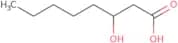
3-Hydroxyoctanoic acid
CAS:3-Hydroxyoctanoic acid is an activated fatty acid that belongs to the group of short-chain fatty acids. It is a hydroxylated derivative of octanoic acid. 3-Hydroxyoctanoic acid has been shown to have antibiotic-resistant properties in human macrophages, which may be due to its ability to inhibit the enzyme activities of beta-lactamases and penicillinase. 3-Hydroxyoctanoic acid also has a nutrient effect on bacteria, preventing the formation of ester linkages between fatty acids and alkanoic acids. This activity may be due to its effects on energy metabolism in bacteria, which may be caused by its ability to inhibit cyclic lipopeptide synthesis and its effects on the citrate cycle.
Formula:C8H16O3Purity:Min. 95%Molecular weight:160.21 g/molRef: 3D-PAA29227
Discontinued product4-(Oxolan-2-yl)butan-1-ol
CAS:Versatile small molecule scaffold
Formula:C8H16O2Purity:Min. 95%Color and Shape:Clear LiquidMolecular weight:144.21 g/molRef: 3D-YDA56052
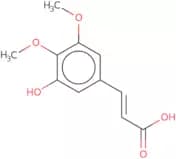
Discontinued product3,4-Dimethoxy-5-hydroxycinnamic acid
CAS:3,4-Dimethoxy-5-hydroxycinnamic acid is a monoterpenoid indole alkaloid that belongs to the class of biochemical compounds. It is a promiscuous compound and can be found in many plants, such as coffee beans, black pepper, cinnamon, and thyme. 3,4-Dimethoxy-5-hydroxycinnamic acid has been shown to have antimicrobial properties against bacteria and fungi. The metabolomics study showed that this compound may also have anti-inflammatory effects. 3,4-Dimethoxy-5-hydroxycinnamic acid was shown to enhance the transcription of ferulic acid in E. coli cells. This compound was also shown to decrease the levels of transcripts for genes involved in lipid metabolism and fatty acid biosynthesis in human liver cells.
Formula:C11H12O5Purity:Min. 98 Area-%Color and Shape:PowderMolecular weight:224.21 g/molRef: 3D-FD67793
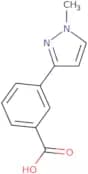
Discontinued product3-(1-Methyl-1H-pyrazol-3-yl)benzoic acid
CAS:3-(1-Methyl-1H-pyrazol-3-yl)benzoic acid is a chemical compound with the molecular formula C5H5NO2. It is a research chemical that has not yet been fully characterized and its potential uses have not yet been determined. 3-(1-Methyl-1H-pyrazol-3-yl)benzoic acid is used as an intermediate in the synthesis of other compounds, including pharmaceuticals and pesticides. This compound has the potential to be used as a building block for complex compounds, or as a reagent in various reactions.
Formula:C11H10N2O2Purity:Min. 95%Color and Shape:PowderMolecular weight:202.21 g/molRef: 3D-GLB35285
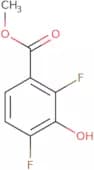
Discontinued product2,4-Difluoro-3-hydroxybenzoic acid methyl ester
CAS:2,4-Difluoro-3-hydroxybenzoic acid methyl ester is a fine chemical that is used as a versatile building block for research chemicals and other complex compounds. It can be used as a reaction component in the synthesis of new chemical entities or as a reagent for organic chemistry reactions. 2,4-Difluoro-3-hydroxybenzoic acid methyl ester has CAS No. 194804-80-3 and is available in high quality.Formula:C8H6F2O3Purity:Min. 95%Color and Shape:PowderMolecular weight:188.13 g/molRef: 3D-FD67080
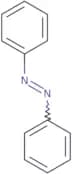
Discontinued productAzobenzene
CAS:Azobenzene is an azobenzene that binds to the actin filaments and inhibits their polymerization. It has been shown to inhibit the polymerization of actin filaments in human serum, which may be due to its ability to react with the nitrogen atoms in actin. Azobenzene has also been shown to have a thermal expansion coefficient of 0.015x10⁻⁵/°C, which is much larger than that of most other compounds. The molecular geometry of azobenzene is planar and symmetrical, with two hydrogen atoms on each nitrogen atom on both sides of the molecule. This symmetry leads to a low intramolecular hydrogen bonding energy. The molecule’s photochemical properties are also interesting because it has a long lifetime and can be excited by wavelengths between 400-500 nm.
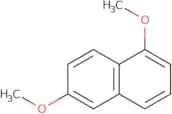
Formula:C12H10N2Purity:Min. 97.5 Area-%Color and Shape:PowderMolecular weight:182.22 g/mol1,6-Dimethoxynaphthalene
CAS:1,6-Dimethoxynaphthalene is a chiral molecule that can be used as a chemical intermediate in the synthesis of pharmaceuticals. 1,6-Dimethoxynaphthalene has been shown to react with dopamine to form β-unsaturated ketones. This reaction is catalyzed by thionyl chloride. The product of this reaction can be reacted with a chloride, naphthalene or sulfinyl chloride to form five-membered diprotonated products. 1,6-Dimethoxynaphthalene also reacts with hydrosulfite to form sulfinyl functional groups, which can then be used as additives in other chemical reactions.
Formula:C12H12O2Purity:Min. 98 Area-%Color and Shape:Orange PowderMolecular weight:188.22 g/molRef: 3D-FD22206
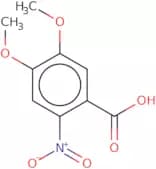
Discontinued product4,5-Dimethoxy-2-nitrobenzoic acid
CAS:4,5-Dimethoxy-2-nitrobenzoic acid (DMNB) is a nitrophenol compound that is used as an intermediate in the synthesis of pesticides. DMNB inhibits the growth of bacteria through its ability to inhibit protein synthesis and DNA replication. The inhibition is due to DMNB’s ability to covalently bind to nucleophilic sites on enzymes that are essential for these processes. It has been shown that DMNB can be degraded by microorganisms, such as bacteria, fungi, and algae. The biodegradation process may be facilitated by its solubility in water and its low molecular weight.
Formula:C9H9NO6Purity:Min. 97.5%Color and Shape:Yellow SolidMolecular weight:227.17 g/molRef: 3D-FD22176
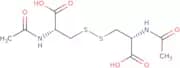
Discontinued productN,N'-Diacetyl-L-cystine
CAS:N,N'-Diacetyl-L-cystine (NAC) is a cysteine derivative that is used in the preparation of samples for analysis by liquid chromatography. It has been shown to have an antiatherogenic effect in chronic bronchitis patients and has been found to be a growth factor, inhibiting apoptosis and stimulating cell proliferation. NAC also increases the activity of aminotransferases in serum samples, which can be used as an indicator of liver health. Its chemical stability and low toxicity make it an ideal candidate for use as a pharmaceutical preparation at doses below those required for its enzyme-stimulating effects.
Formula:C10H16N2O6S2Purity:Min. 95%Color and Shape:PowderMolecular weight:324.38 g/mol2,5-Diamino-4,6-dichloropyrimidine
CAS:2,5-Diamino-4,6-dichloropyrimidine is a biomolecule that is made of carbon, hydrogen, nitrogen, and chloride. It has been shown to inhibit cell growth in culture by reacting with malonic acid to form an oxidation product. This product can then react with trifluoroacetic acid to form a chlorinating agent which reacts reversibly with amine groups on the nucleobases in DNA. The reaction mechanism may be due to the ability of 2,5-Diamino-4,6-dichloropyrimidine to react with amino function and amide groups on nucleobases in DNA. 2,5-Diamino-4,6-dichloropyrimidine has also been shown to have anti-cancer activity against leukemia cells.
Formula:C4H4N4Cl2Purity:Min. 95%Color and Shape:PowderMolecular weight:179.01 g/molRef: 3D-FD16293
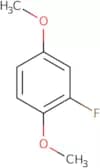
Discontinued product1,4-Dimethoxy-2-fluorobenzene
CAS:1,4-Dimethoxy-2-fluorobenzene is a synthetic molecule that belongs to the class of halides. It is used as a ligand in X-ray crystallography and has been shown to have anti-cancer properties. 1,4-Dimethoxy-2-fluorobenzene can be prepared by reacting primary amines with chloroformates in the presence of bases at temperatures between -20 °C and 100 °C. This method is efficient and produces high yields. The synthesis of 1,4-dimethoxy 2-fluorobenzene can be optimized by using strategies such as preparative scale techniques or temperature changes.
Formula:C8H9FO2Purity:Min. 95%Color and Shape:PowderMolecular weight:156.15 g/mol3-Nitrobenzamide
CAS:3-Nitrobenzamide is a substance that inhibits the replication of some viruses. It has been shown to inhibit the polymerase chain reaction and to be active against hepatitis B virus. 3-Nitrobenzamide was also observed to have inhibitory properties against herpes simplex virus type 1 (HSV-1) and HSV-2. The solid form of this compound is stable at room temperature, but may undergo hydrolysis in solution. 3-Nitrobenzamide reacts with water to form nitrous acid, which may cause corrosion of metal surfaces.
Formula:C7H6N2O3Purity:Min. 95%Color and Shape:PowderMolecular weight:166.13 g/molRef: 3D-FN70933
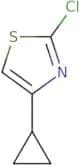
Discontinued product2-Chloro-4-cyclopropyl-1,3-thiazole
CAS:Versatile small molecule scaffoldFormula:C6H6ClNSPurity:Min. 90%Color and Shape:Clear LiquidMolecular weight:159.64 g/molRef: 3D-UDC07201
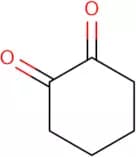
Discontinued productCyclohexane-1,2-dione
CAS:Cyclohexane-1,2-dione is a natural compound that can be found in kidney beans and other plants. It has been shown to inhibit the growth of tumor cells in vitro. Cyclohexane-1,2-dione binds to DNA polymerase, preventing replication and transcription. This reaction mechanism is similar to that of the rifamycins. Cyclohexane-1,2-dione has also been shown to bind enzymes such as nitrite ion reductase with high affinity and inhibit their activity. Cyclohexane-1,2-dione is chemically stable and does not react with metal ions or form stable complexes with biological molecules. The redox potentials for this molecule are -0.42 V (5/6) under aerobic conditions and -0.52 V (5/6) under anaerobic conditions.
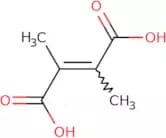
Formula:C6H8O2Purity:Min. 96.5%Color and Shape:PowderMolecular weight:112.13 g/mol(2E)-Dimethylbut-2-enedioic acid
CAS:Dimethylbutanedioic acid is a fatty acid that is found in the human body. Dimethylbutanedioic acid has been shown to have immunomodulatory effects, which are mediated by its ability to inhibit the synthesis of proinflammatory cytokines, such as tumor necrosis factor-α and interleukin-6. Dimethylbutanedioic acid is a potent inhibitor of the proliferation of various types of cells, including hyperproliferative cells. It has been shown to inhibit the diameter of these cells and reduce their number. This agent also inhibits allergic reactions and inorganic particles from reaching the lungs.
Formula:C6H8O4Purity:Min. 95%Molecular weight:144.12 g/molRef: 3D-WAA78849
Discontinued product6,7-Dihydro-5H-pyrrolo[1,2-a]imidazole
CAS:6,7-Dihydro-5H-pyrrolo[1,2-a]imidazole is a drug target that belongs to the class of anesthetics. It has been shown to have a protective effect against CNS damage in rats with experimental stroke. 6,7-Dihydro-5H-pyrrolo[1,2-a]imidazole also has a wide range of other effects including antiarrhythmic, antihypertensive, and antianginal properties. It can be used as an anticonvulsant or muscle relaxant and as a diuretic agent for edema and hypertension. 6,7-Dihydro-5H-pyrrolo[1,2-a]imidazole binds to the chlorine atom in the active site of the enzyme skeletal muscle chloride channel (CLC). This prevents the channel from opening and chloride ions from passing through it
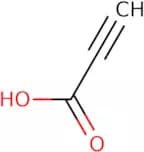
Formula:C6H8N2Purity:Min. 95%Molecular weight:108.14 g/molPropiolic acid
CAS:Propiolic acid is a glucuronide conjugate that has been shown to inhibit the JAK1 protein. It is an organic compound with a hydroxyl group at the C-3 position and a trifluoroacetate ester at the C-4 position. Propiolic acid has been shown to be effective in treating autoimmune diseases in CD-1 mice. It is also used as an environmental agent for wastewater treatment, which can remove nitrogen from water by converting it into nitrate. The intramolecular hydrogen bond between carbonyl oxygen and hydroxyl oxygen has been shown to be responsible for its high solubility properties. This property is utilized in detergent compositions, where propiolic acid is added to break down fatty acids into their constituent parts of glycerol and fatty acids.
Formula:C3H2O2Purity:Min. 95%Color and Shape:Colorless Clear LiquidMolecular weight:70.05 g/molRef: 3D-FP07024
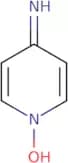
Discontinued product4-Aminopyridine N-oxide
CAS:4-Aminopyridine N-oxide is a white, crystalline solid that is soluble in water and alcohol. It has a molecular weight of 128.2 and formula weight of 135.2. 4-Aminopyridine N-oxide reacts with acid solutions to produce nitrous acid and ammonia gas. The rate of the reaction depends on the concentration of aminopyridine and aniline, as well as the pH of the solution. The acetylation, diazotisation, and kinetics have also been studied extensively for this compound. Nitrous acid can react with amides to form azulene, which can then react with amines to form a molecule containing nitrogen, oxygen, carbon, hydrogen and one other element or compound from each group (e.g., NHCOCH). This reaction is reversible when solvents are present.br> 4-Aminopyridine N-oxide may be used as a precursor for other organic
Formula:C5H6N2OPurity:Min. 95%Color and Shape:Slightly Yellow PowderMolecular weight:110.11 g/molRef: 3D-FA17842
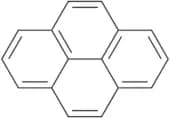
Discontinued productPyrene
CAS:Pyrene is a chemical compound that has been found to bind to DNA and inhibit the transcription of genetic information. It has been used as a fluorescence probe in biochemical research, wastewater treatment, and surface methodology. As a redox probe, pyrene can be used to measure the redox potential of reaction solutions. Pyrene has also been used as an analytical method for measuring transfer reactions in biological studies.
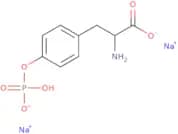
Formula:C16H10Purity:Min. 98 Area-%Color and Shape:PowderMolecular weight:202.25 g/molPhospho-L-tyrosine disodium
CAS:Phospho-L-tyrosine disodium is a versatile building block that has many different uses in research. It is used as a reagent for the synthesis of other chemicals, such as vitamins, drugs and pesticides. The compound can be used to make high quality, useful intermediates for chemical reactions or as a reaction component. Phospho-L-tyrosine disodium is a speciality chemical that can be used in the production of many complex compounds. This product also has CAS number 1610350-91-8.
Formula:C9H10NNa2O6PPurity:Min. 95%Color and Shape:White PowderMolecular weight:305.13 g/molRef: 3D-FP180928
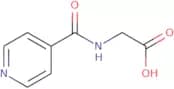
Discontinued product2-(Pyridin-4-ylformamido)acetic acid
CAS:2-(Pyridin-4-ylformamido)acetic acid is a chemical intermediate that is used in the synthesis of other compounds. It is a chemical building block, useful for the production of fine chemicals and speciality chemicals. 2-(Pyridin-4-ylformamido)acetic acid can be used as a reaction component or reagent in organic synthesis. It has been shown to have high purity and quality for research purposes. CAS No. 2015-20-5.br>
2-(Pyridin-4-ylformamido)acetic acid can be used to synthesize a variety of compounds with different properties, such as antihistamines, antibiotics, antihypertensives, and antipsychotics.Formula:C8H8N2O3Purity:Min. 95 Area-%Color and Shape:PowderMolecular weight:180.16 g/molPyridinoline
CAS:Please enquire for more information about Pyridinoline including the price, delivery time and more detailed product information at the technical inquiry form on this page
Formula:C18H28N4O8Purity:Min. 95%Color and Shape:PowderMolecular weight:428.44 g/molRef: 3D-FP182741
Discontinued product1,1,2,3,3-Pentachloropropane
CAS:Please enquire for more information about 1,1,2,3,3-Pentachloropropane including the price, delivery time and more detailed product information at the technical inquiry form on this page
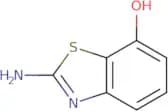
Formula:C3H3Cl5Purity:Min. 95%Color and Shape:Clear LiquidMolecular weight:216.32 g/mol2-amino-1,3-benzothiazol-7-ol
CAS:2-Amino-1,3-benzothiazol-7-ol is a versatile building block that can be used in the synthesis of complex compounds. It has been used as a research chemical and as a reagent for the production of speciality chemicals. 2-Amino-1,3-benzothiazol-7-ol is also useful as an intermediate in organic reactions or as a scaffold to construct novel molecular frameworks. This compound is known to have a high quality and purity.
Formula:C7H6N2OSPurity:Min. 95%Color and Shape:PowderMolecular weight:166.2 g/molRef: 3D-MCA71576
Discontinued product6-Phenoxy-3-pyridinemethanol
CAS:Please enquire for more information about 6-Phenoxy-3-pyridinemethanol including the price, delivery time and more detailed product information at the technical inquiry form on this page
Formula:C12H11NO2Purity:Min. 95%Color and Shape:Clear LiquidMolecular weight:201.22 g/molRef: 3D-FP183091
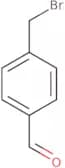
Discontinued product4-(Bromomethyl)benzaldehyde
CAS:4-(Bromomethyl)benzaldehyde is a chemical compound that can be synthesized by the reaction of benzaldehyde with bromine in the presence of a base. This compound has been shown to bind to human immunoglobulin G, formyl group and photophysical properties. 4-(Bromomethyl)benzaldehyde has also been used as a model for cancer studies because it binds to DNA and forms an imine bond with thymine. It has been used as a reagent for analytical methods such as phosphotungstic acid, which is a reagent used to detect proteins. The mechanism of this compound is not yet fully understood, but it may involve the formation of an imine bond with thymine in DNA.
Formula:C8H7BrOPurity:Min. 95%Color and Shape:PowderMolecular weight:199.04 g/molRef: 3D-FB10749
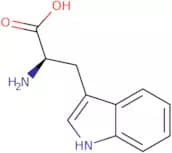
Discontinued productD-Tryptophan
CAS:D-amino acid
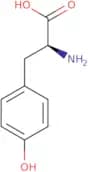
Formula:C11H12N2O2Purity:Min. 95%Color and Shape:PowderMolecular weight:204.23 g/molL-Tyrosine - non-animal origin
CAS:Amino acid; precursor to neurotransmitters, hormones, pigments, natural phenols
Formula:C9H11NO3Color and Shape:White Off-White PowderMolecular weight:181.19 g/molRef: 3D-FT158659
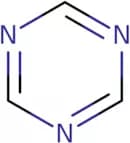
Discontinued product1,3,5-Triazine
CAS:1,3,5-Triazine is a nitrogen-containing heterocyclic compound that is used as a precursor for the synthesis of other compounds. It has been shown to inhibit the polymerase chain reaction and to bind to the enzyme DNA polymerase. This binding prevents the formation of an enzyme-substrate complex required for DNA replication. 1,3,5-Triazine also inhibits oxidative injury in experimental models and inhibits cellular physiology by decreasing the production of growth factor-β1. 1,3,5-Triazine has been shown to be a natural compound with inhibitory properties against growth factors and cell proliferation. This chemical also exhibits antioxidant effects by scavenging reactive oxygen species or inhibiting lipid peroxidation.END>
Formula:C3H3N3Purity:Min. 95%Color and Shape:White PowderMolecular weight:81.08 g/molRef: 3D-FT15903
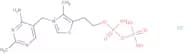
Discontinued productThiamine pyrophosphate
CAS:Thiamine derivative; coenzyme of transketolase
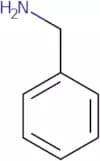
Formula:C12H19ClN4O7P2SPurity:Min. 93%Color and Shape:White PowderMolecular weight:460.77 g/molBenzylamine
CAS:Substrate of benzylamine oxidase and monoamine oxidase B
Formula:C7H9NPurity:Min. 98.0 Area-%Color and Shape:Colorless Slightly Yellow Clear LiquidMolecular weight:107.15 g/molRef: 3D-FB09449
Discontinued productThieno[3,2,-b]thiophene-2-carbaldehyde
CAS:Thieno[3,2,-b]thiophene-2-carbaldehyde is a molecule that can be used in supramolecular chemistry. It has processability and pharmacokinetic properties as well as a good morphology. This molecule has been shown to be an excellent chemosensor. Thieno[3,2,-b]thiophene-2-carbaldehyde has also been shown to enhance the optical properties of semiconducting nanocrystals. The supramolecular chemistry of this molecule will allow for it to be analyzed with simulations and the optical properties will provide for its enhancement.
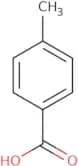
Formula:C7H4OS2Purity:Min. 95%Color and Shape:PowderMolecular weight:168.24 g/mol4-Toluic acid
CAS:4-Toluic acid is a chemical compound with the molecular formula CH3C6H2O2. It is a white solid that is soluble in water and alcohol. 4-Toluic acid can be produced by oxidation of benzoate, which is a reaction catalyzed by light or by using a catalyst such as trifluoroacetic acid. The reaction mechanism begins with the formation of the intramolecular hydrogen and subsequent oxidation to form an organic radical. This organic radical then reacts with oxygen to produce 4-toluic acid. 4-Toluic acid has been shown to have biochemical properties such as enzyme inhibition, DNA cleavage, and protein denaturation. The coordination geometry for this molecule is octahedral, and its redox potentials are -0.27 V (in acidic solution) and -1.06 V (in alkaline solution).
Formula:C8H8O2Purity:Min. 98 Area-%Color and Shape:White PowderMolecular weight:136.15 g/molRef: 3D-FT38107
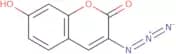
Discontinued product3-Azido-7-hydroxycoumarin
CAS:3-Azido-7-hydroxycoumarin is a water soluble coumarin derivative. 3-Azido-7-hydroxycoumarin is able to undergo highly selective and high yielding Cu(I) catalysed cycloaddition reactions with terminal alkynes (Huisgen cycloaddition or “click” chemistry) to afford the corresponding 1,2,3-triazole under relatively mild reaction conditions. The triazoles thus formed, like 7-hydroxycoumarine, are highly fluorescent and, as 3-azido-7-hydroxycoumarin itself does not fluoresce, terminal alkyne containing molecules can be effectively tagged and visualised by fluorescence spectroscopy.
Formula:C9H5N3O3Purity:Min. 98 Area-%Color and Shape:PowderMolecular weight:203.15 g/molRef: 3D-FA31762
Discontinued product10-Undecen-1-ol
CAS:10-Undecen-1-ol is a fatty acid with a hydroxyl group at the 10th position. It has strong intermolecular hydrogen bonding and reacts to form esters and ethers. 10-Undecen-1-ol is used as a multi-walled carbon for wastewater treatment, which removes organic contaminants. This compound also has a high degree of chemical stability, which makes it suitable for use in anhydrous sodium synthesis methods.
Formula:C11H22OPurity:Min. 98%Color and Shape:Colorless Clear LiquidMolecular weight:170.29 g/molRef: 3D-FU32328
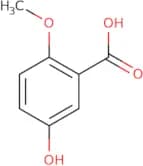
Discontinued product5-Hydroxy-2-methoxybenzoic acid
CAS:Apigenin is a flavonoid found in plants of the genus Labiatae, such as chamomile and feverfew. It is a potent anti-inflammatory agent that may be due to its ability to inhibit cyclooxygenase (COX) enzymes and subsequent production of proinflammatory prostaglandins, leukotrienes, and thromboxanes. Apigenin has also been shown to inhibit cancer cell growth by binding to DNA and inhibiting transcription. Apigenin is chemically stable at room temperature and has been used in techniques such as liquid chromatography-mass spectrometry (LC-MS).
Formula:C8H8O4Purity:Min. 95%Color and Shape:PowderMolecular weight:168.14 g/mol4-Aminobutylphosphonic acid
CAS:4-Aminobutylphosphonic acid is a potent antagonist of the ganglion cell nicotinic acetylcholine receptors. It has been shown to produce irreversible oxidation of the ganglion cell membrane by inhibiting the enzyme catalase, which is responsible for the removal of hydrogen peroxide produced by cells. 4-Aminobutylphosphonic acid also inhibits gamma-aminobutyric acid (GABA) synthesis and increases locomotor activity in frogs. This drug also binds to functional groups on the frog’s muscle cells and stimulates a nerve impulse that causes muscle contraction. The molecule has been shown to be an effective inhibitor of x-ray diffraction data from calf thymus DNA, vinyl alcohol, and glass slides.
Formula:C4H12NO3PPurity:Min. 95%Color and Shape:PowderMolecular weight:153.12 g/molRef: 3D-KBA62227
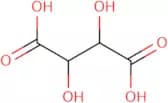
Discontinued productDL-Tartaric acid
CAS:DL-Tartaric acid is a calcium salt of tartaric acid. It is used as a standard in the analysis of total calcium and tartaric acid content in beverages, wines, foodstuffs, and pharmaceuticals. DL-Tartaric acid can be used to prepare standard solutions for the determination of benzalkonium chloride and other natural compounds by chromatographic methods. The rate constants for the reaction between DL-tartaric acid and calcium pantothenate have been determined by electrochemical impedance spectroscopy. The fluorescence intensity of chemiluminescent reactions with DL-tartaric acid has been found to be proportional to the concentration of tartrate ions in solution. X-ray diffraction data confirm that DL-tartaric acid is an orthorhombic crystal system with space group P2/c.
Formula:C4H6O6Color and Shape:White PowderMolecular weight:150.09 g/molRef: 3D-FT34258
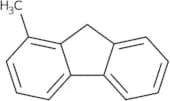
Discontinued product1-Methylfluorene
CAS:1-Methylfluorene is a colorless liquid that is soluble in water and alcohols. It is used as a monomer to produce polymers, such as poly(vinylidene fluoride) or poly(chlorotrifluoroethylene). 1-Methylfluorene is also used to prepare perfluorocarbon emulsions for use in water vapor permeable membranes which are used in wastewater treatment. 1-Methylfluorene has shown to be an effective inhibitor of human monocytic cells, thp-1 cells. It also binds to the receptor site on the cell membrane, inhibiting the influx of cations and water molecules. This can result in apoptosis, or programmed cell death. The sample preparation for 1-Methylfluorene includes extraction with petroleum ether followed by purification using column chromatography with silica gel and elution with hydrogen chloride acidified methanol.
Formula:C14H12Purity:Min. 95%Color and Shape:PowderMolecular weight:180.25 g/molRef: 3D-BAA73037
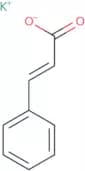
Discontinued productPotassium cinnamate
CAS:Potassium cinnamate is a white crystalline solid that is soluble in water, ethanol and acetone. It has been shown to be effective for wastewater treatment and can be used as a reducing agent. Potassium cinnamate has been shown to have high values of hydroxide solution, which are often used in the manufacturing of polymers. Potassium cinnamate also exhibits enzyme activities, such as being able to catalyze the oxidation of propionate. This product has been shown to have anti-oxidant properties and can be used for radiation protection. The polymerization of potassium cinnamate leads to polymaleic acid, which is used in the production of plastics.
Formula:C9H7KO2Purity:Min. 98 Area-%Color and Shape:White PowderMolecular weight:186.25 g/molPivalonitrile
CAS:Solvent and labile ligand in coordination chemistry
Formula:C5H9NPurity:Min. 98 Area-%Color and Shape:Clear LiquidMolecular weight:83.13 g/molRef: 3D-FP32327
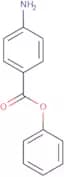
Discontinued productPhenyl 4-aminobenzoate
CAS:Phenyl 4-aminobenzoate is an amide that can be polymerized to form a polymer. It is synthesised from the reaction of ethyl esters of phenyl 4-aminobenzoate with trifluoroacetic acid and chlorides in the presence of activated phosphorus oxychloride. Phenyl 4-aminobenzoate has substituent effects on its physical properties, such as gel permeation chromatography and optical properties. The amide group can be replaced by sulfoxide or anions, which leads to different physical properties.
Formula:C13H11NO2Purity:Min. 95%Color and Shape:PowderMolecular weight:213.23 g/molRef: 3D-FP70487
Discontinued product7-Octyn-1-amine hydrochloride
CAS:7-Octyn-1-amine hydrochloride is a chemical that can be used as an intermediate in the synthesis of other compounds. It has a high quality and is a versatile building block for numerous chemical reactions. 7-Octyn-1-amine hydrochloride can be used as an intermediate in the synthesis of complex compounds. It is also useful as a reagent and reaction component, as well as being a useful scaffold for research chemicals.
Formula:C8H15N•HClPurity:Min. 90%Molecular weight:161.67 g/molRef: 3D-FO182684
Discontinued productIso-propyl 4-aminobenzoate
CAS:Iso-propyl 4-aminobenzoate is a chemical intermediate that belongs to the group of aminobenzoates. It can be synthesized by reacting isopropanol with 4-aminobenzoic acid in the presence of an acid catalyst. Iso-propyl 4-aminobenzoate has been used as a chromatographic stationary phase and as a component in the validation of impurities, which are genotoxic. Iso-propyl 4-aminobenzoate is not carcinogenic and has been shown to have a linear regression analysis with pharmacokinetic study data, which was based on plates.
Formula:C10H13NO2Purity:Min. 95%Color and Shape:PowderMolecular weight:179.22 g/mol1-Phenoxy-2-propanol
CAS:1-Phenoxy-2-propanol is an antimicrobial agent that belongs to the group of glycol ethers. It has a hydroxyl group and atp levels, which are both vital for its activity index. 1-Phenoxy-2-propanol is used as a preservative in cosmetics and pharmaceuticals, with the exception of eye products. It also has been shown to have a low level of toxicity for humans and other mammals, such as rats and guinea pigs. The EPA has classified 1-phenoxy-2 propanol as Group D - not classifiable as to human carcinogenicity. 1-Phenoxy-2 propanol is toxic to bacteria, yeast, fungi, algae, plants, and invertebrates when present in high concentrations.
Formula:C9H12O2Purity:Min. 95%Color and Shape:Colorless Clear LiquidMolecular weight:152.19 g/molRef: 3D-FP71646
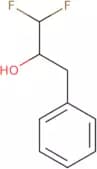
Discontinued product1,1-Difluoro-3-phenylpropan-2-ol
CAS:1,1-Difluoro-3-phenylpropan-2-ol is a versatile building block that can be used to produce a range of complex compounds. It is also useful as a reagent and speciality chemical in research. This chemical has been shown to be an excellent building block for the synthesis of novel compounds with high quality and utility as scaffolds for organic chemistry.
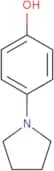
Formula:C9H10F2OPurity:Min. 90%Color and Shape:PowderMolecular weight:172.17 g/mol4-(Pyrrolidin-1-yl)phenol
CAS:Versatile small molecule scaffold
Formula:C10H13NOPurity:Min. 95%Color and Shape:PowderMolecular weight:163.22 g/molRef: 3D-BAA00897
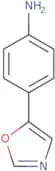
Discontinued product4-(1,3-Oxazol-5-yl)aniline
CAS:Versatile small molecule scaffold
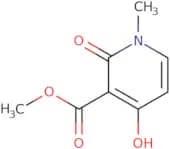
Formula:C9H8N2OPurity:Min. 95%Molecular weight:160.17 g/molMethyl 4-hydroxy-1-methyl-2-oxo-1,2-dihydropyridine-3-carboxylate
CAS:Methyl 4-hydroxy-1-methyl-2-oxo-1,2-dihydropyridine-3-carboxylate is a versatile building block that is used in the synthesis of complex compounds. It is also a reagent and speciality chemical that can be used as a reaction component or scaffold in chemical research. Methyl 4-hydroxy-1-methyl-2-oxo-1,2 -dihydropyridine 3 carboxylate is an intermediate in the synthesis of various pharmaceuticals, agrochemicals, and fine chemicals. This compound has been shown to be useful for the synthesis of natural products such as pseudodipeptides.
Formula:C8H9NO4Purity:Min. 95%Color and Shape:PowderMolecular weight:183.16 g/molUracil
CAS:Pyrimidine nucleobase; allosteric regulator and coenzyme for reactions
Formula:C4H4N2O2Purity:Min. 98 Area-%Color and Shape:White Off-White PowderMolecular weight:112.09 g/mol



![6,7-Dihydro-5H-pyrrolo[1,2-a]imidazole](/_next/image/?url=https%3A%2Fstatic.cymitquimica.com%2Fproducts%2F3D%2Fthumb-webp%2FJCA64616.webp&w=3840&q=75)


![Thieno[3,2,-b]thiophene-2-carbaldehyde](/_next/image/?url=https%3A%2Fstatic.cymitquimica.com%2Fproducts%2F3D%2Fthumb-webp%2FFT33133.webp&w=3840&q=75)