Building Blocks
Subcategories of "Building Blocks"
- Boronic Acids & Boronic Acid Derivatives(5,781 products)
- Chiral Building Blocks(1,242 products)
- Hydrocarbon Building Blocks(6,101 products)
- Organic Building Blocks(61,038 products)
Found 205338 products of "Building Blocks"
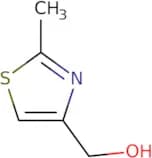
4-(Hydroxymethyl)-2-methylthiazole
CAS:4-(Hydroxymethyl)-2-methylthiazole (4HMT) is a scaffold that can be used as a building block for complex compounds. 4HMT has been shown to be an excellent reagent for the synthesis of heterocycles and other useful compounds. It is also useful in research, where it is often used as a reaction component. The high quality of 4HMT ensures that it is an excellent choice for use as a fine chemical or speciality chemical.
Formula:C5H7NOSPurity:Min. 95%Color and Shape:PowderMolecular weight:129.18 g/molRef: 3D-BDA63223
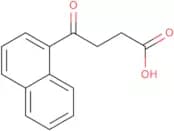
Discontinued product1-(3-Carboxypropionyl)naphthalene
CAS:1-(3-Carboxypropionyl)naphthalene is a drug that belongs to the class of reactive drugs. It is a prodrug that is metabolized by cytochrome P450 enzymes to 1-(3-carboxypropionyl)naphthoquinone (1CPRNQ). Its main mechanism of action is through binding to magnesium, which induces cell membrane permeability and results in apoptosis. 1-(3-Carboxypropionyl)naphthalene has shown an antibody response to eye disorders and cardiovascular diseases, as well as anti-angiogenic properties. It also has been shown to inhibit the proliferation of tumor cells and induce leukocyte antigen expression.
Formula:C14H12O3Purity:Min. 95%Color and Shape:Off-White PowderMolecular weight:228.24 g/molRef: 3D-FC67071
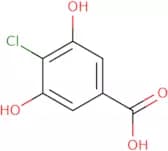
Discontinued product4-Chloro-3,5-dihydroxybenzoic acid
CAS:4-Chloro-3,5-dihydroxybenzoic acid is a chemical substance that can be used as a building block in organic synthesis. It is also a versatile intermediate and scaffold for the synthesis of more complex compounds. 4-Chloro-3,5-dihydroxybenzoic acid has been found to be useful in research and as a reagent because it is an inexpensive, high quality chemical. This compound reacts rapidly with many other chemicals, including alcohols and amines. 4-Chloro-3,5-dihydroxybenzoic acid has been shown to be stable under acidic conditions and can be purified by crystallization or recrystallization.
Formula:C7H5ClO4Purity:Min. 95%Color and Shape:PowderMolecular weight:188.56 g/molRef: 3D-FC67072
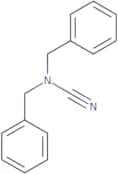
Discontinued productCyanodibenzylamine
CAS:Cyanodibenzylamine is a synthetic, pharmaceutical preparation. It is an amine that undergoes nucleophilic attack by an amide to form a cyanoguanidine. Cyanodibenzylamine can be used as a stabilizer and additive in pharmaceutical preparations. It also has the ability to bind metal hydroxides, which may be due to the presence of basic fibroblast growth factor and isoquinoline compound. Cyanodibenzylamine is also used as a polymerization initiator in organic chemistry, with hydrocarbon solvents such as benzene or toluene as its solvent.
Formula:C15H14N2Purity:Min. 95%Color and Shape:PowderMolecular weight:222.29 g/molRef: 3D-FC67317
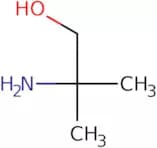
Discontinued productAMP
CAS:AMP, also known as 2-Amino-2-methyl-1-propanol, is a buffering agent with an optimal pH range of 9.0-10.5 and a pKa of 9.7. It is used in biochemical assays, enzyme activity tests, and cosmetic formulations.
Formula:C4H11NOPurity:Min. 95%Color and Shape:Colorless Clear LiquidMolecular weight:89.14 g/molRef: 3D-FA09404
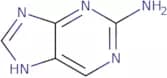
Discontinued product2-Aminopurine
CAS:Purine analog; fluorescent probe; kinase inhibitor; mutagenic
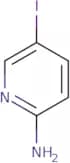
Formula:C5H5N5Purity:Min. 95%Color and Shape:White PowderMolecular weight:135.13 g/mol2-Amino-5-iodopyridine
CAS:2-Amino-5-iodopyridine (2-AI) is a water molecule that has been shown to have vibrational and optical properties. 2-AI is an orange pigment that is found in methyl ketones, such as 2,4,6-trimethylheptanone and 3,4,5-trimethylhexanone. 2-AI has also been used as a dye for wool in the past. 2-AI is not found naturally but can be synthesized from an aryl halide and ammonia or ammonium hydroxide. The synthesis of this compound involves the reaction of an aromatic amine and nitrous acid or diazonium salt. 2-AI can be used as an antimicrobial agent against bacteria by interfering with the nicotinic acetylcholine receptor on the bacterial cell membrane. FTIR spectroscopy can be used to identify its chemical structure.
Formula:C5H5IN2Purity:Min. 98 Area-%Color and Shape:White PowderMolecular weight:220.01 g/molRef: 3D-FA07093
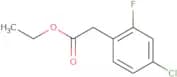
Discontinued product(4-Chloro-2-fluorophenyl)acetic acid ethyl ester
CAS:4-Chloro-2-fluorophenyl)acetic acid ethyl ester is a fine chemical that can be used as a scaffold for building more complex molecules, or it can be used as a versatile building block in the synthesis of research chemicals. It is also an intermediate in many reactions and can be used as a speciality chemical. 4-Chloro-2-fluorophenyl)acetic acid ethyl ester has been shown to have high quality and it is useful for research on complex compounds. It can also be used as a reagent in organic synthesis.
Formula:C10H10ClFO2Purity:Min. 95%Color and Shape:SolidMolecular weight:216.64 g/molRef: 3D-FC67904
Discontinued product2-Azido-ethanol
CAS:2-Azido-ethanol is a chemical compound that is used to synthesize ethylene diamine. It can be produced by reacting ethanol with sodium azide in the presence of an acid catalyst. 2-Azido-ethanol is stable under most conditions and has minimal toxicity, which makes it an attractive option for ethylene diamine production. The compound reacts with a variety of substrates, including diazido, amide, and β-unsaturated ketone compounds. Magnetic resonance spectroscopy (MRS) studies have shown that 2-azido-ethanol binds to water molecules at the site of its β-unsaturated ketone group and creates a new carbon source. This product also exhibits ft-ir spectroscopy properties, which can be used to measure the transport properties and photoelectron emission from the π* orbitals of its carbon atoms.
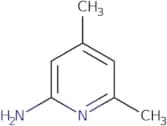
Formula:C2H5N3OPurity:Min. 95%Color and Shape:Colorless Slightly Yellow Clear LiquidMolecular weight:87.08 g/mol2-Amino-4,6-dimethylpyridine
CAS:2-Amino-4,6-dimethylpyridine is a nonsteroidal anti-inflammatory drug that inhibits the production of prostaglandins and leukotrienes. 2-Amino-4,6-dimethylpyridine binds to the cyclooxygenase enzyme and blocks its conversion of arachidonic acid to prostaglandin H2. This compound has been shown to have potent inhibitory effects against Leishmania, with high values in reactive compounds. The molecular modeling of this compound shows that it has an unpaired amino function and an amide.
Formula:C7H10N2Purity:Min. 97%Color and Shape:PowderMolecular weight:122.17 g/molRef: 3D-FA07058
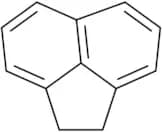
Discontinued productAcenaphthene
CAS:Acenaphthylene is a natural compound that has anti-inflammatory activity. It has been shown to inhibit the growth of skin cancer cells and wild-type strains of Escherichia coli. Acenaphthylene is synthesized by thermal degradation of acenaphthene and can be found in wastewater. Acenaphthylene can be extracted from these samples using solid phase microextraction (SPME). Acenaphthene can also be used as an indicator for the presence of other compounds in a reaction solution or analytical method. Acenaphthylene reacts with hydrogen peroxide to form a fluorescent derivative, which can be detected using UV light. The injection solution used for this reaction is acetone, methanol, and distilled water.
Formula:C12H10Purity:Min. 99 Area-%Color and Shape:PowderMolecular weight:154.21 g/molRef: 3D-FA06996
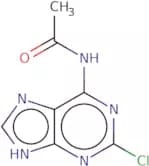
Discontinued product2-Acetamido-6-chloropurine
CAS:2-Acetamido-6-chloropurine (2ACAP) is a nucleophilic agent that inhibits cancer cells by binding to the enzyme cholinesterase. It is used in the treatment of T-cell leukemia and herpes simplex virus. 2ACAP binds to the amine group of cholinesterase, which prevents it from breaking down acetylcholine. This inhibition leads to accumulation of acetylcholine, which has been shown to induce apoptosis in k562 cells. The molecular modeling study showed that 2ACAP binds to both chlorine atom and benzyl groups in the active site of cholinesterase. 2ACAP also has a potent inhibitory effect on cancer cell proliferation and can be used as an anti-cancer agent for many types of cancers including colon, breast, and prostate cancer.
Formula:C7H6ClN5OPurity:Min. 97 Area-%Color and Shape:Yellow PowderMolecular weight:211.61 g/molRef: 3D-FA06027
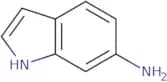
Discontinued product6-Aminoindole
CAS:6-Aminoindole is a model complex that can be used for studying the interactions of primary amines with acidic molecules in bioinorganic chemistry. The molecule was synthesized by electropolymerization, which involves the oxidation of aniline with bifunctional oxidases. 6-Aminoindole has been shown to have protonation and salicylaldehyde properties. It reacts with metal surfaces to form a molecular target.
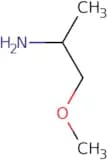
Formula:C8H8N2Purity:Min. 97 Area-%Color and Shape:PowderMolecular weight:132.16 g/mol2-Amino-1-methoxypropane
CAS:2-Amino-1-methoxypropane (AMP) is a bifunctional amine that has been used as a diluent for lipase. It has been shown to have deprotective properties against metal surfaces and to be able to react with the nucleophilic group of an amine, which is useful in organic synthesis. The constant temperature of AMP, which is useful in organic synthesis, was obtained by recycling it through a constant temperature bath. This process also prevents the formation of unwanted products during the reaction.
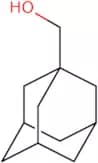
Formula:C4H11NOPurity:Min. 95 Area-%Color and Shape:Clear LiquidMolecular weight:89.14 g/mol1-Adamantanemethanol
CAS:Adamantanemethanol is a molecule used in the process of translation. It is structurally analyzed by trifluoromethanesulfonic acid, which is a cavity. The pharmacokinetic properties of adamantanemethanol are determined by its acyl chain. Adamantanemethanol has been studied in clinical trials, and the minimal inhibitory concentration for this drug is determined by chloride. This molecule also forms hydrogen bonds with hydroxyl groups and functional groups. Adamantanemethanol has been shown to be an effective antimicrobial agent against bacterial replication in cell culture and has optical properties that can be used to identify it.
Formula:C11H18OPurity:Min. 95%Color and Shape:White PowderMolecular weight:166.26 g/molRef: 3D-FA05222
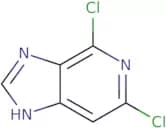
Discontinued product2,6-Dichloro-3-deazapurine
CAS:2,6-Dichloro-3-deazapurine is an isomer of the nucleoside guanosine. It has been shown to inhibit the synthesis of viruses in cell cultures and may be useful in the treatment of leukemia. The synthesis of 2,6-dichloro-3-deazapurine can be achieved through a solid-phase synthesis that uses synthons as starting materials. The molecular modelling studies have shown that this molecule has a potential to bind to adenosine receptor subtypes A2a, A2b, and A3.
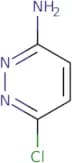
Formula:C6H3Cl2N3Purity:Min. 95%Color and Shape:Off-White PowderMolecular weight:188.02 g/mol3-Amino-6-chloropyridazine
CAS:3-Amino-6-chloropyridazine is a synthetic compound that is soluble in hydrochloric acid. It has been shown to inhibit the proliferation of cells and induce apoptosis, which may be due to its inhibition of the growth factor receptor, factor. 3-Amino-6-chloropyridazine also inhibits bcr-abl kinase, an enzyme that is involved in the development of chronic myelogenous leukemia (CML). This chemical can be synthesized by coupling amino acids with chloropyridazine using cross coupling reactions. 3-Amino-6-chloropyridazine is a synthetic analogue of pyridoxal phosphate and may have use as an antiinflammatory agent.
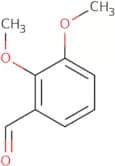
Formula:C4H4ClN3Purity:Min. 95%Color and Shape:PowderMolecular weight:129.55 g/mol2,3-Dimethoxybenzaldehyde
CAS:2,3-Dimethoxybenzaldehyde is a chemical substance that binds to its ligands by hydrogen bonding and van der Waals forces. It is used in the synthesis of diethyl succinate. 2,3-Dimethoxybenzaldehyde has been shown to inhibit the growth of squamous carcinoma cells. The conversion of 2,3-dimethoxybenzaldehyde into benzoquinone is catalyzed by glucose oxidase and peroxidase. This oxidation process results in a loss of two electrons and one proton from the molecule, changing it from a phenol to an aromatic hydrocarbon.
Formula:C9H10O3Purity:Min. 95%Color and Shape:PowderMolecular weight:166.17 g/molRef: 3D-FD10645
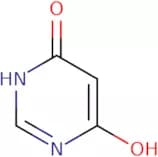
Discontinued product4,6-Dihydroxypyrimidine
CAS:4,6-Dihydroxypyrimidine is a competitive inhibitor of the bacterial enzyme DNA gyrase. It binds to the ATP-binding site and blocks the conversion of ATP to ADP. This leads to inhibition of the DNA replication process. 4,6-Dihydroxypyrimidine has shown inhibition constants against various bacterial strains. The kinetic data indicate that this compound is a noncompetitive inhibitor for DNA gyrase. 4,6-Dihydroxypyrimidine also binds to sodium hydroxide solution and forms a Langmuir adsorption isotherm that can be described by an equation with a single binding site. The chemical structure of 4,6-dihydroxypyrimidine consists of three atoms: two hydrogen atoms and one oxygen atom. This molecule has been found in electrochemical impedance spectroscopy experiments using methanol solvent as an electrolyte and monosodium salt as a supporting electrolyte.
Formula:C4H4N2O2Purity:Min. 95%Color and Shape:Yellow PowderMolecular weight:112.09 g/molRef: 3D-FD11328
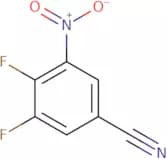
Discontinued product3,4-Difluoro-5-nitrobenzonitrile
CAS:3,4-Difluoro-5-nitrobenzonitrile is a hepatotoxic compound that is found in the environment. It has been shown to cause cirrhosis and overgrowth of the liver. 3,4-Difluoro-5-nitrobenzonitrile also inhibits hepatic encephalopathy and may be used to treat liver disease. This toxicant has been detected in the bowel and duodenum of humans with nonalcoholic steatohepatitis, as well as in the jejunum and duodenum of mice with spontaneous steatohepatitis. It also causes nonalcoholic steatohepatitis when given orally to rats.
Formula:C7H2F2N2O2Purity:Min. 95%Color and Shape:Yellow PowderMolecular weight:184.1 g/molRef: 3D-FD142037
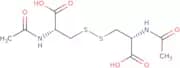
Discontinued productN,N'-Diacetyl-L-cystine
CAS:N,N'-Diacetyl-L-cystine (NAC) is a cysteine derivative that is used in the preparation of samples for analysis by liquid chromatography. It has been shown to have an antiatherogenic effect in chronic bronchitis patients and has been found to be a growth factor, inhibiting apoptosis and stimulating cell proliferation. NAC also increases the activity of aminotransferases in serum samples, which can be used as an indicator of liver health. Its chemical stability and low toxicity make it an ideal candidate for use as a pharmaceutical preparation at doses below those required for its enzyme-stimulating effects.
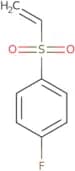
Formula:C10H16N2O6S2Purity:Min. 95%Color and Shape:PowderMolecular weight:324.38 g/mol1-(Ethenesulfonyl)-4-fluorobenzene
CAS:1-(Ethenesulfonyl)-4-fluorobenzene is a versatile chemical that can be used as a building block for the synthesis of complex compounds. It is also a reagent and speciality chemical with many applications in research. 1-(Ethenesulfonyl)-4-fluorobenzene is an excellent starting material for the synthesis of useful scaffolds and it has shown to have high quality.
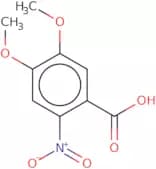
Formula:C8H7FO2SPurity:Min. 95%Molecular weight:186.21 g/mol4,5-Dimethoxy-2-nitrobenzoic acid
CAS:4,5-Dimethoxy-2-nitrobenzoic acid (DMNB) is a nitrophenol compound that is used as an intermediate in the synthesis of pesticides. DMNB inhibits the growth of bacteria through its ability to inhibit protein synthesis and DNA replication. The inhibition is due to DMNB’s ability to covalently bind to nucleophilic sites on enzymes that are essential for these processes. It has been shown that DMNB can be degraded by microorganisms, such as bacteria, fungi, and algae. The biodegradation process may be facilitated by its solubility in water and its low molecular weight.
Formula:C9H9NO6Purity:Min. 97.5%Color and Shape:Yellow SolidMolecular weight:227.17 g/molRef: 3D-FD22176
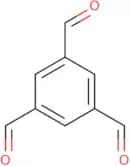
Discontinued productBenzene-1,3,5-tricarbaldehyde
CAS:Trifluoroacetic acid is a nonsteroidal anti-inflammatory drug that belongs to the group of carboxylic acids. Benzene-1,3,5-tricarbaldehyde is used as an intermediate in the synthesis of trifluoroacetic acid and has been shown to be effective against microbial infections. It has been shown to inhibit the growth of bacteria such as Staphylococcus aureus and Bacillus cereus by disrupting their DNA replication. Benzene-1,3,5-tricarbaldehyde also inhibits the production of inflammatory cytokines and reduces inflammation. The compound has chemical stability and does not react with human serum or other biological fluids.
Formula:C9H6O3Purity:Min. 95%Color and Shape:PowderMolecular weight:162.15 g/molRef: 3D-DAA16376
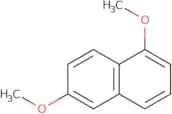
Discontinued product1,6-Dimethoxynaphthalene
CAS:1,6-Dimethoxynaphthalene is a chiral molecule that can be used as a chemical intermediate in the synthesis of pharmaceuticals. 1,6-Dimethoxynaphthalene has been shown to react with dopamine to form β-unsaturated ketones. This reaction is catalyzed by thionyl chloride. The product of this reaction can be reacted with a chloride, naphthalene or sulfinyl chloride to form five-membered diprotonated products. 1,6-Dimethoxynaphthalene also reacts with hydrosulfite to form sulfinyl functional groups, which can then be used as additives in other chemical reactions.
Formula:C12H12O2Purity:Min. 98 Area-%Color and Shape:Orange PowderMolecular weight:188.22 g/molRef: 3D-FD22206
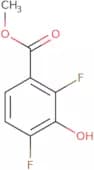
Discontinued product2,4-Difluoro-3-hydroxybenzoic acid methyl ester
CAS:2,4-Difluoro-3-hydroxybenzoic acid methyl ester is a fine chemical that is used as a versatile building block for research chemicals and other complex compounds. It can be used as a reaction component in the synthesis of new chemical entities or as a reagent for organic chemistry reactions. 2,4-Difluoro-3-hydroxybenzoic acid methyl ester has CAS No. 194804-80-3 and is available in high quality.Formula:C8H6F2O3Purity:Min. 95%Color and Shape:PowderMolecular weight:188.13 g/molRef: 3D-FD67080
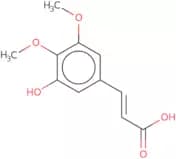
Discontinued product3,4-Dimethoxy-5-hydroxycinnamic acid
CAS:3,4-Dimethoxy-5-hydroxycinnamic acid is a monoterpenoid indole alkaloid that belongs to the class of biochemical compounds. It is a promiscuous compound and can be found in many plants, such as coffee beans, black pepper, cinnamon, and thyme. 3,4-Dimethoxy-5-hydroxycinnamic acid has been shown to have antimicrobial properties against bacteria and fungi. The metabolomics study showed that this compound may also have anti-inflammatory effects. 3,4-Dimethoxy-5-hydroxycinnamic acid was shown to enhance the transcription of ferulic acid in E. coli cells. This compound was also shown to decrease the levels of transcripts for genes involved in lipid metabolism and fatty acid biosynthesis in human liver cells.
Formula:C11H12O5Purity:Min. 98 Area-%Color and Shape:PowderMolecular weight:224.21 g/molRef: 3D-FD67793
Discontinued product5H,6H,7H-Cyclopenta[b]pyridin-2-amine
CAS:5H,6H,7H-Cyclopenta[b]pyridin-2-amine is a fine chemical that can be used as a building block in organic synthesis. It is also useful as a reagent and speciality chemical. 5H,6H,7H-Cyclopenta[b]pyridin-2-amine has been shown to be an effective intermediate for the production of complex compounds with versatile scaffolds. This compound is also a useful reactant in organic reactions. 5H,6H,7H-Cyclopenta[b]pyridin-2-amine has a molecular weight of 200.28 g/mol and CAS number 146331-19-3.
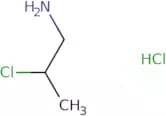
Formula:C8H10N2Purity:Min. 95%Color and Shape:PowderMolecular weight:134.18 g/mol2-Chloropropan-1-amine hydrochloride
CAS:2-Chloropropan-1-amine hydrochloride is a chlorinating agent that is used to produce 1-naphthaldehyde. It is used in the production of acrylamides, polyacrylamides, and other chemicals. 2-Chloropropan-1-amine hydrochloride has been shown to react with 1-naphthaldehyde in an aerobic reaction at room temperature to produce aziridine, which can be cyclized to form a cyclic compound. This compound can then be alkylated to form a fluxional compound with potentiation properties.
Formula:C3H8ClN•HClPurity:Min. 95%Color and Shape:PowderMolecular weight:130.01 g/molRef: 3D-GAA26635
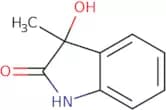
Discontinued product3-Hydroxy-3-methyl-2,3-dihydro-1H-indol-2-one
CAS:3-Hydroxy-3-methyl-2,3-dihydro-1H-indol-2-one is a methylindole that is excreted in urine. It and its metabolites are produced from the metabolism of indolecarboxylic acid. 3-Hydroxy-3-methyl-2,3-dihydro-1H-indol-2-- one is a precursor to the synthesis of many other compounds through oxidation reactions. 3HMID may be involved in cell physiology and skatole production. It also participates in the metabolism of other compounds such as anthranilic acid, salicylic acid, and hydroxy group. 3HMID has been found to be an exogenous compound in skatole production.
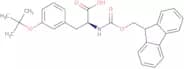
Formula:C9H9NO2Purity:Min. 95%Color and Shape:PowderMolecular weight:163.17 g/molFmoc-L-m-Tyrosine(tBu)-OH
CAS:Fmoc-L-m-Tyrosine is a reagent that is used in organic synthesis. It is a complex compound that can be synthesized from m-tyrosine and t-butyl bromoacetate. Fmoc-L-m-Tyrosine is also a useful intermediate for the preparation of other compounds, such as pharmaceuticals and agrochemicals. It has been shown to be a fine chemical that has a wide range of applications in the field of biotechnology and pharmaceuticals. Fmoc-L-m Tyrosine is also a versatile building block with many possible reactions, making it an excellent candidate for research chemicals, including speciality chemicals. The CAS number for this compound is 204384-71-4 and it's molecular weight is 262.3 g/mol.br>
Formula:C28H29NO5Purity:Min. 97 Area-%Color and Shape:Off-White PowderMolecular weight:459.53 g/molRef: 3D-FF167892
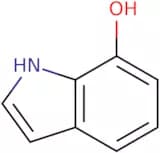
Discontinued product7-Hydroxyindole
CAS:7-Hydroxyindole is a biochemical that is produced by wild-type strains of Escherichia coli. It has been shown to inhibit the action of an efflux pump, which is a protein that pumps drugs and other foreign substances out of the cell. The alkoxy radical reacts with 7-hydroxyindole to form a hydroperoxide intermediate. This intermediate then reacts with molecular oxygen to form hydrogen peroxide, which may be responsible for the antimicrobial activity of 7-hydoxyindole. Studies have shown that this compound can also inhibit multidrug efflux pumps in Pseudomonas aeruginosa cells, which may lead to an increase in antibiotic uptake.
Formula:C8H7NOPurity:Min. 98 Area-%Color and Shape:Off-White PowderMolecular weight:133.15 g/molRef: 3D-FH24368
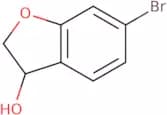
Discontinued product6-bromo-2,3-dihydro-1-benzofuran-3-ol
CAS:Versatile small molecule scaffold
Formula:C8H7BrO2Purity:Min. 95%Color and Shape:PowderMolecular weight:215.05 g/molRef: 3D-SFC07252
Discontinued product4,4'-Dipyridyl
CAS:Please enquire for more information about 4,4'-Dipyridyl including the price, delivery time and more detailed product information at the technical inquiry form on this page
Formula:C10H8N2Molecular weight:156.19 g/mol4-Ethenyl-1,2-dimethylbenzene
CAS:4-Ethenyl-1,2-dimethylbenzene is a volatile oil that has been found in plants and is a metabolite of styrene. It is classified as a vinyl group, which are compounds with the general formula CH=CH2. 4-Ethenyl-1,2-dimethylbenzene is also a volatile substance, meaning that it evaporates easily from surfaces or materials. This compound may be used as an intermediate for other organic chemicals.
Formula:C10H12Purity:Min. 95%Color and Shape:Clear LiquidMolecular weight:132.2 g/molRef: 3D-CBA83113
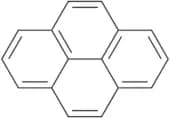
Discontinued productPyrene
CAS:Pyrene is a chemical compound that has been found to bind to DNA and inhibit the transcription of genetic information. It has been used as a fluorescence probe in biochemical research, wastewater treatment, and surface methodology. As a redox probe, pyrene can be used to measure the redox potential of reaction solutions. Pyrene has also been used as an analytical method for measuring transfer reactions in biological studies.
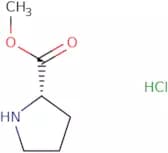
Formula:C16H10Purity:Min. 98 Area-%Color and Shape:PowderMolecular weight:202.25 g/molL-Proline methyl ester hydrochloride
CAS:L-Proline methyl ester hydrochloride is an organic compound that is classified as a trifluoroacetic acid ester. It has significant antiproliferative activity and induces apoptotic cell death in colorectal carcinoma cells. L-Proline methyl ester hydrochloride also inhibits the proliferation of lymphocytes by inhibiting protein synthesis, which may be due to its conformational properties. L-Proline methyl ester hydrochloride is synthesized by reacting L-proline with trifluoroacetic acid and subsequently hydrolyzing the resulting ester with hydrochloric acid. The synthesis can be carried out in two steps: first, a chloride ion is added to the protonated form of the amine; second, the protonated form of the amine reacts with hydrophobic compounds such as dodecyl amines or ethyl acetate to form an alkyl group. This reaction can also be carried out using
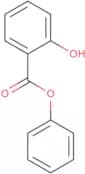
Formula:C6H12ClNO2Color and Shape:White PowderMolecular weight:165.62 g/molPhenyl salicylate
CAS:Phenyl salicylate is a phenolic compound that is used as an antipyretic and analgesic. It has the ability to inhibit prostaglandin synthesis, which can lead to reduced inflammation in the body. Phenyl salicylate has been shown to bind to specific receptors on cells, which leads to inhibition of prostaglandin synthesis. This receptor binding may also be responsible for its anti-inflammatory properties. Phenyl salicylate is metabolized in the liver and excreted through the kidneys.
Formula:C13H10O3Purity:Min. 98%Color and Shape:White PowderMolecular weight:214.22 g/molRef: 3D-FP34589
Discontinued productn-Pentyl 4-hydroxybenzoate
CAS:n-Pentyl 4-hydroxybenzoate is a preservative that inhibits the growth of microorganisms. It is used in products such as cosmetics, pharmaceuticals, and food to prevent spoilage. The antimicrobial activity of n-pentyl 4-hydroxybenzoate has been shown to be due to p-hydroxybenzoic acid, which binds to bacterial cell walls. This binding prevents the formation of an antibiotic-inhibitor complex with the enzyme cell wall synthesis that is required for cell wall biosynthesis, inhibiting protein synthesis and cell division. n-Pentyl 4-hydroxybenzoate has also been shown to inhibit bacterial growth in vitro and in vivo in rats by interfering with protein synthesis in rat liver microsomes.
Formula:C12H16O3Purity:Min. 95%Color and Shape:Off-White PowderMolecular weight:208.25 g/molRef: 3D-FP64887
Discontinued product4-Cyclohexylcyclohexan-1-one
CAS:4-Cyclohexylcyclohexan-1-one is an organic solvent that has a high boiling point and low vapor pressure. It is a colorless liquid with a sweet odor. 4-Cyclohexylcyclohexan-1-one is used in the production of hydrochloride salts and cyclic hydrocarbons, as well as in organic synthesis reactions involving boron nitride, reaction mechanisms, and efficient methods. Exposure to 4-cyclohexylcyclohexan-1-one can lead to chronic health effects such as dehydration and reduced lung function. The functional theory of 4-cyclohexylcyclohexan-1-one is that it reacts with water molecules to produce hydrogen chloride gas. Hydrochloric acid is produced when 4CCHC reacts with hydrochlorides salts. This reaction produces particles that are small enough to be inhaled into the lungs, which can cause particle toxicity, respiratory irritation, and pulmonary
Formula:C12H20OPurity:Min. 95%Color and Shape:PowderMolecular weight:180.29 g/molRef: 3D-AAA09268
Discontinued product4-Bromo-2-fluoropyridine
CAS:4-Bromo-2-fluoropyridine is a heterocyclic amine that belongs to the class of cannabinoid type. It has been shown to be stereoselective, and can be used as a sulfamidate in biomolecular studies. 4-Bromo-2-fluoropyridine is activated by chloride and nucleophilic, which are properties that make it useful for functional groups. The fluorine atom on this molecule also makes it reactive, making it possible to use the substance as an enantiopure catalyst for organic reactions.
Formula:C5H3BrFNPurity:Min. 98 Area-%Color and Shape:Colorless Clear LiquidMolecular weight:175.99 g/molRef: 3D-FB08153
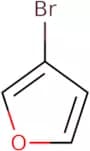
Discontinued product3-Bromofuran
CAS:3-Bromofuran is a synthetic chemical that can be used to treat cancer, specifically as an anti-cancer agent. 3-Bromofuran has been shown to inhibit the growth of tumour cells in culture. It also selectively inhibits antigen expression and induces apoptosis in tumour cells. 3-Bromofuran is synthesized by a Sharpless asymmetric dihydroxylation of hippuric acid and efficiently undergoes cross coupling reactions with electron deficient polyatomic molecules such as organoaluminium compounds. The major metabolite of 3-bromofuran is 3,4-dihydroxybenzoic acid (3,4-DHBA), which has been found to have antiviral and antibacterial properties.
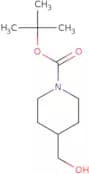
Formula:C4H3BrOPurity:Min. 95%Color and Shape:Clear LiquidMolecular weight:146.97 g/molN-Boc-4-piperidinemethanol
CAS:N-Boc-4-piperidinemethanol is a curcumin analogue that binds to the epidermal growth factor receptor (EGFR) and prevents the binding of ligands. In vitro studies have shown that N-Boc-4-piperidinemethanol can inhibit tumor growth and induce apoptosis in cancer cells. The drug is also capable of inhibiting the proliferation of normal cells, which may be due to its ability to recruit EGFR from outside the cell membrane. This process triggers signaling events that lead to cell death.
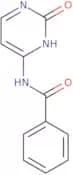
Formula:C11H21NO3Purity:Min. 98 Area-%Color and Shape:PowderMolecular weight:215.29 g/molN4-Benzoylcytosine
CAS:Building block in the synthesis of nucleoside antiviral agents
Formula:C11H9N3O2Purity:Min. 95%Color and Shape:White PowderMolecular weight:215.21 g/molRef: 3D-FB03691
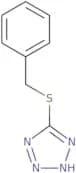
Discontinued product5-Benzylthio-1H-tetrazole
CAS:5-Benzylthio-1H-tetrazole is a tetrazole derivative that is used as a reactant in bioconjugate chemistry. This compound reacts with nucleophiles to form covalent bonds and can be immobilized on solid supports for use in stepwise synthesis of peptides or other molecules. 5-Benzylthio-1H-tetrazole also has the ability to bind to DNA and RNA, which makes it useful in the study of hydrogen bonding interactions. In addition, this molecule has been shown to enhance the sensitivity of uv absorption measurements. Other uses include the development of model systems for chemical biology and the study of cellular processes.
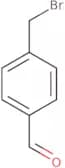
Formula:C8H8N4SPurity:Min. 98 Area-%Color and Shape:White PowderMolecular weight:192.24 g/mol4-(Bromomethyl)benzaldehyde
CAS:4-(Bromomethyl)benzaldehyde is a chemical compound that can be synthesized by the reaction of benzaldehyde with bromine in the presence of a base. This compound has been shown to bind to human immunoglobulin G, formyl group and photophysical properties. 4-(Bromomethyl)benzaldehyde has also been used as a model for cancer studies because it binds to DNA and forms an imine bond with thymine. It has been used as a reagent for analytical methods such as phosphotungstic acid, which is a reagent used to detect proteins. The mechanism of this compound is not yet fully understood, but it may involve the formation of an imine bond with thymine in DNA.
Formula:C8H7BrOPurity:Min. 95%Color and Shape:PowderMolecular weight:199.04 g/molRef: 3D-FB10749
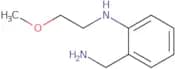
Discontinued product2-(Aminomethyl)-N-(2-methoxyethyl)aniline
CAS:Versatile small molecule scaffold
Formula:C10H16N2OPurity:Min. 90%Color and Shape:Clear LiquidMolecular weight:180.25 g/molRef: 3D-XZB84650
Discontinued product7-Octyn-1-amine hydrochloride
CAS:7-Octyn-1-amine hydrochloride is a chemical that can be used as an intermediate in the synthesis of other compounds. It has a high quality and is a versatile building block for numerous chemical reactions. 7-Octyn-1-amine hydrochloride can be used as an intermediate in the synthesis of complex compounds. It is also useful as a reagent and reaction component, as well as being a useful scaffold for research chemicals.
Formula:C8H15N•HClPurity:Min. 90%Molecular weight:161.67 g/molRef: 3D-FO182684
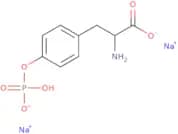
Discontinued productPhospho-L-tyrosine disodium
CAS:Phospho-L-tyrosine disodium is a versatile building block that has many different uses in research. It is used as a reagent for the synthesis of other chemicals, such as vitamins, drugs and pesticides. The compound can be used to make high quality, useful intermediates for chemical reactions or as a reaction component. Phospho-L-tyrosine disodium is a speciality chemical that can be used in the production of many complex compounds. This product also has CAS number 1610350-91-8.
Formula:C9H10NNa2O6PPurity:Min. 95%Color and Shape:White PowderMolecular weight:305.13 g/molRef: 3D-FP180928
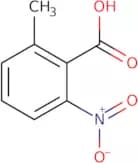
Discontinued product2-Methyl-6-nitrobenzoic acid
CAS:2-Methyl-6-nitrobenzoic acid is a yellow needle solid that is soluble in organic solvents. It is used as a reagent to prepare other chemicals and has been shown to react with sodium hydrogen sulfate, chloride, and sulfuric acid to form 2-methyl-6-nitrobenzenesulfonic acid. The mixture of 2-methyl-6-nitrobenzoic acid and sodium hydrogen sulfate reacts violently with chlorine gas or argon. This reaction solution can be evaporated by heating at atmospheric pressure or under vacuum, leaving 2-methyl-6-nitrobenzenesulfonic acid behind. 2MBA can also be purified by filtration or recrystallization from a suitable solvent such as chloroform or ether.
Formula:C8H7NO4Purity:Min. 95%Color and Shape:Slightly Yellow PowderMolecular weight:181.15 g/molRef: 3D-FM54884
Discontinued product


![5H,6H,7H-Cyclopenta[b]pyridin-2-amine](/_next/image/?url=https%3A%2Fstatic.cymitquimica.com%2Fproducts%2F3D%2Fthumb-webp%2FWFA33119.webp&w=3840&q=75)