Building Blocks
Subcategories of "Building Blocks"
- Boronic Acids & Boronic Acid Derivatives(5,781 products)
- Chiral Building Blocks(1,242 products)
- Hydrocarbon Building Blocks(6,101 products)
- Organic Building Blocks(61,033 products)
Found 205320 products of "Building Blocks"
1-Acetyl-3-indolecarboxaldehyde
CAS:1-Acetyl-3-indolecarboxaldehyde is a ligand that binds to the cannabinoid receptor 1 (CB1). It has been shown to bind to the CB1 receptor with high affinity and selectivity. In addition, it has been demonstrated to inhibit the proliferation of human breast cancer cells in vitro. The compound is used as a fluorescent probe for cb1 receptor binding. Data obtained from molecular modelling studies have suggested that the hydroxyl group might be involved in binding to the CB1 receptor. 1-Acetyl-3-indolecarboxaldehyde also binds carotenoids, which are molecules responsible for giving plants and other photosynthetic organisms their coloration. This compound can be found in many different plants, such as carrots and bananas, where it acts as an antioxidant.
Formula:C11H9NO2Purity:Min. 95%Color and Shape:PowderMolecular weight:187.19 g/molRef: 3D-FA30363
Discontinued productMethyl 4-fluorobenzoate
CAS:Methyl 4-fluorobenzoate is a potent inhibitor of human cancer cells. It inhibits tyrosine kinases by binding to an imidazole group and forms a ruthenium complex in the presence of sodium carbonate. Methyl 4-fluorobenzoate has shown inhibitory activity against the amination reaction catalyzed by sulfoxide reductase, which is important for the synthesis of nucleic acids. This inhibition may be due to its ability to reduce oxidized species of thiols, sulfoxides, and disulfides. Further studies are needed to elucidate the mechanism by which methyl 4-fluorobenzoate interacts with redox potentials and functional theory.
Formula:C8H7FO2Purity:Min. 95%Color and Shape:Colorless Clear LiquidMolecular weight:154.14 g/molRef: 3D-FM37718
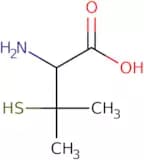
Discontinued productDL-Penicillamine
CAS:DL-Penicillamine is a penicillamine that is used in the treatment of various diseases such as rheumatoid arthritis and primary sclerosing cholangitis. It has been shown to inhibit the production of inflammatory prostaglandins, which are responsible for pain and swelling. DL-Penicillamine has been used as a fluorescence probe for the detection of nonsteroidal anti-inflammatory drugs in water samples. DL-Penicillamine is also used to study coordination geometry and rate constants in solid tumours using fluorescence spectroscopy. This drug can be analyzed using chromatographic techniques or by X-ray diffraction data obtained with an electrochemical impedance spectroscopy system. The analytical method was published in 1981 by J.D. Hamer, et al., in "Analytical Chemistry".
Formula:C5H11NO2SPurity:Min. 95%Color and Shape:White PowderMolecular weight:149.21 g/molRef: 3D-FP30177
Discontinued product6-Azido-hexan-1-ol
CAS:6-Azido-hexan-1-ol is an organic compound with the chemical formula CH3CH2OCH2CH2N3. It is a colorless liquid that boils at 29°C and has a melting point of -60°C. 6-Azido-hexan-1-ol has been shown to be a reactive site in polymerization kinetics, with a kinetic rate constant of 2.0x10^5 M^(-1)s^(-1). This compound also exhibits high reactivity when used as a substrate for ring opening polymerization, which may be due to its hydroxy group and functional groups. 6-Azido-hexan-1-ol can be synthesized by reacting 4 vinylbenzyl alcohol with hydrazine hydrate in the presence of an acid catalyst, such as sulfuric acid or pyridine. The reaction can be monitored using matrix assisted laser desorption ionization time of flight (MALDI
Formula:C6H13N3OPurity:Min. 95%Color and Shape:Clear LiquidMolecular weight:143.19 g/molRef: 3D-FA30066
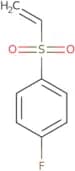
Discontinued product1-(Ethenesulfonyl)-4-fluorobenzene
CAS:1-(Ethenesulfonyl)-4-fluorobenzene is a versatile chemical that can be used as a building block for the synthesis of complex compounds. It is also a reagent and speciality chemical with many applications in research. 1-(Ethenesulfonyl)-4-fluorobenzene is an excellent starting material for the synthesis of useful scaffolds and it has shown to have high quality.
Formula:C8H7FO2SPurity:Min. 95%Molecular weight:186.21 g/mol1-[3-(2,2,2-Trifluoroethoxy)propyl]piperazine
CAS:Versatile small molecule scaffold
Formula:C9H17F3N2OPurity:Min. 90%Color and Shape:Clear LiquidMolecular weight:226.24 g/molRef: 3D-IYB42034
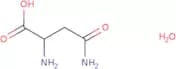
Discontinued productDL-Asparagine monohydrate
CAS:DL-Asparagine monohydrate is a low potency amino acid that can be used as a biomarker for wastewater treatment. It has been shown to inhibit the activity of enzymes such as guanine nucleotide-binding proteins, toll-like receptors, and response elements. Asparagine also has inhibitory properties against tumour cells in solid tumours.
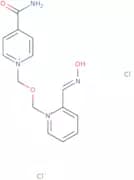
Formula:C4H10N2O4Color and Shape:PowderMolecular weight:150.14 g/molAsoxime chloride
CAS:A Hagedorn oxime used in the treatment of organophosphate poisoning.
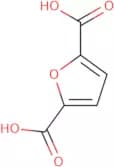
Formula:C14H16Cl2N4O3Purity:Min. 95%Color and Shape:PowderMolecular weight:359.21 g/mol2,5-Furandicarboxylic acid
CAS:Interest in renewable based polymers has led to 2,5-furandicarboxylic acid being proposed as a green, sustainable alternative to the widely used petroleum-based terephthalic acid in the synthesis of polyesters. 2,5-Furandicarboxylic acid is produced from oxidation of 5-hydroxymethylfurfural (HMF) which is obtained from the dehydration of bio-based sugars such as fructose.
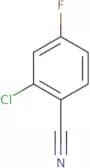
Formula:C6H4O5Purity:Min. 98 Area-%Color and Shape:White Clear LiquidMolecular weight:156.09 g/mol2-Chloro-4-fluorobenzonitrile
CAS:2-Chloro-4-fluorobenzonitrile is a drug that has been shown to have antitumor effects by binding to the CB2 receptor. It inhibits hydrogenation reduction of the molecule, which may be due to its ability to react with both functional groups. 2-Chloro-4-fluorobenzonitrile has also been shown to inhibit progesterone receptor, which may lead to an increase in progesterone levels and a decrease in estrogen levels. The pharmacokinetic properties of this compound are not yet known.
Formula:C7H3ClFNPurity:Min. 95%Color and Shape:White PowderMolecular weight:155.56 g/molRef: 3D-FC35486
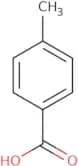
Discontinued product4-Toluic acid
CAS:4-Toluic acid is a chemical compound with the molecular formula CH3C6H2O2. It is a white solid that is soluble in water and alcohol. 4-Toluic acid can be produced by oxidation of benzoate, which is a reaction catalyzed by light or by using a catalyst such as trifluoroacetic acid. The reaction mechanism begins with the formation of the intramolecular hydrogen and subsequent oxidation to form an organic radical. This organic radical then reacts with oxygen to produce 4-toluic acid. 4-Toluic acid has been shown to have biochemical properties such as enzyme inhibition, DNA cleavage, and protein denaturation. The coordination geometry for this molecule is octahedral, and its redox potentials are -0.27 V (in acidic solution) and -1.06 V (in alkaline solution).
Formula:C8H8O2Purity:Min. 98 Area-%Color and Shape:White PowderMolecular weight:136.15 g/molRef: 3D-FT38107
Discontinued product2-(2-Methoxyethoxy)ethanol
CAS:2-(2-Methoxyethoxy)ethanol is a sodium salt that has a synergic effect with other solvents. It is used in the preparation of samples for analytical purposes and in the reaction solution of various glycol ethers. 2-(2-Methoxyethoxy)ethanol also has an effect on thermal expansion, which can be utilized to monitor this parameter during sample preparation. The presence of nitrogen atoms in its structure makes it possible to use it as a reagent for the synthesis of styryl dyes. 2-(2-Methoxyethoxy)ethanol is an antirheumatic drug that belongs to the class of glycol esters and benzalkonium chloride.
Formula:C5H12O3Purity:Min. 95%Color and Shape:Colorless Clear LiquidMolecular weight:120.15 g/molRef: 3D-FM37064
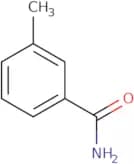
Discontinued product3-Methylbenzamide
CAS:3-Methylbenzamide is an organic compound that belongs to the class of benzamides. It has been shown to cause a decrease in blood pressure and a decrease in viscosity, as well as an increase in blood flow to the testes. 3-Methylbenzamide has also been shown to inhibit the enzyme that catalyzes the conversion of tyrosine into dopamine and may be used for the treatment of Parkinson's disease with mild symptoms. The chemical ionization technique was used to study the binding of 3-methylbenzamide with rat plasma proteins and showed that this molecule binds with high affinity to albumin and alpha 1-acid glycoprotein. This binding was found to be reversible, which suggests that 3-methylbenzamide may not be metabolized by liver enzymes.
Formula:C8H9NOPurity:Min. 95%Color and Shape:White PowderMolecular weight:135.16 g/molRef: 3D-FM37057
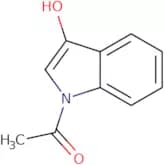
Discontinued productN-Acetyl-3-hydroxyindole
CAS:N-Acetyl-3-hydroxyindole is a colorless liquid that inhibits the activity of enzymes such as butyric acid, active methylene, and acyl halides. It is also used to inhibit the enzyme eosinophil peroxidase in clinical tests. N-Acetyl-3-hydroxyindole has been shown to be an efficient method for high-throughput analysis of enzymatic reactions. This chemical can be immobilized on porous supports and used to measure enzyme activities. N-Acetyl-3-hydroxyindole has been shown to have therapeutic effects in clinical data with a potent inhibitor of eosinophil peroxidase.
Formula:C10H9NO2Purity:Min. 95%Color and Shape:Orange PowderMolecular weight:175.18 g/molThieno[3,2,-b]thiophene-2-carbaldehyde
CAS:Thieno[3,2,-b]thiophene-2-carbaldehyde is a molecule that can be used in supramolecular chemistry. It has processability and pharmacokinetic properties as well as a good morphology. This molecule has been shown to be an excellent chemosensor. Thieno[3,2,-b]thiophene-2-carbaldehyde has also been shown to enhance the optical properties of semiconducting nanocrystals. The supramolecular chemistry of this molecule will allow for it to be analyzed with simulations and the optical properties will provide for its enhancement.
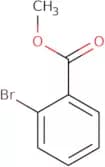
Formula:C7H4OS2Purity:Min. 95%Color and Shape:PowderMolecular weight:168.24 g/molMethyl 2-bromobenzoate
CAS:Methyl 2-bromobenzoate is a chemical compound that can be used as a light emitting material. It is also used as a component of organic electrochemical cells (OECs) for the conversion of solar energy to electricity and can be used in the treatment of hepatitis. The reaction product is generated from the reaction of the halide with benzoate and light, which leads to an emission spectrum in the visible region. Methyl 2-bromobenzoate has been shown to be an efficient catalyst for Friedel-Crafts reactions, and it's pharmacokinetic properties have been studied in rats.
Methyl 2-bromobenzoate can also be used as a solid catalyst for the synthesis of bicyclic heterocycles.Formula:C8H7BrO2Purity:Min. 95%Color and Shape:Colorless Clear LiquidMolecular weight:215.04 g/molRef: 3D-FM36905
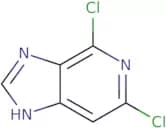
Discontinued product2,6-Dichloro-3-deazapurine
CAS:2,6-Dichloro-3-deazapurine is an isomer of the nucleoside guanosine. It has been shown to inhibit the synthesis of viruses in cell cultures and may be useful in the treatment of leukemia. The synthesis of 2,6-dichloro-3-deazapurine can be achieved through a solid-phase synthesis that uses synthons as starting materials. The molecular modelling studies have shown that this molecule has a potential to bind to adenosine receptor subtypes A2a, A2b, and A3.
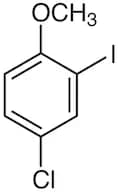
Formula:C6H3Cl2N3Purity:Min. 95%Color and Shape:Off-White PowderMolecular weight:188.02 g/mol4-Chloro-2-iodoanisole
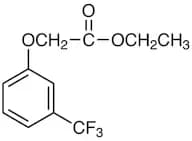
CAS:Formula:C7H6ClIOPurity:>98.0%(GC)Color and Shape:White or Colorless to Orange to Green powder to lump to clear liquidMolecular weight:268.48Ethyl 3-(Trifluoromethyl)phenoxyacetate
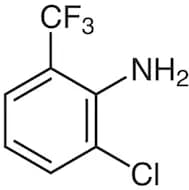
CAS:Formula:C11H11F3O3Purity:>95.0%(GC)Color and Shape:Light yellow to Yellow to Orange clear liquidMolecular weight:248.202-Amino-3-chlorobenzotrifluoride
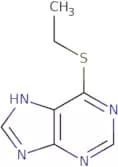
CAS:Formula:C7H5ClF3NPurity:>97.0%(GC)Color and Shape:Colorless to Almost colorless clear liquidMolecular weight:195.576-Ethylmercaptopurine
CAS:6-Ethylmercaptopurine is a purine analogue that inhibits the synthesis of DNA. It is used as an inhibitor of protein synthesis and in the treatment of inflammatory bowel disease. 6-Ethylmercaptopurine has been shown to inhibit the activity of ATPase, which may be responsible for its ability to suppress the proliferation of cells. This drug can also act as an analog to adenosine, which can be used to determine ATP levels in a cell or tissue sample by measuring the amount of p-nitrophenyl phosphate produced. 6-Ethylmercaptopurine has been shown to block phosphatase activity, which may lead to inflammation in some cases.
6-Ethylmercaptopurine has a molecular weight of 194.2 g/mol and an optimum pH of 4.5Formula:C7H8N4SPurity:Min. 95%Color and Shape:Off-White PowderMolecular weight:180.23 g/molRef: 3D-FE08008
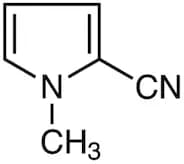
Discontinued product1-Methylpyrrole-2-carbonitrile
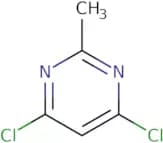
CAS:Formula:C6H6N2Purity:>98.0%(GC)Color and Shape:Colorless to Light yellow clear liquidMolecular weight:106.134,6-Dichloro-2-methylpyrimidine
CAS:2-Chloro-6-methylaniline is a synthetic compound that has been used in the synthesis of medicines, such as dasatinib. It is a nucleophile that binds to the receptor site on cells and blocks the binding of natural hormones. It is also an inhibitor of certain enzymes, including RNA polymerase and protein kinase. 2-Chloro-6-methylaniline is industrially produced by reacting sodium chloride with chlorosulfonic acid or hydrochloric acid in an autoclave at a temperature of 180 °C for three hours. The product can be purified by adding magnesium oxide and activated with hydrochloric acid to form 2-chloro-6-methylpyrimidine. The main impurities are 4,6-dichloro2 methylpyrimidine and 6,8 dichloro2 methylpyrimidine.
Formula:C5H4Cl2N2Purity:Min. 95%Color and Shape:White To Yellow SolidMolecular weight:163 g/molRef: 3D-FD11549
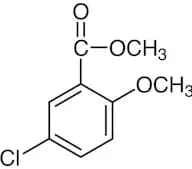
Discontinued productMethyl 5-Chloro-2-methoxybenzoate
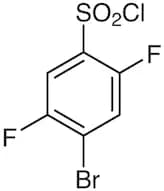
CAS:Formula:C9H9ClO3Purity:>97.0%(GC)Color and Shape:Colorless to Light orange to Yellow clear liquidMolecular weight:200.624-Bromo-2,5-difluorobenzenesulfonyl Chloride
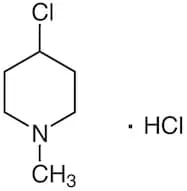
CAS:Formula:C6H2BrClF2O2SPurity:>98.0%(GC)(T)Color and Shape:White to Light yellow to Light orange powder to crystalMolecular weight:291.494-Chloro-1-methylpiperidine Hydrochloride
CAS:Formula:C6H12ClN·HClPurity:>98.0%(T)Color and Shape:White to Light yellow powder to crystalMolecular weight:170.08Adamantane-2-carboxylic acid
CAS:Adamantane-2-carboxylic acid is a synthetic polymer that is used as a matrix in molecular electrostatic potential flow chromatography. Adamantane-2-carboxylic acid has been shown to form a polymeric matrix with trifluoromethyl groups and carbon tetrachloride, which can be used to separate neurotensin receptor agonists from dopamine antagonists. This compound also has the ability to cross the blood-brain barrier and bind to dopamine receptors, which may be useful for controlling diabetes. Adamantane-2-carboxylic acid is also an organic solvent and can be used as an alternative to chlorinated solvents such as carbon tetrachloride for environmental pollution control.
Formula:C11H16O2Purity:Min. 95%Color and Shape:White PowderMolecular weight:180.24 g/molRef: 3D-FA13138
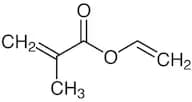
Discontinued productVinyl Methacrylate (stabilized with MEHQ)
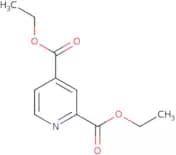
CAS:Formula:C6H8O2Purity:>98.0%(GC)Color and Shape:Colorless clear liquidMolecular weight:112.132,4-Pyridinedicarboxylic acid diethyl ester
CAS:2,4-Pyridinedicarboxylic acid diethyl ester is an aliphatic hydrocarbon that has been shown to be a potent active oxygen scavenger. It has also been shown to inhibit the uptake of fatty acids and organic anions by tubule cells in the liver, as well as to reduce collagen breakdown in the endoplasmic reticulum. This compound is converted into pyridinedicarboxylic acid, which inhibits hepcidin production and thus increases iron absorption. 2,4-Pyridinedicarboxylic acid diethyl ester also has a biochemical profile that is similar to that of a lipophilic fatty acid ester.
Formula:C11H13NO4Purity:Min. 95%Color and Shape:Colorless PowderMolecular weight:223.23 g/molRef: 3D-FP138504
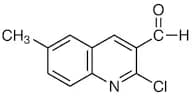
Discontinued product2-Chloro-6-methylquinoline-3-carboxaldehyde
CAS:Formula:C11H8ClNOPurity:>96.0%(GC)Color and Shape:Light orange to Yellow to Green powder to crystalMolecular weight:205.642-Chloro-5-(trifluoromethyl)phenol
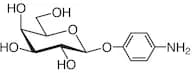
CAS:Formula:C7H4ClF3OPurity:>98.0%(GC)Color and Shape:Light orange to Yellow to Green clear liquidMolecular weight:196.554-Aminophenyl β-D-Galactopyranoside
CAS:Formula:C12H17NO6Purity:>98.0%(HPLC)Color and Shape:White to Almost white powder to crystalMolecular weight:271.272-Amino-6-fluorobenzoic acid
CAS:Intermediate in the synthesis of idelalisib
Formula:C7H6FNO2Purity:Min. 98 Area-%Color and Shape:PowderMolecular weight:155.13 g/molRef: 3D-FA11268
Discontinued product5-Chloro-2-phenyl-1H-imidazole-4-carboxaldehyde
CAS:Formula:C10H7ClN2OPurity:>97.0%(HPLC)(N)Color and Shape:Orange to Amber to Dark red powder to crystalMolecular weight:206.632,6-Pyridinedicarboxylic acid dimethyl ester
CAS:2,6-Pyridinedicarboxylic acid dimethyl ester is a drug that has shown anticancer activity in animal models. It binds to DNA, forming a ternary complex with the DNA and the enzyme topoisomerase I. The binding of this drug to the enzyme prevents it from breaking the DNA strands during replication, causing the cell to die. It has been shown that 2,6-pyridinedicarboxylic acid dimethyl ester can be used as a non-competitive inhibitor of topoisomerase I. Furthermore, it has been demonstrated that 2,6-pyridinedicarboxylic acid dimethyl ester is able to bind to human endometrial cancer cells with high affinity. Finally, 2,6-pyridinedicarboxylic acid dimethyl ester was found in x-ray crystal structures of complexes with hydrogen bonds and low activation enthalpy and entropy.
Formula:C9H9NO4Purity:Min. 95%Color and Shape:White PowderMolecular weight:195.17 g/molRef: 3D-FP44227
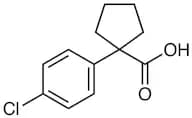
Discontinued product1-(4-Chlorophenyl)-1-cyclopentanecarboxylic Acid
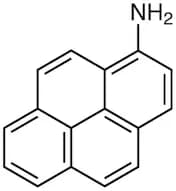
CAS:Formula:C12H13ClO2Purity:>98.0%(GC)(T)Color and Shape:White to Almost white powder to crystalMolecular weight:224.681-Aminopyrene (purified by sublimation)
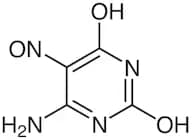
CAS:Formula:C16H11NPurity:>99.0%(T)(HPLC)Color and Shape:Light yellow to Amber to Dark green powder to crystalMolecular weight:217.274-Amino-2,6-dihydroxy-5-nitrosopyrimidine
CAS:Formula:C4H4N4O3Purity:>93.0%(HPLC)Color and Shape:Red to Purple powder to crystalMolecular weight:156.102-Nonene (cis- and trans- mixture)
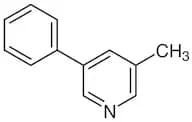
CAS:Formula:C9H18Purity:>94.0%(GC)Color and Shape:Colorless to Almost colorless clear liquidMolecular weight:126.243-Methyl-5-phenylpyridine
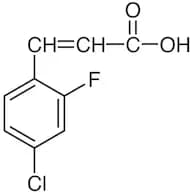
CAS:Formula:C12H11NPurity:>95.0%(GC)Color and Shape:Light yellow to Brown to Dark green clear liquidMolecular weight:169.234-Chloro-2-fluorocinnamic Acid
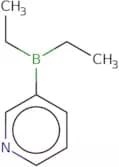
CAS:Formula:C9H6ClFO2Purity:>97.0%(GC)(T)Color and Shape:White to Almost white powder to crystalMolecular weight:200.593-(Diethylboryl) pyridine
CAS:3-(Diethylboryl) pyridine is a halogenated biphenyl. It is used in the synthesis of 3-aryl substituted pyridines by cross-coupling reactions with aryl iodides, bromides and chlorides. Cross-coupling reactions are usually carried out at low temperatures (0 to 20°C) in order to minimize side reactions. The reaction is usually conducted in a biphasic system containing an organic solvent and water, which facilitates the extraction of the product from the mixture. 3-(Diethylboryl) pyridine reacts with halide ions via an electrophilic substitution reaction to form a reactive intermediate, which reacts with palladium catalyst to produce the desired product. This process is also called catalytic hydrogenation. 3-(Diethylboryl) pyridine has been shown to inhibit human cytochrome P450 enzymes, which are involved in drug metabolism and break down drugs
Formula:C9H14BNPurity:Min. 95%Color and Shape:PowderMolecular weight:147.03 g/molRef: 3D-FD29987
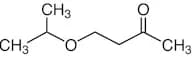
Discontinued product4-Isopropoxy-2-butanone
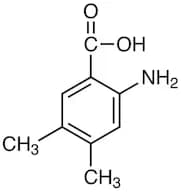
CAS:Formula:C7H14O2Purity:>98.0%(GC)Color and Shape:Colorless to Almost colorless clear liquidMolecular weight:130.192-Amino-4,5-dimethylbenzoic Acid
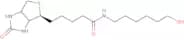
CAS:Formula:C9H11NO2Purity:>97.0%(T)(HPLC)Color and Shape:White to Yellow powder to crystalMolecular weight:165.196-N-Biotinylaminohexanol
CAS:6-N-Biotinylaminohexanol is a fine chemical that is used as a reagent or as a speciality chemical in research. This compound has also been shown to be a versatile building block for the synthesis of complex compounds and useful scaffolds for medicinal chemistry. 6-N-Biotinylaminohexanol is soluble in organic solvents, such as alcohols and ethers, but insoluble in water. It can be used as an intermediate in organic synthesis or as a reactant for the preparation of other chemicals.
Formula:C16H29N3O3SPurity:Min. 95%Color and Shape:PowderMolecular weight:343.49 g/molRef: 3D-FB18627
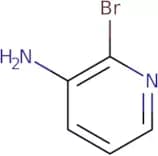
Discontinued product3-Amino-2-bromopyridine
CAS:3-Amino-2-bromopyridine is a synthetic compound that has been found to be a potential antitumor agent. It undergoes a palladium-catalyzed coupling reaction with 3-phenylpropene, forming an amide. The reaction yield is dependent on the temperature of the reaction, which must be low enough for the desired product to form. 3-Amino-2-bromopyridine has been shown to possess pharmacokinetic properties and can be transported by amide, hydroxyl, and carboxyl groups. This compound also undergoes acid formation reactions at elevated temperatures.
Formula:C5H5BrN2Purity:Min. 95%Color and Shape:White PowderMolecular weight:173.01 g/molRef: 3D-FA50747
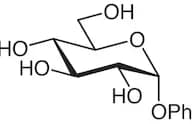
Discontinued productPhenyl α-D-Glucopyranoside
CAS:Formula:C12H16O6Purity:>97.0%(GC)Color and Shape:White to Light yellow powder to crystalMolecular weight:256.252-[1,2,4]Triazol-1-yl-benzylamine
CAS:2-[1,2,4]Triazol-1-yl-benzylamine is a chemical compound that has been shown to be an excellent reagent in organic synthesis. It is also used as a building block for the synthesis of compounds related to pharmaceuticals, pesticides and other speciality chemicals. 2-[1,2,4]Triazol-1-yl-benzylamine is a versatile intermediate that can be used in the synthesis of complex compounds with good yields and high purity.
Formula:C9H10N4Purity:Min. 95%Color and Shape:PowderMolecular weight:174.2 g/molRef: 3D-FT50933
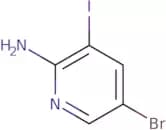
Discontinued product2-Amino-5-bromo-3-iodopyridine
CAS:2-Amino-5-bromo-3-iodopyridine (2AB3IP) is a cacchi anthelmintic that is active against the trophozoites of Giardia lamblia. 2AB3IP also has antimicrobial properties, but is not active against bacteria. The high lipophilicity and pharmacokinetic properties of this drug make it a potential therapeutic candidate for the treatment of giardiasis. The mechanism of action of 2AB3IP is mediated by potassium t-butoxide, which activates the drug to form its reactive intermediate. This intermediate reacts with DNA in the parasite to form covalent adducts. This process leads to inhibition of RNA synthesis and subsequent cell death.
Formula:C5H4BrIN2Purity:Min. 95%Color and Shape:White to tan solid.Molecular weight:298.9 g/molRef: 3D-FA09641
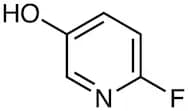
Discontinued product2-Fluoro-5-hydroxypyridine
CAS:Formula:C5H4FNOPurity:>98.0%(GC)(T)Color and Shape:White to Almost white powder to crystalMolecular weight:113.09



![1-[3-(2,2,2-Trifluoroethoxy)propyl]piperazine](/_next/image/?url=https%3A%2Fstatic.cymitquimica.com%2Fproducts%2F3D%2Fthumb-webp%2FIYB42034.webp&w=3840&q=75)

![Thieno[3,2,-b]thiophene-2-carbaldehyde](/_next/image/?url=https%3A%2Fstatic.cymitquimica.com%2Fproducts%2F3D%2Fthumb-webp%2FFT33133.webp&w=3840&q=75)






![2-[1,2,4]Triazol-1-yl-benzylamine](/_next/image/?url=https%3A%2Fstatic.cymitquimica.com%2Fproducts%2F3D%2Fthumb-webp%2FFT50933.webp&w=3840&q=75)