Building Blocks
Subcategories of "Building Blocks"
- Boronic Acids & Boronic Acid Derivatives(5,780 products)
- Chiral Building Blocks(1,241 products)
- Hydrocarbon Building Blocks(6,100 products)
- Organic Building Blocks(61,029 products)
Found 205306 products of "Building Blocks"
tert-Butyl N-[1-(N'-hydroxycarbamimidoyl)-2-methylpropyl]carbamate
CAS:Versatile small molecule scaffoldFormula:C10H21N3O3Purity:Min. 95%Molecular weight:231.29 g/molRef: 3D-AAB83948
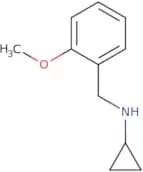
Discontinued productN-(2-Methoxybenzyl)cyclopropanamine
CAS:Versatile small molecule scaffold
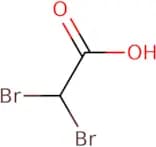
Formula:C11H15NOPurity:Min. 95%Molecular weight:177.24 g/molDibromoacetic Acid
CAS:Dibromoacetic acid is a genotoxic chemical that is used to form an acid. It has been shown to have toxic effects on the testes, and can also cause liver damage. Dibromoacetic acid binds to DNA and alters its structure by forming bromoacetic adducts. The binding of dibromoacetic acid to DNA alters the way in which it replicates, leading to mutations. This compound has been detected in human plasma at levels close to those seen in samples from people with occupational exposure, indicating that it may be found in the environment as well. Dibromoacetic acid has been shown to induce inflammation and increase toll-like receptor (TLR) expression through activation of NF-κB signaling pathways. It is able to do this because it contains a hydroxyl group, which allows for oxidation catalysts to bind with it easily.
Formula:C2H2Br2O2Purity:Min. 95%Molecular weight:217.84 g/molRef: 3D-AAA63164
Discontinued product1-Pentadecanol
CAS:1-Pentadecanol is a cyclase inhibitor that was first isolated from copper chloride. It has been shown to be an effective inhibitor of the enzyme cyclase, which catalyzes the conversion of cyclic AMP to cyclic GMP. 1-Pentadecanol can be used as a reference substance for electrochemical impedance spectroscopy. The compound also has odorant binding properties and can be used as a substrate in analytical methods for p-hydroxybenzoic acid and caproic acid. 1-Pentadecanol is found in many types of food, including cheese, chocolate, coffee, and wine.
Formula:C15H32OPurity:Min. 95%Molecular weight:228.41 g/molRef: 3D-AAA62976
Discontinued product1-Bromopentadecane-1-13C
CAS:1-Bromopentadecane-1-13C is a 13C labelled derivative of pentadecane that is used as a reactant in organic synthesis. It has been used to investigate the structural analysis of pyridinium, coumarin derivatives and alkynyl groups. This compound also has chain reaction properties and can be used to study the reactions of aromatic hydrocarbons. 1-Bromopentadecane-1-13C reacts with hydrogen chloride to form fatty acids, which are then converted into fatty acid chlorides by atp levels. The formation of these fatty acid chlorides is an important intermediate in the production of polychlorinated biphenyls (PCBs).
Formula:C15H31BrPurity:Min. 95%Molecular weight:292.31 g/mol1-Bromo-4-methylpentane
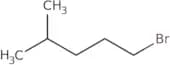
CAS:1-Bromo-4-methylpentane is a long-chain, dehydrohalogenated pheromone that has been shown to inhibit the growth of Leishmania by binding to the topoisomerase enzyme. This compound is synthesized from heptadecane and chloroacetonitrile in the presence of cuprate and tetrahydrofuran. 1-Bromo-4-methylpentane has also been shown to be an alkylating agent. It reacts with chloride, converting it into chloroform. The bromine atom on the carbon adjacent to the double bond then attacks a fatty acid, adding it to the molecule. The resulting alkoxycarbonyl group then reacts with a second fatty acid molecule, yielding a new 1-bromoalkoxycarbonyl group.
Formula:C6H13BrPurity:Min. 95%Molecular weight:165.07 g/molIodocyclohexane
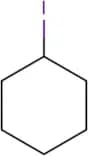
CAS:Iodocyclohexane is an antimicrobial agent that has the chemical formula CHClI. It is a colorless, volatile liquid which has been shown to have some antibacterial properties. Iodocyclohexane is not toxic when applied externally to the skin and has been used in medical devices such as eye drops, ointments, and ear drops. Iodocyclohexane is also used in agriculture as a fungicide. The chemical structure of iodocyclohexane includes a hydroxyl group (-OH) and a nitrogen atom (N). These two groups make it more resistant to degradation by bacteria or fungi. The presence of these two groups also provides iodocyclohexane with biological properties such as the ability to inhibit bacterial growth and prevent the formation of resistant mutant strains.
Formula:C6H11IPurity:Min. 95%Molecular weight:210.06 g/mol2-(Iodomethyl)oxirane
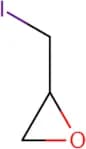
CAS:2-(Iodomethyl)oxirane is a chemical compound that contains a hydroxyl group, two nitrogen atoms, and a single hydrochloric acid molecule. It is not soluble in water and is only slightly soluble in organic solvents. 2-(Iodomethyl)oxirane can be used to remove pollutants from wastewater. This chemical reacts with the carboxylic acid groups on the pollutant molecules to form an ester. The ester can then be broken down by enzymes or by heating it to produce the original hydroxy group and carboxylic acid. 2-(Iodomethyl)oxirane has been shown to react with aliphatic hydrocarbons, naphthalene, fatty acids, alkynyl groups, alkanoic acids, and carbonyl groups.
Formula:C3H5IOPurity:Min. 95%Molecular weight:183.98 g/molRef: 3D-AAA62457
Discontinued productEthyl isobutyl ketone
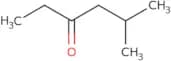
CAS:Ethyl isobutyl ketone, also known as acetone, belongs to the group of aliphatic ketones. It is a colorless and volatile liquid that has a sweet odor. Ethyl isobutyl ketone can be used in the synthesis of pharmaceuticals, dyes, and perfumes. In addition to this, it has shown to have properties of a solvent in organic chemistry and as an active oxygen source in electrochemical impedance spectroscopy. This product also has functional groups such as hydroxy and carbonyl groups that are responsible for its solvency in water and its viscosity. Nitro and hydroxyl groups on the other hand are responsible for its solvency in water vapor.
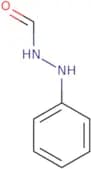
Formula:C7H14OPurity:Min. 95%Molecular weight:114.19 g/molN'-Phenylcarbohydrazide
CAS:N'-Phenylcarbohydrazide is an anion that binds to the nitrogen atom in the ammonium ion. It can be hydrolysed by a feedback inhibition mechanism. This compound has been used as a precursor for various analogues, often those of carbonyl compounds. N'-Phenylcarbohydrazide is also used as a reagent in organic synthesis and has been shown to inhibit bacterial growth when used at high concentrations.
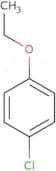
Formula:C7H8N2OPurity:Min. 95%Molecular weight:136.15 g/mol4-Chlorophenetole
CAS:4-Chlorophenetole is a colorless gas with a pungent odor that is soluble in water. It is used as an intermediate for organic synthesis, being converted to piperidine in the presence of sodium formate and hydrogen chloride. 4-Chlorophenetole can be prepared by reduction of naphthalene with sodium and ethylene or by treatment with sodium metal. 4-Chlorophenetole has been used as an insecticide but its toxicity to mammals has made it less desirable than other compounds. Its use as a fumigant has decreased due to its continued production of chlorides, which are toxic to humans.
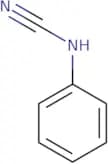
4-Chlorophenetole also reacts with dipolar molecules such as chlorides and gaseous chlorine to produce a constant emission of light at visible wavelengths (λ=548 nm).Formula:C8H9ClOPurity:Min. 95%Molecular weight:156.61 g/molN-Phenylcyanamide
CAS:N-Phenylcyanamide is a nitrogen-containing compound that has been shown to have biological properties. It binds to the mitochondria and inhibits the mitochondrial membrane potential, which is required for cell division, leading to the death of cancer cells in cervical cancer. N-Phenylcyanamide also reacts with human serum and forms a crystalline product, which has been shown to be reactive in solution. The structure of this product is determined by crystallography.
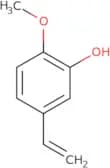
Formula:C7H6N2Purity:Min. 95%Molecular weight:118.14 g/mol5-Ethenyl-2-methoxyphenol
CAS:5-Ethenyl-2-methoxyphenol is a volatile compound that has been isolated from the bark of the cinnamon tree. It has shown anticancer activities "in vitro" and "in vivo". 5-Ethenyl-2-methoxyphenol has been shown to be demethylated by cytochrome P450 enzymes, which may result in its antitumor activity. This active compound can also be detected in postharvested fruit and vegetables as well as processed foods such as apple juice, tomato sauce, and dried fruits. 5-Ethenyl-2-methoxyphenol is responsible for the characteristic flavor of cinnamon, so it is often used as a flavoring agent in food processing.
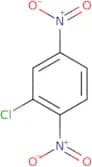
Formula:C9H10O2Purity:Min. 95%Color and Shape:PowderMolecular weight:150.17 g/mol2-Chloro-1,4-dinitrobenzene
CAS:Versatile small molecule scaffold
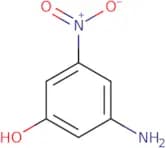
Formula:C6H3ClN2O4Purity:Min. 95%Molecular weight:202.55 g/mol3-Amino-5-nitrophenol
CAS:Versatile small molecule scaffold
Formula:C6H6N2O3Purity:Min. 95%Molecular weight:154.12 g/molRef: 3D-AAA61864
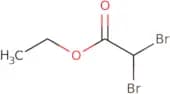
Discontinued productAcetic acid, dibromo-, ethyl ester
CAS:Acetic acid, dibromo-, ethyl ester is a reactive molecule that can be used as a nucleophilic substituent. It has hydroxyl group and ruthenium complex. It is a particle that can be used in the production of monoclonal antibodies. Acetic acid, dibromo-, ethyl ester also has viscosity and polycarboxylic acid. This chemical reacts with β-unsaturated ketones to form polymerization initiator. Acetic acid, dibromo-, ethyl ester also has carbonyl group and monoclonal antibodies. Acetic acid, dibromo-, ethyl ester can be conjugated with ethyl bromoacetate to produce conjugates.
Formula:C4H6Br2O2Purity:Min. 95%Molecular weight:245.9 g/mol2-[(3-Nitrophenyl)formamido]acetic acid
CAS:2-[(3-Nitrophenyl)formamido]acetic acid (2NPA) is a modifying agent that has been used in the modification of carboxyl groups. It can react with nucleophiles to form adducts and with carbodiimides to form ureas. 2NPA reacts with amino acids, peptides, and other nitrogenous compounds at their carboxyl groups to form ester or amide bonds. The nature of the residues after modification varies depending on the nature of the carboxyl group that was modified.
Formula:C9H8N2O5Purity:Min. 95%Molecular weight:224.17 g/molRef: 3D-AAA61710
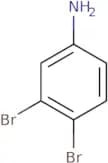
Discontinued product3,4-Dibromoaniline
CAS:3,4-Dibromoaniline is an organic compound that has been shown to be a potential anti-cancer drug. It inhibits the growth of cancer cells by interfering with their metabolism and DNA synthesis. 3,4-Dibromoaniline also inhibits the growth of bacteria in the environment, and can be recycled for use as a feedstock for chemical synthesis. This compound may have potential uses in other areas of biology as well, such as in testing mouse strains or biphenyls.
Formula:C6H5Br2NPurity:Min. 95%Molecular weight:250.92 g/mol1-Ethoxy-2-iodobenzene
CAS:1-Ethoxy-2-iodobenzene is a model complex that has been used to study the interactions between copper ions and chlorine atoms. The complexes are found in the chlorobenzene molecule, which is itself an organometallic compound. The covalent bonds in this complex are unsymmetrical, with a higher electron density on the carbon atom of the ethoxy group. 1-Ethoxy-2-iodobenzene has been shown to be carcinogenic, inducing mutations in ovary cells. This may be due to its interaction with DNA and interference with transcription.
Formula:C8H9IOPurity:Min. 95%Molecular weight:248.06 g/molRef: 3D-AAA61473
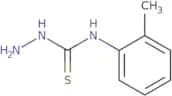
Discontinued product4-(2-Methylphenyl)-3-thiosemicarbazide
CAS:4-(2-Methylphenyl)-3-thiosemicarbazide is a crystalline solid that belongs to the group of benzoic acid derivatives. It has an orthorhombic crystal structure, with a yellow color. The crystals are measured at room temperature, and it has an atomic weight of 197.11 g/mol. 4-(2-Methylphenyl)-3-thiosemicarbazide is stable in air and in solution, but decomposes at temperatures above 250°C. This compound has been studied by using X-ray diffraction measurements and Bruker parameters. Its isotropic radiation is recorded at the following wavelength: 1.5418 Å (1).
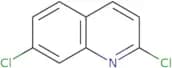
Formula:C8H11N3SPurity:Min. 95%Molecular weight:181.26 g/mol2,7-Dichloroquinoline
CAS:2,7-Dichloroquinoline is a quinoline derivative that has been synthesized to be a potential drug. The molecule is structurally similar to the natural bioactive molecule called adenosine, which is involved in many cellular processes. The 2,7-dichloroquinoline has been shown to have anti-inflammatory properties and may also have anticancer activity. It was identified as an inhibitor of protein kinase C and as a potent inhibitor of angiogenesis. This drug has also been shown to inhibit the growth of bacteria and fungi, which may be due to its ability to form covalent bonds with nucleophiles such as anions or azides.
Formula:C9H5Cl2NPurity:Min. 95%Molecular weight:198.05 g/molRef: 3D-AAA61377
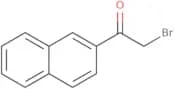
Discontinued product2-Bromo-2²-acetonaphthone
CAS:2-Bromo-2²-acetonaphthone (2BA) is a chemical compound belonging to the group of naphthalene derivatives. It has significant inhibitory activities against bacteria, fungi, and protozoans. The 2BA molecule is an antimicrobial agent that binds to fatty acids in the cell membrane and inhibits the synthesis of fatty acids in the mitochondria. This leads to cell death by inhibiting protein synthesis and cell division. 2BA has also been shown to have anti-inflammatory properties, which may be due to its inhibition of prostaglandin synthesis. The chemical structure of 2BA can be found below:
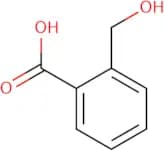
Formula:C10H7COCH2BrPurity:Min. 95%Molecular weight:249.1 g/mol2-(Hydroxymethyl)benzoic acid
CAS:2-(Hydroxymethyl)benzoic acid is a molecule that can be found in the human liver. It is a metabolite of the drug 2-hydroxybenzoic acid, which inhibits bacterial growth by binding to DNA-dependent RNA polymerase, thereby preventing transcription and replication. The high frequency of human activity has been shown using a patch-clamp technique on human erythrocytes. This active form is metabolized through a number of metabolic transformations, including hydrolysis by esterases or glucuronidases, oxidation by cytochrome P450 enzymes, reduction by glutathione reductase, or conjugation with glucuronic acid. 2-(Hydroxymethyl)benzoic acid also specifically binds to markers expressed at high levels in Mycobacterium tuberculosis strains (e.g., ESX-1 secretion system protein) and inhibits cell growth in culture.
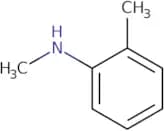
Formula:C8H8O3Purity:Min. 95%Molecular weight:152.15 g/molN-Methyl-o-toluidine
CAS:N-Methyl-o-toluidine is an alkylating agent that can be used in the synthesis of a variety of organic compounds. It is a carboxylate compound with a C=O group and an amine group, which makes it susceptible to autoprotolysis. N-Methyl-o-toluidine is used as a precursor for other compounds, such as dyes and pharmaceuticals. The exciplex formed between N-methyl-o-toluidine and nitrogen dioxide can be detected using ultraviolet absorption spectroscopy. This compound has been shown to have activation energy of 23 kcal/mol at temperatures above 100°C and below 300°C. Techniques used to measure the activation energy include butyllithium and supercritical fluid techniques.
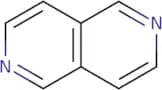
Formula:C8H11NPurity:Min. 95%Molecular weight:121.18 g/mol2,6-Naphthyridine
CAS:2,6-Naphthyridine is a small molecule that binds to the response elements in the promoter region of genes and alters gene expression. This compound has been shown to affect the brain cells and may be useful for treating brain diseases such as Parkinson's disease. 2,6-Naphthyridine has also been shown to have vibrational properties that can be used in spectroscopy. The compound has been shown to cause cardiac hypertrophy in rats when given at high doses. 2,6-Naphthyridine is a competitive inhibitor of ferroptosis protein binding and inhibits human proteins. It also inhibits the synthesis of naphthalene, which is known for its carcinogenic potential. 2,6-Naphthyridine has been shown to have sublethal effects on organisms such as yeast and nematodes; however, it was not toxic to mice or rats at low doses.
Formula:C8H6N2Purity:Min. 95%Molecular weight:130.15 g/molRef: 3D-AAA25350
Discontinued productImidazo[4,3-b][1,3]thiazole
CAS:Imidazo[4,3-b][1,3]thiazole is a heterocyclic aromatic compound. It is stable in air and water, but hydrolyzes in alkaline media to form an alkylthio that is relatively stable. Imidazo[4,3-b][1,3]thiazole has been shown to have antibacterial activity against enterococci and β-lactamase-producing strains of bacteria. It has been used as a component of topical ointments for the treatment of skin infections caused by gram-positive bacteria. Imidazo[4,3-b][1,3]thiazole also has antiviral properties and can be used as a component of influenza vaccines. This drug may also act as a nitroaromatic explosive or as an antimicrobial agent when it reacts with carbapenems such as ertapenem or doripenem.
Formula:C5H4N2SPurity:Min. 95%Molecular weight:124.17 g/molRef: 3D-AAA25189
Discontinued product1-Oxaspiro[2.6]nonane
CAS:Versatile small molecule scaffold
Formula:C8H14OPurity:Min. 95%Molecular weight:126.2 g/mol2-Azaspiro[5.5]undecane
CAS:2-Azaspiro[5.5]undecane is a perchlorate amide, which is a quinoline derivative. It has been used in the synthesis of spirocyclic compounds and yields high yields, including carbon-carbon bonds. 2-Azaspiro[5.5]undecane can be used in the synthesis of aliphatic alcohols and formaldehyde, which is also a chemical known as an aliphatic or an alcohol. 2-Azaspiro[5.5]undecane can also be used in the synthesis of phthalimide and 2-naphthylamine, both of which are organic compounds that belong to the class of aliphatic amines.
Formula:C10H19NPurity:Min. 95%Molecular weight:153.26 g/molRef: 3D-AAA18048
Discontinued product2,8-Diazaspiro[4.5]decane
CAS:2,8-Diazaspiro[4.5]decane is a competitive antagonist of the receptor α-adrenergic. It has been shown to significantly activate ATP-binding cassette transporter proteins in bone cells and increase bone mass. 2,8-Diazaspiro[4.5]decane is also an enantiomer that can be used for the treatment of cancer, as well as other diseases such as depression and anxiety. The pharmacokinetic properties of this drug have been studied in rats and mice with significant concentration levels achieved in plasma after 1 hour. The half-life of 2,8-Diazaspiro[4.5]decane is 3 hours and it is metabolized by hydrolysis by carboxylesterase or hydroxylase enzymes to form an inactive compound.
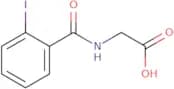
Formula:C8H16N2Purity:Min. 95%Molecular weight:140.23 g/mol2-Iodohippuric acid
CAS:2-Iodohippuric acid (2HPA) is a diagnostic agent that is used to measure the renal function of patients with chronic kidney disease. It is a radionuclide that is taken up by the renal tubules and excreted in the urine. 2HPA has been shown to be effective in diagnosing acute renal injury and chronic kidney disease, as well as estimating the glomerular filtration rate (GFR). This drug binds to metals such as cadmium, mercury, lead, and nickel and can be used for the treatment of metal poisoning. 2HPA has been shown to have a pharmacokinetic profile that includes a rapid uptake phase followed by an elimination phase with a half-life of approximately 9 hours.
Formula:IC6H4CONHCH2CO2HPurity:Min. 95%Molecular weight:305.07 g/molButyl benzoate
CAS:Butyl benzoate is a glycol ester that is used as a chemical solvent and as a catalyst for chemical reactions. It has been shown to be an effective catalyst for the synthesis of polymers, such as polybutylene terephthalate (PBT), from the monomers butanediol and terephthalic acid. Butyl benzoate also has been used in the production of fatty acids and pharmaceuticals, such as warfarin. The activation energy for butyl benzoate is 10.5 kJ/mol, which is higher than the activation energy for water at 10.2 kJ/mol.
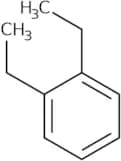
Formula:C11H14O2Purity:Min. 95%Molecular weight:178.23 g/mol1,2-Diethylbenzene
CAS:1,2-Diethylbenzene is a trifluoroacetic acid derivative that is used as an acylation agent and a solid catalyst. 1,2-Diethylbenzene has been shown to increase the energy metabolism in cultured human cells. It also influences fatty acid synthesis and nmr spectra of plant families. 1,2-Diethylbenzene was found to be safe for use in sciatic nerve regeneration in Sprague-Dawley rats with axonopathy. This chemical can also be used as an analytical reagent for the separation of urine samples by liquid chromatography methods.
Formula:C10H14Purity:Min. 95%Molecular weight:134.22 g/molDiallylamine
CAS:Diallylamine is a colorless, volatile liquid that is miscible with water and most organic solvents. It is chemically stable and has a constant boiling point. Diallylamine has the ability to bind nitrogen atoms from the air and transfer them to other substances. It can also react with trifluoroacetic acid in the presence of water vapor to produce polymers and particles. This reaction mechanism is determined by structural analysis, which shows that diallylamine has an ester hydrochloride linkage between two fatty acids with hydroxyl groups on each end.
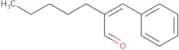
Formula:C8H17NPurity:Min. 95%Molecular weight:127.23 g/mol±-Amylcinnamaldehyde
CAS:±-Amylcinnamaldehyde is a hydrocarbon that has been used as a fragrance and flavoring agent. The compound is found naturally in plants such as cinnamon, nutmeg, and cumin. It can be synthesized from acetone and benzaldehyde by the reaction of trifluoroacetic acid. ±-Amylcinnamaldehyde has been shown to stimulate growth factor production and to inhibit the growth of bacteria. This compound has also been shown to possess detergent compositions for use in detergent compositions, including hypochlorite-based detergents. The chemical structure of ±-Amylcinnamaldehyde is shown below: CH3COCH=CH2 ±-AMYLCINNAMALDEHYDE Molecular Weight: 180.25 Boiling Point: n/a Melting Point: n/a Density: 1.00 g/mL at 25°C
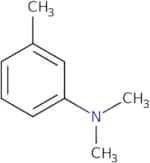
Formula:C14H18OPurity:90%MinMolecular weight:202.3 g/molN,N,3-Trimethylaniline
CAS:N,N,3-Trimethylaniline is a precursor for the production of 3-isopropylaniline. The compound is an isomer of trimethylamine. N,N,3-trimethylaniline undergoes cationic polymerization with acrylonitrile to produce a polyacrylonitrile. It also reacts with cellulose acetate to form cellulose nitrate. This compound has been shown to be useful in the synthesis of anthracene and peroxide. It can be used as a reagent for the demethylation of phenols and quinones.
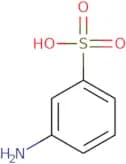
Formula:C9H13NPurity:Min. 95%Molecular weight:135.21 g/mol3-Aminobenzenesulfonic acid
CAS:3-Aminobenzenesulfonic acid (ABAS) is a chemical that belongs to the group of inhibitor molecules. It has been shown to be an efficient inhibitor of the enzyme carbonic anhydrase, which is essential for the conversion of CO2 to bicarbonate and protons. This inhibition causes a decrease in pH and increased thermal expansion, leading to increased permeability of water through cell walls. ABAS has also been shown to have antibacterial efficacy against bacteria such as Escherichia coli, Pseudomonas aeruginosa, and Staphylococcus aureus. Furthermore, it has been used in wastewater treatment due to its ability to break down organic matter into simpler compounds.
Formula:H2NC6H4SO3HPurity:Min. 95%Molecular weight:173.19 g/mol1,10-Diazatricyclo[6.4.1.0,4,13]trideca-2,4,6,8(13)-tetraene
CAS:Versatile small molecule scaffoldFormula:C11H12N2Purity:Min. 95%Molecular weight:172.23 g/mol2-(3-Carbamoylphenyl)acetic acid
CAS:Versatile small molecule scaffold
Formula:C9H9NO3Purity:Min. 95%Molecular weight:179.17 g/molRef: 3D-ZVB38798
Discontinued product6,7-dihydro-1h-indazol-4(5h)-one
CAS:6,7-dihydro-1h-indazol-4(5h)-one is a chemical compound that has various applications. It is commonly used in research as a cyanobacterial inhibitor, particularly against hydrogen fluoride and elastomeric nodularin. This compound has been found to induce lysis of cyanobacterial cells and can be used in the development of antibodies against microcystins. Additionally, 6,7-dihydro-1h-indazol-4(5h)-one has shown potential antimicrobial activity against Pseudomonas aeruginosa, inhibiting its growth by disrupting chloride transport. It is also utilized in surface treatment processes and as a research chemical for the synthesis of lactones and oligosaccharides. Its versatility makes it a valuable compound for various scientific applications.
Formula:C7H8N2OPurity:Min. 95%Molecular weight:136.15 g/mol4-Bromo-2-(4-fluorophenoxy)benzoic acid
CAS:Versatile small molecule scaffold
Formula:C13H8BrFO3Purity:Min. 95%Molecular weight:311.1 g/molRef: 3D-ZTB68777
Discontinued product3-(1-Methyl-1H-1,2,3,4-tetrazol-5-yl)benzene-1-sulfonyl chloride
CAS:Versatile small molecule scaffold
Formula:C8H7ClN4O2SPurity:Min. 95%Molecular weight:258.69 g/molRef: 3D-ZTB66066
Discontinued product4-[4-(2-Methoxyethyl)phenoxy]aniline
CAS:Versatile small molecule scaffold
Formula:C15H17NO2Purity:Min. 95%Molecular weight:243.3 g/molMethyl oxane-4-carbothioate
CAS:Versatile small molecule scaffold
Formula:C7H12O2SPurity:Min. 95%Molecular weight:160.2 g/mol[1-(3-Bromophenyl)ethyl](ethoxy)amine
CAS:Versatile small molecule scaffold
Formula:C10H14BrNOPurity:Min. 95%Molecular weight:244.13 g/molRef: 3D-ZLC73697
Discontinued product2-Bromo-5-(difluoromethyl)thiophene
CAS:Versatile small molecule scaffold
Formula:C5H3BrF2SPurity:Min. 95%Molecular weight:213.04 g/molN-(4-Fluorophenyl)aminosulfonamide
CAS:Versatile small molecule scaffold
Formula:C6H7FN2O2SPurity:Min. 95%Molecular weight:190.2 g/molRef: 3D-ZLB30489
Discontinued product5-Bromo-2-methylphenylboronic acid
CAS:Versatile small molecule scaffold
Formula:C7H8BBrO2Purity:Min. 95%Molecular weight:214.85 g/mol2-[3-(Hydroxymethyl)phenoxy]acetamide
CAS:Versatile small molecule scaffold
Formula:C9H11NO3Purity:Min. 95%Molecular weight:181.19 g/mol2-(2,6-Difluorophenyl)propanenitrile
CAS:Versatile small molecule scaffold
Formula:C9H7F2NPurity:Min. 95%Molecular weight:167.15 g/molRef: 3D-ZFA68018
Discontinued product(S)-N,N-Dimethyl-2-pyrrolidinecarboxamide hydrochloride
CAS:Versatile small molecule scaffold
Formula:C7H15ClN2OPurity:Min. 95%Molecular weight:178.66 g/molRef: 3D-ZFA59690
Discontinued product
![tert-Butyl N-[1-(N'-hydroxycarbamimidoyl)-2-methylpropyl]carbamate](/_next/image/?url=https%3A%2Fstatic.cymitquimica.com%2Fproducts%2F3D%2Fthumb-webp%2FAAB83948.webp&w=3840&q=75)



![2-[(3-Nitrophenyl)formamido]acetic acid](/_next/image/?url=https%3A%2Fstatic.cymitquimica.com%2Fproducts%2F3D%2Fthumb-webp%2FAAA61710.webp&w=3840&q=75)

![Imidazo[4,3-b][1,3]thiazole](/_next/image/?url=https%3A%2Fstatic.cymitquimica.com%2Fproducts%2F3D%2Fthumb-webp%2FAAA25189.webp&w=3840&q=75)
![1-Oxaspiro[2.6]nonane](/_next/image/?url=https%3A%2Fstatic.cymitquimica.com%2Fproducts%2F3D%2Fthumb-webp%2FAAA18585.webp&w=3840&q=75)
![2-Azaspiro[5.5]undecane](/_next/image/?url=https%3A%2Fstatic.cymitquimica.com%2Fproducts%2F3D%2Fthumb-webp%2FAAA18048.webp&w=3840&q=75)
![2,8-Diazaspiro[4.5]decane](/_next/image/?url=https%3A%2Fstatic.cymitquimica.com%2Fproducts%2F3D%2Fthumb-webp%2FAAA17667.webp&w=3840&q=75)


![1,10-Diazatricyclo[6.4.1.0,4,13]trideca-2,4,6,8(13)-tetraene](/_next/image/?url=https%3A%2Fstatic.cymitquimica.com%2Fproducts%2F3D%2Fthumb-webp%2FCBA15893.webp&w=3840&q=75)

![4-[4-(2-Methoxyethyl)phenoxy]aniline](/_next/image/?url=https%3A%2Fstatic.cymitquimica.com%2Fproducts%2F3D%2Fthumb-webp%2FZTB13023.webp&w=3840&q=75)

amine](/_next/image/?url=https%3A%2Fstatic.cymitquimica.com%2Fproducts%2F3D%2Fthumb-webp%2FZLC73697.webp&w=3840&q=75)


![2-[3-(Hydroxymethyl)phenoxy]acetamide](/_next/image/?url=https%3A%2Fstatic.cymitquimica.com%2Fproducts%2F3D%2Fthumb-webp%2FZFB19526.webp&w=3840&q=75)