Building Blocks
This section contains fundamental products for the synthesis of organic and biological compounds. Building blocks are the essential starting materials used to construct complex molecules through various chemical reactions. They play a critical role in drug discovery, material science, and chemical research. At CymitQuimica, we offer a diverse range of high-quality building blocks to support your innovative research and industrial projects, ensuring you have the essential components for successful synthesis.
Subcategories of "Building Blocks"
- Boronic Acids & Boronic Acid Derivatives(5,756 products)
- Chiral Building Blocks(1,242 products)
- Hydrocarbon Building Blocks(6,095 products)
- Organic Building Blocks(61,038 products)
Found 196817 products of "Building Blocks"
Sort by
Purity (%)
0
100
|
0
|
50
|
90
|
95
|
100
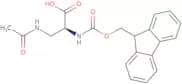
Fmoc-Dap(Ac)-OH
CAS:<p>Fmoc-Dap(Ac)-OH is a fine chemical that is used as a building block in the synthesis of complex compounds. It reacts with various nucleophiles to form an amide bond, and has been shown to be useful for both research and industrial applications. Fmoc-Dap(Ac)-OH can also be used as a reagent to synthesize peptides, which are biologically active compounds that form the basis of many drugs. This versatile intermediate is also used as a scaffold in the construction of more complex molecules. Fmoc-Dap(Ac)-OH has CAS No. 181952-29-4 and is classified as a speciality chemical by the International Union of Pure and Applied Chemistry (IUPAC).</p>Formula:C20H20N2O5Purity:Min. 95%Color and Shape:PowderMolecular weight:368.38 g/mol3-Fluoro-4-hydroxybenzonitrile
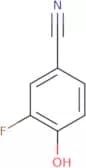
CAS:<p>3-Fluoro-4-hydroxybenzonitrile is a compound with an acidic ph and a strain that is dispersive, desorptive, and polyacrylamide gel. It is a colorless liquid at room temperature. 3-Fluoro-4-hydroxybenzonitrile has been shown to react with dodecyl inorganic base and hydrochloric acid to produce 3-fluoroaniline. The localization of the reaction yield is on hydrotalcite activated by fluorine. This chemical has been shown to react at temperatures between 0°C and 140°C.</p>Formula:C7H4FNOPurity:Min. 95%Color and Shape:White PowderMolecular weight:137.11 g/molFmoc-b-Ala-Ala-Pro-OH
CAS:<p>Fmoc-b-Ala-Ala-Pro-OH is a reaction component that can be used in the synthesis of peptides and other compounds. It is a building block for the preparation of complex compounds, such as small molecules, polymers and natural products. Fmoc-b-Ala-Ala-Pro-OH has been shown to be useful in the synthesis of various types of reagents, including antibiotics and pharmaceuticals. This chemical has been reported as a useful scaffold for the preparation of high quality research chemicals. Fmoc-b-Ala-Ala-Pro is also an intermediate in the synthesis of speciality chemicals and fine chemicals.</p>Formula:C26H29N3O6Purity:Min. 95%Color and Shape:White PowderMolecular weight:479.53 g/mol5-Boc-4H,5H,6H,7H,8H-pyrazolo[1,5-a][1,4]diazepine-2-carboxylic acid
CAS:<p>Versatile small molecule scaffold</p>Formula:C13H19N3O4Purity:Min. 95%Molecular weight:281.31 g/mol3,5-Dimethyl-4H-1,2,4-triazol-4-amine
CAS:<p>3,5-Dimethyl-4H-1,2,4-triazol-4-amine is a crystalline compound with antiproliferative and anti-inflammatory properties. It has been shown to inhibit the growth of cancer cells in vitro and in vivo. The mechanism of action is not fully understood but may be due to inhibition of DNA synthesis or by inhibiting the activity of topoisomerase II. 3,5-Dimethyl-4H-1,2,4-triazol-4-amine can also act as an antioxidant by scavenging reactive oxygen species (ROS). 3,5-Dimethyl-4H-1,2,4-triazol-4-amine has been shown to have a low toxicity in animals and humans.</p>Formula:C4H8N4Purity:Min. 95%Molecular weight:112.13 g/mol(2R,3S)-Benzyl 6-oxo-2,3-diphenylmorpholine-4-carboxylate
CAS:<p>(2R,3S)-Benzyl 6-oxo-2,3-diphenylmorpholine-4-carboxylate is a molecule with an enantioselective synthesis and a preparative method. It has been catalysed by chiral reagents such as chiral catalysts, chiral auxiliaries, and chiral ligands. This molecule can be synthesized in racemic form or in the form of its two enantiomers. The two enantiomers have different physical properties and biological activities. (2S,3S)-Benzyl 6-oxo-2,3-diphenylmorpholine-4-carboxylate is known to be an inhibitor of protein kinase C (PKC) that causes the release of intracellular calcium ions from cytoplasmic stores. The other enantiomer (2R,3S)-benzyl 6-oxo-2,3-d</p>Formula:C24H21NO4Purity:Min. 95%Molecular weight:387.43 g/mol(S)-2-(N-Boc-aminomethyl)morpholine
CAS:<p>Versatile small molecule scaffold</p>Formula:C10H20N2O3Purity:Min. 95%Molecular weight:216.27 g/mol3-Methoxy-1-methyl-1H-pyrazole-4-carbaldehyde
CAS:<p>Versatile small molecule scaffold</p>Formula:C6H8N2O2Purity:Min. 95%Color and Shape:PowderMolecular weight:140.14 g/mol4-[4-(Tetramethyl-1,3,2-dioxaborolan-2-yl)-1H-pyrazol-1-yl]pyridine
CAS:<p>Versatile small molecule scaffold</p>Formula:C14H18BN3O2Purity:Min. 95%Molecular weight:271.12 g/moltert-Butyl N-[3-(tetramethyl-1,3,2-dioxaborolan-2-yl)propyl]carbamate
CAS:<p>Versatile small molecule scaffold</p>Formula:C14H28BNO4Purity:Min. 95%Molecular weight:285.19 g/molN-Boc Palbociclib-d4
CAS:<p>Versatile small molecule scaffold</p>Formula:C29H33D4N7O4Purity:Min. 95%Molecular weight:551.67 g/mol1-Bromo-4-isobutylbenzene
CAS:<p>1-Bromo-4-isobutylbenzene is a ketone that can be synthesized by the reaction of benzene with acetonitrile in the presence of a catalytic amount of oxone. The synthesis is an example of an arylation, which is the addition of an aromatic group to another molecule. It has been shown experimentally that 1-bromo-4-isobutylbenzene undergoes a transition from the x-ray structure analysis to the crystal x-ray structure when dissolved in acetonitrile and heated to 100°C. The final product is then purified by recrystallization with ethylene as a solvent.</p>Formula:C10H13BrPurity:Min. 95%Molecular weight:213.11 g/mol5-Bromo-2,4-dimethoxypyridine
CAS:<p>Versatile small molecule scaffold</p>Formula:C7H8BrNO2Purity:Min. 95%Molecular weight:218.05 g/molMethyl 5-Hexynoate
CAS:<p>Methyl 5-hexynoate is a synthetic product that can be synthesized from soybean lipoxygenase and hydrogenation reduction. This product has been shown to be a useful synthon for the synthesis of monoclonal antibodies with high binding affinity. The synthetic pathway, which involves cross-coupling and asymmetric synthesis, is outlined in the diagram below. The following are the steps involved in the production of methyl 5-hexynoate: 1) Addition of ethyl bromide to terminal alkynes 2) Addition of hydrochloric acid 3) Reaction with potassium tert-butoxide 4) Hydrogenation reduction 5) Cross-coupling reaction 6) Asymmetric synthesis</p>Formula:C7H10O2Purity:Min. 95%Molecular weight:126.15 g/mol8-Chlorotetrazolo[1,5-A]pyrazine
CAS:<p>8-Chlorotetrazolo[1,5-A]pyrazine is a chlorine-containing compound. It is a heterocyclic aromatic organic compound and an important intermediate in the synthesis of other compounds. 8-Chlorotetrazolo[1,5-A]pyrazine is not found in nature. The elimination of chlorine from 8-chlorotetrazolo[1,5-A]pyrazine produces benzotriazole and the molecule tetrazole. 8-Chlorotetrazolo[1,5-A]pyrazine is used as a raw material for many organic syntheses.</p>Formula:C4H2N5ClPurity:Min. 95%Molecular weight:155.54 g/mol2-{[(3αR,4S,6R,6αS)-6-Amino-2,2-dimethyltetrahydro-3αH-cyclopenta[d][1,3]-dioxol-4-yl] oxy}-1-ethol
CAS:<p>Versatile small molecule scaffold</p>Formula:C10H19NO4Purity:Min. 95%Color and Shape:PowderMolecular weight:217.26 g/mol2-[[(3aS,4R,6S,6aa)-4-[7-[[(1R,2S)-2-(3 ,4-Difluorophenyl)cyclopropyl]amino]-5-(propylthio)-3H-[1,2,3]triazolo[4 ,5-d]pyrimidin-3-yl]-2,2-dimethyl-tetrahydro-3aH-cyclopenta[d][1 ,3]dioxol-6-yl]oxy]ethanol
CAS:<p>2-[[(3aS,4R,6S,6aa)-4-[7-[[(1R,2S)-2-(3,4-Difluorophenyl)cyclopropyl]amino]-5-(propylthio)-3H-[1,2,3]triazolo[4,5-d]pyrimidin-3-yl]- 2,2-dimethyl-tetrahydro-3aH-cyclopenta[d][1,3]dioxol-6-yl]oxy]ethanol-d7 is a compound with brominated sparfloxacin. It has various applications in the field of biochemistry and research chemicals. This compound has been found to have interactions with adipocytes and adipose tissues. Additionally, it has shown potential effects on glycan metabolism and potassium ion channels. Furthermore, this compound has been studied for its potential as an herbicide and its interaction with other substances such as</p>Formula:C26H32F2N6O4SPurity:Min. 95%Molecular weight:562.63 g/mol5-bromo-6-methoxy-1h-indole
CAS:<p>5-bromo-6-methoxy-1H-indole is a synthetic, nonsteroidal compound that is structurally related to prednisolone. It has been shown to induce the synthesis of collagen by stimulating fibroblasts in culture. This drug also has anti-inflammatory and modulating effects on s1p receptors, which may be due to its ability to inhibit the production of proinflammatory cytokines such as tumor necrosis factor alpha (TNFα). 5-bromo-6-methoxy-1H-indole is a potent inhibitor of acid methyl esters, which are involved in inflammation and tissue destruction. 5-bromo-6-methoxy-1H--indole also has an effect on dermal cells, which may be due to its ability to inhibit the production of matrix metalloproteinase enzymes. This drug can also cause atrophy in granuloma cells and prevent the development of inflammatory</p>Formula:C9H8BrNOPurity:Min. 95%Molecular weight:226.07 g/mol2-Amino-5-bromo-3-fluorobenzoic acid
CAS:<p>Versatile small molecule scaffold</p>Formula:C7H5BrFNO2Purity:Min. 95%Molecular weight:234.03 g/molMethyl 3-chloro-4-iodobenzoate
CAS:<p>Versatile small molecule scaffold</p>Formula:C8H6ClIO2Purity:Min. 95%Molecular weight:296.49 g/mol6-Bromo-2-methoxyquinoline
CAS:<p>6-Bromo-2-methoxyquinoline is a versatile compound with various applications. It is commonly used as a disinfectant in ceramic compositions and research chemicals. Additionally, it has been found to have potential therapeutic benefits. Studies have shown that 6-Bromo-2-methoxyquinoline exhibits antioxidant properties and can inhibit the production of inflammatory mediators such as arachidonic acid and prostaglandins. Furthermore, it has been found to modulate potassium channels, which play a crucial role in cellular function. This compound also shows promise in the development of copolymers and other materials due to its unique chemical structure. With its wide range of applications, 6-Bromo-2-methoxyquinoline is an essential compound for various industries.</p>Formula:C10H8BrNOPurity:Min. 95%Color and Shape:PowderMolecular weight:238.08 g/molMethyl 2-(chloromethyl)nicotinate
CAS:<p>Methyl 2-(chloromethyl)nicotinate is an organic compound that belongs to the class of esters. It is a reaction product of methyl 3-hydroxybenzoate and nitrous acid. This compound has antimicrobial activity and can be used to treat bacterial infections. Methyl 2-(chloromethyl)nicotinate has been shown to inhibit the growth of various bacteria, including methicillin-resistant Staphylococcus aureus (MRSA), Escherichia coli, Klebsiella pneumoniae, Pseudomonas aeruginosa, Salmonella typhi, and Salmonella typhimurium. The cyano group in this molecule may be responsible for its antibacterial activity. <br>The efficiency of methyl 2-(chloromethyl)nicotinate varies with different types of bacteria. For example, it was more effective against MRSA than against Escherichia coli or Klebsiella pneumoniae</p>Formula:C8H8ClNO2Purity:Min. 95%Molecular weight:185.61 g/mol(1H-Indazol-4-yl)acetic acid
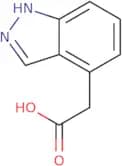
CAS:<p>(1H-Indazol-4-yl)acetic acid is a cation that has been shown to have pharmacological activity. It is hydrolyzable and is used as an anti-inflammatory agent. This compound also decarboxylates and hydrolyzes, which are processes that produce carboxyl and fluoro groups. (1H-Indazol-4-yl)acetic acid has been shown to be an anti-inflammatory agent, with effects against inflammation in the central nervous system. This drug also inhibits the production of inflammatory cytokines, including tumor necrosis factor alpha (TNFα), interleukin 1β (IL1β), and IL6.</p>Formula:C9H8N2O2Purity:Min. 95%Molecular weight:176.17 g/mol4-Bromo-2,3-difluoropyridine
CAS:<p>Versatile small molecule scaffold</p>Formula:C5H2BrF2NPurity:Min. 95%Molecular weight:193.98 g/molMethyl 3,3-bis(methylthio)-2-cyanoacrylate
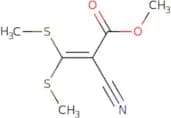
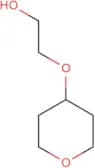
CAS:<p>Methyl 3,3-bis(methylthio)-2-cyanoacrylate is a diphenyl ether that is used as a bactericide. It has been shown to be effective against both Gram-positive and Gram-negative bacteria. Methyl 3,3-bis(methylthio)-2-cyanoacrylate is synthesized by the reaction of malonate with dimethylamine chloride in the presence of hydrochloric acid salt in order to produce chloride ions. The reaction is then heated, which causes the methyl 3,3-bis(methylthio)-2-cyanoacrylate to form. This compound is soluble in organic solvents such as formic acid and can be purified by recrystallization or by distillation.</p>Formula:C7H9NO2S2Purity:Min. 95%Molecular weight:203.28 g/mol2-(Oxan-4-yloxy)ethan-1-ol
CAS:<p>Versatile small molecule scaffold</p>Formula:C7H14O3Purity:Min. 95%Molecular weight:146.18 g/mol3-iodo-5-(trifluoromethyl)benzoic acid
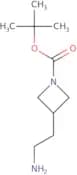
CAS:Versatile small molecule scaffoldFormula:C8H4F3IO2Purity:Min. 95%Molecular weight:316 g/moltert-Butyl 3-(2-aminoethyl)azetidine-1-carboxylate
CAS:<p>Versatile small molecule scaffold</p>Formula:C10H20N2O2Purity:Min. 95%Molecular weight:200.28 g/mol4-chloropyrimidine-2-carbonitrile
CAS:<p>4-Chloropyrimidine-2-carbonitrile is an industrial chemical that belongs to the class of heterocycles. It is commonly used in the synthesis of amines, phenoxy compounds, and halides. This compound is widely used in research laboratories as a building block for the synthesis of various organic compounds. 4-Chloropyrimidine-2-carbonitrile is available in enantiopure form, making it suitable for chiral chemistry applications. It contains cyano and ethoxycarbonyl functional groups, which make it versatile for further derivatization. This compound exhibits solid catalyst properties and can be used as a methyl ether or amide precursor. Its emission properties make it useful in fluorescence-based assays and imaging techniques.</p>Formula:C5H2ClN3Purity:Min. 95%Molecular weight:139.5 g/mol6,6-Difluorospiro[3.3]heptan-2-amine Hydrochloride
CAS:<p>Versatile small molecule scaffold</p>Formula:C7H11F2N·HClPurity:Min. 95%Molecular weight:147.17 g/mol4,7-dibromo-1H-benzo[d]imidazole
CAS:<p>Versatile small molecule scaffold</p>Formula:C7H4Br2N2Purity:Min. 95%Molecular weight:275.93 g/mol1-Methyl-3-(3-sulfopropyl)-1H-imidazol-3-ium
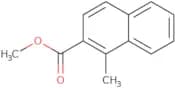
CAS:<p>Versatile small molecule scaffold</p>Formula:C7H12N2O3SPurity:Min. 95%Color and Shape:PowderMolecular weight:204.25 g/molMethyl 1-methylnaphthalene-2-carboxylate
CAS:<p>Versatile small molecule scaffold</p>Formula:C13H12O2Purity:Min. 95%Molecular weight:200.23 g/moltert-Butyl 4-hydroxy-1-oxa-7-azaspiro[4.4]nonane-7-carboxylate
CAS:<p>Versatile small molecule scaffold</p>Formula:C12H21NO4Purity:Min. 95%Molecular weight:243.3 g/mol3-(iodomethyl)oxetane
CAS:<p>Versatile small molecule scaffold</p>Formula:C4H7IOPurity:Min. 95%Molecular weight:198 g/mol2-Bromo-5-methylpyridin-3-ol
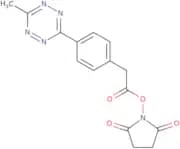
CAS:Versatile small molecule scaffoldFormula:C6H6BrNOPurity:Min. 95%Molecular weight:188.02 g/molMethyltetrazine-NHS ester
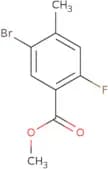
CAS:<p>Versatile small molecule scaffold</p>Formula:C15H13N5O4Purity:Min. 95%Molecular weight:327.29 g/molMethyl 5-bromo-2-fluoro-4-methylbenzoate
CAS:<p>Versatile small molecule scaffold</p>Formula:C9H8BrFO2Purity:Min. 95%Molecular weight:247.06 g/mol4-Chloro-1H-pyrazolo[3,4-b]pyridine-3-carboxylic acid
CAS:<p>Versatile small molecule scaffold</p>Formula:C7H4ClN3O2Purity:Min. 95%Molecular weight:197.58 g/mol6-Amino-2-propylhexanoic acid hydrochloride
CAS:<p>Versatile small molecule scaffold</p>Formula:C9H19NO2•HClPurity:Min. 95%Molecular weight:209.71 g/mol2-[5-(4,4,5,5-Tetramethyl-1,3,2-dioxaborolan-2-yl)pyrimidin-2-yl]propan-2-ol
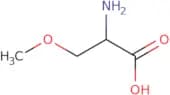
CAS:<p>Versatile small molecule scaffold</p>Formula:C13H21BN2O3Purity:Min. 95%Molecular weight:264.13 g/mol2-Amino-3-methoxypropanoic acid hydrochloride
CAS:<p>2-Amino-3-methoxypropanoic acid hydrochloride is a mitochondrial enzyme inhibitor that is used as a research tool to study protein synthesis. It binds to the cytochrome b2 subunit of the mitochondrial respiratory chain, inhibiting the oxidation of pyruvate and affecting the production of ATP. 2-Amino-3-methoxypropanoic acid hydrochloride has been shown to induce apoptosis in human liver cells by triggering caspase 3, which is an important enzyme in the apoptotic pathway. 2-Amino-3-methoxypropanoic acid hydrochloride also has a number of chemical properties that make it useful for analytical chemistry. For example, 2-amino-3-methoxypropanoic acid hydrochloride can be used to measure carboxylic acids, acetylation reactions, hydrogen bonds and hydroxyl groups. It can also be used as a nucle</p>Formula:C4H10ClNO3Purity:Min. 95%Molecular weight:155.58 g/mol4-(2,6-Difluorophenyl)piperidin-4-ol hydrochloride
CAS:<p>Versatile small molecule scaffold</p>Formula:C11H14ClF2NOPurity:Min. 95%Molecular weight:249.68 g/mol2,7-Naphthyridin-1(2H)-one
CAS:<p>Cabozantinib is a small molecule that is the first to target VEGFR-2, which is a receptor tyrosine kinase involved in the development of fibrosis. Cabozantinib inhibits the activity of VEGFR-2 by binding to its ATP-binding site and blocking the phosphorylation of downstream signaling pathways. Cabozantinib has been shown to have antifibrotic properties in both preclinical and clinical models. The drug candidate has been shown to reduce kidney fibrosis in animal models. The standard dose for cabozantinib was found to be 5 mg/kg, with a maximum tolerated dose of 20 mg/kg. In vitro studies have indicated that cabozantinib binds with high affinity to the ATP-binding pocket of VEGFR-2, exhibiting competitive inhibition against other kinases such as PDGFR-beta and cKit, as well as diaryliodonium (a specific inhibitor). Caboz</p>Formula:C8H6N2OPurity:Min. 95%Molecular weight:146.14 g/mol6-Bromo-3-methyl-2,3-dihydro-1,3-benzoxazol-2-one
CAS:<p>Versatile small molecule scaffold</p>Formula:C8H6BrNO2Purity:Min. 95%Molecular weight:228.04 g/mol(3-Aminopropyl)(3-phenylpropyl)amine
CAS:<p>Versatile small molecule scaffold</p>Formula:C12H20N2Purity:Min. 95%Molecular weight:192.3 g/moltert-Butyl 3-amino-5-methyl-1H-pyrazole-1-carboxylate
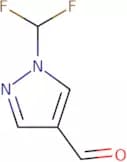
CAS:Versatile small molecule scaffoldFormula:C9H15N3O2Purity:Min. 95%Molecular weight:197.23 g/mol1-(Difluoromethyl)-1H-pyrazole-4-carbaldehyde
CAS:<p>Versatile small molecule scaffold</p>Formula:C5H4F2N2OPurity:Min. 95%Molecular weight:146.09 g/mol5-Bromo-1-methyl-1H-pyrazole-4-carboxylic acid
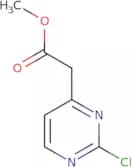
CAS:<p>Versatile small molecule scaffold</p>Formula:C5H5BrN2O2Purity:Min. 95%Molecular weight:205.01 g/molMethyl 2-(2-chloropyrimidin-4-yl)acetate
CAS:<p>Versatile small molecule scaffold</p>Formula:C7H7ClN2O2Purity:Min. 95%Molecular weight:186.59 g/mol


![5-Boc-4H,5H,6H,7H,8H-pyrazolo[1,5-a][1,4]diazepine-2-carboxylic acid](/_next/image/?url=https%3A%2Fstatic.cymitquimica.com%2Fproducts%2F3D%2Fthumb-webp%2FFEC17097.webp&w=3840&q=75)


![4-[4-(Tetramethyl-1,3,2-dioxaborolan-2-yl)-1H-pyrazol-1-yl]pyridine](/_next/image/?url=https%3A%2Fstatic.cymitquimica.com%2Fproducts%2F3D%2Fthumb-webp%2FARC54869.webp&w=3840&q=75)
![tert-Butyl N-[3-(tetramethyl-1,3,2-dioxaborolan-2-yl)propyl]carbamate](/_next/image/?url=https%3A%2Fstatic.cymitquimica.com%2Fproducts%2F3D%2Fthumb-webp%2FAZC30580.webp&w=3840&q=75)


![8-Chlorotetrazolo[1,5-A]pyrazine](/_next/image/?url=https%3A%2Fstatic.cymitquimica.com%2Fproducts%2F3D%2Fthumb-webp%2FCDA88819.webp&w=3840&q=75)
![2-{[(3αR,4S,6R,6αS)-6-Amino-2,2-dimethyltetrahydro-3αH-cyclopenta[d][1,3]-dioxol-4-yl] oxy}-1-ethol](/_next/image/?url=https%3A%2Fstatic.cymitquimica.com%2Fproducts%2F3D%2Fthumb-webp%2FZKA69355.webp&w=3840&q=75)
![2-[[(3aS,4R,6S,6aa)-4-[7-[[(1R,2S)-2-(3 ,4-Difluorophenyl)cyclopropyl]amino]-5-(propylthio)-3H-[1,…](/_next/image/?url=https%3A%2Fstatic.cymitquimica.com%2Fproducts%2F3D%2Fthumb-webp%2FZKA69326.webp&w=3840&q=75)





![6,6-Difluorospiro[3.3]heptan-2-amine Hydrochloride](/_next/image/?url=https%3A%2Fstatic.cymitquimica.com%2Fproducts%2F3D%2Fthumb-webp%2FYGC03271.webp&w=3840&q=75)
![4,7-dibromo-1H-benzo[d]imidazole](/_next/image/?url=https%3A%2Fstatic.cymitquimica.com%2Fproducts%2F3D%2Fthumb-webp%2FYFA18566.webp&w=3840&q=75)

![tert-Butyl 4-hydroxy-1-oxa-7-azaspiro[4.4]nonane-7-carboxylate](/_next/image/?url=https%3A%2Fstatic.cymitquimica.com%2Fproducts%2F3D%2Fthumb-webp%2FXXC50503.webp&w=3840&q=75)


![4-Chloro-1H-pyrazolo[3,4-b]pyridine-3-carboxylic acid](/_next/image/?url=https%3A%2Fstatic.cymitquimica.com%2Fproducts%2F3D%2Fthumb-webp%2FULD13261.webp&w=3840&q=75)

![2-[5-(4,4,5,5-Tetramethyl-1,3,2-dioxaborolan-2-yl)pyrimidin-2-yl]propan-2-ol](/_next/image/?url=https%3A%2Fstatic.cymitquimica.com%2Fproducts%2F3D%2Fthumb-webp%2FUCC25587.webp&w=3840&q=75)