Building Blocks
This section contains fundamental products for the synthesis of organic and biological compounds. Building blocks are the essential starting materials used to construct complex molecules through various chemical reactions. They play a critical role in drug discovery, material science, and chemical research. At CymitQuimica, we offer a diverse range of high-quality building blocks to support your innovative research and industrial projects, ensuring you have the essential components for successful synthesis.
Subcategories of "Building Blocks"
- Boronic Acids & Boronic Acid Derivatives(5,756 products)
- Chiral Building Blocks(1,242 products)
- Hydrocarbon Building Blocks(6,095 products)
- Organic Building Blocks(61,038 products)
Found 196817 products of "Building Blocks"
Sort by
Purity (%)
0
100
|
0
|
50
|
90
|
95
|
100
N-(4-Bromophenyl)-N-phenylacrylamide
CAS:<p>Versatile small molecule scaffold</p>Formula:C15H12BrNOPurity:Min. 95%Color and Shape:PowderMolecular weight:302.16 g/molMethyl 1-methyl-4-oxocyclohexanecarboxylate
CAS:<p>Versatile small molecule scaffold</p>Formula:C9H14O3Purity:Min. 95%Molecular weight:170.21 g/molCyclopent-2-en-1-ol
CAS:<p>Cyclopent-2-en-1-ol is a reactive monomer that can react with chloride and hydroxyl groups. It can also undergo reaction with sodium carbonate to form a cyclic ester. Cyclopent-2-en-1-ol can be converted to an epoxide by the use of acid catalyst. This compound also has the ability to polymerize, forming polymers that are used in rayon production.</p>Formula:C5H8OPurity:Min. 95%Color and Shape:Clear LiquidMolecular weight:84.12 g/mol2-Bromo-1-(4-chloro-3-fluorophenyl)ethanone
CAS:<p>Please enquire for more information about 2-Bromo-1-(4-chloro-3-fluorophenyl)ethanone including the price, delivery time and more detailed product information at the technical inquiry form on this page</p>Formula:C8H5BrCIFOPurity:Min. 95%Molecular weight:354.94 g/molCyclobutanesulfonyl chloride
CAS:<p>Cyclobutanesulfonyl chloride is a reagent that is used for the synthesis of 1-6-alkylcyclobutanes. It can be used to synthesize heterocyclic compounds, including those with high optical purity. Cyclobutanesulfonyl chloride has been shown to have antiviral and antiproliferative properties. It has also been shown to exhibit anticancer activity in vitro and in vivo. The mechanism of action for this compound is unclear, but it may inhibit protein synthesis by attacking the amino acid methionine in proteins or by inhibiting DNA replication.</p>Formula:C4H7ClO2SPurity:Min. 95%Color and Shape:Clear LiquidMolecular weight:154.62 g/molChloroiodomethane, stabilised with copper
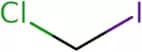
CAS:<p>Chloroiodomethane is a chemical that is used as an intermediate in the production of other chemicals. It is a colourless liquid with a strong odour. 3-Bromopropylamine hydrobromide reacts with chloroiodomethane to form 3-bromopropyl bromide, which can be reacted with hydrogen chloride to form the corresponding acid chloride. This reaction product can then be reacted with β-amino acids to form amides or esters. The reaction mechanism of this process involves nucleophilic substitution of chloroiodomethane by the amino group of the β-amino acid to produce an intermediate α,β-unsaturated carbonyl chloride, which undergoes elimination to give the final product. Chloroiodomethane also reacts rapidly with fatty acids and hydroxyl groups in biological systems, leading to inflammatory diseases such as HIV infection.</p>Formula:CH2ClIPurity:Min. 95%Color and Shape:Colorless Clear LiquidMolecular weight:176.38 g/mol2-Bromo-5-fluoro-4-nitroaniline
CAS:<p>2-Bromo-5-fluoro-4-nitroaniline can be synthesized in a reaction system of ammonium chloride, hydrochloric acid, and water vapor. The reaction is carried out at a temperature of 190°C under reflux. The efficiency of this synthesis is high, and the chemical yield is about 90%.</p>Formula:C6H4BrFN2O2Purity:Min. 95%Molecular weight:235.01 g/mol1-Methyl-3-(3-sulfopropyl)-1H-imidazol-3-ium
CAS:<p>Versatile small molecule scaffold</p>Formula:C7H12N2O3SPurity:Min. 95%Color and Shape:PowderMolecular weight:204.25 g/mol4,7-dibromo-1H-benzo[d]imidazole
CAS:<p>Versatile small molecule scaffold</p>Formula:C7H4Br2N2Purity:Min. 95%Molecular weight:275.93 g/molH-β-Cyclohexyl-Ala-OMe·HCl
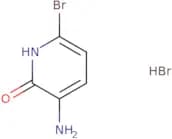
CAS:<p>Please enquire for more information about H-beta-Cyclohexyl-Ala-OMe·HCl including the price, delivery time and more detailed product information at the technical inquiry form on this page</p>Formula:C10H19NO2·HClPurity:Min. 95%Molecular weight:221.72 g/mol3-amino-6-bromopyridin-2-ol hydrobromide
CAS:<p>Versatile small molecule scaffold</p>Formula:C5H6Br2N2OPurity:Min. 95%Molecular weight:269.9 g/molR-(-)-3-Chloro-1,2-propanediol
CAS:<p>R-(-)-3-Chloro-1,2-propanediol is a chiral epoxide that is used in the synthesis of other chemicals. It has been shown to be active against bacterial strains such as corynebacterium and coryneform bacteria. This chemical can be synthesized from hydrochloric acid and chlorinated propane with an asymmetric synthesis. The R-(-)-3-Chloro-1,2-propanediol can also be synthesized through electrochemical methods using chloride ion as the reducing agent. This compound is soluble in water and shows kinetic activity with carbon sources when used as an antibiotic.</p>Formula:C3H7ClO2Purity:Min. 95%Color and Shape:Colorless Clear LiquidMolecular weight:110.54 g/mol1,2,3,4-Tetrahydro-1,7-naphthyridine
CAS:<p>Versatile small molecule scaffold</p>Formula:C8H10N2Purity:Min. 95%Color and Shape:Clear LiquidMolecular weight:134.18 g/moltert-Butyl 2,9-diazaspiro[5.5]undecane-2-carboxylate
CAS:<p>Versatile small molecule scaffold</p>Formula:C14H26N2O2Purity:Min. 95%Molecular weight:254.38 g/mol6-Chlorohexanol
CAS:<p>6-Chlorohexanol is a fatty alcohol with a hydroxyl group. It is soluble in water and has a phase transition temperature of -114°C. 6-Chlorohexanol can be synthesized by reacting 2,6-dichlorophenol with hydrochloric acid and sodium hydroxide in the presence of azobenzene. The reaction solution is then heated to about 300°C for 3 hours. 6-Chlorohexanol is used as a model system for studying the photochemical reactions of fatty acids. Hydroxy groups are susceptible to light exposure, which leads to the formation of carbonyl compounds such as malonic acid and chloride monomers.</p>Formula:C6H13ClOPurity:Min. 95%Color and Shape:PowderMolecular weight:136.62 g/mol(R)-4-Boc-2-methylpiperazine
CAS:<p>(R)-4-Boc-2-methylpiperazine is a picolinamide dehydrogenase inhibitor that is used to treat type 2 diabetes. It has been shown to reduce blood glucose levels in animal models and human subjects with type 2 diabetes mellitus. The mechanism of action is thought to be via inhibition of the 11β-hydroxysteroid dehydrogenase, which increases insulin sensitivity. This drug also has good oral bioavailability, does not cause weight gain, and has an acceptable safety profile.</p>Formula:C10H20N2O2Purity:Min. 95%Color and Shape:White PowderMolecular weight:200.28 g/molN,N-bis(Hydroxyethyl)-2-aminoethanesulfonic acid sodium salt
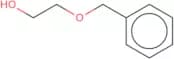
CAS:<p>N,N-bis(Hydroxyethyl)-2-aminoethanesulfonic acid sodium salt is a cross-linking agent for polymers. It has been shown to react with dimethylol propionic acid to form a hydroxyl group and a carboxylate. This reaction yields the product of bis(hydroxyethyl) aminosulfonic acid sodium salt. N,N-bis(Hydroxyethyl)-2-aminoethanesulfonic acid sodium salt can be used as a cross-linking agent in the manufacture of biodegradable polymers that are environmentally friendly and biocompatible. The viscosity of the reaction solution increases with an increase in temperature, which is due to the hydrophobic interaction between molecules.</p>Formula:C6H14NO5SNaPurity:Min. 95%Color and Shape:PowderMolecular weight:235.23 g/mol2-Benzyloxyethanol
CAS:<p>Please enquire for more information about 2-Benzyloxyethanol including the price, delivery time and more detailed product information at the technical inquiry form on this page</p>Formula:C9H12O2Purity:Min. 95%Color and Shape:Colorless Clear LiquidMolecular weight:152.19 g/mol1,3-Bis(diphenylphosphino)propane
CAS:<p>1,3-Bis(diphenylphosphino)propane is a chelate ligand that forms complexes with a wide range of transition metal ions. It has been shown to be an effective catalyst for the conversion of aryl halides to acid derivatives. The compound has been found to have an excellent stability in aqueous solutions and does not hydrolyze readily in human serum or water. 1,3-Bis(diphenylphosphino)propane is also used as an additive in many industrial processes, such as the production of nylon and polyester fibers.</p>Formula:C27H26P2Purity:Min 96.0%Color and Shape:White Off-White PowderMolecular weight:412.44 g/mol2-Amino-5-fluoro-4-methoxybenzoic acid
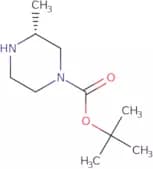
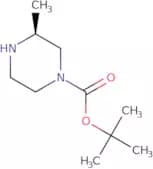
CAS:<p>Versatile small molecule scaffold</p>Formula:C8H8FNO3Purity:Min. 95%Molecular weight:185.15 g/mol(S)-1-Boc-3-methylpiperazine
CAS:<p>(S)-1-Boc-3-methylpiperazine is a hydrophobic compound that is structurally modified from the tetracyclic family of drugs. It has been shown to inhibit tumor cell growth by binding to the oncogene, KRASG12C, and downregulating its expression. (S)-1-Boc-3-methylpiperazine also inhibits cancer cell growth through the inhibition of the PI3K/AKT signaling pathway. The pharmacological effects of (S)-1-Boc-3-methylpiperazine are dependent on its ability to bind with high affinity to KRASG12C and inhibit its activity.</p>Formula:C10H20N2O2Purity:Min. 95%Color and Shape:White PowderMolecular weight:200.28 g/mol6-Bromo-4-hydroxypyrazolo[1,5-a]pyridine-3-carbonitrile
CAS:<p>Please enquire for more information about 6-Bromo-4-hydroxypyrazolo[1,5-a]pyridine-3-carbonitrile including the price, delivery time and more detailed product information at the technical inquiry form on this page</p>Formula:C8H4BrN3OPurity:Min. 95%Molecular weight:238.04 g/mol4-{[(tert-butoxy)carbonyl]amino}bicyclo[2.2.2]octane-1-carboxylic acid
CAS:<p>Versatile small molecule scaffold</p>Formula:C14H23NO4Purity:Min. 95%Molecular weight:269.3 g/molBisaboloxide A
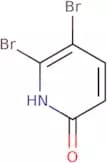
CAS:<p>Please enquire for more information about Bisaboloxide A including the price, delivery time and more detailed product information at the technical inquiry form on this page</p>Formula:C15H26O2Purity:Min. 95%Molecular weight:238.37 g/mol5,6-Dibromopyridin-2-ol
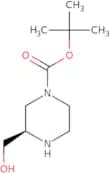
CAS:<p>Versatile small molecule scaffold</p>Formula:C5H3Br2NOPurity:Min. 95%Molecular weight:252.89 g/mol(R)-4-N-Boc-2-hydroxymethyl-piperazine
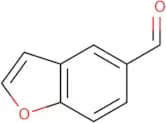
CAS:<p>Please enquire for more information about (R)-4-N-Boc-2-hydroxymethyl-piperazine including the price, delivery time and more detailed product information at the technical inquiry form on this page</p>Formula:C10H20N2O3Purity:Min. 95%Molecular weight:216.28 g/mol1-Benzofuran-5-carbaldehyde
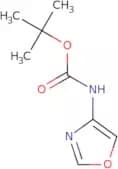
CAS:<p>1-Benzofuran-5-carbaldehyde is a synthetic compound that inhibits the enzyme ido1. It has been shown to have potent cytotoxicity, potent inhibition, and neurotrophic properties in a number of cell lines. 1-Benzofuran-5-carbaldehyde also exhibits inhibitory effects on the enzymes hydrolyzing dopamine, which is involved in the synthesis of norepinephrine and epinephrine. The chemical structure of 1-benzofuran-5-carbaldehyde closely resembles that of dopamine and its derivatives, and can be used for the treatment of neurodegenerative diseases such as Parkinson's disease.</p>Formula:C9H6O2Purity:Min. 95%Color and Shape:Yellow To Brown SolidMolecular weight:146.14 g/moltert-Butyl oxazol-4-ylcarbamate
CAS:<p>Versatile small molecule scaffold</p>Formula:C8H12N2O3Purity:Min. 95%Molecular weight:184.19 g/mol4-Bromobenzaldehyde
CAS:<p>4-Bromobenzaldehyde is a chemical compound that belongs to the group of aromatic compounds. It has been shown to have a potent stimulatory effect on locomotor activity in mice, which may be due to its ability to increase levels of epidermal growth factor and gamma-aminobutyric acid in the brain. 4-Bromobenzaldehyde can be synthesized from 2,4-dibromophenol and anhydrous copper chloride in the presence of sodium hydroxide. The reaction mechanism for this synthesis is believed to involve an intermediate enamine form of 4-bromobenzaldehyde, which can then undergo hydrolysis into 2,4-dibromophenol and benzaldehyde. This product is used as a reagent in organic synthesis because it can be used to form esters with trifluoroacetic acid or hydrochloric acid in high yield.</p>Formula:C7H5BrOPurity:Min. 90 Area-%Color and Shape:White PowderMolecular weight:185.02 g/molBenzophenone-4-carboxylic acid
CAS:<p>Organic intermediate</p>Formula:C14H10O3Purity:Min. 98 Area-%Color and Shape:White PowderMolecular weight:226.23 g/mol(2R,3S)-Benzyl 6-oxo-2,3-diphenylmorpholine-4-carboxylate
CAS:<p>(2R,3S)-Benzyl 6-oxo-2,3-diphenylmorpholine-4-carboxylate is a molecule with an enantioselective synthesis and a preparative method. It has been catalysed by chiral reagents such as chiral catalysts, chiral auxiliaries, and chiral ligands. This molecule can be synthesized in racemic form or in the form of its two enantiomers. The two enantiomers have different physical properties and biological activities. (2S,3S)-Benzyl 6-oxo-2,3-diphenylmorpholine-4-carboxylate is known to be an inhibitor of protein kinase C (PKC) that causes the release of intracellular calcium ions from cytoplasmic stores. The other enantiomer (2R,3S)-benzyl 6-oxo-2,3-d</p>Formula:C24H21NO4Purity:Min. 95%Molecular weight:387.43 g/molN-(11-Bromoundecyl)carbamic acid t-butyl ester
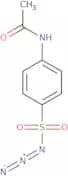
CAS:<p>Versatile small molecule scaffold</p>Formula:C16H32BrNO2Purity:Min. 95%Molecular weight:350.33 g/mol4-Acetamidobenzenesulfonyl azide
CAS:<p>4-Acetamidobenzenesulfonyl azide (4ABS) is a low detection reagent that can be used for the determination of 4-acetamidobenzoic acid. It reacts with the amine group in 4-acetamidobenzoic acid to form a sulfonamide intermediate and releases an azide ion. The linear calibration curve was obtained using vibrational spectroscopy and has a detection sensitivity of 0.03 ppm. This method can also be used to determine the functional groups present in dopamine, which have been shown to affect electrochemical impedance spectroscopy measurements.</p>Formula:C8H8N4O3SPurity:Min. 95%Color and Shape:White PowderMolecular weight:240.24 g/mol(R)-1-[3-[4-Amino-3-(4-phenoxyphenyl)-1H-pyrazolo[3,4-d]pyrimidin-1-yl]piperidin-1-yl]-3-chloropropan-1-one
CAS:<p>Please enquire for more information about (R)-1-[3-[4-Amino-3-(4-phenoxyphenyl)-1H-pyrazolo[3,4-d]pyrimidin-1-yl]piperidin-1-yl]-3-chloropropan-1-one including the price, delivery time and more detailed product information at the technical inquiry form on this page</p>Formula:C25H25ClN6O2Purity:Min. 95%Molecular weight:476.96 g/mol(2R,4R)-1-[(2S)-5-Amino-1-oxo-2-[[(1,2,3,4-tetrahydro-3-methyl-8-quinolinyl)sulfonyl]amino]pentyl]-4-methyl-2-piperidinecarboxylic a cid
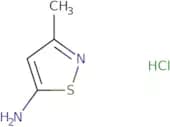
CAS:<p>Please enquire for more information about (2R,4R)-1-[(2S)-5-Amino-1-oxo-2-[[(1,2,3,4-tetrahydro-3-methyl-8-quinolinyl)sulfonyl]amino]pentyl]-4-methyl-2-piperidinecarboxylic a cid including the price, delivery time and more detailed product information at the technical inquiry form on this page</p>Formula:C22H34N4O5SPurity:Min. 95%Molecular weight:466.6 g/mol5-Amino-3-methylisothiazole HCl
CAS:<p>5-Amino-3-methylisothiazole HCl is a pyridine-5-carboxylic acid that inhibits bacterial growth by binding to the 50S ribosomal subunit. It has been shown to inhibit the growth of both aeruginosa and nalidixic acid resistant strains of S. aureus, P. aeruginosa, and P. mirabilis in vitro. 5-Amino-3-methylisothiazole HCl has also been shown to be active against E. coli, quinolone resistant strains of Proteus mirabilis, and methicillin resistant strains of Staphylococcus aureus in vitro.</p>Formula:C4H7ClN2SPurity:Min. 95%Color and Shape:Yellow to red or brown solid.Molecular weight:150.63 g/mol9-Anthracenemethanol
CAS:<p>9-Anthracenemethanol is a carcinogenic, mutagenic, and teratogenic compound. It is metabolized by a number of enzymatic reactions, including oxidation by cytochrome P450 enzymes and reduction by glutathione reductase. The compound has been shown to be activated in acid conditions, with an activation energy of 10 kcal/mol. It also forms an acid when heated, which can cause damage to cells. 9-Anthracenemethanol has been shown to have photochemical properties that may be used for the production of dyes or pigments.</p>Formula:C15H12OPurity:Min. 95%Color and Shape:Yellow PowderMolecular weight:208.26 g/molMito-TEMPO
CAS:<p>Mito-TEMPO is a mitochondrial-targeted antioxidant that scavenges reactive oxygen species (ROS) and protects against oxidative injury. It has been shown to be effective in reducing oxidative damage in the heart and liver, as well as in models of neuronal death. Mito-TEMPO is also a potent inhibitor of lipid peroxidation and is able to prevent the formation of aldehydes. This drug has minimal toxicity, which may be due to its ability to accumulate in mitochondria without disrupting mitochondrial functions. Mito-TEMPO has been tested on healthy individuals with no observed side effects.</p>Formula:C29H35ClN2O2PPurity:Min. 95%Molecular weight:510.03 g/molMethyl 2-(6-chloropyridin-3-yl)acetate
CAS:<p>Versatile small molecule scaffold</p>Formula:C8H8ClNO2Purity:Min. 95%Molecular weight:185.61 g/mol1-Phenyl-1-butanol
CAS:<p>1-Phenyl-1-butanol (1PB) is a chiral compound that forms hydrogen bonds with itself. It is a colorless liquid that is soluble in organic solvents and has a boiling point of 61 °C. 1PB has been found to inhibit the growth of Pseudomonas aeruginosa by inhibiting fatty acid synthesis, which may be due to its ability to inhibit β-hydroxylase activity. 1PB also inhibits the growth of some bacteria (e.g., Staphylococcus aureus) by blocking the synthesis of fatty acids, which are important for bacterial cell membrane integrity. The hydroxyl group in 1PB helps it form hydrogen bonds with other molecules, including proteins and DNA strands, which makes it useful for chromatographic separation and as an antioxidant in food preservation.</p>Formula:C10H14OPurity:Min. 95%Molecular weight:150.22 g/mol2-Octyldecanoic acid
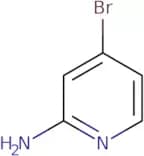
CAS:<p>2-Octyldecanoic acid is a fatty acid that is used as a stabilizer in detergent compositions. This stabilizer is also utilizable at high alkali metal concentrations, which makes it suitable for use in hard water conditions. 2-Octyldecanoic acid has a low viscosity at room temperature, and the nature of its hydrocarbon chain leads to increased stability against decomposition when heated or exposed to carbon tetrachloride. It can be synthesized from an aliphatic hydrocarbon, such as octane, to form a macrocyclic ring structure. 2-Octyldecanoic acid also has optical properties that depend on the configuration of the carbon atoms. The molecule has two chiral centers and can exist in four different forms: erythro (E), threo (T), dithreo (D) and meso (M). The optical activity of 2-octyldecanoic acid depends</p>Formula:C18H36O2Purity:Min. 95%Molecular weight:284.5 g/mol2-Amino-4-bromopyridine
CAS:<p>2-Amino-4-bromopyridine is a potent, selective antagonist of the nicotinic acetylcholine receptor (nAChR) that has been shown to inhibit the proliferation of cancer cells in vitro. 2-Amino-4-bromopyridine binds to the nAChR and stabilizes it by binding to an allosteric site on the receptor. 2-Amino-4-bromopyridine is synthesized from 4,5-dibromobenzene and 2,6-diaminopyridine in two steps with a yield of 47%. The synthesis of 2-amino-4-bromopyridine proceeds via reaction mechanism involving electrophilic substitution at the bromine atom followed by nucleophilic addition at the nitrogen atom.</p>Formula:C5H5BrN2Purity:Min. 95%Color and Shape:PowderMolecular weight:173.01 g/molPyridazin-4-ylmethanol
CAS:<p>Versatile small molecule scaffold</p>Formula:C5H6N2OPurity:Min. 95%Molecular weight:110.11 g/mol1-Adamantane carboxylic acid
CAS:<p>1-Adamantane carboxylic acid is a hydrophobic molecule that can form a complex with metal hydroxides. It is used in the process optimization of the synthesis of sodium salts. 1-Adamantane carboxylic acid binds to metals, such as magnesium and calcium, in a coordination geometry that is similar to that observed for water molecules. The complexation of 1-Adamantane carboxylic acid with metal ions results in an acidic environment, which is important for bowel disease. This acid complex also has anti-inflammatory properties. The hydroxyl group on the 1-adamantane carboxylic acid reacts with oxygen to form an alcohol group and this reaction mechanism may be involved in physiological functions.</p>Formula:C11H16O2Purity:Min. 95%Color and Shape:White PowderMolecular weight:180.25 g/mol2-Acetylbenzoic acid
CAS:<p>2-Acetylbenzoic acid is a functional molecule that contains an acetyl group. It can form hydrogen bonds with other molecules and has been shown to induce apoptosis in cells. The reaction products of 2-acetylbenzoic acid are malonic acid, acetylsalicylic acid, and 2-benzoylbenzoic acid. These three compounds are made by the addition of hydrogen or hydroxide to the molecule 2-acetylbenzoic acid. The molecule has two functional groups: a carbonyl group and an acetyl group. The chemical structure of this molecule can be seen in the figure below.<br>2-Acetylbenzoic Acid</p>Formula:C9H8O3Purity:Min. 95%Color and Shape:PowderMolecular weight:164.16 g/mol5-Bromo-1-methyl-1H-pyrazole-4-carboxylic acid
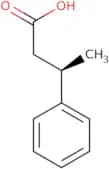
CAS:<p>Versatile small molecule scaffold</p>Formula:C5H5BrN2O2Purity:Min. 95%Molecular weight:205.01 g/mol(R)-3-Phenylbutyric Acid
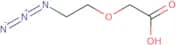
CAS:<p>Versatile small molecule scaffold</p>Formula:C10H12O2Purity:Min. 95%Molecular weight:164.2 g/mol2-(2-Azidoethoxy)acetic Acid
CAS:<p>2-(2-Azidoethoxy)acetic Acid is a hydrophobic antibacterial agent that can be used to inhibit bacterial growth by disrupting the cell membrane. It has been shown to inhibit the growth of Staphylococcus aureus and Escherichia coli, which may be due to its ability to bind to the glutathione moiety in the bacterial cell membrane. 2-(2-Azidoethoxy)acetic Acid has been shown to have antimicrobial activity against both Gram-positive and Gram-negative bacteria in vitro. This compound is also able to cross the cell membrane, inhibiting bacterial replication in vivo.</p>Formula:C4H7N3O3Purity:Min. 95%Molecular weight:145.12 g/molMethyl 3-oxoisoindoline-5-carboxylate
CAS:<p>Versatile small molecule scaffold</p>Formula:C10H9NO3Purity:Min. 95%Molecular weight:191.18 g/mol2,6-Dichloro-4-fluorobenzoic acid
CAS:<p>Versatile small molecule scaffold</p>Formula:C7H3Cl2FO2Purity:Min. 95%Molecular weight:209 g/mol




![4,7-dibromo-1H-benzo[d]imidazole](/_next/image/?url=https%3A%2Fstatic.cymitquimica.com%2Fproducts%2F3D%2Fthumb-webp%2FYFA18566.webp&w=3840&q=75)



![tert-Butyl 2,9-diazaspiro[5.5]undecane-2-carboxylate](/_next/image/?url=https%3A%2Fstatic.cymitquimica.com%2Fproducts%2F3D%2Fthumb-webp%2FPHA33303.webp&w=3840&q=75)




![6-Bromo-4-hydroxypyrazolo[1,5-a]pyridine-3-carbonitrile](/_next/image/?url=https%3A%2Fstatic.cymitquimica.com%2Fproducts%2F3D%2Fthumb-webp%2FFB182798.webp&w=3840&q=75)
![4-{[(tert-butoxy)carbonyl]amino}bicyclo[2.2.2]octane-1-carboxylic acid](/_next/image/?url=https%3A%2Fstatic.cymitquimica.com%2Fproducts%2F3D%2Fthumb-webp%2FNJB30476.webp&w=3840&q=75)




![(R)-1-[3-[4-Amino-3-(4-phenoxyphenyl)-1H-pyrazolo[3,4-d]pyrimidin-1-yl]piperidin-1-yl]-3-chloropro…](/_next/image/?url=https%3A%2Fstatic.cymitquimica.com%2Fproducts%2F3D%2Fthumb-webp%2FFA183174.webp&w=3840&q=75)
![(2R,4R)-1-[(2S)-5-Amino-1-oxo-2-[[(1,2,3,4-tetrahydro-3-methyl-8-quinolinyl)sulfonyl]amino]pentyl]…](/_next/image/?url=https%3A%2Fstatic.cymitquimica.com%2Fproducts%2F3D%2Fthumb-webp%2FFA182661.webp&w=3840&q=75)