


Building Blocks
This section contains fundamental products for the synthesis of organic and biological compounds. Building blocks are the essential starting materials used to construct complex molecules through various chemical reactions. They play a critical role in drug discovery, material science, and chemical research. At CymitQuimica, we offer a diverse range of high-quality building blocks to support your innovative research and industrial projects, ensuring you have the essential components for successful synthesis.
Subcategories of "Building Blocks"
- Boronic Acids & Boronic Acid Derivatives(5,778 products)
- Chiral Building Blocks(1,242 products)
- Hydrocarbon Building Blocks(6,098 products)
- Organic Building Blocks(61,034 products)
Found 199601 products of "Building Blocks"
Sort by
Purity (%)
0
100
|
0
|
50
|
90
|
95
|
100
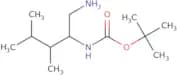
tert-Butyl N-(1-amino-3,4-dimethylpentan-2-yl)carbamate
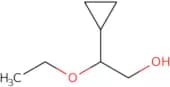
CAS:<p>Versatile small molecule scaffold</p>Formula:C12H26N2O2Purity:Min. 95%Molecular weight:230.35 g/mol2-Cyclopropyl-2-ethoxyethan-1-ol
CAS:<p>Versatile small molecule scaffold</p>Formula:C7H14O2Purity:Min. 95%Molecular weight:130.18 g/mol2-({[(9H-Fluoren-9-yl)methoxy]carbonyl}amino)bicyclo[3.1.0]hexane-2-carboxylic acid
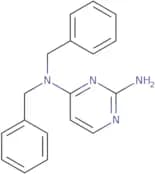
CAS:<p>Versatile small molecule scaffold</p>Formula:C22H21NO4Purity:Min. 95%Molecular weight:363.4 g/molN4,N4-Dibenzylpyrimidine-2,4-diamine
CAS:<p>Versatile small molecule scaffold</p>Formula:C18H18N4Purity:Min. 95%Molecular weight:290.4 g/mol2-[(Benzyloxy)carbonyl]-2-azabicyclo[2.2.2]octane-6-carboxylic acid
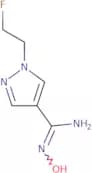
CAS:<p>Versatile small molecule scaffold</p>Formula:C16H19NO4Purity:Min. 95%Molecular weight:289.33 g/mol1-(2-Fluoroethyl)-N'-hydroxy-1H-pyrazole-4-carboximidamide
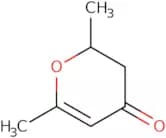
CAS:<p>Versatile small molecule scaffold</p>Formula:C6H9FN4OPurity:Min. 95%Molecular weight:172.16 g/mol2,6-Dimethyl-3,4-dihydro-2H-pyran-4-one
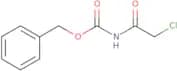
CAS:<p>Versatile small molecule scaffold</p>Formula:C7H10O2Purity:Min. 95%Molecular weight:126.15 g/molBenzyl N-(2-chloroacetyl)carbamate
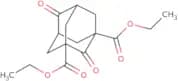
CAS:<p>Versatile small molecule scaffold</p>Formula:C10H10ClNO3Purity:Min. 95%Molecular weight:227.64 g/mol1,3-Diethyl 2,6-dioxoadamantane-1,3-dicarboxylate
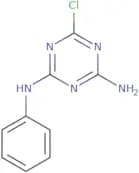
CAS:<p>Versatile small molecule scaffold</p>Formula:C16H20O6Purity:Min. 95%Molecular weight:308.33 g/mol6-Chloro-N2-phenyl-1,3,5-triazine-2,4-diamine
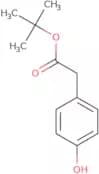
CAS:<p>Versatile small molecule scaffold</p>Formula:C9H8ClN5Purity:Min. 95%Molecular weight:221.64 g/moltert-Butyl 2-(4-hydroxyphenyl)acetate
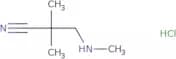
CAS:<p>Versatile small molecule scaffold</p>Formula:C12H16O3Purity:Min. 95%Color and Shape:PowderMolecular weight:208.25 g/mol2,2-Dimethyl-3-(methylamino)propanenitrile hydrochloride
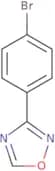
CAS:<p>Versatile small molecule scaffold</p>Formula:C6H13ClN2Purity:Min. 95%Molecular weight:148.63 g/mol3-(4-Bromophenyl)-1,2,4-oxadiazole
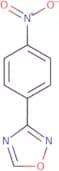
CAS:<p>Versatile small molecule scaffold</p>Formula:C8H5BrN2OPurity:Min. 95%Molecular weight:225.42 g/mol3-(4-Nitrophenyl)-1,2,4-oxadiazole
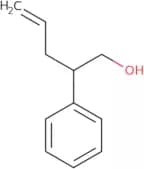
CAS:<p>Versatile small molecule scaffold</p>Formula:C8H5N3O3Purity:Min. 95%Molecular weight:191.14 g/mol2-Phenylpent-4-en-1-ol
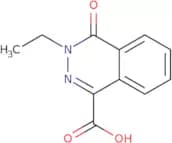
CAS:<p>Reaction with 2-phenylpent-4-en-1-ol with a boronate or styrene derivative in the presence of a catalyst such as zinc acetate, can give rise to allyl alcohol. The reaction is selective for the epoxide over the other two possible hydroxyl groups. Ring opening of the epoxide gives the homoallyl alcohol and subsequent reaction with another molecule of allyl alcohol leads to an oxirane. This last compound can be converted to an oxide by treatment with hydrogen peroxide and potassium permanganate.<br>2-Phenylpent-4-en-1-ol is also used as a selective agent in reactions involving oxidizing agents such as chromium trioxide and dichromate. It reacts selectively at the double bond, which is more reactive than other bonds present in this type of chemical structure.</p>Formula:C11H14OPurity:Min. 95%Molecular weight:162.23 g/mol3-Ethyl-4-oxo-3,4-dihydrophthalazine-1-carboxylic acid
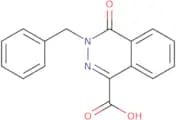
CAS:<p>Versatile small molecule scaffold</p>Formula:C11H10N2O3Purity:Min. 95%Molecular weight:218.21 g/mol3-Benzyl-4-oxo-3,4-dihydrophthalazine-1-carboxylic acid
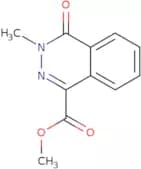
CAS:<p>Versatile small molecule scaffold</p>Formula:C16H12N2O3Purity:Min. 95%Molecular weight:280.28 g/molMethyl 3-methyl-4-oxo-3,4-dihydrophthalazine-1-carboxylate
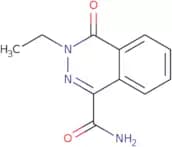
CAS:Versatile small molecule scaffoldFormula:C11H10N2O3Purity:Min. 95%Molecular weight:218.21 g/mol3-Ethyl-4-oxo-3,4-dihydrophthalazine-1-carboxamide
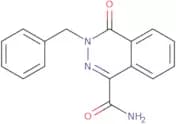
CAS:<p>Versatile small molecule scaffold</p>Formula:C11H11N3O2Purity:Min. 95%Molecular weight:217.22 g/mol3-Benzyl-4-oxo-3,4-dihydrophthalazine-1-carboxamide
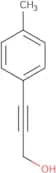
CAS:<p>Versatile small molecule scaffold</p>Formula:C16H13N3O2Purity:Min. 95%Molecular weight:279.29 g/mol3-(4-Methylphenyl)prop-2-yn-1-ol
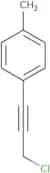
CAS:<p>Versatile small molecule scaffold</p>Formula:C10H10OPurity:Min. 95%Molecular weight:146.19 g/mol1-(3-Chloroprop-1-yn-1-yl)-4-methylbenzene
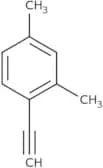
CAS:<p>Versatile small molecule scaffold</p>Formula:C10H9ClPurity:Min. 95%Molecular weight:164.63 g/mol1-Ethynyl-2,4-dimethyl-benzene
CAS:<p>Versatile small molecule scaffold</p>Formula:C10H10Purity:Min. 95%Molecular weight:130.19 g/mol2-Chloro-6-hydroxy-7-methylpurine
CAS:<p>2-Chloro-6-hydroxy-7-methylpurine (2CHM) is a betaine that is found in the leaves of the plant Cinchona ledgeriana. It can be obtained by methylation of 2,6-dichloropurine and has been shown to inhibit bacterial growth. The 2CHM isomer shows antibacterial activity against Escherichia coli, Staphylococcus aureus, Streptococcus pyogenes, and Bacillus subtilis. This compound inhibits protein synthesis by binding to DNA or RNA. It also inhibits cell growth by interfering with transcription and translation. The alkali form of CHM is also effective against bacteria as it binds to DNA and affects protein synthesis.</p>Formula:C6H5ClN4OPurity:Min. 95%Molecular weight:184.58 g/molMethyl 2-Isothiocyanatobenzoate
CAS:<p>Methyl 2-isothiocyanatobenzoate is a heterocyclic compound that is used as a precursor in the synthesis of many other compounds. It reacts with electrophiles such as hydrogen, chlorine, and bromine to form alkylating agents. Methyl 2-isothiocyanatobenzoate has shown anticancer activity and can be used for the treatment of cancer. This compound is membrane permeable and can cross the blood brain barrier. In addition, methyl 2-isothiocyanatobenzoate is a good substrate for nitroreductases and can be activated by radiation or chloride ions to form an alkylating agent that inhibits DNA synthesis. The magnetic resonance spectroscopy of this compound shows it has a relatively high level of chloride ions.</p>Formula:C9H7NO2SPurity:Min. 95%Molecular weight:193.22 g/mol3-(2-Hydroxypropyl)-2-sulfanyl-3,4-dihydroquinazolin-4-one
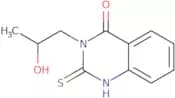
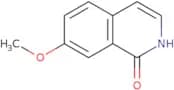
CAS:<p>Versatile small molecule scaffold</p>Formula:C11H12N2O2SPurity:Min. 95%Molecular weight:236.29 g/mol7-Methoxy-1,2-dihydroisoquinolin-1-one
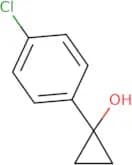
CAS:<p>Versatile small molecule scaffold</p>Formula:C10H9NO2Purity:Min. 95%Molecular weight:175.18 g/mol1-(4-Chlorophenyl)cyclopropan-1-ol
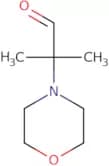
CAS:<p>Versatile small molecule scaffold</p>Formula:C9H9ClOPurity:Min. 95%Molecular weight:168.62 g/mol2-Methyl-2-morpholinopropanal
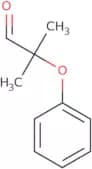
CAS:<p>2-Methyl-2-morpholinopropanal is a chemical that is used in the synthesis of pharmaceuticals and as a reactant in coatings. It has been shown to be an effective inhibitor of tumor cell proliferation, with a mechanism that is not fully understood. It may inhibit tumor cell proliferation by suppressing the activity of cancer cells, or by inhibiting the production of hydrogen sulfate, which is necessary for tumor cell proliferation. 2-Methyl-2-morpholinopropanal has also been shown to have denitrification and desulfurization properties. It can be used to remove nitrate from water supplies and can also reduce sulfur emissions from coal power plants.</p>Formula:C8H15NO2Purity:Min. 95%Molecular weight:157.21 g/mol2-Methyl-2-phenoxypropanal
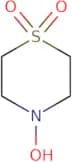
CAS:<p>Versatile small molecule scaffold</p>Formula:C10H12O2Purity:Min. 95%Molecular weight:164.2 g/mol4-hydroxy-1lambda6-thiomorpholine-1,1-dione
CAS:<p>Versatile small molecule scaffold</p>Formula:C4H9NO3SPurity:Min. 95%Molecular weight:151.18 g/mol(1R,2S,5R)-2-Isopropyl-5-methyl-cyclohexanecarboxylic acid
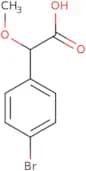
CAS:<p>(1R,2S,5R)-2-Isopropyl-5-methyl-cyclohexanecarboxylic acid is a liquid that is used in the synthesis of ethyl alcohol. It is produced by the condensation of benzene and acetone and reacts with sulfuric acid to form a mixture of dimethylbenzene, methanol, and water. This compound also serves as an intermediate for the production of perfumes, catalysts for other chemical reactions, and industrial solvents. It is used in the manufacture of tobacco products such as cigarettes and cigars.</p>Formula:C11H20O2Purity:Min. 95%Molecular weight:184.28 g/mol2-(4-Bromophenyl)-2-methoxyacetic acid
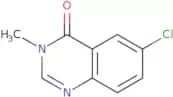
CAS:<p>Versatile small molecule scaffold</p>Formula:C9H9BrO3Purity:Min. 95%Molecular weight:245.07 g/mol6-Chloro-3-methyl-3,4-dihydroquinazolin-4-one
CAS:Controlled Product<p>Versatile small molecule scaffold</p>Formula:C9H7ClN2OPurity:Min. 95%Molecular weight:194.62 g/mol6-Hydroxyquinazolin-4(1H)-one
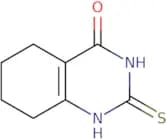
CAS:<p>6-Hydroxyquinazolin-4(1H)-one is a potent inhibitor of the tyrosine kinase, which blocks the growth of cancer cells and tumor progression. It has been shown to inhibit the growth of human esophageal cancer cells in vitro and in vivo. 6-Hydroxyquinazolin-4(1H)-one inhibits the activity of EGFR tyrosine kinase in these cells. This drug also inhibits the cell proliferation induced by lapatinib, a drug that blocks the activity of HER2 protein tyrosine kinase. 6-Hydroxyquinazolin-4(1H)-one is an inhibitor that belongs to the class of dithiocarbamic compounds. It competitively binds to metal ions such as zinc or copper, which are necessary for enzyme activity. In addition, it inhibits cancer cell growth by inhibition of protein synthesis through interference with ribosomes and RNA polymerases.</p>Formula:C8H6N2O2Purity:Min. 95%Molecular weight:162.15 g/mol2-Thioxo-2,3,5,6,7,8-hexahydro-4(1H)-quinazolinone
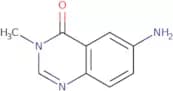
CAS:<p>Versatile small molecule scaffold</p>Formula:C8H10N2OSPurity:Min. 95%Molecular weight:182.24 g/mol6-Amino-3-methylquinazolin-4(3H)-one
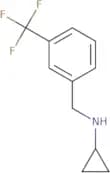
CAS:Controlled Product<p>Versatile small molecule scaffold</p>Formula:C9H9N3OPurity:Min. 95%Molecular weight:175.19 g/molCyclopropyl-(3-trifluoromethyl-benzyl)-amine
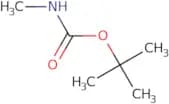
CAS:<p>Versatile small molecule scaffold</p>Formula:C11H12F3NPurity:Min. 95%Molecular weight:215.22 g/moltert-Butyl-N-methylcarbamate
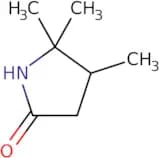
CAS:<p>tert-Butyl-N-methylcarbamate is an amine that is used in the preparation of styrene. It is a ligand and can be used as a sodium hydrogen amide in an amination reaction. The tert-butyl group can be replaced with other substituents, such as carboxylic acid, ester, or nitrile to produce different functionalities. Tert-butyl-N-methylcarbamate is also used to prepare nicotine from hydrogen sulfate.</p>Formula:C6H13NO2Purity:Min. 95%Molecular weight:131.17 g/mol4,5,5-Trimethylpyrrolidin-2-one
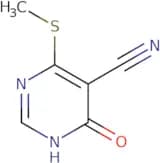
CAS:<p>Versatile small molecule scaffold</p>Formula:C7H13NOPurity:Min. 95%Molecular weight:127.18 g/mol4-(Methylsulfanyl)-6-oxo-1,6-dihydropyrimidine-5-carbonitrile
CAS:<p>Versatile small molecule scaffold</p>Formula:C6H5N3OSPurity:Min. 95%Molecular weight:167.19 g/mol2H-Pyrido[1,2-a]pyrimidin-2-one
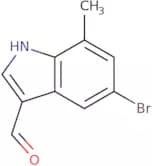
CAS:<p>2H-Pyrido[1,2-a]pyrimidin-2-one is an acetylcholine antagonist that binds to nicotinic acetylcholine receptors. It has potent antitumor activity and inhibits the growth of lepidoptera larvae. 2H-Pyrido[1,2-a]pyrimidin-2-one also has antibacterial properties. It is a synthetic compound that has been shown to inhibit gram negative bacteria such as Escherichia coli and Pseudomonas aeruginosa. 2H-Pyrido[1,2-a]pyrimidin-2-one also inhibits the growth of insect larvae by binding nicotinic acetylcholine receptors in the insect's nervous system. This leads to paralysis and death.</p>Formula:C8H6N2OPurity:Min. 95%Molecular weight:146.15 g/mol5-Bromo-7-methyl-1H-indole-3-carbaldehyde
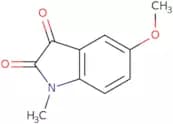
CAS:<p>Versatile small molecule scaffold</p>Formula:C10H8BrNOPurity:Min. 95%Molecular weight:238.08 g/mol5-methoxy-1-methylindoline-2,3-dione
CAS:<p>5-methoxy-1-methylindoline-2,3-dione is a synthetic compound that belongs to the class of oxidants. It is an intramolecular oxygen source that is enantioselective and has been shown to be an effective reagent for oxidation of carboxylic acids. 5-Methoxy-1-methylindoline-2,3-dione has been used in aerobic reactions to produce isatins from oxindoles. The yields of this reaction are high and the products are obtained in good purity.</p>Formula:C10H9NO3Purity:Min. 95%Molecular weight:191.18 g/mol1-Azatricyclo[6.3.1.0,4,12]dodeca-4,6,8(12)-trien-2-one
CAS:<p>Azatricyclo[6.3.1.0,4,12]dodeca-4,6,8(12)-trien-2-one (ATC) is a synthetic compound that has been shown to have anti-inflammatory and antipsychotic effects. It also has been shown to be an effective antidepressant drug in the treatment of chronic kidney disease. ATC binds to the nitric oxide synthase protein to inhibit its catalytic activity and reduce nitric oxide production, which is associated with inflammation and pain. In addition, ATC has been found to decrease glutamate release by inhibiting glutamate receptors in the brain and induce apoptosis in cancer cells.<br>ATC is a heterocycle with a bicyclic structure consisting of two six-membered rings fused together with an eight-membered ring attached at one end.</p>Formula:C11H11NOPurity:Min. 95%Molecular weight:173.21 g/mol1-Benzoyl-1,2,3,4-tetrahydroquinoline
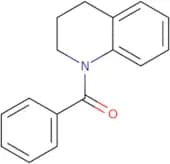
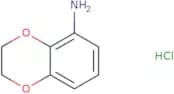
CAS:Versatile small molecule scaffoldFormula:C16H15NOPurity:Min. 95%Molecular weight:237.3 g/mol2,3-Dihydro-1,4-benzodioxin-5-amine hydrochloride
CAS:Versatile small molecule scaffoldFormula:C8H10ClNO2Purity:Min. 95%Molecular weight:187.62 g/mol7-Bromo-2,3-dihydro-1,4-benzodioxine-5-carboxylic acid
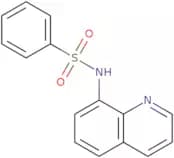
CAS:<p>Versatile small molecule scaffold</p>Formula:C9H7BrO4Purity:Min. 95%Molecular weight:259.05 g/mol8-(4-Benzenesulfonylamino)quinoline
CAS:<p>8-(4-Benzenesulfonylamino)quinoline is an anti-diabetic agent that inhibits the release of glucose from liver cells. It has been shown to be effective in hamsters with alloxan-induced diabetes. 8-(4-Benzenesulfonylamino)quinoline blocks the production of glucose by inhibiting the activity of pancreatic beta cells, which produce insulin and secrete it into the bloodstream. The drug binds specifically to these cells and prevents insulin secretion, thereby decreasing blood glucose levels. This agent can also interact with ascorbate (vitamin C), an extractant used to purify 8-(4-benzenesulfonylamino)quinoline, forming hydrogen peroxide (H2O2). The H2O2 formed may cause some damage to animal tissues when used for extraction purposes.</p>Formula:C15H12N2O2SPurity:Min. 95%Molecular weight:284.3 g/mol3-azabicyclo[3.2.0]heptane hydrochloride
CAS:<p>Versatile small molecule scaffold</p>Formula:C6H11N·HClPurity:Min. 95%Molecular weight:133.62 g/mol

![2-({[(9H-Fluoren-9-yl)methoxy]carbonyl}amino)bicyclo[3.1.0]hexane-2-carboxylic acid](/_next/image/?url=https%3A%2Fstatic.cymitquimica.com%2Fproducts%2F3D%2Fthumb-webp%2FQZC61230.webp&w=3840&q=75)
![2-[(Benzyloxy)carbonyl]-2-azabicyclo[2.2.2]octane-6-carboxylic acid](/_next/image/?url=https%3A%2Fstatic.cymitquimica.com%2Fproducts%2F3D%2Fthumb-webp%2FQZC64183.webp&w=3840&q=75)


![2H-Pyrido[1,2-a]pyrimidin-2-one](/_next/image/?url=https%3A%2Fstatic.cymitquimica.com%2Fproducts%2F3D%2Fthumb-webp%2FRAA07567.webp&w=3840&q=75)
![1-Azatricyclo[6.3.1.0,4,12]dodeca-4,6,8(12)-trien-2-one](/_next/image/?url=https%3A%2Fstatic.cymitquimica.com%2Fproducts%2F3D%2Fthumb-webp%2FRAA07837.webp&w=3840&q=75)

![3-azabicyclo[3.2.0]heptane hydrochloride](/_next/image/?url=https%3A%2Fstatic.cymitquimica.com%2Fproducts%2F3D%2Fthumb-webp%2FRAA08457.webp&w=3840&q=75)