Building Blocks
This section contains fundamental products for the synthesis of organic and biological compounds. Building blocks are the essential starting materials used to construct complex molecules through various chemical reactions. They play a critical role in drug discovery, material science, and chemical research. At CymitQuimica, we offer a diverse range of high-quality building blocks to support your innovative research and industrial projects, ensuring you have the essential components for successful synthesis.
Subcategories of "Building Blocks"
- Boronic Acids & Boronic Acid Derivatives(5,756 products)
- Chiral Building Blocks(1,242 products)
- Hydrocarbon Building Blocks(6,095 products)
- Organic Building Blocks(61,055 products)
Found 199650 products of "Building Blocks"
Sort by
Purity (%)
0
100
|
0
|
50
|
90
|
95
|
100
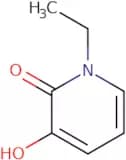
1-Ethyl-3-hydroxy-1,2-dihydropyridin-2-one
CAS:<p>1-Ethyl-3-hydroxy-1,2-dihydropyridin-2-one (EHDP) is a potential therapeutic agent for the treatment of Alzheimer's disease. It has been shown to inhibit the formation of amyloid beta peptides that are thought to cause Alzheimer's disease. EHDP may be effective in preventing or slowing the progression of Alzheimer's disease by blocking the production of amyloid beta peptides and by preserving long term potentiation in neurons. This compound is also capable of crossing the blood brain barrier and has been shown to bind to citric acid at high affinity.</p>Formula:C7H9NO2Purity:Min. 95%Molecular weight:139.15 g/mol3-(Furan-3-yl)propanoic acid
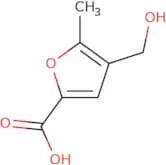
CAS:<p>Versatile small molecule scaffold</p>Formula:C7H8O3Purity:Min. 95%Molecular weight:140.14 g/mol4-(Hydroxymethyl)-5-methylfuran-2-carboxylic acid
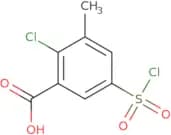
CAS:<p>Versatile small molecule scaffold</p>Formula:C7H8O4Purity:Min. 95%Molecular weight:156.14 g/mol2-Chloro-5-(chlorosulfonyl)-3-methylbenzoic acid
CAS:<p>Versatile small molecule scaffold</p>Formula:C8H6Cl2O4SPurity:Min. 95%Molecular weight:269.1 g/mol5-(Methylcarbamoyl)pentanoic acid
CAS:<p>Versatile small molecule scaffold</p>Formula:C7H13NO3Purity:Min. 95%Molecular weight:159.18 g/mol3-(3-Nitrophenyl)-1,2,4-oxadiazole
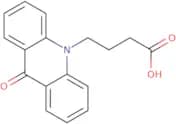
CAS:<p>Versatile small molecule scaffold</p>Formula:C8H5N3O3Purity:Min. 95%Molecular weight:191.14 g/mol4-(9-Oxo-9,10-dihydroacridin-10-yl)butanoic acid
CAS:<p>Versatile small molecule scaffold</p>Formula:C17H15NO3Purity:Min. 95%Molecular weight:281.3 g/molMethyl 2-chloro-2-(2-fluorophenyl)acetate
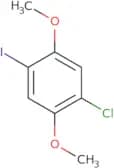
CAS:<p>Versatile small molecule scaffold</p>Formula:C9H8ClFO2Purity:Min. 95%Molecular weight:202.61 g/mol1-Chloro-4-iodo-2,5-dimethoxybenzene
CAS:<p>Versatile small molecule scaffold</p>Formula:C8H8ClIO2Purity:Min. 95%Molecular weight:298.5 g/mol2-Chloro-5-methanesulfonylbenzene-1-sulfonyl chloride
CAS:<p>Versatile small molecule scaffold</p>Formula:C7H6Cl2O4S2Purity:Min. 95%Molecular weight:289.2 g/mol[3-(Carbamoylamino)phenyl]boronic acid
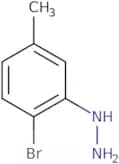
CAS:<p>Versatile small molecule scaffold</p>Formula:C7H9BN2O3Purity:Min. 95%Molecular weight:179.97 g/mol(2-Bromo-5-methylphenyl)hydrazine
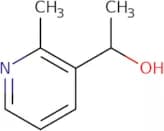
CAS:Versatile small molecule scaffoldFormula:C7H9BrN2Purity:Min. 95%Molecular weight:201.06 g/mol1-(2-Methylpyridin-3-yl)ethan-1-ol
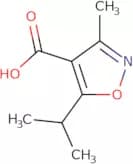
CAS:<p>Versatile small molecule scaffold</p>Formula:C8H11NOPurity:Min. 95%Molecular weight:137.18 g/mol5-Isopropyl-3-methylisoxazole-4-carboxylic acid
CAS:<p>Versatile small molecule scaffold</p>Formula:C8H11NO3Purity:Min. 95%Molecular weight:169.18 g/mol3-(6-Oxopiperidin-2-yl)propanoic acid
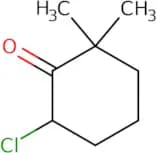
CAS:<p>Versatile small molecule scaffold</p>Formula:C8H13NO3Purity:Min. 95%Molecular weight:171.19 g/mol6-Chloro-2,2-dimethylcyclohexan-1-one
CAS:<p>Versatile small molecule scaffold</p>Formula:C8H13ClOPurity:Min. 95%Molecular weight:160.64 g/mol3-(2-Amino-4-methyl-6-oxo-1,6-dihydropyrimidin-5-yl)propanoic acid
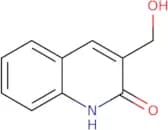
CAS:<p>Versatile small molecule scaffold</p>Formula:C8H11N3O3Purity:Min. 95%Molecular weight:197.19 g/mol3-(Hydroxymethyl)-2(1H)-quinolinone
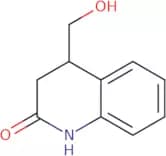
CAS:<p>3-(Hydroxymethyl)-2(1H)-quinolinone is a potent GABA antagonist with a low micromolar range of activity. It is used as a tool to evaluate the profile of GABA receptors and their kinetics, as well as to study the antagonistic activity at these receptors. 3-(Hydroxymethyl)-2(1H)-quinolinone has been shown to have antagonistic properties against glutamate and glycine receptors, although it does not bind to benzodiazepine or barbiturate binding sites. This drug has proapoptotic properties, which relates to its ability to induce neuronal cell death by apoptosis. 3-(Hydroxymethyl)-2(1H)-quinolinone also photolyzes in the presence of light and can be used for photodynamic therapy, which is an effective treatment for brain cancer.</p>Formula:C10H9NO2Purity:Min. 95%Molecular weight:175.19 g/mol4-(Hydroxymethyl)-1,2,3,4-tetrahydroquinolin-2-one
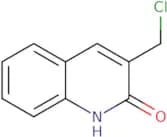
CAS:<p>Versatile small molecule scaffold</p>Formula:C10H11NO2Purity:Min. 95%Molecular weight:177.2 g/mol3-(Chloromethyl)-1,2-dihydroquinolin-2-one
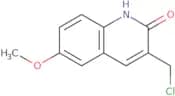
CAS:Versatile small molecule scaffoldFormula:C10H8ClNOPurity:Min. 95%Molecular weight:193.63 g/mol3-(Chloromethyl)-6-methoxy-1,2-dihydroquinolin-2-one
CAS:<p>Versatile small molecule scaffold</p>Formula:C11H10ClNO2Purity:Min. 95%Molecular weight:223.65 g/mol2-Chloro-N-methyl-4-nitrobenzamide
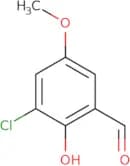
CAS:<p>Versatile small molecule scaffold</p>Formula:C8H7ClN2O3Purity:Min. 95%Molecular weight:214.6 g/mol3-Chloro-2-hydroxy-5-methoxybenzaldehyde
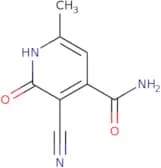
CAS:<p>Versatile small molecule scaffold</p>Formula:C8H7ClO3Purity:Min. 95%Molecular weight:186.59 g/mol3-Cyano-2-hydroxy-6-methylpyridine-4-carboxamide
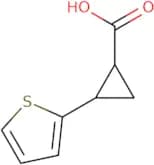
CAS:<p>Versatile small molecule scaffold</p>Formula:C8H7N3O2Purity:Min. 95%Molecular weight:177.16 g/mol2-Thiophen-2-yl-cyclopropanecarboxylic acid
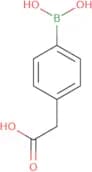
CAS:<p>Versatile small molecule scaffold</p>Formula:C8H8O2SPurity:Min. 95%Molecular weight:168.21 g/mol4-(Carboxymethyl)phenylboronic acid
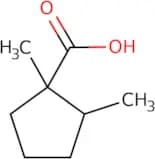
CAS:<p>4-(Carboxymethyl)phenylboronic acid is a corrosion inhibitor that is used in the production of polyvinyl chloride, polyvinyl alcohol, and ethylene glycol. It can be used as an additive to lubricating oils and fuels. 4-(Carboxymethyl)phenylboronic acid has been shown to inhibit the corrosion of lead in hydrochloric acid solutions. This compound has also been shown to inhibit the formation of silicon-sulfide complexes in polystyrene and polyvinyl chloride.</p>Formula:C8H9BO4Purity:Min. 95%Molecular weight:179.97 g/mol1,2-Dimethylcyclopentane-1-carboxylic acid
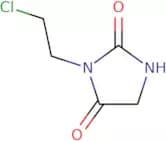
CAS:<p>Versatile small molecule scaffold</p>Formula:C8H14O2Purity:Min. 95%Molecular weight:142.2 g/mol3-(2-Chloroethyl)imidazolidine-2,4-dione
CAS:<p>3-(2-Chloroethyl)imidazolidine-2,4-dione (3CI) belongs to the class of intramolecular corroborating advances. It is a chemical compound that can be used in kinetic analyses of pathways and mechanisms. 3CI has been shown to lower the activation energy for reactions and quantification of benzyl yields. The mechanism of action is through the lowering of activation energies and by quantifying yields.</p>Formula:C5H7ClN2O2Purity:Min. 95%Molecular weight:162.57 g/mol4-Methyl-2-(phenylsulfanyl)benzonitrile
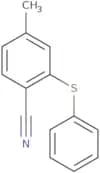
CAS:<p>Versatile small molecule scaffold</p>Formula:C14H11NSPurity:Min. 95%Molecular weight:225.31 g/mol4-Methyl-2-(phenylsulfanyl)benzoic acid
CAS:<p>Versatile small molecule scaffold</p>Formula:C14H12O2SPurity:Min. 95%Molecular weight:244.31 g/molN-(2-Aminophenyl)-N-methylmethanesulfonamide
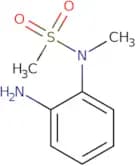
CAS:<p>Versatile small molecule scaffold</p>Formula:C8H12N2O2SPurity:Min. 95%Molecular weight:200.26 g/mol3-Bromo-4-methoxybenzene-1-thiol
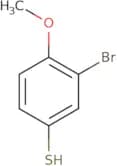
CAS:<p>Versatile small molecule scaffold</p>Formula:C7H7BrOSPurity:Min. 95%Molecular weight:219.1 g/mol5-Bromo-2-methoxybenzene-1-thiol
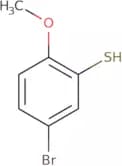
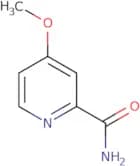
CAS:<p>Versatile small molecule scaffold</p>Formula:C7H7BrOSPurity:Min. 95%Molecular weight:219.1 g/mol4-Methoxy-pyridine-2-carboxylic acid amide
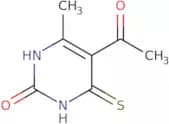
CAS:<p>4-Methoxy-pyridine-2-carboxylic acid amide is a multinuclear compound that can be classified as a pyridine molecule. It has anions that are capable of hydrogen bonding, which is important for its interaction with other molecules. The compound also mimics the properties of benzene and cyclic compounds. 4-Methoxy-pyridine-2-carboxylic acid amide has been shown to have magnetic properties and catalytic activity in the presence of counterion, such as hydrogen ions or sodium hydroxide.</p>Formula:C7H8N2O2Purity:Min. 95%Molecular weight:152.15 g/mol5-Acetyl-6-methyl-4-sulfanyl-1,2-dihydropyrimidin-2-one
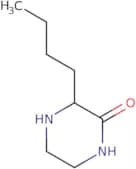
CAS:<p>Versatile small molecule scaffold</p>Formula:C7H8N2O2SPurity:Min. 95%Molecular weight:184.22 g/mol3-Butylpiperazin-2-one
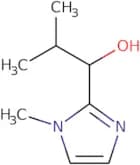
CAS:<p>Versatile small molecule scaffold</p>Formula:C8H16N2OPurity:Min. 95%Molecular weight:156.23 g/mol2-Methyl-1-(1-methyl-1H-imidazol-2-yl)propan-1-ol
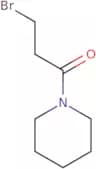
CAS:<p>Versatile small molecule scaffold</p>Formula:C8H14N2OPurity:Min. 95%Molecular weight:154.21 g/mol3-Bromo-1-(piperidin-1-yl)propan-1-one
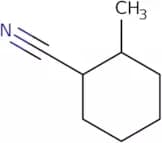
CAS:Versatile small molecule scaffoldFormula:C8H14BrNOPurity:Min. 95%Molecular weight:220.11 g/mol2-Methylcyclohexane-1-carbonitrile
CAS:<p>2-Methylcyclohexane-1-carbonitrile is a phenoxide that is formed by the reaction of silicon and carbon. It has an empirical formula of C6H4O2NSi and a molecular weight of 122.14 g/mol. 2-Methylcyclohexane-1-carbonitrile has been found to yield a variety of products, including carbons, phenol, and cyclohexanol.</p>Formula:C8H13NPurity:Min. 95%Molecular weight:123.2 g/mol1-Azabicyclo[3.3.1]nonan-3-one hydrochloride
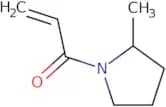
CAS:<p>Versatile small molecule scaffold</p>Formula:C8H14ClNOPurity:Min. 95%Molecular weight:175.7 g/mol1-(2-Methylpyrrolidin-1-yl)prop-2-en-1-one
CAS:<p>Versatile small molecule scaffold</p>Formula:C8H13NOPurity:Min. 95%Molecular weight:139.19 g/mol2-Cyano-N-(pyrimidin-2-yl)acetamide
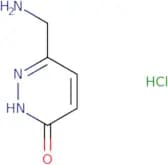
CAS:<p>Versatile small molecule scaffold</p>Formula:C7H6N4OPurity:Min. 95%Molecular weight:162.15 g/mol6-(Aminomethyl)pyridazin-3(2H)-one hydrochloride
CAS:<p>Versatile small molecule scaffold</p>Formula:C5H8ClN3OPurity:Min. 95%Molecular weight:161.59 g/mol(2S)-2-{[(tert-Butoxy)carbonyl]amino}-3-[(tert-butyldimethylsilyl)oxy]propanoic acid
CAS:<p>Versatile small molecule scaffold</p>Formula:C14H29NO5SiPurity:Min. 95%Molecular weight:319.47 g/mol(2S,3R)-2-{[(tert-Butoxy)carbonyl]amino}-3-[(tert-butyldimethylsilyl)oxy]butanoic acid
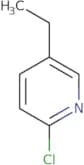
CAS:<p>Versatile small molecule scaffold</p>Formula:C15H31NO5SiPurity:Min. 95%Molecular weight:333.5 g/mol2-Chloro-5-ethylpyridine
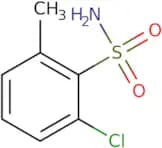
CAS:<p>2-Chloro-5-ethylpyridine is a chemical compound that belongs to the class of heterocyclic compounds. It is used as a catalyst in catalytic reduction and metabolic rate studies. This compound has been found to increase the production of flavopereirine, an important intermediate in the metabolism of plant polyphenols. 2-Chloro-5-ethylpyridine has also been shown to have an agonistic effect on the long term treatment of diabetes mellitus type 2. This agent has been shown to optimize yields and reduce hypoglycemic effects in animal models.</p>Formula:C7H8ClNPurity:Min. 95%Molecular weight:141.6 g/mol2-Chloro-6-methylbenzene-1-sulfonamide
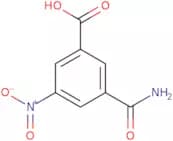
CAS:<p>Versatile small molecule scaffold</p>Formula:C7H8ClNO2SPurity:Min. 95%Molecular weight:205.66 g/mol3-carbamoyl-5-nitrobenzoic acid
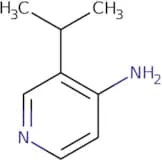
CAS:<p>Versatile small molecule scaffold</p>Formula:C8H6N2O5Purity:Min. 95%Molecular weight:210.15 g/mol3-Isopropylpyridin-4-amine
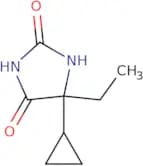
CAS:<p>Versatile small molecule scaffold</p>Formula:C8H12N2Purity:Min. 95%Molecular weight:136.2 g/mol5-Cyclopropyl-5-ethylimidazolidine-2,4-dione
CAS:<p>Versatile small molecule scaffold</p>Formula:C8H12N2O2Purity:Min. 95%Molecular weight:168.19 g/mol






![[3-(Carbamoylamino)phenyl]boronic acid](/_next/image/?url=https%3A%2Fstatic.cymitquimica.com%2Fproducts%2F3D%2Fthumb-webp%2FQDA08466.webp&w=3840&q=75)




![1-Azabicyclo[3.3.1]nonan-3-one hydrochloride](/_next/image/?url=https%3A%2Fstatic.cymitquimica.com%2Fproducts%2F3D%2Fthumb-webp%2FQDA15482.webp&w=3840&q=75)

![(2S)-2-{[(tert-Butoxy)carbonyl]amino}-3-[(tert-butyldimethylsilyl)oxy]propanoic acid](/_next/image/?url=https%3A%2Fstatic.cymitquimica.com%2Fproducts%2F3D%2Fthumb-webp%2FQDA18125.webp&w=3840&q=75)
![(2S,3R)-2-{[(tert-Butoxy)carbonyl]amino}-3-[(tert-butyldimethylsilyl)oxy]butanoic acid](/_next/image/?url=https%3A%2Fstatic.cymitquimica.com%2Fproducts%2F3D%2Fthumb-webp%2FQDA18126.webp&w=3840&q=75)