Building Blocks
This section contains fundamental products for the synthesis of organic and biological compounds. Building blocks are the essential starting materials used to construct complex molecules through various chemical reactions. They play a critical role in drug discovery, material science, and chemical research. At CymitQuimica, we offer a diverse range of high-quality building blocks to support your innovative research and industrial projects, ensuring you have the essential components for successful synthesis.
Subcategories of "Building Blocks"
- Boronic Acids & Boronic Acid Derivatives(5,778 products)
- Chiral Building Blocks(1,242 products)
- Hydrocarbon Building Blocks(6,098 products)
- Organic Building Blocks(61,034 products)
Found 199601 products of "Building Blocks"
Sort by
Purity (%)
0
100
|
0
|
50
|
90
|
95
|
100
2-Hydroxy-5-[(4-methoxyphenyl)sulfamoyl]benzoic acid
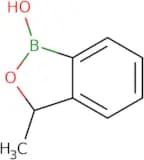
CAS:<p>Versatile small molecule scaffold</p>Formula:C14H13NO6SPurity:Min. 95%Molecular weight:323.32 g/mol3-Methyl-1,3-dihydro-2,1-benzoxaborol-1-ol
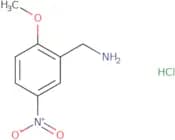
CAS:<p>Versatile small molecule scaffold</p>Formula:C8H9BO2Purity:Min. 95%Molecular weight:147.97 g/mol1-(2-Methoxy-5-nitrophenyl)methanamine hydrochloride
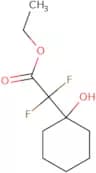
CAS:<p>Versatile small molecule scaffold</p>Formula:C8H11ClN2O3Purity:Min. 95%Molecular weight:218.64 g/molEthyl 2,2-difluoro-2-(1-hydroxycyclohexyl)acetate
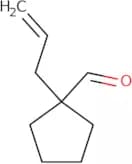
CAS:<p>Versatile small molecule scaffold</p>Formula:C10H16F2O3Purity:Min. 95%Molecular weight:222.23 g/mol1-(Prop-2-en-1-yl)cyclopentane-1-carbaldehyde
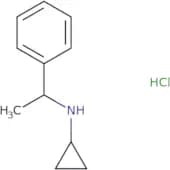
CAS:<p>Versatile small molecule scaffold</p>Formula:C9H14OPurity:Min. 95%Molecular weight:138.21 g/molN-(1-Phenylethyl)cyclopropanamine hydrochloride
CAS:<p>Versatile small molecule scaffold</p>Formula:C11H16ClNPurity:Min. 95%Molecular weight:197.7 g/mol4H,5H-[1,2,4]Triazolo[4,3-a]quinazolin-5-one
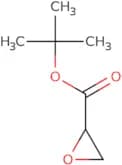
CAS:<p>4H,5H-[1,2,4]Triazolo[4,3-a]quinazolin-5-one is a quinazolinone drug that inhibits bacterial growth by binding to the DNA gyrase enzyme. It is active against Gram-positive and Gram-negative bacteria. 4H,5H-[1,2,4]Triazolo[4,3-a]quinazolin-5-one has been shown to have broad antimicrobial activity against both aerobic and anaerobic organisms. This compound also has a low toxicity to mammalian cells in culture. The mechanism of action of this drug is not fully understood but may be related to its ability to inhibit cell growth by interfering with protein synthesis or cell division.</p>Formula:C9H6N4OPurity:Min. 95%Molecular weight:186.17 g/molTert-Butyl Oxirane-2-Carboxylate
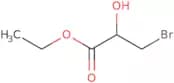
CAS:<p>Versatile small molecule scaffold</p>Formula:C7H12O3Purity:Min. 95%Molecular weight:144.17 g/molEthyl 3-bromo-2-hydroxypropanoate
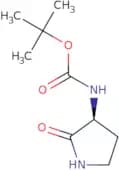
CAS:<p>Versatile small molecule scaffold</p>Formula:C5H9BrO3Purity:Min. 95%Molecular weight:197.03 g/mol(S)-tert-Butyl (2-oxopyrrolidin-3-yl)carbamate
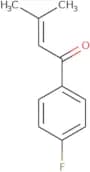
CAS:<p>Versatile small molecule scaffold</p>Formula:C9H16N2O3Purity:Min. 95%Molecular weight:200.23 g/mol1-(4-Fluorophenyl)-3-methylbut-2-en-1-one
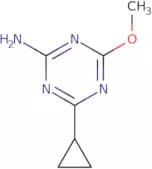
CAS:<p>1-(4-Fluorophenyl)-3-methylbut-2-en-1-one is a conformationally constrained analogue of diethyl malonate. It is an analog of diethyl malonate that has been stabilized by the addition of a fluorine atom in the para position. This molecule has three chiral centers, and its crystal structure has been determined using X-ray crystallography. The molecule has a planar surface with one hydroxyl group and one methyl group on each side of the plane. The molecule can be used as a fingerprinting probe and as an intermediate for organic synthesis.</p>Formula:C11H11FOPurity:Min. 95%Molecular weight:178.2 g/mol4-Cyclopropyl-6-methoxy-1,3,5-triazin-2-amine
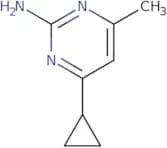
CAS:<p>Versatile small molecule scaffold</p>Formula:C7H10N4OPurity:Min. 95%Molecular weight:166.18 g/mol4-Cyclopropyl-6-methylpyrimidin-2-amine
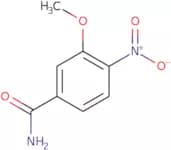
CAS:<p>4-Cyclopropyl-6-methylpyrimidin-2-amine is a nitrogenous compound that can be taken up by plants through their roots and transported to other parts of the plant. It is used as a fungicide and is labelled for use on anaerobic soils, which are not suitable for many agricultural purposes. The uptake of 4-cyclopropyl-6-methylpyrimidin-2-amine has been shown to be initially high in the presence of oxygen, but decreases with time. It is also radioactive, emitting γ rays at a rate of 0.0003% per hour. 4-Cyclopropyl-6-methylpyrimidin-2-amine reacts with cyprodinil to form a pyrimidine intermediate, which then reacts with oxygen to form a final product that can be detected by radioactivity. In addition, this molecule has been found to have antiinflammatory effects in mice.</p>Formula:C8H11N3Purity:Min. 95%Molecular weight:149.19 g/mol3-Methoxy-4-nitrobenzamide
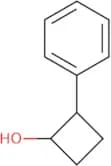
CAS:3-Methoxy-4-nitrobenzamide is an intermediate in the synthesis of drugs, dyes, and other organic chemicals. It is produced by the reaction of methoxyacetic acid with nitric acid. This compound is used as a starting material for the production of many pharmaceuticals, such as 3-methoxy-4-(2-chlorophenyl)benzamide, 3-methoxy-4-(2,6-dichlorophenyl)benzamide, and 3-methoxy-4-(3,4,5-trimethoxyphenyl)benzamide. 3MMB can also be used to synthesize acrylonitrile.Formula:C8H8N2O4Purity:Min. 95%Molecular weight:196.16 g/mol2-Phenylcyclobutan-1-ol
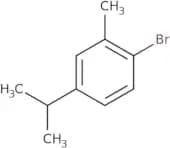
CAS:<p>Versatile small molecule scaffold</p>Formula:C10H12OPurity:Min. 95%Molecular weight:148.2 g/mol1-Bromo-2-methyl-4-(propan-2-yl)benzene
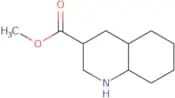
CAS:<p>Geosmin is a volatile organic compound that is produced by certain types of bacteria, such as actinomycetes, and can be found in soil, water, and air. Geosmin has been identified as the cause of "earthy" or "musty" flavors in drinking water. Geosmin can be detected by olfactometry techniques and quantified using gas chromatography-mass spectrometry (GC-MS). The technique involves spiking a sample with an appropriate amount of geosmin to achieve the desired concentration for analysis. Geosmin can also be removed from samples using desorption methods. This process involves heating the sample at a high temperature to release geosmin from the surface adsorbed on the solid phase into the vapor phase where it can be collected on a trap. This method is used to analyze geosmin levels in environmental samples such as groundwater or surface water.</p>Formula:C10H13BrPurity:Min. 95%Molecular weight:213.11 g/molMethyl decahydroquinoline-3-carboxylates
CAS:<p>Versatile small molecule scaffold</p>Formula:C11H19NO2Purity:Min. 95%Molecular weight:197.3 g/molN-[1-(4-Chlorophenyl)ethyl]aniline
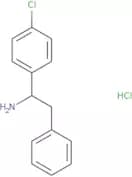
CAS:<p>Versatile small molecule scaffold</p>Formula:C14H14ClNPurity:Min. 95%Molecular weight:231.72 g/mol1-(4-Chlorophenyl)-2-phenylethan-1-amine hydrochloride
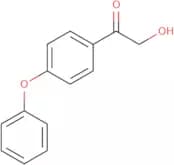
CAS:<p>Versatile small molecule scaffold</p>Formula:C14H15Cl2NPurity:Min. 95%Molecular weight:268.2 g/mol2-Hydroxy-1-(4-phenoxyphenyl)ethan-1-one
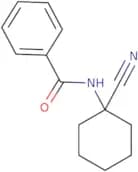
CAS:<p>Versatile small molecule scaffold</p>Formula:C14H12O3Purity:Min. 95%Molecular weight:228.24 g/molN-(1-Cyanocyclohexyl)benzamide
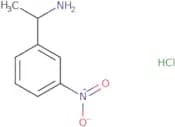
CAS:<p>Versatile small molecule scaffold</p>Formula:C14H16N2OPurity:Min. 95%Molecular weight:228.29 g/mol1-(3-Nitrophenyl)ethanamine hydrochloride
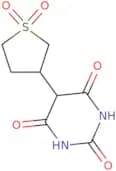
CAS:<p>Versatile small molecule scaffold</p>Formula:C8H11ClN2O2Purity:Min. 95%Molecular weight:202.64 g/mol5-(1,1-Dioxidotetrahydrothien-3-yl)pyrimidine-2,4,6(1H,3H,5H)-trione
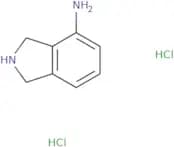
CAS:<p>Versatile small molecule scaffold</p>Formula:C8H10N2O5SPurity:Min. 95%Molecular weight:246.24 g/molIsoindolin-4-amine dihydrochloride
CAS:<p>Versatile small molecule scaffold</p>Formula:C8H10N2HClPurity:Min. 95%Molecular weight:207.1 g/mol6-Bromo-2,3-dimethyl-3H-imidazo[4,5-b]pyridine
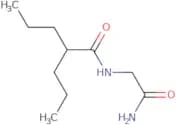
CAS:<p>Versatile small molecule scaffold</p>Formula:C8H8BrN3Purity:Min. 95%Molecular weight:226.07 g/molValrocemide
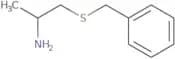
CAS:<p>Valrocemide is an amide laxative that is used to treat bowel disease. It is a long-term drug that can be used in the treatment of inflammatory bowel disease, but it only has short-term efficacy. Valrocemide works by increasing water content in the colon and by stimulating nerve endings in the colon, causing contraction of the muscle cells and expelling contents. Valrocemide also reduces inflammation by inhibiting prostaglandin synthesis. The drug interactions with valproic acid, carbamazepine, and phenobarbital are not well understood. This medication may cause diarrhea, nausea, vomiting, abdominal pain, or headache. Valrocemide also causes allergic reactions in some patients.</p>Formula:C10H20N2O2Purity:Min. 95%Molecular weight:200.28 g/mol1-(Benzylsulfanyl)propan-2-amine
CAS:<p>Versatile small molecule scaffold</p>Formula:C10H15NSPurity:Min. 95%Molecular weight:181.3 g/mol1-[2-(Methylsulfanyl)phenyl]propan-2-amine hydrochloride
CAS:Controlled ProductVersatile small molecule scaffoldFormula:C10H16ClNSPurity:Min. 95%Molecular weight:217.76 g/molN-[(2-Ethyl-1-benzofuran-3-yl)methylidene]hydroxylamine
CAS:<p>Versatile small molecule scaffold</p>Formula:C11H11NO2Purity:Min. 95%Molecular weight:189.21 g/mol2-[4-(2-Oxo-1,3-oxazolidin-3-yl)phenyl]acetic acid
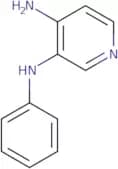
CAS:Versatile small molecule scaffoldFormula:C11H11NO4Purity:Min. 95%Molecular weight:221.21 g/molN3-Phenylpyridine-3,4-diamine
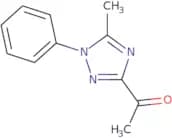
CAS:<p>Versatile small molecule scaffold</p>Formula:C11H11N3Purity:Min. 95%Molecular weight:185.22 g/mol1-(5-Methyl-1-phenyl-1H-1,2,4-triazol-3-yl)ethanone
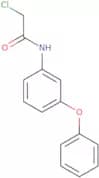
CAS:<p>Versatile small molecule scaffold</p>Formula:C11H11N3OPurity:Min. 95%Molecular weight:201.22 g/mol2-Chloro-N-(3-phenoxyphenyl)acetamide
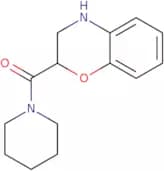
CAS:<p>Versatile small molecule scaffold</p>Formula:C14H12ClNO2Purity:Min. 95%Molecular weight:261.7 g/mol2-(Piperidine-1-carbonyl)-3,4-dihydro-2H-1,4-benzoxazine
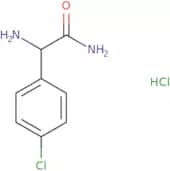
CAS:<p>Versatile small molecule scaffold</p>Formula:C14H18N2O2Purity:Min. 95%Molecular weight:246.3 g/mol2-Amino-2-(4-chlorophenyl)acetamide hydrochloride
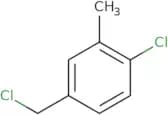
CAS:<p>Versatile small molecule scaffold</p>Formula:C8H10Cl2N2OPurity:Min. 95%Molecular weight:221.08 g/mol1-chloro-4-(chloromethyl)-2-methylbenzene
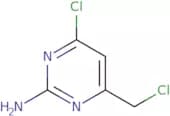
CAS:<p>Versatile small molecule scaffold</p>Formula:C8H8Cl2Purity:Min. 95%Molecular weight:175.05 g/mol4-Chloro-6-(chloromethyl)pyrimidin-2-amine
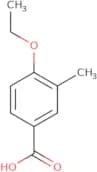
CAS:<p>Versatile small molecule scaffold</p>Formula:C5H5Cl2N3Purity:Min. 95%Molecular weight:178.02 g/mol4-Ethoxy-3-methylbenzoic acid
CAS:<p>Versatile small molecule scaffold</p>Formula:C10H12O3Purity:Min. 95%Molecular weight:180.2 g/mol2-Chloro-5-[methyl(propan-2-yl)sulfamoyl]benzoic acid
CAS:<p>Versatile small molecule scaffold</p>Formula:C11H14ClNO4SPurity:Min. 95%Molecular weight:291.75 g/mol[1-(2,4-Dimethylphenyl)cyclopentyl]methanamine
CAS:<p>Versatile small molecule scaffold</p>Formula:C14H21NPurity:Min. 95%Molecular weight:203.32 g/molEthyl[1-(oxolan-2-yl)-2-phenylethyl]amine hydrochloride
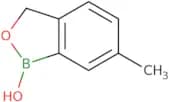
CAS:<p>Versatile small molecule scaffold</p>Formula:C14H22ClNOPurity:Min. 95%Molecular weight:255.8 g/mol6-methyl-1,3-dihydro-2,1-benzoxaborol-1-ol
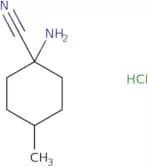
CAS:<p>Versatile small molecule scaffold</p>Formula:C8H9BO2Purity:Min. 95%Molecular weight:148 g/mol1-Amino-4-methylcyclohexane-1-carbonitrile hydrochloride
CAS:<p>Versatile small molecule scaffold</p>Formula:C8H14N2·HClPurity:Min. 95%Molecular weight:174.67 g/mol2-Bromo-4H,5H,6H,7H,8H-thieno[3,2-c]azepin-4-one
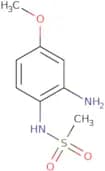
CAS:<p>Versatile small molecule scaffold</p>Formula:C8H8BrNOSPurity:Min. 95%Molecular weight:246.13 g/molN-(2-Amino-4-methoxyphenyl)methanesulfonamide
CAS:<p>Versatile small molecule scaffold</p>Formula:C8H12N2O3SPurity:Min. 95%Molecular weight:216.26 g/mol1-Ethyl-2-methylpiperidin-4-amine
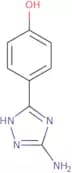
CAS:<p>Versatile small molecule scaffold</p>Formula:C8H18N2Purity:Min. 95%Molecular weight:142.24 g/mol4-(5-Amino-1H-1,2,4-triazol-3-yl)phenol
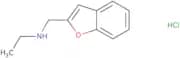
CAS:<p>Versatile small molecule scaffold</p>Formula:C8H8N4OPurity:Min. 95%Molecular weight:176.18 g/mol(1-Benzofuran-2-ylmethyl)(ethyl)amine hydrochloride
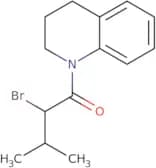
CAS:<p>Versatile small molecule scaffold</p>Formula:C11H14ClNOPurity:Min. 95%Molecular weight:211.69 g/mol2-Bromo-3-methyl-1-(1,2,3,4-tetrahydroquinolin-1-yl)butan-1-one
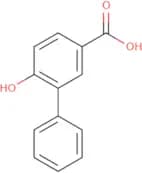
CAS:<p>Versatile small molecule scaffold</p>Formula:C14H18BrNOPurity:Min. 95%Molecular weight:296.2 g/mol4-Hydroxy-3-phenylbenzoic acid
CAS:<p>4-Hydroxy-3-phenylbenzoic acid is a liquid crystal that belongs to the class of homopolyesters. It is synthesized by reacting biphenyl with dimethylformamide and an alkali metal. The 4-hydroxy group in this compound reacts with the phenyl group to form a carbonate ester, which can be further reacted with a range of other organic compounds to produce polyesters. The optical properties of 4-hydroxyphenyl benzoic acid are determined by the degree of polymerisation and substitution on the aromatic ring, while it also forms a byproduct when used as a chemical intermediate. This compound can be studied using optical microscopy under various temperatures and pH levels.</p>Formula:C13H10O3Purity:Min. 95%Molecular weight:214.22 g/mol
![2-Hydroxy-5-[(4-methoxyphenyl)sulfamoyl]benzoic acid](/_next/image/?url=https%3A%2Fstatic.cymitquimica.com%2Fproducts%2F3D%2Fthumb-webp%2FSDA20076.webp&w=3840&q=75)

![4H,5H-[1,2,4]Triazolo[4,3-a]quinazolin-5-one](/_next/image/?url=https%3A%2Fstatic.cymitquimica.com%2Fproducts%2F3D%2Fthumb-webp%2FSDA22189.webp&w=3840&q=75)
![N-[1-(4-Chlorophenyl)ethyl]aniline](/_next/image/?url=https%3A%2Fstatic.cymitquimica.com%2Fproducts%2F3D%2Fthumb-webp%2FSDA25292.webp&w=3840&q=75)
![6-Bromo-2,3-dimethyl-3H-imidazo[4,5-b]pyridine](/_next/image/?url=https%3A%2Fstatic.cymitquimica.com%2Fproducts%2F3D%2Fthumb-webp%2FSDA26032.webp&w=3840&q=75)
![1-[2-(Methylsulfanyl)phenyl]propan-2-amine hydrochloride](/_next/image/?url=https%3A%2Fstatic.cymitquimica.com%2Fproducts%2F3D%2Fthumb-webp%2FSDA28671.webp&w=3840&q=75)
![N-[(2-Ethyl-1-benzofuran-3-yl)methylidene]hydroxylamine](/_next/image/?url=https%3A%2Fstatic.cymitquimica.com%2Fproducts%2F3D%2Fthumb-webp%2FSDA28769.webp&w=3840&q=75)
![2-[4-(2-Oxo-1,3-oxazolidin-3-yl)phenyl]acetic acid](/_next/image/?url=https%3A%2Fstatic.cymitquimica.com%2Fproducts%2F3D%2Fthumb-webp%2FSDA28870.webp&w=3840&q=75)
![2-Chloro-5-[methyl(propan-2-yl)sulfamoyl]benzoic acid](/_next/image/?url=https%3A%2Fstatic.cymitquimica.com%2Fproducts%2F3D%2Fthumb-webp%2FSDA31653.webp&w=3840&q=75)
![[1-(2,4-Dimethylphenyl)cyclopentyl]methanamine](/_next/image/?url=https%3A%2Fstatic.cymitquimica.com%2Fproducts%2F3D%2Fthumb-webp%2FSDA32107.webp&w=3840&q=75)
![Ethyl[1-(oxolan-2-yl)-2-phenylethyl]amine hydrochloride](/_next/image/?url=https%3A%2Fstatic.cymitquimica.com%2Fproducts%2F3D%2Fthumb-webp%2FSDA32173.webp&w=3840&q=75)
![2-Bromo-4H,5H,6H,7H,8H-thieno[3,2-c]azepin-4-one](/_next/image/?url=https%3A%2Fstatic.cymitquimica.com%2Fproducts%2F3D%2Fthumb-webp%2FSDA33611.webp&w=3840&q=75)