


Building Blocks
Subcategories of "Building Blocks"
- Boronic Acids & Boronic Acid Derivatives(5,778 products)
- Chiral Building Blocks(1,243 products)
- Hydrocarbon Building Blocks(6,099 products)
- Organic Building Blocks(61,038 products)
Found 205376 products of "Building Blocks"
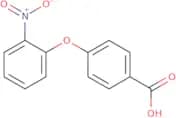
4-(2-Nitrophenoxy)benzoic acid
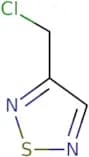
CAS:Versatile small molecule scaffoldFormula:C13H9NO5Purity:Min. 95%Molecular weight:259.21 g/mol3-(Chloromethyl)-1,2,5-thiadiazole
CAS:Versatile small molecule scaffold
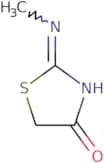
Formula:C3H3ClN2SPurity:Min. 95%Molecular weight:134.59 g/mol2-(Methylamino)-4,5-dihydro-1,3-thiazol-4-one
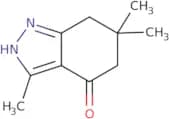
CAS:2-(Methylamino)-4,5-dihydro-1,3-thiazol-4-one is a sulfur heterocycle that is a white crystalline solid at room temperature. It has a molecular weight of 165.14 and an empirical formula of C8H10N2S. 2-(Methylamino)-4,5-dihydro-1,3-thiazol-4-one has two tautomers: the enol and keto forms. The enol form dominates due to the electron delocalization over the sulfur atom in the molecule. 2-(Methylamino)-4,5-dihydro-1,3-thiazol-4-one is used as a reagent for chemical synthesis and as a starting material for other substances such as pharmaceuticals. The structure of this substance was determined by x-ray diffraction studies and by analyzing its diffraction pattern using the centFormula:C4H6N2OSPurity:Min. 95%Molecular weight:130.17 g/mol3,6,6-Trimethyl-1,5,6,7-tetrahydro-4h-indazol-4-one
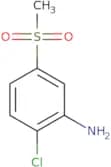
CAS:Isoxazoles are a class of chemical compounds that contain the isoxazole ring. Isoxazoles can be synthesized by ring-opening reactions from 1,3-dihydroisoxazol-2-ones or by the reductive condensation of 2-hydroxybenzaldehydes and malononitrile derivatives. The synthesis of 3,6,6-trimethyl-1,5,6,7-tetrahydro-4H-indazol-4-one (TMI) is an example of this type of reaction. This compound was prepared in 1949 by H.P. Brown and coworkers at DuPont as part of their search for an organic insecticide. TMI has been shown to have a high degree of stability across a range of conditions and temperatures.Formula:C10H14N2OPurity:Min. 95%Molecular weight:178.24 g/mol2-Chloro-5-methanesulfonylaniline
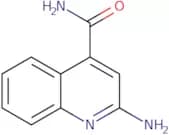
CAS:Versatile small molecule scaffoldFormula:C7H8ClNO2SPurity:Min. 95%Molecular weight:205.66 g/mol2-Aminoquinoline-4-carboxamide
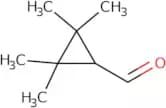
CAS:2-Aminoquinoline-4-carboxamide is a medicament that is used in the treatment of fibrosis and inflammatory disorders. It has been combined with other medicaments to treat fibrotic diseases and inflammatory disorders. 2-Aminoquinoline-4-carboxamide may be used for prophylaxis and/or treatment of fibrotic diseases and inflammatory disorders.Formula:C10H9N3OPurity:Min. 95%Molecular weight:187.2 g/mol2,2,3,3-Tetramethylcyclopropane-1-carbaldehyde
CAS:Versatile small molecule scaffold
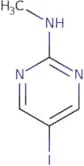
Formula:C8H14OPurity:Min. 95%Molecular weight:126.2 g/mol5-Iodo-N-methylpyrimidin-2-amine
CAS:Versatile small molecule scaffold
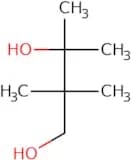
Formula:C5H6IN3Purity:Min. 95%Molecular weight:235.03 g/mol2,2,3-Trimethylbutane-1,3-diol
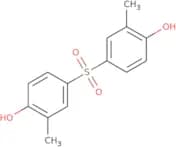
CAS:Versatile small molecule scaffoldFormula:C7H16O2Purity:Min. 95%Molecular weight:132.2 g/mol4,4′-Sulfonylbis(2-methylphenol)
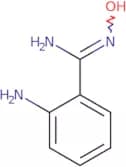
CAS:4,4′-Sulfonylbis(2-methylphenol) is a synthetic estrogen analog that binds to the estrogen receptor. It has been shown to bind to the receptor with high affinity and act as an agonist. In addition, it can inhibit aromatase activity in vitro and in vivo. 4,4′-Sulfonylbis(2-methylphenol) has been used for the treatment of breast cancer in postmenopausal women with hormone receptors positive for estrogen. The drug also shows promise as an anti-inflammatory agent for autoimmune diseases such as systemic lupus erythematosus (SLE). It may be useful in treating various types of cancer, including prostate and colon cancer. 4,4′-Sulfonylbis(2-methylphenol) is not metabolized by humans but rather excreted unchanged in urine.Formula:C14H14O4SPurity:Min. 95%Molecular weight:278.33 g/mol2-Aminobenzamidoxime
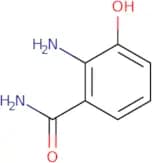
CAS:2-Aminobenzamidoxime is a hydrogen bond donor that can regulate the interaction between two molecules, including proteins and nucleic acids. This chemical can also be used to boost the activity of an acceptor molecule. It is used in pharmacodynamics to introduce fluorescent groups into drugs or other compounds for detection. 2-Aminobenzamidoxime has been shown to possess fluorescence properties and cyclic behavior, which makes it useful for glycan studies. The affinity of 2-aminobenzamidoxime for glycans is due to its nature as a glycosylating agent.Formula:C7H9N3OPurity:Min. 95%Molecular weight:151.17 g/mol2-Amino-3-hydroxybenzamide
CAS:2-Amino-3-hydroxybenzamide is a benzamide, which is a class of natural products. It has been shown to have anti-candida activity against Candida albicans and to inhibit the growth of methicillin-resistant Staphylococcus aureus and Escherichia coli. 2-Amino-3-hydroxybenzamide has been isolated from the marine sponge Eucheuma cottonii and has been shown to be active against glioma cells. The compound was found to bind with high affinity to DNA, which inhibits DNA synthesis by preventing the unwinding of DNA strands. This inhibition leads to cell death by inhibiting protein synthesis or affecting other cellular processes.Formula:C7H8N2O2Purity:Min. 95%Molecular weight:152.15 g/mol1,10-Diiododecane
CAS:1,10-Diiododecane is a chemical crosslinking agent that reacts with hydroxyl groups to form ether linkages. It has been shown to be effective in vitro and in vivo for treating hemicyanine-induced pulmonary fibrosis. 1,10-Diiododecane has also been used as a quaternization agent and as a monolayer on polymer films. The redox potential of the diiododecane molecule is high enough for it to react with electrophilic reagents such as hydrochloric acid. This property makes 1,10-diiododecane an excellent candidate for use as a crosslinking agent in polymer films.
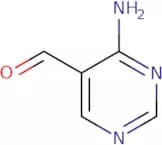
Formula:C10H20I2Purity:Min. 95%Molecular weight:394.08 g/mol4-Aminopyrimidine-5-carboxaldehyde
CAS:4-Aminopyrimidine-5-carboxaldehyde is a molecule that has been found to cause regression of cancer. It targets the erbb-2 receptor, which is necessary for cell growth and survival in many types of cancer. This compound has been shown to inhibit the growth of cancer cells in vitro by downregulating the expression of erbb-2. The molecular descriptors have been calculated using an algorithm and are used to describe the physical properties of this molecule. It has been shown that it is effective at inhibiting tumor growth and inducing regression in mice bearing human breast tumors xenografted with human breast cancer cells. 4-Aminopyrimidine-5-carboxaldehyde has also been shown to inhibit colorectal cancer cell proliferation by reducing cellular protein synthesis.
br>br>
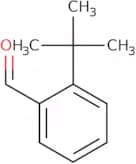
This molecule's structure consists of a 4-amino group, a pyrimidine ring, and an aldehyde group. It contains functional groups such as carbFormula:C5H5N3OPurity:Min. 95%Molecular weight:123.11 g/mol2-tert-Butylbenzaldehyde
CAS:2-tert-Butylbenzaldehyde is a reactive compound that can be used in the synthesis of complex molecules. It is a reagent for the production of unsymmetrical compounds and has been used in various methodologies, such as condensations, ionic reactions, and electrochemistry. 2-tert-Butylbenzaldehyde has also been shown to act as an intermediate for the production of other chemical compounds. This compound is often used as a substrate for enzymes such as aldolases and bifunctional enzymes. 2-tert-Butylbenzaldehyde is found naturally in plants and animals.Formula:C11H14OPurity:Min. 95%Molecular weight:162.23 g/mol5-Chloro-benzo[b]thiophene-3-carboxylic acid
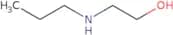
CAS:Versatile small molecule scaffoldFormula:C9H5ClO2SPurity:Min. 95%Molecular weight:212.65 g/mol2-(Propylamino)ethanol
CAS:2-(Propylamino)ethanol (2-PAE) is a structural isomer of 2-aminoethanol. It has been shown to interact with polymer concentration and covid-19 pandemic. 2-PAE is an amine that can be used as a pharmaceutical solvent in the synthesis of polymers. This molecule also interacts with red blood cells and can be used in the study of these cells. Magnetic resonance spectroscopy (MRS) was used to measure the viscosity of 2-PAE, which was found to be lower than expected for this type of molecule. The decoupling effect between 2-PAE and water molecules was also studied using MRS, which showed that the interaction between 2-PAE and water molecules is stronger than that between water molecules themselves.
2-(Propylamino)ethanol has been shown to have a similar effect on chloride ion permeability as other alkanolamines, such as monoethanolPurity:Min. 95%4-Chloro-5H,6H,7H,8H,9H-pyrimido[4,5-b]azepine
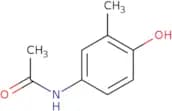
CAS:Versatile small molecule scaffoldFormula:C8H10ClN3Purity:Min. 95%Molecular weight:183.64 g/molN-(4-hydroxy-3-methylphenyl)acetamide
CAS:N-(4-hydroxy-3-methylphenyl)acetamide (HMPAA) is a nitroaromatic compound that is used as a reagent in organic synthesis. It is also used as a chemical intermediate for the production of other compounds, such as pharmacological agents. HMPAA has been shown to inhibit the activity of 3-methylcholanthrene and some other carcinogens by reacting with them and preventing their binding to DNA. This drug also reacts with primary amino groups on proteins, which may be due to its ability to hydrolyze these compounds. HMPAA has also been used to detect aluminium ions in organic solvents.Formula:C9H11NO2Purity:Min. 95%Molecular weight:165.19 g/molN-[3-(Hydroxymethyl)phenyl]acetamide
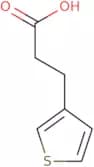
CAS:Versatile small molecule scaffoldFormula:C9H11NO2Purity:Min. 95%Molecular weight:165.19 g/mol3-(3-Thienyl)propanoic acid
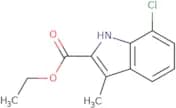
CAS:3-(3-Thienyl)propanoic acid is a protonated form of 3-thienylacetic acid that is prepared by electropolymerization. This compound is a dipole with an enthalpic interaction, which has been shown to be thermodynamically favorable. The protonation of the 3-(3-thienyl)propanoic acid molecule takes place at the perovskite surface and leads to an exothermic reaction.Formula:C7H8O2SPurity:Min. 95%Molecular weight:156.2 g/molEthyl 7-chloro-3-methyl-1H-indole-2-carboxylate
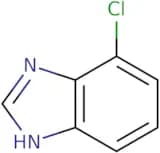
CAS:Versatile small molecule scaffoldFormula:C12H12ClNO2Purity:Min. 95%Molecular weight:237.68 g/mol4-Chloro-1H-benzimidazole
CAS:4-Chloro-1H-benzimidazole is a synthetic nucleophile that reacts with thioethers to form an ion pair. It can be used as a precursor for the synthesis of captopril, an antihypertensive drug. 4-Chloro-1H-benzimidazole is also known to react with carboxylic acids to form ion pairs and then dehydrate to form electrostatically bound products. The reaction mechanism starts with the nucleophilic attack of a proton on the carbonyl carbon atom in the carboxylic acid, forming an intermediate carbocation which reacts with a chloride ion. This intermediate then collapses and forms two products: one positively charged and one negatively charged. The positively charged product is a chloroformate salt while the negatively charged product is an alcohol.Formula:C7H5ClN2Purity:Min. 95%Molecular weight:152.58 g/mol2-[Methyl(phenyl)carbamoyl]benzoic acid
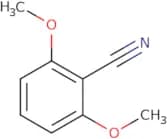
CAS:Versatile small molecule scaffoldFormula:C15H13NO3Purity:Min. 95%Molecular weight:255.27 g/mol2,6-Dimethoxybenzonitrile
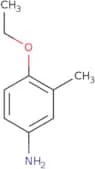
CAS:2,6-Dimethoxybenzonitrile is an organic compound with the formula C8H9NO2. It is a white solid that is soluble in water and polar organic solvents. 2,6-Dimethoxybenzonitrile has three stereoisomers: Z, E and E. The Z form is usually obtained as a mixture of two diastereomers. The other two forms are obtained by reacting with methylamine or acetonitrile respectively. The photodecomposition of 2,6-dimethoxybenzonitrile starts with the generation of nitric oxide (NO) and then formation of quinones such as 9-acetylphenanthrene, which can react with triazolium to generate pyridinium. The reaction mechanism for this process involves bond cleavage followed by methylation reactions at the benzenes and cyanides.Formula:C9H9NO2Purity:Min. 95%Molecular weight:163.17 g/mol4-Ethoxy-3-methylaniline
CAS:Versatile small molecule scaffold
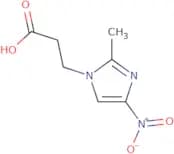
Formula:C9H13NOPurity:Min. 95%Molecular weight:151.21 g/mol3-(2-Methyl-4-nitro-1H-imidazol-1-yl)propanoic acid
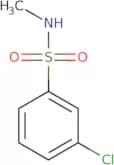
CAS:Versatile small molecule scaffoldFormula:C7H9N3O4Purity:Min. 95%Molecular weight:199.16 g/mol3-Chloro-N-methylbenzene-1-sulfonamide
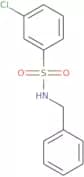
CAS:Versatile small molecule scaffoldFormula:C7H8ClNO2SPurity:Min. 95%Molecular weight:205.66 g/molN-Benzyl-3-chlorobenzene-1-sulfonamide
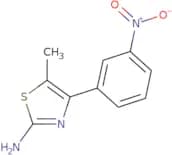
CAS:Versatile small molecule scaffoldFormula:C13H12ClNO2SPurity:Min. 95%Molecular weight:281.76 g/mol5-Methyl-4-(3-nitrophenyl)-1,3-thiazol-2-amine
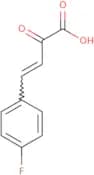
CAS:Versatile small molecule scaffoldFormula:C10H9N3O2SPurity:Min. 95%Molecular weight:235.26 g/mol4-(4-Fluorophenyl)-2-oxobut-3-enoic acid
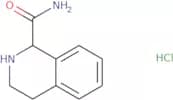
CAS:4-(4-Fluorophenyl)-2-oxobut-3-enoic acid (FPA) is a chemical inhibitor that binds to the enzyme tiglic acid hydrolase, which is involved in the degradation of tiglic acid. It inhibits this enzyme irreversibly and has been shown to be active at low concentrations. FPA has potential as a biomarker for diseases such as cancer and diabetes.Formula:C10H7FO3Purity:Min. 95%Molecular weight:194.16 g/mol1,2,3,4-Tetrahydroisoquinoline-1-carboxamide hydrochloride
CAS:Versatile small molecule scaffold
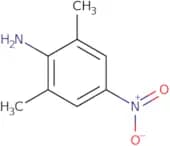
Formula:C10H13ClN2OPurity:Min. 95%Molecular weight:212.67 g/mol2,6-Dimethyl-4-nitroaniline
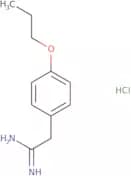
CAS:2,6-Dimethyl-4-nitroaniline (DMN) is a nitrosamine that has been found to be a significant contaminant of drinking water. DMN is regulated as an irritant and a probable human carcinogen. The effects of DMN on the body are not fully understood, but it has been shown to cause damage to the liver and kidney in vivo. DMN may act by interfering with the synthesis of DNA or RNA, which can lead to cell death. The proposed mechanism for this is inhibition of the enzyme ribonucleotide reductase, which converts ribonucleotides into deoxyribonucleotides for DNA synthesis. This mechanism is supported by experiments in rats where DMN was found to inhibit erythrocyte production in vivo. DMN can also be methylated in vivo by S-adenosylmethionine synthetase, yielding 2-methyl-6-dimethylamino-4Formula:C8H10N2O2Purity:Min. 95%Molecular weight:166.18 g/mol2-(4-Propoxyphenyl)ethanimidamide hydrochloride
CAS:Versatile small molecule scaffold
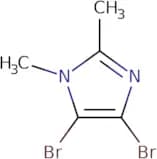
Formula:C11H17ClN2OPurity:Min. 95%Molecular weight:228.72 g/mol4,5-Dibromo-1,2-dimethyl-1H-imidazole
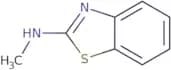
CAS:Versatile small molecule scaffoldFormula:C5H6Br2N2Purity:Min. 95%Molecular weight:253.92 g/molN-Methyl-1,3-benzothiazol-2-amine
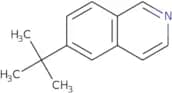
CAS:N-Methyl-1,3-benzothiazol-2-amine is a molecule that belongs to the class of isothiocyanates. It can be synthesized by reacting 2-chlorobenzothiazole with primary amines in the presence of a nonpolar solvent. This method is efficient and can provide high yields for this molecule. N-Methyl-1,3-benzothiazol-2-amine has been shown to inhibit the uptake of pesticides by plants. The mechanism is not well understood but it may involve vibrational interactions with molecules in the plant cell membrane or chemical interactions with other molecules in the plant cell. This molecule also has nitrogen atoms and mass spectrometric techniques have shown that it has an nmr spectrum.Formula:C8H8N2SPurity:Min. 95%Molecular weight:164.23 g/mol6-tert-Butylisoquinoline
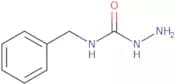
CAS:Versatile small molecule scaffoldFormula:C13H15NPurity:Min. 95%Molecular weight:185.26 g/mol3-Amino-1-benzylurea
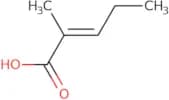
CAS:3-Amino-1-benzylurea is a compound that is used as a reagent in organic chemistry. It is an important starting material for the synthesis of semicarbazides, acetals, and orthoesters. 3-Amino-1-benzylurea can be synthesized from triethyl orthoformate, triethyl orthosilicate, or hexamethyldisilazane. The synthesis proceeds by reacting 3 equivalents of triethyl orthoformate with one equivalent of benzyl chloride to form the corresponding urea. This urea is then hydrolyzed to give the desired product.Formula:C8H11N3OPurity:Min. 95%Molecular weight:165.19 g/mol2-Methyl-2-pentenoic acid
CAS:2-Methyl-2-pentenoic acid (MP) is a synthetic product that is used as a chemical intermediate in the production of pesticides and pharmaceuticals. It can be found in the environment due to its use as an organic solvent, metal surface cleaner, or insecticide. MP has been shown to have mosquito repellent properties and has been used as an additive in some mosquito coils. This compound also has anti-inflammatory effects and can be used as a dietary supplement. The synthesis of MP involves the reaction of cinchonidine with ethyl acetate, which proceeds through an addition reaction mechanism. The reaction rate is dependent on the presence of nucleophiles such as water or methanol, but not alcohols or hydrogen peroxide.Purity:Min. 95%2-Methyl-benzo[b]thiophen-3(2H)-one 1,1-dioxide
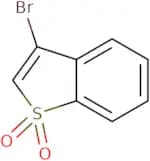
CAS:Versatile small molecule scaffoldFormula:C9H8O3SPurity:Min. 95%Molecular weight:196.22 g/mol3-Bromobenzothiophene 1,1-Dioxide
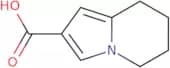
CAS:Versatile small molecule scaffoldFormula:C8H5BrO2SPurity:Min. 95%Molecular weight:245.09 g/mol5,6,7,8-Tetrahydroindolizine-2-carboxylic acid
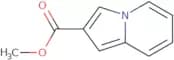
CAS:Versatile small molecule scaffoldFormula:C9H11NO2Purity:Min. 95%Molecular weight:165.19 g/molmethyl indolizine-2-carboxylate
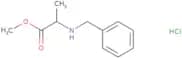
CAS:Methyl indolizine-2-carboxylate is a synthesized chemical that belongs to the class of amides and has been shown to have hypoglycemic activity in mice. This compound was synthesized by alkylation of dodecyl with acrylonitrile followed by hydrolysis. Mechanistic studies show that methyl indolizine-2-carboxylate binds to amines, which are an important part of the insulin receptor binding site, and inhibits the kinetics of insulin action. Methyl indolizine-2-carboxylate can also inhibit the synthesis of nitric oxide (NO) at high concentrations. The chemical's affinity for NO is stronger than its affinity for amines, but it has not been shown to inhibit the kinetics of NO production.Formula:C10H9NO2Purity:Min. 95%Molecular weight:175.18 g/molMethyl 2-(benzylamino)propanoate hydrochloride
CAS:Versatile small molecule scaffoldFormula:C11H16ClNO2Purity:Min. 95%Molecular weight:229.7 g/mol2,3-Dihydrospiro[indene-1,3'-pyrrolidine]
CAS:Versatile small molecule scaffold
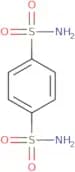
Formula:C12H15NPurity:Min. 95%Molecular weight:173.25 g/molBenzene-1,4-disulfonamide
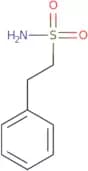
CAS:Benzene-1,4-disulfonamide is a vasodilator that is soluble in water. It has a heterocyclic ring with a nitrogen atom, a chloride group and cyclic nitro groups. The solubility of benzene-1,4-disulfonamide in water makes it suitable for intravenous administration. It also has an effect on the cerebral vasculature and can be used as a vasodilator. Benzene-1,4-disulfonamide is structurally related to sulphonamides and has similar properties to these drugs.Formula:C6H8N2O4S2Purity:Min. 95%Molecular weight:236.3 g/mol2-Phenylethane-1-sulfonamide
CAS:Azd1283 is a potent antagonist of the P2Y12 receptor. It inhibits the proliferation of mammalian cells and has been shown to be effective against hyperproliferative disorders such as cancer. Azd1283 is a quinoline derivative that is supplied as an organic solvent. It binds to the P2Y12 receptor on the cell surface and prevents activation, leading to inhibition of the downstream signalling pathways.Formula:C8H11NO2SPurity:Min. 95%Molecular weight:185.25 g/mol3-Azabicyclo[3.2.1]octan-2-one
CAS:3-Azabicyclo[3.2.1]octan-2-one is an alkenoic, undescribed chemical with a basic structure that includes two oxime groups and a lactam ring. It is used as a photolysis reagent for the conversion of primary amines to secondary amines and vice versa in the presence of methyl groups. Its photochemistry has been studied extensively, including its photoinduced reaction with amides to form isomeric amines and its photoinduced reactions with lactams to form isomeric lactams. 3-Azabicyclo[3.2.1]octan-2-one reacts with primary amines to form secondary amines, which can be converted back into the original primary amine by heating or by treatment with acid or base. The conversion of primary amines to secondary amines may be accomplished through the use of 3-azabicyclo[3.2.1]Formula:C7H11NOPurity:Min. 95%Molecular weight:125.17 g/mol2-Azabicyclo[3.2.1]octane hydrochloride
CAS:Versatile small molecule scaffoldFormula:C7H14ClNPurity:Min. 95%Molecular weight:147.6 g/mol


![5-Chloro-benzo[b]thiophene-3-carboxylic acid](/_next/image/?url=https%3A%2Fstatic.cymitquimica.com%2Fproducts%2F3D%2Fthumb-webp%2FRAA36124.webp&w=3840&q=75)
![4-Chloro-5H,6H,7H,8H,9H-pyrimido[4,5-b]azepine](/_next/image/?url=https%3A%2Fstatic.cymitquimica.com%2Fproducts%2F3D%2Fthumb-webp%2FRAA37220.webp&w=3840&q=75)
![N-[3-(Hydroxymethyl)phenyl]acetamide](/_next/image/?url=https%3A%2Fstatic.cymitquimica.com%2Fproducts%2F3D%2Fthumb-webp%2FRAA37594.webp&w=3840&q=75)
![2-[Methyl(phenyl)carbamoyl]benzoic acid](/_next/image/?url=https%3A%2Fstatic.cymitquimica.com%2Fproducts%2F3D%2Fthumb-webp%2FRAA93147.webp&w=3840&q=75)
![2-Methyl-benzo[b]thiophen-3(2H)-one 1,1-dioxide](/_next/image/?url=https%3A%2Fstatic.cymitquimica.com%2Fproducts%2F3D%2Fthumb-webp%2FRAA95779.webp&w=3840&q=75)
![2,3-Dihydrospiro[indene-1,3'-pyrrolidine]](/_next/image/?url=https%3A%2Fstatic.cymitquimica.com%2Fproducts%2F3D%2Fthumb-webp%2FRAA97698.webp&w=3840&q=75)
![3-Azabicyclo[3.2.1]octan-2-one](/_next/image/?url=https%3A%2Fstatic.cymitquimica.com%2Fproducts%2F3D%2Fthumb-webp%2FRAA99400.webp&w=3840&q=75)
![2-Azabicyclo[3.2.1]octane hydrochloride](/_next/image/?url=https%3A%2Fstatic.cymitquimica.com%2Fproducts%2F3D%2Fthumb-webp%2FRAA99401.webp&w=3840&q=75)