Building Blocks
Subcategories of "Building Blocks"
- Boronic Acids & Boronic Acid Derivatives(5,778 products)
- Chiral Building Blocks(1,243 products)
- Hydrocarbon Building Blocks(6,099 products)
- Organic Building Blocks(61,038 products)
Found 205373 products of "Building Blocks"
(Chloromethyl)cyclohexane
CAS:(Chloromethyl)cyclohexane is a synthase gene that is responsible for synthesizing the enzyme chloromethyl cyclohexane, which is used as a solid catalyst. The synthesis of (chloromethyl)cyclohexane from phenyl groups and liquid crystal composition has been demonstrated using expression plasmids and active oxygen. The compound inhibits inflammatory diseases by preventing the production of arachidonic acid, which is an inflammatory agent. This compound also inhibits the production of prostaglandins, which are involved in the release of histamine from mast cells. Pharmaceutical preparations that contain this compound are primarily used to treat rheumatoid arthritis and other inflammatory diseases.
Formula:C7H13ClPurity:Min. 95%Molecular weight:132.63 g/mol2-(2-(3-Aminopropoxy)ethoxy)ethan-1-ol
CAS:Versatile small molecule scaffold
Formula:C7H17NO3Purity:Min. 95%Molecular weight:163.21 g/mol2-Ethyl-4-methylpentanoic acid
CAS:2-Ethyl-4-methylpentanoic acid is an organic compound that can be found in vivo. It is a postoperative amide, which is used to reduce pain and inflammation. It has been shown to have anti-inflammatory effects in mice with allergic conjunctivitis. 2-Ethyl-4-methylpentanoic acid has also been shown to inhibit the proliferation of endothelial cells and increase ulceration in mice fed a high-fat diet. The compound binds to the CB2 receptor, inhibiting the production of matrix metalloproteinases, which are enzymes that break down collagen and cartilage. This drug also inhibits the production of nitric oxide and prostaglandin E2 by binding to the COX2 enzyme, which leads to reduced nasal congestion.br>br>
Formula:C8H16O2Purity:Min. 95%Molecular weight:144.21 g/mol2-Ethyl-4-methyl-1-pentanol
CAS:2-Ethyl-4-methyl-1-pentanol is a solvent that has been used in industrial applications such as wastewater treatment and chemical compositions. It is also a structural isomer of 2-ethylhexanol. 2-Ethyl-4-methyl-1-pentanol is soluble in water and has been shown to have toxic effects on test animals at high doses. However, it does not cause any acute toxicities in rats at lower doses. The use of this solvent may be limited by its potential carcinogenicity and toxicity to the liver and kidneys.Formula:C8H18OPurity:Min. 95%Color and Shape:Clear LiquidMolecular weight:130.23 g/mol2-Hydroxyethyl benzoate
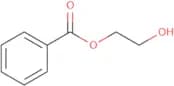
CAS:2-Hydroxyethyl benzoate is a model system that has been used to study the mechanism of hydrolysis of an ester with a hydroxyl group. The reaction products are a metal hydroxide and a chloride ion. 2-Hydroxyethyl benzoate is an antimicrobial agent that has shown activity against bacteria, fungi, and protozoa. It is thought to work by reacting with fatty acids in the cell membrane, leading to disruption of the membrane and leakage of cellular contents. It also reacts with chloride ions to form hydroxybenzoic acid and water molecules. The activation energy for this reaction was found to be around 19 kJ mol−1.
Formula:C9H10O3Purity:Min. 95%Molecular weight:166.17 g/molFipexide hydrochloride
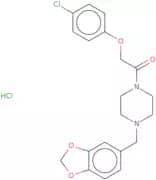
CAS:Fipexide is a dopamine analog that is used as an anti-inflammatory drug. Fipexide has been shown to be effective against inflammatory bowel disease, autoimmune diseases and chronic oral toxicity in animal models. The symptoms of fipexide are similar to the symptoms of Parkinson's disease, which include tremors, muscle rigidity and slowness of movement. Fipexide also has a reactive nitrogen atom in its molecular structure, which may contribute to its toxicity. It has been shown to have no effect on locomotor activity in animals with bowel disease.
Formula:C20H21ClN2O4·HClPurity:Min. 95%Molecular weight:425.31 g/mol4-(Boc-aminomethyl)pyrazole
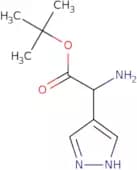
CAS:Versatile small molecule scaffoldFormula:C9H15N3O2Purity:Min. 95%Molecular weight:197.24 g/molEcamsule
CAS:Ecamsule is a broad spectrum sunscreen agent that is used to protect skin from the harmful effects of ultraviolet radiation. It is a synthetic chemical compound with a molecular structure consisting of an octocrylene core and an organic side chain. Ecamsule is applied to the skin in the form of microcapsules and protects against UVA and UVB rays by absorbing them or by reflecting them away. The efficacy of this product has been shown in clinical studies on humans. Ecamsule has shown no adverse reactions in humans, but toxicological studies have not been conducted.Formula:C28H34O8S2Purity:Min. 95%Molecular weight:562.69 g/molTri-b-GalNAc-PEG5-NHS ester
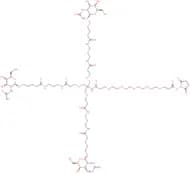
CAS:Tri-GalNAc-NHS ester is a multivalent molecule composed of three GalNAc cluster arms. It is a protein degrader and a ligand of the asialoglycoprotein receptor (ASGPR) used for the development of targeted therapies for liver diseases. The GalNAc arms enable high-affinity binding to the ASGPR on hepatocyte surfaces. The crucial functional group, N-hydroxysuccinimide (NHS) ester, is known for its ease of conjugation with various biomolecules possessing amine (NH2) groups. This biocompatible reaction strategy allows the design and development of targeted conjugates such as drug-GalNAc conjugates, siRNA delivery vehicles, or probes for ASGPR imaging in the liver.Formula:C79H137N11O37Purity:Min. 95%Color and Shape:PowderMolecular weight:1,832.99 g/mol3,3',5'-Triiodo-D-thyronine
CAS:3,3',5'-Triiodo-D-thyronine is a thyroid hormone that is used in the treatment of hypothyroidism. It is administered by injection or by mouth. 3,3',5'-Triiodo-D-thyronine is an insoluble drug, which means it cannot be dissolved in water. This drug can be injected into the body or taken as a pill. 3,3',5'-Triiodo-D-thyronine has been shown to increase metabolic rate and may also inhibit the growth of certain types of tumors. 3,3',5'-Triiodo-D-thyronine has been used in diagnostic procedures such as iontophoresis and implanting devices to treat prostate cancer. This medication can also be used for cosmetic purposes such as skin rejuvenation and hair loss prevention. 3,3',5'-Triiodo-D-thyronine has two structural isomers: levothyroxine and
Formula:C15H12I3NO4Purity:Min. 95%Molecular weight:650.97 g/molPoly(dioxanone)
CAS:Poly(dioxanone) is a biocompatible polymer that has been shown to promote bone growth in animal models. It is a cross-linking agent and can be used as an alternative to copper chromite, which is the most common cross-linking agent used in tissue engineering. Poly(dioxanone) has been shown to promote bone growth by stimulating the production of growth factors and increasing the activity of osteoblasts, cells that produce new bone. The material also promotes matrix deposition and remodeling, leading to increased bone density.
Formula:(C4H6O3)nPurity:Min. 95%Color and Shape:PowderLithium orotate monohydrate
CAS:Please enquire for more information about Lithium orotate monohydrate including the price, delivery time and more detailed product information at the technical inquiry form on this pageFormula:C5H3LiN2O4Purity:Min. 95%Molecular weight:162.10 g/moltrans-Cinnamic acid
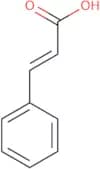
CAS:Cinnamic acid is a phenolic acid that is found in plants and has a general structure of CH2-C6H4-CO2H. It can be metabolized by the enzyme cinnamate 4-hydroxylase to caffeic acid. Cinnamic acid has been shown to have genotoxic activity through its ability to form DNA adducts, which can cause mutations in cells. This compound also has antioxidant properties and may be used as an anticancer agent due to its ability to inhibit proliferation of cancer cells and induce apoptosis. Cinnamic acid inhibits the production of prostaglandin E2 (PGE2) in rat primary astrocytes, which may lead to the development of inflammatory eye disorders such as uveitis or retinal detachment. The compound is also able to suppress the expression of toll-like receptor 2 (TLR2), which may make it useful for treatment of infectious diseases. Cinnamic acid also forms hydrogen bondsFormula:C9H8O2Purity:Min. 95%Color and Shape:White PowderMolecular weight:148.16 g/mol8-Chloro-3,7-dihydro-1H-purine-2,6-dione
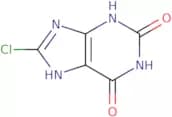
CAS:8-Chloro-3,7-dihydro-1H-purine-2,6-dione is a reactive molecule that binds to the active site of bacterial cyclic nucleotide phosphodiesterases and inhibits their activity. This inhibition prevents the breakdown of cAMP and cGMP, which are important second messengers in eukaryotic cells. 8-Chloro-3,7-dihydro-1H-purine-2,6-dione is also a potent inhibitor of protein synthesis and has been used in research studies on wheat leaves.
Formula:C5H3N4O2ClPurity:Min. 95%Color and Shape:PowderMolecular weight:186.56 g/mol3-(Methoxymethoxy)bromobenzene
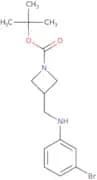
CAS:3-(Methoxymethoxy)bromobenzene is a white crystalline solid that is soluble in organic solvents. It has been shown to form polyethers and macrocyclic compounds, such as rotaxanes and catenanes. 3-(Methoxymethoxy)bromobenzene can be synthesized by reacting methoxymethanol with bromoiodobenzene in the presence of ammonium hexafluorophosphate. The compound has an x-ray crystallography and the chemical structure is determined by x-ray crystallography. It also has an NMR spectrum that consists of signals at δ 7.2, 6.7, 6.5, 5.0, 4.2, 3.7 ppm for C-H protons, which are characteristic of ethers; δ 190 for NH protons; δ 1.4 for CH protons; and δ 2.3 forFormula:C8H9BrO2Purity:Min. 95%Molecular weight:217.06 g/molIsostearic acid
CAS:Please enquire for more information about Isostearic acid including the price, delivery time and more detailed product information at the technical inquiry form on this pageFormula:C18H36O2Molecular weight:284.48 g/molChloromethylstyrene (m- and p- mixture) (stabilized with TBC + ONP + o-Nitrocresol)
CAS:Chloromethylstyrene is a hydrophobic chemical that is soluble in organic solvents. It is used as a monomer and crosslinker in the production of polymers, such as polypropylene, polyethylene, and polyvinyl chloride. Chloromethylstyrene (m- and p- mixture) (stabilized with TBC + ONP + o-Nitrocresol) also has an affinity for metal hydroxides and can be used to remove these substances from wastewater. This chemical is highly stable in the presence of radiation and many other chemicals. Chloromethylstyrene has been shown to have good performance as a polymerization initiator for organic reactions and is used in the production of membranes. The Langmuir adsorption isotherm model has been used to study chloromethylstyrene's reaction with chloride ions, nitrogen atoms, and oligosaccharides.Formula:C9H9ClPurity:Min. 95%Molecular weight:152.62 g/mol1-(2-Amino-4-methylthiazol-5-yl)-2-bromoethanone
CAS:Versatile small molecule scaffoldFormula:C6H7BrN2OSPurity:Min. 95%Molecular weight:235.1 g/molH-Ser-Ala-Glu-Glu-Tyr-Glu-Tyr-Pro-Ser OH trifluoroacetate
CAS:Please enquire for more information about H-Ser-Ala-Glu-Glu-Tyr-Glu-Tyr-Pro-Ser OH trifluoroacetate including the price, delivery time and more detailed product information at the technical inquiry form on this page
Formula:C47H63N9O20•(C2HF3O2)xPurity:Min. 95%2-Sulfamoyl-1,3-thiazole-4-carboxylic acid
CAS:Please enquire for more information about 2-Sulfamoyl-1,3-thiazole-4-carboxylic acid including the price, delivery time and more detailed product information at the technical inquiry form on this pageFormula:C4H4N2O4S2Purity:Min. 95%Molecular weight:208.22 g/mol