Building Blocks
This section contains fundamental products for the synthesis of organic and biological compounds. Building blocks are the essential starting materials used to construct complex molecules through various chemical reactions. They play a critical role in drug discovery, material science, and chemical research. At CymitQuimica, we offer a diverse range of high-quality building blocks to support your innovative research and industrial projects, ensuring you have the essential components for successful synthesis.
Subcategories of "Building Blocks"
- Boronic Acids & Boronic Acid Derivatives(5,778 products)
- Chiral Building Blocks(1,242 products)
- Hydrocarbon Building Blocks(6,098 products)
- Organic Building Blocks(61,059 products)
Found 199580 products of "Building Blocks"
Sort by
Purity (%)
0
100
|
0
|
50
|
90
|
95
|
100
1-Phenyl-1,3-diazinane-2,4-dione
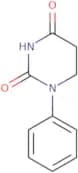
CAS:<p>1-Phenyl-1,3-diazinane-2,4-dione is a synthetic molecule that has been found to be active against influenza virus. It inhibits the replication of influenza A and B viruses by inhibiting the enzyme dihydropyrimidinase. This compound also has an effect on parasitic worms and animal health. 1-Phenyl-1,3-diazinane-2,4-dione is used in research for the development of new drugs. The chemical properties of this drug are similar to β-amino acids that are known to inhibit the synthesis of proteins such as rna polymerase and transporter proteins.</p>Formula:C10H10N2O2Purity:Min. 95%Color and Shape:PowderMolecular weight:190.2 g/mol5-Bromofuran-2-sulfonamide
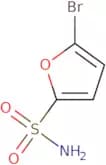
CAS:<p>Versatile small molecule scaffold</p>Formula:C4H4BrNO3SPurity:Min. 95%Color and Shape:PowderMolecular weight:226.05 g/mol5-Bromo-1H-pyrrolo[2,3-b]pyridine-2-carboxylic acid
CAS:<p>5-Bromo-1H-pyrrolo[2,3-b]pyridine-2-carboxylic acid is a chemical compound with the molecular formula C6H4BrNO2. It is used as a reaction component and reagent in organic synthesis. This compound has been shown to have high quality and can be used for research purposes. 5-Bromo-1H-pyrrolo[2,3-b]pyridine-2-carboxylic acid is a versatile building block that can be used as an intermediate or building block in the synthesis of complex compounds. This compound is also a fine chemical that can be used in the production of pharmaceuticals and other commercial products.</p>Formula:C8H5BrN2O2Purity:Min. 95%Molecular weight:241.04 g/mol2-Bromo-1-(3-methanesulfonylphenyl)ethan-1-one
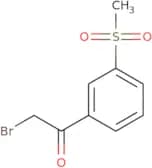
CAS:<p>2-Bromo-1-(3-methanesulfonylphenyl)ethan-1-one is a fine chemical that has been used as a building block for research chemicals, reagents, and speciality chemicals. It is a versatile building block that can be used in multi-step reactions to form complex compounds. This compound is also an intermediate in the synthesis of many pharmaceuticals and agrochemicals.</p>Formula:C9H9BrO3SPurity:Min. 95%Color and Shape:PowderMolecular weight:277.14 g/mol7-Hydroxyoctanoic acid
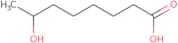
CAS:<p>7-Hydroxyloctanoic acid is a fatty acid that is naturally present in the human body. It is also found in dairy products and some vegetables. 7-Hydroxyoctanoic acid can be converted to isocaproic acid by the enzyme 3-hydroxyacyl coenzyme A dehydrogenase (HAD). HAD deficiency can lead to the accumulation of 7-hydroxyloctanoic acid, which may cause symptoms such as fatigue, dizziness, and mental confusion. The conversion of 7-hydroxyloctanoic acid to isocaproic acid is important for the production of energy from fats, so an HAD deficiency can lead to low levels of energy production.</p>Formula:C8H16O3Purity:Min. 95%Color and Shape:Clear LiquidMolecular weight:160.21 g/molN-Tosyl-L-alanine 3-indoxyl ester
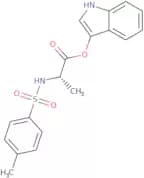
CAS:<p>N-Tosyl-L-alanine 3-indoxyl ester is applied specifically to urine samples. In the presence of leukocyte esterase, N-Tosyl-L-alanine-3-indoxyl ester will be hydrolysed to afford indoxyl. The sample is later exposed to diazonium salts that form azo dyes with the indoxyl. If sufficent indoxyl is formed, it indicates elevated numbers of white blood cells in the urine sample and this indicates that the host has contracted a urinary tract infection.</p>Formula:C18H18N2O4SPurity:Min. 98.0 Area-%Molecular weight:358.42 g/mol(2,4-Di-tert-butylphenoxy)phosphonic acid
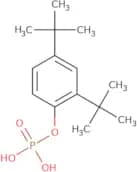
CAS:<p>(2,4-Di-tert-butylphenoxy)phosphonic acid is a fine chemical with CAS No. 18351-37-6. It is an intermediate for the production of other chemicals and can also be used as a reagent or speciality chemical. The compound is a versatile building block that can be used in the production of complex compounds with high quality and versatility. The compound has been shown to react with many functional groups, which makes it useful in research and development. (2,4-Di-tert-butylphenoxy)phosphonic acid is also a useful scaffold for the synthesis of pharmaceuticals.</p>Formula:C14H23O4PPurity:Min. 95%Color and Shape:PowderMolecular weight:286.3 g/mol4-(Oxolan-2-yl)butan-1-ol
CAS:<p>Versatile small molecule scaffold</p>Formula:C8H16O2Purity:Min. 95%Color and Shape:Clear LiquidMolecular weight:144.21 g/mol5-[(Pyrrolidin-3-yl)methyl]-1H-1,2,3,4-tetrazole hydrochloride
CAS:<p>Versatile small molecule scaffold</p>Formula:C6H12ClN5Purity:Min. 95%Color and Shape:PowderMolecular weight:189.65 g/molSodium pyruvate
CAS:<p>Pyruvate is an intermediary organic acid metabolite in glycolysis and the first of the Embden Meyerhoff pathways that can pass readily in or out of the cell. Thus, the addition of sodium pyruvate to tissue culture medium provides both an energy source and a carbon skeleton for anabolic processes. Furthermore, it assists with maintaining certain specialized cells, is useful when cloning, and may be necessary when the serum concentration is reduced in the medium.</p>Formula:C3H3NaO3Purity:Min. 98.0 Area-%Molecular weight:110.05 g/mol4-aminobutan-2-one hydrochloride
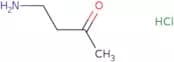
CAS:4-Aminobutan-2-one hydrochloride is a β-unsaturated compound that can be synthesized by the condensation of methyl ketone and sulfide. This reaction converts the carbonyl group to an aminoketone group. The isomers of 4-aminobutan-2-one hydrochloride include 3,4-dimethylketone and 2,3,5,6-tetramethylketone. 4-Aminobutan-2-one hydrochloride can be used as a precursor for nitriles and sulfur compounds. It also selectively reacts with sodium sulfide in water to produce cyanoacetate or with sodium hydroxide to produce hydrogen cyanide and sulfides.Formula:C4H10ClNOPurity:Min. 95%Color and Shape:PowderMolecular weight:123.58 g/mol3-Hydroxyoctanoic acid
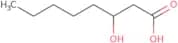
CAS:<p>3-Hydroxyoctanoic acid is an activated fatty acid that belongs to the group of short-chain fatty acids. It is a hydroxylated derivative of octanoic acid. 3-Hydroxyoctanoic acid has been shown to have antibiotic-resistant properties in human macrophages, which may be due to its ability to inhibit the enzyme activities of beta-lactamases and penicillinase. 3-Hydroxyoctanoic acid also has a nutrient effect on bacteria, preventing the formation of ester linkages between fatty acids and alkanoic acids. This activity may be due to its effects on energy metabolism in bacteria, which may be caused by its ability to inhibit cyclic lipopeptide synthesis and its effects on the citrate cycle.</p>Formula:C8H16O3Purity:Min. 95%Molecular weight:160.21 g/molD-Tryptophan
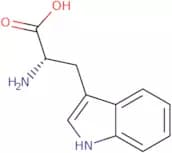
CAS:<p>D-Tryptophan is a versatile building block that has many applications in the field of fine chemicals, research chemicals, and speciality chemicals. D-Tryptophan is a useful building block for complex compounds and can be used as a reagent or reaction component. It is also a useful scaffold in organic synthesis.</p>Formula:C11H12N2O2Purity:Min. 98.0 Area-%Molecular weight:204.23 g/mol2,3-Dihydrofuro[2,3-b]pyridin-3-amine
CAS:<p>Versatile small molecule scaffold</p>Formula:C7H8N2OPurity:Min. 95%Color and Shape:PowderMolecular weight:136.15 g/mol(R)-1-(Thiazol-2-yl)ethanamine dihydrochloride
CAS:<p>Versatile small molecule scaffold</p>Formula:C5H8N2S•(HCl)2Purity:Min. 95%Color and Shape:PowderMolecular weight:200.66 g/molL-Tryptophan
CAS:<p>L-tryptophan is a non-essential amino acid that is used as a building block in the synthesis of proteins. It has been used in research and as a starting material for the production of other chemicals. L-tryptophan has also been shown to have antidepressant effects, although it is not approved by the FDA for this use. L-tryptophan can be found in protein-rich foods such as meat, eggs, and soybeans.</p>Formula:C11H12N2O2Purity:Min. 98.0 Area-%Molecular weight:204.23 g/molRef: 3D-T-8320
1kgTo inquire100gTo inquire250gTo inquire500gTo inquire2500gTo inquire-Unit-kgkgTo inquire3-Hydroxyheptanoic acid
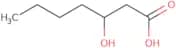
CAS:<p>3-Hydroxyheptanoic acid is a synthetic fatty acid that has been shown to have anti-cancer activity in vitro and in vivo. 3-Hydroxyheptanoic acid binds to the hydrophobic amino acids found in the membrane of cancer cells, preventing them from functioning as a transporter for nutrients and oxygen. This leads to cell death by depriving cells of vital nutrients. 3-Hydroxyheptanoic acid also inhibits the growth of mutant cells that have lost their ability to repair DNA damage, which may be due to its inhibition of protein synthesis. The hydrophobic nature of this molecule may also inhibit cancer cell invasion by inhibiting fatty acid synthase and other enzymes involved in lipid production.</p>Formula:C7H14O3Purity:Min. 95%Color and Shape:PowderMolecular weight:146.18 g/molo-Sulfobenzoic acid anhydride
CAS:<p>Please enquire for more information about o-Sulfobenzoic acid anhydride including the price, delivery time and more detailed product information at the technical inquiry form on this page</p>Formula:C7H4O4SMolecular weight:184.17 g/molRef: 3D-S-9350
1kgTo inquire5kgTo inquire10kgTo inquire500gTo inquire2500gTo inquire-Unit-kgkgTo inquireN1-(4,5-Dihydro-1H-imidazol-2-yl)benzene-1,4-diamine dihydrochloride
CAS:Versatile small molecule scaffoldFormula:C9H14Cl2N4Purity:Min. 95%Color and Shape:PowderMolecular weight:249.14 g/molα-Sulfophenylacetic acid
CAS:<p>Alpha-Sulfophenylacetic acid is a high quality reagent that is useful as an intermediate in the synthesis of complex compounds. It is also a fine chemical that can be used as a building block for the synthesis of speciality chemicals and research chemicals. Alpha-sulfophenylacetic acid is a versatile building block for reactions involving organic synthesis, and can be used as a reaction component to produce dyes, pharmaceuticals, pesticides, and herbicides.</p>Formula:C8H8O5SPurity:Min. 95.0 Area-%Molecular weight:216.21 g/molRef: 3D-S-9630
1kgTo inquire5kgTo inquire10kgTo inquire25kgTo inquire2500gTo inquire-Unit-kgkgTo inquire

![5-Bromo-1H-pyrrolo[2,3-b]pyridine-2-carboxylic acid](/_next/image/?url=https%3A%2Fstatic.cymitquimica.com%2Fproducts%2F3D%2Fthumb-webp%2FXYB17520.webp&w=3840&q=75)
![5-[(Pyrrolidin-3-yl)methyl]-1H-1,2,3,4-tetrazole hydrochloride](/_next/image/?url=https%3A%2Fstatic.cymitquimica.com%2Fproducts%2F3D%2Fthumb-webp%2FNKD27200.webp&w=3840&q=75)


![2,3-Dihydrofuro[2,3-b]pyridin-3-amine](/_next/image/?url=https%3A%2Fstatic.cymitquimica.com%2Fproducts%2F3D%2Fthumb-webp%2FVJB06194.webp&w=3840&q=75)