Building Blocks
This section contains fundamental products for the synthesis of organic and biological compounds. Building blocks are the essential starting materials used to construct complex molecules through various chemical reactions. They play a critical role in drug discovery, material science, and chemical research. At CymitQuimica, we offer a diverse range of high-quality building blocks to support your innovative research and industrial projects, ensuring you have the essential components for successful synthesis.
Subcategories of "Building Blocks"
- Boronic Acids & Boronic Acid Derivatives(5,778 products)
- Chiral Building Blocks(1,243 products)
- Hydrocarbon Building Blocks(6,097 products)
- Organic Building Blocks(61,052 products)
Found 201390 products of "Building Blocks"
Sort by
Purity (%)
0
100
|
0
|
50
|
90
|
95
|
100
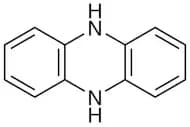
5,10-Dihydrophenazine
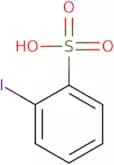
CAS:Formula:C12H10N2Purity:>98.0%(T)Color and Shape:White to Light yellow powder to crystalMolecular weight:182.232-Iodobenzenesulfonic acid
CAS:<p>2-Iodobenzenesulfonic acid is a synthetic molecule with a molecular weight of 169.27 g/mol. It is an acidic salt that reacts with nucleophilic substitutions, such as hydroxyl groups and heterocycles. 2-Iodobenzenesulfonic acid has been studied using molecular modeling techniques to identify its pharmacophore and the key features that may be important for binding to the active site of the enzyme. The results of these studies show that the most important features are a sulfonyl group, two hydroxyl groups, and an aromatic ring.</p>Formula:C6H5IO3SPurity:Min. 95%Color and Shape:Slightly Yellow PowderMolecular weight:284.07 g/mol2-Amino-5-bromo-3-iodopyridine
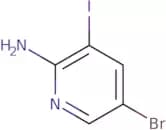
CAS:<p>2-Amino-5-bromo-3-iodopyridine (2AB3IP) is a cacchi anthelmintic that is active against the trophozoites of Giardia lamblia. 2AB3IP also has antimicrobial properties, but is not active against bacteria. The high lipophilicity and pharmacokinetic properties of this drug make it a potential therapeutic candidate for the treatment of giardiasis. The mechanism of action of 2AB3IP is mediated by potassium t-butoxide, which activates the drug to form its reactive intermediate. This intermediate reacts with DNA in the parasite to form covalent adducts. This process leads to inhibition of RNA synthesis and subsequent cell death.</p>Formula:C5H4BrIN2Purity:Min. 95%Color and Shape:White to tan solid.Molecular weight:298.9 g/mol2-[(Phenylsulfonyl)amino]benzoic acid
CAS:<p>2-[(Phenylsulfonyl)amino]benzoic acid is a white crystalline solid that is soluble in water and ethanol. It has a melting point of 176°C and a boiling point of 280°C. 2-[(Phenylsulfonyl)amino]benzoic acid binds to DNA by an intercalative mechanism, forming covalent bonds with the bases on the DNA. This binding prevents the DNA from unwinding during replication and transcription, thus inhibiting the synthesis of RNA and protein. The dimers form between two molecules of 2-[(Phenylsulfonyl)amino]benzoic acid, due to hydrogen bonding between the carboxylic acid groups. The crystal structure has been determined for this compound as centrosymmetric with space group P2 1 /c. A benzene ring is found in the molecule, which can form a pyridine ring when exposed to heat or</p>Formula:C13H11NO4SPurity:Min. 95%Color and Shape:White PowderMolecular weight:277.3 g/molD-Allylglycine
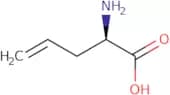
CAS:D-Allylglycine is a l-amino acid with the chemical formula of CH2CH(CH3)COOH. D-Allylglycine binds to the N-methyl-D-aspartate (NMDA) receptor and has been shown in animal studies to have effects on blood pressure, although its clinical relevance remains unclear. It is an enantiopure compound and can be obtained as a trifluoroacetate salt or ethyl diazoacetate ester hydrochloride. D-Allylglycine is also an aminoglycoside and ester hydrochloride that can be used for the treatment of bacterial infections. The amino group in D-allylglycine binds to glutamate receptors, which are found on neurons, and inhibits the release of gamma-aminobutyric acid (GABA). This drug may also have potential as a serotonergic agent due to its ability to inhibit serotonin reFormula:C5H9NO2Purity:Min. 95%Color and Shape:White PowderMolecular weight:115.13 g/molbeta-Cyano-L-alanine
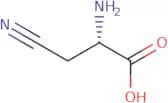
CAS:<p>Beta-cyano-l-alanine is a naturally occurring amino acid that is found in plants. It is synthesized by the enzyme beta-cyanoalanine synthase and is involved in plant metabolism. Beta-cyano-l-alanine is a precursor of the neurotransmitter gamma aminobutyric acid, or GABA, which has been shown to regulate the opening and closing of calcium channels in brain cells. In addition, it has been shown to inhibit enzymes such as phosphofructokinase and pyruvate kinase that are involved in the breakdown of glucose and other nutrients. Beta-cyano-l-alanine has also been shown to inhibit ryanodine receptors and other enzymes involved in muscle contraction. This amino acid can be used as an indicator for tissue culture experiments because it can be detected by sephadex G-100 chromatography.</p>Formula:C4H6N2O2Purity:Min. 95%Color and Shape:White PowderMolecular weight:114.1 g/mol3,5-Dimethylanthranilic acid
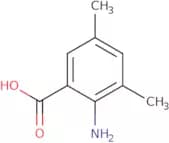
CAS:3,5-Dimethylanthranilic acid is an acridone that has significant effects on the topoisomerase enzymes. It is a reactive compound and can cause sensitivity to light and heat, as well as irritation in the respiratory tract. 3,5-Dimethylanthranilic acid has been shown to have antitumour activity in mice. 3,5-Dimethylanthranilic acid also has cytotoxic potency against cancer cells and can be used to evaluate the sensitivity of tumours to anticancer drugs. This compound may also have mutagenic properties. The dehalogenation of 3,5-dimethylanthranilic acid is not yet fully understood.Formula:C9H11NO2Purity:Min. 95%Color and Shape:Off-White PowderMolecular weight:165.19 g/mol2-Acetylthiazole
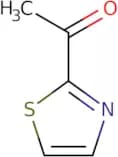
CAS:2-Acetylthiazole is a heterocyclic compound that is a derivative of thiazole. It is used in the production of dyes, pharmaceuticals and other organic compounds. 2-Acetylthiazole can be synthesized by reacting glyoxal with an acid chloride or carboxylic acid to form the corresponding sulfonyl chloride, which can then be reacted with sodium acetate in ethanol to produce 2-acetylthiazole. This reaction was found to proceed efficiently at room temperature and without the need for strong acids or bases. The product has been shown to have anticancer activity in model systems, with carbonyl groups being suggested as a possible mechanism of action. 2-Acetylthiazole is also an intermediate in the synthesis of many other organic compounds and has been shown to react with d-arabinose, producing d-ribofuranose and water.Formula:C5H5NOSPurity:Min. 95%Color and Shape:Colorless Clear LiquidMolecular weight:127.17 g/mol4-(Acetylamino)-2-nitrobenzoic acid
CAS:<p>4-(Acetylamino)-2-nitrobenzoic acid (AAANB) is a versatile building block that can be used in the synthesis of a wide range of organic and pharmaceutical compounds. AAANB is an intermediate in the preparation of 4-Amino-3-nitrophenol, which is an important research chemical. This compound is a useful scaffold for the synthesis of organic compounds with various biological activities. The CAS number for this product is 21573-29-5.</p>Formula:C9H8N2O5Purity:Min. 95%Color and Shape:PowderMolecular weight:224.17 g/mol2-Nitrobiphenyl
CAS:Formula:C12H9NO2Purity:>98.0%(GC)Color and Shape:White or Colorless to Yellow powder to lump to clear liquidMolecular weight:199.216-Amino-2-pyrazinecarboxylic acid
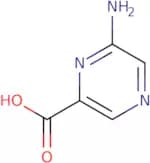
CAS:<p>6-Amino-2-pyrazinecarboxylic acid is a high quality reagent that is used as an intermediate for the synthesis of complex compounds. It is also a useful scaffold for the production of valuable speciality chemicals. This chemical is also used as a reaction component in research and development to produce versatile building blocks. 6-Amino-2-pyrazinecarboxylic acid has been shown to be useful for producing fine chemicals and speciality chemicals, which are often used in many industries.</p>Formula:C5H5N3O2Purity:Min. 95%Color and Shape:Yellow To Brown SolidMolecular weight:139.11 g/molOctadecanedioic Acid
CAS:Octadecanedioic acid (ODA) is a fatty acid with the chemical formula CH3(CH2)14COOH. It is a colorless oily liquid that is soluble in water and alcohols. ODA is used in wastewater treatment, as it can remove metal hydroxides and organic substances such as alcohol residue. It has been shown to have low toxicity to humans, with no significant changes in blood chemistry or urinalysis parameters following exposure. It also has been shown to be chemically stable and biodegradable. ODA may be used in pharmaceutical preparations and process optimization, such as biological treatment of wastewater.Formula:C18H34O4Purity:Min. 95%Color and Shape:White PowderMolecular weight:314.46 g/mol3-Thiophenemalonic Acid
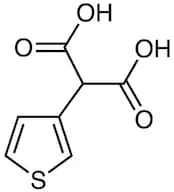
CAS:Formula:C7H6O4SPurity:>98.0%(T)(HPLC)Color and Shape:White to Orange to Green powder to crystalMolecular weight:186.183-Methylpyridine
CAS:3-Methylpyridine is a compound that can be used in the treatment of wastewater. It has been shown to have high adsorption capacity for malonic acid and a Langmuir adsorption isotherm with high values. 3-Methylpyridine is stable in acidic conditions and has been shown to efficiently remove nitrogen from wastewater. The coordination geometry of 3-methylpyridine is octahedral, which makes it capable of removing hydrogen fluoride from wastewater. This compound also has the ability to transfer reactions and can be used for titration calorimetry.Formula:C6H7NPurity:Min. 95%Color and Shape:Colorless Clear LiquidMolecular weight:93.13 g/mol1,2-Dibromo-2,4-dicyanobutane
CAS:1,2-Dibromo-2,4-dicyanobutane is a chemical substance with antimicrobial properties. It is used as an ingredient in the production of health care products and preservatives for food. 1,2-Dibromo-2,4-dicyanobutane inhibits bacterial growth by preventing the synthesis of fatty acids and proteins. This compound has been shown to have synergistic effects when combined with benzalkonium chloride or potassium dichromate. 1,2-Dibromo-2,4-dicyanobutane has not been found to be carcinogenic in animal studies and does not cause allergic reactions.Formula:C6H6Br2N2Purity:Min. 95%Color and Shape:White PowderMolecular weight:265.93 g/mol8-oxa-5-azaspiro[3.5]nonane
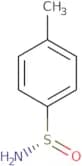
CAS:<p>8-oxa-5-azaspiro[3.5]nonane is a high quality, non-toxic reagent with many uses as a building block for the synthesis of complex compounds. It can be used as an intermediate in the synthesis of fine chemicals, such as pharmaceuticals and agrochemicals, or as a building block for the synthesis of other chemical compounds. CAS No. 602326-48-7 is a versatile building block that can be used to synthesize molecules for research purposes. This compound has been shown to be useful in organic synthesis because it reacts easily with different functional groups.</p>Formula:C7H13NOPurity:Min. 95%Color and Shape:PowderMolecular weight:127.18 g/mol(S)-4-Methylbenzenesulfinamide
CAS:(S)-4-Methylbenzenesulfinamide is a synthetic β-amino acid that has been used for the synthesis of various heterocycles. It has been shown to be a selective inhibitor of the enzyme carboxypeptidase B (CPB) in vitro, which is involved in the degradation of β-amino acids. The stereoselective synthesis of (S)-4-methylbenzenesulfinamide has been achieved through the use of hydrophobic phenylphosphinate as a chiral ligand and an azetidine as a starting material. The reaction time was found to be 20 minutes at room temperature with ethyl phenylphosphinate.Formula:C7H9NOSPurity:Min. 95%Color and Shape:White PowderMolecular weight:155.22 g/mol(S)-(+)-3-Methyl-1-pentanol
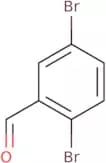
CAS:(S)-(+)-3-Methyl-1-pentanol is a branched-chain, β-unsaturated aldehyde that is produced by the elimination of two molecules of water from (R)-(+)-3-methylbutanal. It is an organocatalytic substrate for the family of enzymes that catalyze the first step in the biosynthetic pathway to abiotic long-chain alcohols. The product is an intermediate in the biosynthesis of escherichia coli and other bacteria. The enzyme involved in this reaction is initially activated by acetate and then inhibited by NADH. In nature, this compound can be found as a natural product or as a metabolic intermediate.Formula:C6H14OPurity:Min. 95%Color and Shape:Colorless Clear LiquidMolecular weight:102.17 g/mol2,5-Dibromobenzaldehyde
CAS:2,5-Dibromobenzaldehyde is a synthetic compound that has been shown to have a red fluorescent emission. It is also thermally stable and can be used in the synthesis of quinoline derivatives. 2,5-Dibromobenzaldehyde may be used as a potential fluorescent label for viologen or amines. This compound can undergo an intermolecular Diels-Alder reaction with diacetate to form a bicyclic system, which is important to the understanding of its interactions with other compounds.Formula:C7H4Br2OPurity:Min. 95%Color and Shape:PowderMolecular weight:263.91 g/mol3-Methoxy-5-(trifluoromethyl)aniline
CAS:Formula:C8H8F3NOPurity:>98.0%(GC)(T)Color and Shape:Light yellow to Brown to Dark red powder to crystalMolecular weight:191.15


![2-[(Phenylsulfonyl)amino]benzoic acid](/_next/image/?url=https%3A%2Fstatic.cymitquimica.com%2Fproducts%2F3D%2Fthumb-webp%2FFP136709.webp&w=3840&q=75)





![8-oxa-5-azaspiro[3.5]nonane](/_next/image/?url=https%3A%2Fstatic.cymitquimica.com%2Fproducts%2F3D%2Fthumb-webp%2FFO76093.webp&w=3840&q=75)