Building Blocks
This section contains fundamental products for the synthesis of organic and biological compounds. Building blocks are the essential starting materials used to construct complex molecules through various chemical reactions. They play a critical role in drug discovery, material science, and chemical research. At CymitQuimica, we offer a diverse range of high-quality building blocks to support your innovative research and industrial projects, ensuring you have the essential components for successful synthesis.
Subcategories of "Building Blocks"
- Boronic Acids & Boronic Acid Derivatives(5,778 products)
- Chiral Building Blocks(1,242 products)
- Hydrocarbon Building Blocks(6,098 products)
- Organic Building Blocks(61,059 products)
Found 199579 products of "Building Blocks"
Sort by
Purity (%)
0
100
|
0
|
50
|
90
|
95
|
100
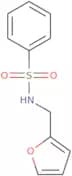
N-(Furan-2-ylmethyl)benzenesulfonamide
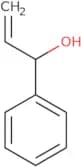
CAS:Versatile small molecule scaffoldFormula:C11H11NO3SPurity:Min. 95%Molecular weight:237.28 g/molα-Vinylbenzyl alcohol
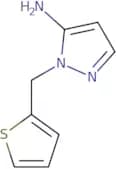
CAS:α-Vinylbenzyl alcohol is a chiral compound with a hydroxyl group. It is an allylation product of hydrochloric acid and allyl chloride. α-Vinylbenzyl alcohol has been shown to be effective against allergic reactions in human serum, which are caused by the release of histamine. This chemical compound also has nucleophilic attack capabilities that can produce reaction products such as malonic acid or allyl carbonate. The effective dose for this drug is not known, but it may be around 1mg/kg of body weight.Formula:C9H10OPurity:Min. 95%Molecular weight:134.17 g/mol1-(Thiophen-2-ylmethyl)-1H-pyrazol-5-amine
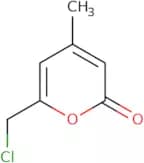
CAS:Versatile small molecule scaffoldFormula:C8H9N3SPurity:Min. 95%Molecular weight:179.24 g/mol6-(Chloromethyl)-4-methyl-2H-pyran-2-one
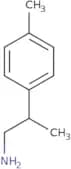
CAS:<p>Versatile small molecule scaffold</p>Formula:C7H7ClO2Purity:Min. 95%Molecular weight:158.58 g/mol2-(4-Methylphenyl)propan-1-amine
CAS:Controlled Product<p>Versatile small molecule scaffold</p>Formula:C10H15NPurity:Min. 95%Molecular weight:149.23 g/mol(4-Isopropylphenyl)acetaldehyde
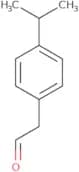
CAS:<p>4-Isopropylphenyl)acetaldehyde is a phosphodiesterase inhibitor that has been shown to inhibit the activity of cyclic nucleotide phosphodiesterases. These enzymes have been implicated in the development of Alzheimer's disease and other neurological disorders. 4-Isopropylphenyl)acetaldehyde inhibits the formation rate of cAMP, which leads to downstream effects on neurotransmitter release, causing an increase in signaling from receptor cells and an increase in cytoarchitecture. The drug also inhibits phosphodiesterase activity in nasal tissue and parathyroid glands, leading to increased levels of intracellular cAMP. 4-Isopropylphenyl)acetaldehyde is only active against cyclic nucleotide phosphodiesterases that are sensitive to inhibition by this compound.</p>Formula:C11H14OPurity:Min. 95%Molecular weight:162.23 g/molAzecane
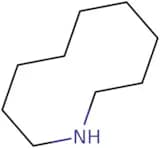
CAS:<p>Azecane is a functional group that contains an hydroxyl (OH) and a lactam (-NH-C(=O)-). It is used in the synthesis of α-lactams, which are antibiotics. Azecane has been shown to be a potent inhibitor of cancer cells. It has also been shown to have strong inhibitory effects on bacteria, such as methicillin resistant Staphylococcus aureus and Mycobacterium tuberculosis. Azecane is synthesized through an asymmetric synthesis process involving silver ions and nitrogen atoms. This process produces two enantiomers, which can be distinguished by optical imaging techniques.</p>Formula:C9H19NPurity:Min. 95%Molecular weight:141.25 g/molMethyl phthaloyl chloride
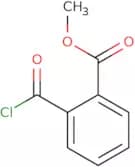
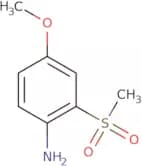
CAS:Methyl phthaloyl chloride is a phenoxy compound that has been used as an inhibitor in the preparation of cyclic peptides. This compound has been shown to have anticancer and antiviral properties, and it also inhibits the growth of cancer cells by inhibiting cell-cycle progression. Methyl phthaloyl chloride is a nitro compound that can undergo nucleophilic attack by water molecules to produce an amide. The structural formula of this compound is shown below.Formula:C9H7ClO3Purity:Min. 95%Molecular weight:198.6 g/mol2-Methanesulfonyl-4-methoxyaniline
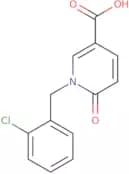
CAS:Versatile small molecule scaffoldFormula:C8H11NO3SPurity:Min. 95%Molecular weight:201.25 g/mol1-(2-Chlorobenzyl)-6-oxo-1,6-dihydro-3-pyridinecarboxylic acid
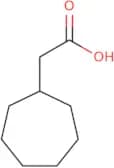
CAS:Versatile small molecule scaffoldFormula:C13H10ClNO3Purity:Min. 95%Molecular weight:263.68 g/mol2-Cycloheptylacetic acid
CAS:<p>2-Cycloheptylacetic acid (2CHA) is a hydrochloride salt of 2-cycloheptylacetic acid. It has been shown to be a potent inhibitor of the GABA transaminase enzyme, which leads to GABA accumulation in the brain and thus an increase in GABAergic signalling. This inhibition leads to increased inhibitory neurotransmission and decreased excitatory neurotransmission in the brain. 2CHA has been validated with electrochemical impedance spectroscopy as a diagnostic tool for bowel disease, with potential applications for inflammatory bowel disease.</p>Formula:C9H16O2Purity:Min. 95%Molecular weight:156.23 g/mol2-Oxaspiro[4.6]undecane-1,3-dione
CAS:<p>Versatile small molecule scaffold</p>Formula:C10H14O3Purity:Min. 95%Molecular weight:182.22 g/mol4,4-Dimethylcycloheptane-1-carboxylic acid
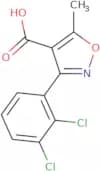
CAS:<p>Versatile small molecule scaffold</p>Formula:C10H18O2Purity:Min. 95%Molecular weight:170.2 g/mol3-(2,3-Dichlorophenyl)-5-methyl-1,2-oxazole-4-carboxylic acid
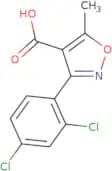
CAS:Versatile small molecule scaffoldFormula:C11H7Cl2NO3Purity:Min. 95%Molecular weight:272.08 g/mol3-(2,4-Dichlorophenyl)-5-methyl-1,2-oxazole-4-carboxylic acid
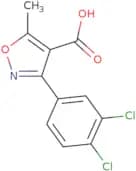
CAS:Versatile small molecule scaffoldFormula:C11H7Cl2NO3Purity:Min. 95%Molecular weight:272.08 g/mol3-(3,4-Dichlorophenyl)-5-methyl-1,2-oxazole-4-carboxylic acid
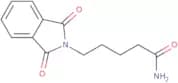
CAS:Versatile small molecule scaffoldFormula:C11H7Cl2NO3Purity:Min. 95%Molecular weight:272.08 g/mol5-(1,3-Dioxo-2,3-dihydro-1H-isoindol-2-yl)pentanamide
CAS:Versatile small molecule scaffoldFormula:C13H14N2O3Purity:Min. 95%Molecular weight:246.26 g/molEthyl sulfamate
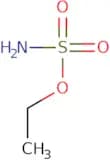
CAS:<p>Ethyl sulfamate is a drug that has been developed as an agrochemical and as a potential anticancer agent. It is an aziridine-forming reagent that is used to convert epidermal growth factor (EGF) into EGF-2, which has been shown to have anticancer properties. The mechanism of action of ethyl sulfamate is not yet fully understood, but it appears to be related to its ability to inhibit the kinase activities of protein tyrosine kinases and protein serine/threonine kinases. In addition, ethyl sulfamate inhibits the activity of acid catalyst and enhances the activity of depression in rats. Ethyl sulfamate can also be used as a selective growth factor for erythrocyte progenitor cells in culture.</p>Formula:C2H7NO3SPurity:Min. 95%Molecular weight:125.15 g/molBenzylsulfinic acid
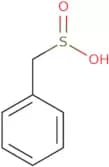
CAS:Benzylsulfinic acid is a hydroxyl group containing compound. It is an antihypertensive agent and it has been shown to have antioxidant properties. Benzylsulfinic acid is photosensitive and should not be used in the presence of light. This compound has been shown to inhibit the production of tiglic acid, which is a component of bowel disease, in the small intestine. Benzylsulfinic acid can also be converted into other compounds that are involved in biochemical reactions, such as hydrochloric acid, a cationic surfactant, or methyl ethyl sulfate. This conversion process can lead to metabolic disorders, as well as hydrogen bond and methyl ethyl sulfonium ion formation.Formula:C7H8O2SPurity:Min. 95%Molecular weight:156.2 g/mol(4-aminophenyl)methanesulfonamide
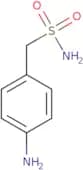
CAS:<p>Versatile small molecule scaffold</p>Formula:C7H10N2O2SPurity:Min. 95%Molecular weight:186.23 g/mol

![2-Oxaspiro[4.6]undecane-1,3-dione](/_next/image/?url=https%3A%2Fstatic.cymitquimica.com%2Fproducts%2F3D%2Fthumb-webp%2FEAA40121.webp&w=3840&q=75)