Building Blocks
This section contains fundamental products for the synthesis of organic and biological compounds. Building blocks are the essential starting materials used to construct complex molecules through various chemical reactions. They play a critical role in drug discovery, material science, and chemical research. At CymitQuimica, we offer a diverse range of high-quality building blocks to support your innovative research and industrial projects, ensuring you have the essential components for successful synthesis.
Subcategories of "Building Blocks"
- Boronic Acids & Boronic Acid Derivatives(5,756 products)
- Chiral Building Blocks(1,242 products)
- Hydrocarbon Building Blocks(6,095 products)
- Organic Building Blocks(61,038 products)
Found 196817 products of "Building Blocks"
Sort by
Purity (%)
0
100
|
0
|
50
|
90
|
95
|
100
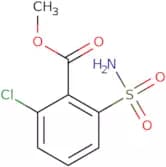
Methyl 2-chloro-6-sulfamoylbenzoate
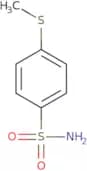
CAS:<p>Versatile small molecule scaffold</p>Formula:C8H8ClNO4SPurity:Min. 95%Molecular weight:249.67 g/mol4-(Methylsulfanyl)benzene-1-sulfonamide
CAS:<p>Versatile small molecule scaffold</p>Formula:C7H9NO2S2Purity:Min. 95%Molecular weight:203.3 g/mol4-Bromo-N-propylbenzenesulfonamide
CAS:<p>4-Bromo-N-propylbenzenesulfonamide is a tricyclic compound that has two skeletal carbons and three cyclic carbons. It is structurally similar to 4-bromobenzenesulfonyl chloride, but it lacks the sulfonyl group and instead has a sulfonamide group. The yields of this compound are high, with an average of 77% obtained from the reaction with 4-bromobenzoic acid. However, when there are substituents on the ring, such as in the case of 4-chloro-N-propylbenzenesulfonamide, the yield decreases significantly. This compound can be synthesized by reacting 4-bromoaniline with propylene oxide followed by reaction with bromosulfonic acid and sodium hydroxide.</p>Formula:C9H12BrNO2SPurity:Min. 95%Molecular weight:278.17 g/mol2-Hydroxy-2-methylcyclohexan-1-one
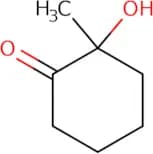
CAS:<p>2-Hydroxy-2-methylcyclohexan-1-one is a tetroxide that is a ligand for osmium. It can be used as an oxidant to produce epoxides, which are important chemical intermediates. This substance has been used in the synthesis of cyclic epoxides and osmium complexes. The yields of this reaction depend on the ligand and the metal catalyst that is used. Epoxidation is catalyzed by metal ions such as vanadium, manganese, or iron, with ruthenium being one of the most effective. 2-Hydroxy-2-methylcyclohexan-1-one also forms epoxides with oxygenated substrates due to its ability to act as an oxidant.<br>Epoxidation reactions can be performed using 2-hydroxy-2-methylcyclohexan-1-one as a catalyst or ligand, or it may function solely as an oxid</p>Formula:C7H12O2Purity:Min. 95%Molecular weight:128.17 g/mol2-(2-Methylpiperazin-1-yl)ethan-1-ol
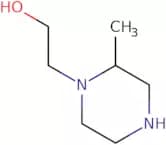
CAS:<p>Versatile small molecule scaffold</p>Formula:C7H16N2OPurity:Min. 95%Molecular weight:144.21 g/mol2-[2-(Dimethylamino)ethyl]aniline
CAS:<p>Versatile small molecule scaffold</p>Formula:C10H16N2Purity:Min. 95%Molecular weight:164.25 g/mol2,5-Dibromoadipic acid
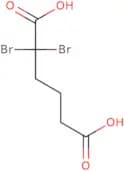
CAS:<p>2,5-Dibromoadipic acid is an organic compound that can be synthesized by oxidation of 2,5-dibromohexanoic acid with sodium periodate in aqueous alcohol. It is used as a monomer for the production of polymers and plastics such as polyurethanes and polyesters. The product is obtained in high yield and has a stereoselectivity of 99%. It can be purified by recrystallization from water or from organic solvents.<br>2,5-Dibromoadipic acid reacts with nucleophiles such as alcohols to form an addition compound. The addition reaction can be followed by spectroscopic methods such as diffraction or NMR. This reaction type is called nucleophilic addition.</p>Formula:C6H8Br2O4Purity:Min. 95%Molecular weight:303.94 g/mol2,3,5,6-Tetrachloroaniline
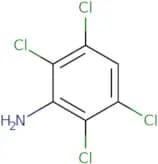
CAS:<p>2,3,5,6-Tetrachloroaniline is a chlorinated aromatic compound that is used as an intermediate for the production of other chemicals. It undergoes a number of reactions to form various chemical compounds. 2,3,5,6-Tetrachloroaniline has been shown to be reactive with hydrogen chloride in a two-step process involving acid formation and molecule elimination. The rate of this reaction depends on the concentration of hydrogen chloride present in solution. 2,3,5,6-Tetrachloroaniline also reacts with water to produce hydrochloric acid and tetrachloroethane. This reaction is reversible and can be described by the following equation:<br>2CCl4 + 4H2O -> 4HCl + C2H4 + Cl2 <br>The reaction mechanism for this process is not well understood but it is likely that it involves protonation followed by nucleophilic substitution.</p>Formula:C6H3Cl4NPurity:Min. 95%Molecular weight:230.9 g/mol2-(Methylamino)-5-nitrobenzoic acid
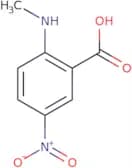
CAS:<p>2-(Methylamino)-5-nitrobenzoic acid is a benzimidazole that contains a planar, aromatic ring and an amino group in the side chain. The compound is a hydrogen bond donor and acceptor. It undergoes oxidative cyclisations to form benzoic acids from anilines, which are generated through hydrogen atom abstraction. 2-(Methylamino)-5-nitrobenzoic acid also reacts with other aromatic compounds to form dimers or benzoic acids.</p>Formula:C8H8N2O4Purity:Min. 95%Molecular weight:196.16 g/mol5-Chloro-2-phenoxyphenol
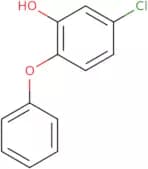
CAS:<p>5-Chloro-2-phenoxyphenol (5CPP) is a phenolic compound that inhibits bacterial growth by binding to the diphenyl ether binding site on the enzyme fatty acid synthase. 5CPP is an inhibitor of bacterial fatty acid biosynthesis and has been shown to be effective against wild-type strains of staphylococcus aureus, including methicillin resistant strains. 5CPP binds to the active site of the enzyme and prevents it from functioning, thereby inhibiting production of fatty acids. It also has shown activity against Listeria monocytogenes and Bacillus subtilis.</p>Formula:C12H9ClO2Purity:Min. 95%Molecular weight:220.65 g/mol2-Methoxy-2-phenylethan-1-amine
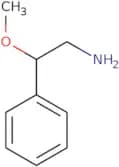
CAS:Controlled Product<p>2-Methoxy-2-phenylethan-1-amine is a modification of an amino acid that can be used to synthesize drugs. It belongs to the chemotype phenethylamines, which are compounds that contain a benzene ring and an amine group. 2-Methoxy-2-phenylethan-1-amine has been shown to bind to dopamine D4 receptors in the brain, which may contribute to its psychoactive effects. This compound is also able to inhibit chemokine production, which may help with inflammatory conditions such as asthma.</p>Formula:C9H13NOPurity:Min. 95%Molecular weight:151.21 g/molSamarium(III) isopropoxide
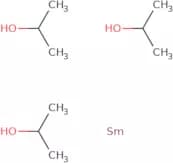
CAS:<p>Samarium(III) isopropoxide (Sm(0)IPO) is a metal ion that has a slow reaction rate with hydrochloric acid in the presence of nitrogen atoms. It can be used to form chiral compounds. Sm(0)IPO, which has fluorescence properties, is used as an analytical reagent in organic chemistry and biochemistry. The reactions of Sm(0)IPO are initiated by the protonation of the hydroxyl group on the metal ion followed by nucleophilic attack by the amino acid serine protease. This reaction results in the formation of an acyl halide.</p>Formula:C9H21O3SmPurity:Min. 95%Molecular weight:327.62 g/mol3-(Dimethylamino)-1-phenylpropan-1-one hydrochloride
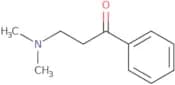
CAS:<p>3-(Dimethylamino)-1-phenylpropan-1-one hydrochloride (3DAPOH) is a potent and selective inhibitor of the enzyme fatty acid synthase. 3DAPOH is used in tissue culture to inhibit the growth of cancer cells. This drug has been shown to inhibit the development of xeno-graft tumors in mice. 3DAPOH also inhibits the growth of Gram-positive bacteria and anthelmintic drugs, such as Fasciola hepatica, Trichostrongylus axei, and Ascaris suum. The mechanism by which this drug inhibits bacterial growth is not well understood; however, it may be due to its ability to induce apoptosis in certain types of cells.</p>Formula:C11H15NOPurity:Min. 95%Molecular weight:177.24 g/mol4-(4-Chlorophenyl)butan-2-one
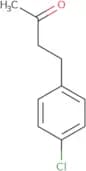
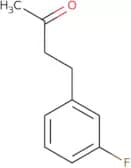
CAS:<p>4-Chlorobenzenediazonium is a benzenediazonium salt that can be used to form arylating agents. It has been used in the synthesis of olefins and as a reagent for the synthesis of 4-chloro-3-(4-chlorophenyl)butan-2-one, which is an intermediate for the synthesis of dyes. 4-Chlorobenzenediazonium can also be used to synthesize cyano compounds from nitroarenes and chloroformates.</p>Formula:C10H11ClOPurity:Min. 95%Molecular weight:182.64 g/mol4-(3-Fluorophenyl)butan-2-one
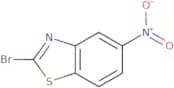
CAS:<p>Versatile small molecule scaffold</p>Formula:C10H11FOPurity:Min. 95%Molecular weight:166.19 g/mol2-Bromo-5-nitro-1,3-benzothiazole
CAS:<p>Versatile small molecule scaffold</p>Formula:C7H3BrN2O2SPurity:Min. 95%Molecular weight:259.08 g/mol2-Bromo-7-nitrobenzo[D]thiazole
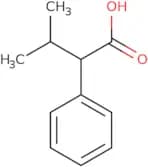
CAS:<p>Versatile small molecule scaffold</p>Formula:C7H3BrN2O2SPurity:Min. 95%Molecular weight:259.08 g/mol3-Methyl-2-phenylbutyric acid
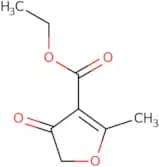
CAS:<p>3-Methyl-2-phenylbutyric acid is a reactive chemical that has a basic group and an ionic character. It is synthesized by the reaction of acetone with methyl iodide in the presence of sodium hydroxide and potassium carbonate. The product can be racemized to its isomer, 2-phenylbutyric acid, by heating with hydrochloric acid or acetic acid. 3-Methyl-2-phenylbutyric acid has been used in chromatographic analysis for the separation of phenols, amino acids, and other compounds. 3-Methyl-2-phenylbutyric acid also reacts with nucleophiles such as water to form ion pairs.</p>Formula:C11H14O2Purity:Min. 95%Molecular weight:178.23 g/molEthyl 2-Methyl-4-oxo-4,5-dihydro-3-furancarboxylate
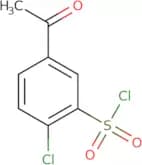
CAS:<p>Versatile small molecule scaffold</p>Formula:C8H10O4Purity:Min. 95%Molecular weight:170.16 g/mol5-Acetyl-2-chlorobenzene-1-sulfonyl chloride
CAS:<p>Versatile small molecule scaffold</p>Formula:C8H6Cl2O3SPurity:Min. 95%Molecular weight:253.1 g/mol

![2-[2-(Dimethylamino)ethyl]aniline](/_next/image/?url=https%3A%2Fstatic.cymitquimica.com%2Fproducts%2F3D%2Fthumb-webp%2FDAA47892.webp&w=3840&q=75)
![2-Bromo-7-nitrobenzo[D]thiazole](/_next/image/?url=https%3A%2Fstatic.cymitquimica.com%2Fproducts%2F3D%2Fthumb-webp%2FDAA50749.webp&w=3840&q=75)