Alcohols
Subcategories of "Alcohols"
Found 5818 products of "Alcohols"
Kushenol R
CAS:Kushenol R is a bioactive flavonoid compound, which is extracted from the roots of the plant Sophora flavescens, commonly known as the shrubby sophora. Its chemical structure contributes to its role as a compound of interest in the realm of natural product chemistry and pharmacology. As a flavonoid, Kushenol R exhibits significant antioxidant activity, attributed to its ability to scavenge free radicals and mitigate oxidative stress at the cellular level. This mechanism of action is crucial as it offers potential therapeutic effects in combating diseases associated with oxidative damage, such as cancer and inflammatory disorders.Purity:Min. 95%4-[(4-Chlorophenyl)phenylmethyl]-1-piperazineethanol dihydrochloride
CAS:4-[(4-Chlorophenyl)phenylmethyl]-1-piperazineethanol dihydrochloride is a cholinergic drug that is used to treat allergic rhinitis in children and adults. It has been shown to be well tolerated in pediatric patients and geriatric patients, as well as being an innovative, labile, and biopharmaceutical compound. 4-[(4-Chlorophenyl)phenylmethyl]-1-piperazineethanol dihydrochloride is not metabolized by the liver and does not have significant side effects. It has a low potential for abuse because of its low solubility in water. It is an antihistamine that blocks the action of histamine at H1 receptors on smooth muscle cells in the nose, which helps reduce nasal congestion and sneezing.Formula:C19H23ClN2O·2HClPurity:Min. 95%Molecular weight:403.77 g/mol8-Bromo-2-methylquinoline
CAS:8-Bromo-2-methylquinoline is a naphthalene derivative that has an oxidant function. It can be used as a solvent for chlorobenzene and as a catalyst for the production of bipyridines and piperazine. 8-Bromo-2-methylquinoline is also used as a ligand in the preparation of metal complexes. This compound reacts with methyl groups, chlorine, and halides to form methyl quinolines and dichloromethanes. 8-Bromo-2-methylquinoline may react with fatty acids to form polyunsaturated acid esters or with polyunsaturated fatty acids to form polyethers.Formula:C10H8BrNPurity:Min. 95%Molecular weight:222.08 g/molα-(2,4-Dichlorophenyl)-1H-imidazole-1-ethanol
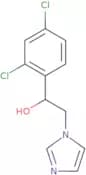
CAS:a-(2,4-Dichlorophenyl)-1H-imidazole-1-ethanol is an analytical reagent that is used to identify the presence of methylbenzene in a sample. It has been used as a drug target in schistosomiasis and interacting with imprinting genes. The synthetic method for this reagent includes sodium carbonate and methylbenzene, which are heated together at low energy to produce a-(2,4-Dichlorophenyl)-1H-imidazole-1-ethanol. The analytical method for this compound involves efficient methods such as high performance liquid chromatography and gas chromatography. Methylbenzene is dissolved in trifluoroacetic acid before being mixed with anhydrous potassium carbonate. This mixture is then heated to produce a-(2,4-Dichlorophenyl)-1H-imidazole-1-ethanol.Formula:C11H10Cl2N2OPurity:Min. 95%Color and Shape:White To Beige SolidMolecular weight:257.12 g/mol(1-Hexyl-1H-benzimidazol-2-yl)methanol
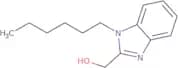
CAS:Controlled ProductPlease enquire for more information about (1-Hexyl-1H-benzimidazol-2-yl)methanol including the price, delivery time and more detailed product information at the technical inquiry form on this pageFormula:C14H20N2OPurity:Min. 95%Molecular weight:232.32 g/molall-E-Heptaprenol
CAS:All-E-Heptaprenol is a polyprenol compound, which is a key intermediate in the biosynthesis of terpenoids. It originates from bacterial sources, where it plays a crucial role in cellular processes. All-E-Heptaprenol functions primarily as a hydrophobic carrier molecule, facilitating the transport of sugar moieties across the lipid bilayer in the assembly of complex biopolymers.Formula:C35H58OPurity:Min. 95%Molecular weight:494.83 g/molHeptadecan-1-ol
CAS:Heptadecan-1-ol is a long-chain fatty alcohol, which is commonly derived from the reduction of heptadecanoic acid or by hydrogenation of heptadecane. This compound acts primarily as a nonionic surfactant due to its amphiphilic nature, where the hydrophobic alkyl chain and the hydrophilic hydroxyl group interact with diverse components in a system. Its surfactant properties lead to applications in the formulation of emulsions, facilitating improved mixing and stability in complex mixtures.Purity:Min. 95%1,2-O-Dioctadecyl-rac-glycerol
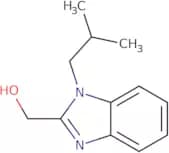
CAS:1,2-O-Dioctadecyl-rac-glycerol is a lipid that belongs to the class of synthetic lipids. It has been used as a model system for studying the interactions between phosphatidylcholine (PC) and other lipids. The systematic study of the morphology of 1,2-O-dioctadecyl-rac-glycerol in various solvents revealed that it is an amphiphile with an elongated shape. This molecule interacts with PC membranes in a specific manner, which can be detected using optical measurements. The transition from the solid to liquid state causes 1,2-O-dioctadecyl-rac-glycerol to change its shape from a rod to an ellipsoid. This property can be used as a diagnostic tool for identifying transitions in nanomaterials.Formula:C39H80O3Purity:Min. 95%Molecular weight:597.05 g/mol(1-Isobutyl-1H-benzimidazol-2-yl)methanol
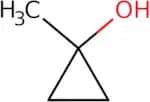
CAS:Controlled ProductPlease enquire for more information about (1-Isobutyl-1H-benzimidazol-2-yl)methanol including the price, delivery time and more detailed product information at the technical inquiry form on this pageFormula:C12H16N2OPurity:Min. 95%Molecular weight:204.27 g/mol1-Methylcyclopropanol
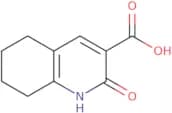
CAS:1-Methylcyclopropanol is a multigram chemical that can be produced on a large scale. It is an organic compound with the molecular formula CH3CCH2OH. It can be synthesized from monomers such as cyclobutanone, amines, and hydrogen bond by ring-opening polymerization to produce polycyclohexane rings. 1-Methylcyclopropanol has been used in the synthesis of polymers such as poly(1-methylcyclopropane). This chemical has also been investigated for use in laser ablation techniques that remove material from surfaces and in laser cutting techniques that cut materials into shapes. 1-Methylcyclopropanol has been found to react with hypobromous acid to form a diol ether product.Formula:C4H8OPurity:80%MinColor and Shape:Clear LiquidMolecular weight:72.11 g/mol2-Oxo-1,2,5,6,7,8-hexahydroquinoline-3-carboxylic acid
CAS:Please enquire for more information about 2-Oxo-1,2,5,6,7,8-hexahydroquinoline-3-carboxylic acid including the price, delivery time and more detailed product information at the technical inquiry form on this page
Formula:C10H11NO3Purity:Min. 95%Molecular weight:193.2 g/mol(R)-2-Methylbutanol
CAS:(R)-2-Methylbutanol is a volatile pheromone that is produced by both sexes of the avocado tree. It is emitted from the flowers, fruits, and leaves of the plant as well as from wounds on the bark and branches. (R)-2-Methylbutanol has also been identified in other plants such as pine trees. This compound is synthesized in organisms through a cross-coupling reaction and an acetylation reaction. The acetylation reaction involves the addition of an acetyl group to an organic molecule, which may be accomplished using a host plant or synthetic reagents. The cross-coupling reaction involves two molecules that are coupled together by a metal catalyst such as palladium or nickel. In this process, one molecule donates a pair of electrons to another molecule, which accepts them and becomes reduced. This compound has been found to be important for microhabitat selection in some insects because it plays a role in pheromFormula:C5H12OPurity:Min. 95%Molecular weight:88.15 g/mol2-[(4-Phenylpiperazin-1-yl)carbonyl]phenol
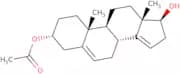
CAS:Controlled ProductPlease enquire for more information about 2-[(4-Phenylpiperazin-1-yl)carbonyl]phenol including the price, delivery time and more detailed product information at the technical inquiry form on this pageFormula:C17H18N2O2Purity:Min. 95%Molecular weight:282.34 g/mol3-O-Acetyl 5,14-androstadiene-3b,17b-diol
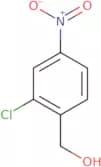
CAS:Controlled ProductPlease enquire for more information about 3-O-Acetyl 5,14-androstadiene-3b,17b-diol including the price, delivery time and more detailed product information at the technical inquiry form on this pageFormula:C21H30O3Purity:Min. 95%Molecular weight:330.46 g/mol(2-Chloro-4-nitrophenyl)methanol
CAS:Please enquire for more information about (2-Chloro-4-nitrophenyl)methanol including the price, delivery time and more detailed product information at the technical inquiry form on this pageFormula:C7H6ClNO3Purity:Min. 95%Color and Shape:PowderMolecular weight:187.58 g/molrac 1-oleoyl-3-linoleoylglycerol
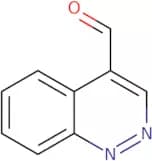
CAS:Rac-1-oleoyl-3-linoleoylglycerol is a synthetic compound that has been shown to have cytotoxic effects on leukemia cells. This drug induces apoptosis in leukemia cells by binding with the enzyme protein kinase C, which leads to the activation of caspases. Rac-1-oleoyl-3-linoleoylglycerol also inhibits the growth of murine leukemia cells by inducing apoptosis via an increase in reactive oxygen species and DNA damage. The cytotoxicity of rac 1-oleoyl-3-linoleoylglycerol may be due to its ability to inhibit glyceryl synthesis and accumulate stigmasterol within the cell.Formula:C39H70O5Purity:Min. 95%Molecular weight:618.97 g/mol4-Cinnolinecarboxaldehyde
CAS:4-Cinnolinecarboxaldehyde is an organic compound that belongs to the group of cinnoline. It is a colorless liquid that can be used as a precursor in the production of aluminum metal. 4-Cinnolinecarboxaldehyde reacts with lithium aluminum hydride to form a compound that can be used as a reducing agent in organic chemistry. 4-Cinnolinecarboxaldehyde is also used as a precursor for preparing other compounds, such as lithium aluminum hydride and lithium aluminum trihydride.
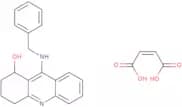
Formula:C9H6N2OPurity:Min. 95%Molecular weight:158.16 g/mol9-(Benzylamino)-1,2,3,4-tetrahydroacridin-1-ol maleate
CAS:9-(Benzylamino)-1,2,3,4-tetrahydroacridin-1-ol maleate is a cholinergic drug that is used for the treatment of inflammatory diseases. It inhibits phosphodiesterase activity and has been shown to be effective in clinical studies against a number of inflammatory diseases. This drug also has anti-inflammatory properties and can be used to treat acute inflammation. 9-(Benzylamino)-1,2,3,4-tetrahydroacridin-1-ol maleate is also conjugated with fatty acids and this formation helps to increase its bioavailability.Formula:C24H24N2O5Purity:Min. 95%Molecular weight:420.46 g/molDrostanolone acetate
CAS:Controlled ProductPlease enquire for more information about Drostanolone acetate including the price, delivery time and more detailed product information at the technical inquiry form on this pageFormula:C22H34O3Purity:Min. 95%Molecular weight:346.5 g/molDoxorubicinol,mixture of diastereomers
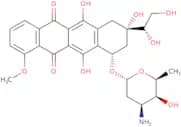
CAS:Doxorubicinol, a mixture of diastereomers, is an anthracycline antibiotic that inhibits the growth of cells by binding to DNA and preventing the production of RNA. Doxorubicinol has been shown to be effective in treating breast cancer and solid tumours, including those resistant to doxorubicin. This drug has also been shown to inhibit the production of matrix metalloproteinases that are involved in tumor invasion and metastasis. The concentration-time curve for doxorubicinol can be determined experimentally by blood sampling and measuring its metabolites. The ryanodine receptor is a calcium channel found on the surface membrane of cardiac muscle cells that regulates intracellular calcium levels. Doxorubicinol may bind to this receptor, which could account for its cardiotoxic effects.Formula:C27H31NO11Purity:(%) Min. 90%Molecular weight:545.54 g/molErythromycin A enol ether
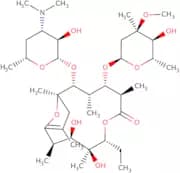
CAS:Erythromycin A enol ether is an antimicrobial agent that is used as an antiretroviral therapy for HIV. It has been shown to be active against microbial infections caused by resistant microorganisms, such as methicillin-resistant Staphylococcus aureus and erythromycin-resistant Enterobacteriaceae. Erythromycin A enol ether has been found to be a promising candidate for topical applications due to its low toxicity and ability to penetrate the skin. The metabolite of erythromycin A enol ether is formed through hydrolysis with hydrochloric acid in the presence of glycol ester. The resulting product, erythromycin A, is an antibiotic that inhibits bacterial growth by blocking peptide synthesis at the ribosome level.Formula:C37H65NO12Purity:Min. 95%Molecular weight:715.91 g/molBoc-(3S)-1,2,3,4-tetrahydroisoquinoline-7-hydroxy-3-carboxylic acid
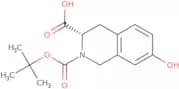
CAS:Boc-(3S)-1,2,3,4-tetrahydroisoquinoline-7-hydroxy-3-carboxylic acid is a synthetic opioid that is chemically related to morphine. It binds to the δ opioid receptor and has a clinical development in the treatment of pain. The drug has been shown to inhibit the binding of gtpγs, which leads to the suppression of neuronal activity. Boc-(3S)-1,2,3,4-tetrahydroisoquinoline-7-hydroxy-3-carboxylic acid also has low molecular weight and low toxicity.Formula:C15H19NO5Purity:Min. 95%Color and Shape:PowderMolecular weight:293.32 g/mol1-Tetradecanethiol
CAS:1-Tetradecanethiol is a high-resistance, detergent composition that is used in vitro to test the effects of boron nitride. This chemical has been shown to be an effective cross-linking agent for polymers and other materials. It also acts as a viscosity reducer and has low energy requirements. 1-Tetradecanethiol can be used as a cationic surfactant and as a molecule in 3-mercaptopropionic acid.
Purity:Min. 95%1,3-Distearoyl-2-chloropropanediol-d5
CAS:Please enquire for more information about 1,3-Distearoyl-2-chloropropanediol-d5 including the price, delivery time and more detailed product information at the technical inquiry form on this pageFormula:C39H70D5CIO4Purity:Min. 95%Molecular weight:751.95 g/mol4-(1-Adamantyl)-2-aminophenol
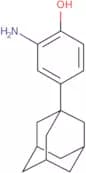
CAS:Please enquire for more information about 4-(1-Adamantyl)-2-aminophenol including the price, delivery time and more detailed product information at the technical inquiry form on this pageFormula:C16H21NOPurity:Min. 95%Molecular weight:243.34 g/mol1-Tetratriacontanol
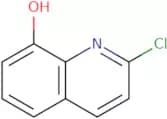
CAS:1-Tetratriacontanol is a natural compound that is found in plants, such as Momilactone. It has been shown to have inhibitory properties on chemical interactions, which may be due to its enhancement of acetate extract. 1-Tetratriacontanol has also been shown to have potent inhibitory activity against human serum and fetal bovine cells. It has a diameter of approximately 1 nm and is composed of fatty acids and phosphatidylcholine. This compound has not yet been studied for its physiological effects.Formula:C34H70OPurity:Min. 95%Molecular weight:494.92 g/mol2-Chloroquinolin-8-ol
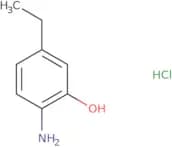
CAS:2-Chloroquinolin-8-ol is a chemical compound that binds to the human serum albumin and has cytotoxic effects on cancer cells. It has been shown to be an inhibitor of survivin, a protein that can promote cancer cell survival. 2-Chloroquinolin-8-ol has also been shown to inhibit the proliferation of human epidermoid carcinoma cells in vitro. This agent also inhibits the growth of Trichophyton mentagrophytes, a fungus that causes tinea versicolor, by binding to the ribosomal RNA. The binding constants for 2-chloroquinolin-8-ol were determined using atomic orbital calculations and vibrational spectroscopy. It has also been shown to bind with high affinity to hepg2 cells and cervical cancer cells.Formula:C9H6ClNOPurity:Min. 95%Molecular weight:179.6 g/mol2-Amino-5-ethylphenol hydrochloride
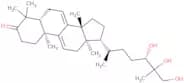
CAS:Please enquire for more information about 2-Amino-5-ethylphenol hydrochloride including the price, delivery time and more detailed product information at the technical inquiry form on this pageFormula:C8H12ClNOPurity:Min. 95%Molecular weight:173.64 g/molGanodermanontriol
CAS:Controlled ProductGanodermanontriol is a natural compound that is extracted from the roots of Ganderma applanatum. It has potent anticomplement activity and has been shown to have transcriptional regulation activity. Ganodermanontriol binds to DNA with high affinity, which leads to inhibition of transcription and replication. Ganodermanontriol also inhibits the activity of enzymes such as protein kinase C, phosphodiesterase, and phosphatases. This inhibitory effect on these enzymes may be due to its hydroxyl group, which can donate hydrogen bonds.
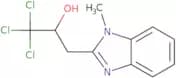
Formula:C30H48O4Purity:Min. 95%Molecular weight:472.7 g/mol1,1,1-Trichloro-3-(1-methyl-1H-benzimidazol-2-yl)propan-2-ol
CAS:Controlled ProductPlease enquire for more information about 1,1,1-Trichloro-3-(1-methyl-1H-benzimidazol-2-yl)propan-2-ol including the price, delivery time and more detailed product information at the technical inquiry form on this page
Formula:C11H11Cl3N2OPurity:Min. 95%Molecular weight:293.58 g/mol4-Methylquinoline
CAS:4-Methylquinoline is a natural compound that is structurally related to coumarin. It serves as an enzyme substrate for various types of enzymes, and has been shown to inhibit the activity of enzymes such as N-acetyltransferase, indoleamine 2,3-dioxygenase, and tryptophan 2,3-dioxygenase. 4-Methylquinoline has also been shown to be effective against infectious diseases such as toxoplasmosis and leishmaniasis. Furthermore, 4-methylquinoline has been shown to have anti-inflammatory properties in autoimmune diseases such as multiple sclerosis. The mechanism of action of 4-methylquinoline is not fully understood but it may interfere with the production of nitric oxide by inhibiting the enzyme nitric oxide synthase.
Formula:C10H9NPurity:Min. 95%Molecular weight:143.19 g/molEstradiol hemihydrate
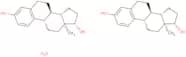
CAS:Controlled ProductEstradiol hemihydrate is a synthetic estrogen. It binds to estrogen receptors, causing the activation of DNA transcription and synthesis of messenger RNA. Estradiol hemihydrate has been used for the treatment of various symptoms, such as menopause, osteoporosis, breast cancer, and metabolic disorders. The drug is most often administered by injection or in a polymeric matrix that dissolves slowly in the mouth. The recommended dose is between 0.5mg and 1mg per day. Estradiol hemihydrate can be detected in plasma using an analytical method called liquid chromatography-tandem mass spectrometry (LC-MS/MS).Formula:(C18H24O2)2•H2OPurity:Min. 95%Color and Shape:PowderMolecular weight:562.78 g/mol1-Acetyl-5-bromoindol-3-ol
CAS:Please enquire for more information about 1-Acetyl-5-bromoindol-3-ol including the price, delivery time and more detailed product information at the technical inquiry form on this pageFormula:C10H8BrNO2Purity:Min. 95%Color and Shape:PowderMolecular weight:254.08 g/molFibrinolysis Inhibitng Factor
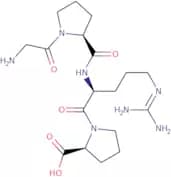
CAS:Fibrinolysis Inhibiting Factor is a surface glycoprotein that belongs to the group of human serum proteins. It has been shown to be involved in the pathogenesis of bowel diseases and is a target for dextran sulfate. Fibrinolysis inhibiting factor binds to the surfaces of cells and blocks blood coagulation by interfering with the conversion of fibrinogen into fibrin. The protein also binds calcium ions and prevents them from being deposited on cell surfaces, thereby preventing inflammatory reactions such as inflammation of the bowel. Fibrinolysis inhibiting factor has been shown to activate monoclonal antibodies in vitro, which may explain its effect on inflammatory bowel disease.Formula:C18H31N7O5Purity:Min. 95%Molecular weight:425.48 g/molGestadienol
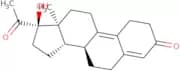
CAS:Controlled ProductGestadienol is a synthetic, reconstituted drug that is used to treat congestive heart failure. Gestadienol is produced by reacting hydrochloric acid with isopropyl palmitate and diluent. The reaction yield of this process can be increased by implanting the drug into animal tissue for a period of time before extraction. Gestadienol binds to glucuronidated compounds in the blood, which may be due to its chemical similarity to estradiol. This binding prevents the glucuronidated compound from being excreted in urine and increases their concentration in the bloodstream. Gestadienol has been shown to increase postnatal development in rats, which may be due to its ability to bind progesterone receptors on cells and inhibit progesterone-mediated effects.Formula:C20H26O3Purity:Min. 95%Molecular weight:314.42 g/molKushenol Q
CAS:Kushenol Q is a flavonoid compound, which is derived from the roots of Sophora flavescens, a traditional medicinal plant. This compound exhibits a multifaceted mode of action characterized by its ability to modulate various cellular pathways. Kushenol Q interacts with specific signaling proteins and enzymes, thereby influencing cell proliferation, apoptosis, and inflammatory responses. Notably, its interaction at the molecular level can result in the inhibition of cancer cell growth and the reduction of inflammation.Purity:Min. 95%Methoxypropoxypropanol
CAS:Methoxypropoxypropanol (MPP) is a highly selective inhibitor of the enzyme picolinic acid carboxylase, which converts L-pyridoxal 5'-phosphate to picolinic acid. MPP has shown good efficacy in reducing disease activity in animal models and is being developed for the treatment of rheumatoid arthritis. This drug also has been shown to be toxicologically safe in both acute and chronic toxicity studies. Methoxypropoxypropanol has also been used as an analytical reagent for the qualitative detection of picolinic acid in urine and blood samples. The use of this compound as a wastewater treatment agent for removal of organic acids from industrial effluents is well studied. MPP has been found to have some beneficial effects on congestive heart failure in rats by lowering their blood pressure and cholesterol levels.Formula:C7H16O3Purity:Min. 95%Color and Shape:Clear LiquidMolecular weight:148.2 g/molrac 2-palmitoyl-3-chloropropanediol
CAS:Please enquire for more information about rac 2-palmitoyl-3-chloropropanediol including the price, delivery time and more detailed product information at the technical inquiry form on this page
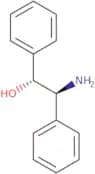
Formula:C19H37ClO3Purity:Min. 95%Molecular weight:348.95 g/mol(1R,2S)-(-)-2-Amino-1,2-diphenylethanol
CAS:Controlled ProductThe compound is a stereoselective amine. The molecule has two diastereomers, one of which is the (1R,2S) configuration and the other of which is the (1S,2R) configuration. The compound is an efficient method for preparing fatty acid esters with aromatic hydrocarbons. The chemical structure of the molecule provides a cavity that can be used to bind with ethyl bromoacetate. This cavity has been shown in x-ray crystal structures to be able to bind with ethyl bromoacetate and provide an efficient method for preparing fatty acid esters with aromatic hydrocarbons.Formula:C14H15NOPurity:Min. 95%Molecular weight:213.28 g/mol4-Hexylresorcinol
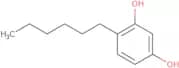
CAS:4-Hexylresorcinol is a polyphenolic compound that has been shown to have inhibitory properties. It has been shown to have synergistic effects with other compounds, such as growth factor-β1, in the treatment of squamous carcinoma. 4-Hexylresorcinol binds to the serine hydroxyl group of the enzyme protein kinase C (PKC) and inhibits PKC activity. This inhibition leads to an increase in intracellular cAMP levels and subsequently activation of protein kinase A (PKA). The optimum concentration for 4-hexylresorcinol is 0.2 mM, which can be determined using a polymerase chain reaction (PCR) assay. However, this compound has not been tested for toxicity studies or structural analysis.Formula:C12H18O2Purity:Min. 95%Color and Shape:PowderMolecular weight:194.27 g/mol1-Adamantane ethanol
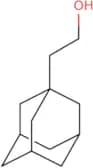
CAS:1-Adamantane ethanol (1AE) is a red blood cell membrane lipid that has been shown to have antimicrobial properties. 1AE is synthesized from 1-adamantanol, which is produced by the hydrolysis of the acyl chain in cholesterol. The acyl chains on 1AE are saturated and contain methoxy groups. The synthesis of 1-adamantanol involves transfer reactions with phthalimides and hydroxide ions. 1-Adamantane ethanol inhibits the growth of staphylococcus, including methicillin resistant strains, through its minimal inhibitory concentrations (MICs). It also has anti-inflammatory effects, inhibiting prostaglandin synthesis in red blood cells.Formula:C12H20OPurity:Min. 95%Color and Shape:PowderMolecular weight:180.29 g/molEstra-1,3,5(10),6-tetraene-3,17-diol
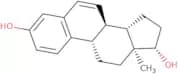
CAS:Controlled ProductEstra-1,3,5(10),6-tetraene-3,17-diol is a sulfonated derivative of estradiol. It is used as a ligand in binding assays to measure the affinity of various compounds for estrogens. Estra-1,3,5(10),6-tetraene-3,17-diol binds with high affinity to 17β-estradiol and other estrogens at the estrogen receptor. The binding of estradiol and its derivatives to the receptor leads to a conformational change that causes dissociation of heat shock proteins from the receptor. This results in an increase in transcriptional activity of the receptor and increased synthesis of mRNA.
Formula:C18H22O2Purity:Min. 95%Molecular weight:270.37 g/mol3-Dehydro retinol
CAS:3-Dehydro retinol is a carotenoid that is found in the skin. It is derived from retinol, and has been shown to have antioxidant properties. 3-Dehydro retinol can be isolated from the fungus Monascus purpureus by chromatographic methods. The enzyme activities of 3-dehydroretinol are not well understood, but it has been hypothesized that chronic exposure to this compound may lead to an increase in cell proliferation or an increase in cell differentiation. 3-Dehydro retinol has also been shown to inhibit the oxidation of other molecules such as hydrogen chloride.
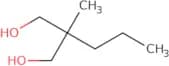
Formula:C20H28OPurity:90%MinMolecular weight:284.44 g/mol2-Methyl-2-propyl-1,3-propanediol
CAS:Propanediol is a chemical compound that is a diol, or a molecule containing two hydroxyl groups. The propanediol molecule contains two alcohol functional groups. It is an organic solvent with a sweet odor and a slightly viscous consistency. Propanediol can be found in cosmetics, pharmaceuticals, and food products as an inactive ingredient and solute. Propanediol has been shown to have anti-allergic properties in experimental studies. This drug also has the ability to modify the properties of other compounds that are mixed with it, such as glycol esters, which are used in pharmaceuticals and cosmetics. 2-Methyl-2-propyl-1,3-propanediol is soluble in water and readily dissolves in most organic solvents at room temperature. It has been shown to be reactive with oxalyl chloride, forming 2-(2-methylpropyl)oxirane chloride: CH3(CHOH)CH(Formula:C7H16O2Purity:Min. 95%Molecular weight:132.2 g/molL-Prolinol 2-chlorotrityl resin
Please enquire for more information about L-Prolinol 2-chlorotrityl resin including the price, delivery time and more detailed product information at the technical inquiry form on this page
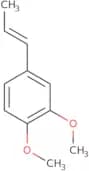
Purity:Min. 95%Isoeugenol methyl ether
CAS:Isoeugenol methyl ether is a plant-derived natural compound that is used in vitro as an antioxidant. It has been shown to inhibit the activity of enzymes such as hydroxylase, glucuronidase, and cytochrome P450. Isoeugenol methyl ether has also been shown to have anti-inflammatory properties and may be useful for treatment of colorectal adenocarcinoma. The mechanism by which isoeugenol methyl ether inhibits the enzyme activity is not clear but it may be due to its ability to bind reversibly with free enzyme form.Formula:C11H14O2Purity:Min. 95%Color and Shape:LiquidMolecular weight:178.23 g/mol5-Chloropentanol
CAS:5-Chloropentanol is a reactive compound that can be used as an epidermal growth factor. It has been shown to have potentiating effects on the production of epidermal growth factor in a biological sample. 5-Chloropentanol has also been shown to increase the rate of cell proliferation, which could be due to its ability to generate reactive chloroform in cells. It is not known whether 5-Chloropentanol has any carcinogenic properties.Purity:Min. 95%(+)-cis-Abienol
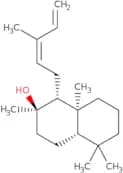
CAS:(+)-Cis-abienol is a diterpene that is found in the leaves of the tobacco plant. It has been suggested to be involved in the synthesis of abscisic acid, which is an important hormone related to plant responses to water and salt stress. (+)-Cis-abienol may also have insecticidal properties and may play a role in resistance to insects. (+)-Cis-abienol has shown activity as an analytical reagent for the detection of hydroxyl groups, due to its UV absorption at 275 nm. The signal peptide sequence for this compound has been determined by analysis of tobacco sequences. This molecule's phase behavior can be predicted from its X-ray crystal structures and it is soluble in organic solvents such as benzyl alcohols or ethers. The mechanism for the reaction between (+)-cis-abienol and dehydroabietic acid has not yet been elucidated but it is thought that benzyl
Formula:C20H34OPurity:Min. 95%Color and Shape:PowderMolecular weight:290.48 g/mol6-Heptyn-1-ol
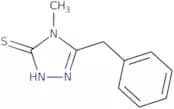
CAS:6-Heptyn-1-ol is a naturally occurring chemical compound that has been isolated from the human colon and shown to have potent cytotoxicity against human colon carcinoma cells. 6-Heptyn-1-ol inhibits the growth of cancer cells by inducing apoptosis, the process by which a cell commits suicide. It also inhibits pancreatic lipase, an enzyme involved in fat digestion. 6-Heptyn-1-ol has been shown to be a chiral molecule with two enantiomers that can be synthesized artificially. The (R) form of 6-heptyn-1-ol is more potent than the (S) form in inducing apoptosis and inhibiting pancreatic lipase activity.Formula:C7H12OPurity:Min. 95%Molecular weight:112.17 g/mol5-Benzyl-4-methyl-4H-1,2,4-triazole-3-thiol
CAS:Please enquire for more information about 5-Benzyl-4-methyl-4H-1,2,4-triazole-3-thiol including the price, delivery time and more detailed product information at the technical inquiry form on this pageFormula:C10H11N3SPurity:Min. 95%Molecular weight:205.28 g/mol

![4-[(4-Chlorophenyl)phenylmethyl]-1-piperazineethanol dihydrochloride](/_next/image/?url=https%3A%2Fstatic.cymitquimica.com%2Fproducts%2F3D%2Fthumb-webp%2FFC53582.webp&w=3840&q=75)





![2-[(4-Phenylpiperazin-1-yl)carbonyl]phenol](/_next/image/?url=https%3A%2Fstatic.cymitquimica.com%2Fproducts%2F3D%2Fthumb-webp%2FFP131062.webp&w=3840&q=75)