Alcohols
Subcategories of "Alcohols"
Found 5817 products of "Alcohols"
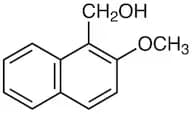
2-Methoxy-1-naphthalenemethanol
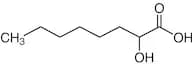
CAS:Formula:C12H12O2Purity:>98.0%(GC)Color and Shape:White to Light yellow to Dark green powder to crystalMolecular weight:188.232-Hydroxy-n-octanoic Acid
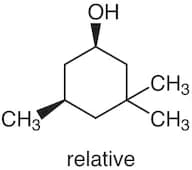
CAS:Formula:C8H16O3Purity:>98.0%(T)Color and Shape:White to Almost white powder to crystalMolecular weight:160.21cis-3,3,5-Trimethylcyclohexanol
CAS:Formula:C9H18OPurity:>96.0%(GC)Color and Shape:White or Colorless to Almost white or Almost colorless powder to lump to clear liquidMolecular weight:142.24cis-2-Nonen-1-ol
CAS:Formula:C9H18OPurity:>95.0%(GC)Color and Shape:Colorless to Light yellow clear liquidMolecular weight:142.244-Chlorodiphenylcarbinol
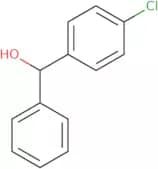
CAS:The asymmetric synthesis of 4-chlorodiphenylcarbinol is an efficient method that uses a simple, inexpensive, and environmentally friendly reagent. The reaction proceeds in the presence of hydrochloric acid and sodium hydroxide solution. The reaction mechanism is the same as for the preparation of other chiral alcohols. The stereoselective preparation method is based on the use of glycol esters or trifluoroacetic acid to produce enantiomerically pure 4-chlorodiphenylcarbinol, which can be used as a precursor for pharmaceuticals, pesticides, and dyes.
Formula:C13H11ClOPurity:Min. 95%Color and Shape:PowderMolecular weight:218.68 g/mol4-[2-(4-Aminophenyl)ethyl]phenol
CAS:4-[2-(4-Aminophenyl)ethyl]phenol belongs to the class of organogelators. It is an organic compound that has been used in various studies on supramolecular chemistry and catalytic rate research. 4-[2-(4-Aminophenyl)ethyl]phenol has been shown to form gels with a variety of solvents, including water, ethanol, and acetone. The compounds have also been studied for their ability to act as heterogeneously catalysts in the synthesis of polymers. These compounds are polymorphs, meaning they can exist in different crystal structures. Structural studies have revealed that these polymorphs display different architectures and reactivities.
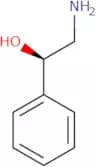
Formula:C14H15NOPurity:Min. 95%Color and Shape:PowderMolecular weight:213.28 g/mol(R)-2-Amino-1-phenylethanol
CAS:(R)-2-Amino-1-phenylethanol is a molecule that has antimicrobial activity. It binds to the active site of bacterial enzymes, such as those involved in the synthesis of cell walls, and inhibits the growth of bacteria through competitive inhibition. This molecule also has a dihedral angle that is similar to that of other molecules with antibacterial activity. (R)-2-Amino-1-phenylethanol is an enantiomer, which means it can be synthesized from either (S)- or (R)-1-phenylethanol. The racemic form is more active than any individual enantiomer.
Formula:C8H11NOPurity:Min. 95%Color and Shape:PowderMolecular weight:137.18 g/molRef: 3D-FA64085
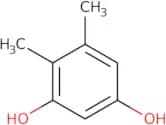
Discontinued product4,5-Dimethylresorcinol
CAS:4,5-Dimethylresorcinol is a decarboxylated form of resorcinol that has been extracted from the acetate extract of an endophytic fungus. It has been shown to have anti-inflammatory properties and can be used for the treatment of symptoms such as diarrhea. 4,5-Dimethylresorcinol is produced by a series of enzymatic reactions in which resorcinol is first decarboxylated and then hydroxylated to produce 4,5-dimethylresorcinol. There are two isomers of this compound: the alpha-isomer and beta-isomer. The alpha-isomer has been shown to have more potent anti-inflammatory activity than the beta-isomer. 4,5-Dimethylresorcinol has also been found to be effective in treating intestinal disorders such as Crohn's disease and ulcerative colitis in clinical trials.
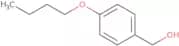
Formula:C8H10O2Purity:Min. 95%Color and Shape:PowderMolecular weight:138.16 g/mol4-Butoxybenzyl alcohol
CAS:4-Butoxybenzyl alcohol is a primary alcohol that is used as a solvent and reagent. It has been shown to disrupt the architecture of bacterial cell walls by destabilizing the molybdenum cofactor, which is essential for the enzyme xylose reductase. The destabilization of this cofactor leads to inhibition of cell wall synthesis and subsequent death of bacteria. 4-Butoxybenzyl alcohol also has antibacterial properties and can be used to inhibit the growth of Gram-positive bacteria such as Staphylococcus aureus and Enterococcus faecalis. This compound may also act by inhibiting amide formation or by binding to magnesium, aluminium, or amides in the bacterial cell wall.
Formula:C11H16O2Purity:Min. 95%Color and Shape:PowderMolecular weight:180.24 g/molRef: 3D-FB64450
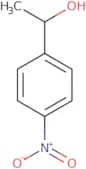
Discontinued product4-Nitrophenylmethylcarbinol
CAS:4-Nitrophenylmethylcarbinol is a nitro compound that has been isolated from the nitration of 4-nitrophenol. It is used as a reagent to synthesize β-unsaturated ketones. The inhibitory effect of 4-nitrophenylmethylcarbinol is due to the presence of two nitro groups and one methyl group on its structure. This compound has been shown to have an inhibitory effect on glucose 6-phosphate dehydrogenase, which functions in cellular respiration by catalyzing the conversion of glucose 6-phosphate to glucose 1,6-bisphosphate. The inhibition of this enzyme leads to a reduction in the formation of ATP and NADPH, which are essential for cell growth. 4-Nitrophenylmethylcarbinol also has reductase activities that allow it to reduce phosphotriesters (e.g., DNA) and dehydrogenase deficiency (e.g., py
Formula:C8H9NO3Purity:Min. 95%Color and Shape:Orange Clear LiquidMolecular weight:167.16 g/mol20S-Protopanaxatriol
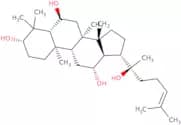
CAS:Controlled Product20S-Protopanaxatriol is a drug that has been shown to have anticancer effects in human HL60 cells. It inhibits the expression of cytokines and inflammatory mediators, such as tumor necrosis factor-α (TNF-α), interleukin-6 (IL-6), and IL-8. 20S-protopanaxatriol also has anti-inflammatory properties due to its ability to inhibit toll-like receptor 4 (TLR4) activity. The drug may also be used for the treatment of chronic inflammation, arthritis, and other diseases related to TLR4 activation. This compound is an active ingredient found in ginseng and ginsenosides. These natural compounds are thought to work by binding to a response element on DNA and regulating the transcription of genes involved in immune responses or cell growth.
Formula:C30H52O4Purity:Min. 95%Color and Shape:White PowderMolecular weight:476.73 g/molEstradiol 17-butyrate
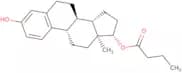
CAS:Estradiol 17-butyrate is a fine chemical that can be used as a versatile building block or in the synthesis of complex compounds. This product is a research chemical, but it can also be used as a reagent or a CAS No. 18069-79-9. It has many applications in the field of chemistry, including being useful as an intermediate in organic synthesis and as a reaction component. Estradiol 17-butyrate is also useful for use as a scaffold for the preparation of other chemicals with similar properties.
Formula:C22H30O3Purity:Min. 95%Color and Shape:PowderMolecular weight:342.47 g/molRef: 3D-FE22821
Discontinued productcis-13-Docosenol
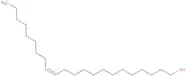
CAS:cis-13-Docosenol is a fatty acid that is biodegradable and is used in the production of film-forming polymers. It has been shown to have disinfectant properties, which may be due to its ability to break down hydrogen chloride. The molecular formula for cis-13-docosenol is C18H38O2. cis-13-Docosenol has not been assigned an IUPAC name and has a viscosity of 0.3 mPa·s at 25°C.
Formula:C22H44OPurity:Min. 95%Color and Shape:PowderMolecular weight:324.58 g/molRef: 3D-FD159317
Discontinued product5α-Pregnan-3β-ol-20-one 3β-acetate
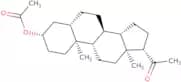
CAS:Controlled Product5α-Pregnan-3β-ol-20-one 3β-acetate is a synthetic steroid that is used to treat various neurological disorders, including dystonias, depression, and dyskinesias. It is an agonist of the GABA receptor and has been shown to have antidepressant effects in hamsters. 5α-Pregnan-3β-ol-20-one 3β-acetate has also been shown to have antiaggressive effects in mice and to decrease hormone levels in animals. The drug has been found to be safe for use in humans and does not affect fertility. 5α-Pregnan-3β-ol-20-one 3βacetate has been shown to be effective only when administered at high doses, which may be due to its poor oral bioavailability.
Formula:C23H36O3Purity:Min. 95%Color and Shape:White PowderMolecular weight:360.53 g/molRef: 3D-FP67983
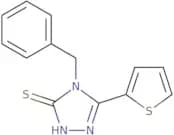
Discontinued product4-benzyl-5-(2-thienyl)-1,2,4-triazole-3-thiol
CAS:4-Benzyl-5-(2-thienyl)-1,2,4-triazole-3-thiol (BTT) is a molecule that belongs to the class of thiourea derivatives. It has been used as an anti-inflammatory agent in animal models and has shown promising results for the treatment of human inflammatory diseases. BTT is a thiol which can reversibly bind to proteins by forming a covalent bond with the sulfur atom. This interaction inhibits the production of proinflammatory cytokines such as IL-6 and TNFα by inhibiting NFκB activation. The functional theory for BTT is based on its ability to prevent the formation of reactive oxygen species by inhibiting lipid peroxidation induced by ROS. In addition, BTT may suppress inflammation through inhibition of histamine release from mast cells.
Purity:Min. 95%Ref: 3D-FB169684
Discontinued product2,4,6-Tribromo-3-methoxyphenol
CAS:2,4,6-Tribromo-3-methoxyphenol is a high quality reagent that is used as an intermediate in the production of many fine chemicals. It is also a useful building block for the synthesis of speciality chemicals and research chemicals. This chemical can be used as a versatile building block for reactions with other compounds. 2,4,6-Tribromo-3-methoxyphenol has CAS number 24967-79-1 and can be found at Chemical & Laboratory Equipment.
Formula:C7H5Br3O2Purity:Min. 95%Molecular weight:360.83 g/molIsohexanol
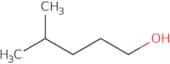
CAS:Isohexanol is a chemical cross-linking agent that reacts with amines to form amide bonds. It is used in the synthesis of polyvinylpyrrolidone, which is an important component of pharmaceutical preparations. Isohexanol has been shown to react with glycol ethers to form ether adducts and has been used as a kinetic study reagent. The chemical reactions of isohexanol depend on its pH level, which can range from acidic (pH 2) to neutral (pH 7). At lower pH ranges, isohexanol will undergo side-chain cleavage to form methyl myristate, which is a fatty acid. Higher pH levels result in the formation of methyl ethyl and other volatile products.
Formula:C6H14OPurity:Min. 97%Color and Shape:Colorless Clear LiquidMolecular weight:102.17 g/molRef: 3D-FI24678
Discontinued productQuinolin-4-ylboronic acid
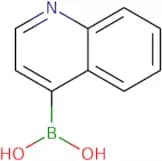
CAS:Quinolin-4-ylboronic acid is a heterocyclic compound with two nitrogen atoms that are attached to the ring by means of carbonyl groups. This compound is a precursor in the synthesis of the drug dorsomorphin, which is used for pain relief. It also has an important role in pharmacokinetics because it can be used as a marker for estimating blood levels of other drugs. Quinolin-4-ylboronic acid yields an active form, quinolin-4-yl boronic acid, when reacted with piperazine in basic conditions. The drug ldn-193189 is a derivative of this active form and has been evaluated as a potential drug for treating osteoporosis and cancer.
Formula:C9H8BNO2Purity:Min. 95 Area-%Color and Shape:PowderMolecular weight:172.98 g/mol4-Fluorophenol
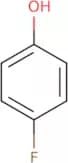
CAS:4-Fluorophenol is the organic compound with the formula CHFOH. It is a phenolic compound and has been used in the manufacture of other chemicals such as trifluoroacetic acid, sodium carbonate and creatinine sulfate. The hydroxyl group of 4-Fluorophenol is capable of donating a proton to hydrogen fluoride to form the intramolecular hydrogen bond, which is an important factor in its chemical reactivity. This reaction mechanism can be seen using electrochemical impedance spectroscopy on bacterial strains.
4-Fluorophenol has been shown to be effective for wastewater treatment due to its ability to react with oxygen nucleophiles such as creatinine sulfate and p-hydroxybenzoic acid.Formula:C6H5FOPurity:Min. 95%Color and Shape:White PowderMolecular weight:112.1 g/molRef: 3D-FF31943
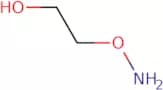
Discontinued product2-(Aminooxy)ethanol
CAS:2-(Aminooxy)ethanol is an organic compound that has the chemical formula CH3NOCH2CH2OH. It belongs to the group of cyclic ketones and is a colorless liquid with a boiling point of 78°C. This substance can be produced by dehydrogenation of ethylene oxide or by reaction of formamide with sodium hydroxide and hydrochloric acid. The product can also be prepared from 2-hydroxyethanol, which reacts with ethylene in presence of HCl. The reaction time for this process is around 1 hour at room temperature. The chemical formula for 2-(Aminooxy)ethanol is C4H11NO2O.
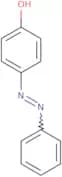
Formula:C2H7NO2Purity:Min. 95%Color and Shape:Clear LiquidMolecular weight:77.08 g/mol4-Phenylazophenol
CAS:4-Phenylazophenol is an organic azobenzene that has a specific treatment for the degradation of amines and mineralization. It has been shown to reduce the levels of phenols, fatty acids, and amines in wastewater. 4-Phenylazophenol is also used as an enzyme inhibitor in reactions with hydrogen bond formation and as a receptor α ligand. The natural compounds found in 4-phenylazophenol have borohydride reduction properties.
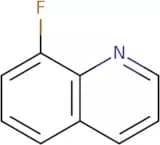
Formula:C12H10N2OPurity:(Uv) Min. 98%Color and Shape:PowderMolecular weight:198.22 g/mol8-Fluoroquinoline
CAS:8-Fluoroquinoline is a quinoline derivative that has been shown to have in vitro anticancer activity against colon adenocarcinoma cells. It is a chiral molecule that can exist as two stereoisomers, (R)-8-fluoroquinoline and (S)-8-fluoroquinoline. These isomers may have different interactions with the tumorigenic cells, but both of them have anticancer activity. 8-Fluoroquinoline also interacts with cytochrome P450 enzymes, enhancing their ability to metabolize carcinogens.
Formula:C9H6FNPurity:Min. 95%Molecular weight:147.15 g/molRef: 3D-FF54377
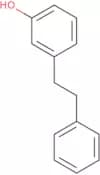
Discontinued product3-Phenethyl-phenol
CAS:3-Phenethylphenol is a hydrophobic, sterically-interacting compound that binds to molybdenum. It has been shown to inhibit the growth of fungi such as Poria and Coriolus. 3-Phenethylphenol also has functionalities such as peroxide, acetonitrile, and nature. This compound is not soluble in water and must be dissolved in solvents such as acetonitrile or polyvinyl acetate before use. 3-Phenethylphenol has been shown to have chromatographic properties, allowing it to be used as an adsorbent for the separation of organic compounds.
Formula:C14H14OPurity:Min. 95%Color and Shape:PowderMolecular weight:198.26 g/molRef: 3D-FP153733
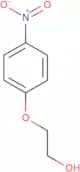
Discontinued product2-(4-Nitrophenoxy)ethanol
CAS:2-(4-Nitrophenoxy)ethanol (NPEO) is a water soluble, synthetic compound that has been shown to have anti-tumor properties. NPEO was found to be toxic to tumor cells in vitro and inhibits the growth of tumor cells in vivo. NPEO also inhibits the synthesis of DNA and RNA, which are important for cell division. This inhibitory effect may lead to the death of cancer cells by interfering with their ability to grow and divide.
Formula:C8H9NO4Purity:Min. 95%Color and Shape:PowderMolecular weight:183.16 g/molRef: 3D-FN70932
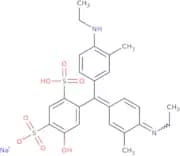
Discontinued productXylene cyanol
CAS:Xylene cyanol is a chemical compound that belongs to the group of phenols. It has been shown to be active in vitro against human skin cancer cells, and induces cell lysis. Xylene cyanol has also been found to bind to the BCR-ABL kinase domain, which is an enzyme that plays a crucial role in the development of leukemia and other autoimmune diseases. Xylene cyanol binds to dna binding domains on the protein surface and forms an adduct with bcr-abl kinase, which inhibits its activity. This inhibition prevents activation of this enzyme and leads to cell death by preventing DNA synthesis.
Formula:C25H27N2O7S2•NaPurity:Min. 90%Color and Shape:PowderMolecular weight:554.61 g/mol(1-Methylpiperidin-2-yl)methanol
CAS:(1-Methylpiperidin-2-yl)methanol is a gaseous organic acid that belongs to the piperazine class of compounds. It is used as an intermediate in the synthesis of various pharmaceuticals, including antipsychotics and antidepressants. (1-Methylpiperidin-2-yl)methanol has been shown to be an agonist of ganglion cells and can be used for the treatment of glaucoma. This compound also has shown to have anti-inflammatory properties, which may be due to its ability to inhibit nitric oxide production. Furthermore, (1-methylpiperidin-2-yl)methanol has been shown to inhibit 13c nuclear magnetic resonance spectroscopy with epoxides and hydroxyl groups. The reaction product is a crystalline solid with a molecular formula of C6H14O3N2, which corresponds to the molecular formula of 2-(dimethylam
Formula:C7H15NOPurity:Min. 95%Color and Shape:Clear LiquidMolecular weight:129.2 g/molRef: 3D-FM130031
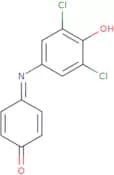
Discontinued product2,6-Dichlorophenolindophenol
CAS:2,6-Dichlorophenolindophenol is a redox indicator that can be used as an optical sensor for the measurement of hydrogen peroxide and other reactive oxygen species. It has been shown to inhibit caspase-independent cell death in carcinoma cells and is active against the opportunistic fungus Candida glabrata. The optimum concentration for this compound has been determined to be 1 mM.
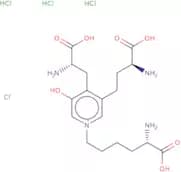
Formula:C12H7Cl2NO2Purity:Min. 95%Color and Shape:Black Green PowderMolecular weight:268.09 g/molDeoxypyridinoline chloride 3HCl
CAS:Deoxypyridinoline chloride 3HCl is a fine chemical that is used as a building block in the synthesis of organic compounds. Deoxypyridinoline chloride 3HCl can be used as a reagent and speciality chemical in research laboratories, as well as in the manufacture of pharmaceuticals and other organic molecules. Deoxypyridinoline chloride 3HCl is also versatile, serving as an intermediate to produce other chemicals, or as a reaction component to produce complex products with specialized properties. The compound has been registered by the Chemical Abstracts Service (CAS) under CAS No. 204074-56-6.
Formula:C18H32Cl4N4O7Purity:Min. 95%Color and Shape:PowderMolecular weight:558.28 g/molRef: 3D-FD21063
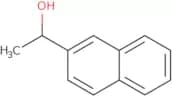
Discontinued product1-(2-Naphthyl)ethanol
CAS:1-Naphthyl ethanol is a chromatographic solvent that is used in the reaction rate of lipase. It consists of two hydroxyl groups, one on each naphthalene ring. The hydroxyl groups are separated by a carbonyl group and a sterically hindered boron nitride. This compound is synthesized using triflic acid in methanol and reacts with carbinols to form functional groups. 1-Naphthyl ethanol has been shown to have stereoselective reactions with alkenes and alkynes, which may be due to its ability to form hydrogen bonds.
Formula:C12H12OPurity:Min. 95%Color and Shape:PowderMolecular weight:172.22 g/molRef: 3D-FN54851
Discontinued product1-Palmitoyl-rac-glycerol
CAS:1-Palmitoyl-rac-glycerol is a fatty acid that contains nitrogen atoms. It has hypoglycemic effects and is used to treat metabolic disorders. 1-Palmitoyl-rac-glycerol has been shown to have a protective effect on the liver by decreasing the levels of triglycerides in the blood and preventing lipid peroxidation. It also improves glucose metabolism and insulin sensitivity. 1-Palmitoyl-rac-glycerol is an important component of biological membranes, where it forms a hydrophobic region that helps maintain membrane structure. This compound also has hemolytic activity, which may be due to its ability to bind with phospholipids or cell membranes, leading to changes in their permeability or stability. The stability of 1-palmitoyl-rac glycerol can be tested by adding reagents such as sodium nitrite or potassium permanganate, which will cause a color change from yellow to brown if it reacts
Formula:C19H38O4Purity:Min. 95%Color and Shape:PowderMolecular weight:330.5 g/molRef: 3D-FP26736
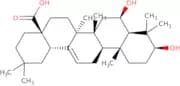
Discontinued productSumaresinolic acid
CAS:Controlled ProductSumaresinolic acid is a naturally occurring triterpenoid compound, which is typically isolated from certain plant species, such as those belonging to the Sumac (Rhus) family. This compound is characterized by its complex molecular structure that endows it with various biochemical activities. Sumaresinolic acid acts primarily through anti-inflammatory and antioxidant pathways, influencing cellular signaling and modulating enzymatic activity related to inflammation and oxidative stress.
Formula:C30H48O4Purity:Min. 95 Area-%Color and Shape:PowderMolecular weight:472.7 g/molRef: 3D-FS57650
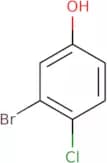
Discontinued product3-Bromo-4-chlorophenol
CAS:3-Bromo-4-chlorophenol (3BCP) is a halogenated phenolic compound that is used as a preservative in the food industry. It is also used in the chemical and pharmaceutical industries for polymerization reactions and to produce other chemicals such as chlorinated hydrocarbons. 3BCP has been shown to inhibit the growth of organisms by binding to their receptors, which can be deformed and thus not function properly. The affinity of 3BCP for these receptors can be rationalized by its chemical nature, which includes chlorine atoms that are nucleophilic and can form hydrogen bonds with other molecules. 3BCP has two isomers: 3-bromo-4-chlorophenol and 4-bromo-3-chlorophenol, each with different effects on organisms.
Formula:C6H4BrClOPurity:Min. 95%Color and Shape:PowderMolecular weight:207.45 g/molRef: 3D-FB70155
Discontinued product






![4-[2-(4-Aminophenyl)ethyl]phenol](/_next/image/?url=https%3A%2Fstatic.cymitquimica.com%2Fproducts%2F3D%2Fthumb-webp%2FFA66482.webp&w=3840&q=75)