Alcohols
Subcategories of "Alcohols"
Found 5817 products of "Alcohols"
3-Acetyl-1-propanol
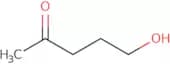
CAS:3-Acetyl-1-propanol is a chemical substance that contains a hydroxy group and a hydrogen chloride molecule. The kinetic data for the reaction of 3-acetyl-1-propanol with water vapor has been found to be constant. This reaction is a nucleophilic attack on the C=O bond, which is followed by an intramolecular hydrogen transfer from one of the OH groups to the other. The product of this reaction is 3-hydroxypropanoic acid, which can be converted back to 3-acetyl propanol by hydrolysis. Hydrochloric acid is used as a catalyst in this process.
Formula:C5H10O2Purity:Min. 95%Color and Shape:Colourless To Light (Or Pale) Yellow To Red-Brown LiquidMolecular weight:102.13 g/molRef: 3D-FA04138
Discontinued product3-Acetoxyphenol
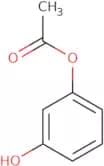
CAS:3-Acetoxyphenol is a cholinergic. It can be used in analytical chemistry to measure the concentration of an alkanoic acid, such as hydrochloric acid, in a sample. It is also used in detergent compositions as an agent that helps break down fatty acids and proteins. 3-Acetoxyphenol has also been shown to have anti-inflammatory properties and can be used to treat skin cells for inflammatory diseases or other skin conditions.
Formula:C8H8O3Purity:Min. 95%Color and Shape:Red Clear LiquidMolecular weight:152.15 g/molRef: 3D-FA71057
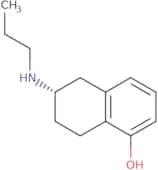
Discontinued product(6S)-5,6,7,8-Tetrahydro-6-(propylamino)-1-naphthalenol
CAS:Controlled ProductRotigotine is a drug that is used to treat Parkinson's disease. It is a dopamine agonist that stimulates the release of dopamine in the brain. Rotigotine has been shown to be effective in controlling symptoms of Parkinson's disease, such as tremors and stiffness, and improving motor skills. This drug has also been shown to have a good tolerability profile, with few side effects reported. Rotigotine is rapidly absorbed from the gastrointestinal tract and metabolized by CYP2D6 into desalkyl rotigotine, which are pharmacologically inactive compounds. The mean terminal half-life for rotigotine is about 2 hours.
Formula:C13H19NOPurity:Min. 95%Molecular weight:205.3 g/mol1-Phenylcyclohexanol
CAS:Controlled Product1-Phenylcyclohexanol (1-PC) is an organic compound that is used as a reagent in the synthesis of other compounds. It is a colorless liquid with a pleasant odor. 1-PC has been shown to have synergic effects when reacted with various types of oxidizing agents, such as magnesium and boron trichloride. The reaction products are cyclohexanol, dehydration, and modifiers. When 1-PC reacts with phenylcyclohexene, it forms the antigen hemiketal.
Formula:C12H16OPurity:Min. 95%Molecular weight:176.25 g/molRef: 3D-FP132052
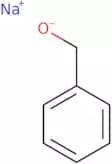
Discontinued productSodium benzyloxide solution - 1.0 M in benzyl alcohol
CAS:Sodium benzyloxide is an alkanoic acid with the chemical formula CH3C6H2O2. It is used as a matrix metalloproteinase inhibitor in the synthesis of bicyclic heterocycles. It is also used in asymmetric synthesis and as a substrate for enzyme inhibitors. Sodium benzyloxide has been shown to be effective against herpes simplex virus by preventing viral replication and inducing apoptosis.
Formula:C6H5CH2ONaColor and Shape:Clear LiquidMolecular weight:130.12 g/molRef: 3D-FS165047
Discontinued product4-[(2,4-Dimethylbenzyl)oxy]butan-1-ol
CAS:Controlled ProductPlease enquire for more information about 4-[(2,4-Dimethylbenzyl)oxy]butan-1-ol including the price, delivery time and more detailed product information at the technical inquiry form on this page
Formula:C13H20O2Purity:Min. 95%Molecular weight:208.3 g/molRef: 3D-FD131280
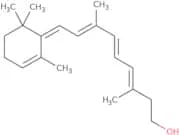
Discontinued productall-trans-Retro retinol
CAS:All-trans-retinol is a form of vitamin A that is found in many animal tissues and some plant oils. It acts as a hormone, binding to the retinoic acid receptors (RARs) in the nucleus and activating gene transcription. All-trans-retinol has been shown to be effective against hyperproliferative diseases such as cancer, both by inducing apoptosis and by inhibiting cell growth. All-trans-retinol may also have therapeutic potential for other diseases, such as intestinal cancers and prostatic hypertrophy. This compound has been shown to induce messenger RNA (mRNA) production in cells that express RARs.
Formula:C20H30OPurity:Min. 95%Molecular weight:286.45 g/molRef: 3D-FR59825
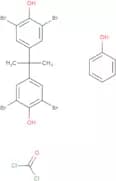
Discontinued productPHenoxy terminated carbonate oligomer of tetrabispHenol A
CAS:Controlled ProductPhenoxy-terminated carbonate oligomer of tetrabispHenol A (PCO-TBA) is a chemical that has been used as an additive in the food industry. It is a colorless, odorless solid. PCO-TBA has been shown to be toxic to humans by causing organ damage and cancer. The toxicity of PCO-TBA may be due to its ability to form polyhalogenated dibenzodioxins or biphenyls when heated at high temperatures. PCO-TBA also reacts with human serum, forming diphenyl ethers. This chemical is a potential carcinogen and, although used as a food additive, should not be consumed on a regular basis.
Purity:Min. 95%Color and Shape:PowderMolecular weight:736.90 g/molRef: 3D-FP39597
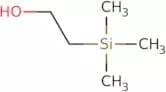
Discontinued product2-(Trimethylsily)ethanol
CAS:2- (Trimethylsily)ethanol is a hdac inhibitor that is used in the synthesis of other chemical substances. It inhibits HDAC activity by binding to the hydroxyl group on the histone and prevents acetylation of lysine residues, preventing gene transcription. 2-(Trimethylsily)ethanol has been shown to inhibit oxidation reactions in biological systems, such as those caused by trifluoroacetic acid or trichloroacetic acid. In addition, this reagent can be used to prepare functional groups through a synthetic method with an activation energy of 15 kcal/mol and a reaction rate constant of 0.04 M-1 s-1. 2-(Trimethylsily)ethanol has also been used for preparative methods with cleavage products including sulfamoyl chloride.
Formula:C5H14OSiPurity:95%NmrColor and Shape:PowderMolecular weight:118.25 g/mol6-Bromoisoquinoline
CAS:6-Bromoisoquinoline is a tetradentate ligand that can be used as a molecular model to study the binding of metal ions and organic molecules. 6-Bromoisoquinoline has been shown to bind covalently and noncovalently with phosphate groups on the surface of Caco-2 cells and to induce surface-enhanced Raman spectroscopy. This ligand has a high nucleophilicity and reacts readily with chloride, which is an acidic functional group. The reaction products are hydrochloric acid, trifluoroacetic acid, or both. 6-Bromoisoquinoline can also act as an allosteric modulator in some enzymes, such as phosphofructokinase in glycolysis.
Formula:C9H6BrNPurity:Min. 95%Molecular weight:208.05 g/molRef: 3D-FB11908
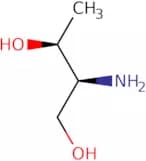
Discontinued productD-Threoninol
CAS:Please enquire for more information about D-Threoninol including the price, delivery time and more detailed product information at the technical inquiry form on this page
Formula:C4H11NO2Purity:Min. 95%Molecular weight:105.14 g/mol(-)-Corey lactone diol
CAS:(-)-Corey lactone diol is a synthetic compound that is soluble in organic solvents. It is used for the synthesis of carbocyclic nucleosides, which are analogs of pyrimidine nucleosides. (-)-Corey lactone diol has been shown to inhibit cholesterol synthesis and the synthesis of alkene. (-)-Corey lactone diol also shows anti-inflammatory properties, which may be due to its inhibition of prostaglandin synthesis.
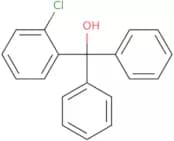
Formula:C8H12O4Purity:Min. 95%Molecular weight:172.18 g/mol(2-Chlorophenyl)diphenylmethanol
CAS:2-Chlorophenyl)diphenylmethanol is an antifungal drug that blocks the function of a calcium ionophore in fungal cells. It has been shown to be effective against a variety of filamentous fungi, including Aspergillus fumigatus, Candida albicans, and Trichosporon cutaneum. This drug is used as a topical antifungal agent for treatment of skin infections caused by these fungi. 2-Chlorophenyl)diphenylmethanol has been shown to have anti-inflammatory properties in animal models of kidney fibrosis and cell binding. Clinical data suggests that it can be used for the prevention or treatment of stem cell transplantation complications such as graft versus host disease and leukemia.
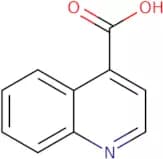
Formula:C19H15ClOPurity:Min. 95%Color and Shape:PowderMolecular weight:294.77 g/molQuinoline-4-carboxylic acid
CAS:Quinoline-4-carboxylic acid is a natural compound that is derived from the amino acid tryptophan. It has been shown to have antiinflammatory activity and to be an inhibitor of prostaglandin synthesis. Quinoline-4-carboxylic acid inhibits the growth of carcinoma cells in culture by inducing apoptosis, which is mediated by inhibition of protein synthesis. Quinoline-4-carboxylic acid also has pharmacokinetic properties, including a low volume of distribution, low clearance rate and high bioavailability.
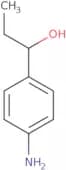
Formula:C10H7NO2Purity:Min. 97 Area-%Molecular weight:173.17 g/mol4-Aminophenyl ethyl carbinol
CAS:Please enquire for more information about 4-Aminophenyl ethyl carbinol including the price, delivery time and more detailed product information at the technical inquiry form on this page
Formula:C9H13NOPurity:Min. 95%Color and Shape:PowderMolecular weight:151.21 g/molRef: 3D-FA66499
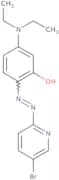
Discontinued product2-(5-Bromo-2-pyridylazo)-5-(diethylamino)phenol
CAS:2-(5-Bromo-2-pyridylazo)-5-(diethylamino)phenol is a chemical that is used for the detection of hydrochloric acid in water vapor. It reacts with zirconium oxide, which generates a red fluorescing complex. The reaction can be detected by using a fluorescence spectrometer with a test sample. 2-(5-Bromo-2-pyridylazo)-5-(diethylamino)phenol is also used to detect the presence of nitrogen atoms and sodium citrate in samples by reacting with them. This chemical reacts with an acid complex to form stable complexes. The analytical method is based on measuring the redox potential of this reaction. The flow system of this technique allows for dehydration of dehydroascorbic acid (DHA).
Formula:C15H17BrN4OPurity:Min. 95%Color and Shape:PowderMolecular weight:349.23 g/molCalcipotriol monohydrate
CAS:Calcipotriol is a synthetic vitamin D3 analog that has been shown to be effective in the treatment of bone cancer. It has a film-forming property and is used in pharmaceutical preparations as well as for wastewater treatment. Calcipotriol monohydrate is made by reacting calcipotriol with hydrochloric acid, which produces an ester bond between the hydroxyl group and the carboxylic acid group. The reaction also produces water, methanol, and methyl ethyl ether. Studies have shown that calcipotriol monohydrate has a chemical stability of over 30 days at room temperature, indicating it can be stored for long periods without degradation.
Formula:C27H40O3·H2OPurity:(%) Min. 96%Color and Shape:PowderMolecular weight:430.62 g/molRef: 3D-FC63561
Discontinued productp-Xylene-α,α'-diol
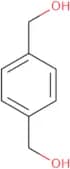
CAS:p-Xylene-α,α'-diol is a water-soluble polymer that can be prepared by the reaction of ethylene diamine with sodium citrate. The resulting product has a low molecular weight and high viscosity. The polymer is insoluble in water at pH values higher than 9.5 and soluble in acidic solutions. p-Xylene-α,α'-diol has been shown to exhibit good chemical stability and thermal expansion properties when exposed to temperatures of up to 300 °C. The polymer is soluble in organic solvents such as benzene, chloroform, acetone, ether, and carbon tetrachloride. The polymer has been shown to have transport properties for some drugs, such as ketoprofen and ibuprofen, with good kinetic data at various concentrations.
Formula:C8H10O2Purity:Min. 98 Area-%Color and Shape:White PowderMolecular weight:138.16 g/mol2-Dimethylaminoethanol (+)-bitartrate salt
CAS:Controlled Product2-Dimethylaminoethanol (+)-bitartrate salt is a potent, reversible inhibitor of protein synthesis that binds reversibly to the 50S ribosomal subunit. It is used in regulatory toxicology and clinical pathology as a positive control for the study of chronic toxicity and long-term effects. 2-Dimethylaminoethanol (+)-bitartrate salt has shown no treatment effect on ovary weight or estrous cycle length in female Sprague-Dawley rats after chronic exposure and long-term exposure at doses up to 1,000 mg/kg/day. This drug has also shown no effect on rat fertility or reproductive performance, indicating it does not cause reproductive toxicity.
Formula:C4H11NO·C4H6O6Color and Shape:White Off-White PowderMolecular weight:239.22 g/molTetrabromophenol blue sodium salt
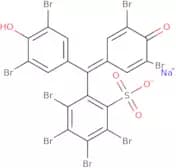
CAS:Tetrabromophenol blue sodium salt is a dye that is used as an additive in the production of vinyl alcohol polymer films. Tetrabromophenol blue sodium salt can be used to measure albumin concentration and postexposure by adding phenyl groups to the molecule. The color of tetrabromophenol blue sodium salt changes upon exposure to radiation, which makes it useful for diagnostic purposes. It also has a hydrocarbon group that transforms into an insoluble form when exposed to evaporation, making it useful for titration methods. Tetrabromophenol blue sodium salt is relatively stable and labile in nature, making it susceptible to techniques such as pyrolysis, oxidation, or reduction.
Formula:C19H5Br8NaO5SPurity:Min. 95%Molecular weight:1,007.53 g/molRef: 3D-FT147404
Discontinued product


![4-[(2,4-Dimethylbenzyl)oxy]butan-1-ol](/_next/image/?url=https%3A%2Fstatic.cymitquimica.com%2Fproducts%2F3D%2Fthumb-webp%2FFD131280.webp&w=3840&q=75)