Amines
Subcategories of "Amines"
- Nitrosamines(2,646 products)
- Primary Amines(30,947 products)
- Quaternary Ammonium Cations and Salts(1,102 products)
- Secondary Amines(20,887 products)
- Tertiary Amines(17,195 products)
Found 8790 products of "Amines"
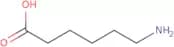
Aminocaproic acid
CAS:Aminocaproic acid is a non-specific lysing agent that is used in the treatment of acute blood clots. Aminocaproic acid has minimal toxicity and low-dose effects, and can be used for the treatment of thrombotic disorders. It also has biological properties that are different from those of aminocaproate, which can lead to a more rapid dissolution of the clot. Aminocaproic acid is an organic compound that belongs to the class of dicarboxylic acids. It is synthesized from two molecules of aminoacetic acid by the enzyme aminocaproic acid synthetase. The synthesis occurs in a two-step process: first, caprylic acid reacts with ATP to form aminopropyl-adenylate (APA), followed by hydrolysis by APA lyase to form aminocaproic acid.Formula:C6H13NO2Color and Shape:PowderMolecular weight:131.17 g/mol(R)-3-[((tert-Butoxy)carbonyl)amino]-4-(2,5-difluorophenyl)butanoic acid
CAS:Please enquire for more information about (R)-3-[((tert-Butoxy)carbonyl)amino]-4-(2,5-difluorophenyl)butanoic acid including the price, delivery time and more detailed product information at the technical inquiry form on this pageFormula:C15H19F2NO4Purity:Min. 95%Molecular weight:315.31 g/molAmyloid beta-Protein (17-40) ammonium salt
CAS:Please enquire for more information about Amyloid beta-Protein (17-40) ammonium salt including the price, delivery time and more detailed product information at the technical inquiry form on this page
Formula:C110H178N26O31SPurity:Min. 95%Molecular weight:2,392.81 g/molMethylamine hydrochloride
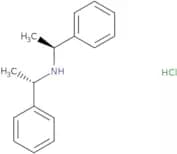
CAS:Controlled ProductMethylamine hydrochloride is a biologically active chemical that can be used to treat eye disorders. It is a p-nitrophenyl phosphate substrate and its optimum concentration in the reaction solution is 0.5 mg/mL. The compound reacts with methylamine, which is produced by the hydrolysis of peptide hormones in the human body, to form a bicyclic heterocycle. The bicyclic heterocycle reacts with hydrogen fluoride in the model system to produce an analytical method for determining plasma mass spectrometry. Methylamine hydrochloride has been shown to inhibit biological activity at high concentrations and stimulate it at low concentrations.Formula:CH6ClNColor and Shape:White PowderMolecular weight:67.52 g/mol(S,S)-(-)-Bis(a-methylbenzyl)amine Hcl
CAS:Please enquire for more information about (S,S)-(-)-Bis(a-methylbenzyl)amine Hcl including the price, delivery time and more detailed product information at the technical inquiry form on this pageFormula:C16H19N·HClPurity:Min. 95%Molecular weight:261.79 g/molAminoguanidine hydrochloride
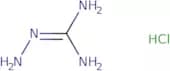
CAS:Aminoguanidine hydrochloride is a basic compound that can be used as an anti-inflammatory drug. It has been shown to have a hypoglycemic effect, which may be due to its ability to increase the activity of glutathione peroxidase and glutathione reductase in experimental models. Aminoguanidine hydrochloride also inhibits the production of inflammatory cytokines such as TNF-α, IL-1β and IL-6. Experiments with transfected cells have shown that aminoguanidine hydrochloride induces neuronal death, which may be due to its ability to inhibit protein synthesis by interfering with ribosomal function.Formula:CH6N4·HClPurity:Min. 95%Color and Shape:White PowderMolecular weight:110.55 g/mol(R)-1-Boc-3-Aminopyrrolidine
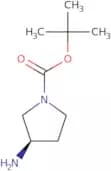
CAS:(R)-1-Boc-3-Aminopyrrolidine is a small molecule that inhibits 3-kinase. It has been shown to bind to the ATP binding site of PI3Kδ and inhibit its activity. This results in the inhibition of phosphoinositide production, which leads to decreased cell proliferation and survival. (R)-1-Boc-3-Aminopyrrolidine has also been shown to have selectivity for isoform α over β, γ, and δ. The drug binds specifically to the ATP binding site on PI3Kδ, but does not disrupt other interactions such as hydrogen bonding or pi stacking interactions with residues in the vicinity of the ATP binding site. The IC50 values for (R)-1-Boc-3-Aminopyrrolidine were determined using siRNA knockdown experiments against human isoform α PI3Kδ.Formula:C9H18N2O2Purity:Min. 95%Molecular weight:186.25 g/molEthylammonium Tetrafluoroborate
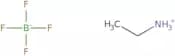
CAS:Controlled ProductEthylammonium tetrafluoroborate is an ionic liquid that is a colorless, nonvolatile liquid at room temperature. It has a melting point of -9 °C and a boiling point of 230 °C. This compound is soluble in water and organic solvents, but insoluble in diethyl ether. Ethylammonium tetrafluoroborate can be used as an electrolyte for lithium-ion batteries. The reversible oxidation reaction of ethylammonium tetrafluoroborate can be catalyzed by the addition of fluorine or carbonyl groups to the molecule. The NMR spectra of ethylammonium tetrafluoroborate show that it contains an alcohol group with a phase transition temperature near 35 °C and an activation energy near 15 kJ/mol. This compound also undergoes polymerization reactions with various types of monomers, such as vinyl acetate and methyl methacrylate,
Formula:C2H7BF4NPurity:Min. 95%Color and Shape:PowderMolecular weight:131.89 g/molBenzyltributylammonium chloride
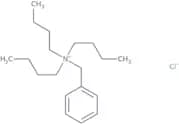
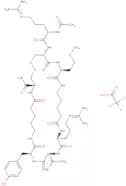
CAS:Benzyltributylammonium chloride is a quaternary ammonium salt that is used as a surfactant. It is commercially available in the form of its sodium salt, which is prepared by the reaction of benzyltriethylamine with trifluoroacetic acid and sodium carbonate. The surface methodology used to characterize the adsorption properties of this compound was Langmuir adsorption isotherms. The optimum concentration for this compound was found to be 0.05 M at 25°C, where it exhibits surface adsorption kinetics at a rate of 1.1 x 10⁻⁴ mol/cm2/s. Benzyltributylammonium chloride has strong hydroxyl groups, which gives it an affinity for water molecules and makes it an excellent surfactant for use in detergent formulations. It also chelates metal ions such as chloride and metal ions (e.g., zinc) that are present in hardFormula:C19H34ClNPurity:Min. 95%Color and Shape:PowderMolecular weight:311.93 g/molAc-Arg-Cys-Met-5-aminopentanoyl-Arg-Val-Tyr-5-aminopentanoyl-Cys-NH2 trifluoroacetate salt (Disulfide bond)
CAS:Please enquire for more information about Ac-Arg-Cys-Met-5-aminopentanoyl-Arg-Val-Tyr-5-aminopentanoyl-Cys-NH2 trifluoroacetate salt (Disulfide bond) including the price, delivery time and more detailed product information at the technical inquiry form on this pageFormula:C49H82N16O11S3Purity:Min. 95%Molecular weight:1,167.47 g/molChloramine T trihydrate
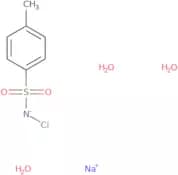
CAS:Chloramine T trihydrate is a water-soluble and biodegradable chemical that is used in wastewater treatment. It reacts with chloramines to produce chloramine, which has a higher disinfectant potential than chlorine. Chloramine T trihydrate also has antimicrobial properties and can be used to control microbial growth in biological samples. In addition, it can inhibit the activity of certain enzymes, such as aziridination, which is involved in the production of nitrosamines and nitric oxide. The matrix effect for chloramine-t may be different from other antimicrobial agents because it does not have a high affinity for proteins. It was found that benzalkonium chloride had an inhibitory effect on chloramine-t activity. MECHANISM OF ACTION: Chloramine T trihydrate is an oxidizing agent that reacts with organic matter to form chloramines and other oxidized products. When these reactions occur in the presence of water or organic material,Formula:C7H7ClNNaO2S•(H2O)3Purity:Min. 98 Area-%Color and Shape:PowderMolecular weight:282.7 g/molBoc-trans-4-aminocyclohexane acetic acid
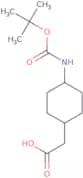
CAS:Please enquire for more information about Boc-trans-4-aminocyclohexane acetic acid including the price, delivery time and more detailed product information at the technical inquiry form on this pageFormula:C13H23NO4Molecular weight:257.33 g/molDimethyl-d6-amine HCl
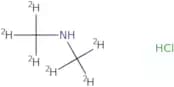
CAS:Controlled ProductDimethyl-d6-amine HCl is a drug that inhibits the growth of cancer cells. It is an inhibitor of epidermal growth factor (EGF), which has been shown to be effective in the treatment of skin cancer. Dimethyl-d6-amine HCl is also effective against some strains of bacteria that are resistant to other antibiotics, such as erythromycin and tetracycline. Dimethyl-d6-amine HCl has been shown to have a suppressive effect on the production of sesquiterpene lactones by dehydrocostus lactone, which may be responsible for its anti-inflammatory properties.Formula:C2H2ClD6NPurity:Min. 95%Color and Shape:White PowderMolecular weight:87.58 g/mol4-Aminophenethyl alcohol
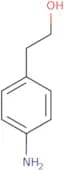
CAS:4-Aminophenethyl alcohol is a monosubstituted, basic compound that is used in the laboratory as a cell culture medium supplement to promote growth of fibroblasts. This compound has been shown to stimulate human intestinal cells and human peripheral blood mononuclear cells. 4-Aminophenethyl alcohol acts as a hydroxyl group donor, which may be due to its ability to form hydrogen ions when reacted with sodium hydroxide solution. The reaction of this compound with diazonium salt produces an intermediate, which can be hydrolyzed by the addition of sodium hydroxide solution. The resultant chloride ion reacts with the aminophenethyldihydroxylamine (APDA) moiety to produce APDCl. This product has been shown to increase the population growth rate of fibroblasts in culture by causing DNA synthesis and protein synthesis. Linear regression analysis revealed that there was no statistically significant difference between the control and experimental groups for either DNAFormula:C8H11NOPurity:Min. 95%Molecular weight:137.18 g/molDL-3-Amino-3-phenylpropionic acid
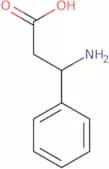
CAS:DL-3-Amino-3-phenylpropionic acid is an amino acid that is synthesized by the reaction of malonic acid and ethyl ester. This compound is a competitive inhibitor of the enzyme pyruvate carboxylase and inhibits this enzyme in the conversion of pyruvic acid to acetyl CoA, which plays a key role in metabolism. DL-3-Amino-3-phenylpropionic acid has been shown to inhibit the growth of bacteria such as Escherichia coli, Salmonella typhimurium and Staphylococcus aureus. The inhibition of pyruvate carboxylase by DL-3-Amino-3-phenylpropionic acid prevents the production of acetaldehyde from pyruvate, which is toxic to cells.
Formula:C9H11NO2Purity:Min. 95%Molecular weight:165.19 g/molL(+)-2,3-Diaminopropionic acid HCl
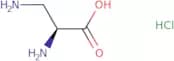
CAS:L(+)-2,3-Diaminopropionic acid HCl is a chiral modifier that is used in the separation of organic compounds. It has been shown to selectively interact with borate, sulfate, and hydroxyapatite. This interaction changes the physical properties of these substances by modifying their surface charge or adsorption capacity. L(+)-2,3-Diaminopropionic acid HCl has also been shown to be useful in diastereoselective reactions. The technique of elution can be used to isolate specific compounds from mixtures using this compound as a modifier. Hydrogen bonding groups and moieties on the functional group are important factors in the specificity of this interaction.END>>Formula:C3H8N2O2·HClPurity:Min. 95%Color and Shape:White PowderMolecular weight:140.57 g/mol4-Cbz-aminopiperidine
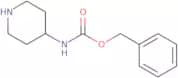
CAS:Please enquire for more information about 4-Cbz-aminopiperidine including the price, delivery time and more detailed product information at the technical inquiry form on this pageFormula:C13H18N2O2Purity:Min. 95%Molecular weight:234.29 g/molN-Des(2-diethylamino) metoclopramide acetic acid
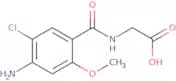
CAS:N-Des(2-diethylamino) metoclopramide acetic acid is a benzyl ester of metoclopramide, a prodrug that is metabolized to the active form in the body. It has been shown to be effective against healthy human subjects and hplc analyses of biological samples have shown it to be a metabolite of metoclopramide. N-Des(2-diethylamino) metoclopramide acetic acid is used as a catalyst for catalytic hydrogenation reactions, such as the conversion of methyl esters into ethyl or butyl esters. It can also be used for catalytic hydrogenation reactions with diazomethane, such as those required for the synthesis of quinolones.Formula:C10H11ClN2O4Purity:Min. 95%Molecular weight:258.66 g/molBenzhydrylamine resin (200-400 mesh)·HCl
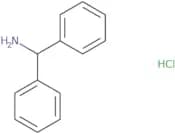
Please enquire for more information about Benzhydrylamine resin (200-400 mesh)·HCl including the price, delivery time and more detailed product information at the technical inquiry form on this page
Purity:Min. 95%Fmoc-4-methoxy-4'-(gamma-carboxypropyloxy)-benzhydrylamine linked to Alanyl-aminomethyl resin (200-400 mesh)
Please enquire for more information about Fmoc-4-methoxy-4'-(gamma-carboxypropyloxy)-benzhydrylamine linked to Alanyl-aminomethyl resin (200-400 mesh) including the price, delivery time and more detailed product information at the technical inquiry form on this pagePurity:Min. 95%2-Bromoethylamine hydrobromide
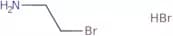
CAS:2-Bromoethylamine HBr is a nonsteroidal anti-inflammatory drug that is used to treat inflammation and pain. It is a prodrug that is hydrolyzed in vivo to its active form, 2-bromoethylamine. The bound form of this drug has been shown to inhibit the development of cell nuclei in the nucleus of cells. This drug also inhibits the production of nitric oxide, which leads to cell death by necrosis. 2-Bromoethylamine HBr has been shown to have an inhibitory effect on the activity of glycol ethers, which are used as solvents for resins in coatings and adhesives. It also has the ability to form body tissue (e.g., papillary) and can be used as an experimental model for studying necrosis.Formula:C2H6BrN•HBrPurity:Min. 95%Color and Shape:White PowderMolecular weight:204.89 g/mol2-[[2-(Dimethylaminomethyl)-1,3-thiazol-4-yl]methylsulfanyl]ethanamine
CAS:2-[[2-(Dimethylaminomethyl)-1,3-Thiazol-4-Yl]Methylsulfanyl]Ethanamine is a compound that exhibits unique characteristics and properties. It has a high viscosity and is commonly used as a plasticizer in polyvinyl materials. The compound contains hydroxyl groups that contribute to its versatility in various applications.
One notable feature of 2-[[2-(Dimethylaminomethyl)-1,3-Thiazol-4-Yl]Methylsulfanyl]Ethanamine is its ability to interact with TGF-beta (transforming growth factor beta), a protein involved in cell growth and differentiation. This interaction can modulate the signaling pathways regulated by TGF-beta, making it potentially useful in biomedical research.
The compound also possesses photoreactive properties, particularly when combined with benzoate derivatives. This makes it suitable for use in photoreactions and other light-induced processes.
Additionally, 2-[[2Formula:C9H17N3S2Purity:Min. 95%Molecular weight:231.38 g/molAmmonium isothiocyanate
CAS:Ammonium thiocyanate is a natural compound that is found in the blood of humans and animals. It binds to an antigen-binding molecule and has been shown to be effective against infectious diseases. Ammonium thiocyanate is toxic, so it should only be administered as a last resort for treatment. The toxicity of ammonium thiocyanate can be reduced by complexing with copper chloride or zirconium oxide. Ammonium thiocyanate has also been shown to have high redox potentials, which are indicative of its ability to donate electrons. These properties make ammonium thiocyanate an ideal candidate for use in electrochemical impedance spectroscopy experiments.Formula:CH4N2SPurity:Min. 95%Color and Shape:PowderMolecular weight:76.12 g/molHydroxylamine-Wang resin (200-400 mesh)
Please enquire for more information about Hydroxylamine-Wang resin (200-400 mesh) including the price, delivery time and more detailed product information at the technical inquiry form on this pagePurity:Min. 95%Tetraethylammonium bromide
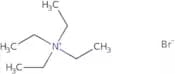
CAS:Tetraethylammonium bromide is an ionic liquid that has a low viscosity and high water solubility. It is used as an antimicrobial agent in the process of producing polymers, such as polyurethane. Tetraethylammonium bromide has been shown to be effective against a broad range of bacteria, including Bacillus subtilis and Escherichia coli. It has also been shown to have a protective effect on neurons by preventing neuronal death in response to oxidative stress. This protection may be due to its ability to increase the concentration of cytosolic Ca2+ ions, which are involved in neuronal survival pathways.
Formula:C8H20BrNPurity:Min. 95%Color and Shape:White Off-White PowderMolecular weight:210.16 g/mol(Cys2)-Neuropeptide Y (1-4)-8-aminooctanoyl-(D-Cys27)-Neuropeptide Y (25-32) trifluoroacetate salt
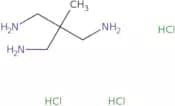
CAS:Please enquire for more information about (Cys2)-Neuropeptide Y (1-4)-8-aminooctanoyl-(D-Cys27)-Neuropeptide Y (25-32) trifluoroacetate salt including the price, delivery time and more detailed product information at the technical inquiry form on this pageFormula:C96H158N32O23S2Purity:Min. 95%Molecular weight:2,192.62 g/mol2-(Aminomethyl)-2-methyl-1,3-propanediamine trihydrochloride
CAS:Please enquire for more information about 2-(Aminomethyl)-2-methyl-1,3-propanediamine trihydrochloride including the price, delivery time and more detailed product information at the technical inquiry form on this pageFormula:C5H15N3•(HCl)3Purity:Min. 95%Color and Shape:PowderMolecular weight:226.57 g/molTetrabutylammonium nitrite
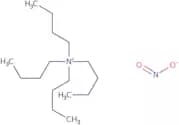
CAS:Tetrabutylammonium nitrite is a tosylate salt. It reversibly binds to copper ions, forming a copper complex that is activated by the presence of nitroalkanes. The binding of tetrabutylammonium nitrite to glycosidic bonds in sugar residues, such as the hemoglobin molecule, leads to the formation of reactive oxygen species (ROS), which are responsible for cell damage. Tetrabutylammonium nitrite has been shown to reduce infarct size and improve cardiac function in animal models following ischemic reperfusion injury. Tetrabutylammonium nitrite also has antioxidant properties due to its ability to scavenge ROS and protect against oxidative stress.
Formula:C16H36N2O2Purity:Min. 95%Color and Shape:White PowderMolecular weight:288.47 g/molEthyl 3-(pyridin-2-ylamino)propanoate
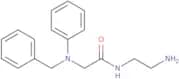
CAS:Ethyl 3-(pyridin-2-ylamino)propanoate is a thrombin inhibitor that can be used for the treatment of cancer. Ethyl 3-(pyridin-2-ylamino)propanoate is a reactive, profile compound with electrons and hydrogen bonds. It has been shown to have anticancer activity in vitro and in vivo, inhibiting tumor cell growth by inhibiting DNA synthesis. This molecule also has anti-inflammatory properties, which may be due to its ability to inhibit platelet aggregation.Formula:C10H14N2O2Purity:Min. 95 Area-%Color and Shape:PowderMolecular weight:194.23 g/molN-(2-Amino-ethyl)-2-(benzyl-phenyl-amino)-acetamide
CAS:Please enquire for more information about N-(2-Amino-ethyl)-2-(benzyl-phenyl-amino)-acetamide including the price, delivery time and more detailed product information at the technical inquiry form on this page
Formula:C17H21N3OPurity:Min. 95%Color and Shape:White PowderMolecular weight:283.37 g/mol5-tert-Butyl-1,3,4-oxadiazol-2-amine
CAS:Please enquire for more information about 5-tert-Butyl-1,3,4-oxadiazol-2-amine including the price, delivery time and more detailed product information at the technical inquiry form on this page
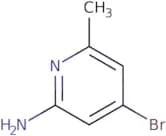
Formula:C6H11N3OPurity:Min. 95%Molecular weight:141.17 g/mol4-Bromo-6-methyl-2-pyridinamine
CAS:4-Bromo-6-methyl-2-pyridinamine is a small molecule that binds to the bromodomain of the human protein BRD4. This binding inhibits the interaction between BRD4 and acetylated lysine residues on histones, thereby inhibiting transcriptional activation. 4-Bromo-6-methyl-2-pyridinamine has been shown to be a potent inhibitor of the activity of BRD4, which may be due to its chemical stability and ability to inhibit protein synthesis. The compound's potency in inhibition assays and its lack of biochemical toxicity make it an attractive lead compound for further study.
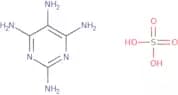
Formula:C6H7BrN2Purity:Min. 95%Molecular weight:187.04 g/mol2,4,5,6-Tetraaminopyrimidine sulphate
CAS:2,4,5,6-Tetraaminopyrimidine sulphate is a chemical compound that is used for the treatment of leukemic mice. It has shown to have anti-inflammatory and anti-cancer properties. This drug binds to the enzyme p-hydroxybenzoic acid that is involved in the synthesis of collagen and elastin. It also suppresses the production of inflammatory cytokines such as TNF-α and IL-1β. 2,4,5,6-Tetraaminopyrimidine sulphate has been used in clinical trials for the treatment of autoimmune diseases and inflammatory diseases such as psoriasis. The drug is currently being researched for use in cancer treatments due to its ability to inhibit cell division and induce apoptosis. 2,4,5,6-Tetraaminopyrimidine sulphate has also been shown to be effective when applied topically on skin as a cosmetic agent or when administered orally as a supplement for
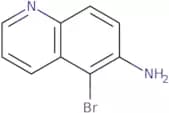
Formula:C4H10N6O4SPurity:Min. 95%Color and Shape:Slightly Yellow PowderMolecular weight:238.23 g/mol5-Bromoquinolin-6-amine
CAS:Please enquire for more information about 5-Bromoquinolin-6-amine including the price, delivery time and more detailed product information at the technical inquiry form on this pageFormula:C9H7BrN2Purity:Min. 95%Molecular weight:223.07 g/molPhenolphthalein monophosphate di(cyclohexylammonium)
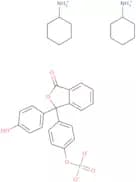
CAS:Phenolphthalein monophosphate di(cyclohexylammonium) is a fine chemical that can be used as a building block in research, reagent, or speciality chemical. It is a versatile building block and reaction component that can be used as an intermediate to make other compounds. Phenolphthalein monophosphate di(cyclohexylammonium) is also used as a scaffold for the synthesis of complex chemicals. This complex compound has CAS number 14815-59-9.Formula:C20H15O7P•2C6H13NPurity:Min. 90%Color and Shape:PowderMolecular weight:596.65 g/mol4-Nitrophenethylamine HCl
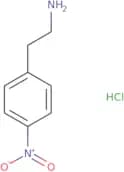
CAS:Controlled ProductIntermediate in the synthesis of mirabegronFormula:C8H10N2O2·HClPurity:Min. 95%Color and Shape:Off-White PowderMolecular weight:202.64 g/molDABCYL-(Asn670,Leu671)-Amyloid b/A4 Protein Precursor770 (669-674)-EDANS ammonium salt
CAS:Please enquire for more information about DABCYL-(Asn670,Leu671)-Amyloid b/A4 Protein Precursor770 (669-674)-EDANS ammonium salt including the price, delivery time and more detailed product information at the technical inquiry form on this pageFormula:C54H70N12O15SPurity:Min. 95%Molecular weight:1,159.27 g/mol4-Aminobutyrophenone
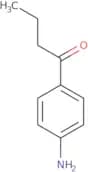
CAS:4-Aminobutyrophenone is a butyrophenone, a nitro compound that is the amine derivative of 4-aminobutyric acid. This product is used as a control agent in pest control and as an intermediate for pharmaceuticals and dyes. It has been used to produce methemoglobin, which is used to treat nitrate poisoning. 4-Aminobutyrophenone undergoes acylation reactions with chloride or sulfoxide groups to form chlorohydrins and thiohydrins respectively. These products are bioisosteres of the carbonyl group, which can be hydrolyzed with acid or alkali to produce carboxylic acids or alcohols respectively. Friedel-Crafts acylation with phenol gives benzoylphenylhydroxylamine, which can be oxidized by hydrogen peroxide to give the corresponding nitro compound.
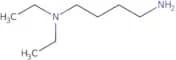
Formula:C10H13NOColor and Shape:PowderMolecular weight:163.22 g/mol4-(Diethylamino)butyl amine
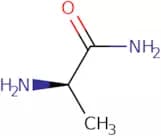
CAS:4-(Diethylamino)butyl amine is a chemical that is used as a radiolabeled probe for the uptake of amines into tumors. It is used to measure tumor uptake and pharmacokinetic properties. This chemical has been found to be stable in both water and organic solvents, which makes it an excellent candidate for use in radiopharmaceuticals. 4-(Diethylamino)butyl amine also has a high affinity for cells, which may make it an ideal choice for therapeutic purposes.Formula:C8H20N2Purity:Min. 95%Molecular weight:144.26 g/mol(2R)-2-Aminopropanamide
CAS:(2R)-2-Aminopropanamide is a chemical compound that is classified as an amide. It has been shown to inhibit bacterial growth and induce apoptosis in mammalian cells, but not in bacteria. This drug has a number of hydrogen bonding interactions with the carbonyl group and amide functional groups and can bind to affinity ligands with hydrogen bonding interactions. (2R)-2-Aminopropanamide inhibits the activity of enzymes that are involved in the synthesis of d-alanine, which is a precursor for protein synthesis. It also inhibits the enzyme glutamine synthase, which plays a key role in building up nitrogen reserves in bacteria. The drug binds to DNA by forming hydrogen bonds with the phosphate backbone and intercalates into double-stranded DNA by forming van der Waals interactions with base pairs.Formula:C3H8N2OPurity:Min. 95%Molecular weight:88.11 g/mol6-(7-Nitro-benzo[2,1,3]oxadiazol-4-ylamino)-hexanoyl-Arg-Pro-Lys-Pro-Leu-Ala-Nva-Trp-Lys((7-dimethylaminocoumarin-4-yl)-acetyl)-NH2 trifluoroacetate salt
CAS:Please enquire for more information about 6-(7-Nitro-benzo[2,1,3]oxadiazol-4-ylamino)-hexanoyl-Arg-Pro-Lys-Pro-Leu-Ala-Nva-Trp-Lys((7-dimethylaminocoumarin-4-yl)-acetyl)-NH2 trifluoroacetate salt including the price, delivery time and more detailed product information at the technical inquiry form on this pageFormula:C78H111N21O16Purity:Min. 95%Molecular weight:1,598.85 g/molFencamine
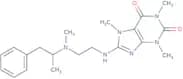
CAS:Controlled ProductFencamine is a substrate molecule that is used in the synthesis of peptide hormones. It can be detected in urine samples and has been shown to be a synthetic cannabinoid. Fencamine can be used for diagnostic purposes. Fencamine has been shown to have matrix effects on the bowel disease, hepatitis, and hepatitis C., as well as exerting control analysis of the metabolite molecule. Fencamine has also been shown to have an effect on inflammatory bowel disease, hepatitis C., and toll-like receptor 2.
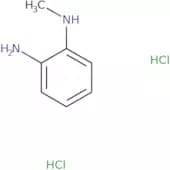
Formula:C20H28N6O2Purity:Min. 95%Color and Shape:PowderMolecular weight:384.48 g/molN-Methyl-1,2-phenylenediamine dihydrochloride
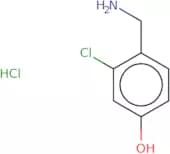
CAS:N-Methyl-1,2-phenylenediamine dihydrochloride (NMP) is a synthetic compound that is used as the precursor to various pharmaceuticals, such as the antihypertensive drug clonidine. NMP can be synthesized from benzene and ammonia or phenylmagnesium bromide. It is carcinogenic in animals and humans, and has been shown to cause DNA damage and cell apoptosis. The chemical has a high potential for nitrosation reactions when exposed to nitrites. This reaction produces nitric oxide, which is cytotoxic and can lead to liver cancer in rats. The synthesis of NMP generates impurities such as methanol solvent, sodium sulfide, and hydrogen chloride gas. These impurities are often found in recycled NMP due to incomplete removal during processing.Formula:C7H12Cl2N2Purity:Min. 95%Color and Shape:PowderMolecular weight:195.09 g/mol2-Chloro-4-hydroxybenzylamine hydrochloride
CAS:2-Chloro-4-hydroxybenzylamine hydrochloride is a versatile chemical that can be used as a reaction component, reagent, or useful scaffold in the synthesis of many organic compounds. It has a CAS number of 2418727-24-7 and is a fine chemical. This compound has been shown to be useful in the manufacture of other chemical products such as pharmaceuticals, pesticides, and dyestuffs.Formula:C7H8ClNO·HClPurity:Min. 95%Color and Shape:Brown PowderMolecular weight:194.06 g/molH-Glu-Leu-Asp-[(2R,4S,5S)-5-amino-4-hydroxy-2,7-dimethyl-octanoyl]-Ala-Glu-Phe-OH
CAS:Please enquire for more information about H-Glu-Leu-Asp-[(2R,4S,5S)-5-amino-4-hydroxy-2,7-dimethyl-octanoyl]-Ala-Glu-Phe-OH including the price, delivery time and more detailed product information at the technical inquiry form on this pageFormula:C42H65N7O15Purity:Min. 95%Molecular weight:908 g/molOM99-2trifluoroacetate salt
CAS:Please enquire for more information about OM99-2trifluoroacetate salt including the price, delivery time and more detailed product information at the technical inquiry form on this pageFormula:C41H64N8O14Purity:Min. 95%Molecular weight:892.99 g/molFmoc-L-alpha-aminobutyric acid
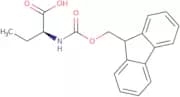
CAS:Fmoc-L-alpha-aminobutyric acid is a synthetic amino acid that is used as a linker in solid-phase peptide synthesis. It is also used to synthesize analogs of the serine protease NS3, which are postulated to inhibit hepatitis C virus replication by preventing the release of viral RNA from infected cells. Fmoc-L-alpha-aminobutyric acid has been shown to have anti-viral activity against the influenza virus and HIV.Formula:C19H19NO4Purity:Min. 98 Area-%Color and Shape:PowderMolecular weight:325.36 g/molTCO-amine hydrochloride
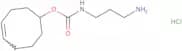
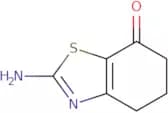
CAS:Please enquire for more information about TCO-amine hydrochloride including the price, delivery time and more detailed product information at the technical inquiry form on this pageFormula:C12H22N2O2•HClPurity:Min. 95%Color and Shape:PowderMolecular weight:262.78 g/mol2-Amino-5,6-dihydro-4H-benzothiazol-7-one
CAS:2-Amino-5,6-dihydro-4H-benzothiazol-7-one is a thiourea that is used as a reactant in the synthesis of brominated compounds. It reacts with ethanol to form 2,5,6-triaminopyrimidine and hydrogen bromide. This reaction occurs in the presence of acid such as hydrochloric acid or acetic acid. The reflux reaction is commonly conducted at elevated temperatures and pressures.
Purity:Min. 95%4-(Fmoc-hydrazino)-benzoylaminomethyl resin (200-400 mesh)
Please enquire for more information about 4-(Fmoc-hydrazino)-benzoylaminomethyl resin (200-400 mesh) including the price, delivery time and more detailed product information at the technical inquiry form on this pagePurity:Min. 95%7-Amino-3-vinyl-3-cephem-4-carboxylic acid
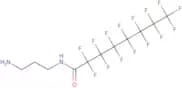
CAS:7-Amino-3-vinyl-3-cephem-4-carboxylic acid (AVC) is a synthetic, inorganic acid that is used clinically. It is produced by the hydrolysis of chlorocarboxylic acids and has been shown to be effective as an antihypertensive agent. AVC has also been used as a catalyst for acylation reactions with chlorides and trifluoroacetic acid. This process yields a reaction yield that can be up to 95% with the use of catalysts such as aluminum chloride or zinc chloride. AVC has been shown to be an environmentally safe alternative to hydrogen chloride, which has been linked to environmental pollution.Formula:C9H10N2O3SPurity:Min. 95 Area-%Color and Shape:PowderMolecular weight:226.25 g/molN-(3-Aminopropyl)-2,2,3,3,4,4,5,5,6,6,7,7,8,8,8-pentadecafluorooctanamide
CAS:Controlled ProductPlease enquire for more information about N-(3-Aminopropyl)-2,2,3,3,4,4,5,5,6,6,7,7,8,8,8-pentadecafluorooctanamide including the price, delivery time and more detailed product information at the technical inquiry form on this pageFormula:C11H9F15N2OPurity:Min. 95%Molecular weight:470.18 g/molBoc-4-aminopiperidine
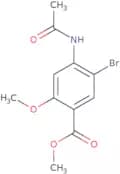
CAS:Boc-4-aminopiperidine is a molecule that is used as a substrate in chemical reactions. It reacts with sodium hydroxide solution to form an imine, which is hydrogenated by reducing agents such as NaBH4. This reaction yields the products 4-aminopiperidine and acetaldehyde. Boc-4-aminopiperidine is also utilized as a cholinesterase inhibitor, which inhibits the breakdown of acetylcholine at nerve endings. The inhibitory activity of Boc-4-aminopiperidine can be determined using diagnostic techniques and it can be used to inhibit viruses such as HIV and influenza A virus.Formula:C10H20N2O2Purity:Min. 95%Molecular weight:200.28 g/mol4-Acetylamino-5-bromo-2-methoxy-benzoic acid methylester
CAS:Please enquire for more information about 4-Acetylamino-5-bromo-2-methoxy-benzoic acid methylester including the price, delivery time and more detailed product information at the technical inquiry form on this page
Formula:C11H12BrNO4Purity:Min. 95%Color and Shape:PowderMolecular weight:302.12 g/molDextroamphetamine saccharate
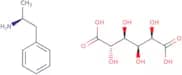
CAS:Controlled ProductDextroamphetamine saccharate is a pharmaceutical drug that belongs to the group of amphetamine derivatives. It is used in the treatment of conditions such as narcolepsy and attention-deficit disorder (ADD). The epidermal growth factor receptor (EGFR) is an important target for the effects of this drug, which has been shown to stimulate growth and proliferation in vitro. Dextroamphetamine saccharate has a complex pharmacokinetic profile and is metabolized by hydrolysis into dextroamphetamine. This drug also binds to voltage-dependent calcium channels, which regulate neurotransmitter release at nerve terminals. The pain relief associated with dextroamphetamine saccharate may be due to its ability to block pro-inflammatory cytokines or inhibit trigeminal nerve activity.
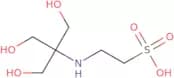
Formula:C6H10O8(C9H13N)2Purity:Min. 95%Molecular weight:480.6 g/molTES
CAS:TES, also known as N-Tris(hydroxymethyl)methyl-2-aminoethanesulfonic acid, is a buffering agent that is used in protein assays and forms complexes with DNA and copper ions. The optimal pH range of this zwitterionic buffer is 6.8-8.2 and its pKa is 7.4.Formula:C6H15NO6SPurity:Min. 95%Color and Shape:PowderMolecular weight:229.25 g/molIsopropyl 2-amino-4-hydroxy-5,8-dihydropyrido[3,4-d]pyrimidine-7(6H)-carboxylate
CAS:Please enquire for more information about Isopropyl 2-amino-4-hydroxy-5,8-dihydropyrido[3,4-d]pyrimidine-7(6H)-carboxylate including the price, delivery time and more detailed product information at the technical inquiry form on this page
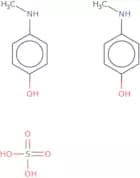
Formula:C11H16N4O3Purity:Min. 95%Molecular weight:252.27 g/mol4-Methylaminophenol sulfate
CAS:4-Methylaminophenol sulfate is an enzyme substrate that is used in the analytical method for determining the concentration of potassium dichromate. It is prepared by reacting 4-methylaminophenol with sulfuric acid, and its optimum concentration is 0.2 mM. The linear calibration curve was obtained at a pH range of 2 to 5.4 and a temperature range of 25 to 37°C. The analytical method can be applied to human serum samples and has been shown to be applicable for studies on autoimmune diseases and anthelmintics.Formula:C7H9NO•(H2O4S)0Purity:Min. 95%Color and Shape:White PowderMolecular weight:344.39 g/mol2-[(2,3-Dimethylphenyl)amino]nicotinic acid
CAS:2-[(2,3-Dimethylphenyl)amino]nicotinic acid is an arylpropionic acid that has been designed for the treatment of cancer. It is a neutral compound that can be crystallized or sterilized and then injected or implanted into tissues. The compound can be used as a diagnostic tool to target specific tissues in the body by using iontophoresis or organic solvents. 2-[(2,3-Dimethylphenyl)amino]nicotinic acid interacts with chlorine ions to form a chloride derivative, which is then transported through the tissue. This process can be reversed by adding an acid solution to the tissue, which will cause the chloride ions to break down into hydrogen and chloride ions.
Formula:C14H14N2O2Purity:Min. 95%Molecular weight:242.27 g/molN-(5-Aminopentyl) methotrexate amide-LC-biotin
N-(5-Aminopentyl) methotrexate amide-LC-biotin is a specialized bioconjugate, derived through the conjugation of methotrexate, an established antifolate drug, with an LC-biotin moiety. This product is synthesized by covalently linking methotrexate, which is known for its role in cancer therapy through the inhibition of dihydrofolate reductase (DHFR), to a biotin moiety via a long-chain spacer. The resultant bioconjugate retains the therapeutic effects of methotrexate, particularly in its ability to interrupt nucleotide synthesis, thereby affecting cell division in rapidly proliferating cancer cells.The inclusion of biotin in the structure allows for facile attachment to avidin or streptavidin-labeled systems, facilitating targeted delivery and enhanced detection in molecular and cellular studies. The primary application of N-(5-Aminopentyl) methotrexate amide-LC-biotin lies in the realm of targeted drug delivery and advanced research into methotrexate metabolism. By leveraging the high affinity of biotin-streptavidin interactions, researchers can effectively study the biodistribution and cellular uptake of methotrexate, advancing cancer therapeutic strategies and providing insights into antifolate drug mechanisms at the molecular level.Formula:C41H59N13O7SPurity:Min. 95%Color and Shape:PowderMolecular weight:878.06 g/mol[(5-Isopropyl-1,2,4-oxadiazol-3-yl)methyl]amine
CAS:Please enquire for more information about [(5-Isopropyl-1,2,4-oxadiazol-3-yl)methyl]amine including the price, delivery time and more detailed product information at the technical inquiry form on this pageFormula:C6H11N3OPurity:Min. 95%Molecular weight:141.17 g/mol[[4-[[2-(4-Cyclohexylphenoxy)ethyl]ethylamino]-2-methylphenyl]methylene]malononitrile
CAS:[[4-[[2-(4-Cyclohexylphenoxy)ethyl]ethylamino]-2-methylphenyl]methylene]malononitrile (CAS #: 68436-91-7) is a reactive chemical species that has been used as a crosslinking agent and an uv absorption dye. CEM is a styryl dye that absorbs radiation in the uv range, with a maximum absorption at about 275 nm. It is a substrate film for light emission and can be used to measure viscosity. CEM is also chemically related to aromatic hydrocarbons and fatty acids, and can be synthesized from hydroxyl groups.
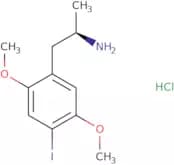
Formula:C27H31N3OPurity:Min. 95%Molecular weight:413.55 g/mol(R)(−)-DOI hydrochloride
CAS:Controlled Product(R)(−)-DOI hydrochloride is a synthetic compound classified as a selective serotonin receptor agonist. It is primarily sourced from chemical synthesis processes designed to explore potential interactions within serotonergic pathways. The compound’s mode of action involves the activation of 5-HT2A, 5-HT2B, and 5-HT2C serotonin receptors, which play crucial roles in modulating neurotransmission and signaling pathways within the central nervous system.In research and experimental contexts, (R)(−)-DOI hydrochloride is utilized to investigate the molecular mechanisms of serotonin receptors, contributing to a deeper understanding of their role in neurophysiology and potential implications in neuropsychiatric disorders. Studies often explore its effects on cognition, perception, and mood regulation. Despite its promising role in scientific exploration, (R)(−)-DOI hydrochloride is not intended for therapeutic use and remains predominantly a tool for advancing the field of neuropharmacology through controlled experimental settings.Formula:C11H17ClINO2Purity:Min. 95%Molecular weight:357.62 g/mol5-[4-(1,2,4,5-Tetrazin-3-yl)benzylamino]-5-oxopentanoic acid
CAS:Please enquire for more information about 5-[4-(1,2,4,5-Tetrazin-3-yl)benzylamino]-5-oxopentanoic acid including the price, delivery time and more detailed product information at the technical inquiry form on this pageFormula:C14H15N5O3Purity:Min. 95%Color and Shape:White To Yellow To Dark Red SolidMolecular weight:301.3 g/molEthyl2-(acetylamino)-3-[3,5-diiodo-4-(4-methoxyphenoxy)phenyl]propanoate
CAS:Please enquire for more information about Ethyl2-(acetylamino)-3-[3,5-diiodo-4-(4-methoxyphenoxy)phenyl]propanoate including the price, delivery time and more detailed product information at the technical inquiry form on this pageFormula:C20H21I2NO5Purity:Min. 95%Molecular weight:609.19 g/mol3-[2-Amino-3-(2-tert-butoxycarbonyl-ethoxy)-2-(2-tert-butoxycarbonyl-ethoxymethyl)-propoxy]-propionic acid tert-butyl ester
CAS:Please enquire for more information about 3-[2-Amino-3-(2-tert-butoxycarbonyl-ethoxy)-2-(2-tert-butoxycarbonyl-ethoxymethyl)-propoxy]-propionic acid tert-butyl ester including the price, delivery time and more detailed product information at the technical inquiry form on this page
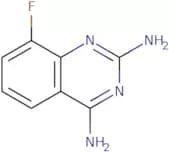
Formula:C25H47NO9Purity:Min. 95%Molecular weight:505.64 g/mol8-Fluoro-Quinazoline-2,4-Diamine
CAS:8-Fluoro-Quinazoline-2,4-Diamine is an organic compound with the formula CHClN. It is a yellow solid that is soluble in organic solvents such as chloroform and toluene. The compound is used to produce dyes and pharmaceuticals. 8-Fluoro-Quinazoline-2,4-Diamine can be obtained by nitrating 2,4-diaminoquinazoline with nitric acid and hydrochloric acid in the presence of carbonate or stannous chloride. This reaction produces two isomers: 8-fluoroquinazoline (8FQ) and 6-fluoroquinazoline (6FQ). The 8FQ isomer has been shown to have a nuclear magnetic resonance spectrum at 300 MHz that contains four signals at 1.3 ppm, 3.5 ppm, 5.6 ppm, and 7.0 ppm, which are assigned toFormula:C8H7FN4Purity:Min. 95%Molecular weight:178.17 g/molN-Phenylbenzene-1,3-diamine
CAS:Please enquire for more information about N-Phenylbenzene-1,3-diamine including the price, delivery time and more detailed product information at the technical inquiry form on this page
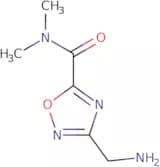
Formula:C12H12N2Purity:Min. 95%Color and Shape:PowderMolecular weight:184.24 g/mol3-(Aminomethyl)-N,N-dimethyl-1,2,4-oxadiazole-5-carboxamide
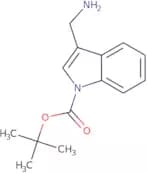
CAS:Please enquire for more information about 3-(Aminomethyl)-N,N-dimethyl-1,2,4-oxadiazole-5-carboxamide including the price, delivery time and more detailed product information at the technical inquiry form on this pageFormula:C6H10N4O2Purity:Min. 95%Molecular weight:170.17 g/moltert-Butyl 3-(aminomethyl)-1H-indole-1-carboxylate hydrochloride
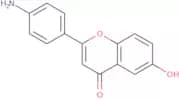
CAS:Please enquire for more information about tert-Butyl 3-(aminomethyl)-1H-indole-1-carboxylate hydrochloride including the price, delivery time and more detailed product information at the technical inquiry form on this pageFormula:C14H18N2O2Purity:Min. 95%Molecular weight:246.31 g/molAminogenistein
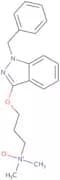
CAS:Aminogenistein is a molecule that has been shown to inhibit the growth of cancer cells. It has been shown to have a reactive functional group, which can be used as a diagnostic and prognostic tool for kidney disease and cancers. Aminogenistein has also been shown to inhibit epidermal growth factor (EGF) in rat kidneys, which may be due to its ability to bind EGF with high affinity. In addition, it has been shown to inhibit cellular physiology by blocking the transport properties of proximal tubules in rat kidneys. Aminogenistein is thought to induce apoptosis through the death protein pathway in cancer cells, but not normal cells.Formula:C15H11NO3Purity:Min. 95%Molecular weight:253.25 g/molBenzydamine N-oxide
CAS:Controlled ProductBenzydamine N-oxide is a polymorphic, michaelis-menten kinetics and pharmacological treatments drug. It has been shown to have anti-inflammatory effects in humans and animals. The main pharmacological targets of benzydamine are the human liver and alveolar type II cells. This drug has low bioavailability but is metabolized by the liver cells into benzydamine n-oxide which can be excreted through urine or bile. The formation rate of benzydamine n-oxide in the human body is about 2% per hour, which is dependent on the enzyme catalysis.Formula:C19H23N3O2Purity:Min. 90 Area-%Color and Shape:PowderMolecular weight:325.4 g/mol7-[(2S,3R)-3-Amino-2-methyl-azetidin-1-yl]-1-(2,4-difluorophenyl)-6-fluoro-4-oxo-quinoline-3-carboxylic acid
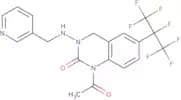
CAS:7-[(2S,3R)-3-Amino-2-methyl-azetidin-1-yl]-1-(2,4-difluorophenyl)-6-fluoro-4-oxo-quinoline-3-carboxylic acid (ABT) is a drug that binds to bacterial enzymes and inhibits their ability to synthesize proteins. ABT is a conjugate of fluoroquinolone and an amino acid. As the drug is degradable by hydrolysis, it has been shown to be less toxic in Sprague Dawley rats than other fluoroquinolones. This drug has been used in diagnostic tests as a ligand for affinity ligands, but has not been approved for human use. The drug also possesses functional groups that are important for binding to reconstituted enzymes.br>br>ABT's ester linkages are degradable by hydrolysis and can beFormula:C20H16F3N3O3Purity:Min. 95%Molecular weight:403.35 g/mol1-Acetyl-6-(perfluoropropan-2-yl)-3-((pyridin-3-ylmethyl)amino)-3,4-dihydroquinazolin-2(1H)-one
CAS:1-Acetyl-6-(perfluoropropan-2-yl)-3-((pyridin-3-ylmethyl)amino)-3,4-dihydroquinazolin-2(1H)-one (PAFQ) is a mitochondrial cytochrome P450 inhibitor that inhibits the function of the ryanodine receptor and interacts with the piperonyl butoxide synergistically. PAFQ has been shown to be effective against animal pests such as termites, ants, and cockroaches. It also inhibits population growth in these populations by interfering with their ability to synthesize proteins. The effective dose for PAFQ varies depending on whether it is applied topically or orally.Formula:C19H15F7N4O2Purity:Min. 95%Molecular weight:464.34 g/mol2-[(Ethylamino)methyl]-4-aminophenol dihydrochloride
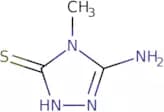
CAS:Please enquire for more information about 2-[(Ethylamino)methyl]-4-aminophenol dihydrochloride including the price, delivery time and more detailed product information at the technical inquiry form on this pageFormula:C9H14N2O•(HCl)2Purity:Min. 95%Color and Shape:PowderMolecular weight:239.14 g/mol5-Amino-4-methyl-4H-1,2,4-triazole-3-thiol
CAS:Please enquire for more information about 5-Amino-4-methyl-4H-1,2,4-triazole-3-thiol including the price, delivery time and more detailed product information at the technical inquiry form on this pageFormula:C3H6N4SPurity:Min. 95%Molecular weight:130.17 g/mol(+)(1S,2S,4R)-Bicyclo[2.2.1]heptane-2-amine
CAS:(+)(1S,2S,4R)-Bicyclo[2.2.1]heptane-2-amine is a heterocyclic compound that contains a nitrogen atom and an amine group. It has been shown to be a potent inhibitor of the enzyme activities of malonic acid decarboxylase and acetylcholinesterase. This compound can be used as a diagnostic tool for chronic kidney disease, specifically in cases of renal failure and polycystic kidney disease. The palladium complexes can be used for the synthesis of (+)(1S,2S,4R)-bicyclo[2.2.1]heptane-2-amine in high yield from malonic acid and ammonia.
Formula:C7H13NPurity:Min. 95%Molecular weight:111.18 g/mol2-Hydroxyamino-3-methyl-3H-imidazo[4,5-f]quinoline
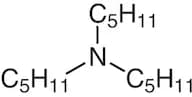
CAS:2-Hydroxyamino-3-methyl-3H-imidazo[4,5-f]quinoline (2HAIQ) is a reactive compound that binds to DNA. It has been shown to be a potent inhibitor of the enzyme cytosolic protein kinase C, which plays an important role in regulating cellular metabolism. 2HAIQ also inhibits the activity of enzymes such as hydroxylases and polymerases. The binding of 2HAIQ to DNA is thought to inhibit transcription by preventing RNA polymerase from transcribing DNA. 2HAIQ may also inhibit replication by binding to the dinucleotide phosphate molecule, which is essential for DNA synthesis.Formula:C11H10N4OPurity:Min. 95%Molecular weight:214.22 g/molTriamylamine (mixture of branched chain isomers)
CAS:Formula:C15H33NPurity:>97.0%(T)Color and Shape:Colorless to Light yellow to Light orange clear liquidMolecular weight:227.44N-Methyldi-n-octylamine
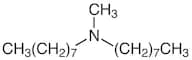
CAS:Formula:C17H37NPurity:>97.0%(GC)(T)Color and Shape:Colorless to Light yellow to Light orange clear liquidMolecular weight:255.491-(2,4-Dichlorophenyl)ethylamine
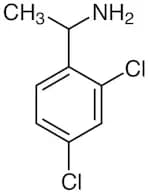
CAS:Formula:C8H9Cl2NPurity:>98.0%(GC)(T)Color and Shape:Colorless to Light yellow clear liquidMolecular weight:190.073-Bromo-2-methylaniline
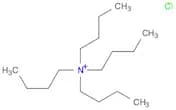
CAS:Formula:C7H8BrNPurity:>98.0%(GC)(T)Color and Shape:Colorless to Brown clear liquidMolecular weight:186.05Tetrabutylammonium chloride
CAS:Formula:C16H36ClNPurity:95%Color and Shape:SolidMolecular weight:277.9167Ref: IN-DA00DJ11
Discontinued product3-Azidopropan-1-amine Hydrochloride Salt
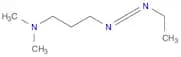
CAS:Formula:C3H9ClN4Purity:97%Color and Shape:SolidMolecular weight:136.58341-(3-Dimethylaminopropyl)-3-ethylcarbodiimide
CAS:Formula:C8H17N3Purity:98%Color and Shape:LiquidMolecular weight:155.24079,9'-spirobi[fluoren]-2-amine
CAS:Formula:C25H17NPurity:99%Color and Shape:SolidMolecular weight:331.4092Ref: IN-DA00920R
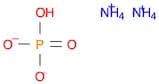
Discontinued productDiammonium hydrogenphosphate
CAS:Formula:H9N2O4PPurity:99%Color and Shape:SolidMolecular weight:132.056221Ref: IN-DA0057DU
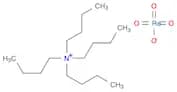
Discontinued product1-Butanaminium, N,N,N-tributyl-, (T-4)-tetraoxorhenate(1-) (1:1)
CAS:Formula:C16H36NO4RePurity:98%Color and Shape:SolidMolecular weight:492.6683Ref: IN-DA001UGA
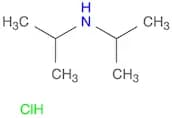
Discontinued productDiisopropylamine hydrochloride
CAS:Formula:C6H16ClNPurity:97%Color and Shape:SolidMolecular weight:137.6509Ref: 4Z-A-331106
Discontinued productRef: 4Z-A-331042
Discontinued productRef: 4Z-A-331016
Discontinued product

![(R)-3-[((tert-Butoxy)carbonyl)amino]-4-(2,5-difluorophenyl)butanoic acid](/_next/image/?url=https%3A%2Fstatic.cymitquimica.com%2Fproducts%2F3D%2Fthumb-webp%2FFB103971.webp&w=3840&q=75)

![2-[[2-(Dimethylaminomethyl)-1,3-thiazol-4-yl]methylsulfanyl]ethanamine](/_next/image/?url=https%3A%2Fstatic.cymitquimica.com%2Fproducts%2F3D%2Fthumb-webp%2FFD22345.webp&w=3840&q=75)




![6-(7-Nitro-benzo[2,1,3]oxadiazol-4-ylamino)-hexanoyl-Arg-Pro-Lys-Pro-Leu-Ala-Nva-Trp-Lys((7-dimeth…](/_next/image/?url=https%3A%2Fstatic.cymitquimica.com%2Fproducts%2F3D%2Fthumb-webp%2FFN110943.webp&w=3840&q=75)
![H-Glu-Leu-Asp-[(2R,4S,5S)-5-amino-4-hydroxy-2,7-dimethyl-octanoyl]-Ala-Glu-Phe-OH](/_next/image/?url=https%3A%2Fstatic.cymitquimica.com%2Fproducts%2F3D%2Fthumb-webp%2FFG111094.webp&w=3840&q=75)



![Isopropyl 2-amino-4-hydroxy-5,8-dihydropyrido[3,4-d]pyrimidine-7(6H)-carboxylate](/_next/image/?url=https%3A%2Fstatic.cymitquimica.com%2Fproducts%2F3D%2Fthumb-webp%2FFI135088.webp&w=3840&q=75)
![2-[(2,3-Dimethylphenyl)amino]nicotinic acid](/_next/image/?url=https%3A%2Fstatic.cymitquimica.com%2Fproducts%2F3D%2Fthumb-webp%2FFD136106.webp&w=3840&q=75)

![[(5-Isopropyl-1,2,4-oxadiazol-3-yl)methyl]amine](/_next/image/?url=https%3A%2Fstatic.cymitquimica.com%2Fproducts%2F3D%2Fthumb-webp%2FFI122962.webp&w=3840&q=75)
![[[4-[[2-(4-Cyclohexylphenoxy)ethyl]ethylamino]-2-methylphenyl]methylene]malononitrile](/_next/image/?url=https%3A%2Fstatic.cymitquimica.com%2Fproducts%2F3D%2Fthumb-webp%2FFC157254.webp&w=3840&q=75)
![5-[4-(1,2,4,5-Tetrazin-3-yl)benzylamino]-5-oxopentanoic acid](/_next/image/?url=https%3A%2Fstatic.cymitquimica.com%2Fproducts%2F3D%2Fthumb-webp%2FFT170851.webp&w=3840&q=75)
![Ethyl2-(acetylamino)-3-[3,5-diiodo-4-(4-methoxyphenoxy)phenyl]propanoate](/_next/image/?url=https%3A%2Fstatic.cymitquimica.com%2Fproducts%2F3D%2Fthumb-webp%2FFE149894.webp&w=3840&q=75)
![3-[2-Amino-3-(2-tert-butoxycarbonyl-ethoxy)-2-(2-tert-butoxycarbonyl-ethoxymethyl)-propoxy]-propio…](/_next/image/?url=https%3A%2Fstatic.cymitquimica.com%2Fproducts%2F3D%2Fthumb-webp%2FFA163774.webp&w=3840&q=75)
![7-[(2S,3R)-3-Amino-2-methyl-azetidin-1-yl]-1-(2,4-difluorophenyl)-6-fluoro-4-oxo-quinoline-3-carbo…](/_next/image/?url=https%3A%2Fstatic.cymitquimica.com%2Fproducts%2F3D%2Fthumb-webp%2FFA30404.webp&w=3840&q=75)
![2-[(Ethylamino)methyl]-4-aminophenol dihydrochloride](/_next/image/?url=https%3A%2Fstatic.cymitquimica.com%2Fproducts%2F3D%2Fthumb-webp%2FFE23131.webp&w=3840&q=75)
![(+)(1S,2S,4R)-Bicyclo[2.2.1]heptane-2-amine](/_next/image/?url=https%3A%2Fstatic.cymitquimica.com%2Fproducts%2F3D%2Fthumb-webp%2FFB163197.webp&w=3840&q=75)
![2-Hydroxyamino-3-methyl-3H-imidazo[4,5-f]quinoline](/_next/image/?url=https%3A%2Fstatic.cymitquimica.com%2Fproducts%2F3D%2Fthumb-webp%2FFH24305.webp&w=3840&q=75)




![9,9'-spirobi[fluoren]-2-amine](/_next/image/?url=https%3A%2Fstatic.cymitquimica.com%2Fproducts%2FIN%2Fthumb-webp%2FDA00920R.webp&w=3840&q=75)