Amines
Amines are a set of molecules containing an amino functional group (derived from ammonia). This category includes amines at any level of substitution : primary, secondary, tertiary, and ammonium salts. Amines are fundamental in organic synthesis and are widely used in pharmaceuticals, agrochemicals, and materials science. At CymitQuimica, we provide a comprehensive selection of amines to meet your research and industrial needs. Our range ensures access to various amines for diverse chemical processes and innovative research.
Subcategories of "Amines"
- Nitrosamines(2,606 products)
- Primary Amines(30,821 products)
- Quaternary Ammonium Cations and Salts(1,099 products)
- Secondary Amines(20,817 products)
- Tertiary Amines(17,117 products)
Found 8778 products of "Amines"
Sort by
Purity (%)
0
100
|
0
|
50
|
90
|
95
|
100
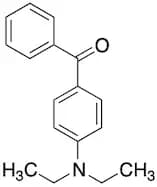
4-(Diethylamino)benzophenone
CAS:Controlled Product<p>Applications 4-(diethylamino)benzophenone (cas# 18127-87-2) is a useful research chemical.<br></p>Formula:C17H19NOColor and Shape:NeatMolecular weight:253.332,6-Diaminopimelic Acid
CAS:Controlled Product<p>Applications 2,6-Diaminopimelic Acid is useful in biological studies involving amino acids and amino sugars as molecular indicators of the origins of organic matter in buried tephra soils.<br>References Hobara, S., et al.: Geoderma, 373, 114449 (2020)<br></p>Formula:C7H14N2O4Color and Shape:NeatMolecular weight:190.203,5-Tolylenediamine
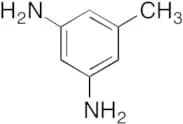
CAS:Controlled Product<p>Applications 3,5-Tolylenediamine, is a building block<br> Not a dangerous good if item is equal to or less than 1g/ml and there is less than 100g/ml in the package<br></p>Formula:C7H10N2Color and Shape:NeatMolecular weight:122.172-Nitrobenzene-1,4-diamine
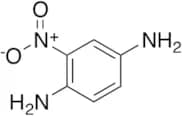
CAS:Controlled Product<p>Applications 2-nitrobenzene-1,4-diamine (cas# 5307-14-2) is a useful research chemical.<br></p>Formula:C6H7N3O2Color and Shape:NeatMolecular weight:153.14Diisopropylamine Hydrochloride
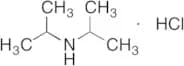
CAS:Controlled Product<p>Applications DIISOPROPYLAMINE HYDROCHLORIDE (cas# 819-79-4) is a useful research chemical.<br></p>Formula:C6H15N•HClColor and Shape:NeatMolecular weight:137.65Propyl 4-Aminobenzoate
CAS:Controlled Product<p>Applications Propyl 4-aminobenzoate (cas# 94-12-2) is a useful research chemical.<br></p>Formula:C10H13NO2Color and Shape:NeatMolecular weight:179.214-(4,6-Bis(4-((2-ethylhexyloxy)carbonyl)phenylamino)-1,3,5-triazin-2-ylamino)benzoic Acid
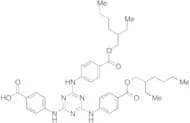
CAS:<p>Applications 4-(4,6-Bis(4-((2-ethylhexyloxy)carbonyl)phenylamino)-1,3,5-triazin-2-ylamino)benzoic Acid is an impurity in the synthesis of Ethylhexyl Triazone (E918810), used in sunscreen formulations as a UV filter to block out harmful ultraviolet light.<br>References Potard, G. et al.: Int. J. Pharm., 189, 249 (1999); Couteau, C. et al.: J. Pharm. Biomed. Anal., 44, 270 (2007);<br></p>Formula:C40H50N6O6Color and Shape:NeatMolecular weight:710.8616N-(4-Amino-5-oxoheptyl)guanidine Trifluoroacetate Salt
CAS:Controlled Product<p>Stability Hygroscopic<br>Applications N-(4-Amino-5-oxoheptyl)guanidine is a biosynthetic intermediate in the study of saxitoxin gene cluster in cyanobacteria.<br>References Kellmann, R., et al.: Appl. Environ. Microbiol., 74, 4044 (2008)<br></p>Formula:C8H18N4Ox(C2HF3O2)Color and Shape:NeatMolecular weight:186.25 + x(114.02)Cyanomelamine
CAS:Controlled Product<p>Applications Cyanomelamine is an substituted Melamine (M208700), an compound that forms synthetic resins with formaldehyde.<br>References LaBrecque, G.C., et al.: J. Econ. Entomol., 61, 1621 (1968);<br></p>Formula:C4H5N7Color and Shape:White To Off-WhiteMolecular weight:151.13Methyl 4-(Butylamino)benzoate
CAS:<p>Applications Methyl 4-(Butylamino)benzoate is used as a reactant in organic synthesis.<br>References Dubois, Nathalie, et al.: Tetrahedron, 69(46), 9890-9897 (2013);Karaki, Fumika, et al.: Bioorg. & Med. Chem., 22(14), 3587-3609 (2014);Tavares, Mauricio T., et al.: ACS Med. Chem. Let., 8(10), 1031-1036 (2017)<br></p>Formula:C12H17NO2Color and Shape:NeatMolecular weight:207.27Diethanolamine
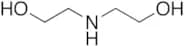
CAS:<p>Stability Hygroscopic<br>Applications Diethanolamine similar to triethanolamine (T775580) is used as a surfactant. It also has the potential to be a corrosion inhibitor by means of chemisorption.<br>References Bhajiwala, H.M et al.: Bull. Electrochem., 17, 441 (2001); Yu, J. et al.: Thin. Solid. Films., 379, 7 (2000);<br></p>Formula:C4H11NO2Color and Shape:NeatMolecular weight:105.14Tetrabutylammonium Difluorotriphenylsilicate
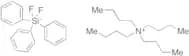
CAS:Controlled Product<p>Stability Moisture Sensitive<br>Applications Tetrabutylammonium Difluorotriphenylsilicate is used as a reagent in the synthesis of (S)-N-(3-(3,6-dibromo-9H-carbazol-9-yl)-2-fluoropropyl)-6-methoxypyridin-2-amine ((-)-P7C3-S243); a neuroprotective chemical with improved druglike properties.<br> Not a dangerous good if item is equal to or less than 1g/ml and there is less than 100g/ml in the package<br>References Naidoo, J., et al.: J. Med. Chem., 57, 3754 (2014)<br></p>Formula:C18H15F2Si·C16H36NColor and Shape:NeatMolecular weight:539.858O-Aminophenol Sulfate
CAS:Controlled Product<p>Stability Hygroscopic<br>Applications O-AMINOPHENOL SULFATE (cas# 67845-79-8) is a useful research chemical.<br></p>Formula:C6H7NO·H2SO4Color and Shape:GreyMolecular weight:316.33Methoxylamine Hydrochloride
CAS:Controlled Product<p>Applications Methoxylamine is a methoxime derivative used as internal standard for Prostaglandin assays by gas chromatography-mass spectrometry.<br> Not a dangerous good if item is equal to or less than 1g/ml and there is less than 100g/ml in the package<br>References Herold, D.A. et al.: Prostaglandins, 33, 599 (1987);<br></p>Formula:CH5NO·ClHColor and Shape:NeatMolecular weight:83.52N-Alkyl(C12-16)-N-Benzyl-N,N-Dimethylammonium Chloride (Technical Grade)
CAS:<p>Applications N-Alkyl(C12-16)-N-benzyl-N,N-dimethylammonium chloride, tech. (cas# 68424-85-1) is a useful research chemical.<br></p>Formula:C17H30ClNColor and Shape:ColourlessMolecular weight:283.88tert-Butyl 4-Aminobutanoate Hydrochloride
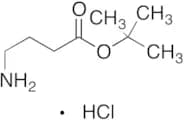
CAS:Controlled Product<p>Applications Tert-butyl 4-Aminobutanoate Hydrochloride is used as a substance in the prevention of drug-induced memory impairement by immunopharmacotherapy.<br>References Treweek, J. B., et al.: J. Med. Chem., 51, 6866 (2008)<br></p>Formula:C8H17NO2·HCiColor and Shape:NeatMolecular weight:159.23 + 36.463-((2-Aminophenyl)amino)-5-phenylcyclohex-2-en-1-one
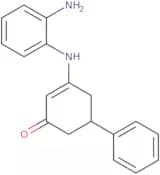
CAS:<p>Please enquire for more information about 3-((2-Aminophenyl)amino)-5-phenylcyclohex-2-en-1-one including the price, delivery time and more detailed product information at the technical inquiry form on this page</p>Formula:C18H18N2OPurity:Min. 95%Color and Shape:PowderMolecular weight:278.35 g/molN,N,N',N'-Ethylenediaminetetrakis
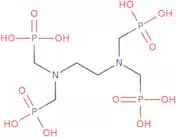
CAS:<p>N,N,N',N'-Ethylenediaminetetrakis (EDTA) is a chelating agent that has been shown to be effective in the treatment of parathyroid tumours. It is administered intravenously and has been shown to bind to phosphonic acid in the body and prevent its accumulation in the bones. This prevents the development of osteoblastic lesions, which may lead to bone pain and fractures. EDTA has also been shown to have relatively low toxicity with no detectable side effects on animals. The biodistribution and uptake of this drug was monitored using scintigraphy following intravenous injection in rats. EDTA was found to be taken up by all tissues equally and distributed evenly throughout the body.</p>Formula:C6H20N2O12P4Molecular weight:436.12 g/mol3-Methyl-5-Isothiazolamine
CAS:<p>3-Methyl-5-isothiazolamine is a linear molecule with a molecular weight of 122.1. 3-Methyl-5-isothiazolamine has an interaction with chloride and can be used as a reagent for the identification of disulfides. Disulfide bonds are formed by the oxidation of sulfhydryl groups in proteins, which are reduced by glutathione reductase to produce sulfhydryl groups. 3-Methyl-5-isothiazolamine has been shown to react with molecular ions that are characteristic of isothiazoles and isothiazole derivatives, as well as aromatic compounds such as 4-hydroxybenzoic acid. This product also reacts with dehydrogenase enzymes, such as alcohol dehydrogenase, which produces oxidized products from carbohydrates and other organic molecules that contain hydroxyl groups.</p>Formula:C4H6N2SPurity:Min. 95%Color and Shape:PowderMolecular weight:114.17 g/mol6-Amino-1,3-dimethyluracil
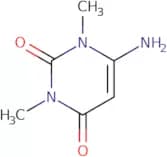
CAS:<p>6-Amino-1,3-dimethyluracil is a synthetic compound that has been shown to have antiinflammatory activity. This drug was synthesized from recycled methylene biphenyls and quinoline derivatives. 6-Amino-1,3-dimethyluracil inhibits the synthesis of proteins in cells by inhibiting the production of amino acids such as methionine through an attack on the amino group of methionine. 6-Amino-1,3-dimethyluracil also has apoptotic activity, which may be due to its ability to inhibit protein synthesis and increase the levels of active methylene.</p>Formula:C6H9N3O2Purity:Min. 95%Color and Shape:PowderMolecular weight:155.15 g/mol2,2-dimethyl-5-(((2-phenylethyl)amino)methylene)-1,3-dioxane-4,6-dione
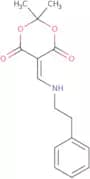
CAS:<p>Please enquire for more information about 2,2-dimethyl-5-(((2-phenylethyl)amino)methylene)-1,3-dioxane-4,6-dione including the price, delivery time and more detailed product information at the technical inquiry form on this page</p>Purity:Min. 95%2-Amino-1-(1-aza-2-(4-methylthiophenyl)vinyl)ethene-1,2-dicarbonitrile
CAS:<p>Please enquire for more information about 2-Amino-1-(1-aza-2-(4-methylthiophenyl)vinyl)ethene-1,2-dicarbonitrile including the price, delivery time and more detailed product information at the technical inquiry form on this page</p>Formula:C12H10N4SPurity:Min. 95%Color and Shape:PowderMolecular weight:242.3 g/molN,N,N',N'-Tetrakis(2-hydroxyethyl)ethylenediamine
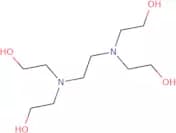
CAS:<p>N,N,N',N'-Tetrakis(2-hydroxyethyl)ethylenediamine is a compound that has been used in the past as a chelating agent for removing heavy metals and radionuclides from water. It is also used as a scavenger of hydroxyl ions, which are responsible for the degradation of proteins and other biomolecules. The receptor binding sites of basic proteins have been shown to be susceptible to N,N,N',N'-tetrakis(2-hydroxyethyl)ethylenediamine. The chemical stability of this molecule has been demonstrated by FTIR spectroscopy, kinetic studies and tryptophan fluorescence quenching in vivo. Air entrainment is an important parameter in the treatment process because it increases the surface area for gas exchange. This product may be beneficial for people with high body mass index (BMI). Amines are known to bind to N,N,N',N</p>Formula:C10H24N2O4Purity:Min. 95%Color and Shape:Colorless Clear LiquidMolecular weight:236.31 g/mol4-(4-(dimethylamino)phenyl)-2-methylthiosemicarbazide
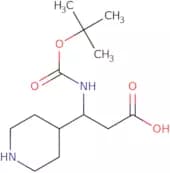
CAS:<p>Please enquire for more information about 4-(4-(dimethylamino)phenyl)-2-methylthiosemicarbazide including the price, delivery time and more detailed product information at the technical inquiry form on this page</p>Purity:Min. 95%3-tert-Butoxycarbonylamino-3-piperidin-4-yl-propionicacid
CAS:<p>3-tert-Butoxycarbonylamino-3-piperidin-4-yl-propionic acid is a fine chemical that is used as a versatile building block in many chemical syntheses. It can be used as an intermediate in the synthesis of other compounds, such as pharmaceuticals and agrochemicals. 3-tert-Butoxycarbonylamino-3-piperidin-4-yl propionic acid is also useful for research purposes, for example in the study of enzyme inhibition. This compound has been shown to be a high quality reagent with a CAS number of 372144-03-1.</p>Formula:C13H24N2O4Purity:Min. 95%Color and Shape:White/Off-White SolidMolecular weight:272.34 g/molAmodiaquine
CAS:<p>Amodiaquine is a drug that belongs to the class of antimalarial agents. It is used for the treatment and prevention of malaria caused by erythrocytic forms of Plasmodium falciparum. Amodiaquine has shown synergistic effects with other drugs, such as sulfadoxine and pyrimethamine, for the treatment of malaria due to P. falciparum. The mechanism of action of amodiaquine is not well understood, but it may involve inhibition of the Toll-like receptor. Amodiaquine has been shown to inhibit polymerase chain reaction in a concentration-dependent manner and also inhibits polymorphonuclear leucocytes, which are important in innate immunity. In addition, amodiaquine is a hypoglycemic agent and can be used for the treatment of bowel disease.</p>Formula:C20H22ClN3OPurity:Min. 95%Color and Shape:Off-White PowderMolecular weight:355.86 g/mol2-(((2-Indol-3-ylethyl)amino)ethylidene)indane-1,3-dione
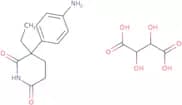
CAS:<p>Please enquire for more information about 2-(((2-Indol-3-ylethyl)amino)ethylidene)indane-1,3-dione including the price, delivery time and more detailed product information at the technical inquiry form on this page</p>Formula:C21H18N2O2Purity:Min. 95%Color and Shape:PowderMolecular weight:330.38 g/molR-(+)-Aminoglutethimide L-tartrate
CAS:Controlled Product<p>R-(+)-Aminoglutethimide is a potent inhibitor of mitochondrial electron transport and the cleavage enzyme 4-phenylimidazole. It inhibits mitochondrial ATP production by binding to the inner mitochondrial membrane and preventing the passage of electrons from cytochrome c oxidase to oxygen. This drug has been shown to be effective in treating corticotroph adenoma, a benign tumor of the anterior pituitary gland, which is due to excessive secretion of ACTH by the gland. R-(+)-Aminoglutethimide can also be used for treatment of Cushing's syndrome due to its ability to inhibit cortisol synthesis in the adrenal cortex. This drug has been shown to act as a potent inhibitor of progesterone synthesis in bovine and human ovaries, leading to decreased levels of pregnenolone, which is an important precursor for other steroid hormones such as testosterone or estrogens.</p>Formula:C17H22N2O8Purity:Min. 95%Color and Shape:White To Off-White SolidMolecular weight:382.37 g/molBoc-4-hydroxymethyl-L-phenylalanine dicyclohexyl ammonium salt
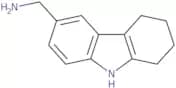
CAS:Controlled Product<p>Boc-4-Hydroxymethyl-L-Phenylalanine Dicyclohexyl Ammonium Salt is a versatile building block and intermediate for the synthesis of complex compounds. It is a useful reagent for research chemicals, speciality chemicals, and fine chemicals. This compound can be used as a high quality and useful scaffold in the synthesis of various types of pharmaceuticals.</p>Formula:C27H44N2O5Purity:Min. 95%Color and Shape:PowderMolecular weight:476.65 g/mol(2,3,4,9-Tetrahydro-1H-carbazol-6-ylmethyl)amine
CAS:<p>2,3,4,9-Tetrahydro-1H-carbazol-6-ylmethyl)amine is a fine chemical that can be used as a scaffold for the synthesis of various other compounds. It has been shown to be a useful intermediate in the synthesis of pharmaceuticals and research chemicals. This compound can also be used as an additive for speciality chemicals. 2,3,4,9-Tetrahydro-1H-carbazol-6-ylmethyl)amine is known to have high purity and quality. The reagent is also versatile and can be used in the synthesis of many different types of compounds.</p>Formula:C13H16N2Purity:Min. 95%Color and Shape:PowderMolecular weight:200.28 g/mol4-Aminobenzoic acid N-butyl ester
CAS:<p>4-Aminobenzoic acid N-butyl ester is a glycol ether compound that has been shown to have strong immunosuppressive and anti-inflammatory properties. It has been used in the treatment of autoimmune diseases, such as systemic lupus erythematosus and rheumatoid arthritis. 4-Aminobenzoic acid N-butyl ester also has a low potential for drug interactions with other drugs. The water solubility of this compound is high, making it suitable for use in humid environments, such as the respiratory tract. The bone cancer drug butamben was developed using 4-aminobenzoic acid N-butyl ester as a starting material. This drug also reacts with benzalkonium chloride to form stable complexes with high potency and high values.</p>Formula:C11H15NO2Purity:Min. 95 Area-%Color and Shape:PowderMolecular weight:193.24 g/molPerfluoroalkylsulfonyl quaternary ammonium iodide
CAS:Controlled Product<p>Perfluoroalkylsulfonyl quaternary ammonium iodide is a chemical substance that is used as an industrial treatment for wastewater, including industrial effluents, sludge, and waste water. It is liquid at room temperature. The reaction mechanism of perfluoroalkylsulfonyl quaternary ammonium iodide is nucleophilic attack on the electron-deficient carbon atom in the aromatic ring of the target molecule. This leads to formation of a covalent bond between the two molecules. The photoelectron microscopy technique has been used to study this reaction and has shown that it occurs in three phases: liquid phase, gas phase, and solid phase. Infrared spectrometry was also used to show that perfluoroalkylsulfonyl quaternary ammonium iodide reacts with chemical substances such as triphase.</p>Formula:C14H16F17IN2O2SPurity:Min. 95%Color and Shape:Slightly Yellow PowderMolecular weight:726.23 g/mol(PEO)4-bis-amine
CAS:<p>(PEO)4-bis-amine is a thermodynamic data set. It is an amine with four amino groups and two amide groups that form stable complexes with metal ions. These complexes are amphiphilic, which means they can dissolve in both water and organic solvents. They have been shown to form micelles and paracrine complexes in the cell. The (PEO)4-bis-amine has also been shown to have a protective effect on age-related macular degeneration (AMD), as well as growth factor activity. (PEO)4-bis-amine has been shown to inhibit the production of surfactant sodium dodecyl and basic fibroblast growth factor, which may be due to its ability to form triplexes at high concentrations.</p>Formula:C8H20N2O3Purity:Min. 95%Color and Shape:Clear LiquidMolecular weight:192.26 g/molN-[(2-Fluorophenyl)methyl]-4-iodo-2,5-dimethoxybenzeneethanamine
CAS:Controlled Product<p>N-[(2-Fluorophenyl)methyl]-4-iodo-2,5-dimethoxybenzeneethanamine (25I-NBOMe) is a synthetic drug that acts as a potent agonist of the serotonin receptor 5-HT2A. It has been used in bioassays to study the function of this receptor and has been shown to be able to inhibit human liver metabolism. 25I-NBOMe is also an analytical tool for the detection and identification of cannabinoid derivatives, which are often found in synthetic cannabinoids. This compound can be analyzed by liquid chromatography tandem mass spectrometry (LC/MS/MS) methods with modifications that allow for the detection of metabolites.</p>Formula:C17H19FINO2Purity:Min. 95%Molecular weight:415.24 g/mol3-Amino-3-(4-bromophenyl)propanoic acid
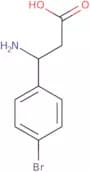
CAS:<p>3-Amino-3-(4-bromophenyl)propanoic acid is a versatile building block that is used in the synthesis of many different compounds. It is a reagent, useful as a research chemical and as a speciality chemical. 3-Amino-3-(4-bromophenyl)propanoic acid has been used in the synthesis of a number of complex compounds, including pharmaceuticals and pesticides. This compound is a good choice for use in organic synthesis because it reacts readily with an array of functional groups, such as carboxylic acids and amines.</p>Formula:C9H10BrNO2Purity:Min. 95%Color and Shape:PowderMolecular weight:244.09 g/mol4-((4-(dimethylamino)phenyl)methylene)-3-methyl-1-phenyl-2-pyrazolin-5-one
CAS:<p>Please enquire for more information about 4-((4-(dimethylamino)phenyl)methylene)-3-methyl-1-phenyl-2-pyrazolin-5-one including the price, delivery time and more detailed product information at the technical inquiry form on this page</p>Purity:Min. 95%ethyl 4-(prop-2-enylamino)-3,5-thiazolecarboxylate
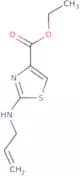
CAS:<p>Please enquire for more information about ethyl 4-(prop-2-enylamino)-3,5-thiazolecarboxylate including the price, delivery time and more detailed product information at the technical inquiry form on this page</p>Purity:Min. 95%Acridin-9-amine hemihydrate
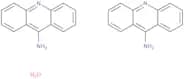
CAS:<p>Acridin-9-amine hemihydrate is an organic compound that belongs to the class of acridine dyes. It has an acetylcholine receptor blocking property and is used in the treatment of dyskinesia. Acridin-9-amine hemihydrate has been shown to be effective in animal models for Alzheimer's disease. The structure of this molecule consists of a dipole, which has two tautomers, one with a hydrogen atom on nitrogen and another without it. The tautomeric form without the hydrogen atom is more stable than the other form in acidic conditions, but both forms are present in neutral or basic conditions. Acridin-9-amine hemihydrate is also an antitumour agent with activity against breast cancer cells.</p>Formula:C13H10N2•(H2O)0Purity:Min. 95%Molecular weight:203.23 g/mol4-[[(2-Amino-1,2-dicyanoethenyl)imino]methyl]benzoic acid
CAS:<p>Please enquire for more information about 4-[[(2-Amino-1,2-dicyanoethenyl)imino]methyl]benzoic acid including the price, delivery time and more detailed product information at the technical inquiry form on this page</p>Formula:C12H8N4O2Purity:Min. 95%Color and Shape:PowderMolecular weight:240.22 g/mol4-Amino-4H-pyrazolo[3,4-d]pyrimidine
CAS:<p>4-Amino-4H-pyrazolo[3,4-d]pyrimidine is an organic compound that is used as a building block in the synthesis of other compounds. It is a versatile chemical with many applications in research and industry. This compound can be used as a starting material for the synthesis of various other chemicals, such as pharmaceuticals, agrochemicals, and dyes. 4-Amino-4H-pyrazolo[3,4-d]pyrimidine has been shown to inhibit protein phosphatase 1 (PP1) activity and stimulate protein kinase C (PKC) activity.</p>Formula:C5H5N5Purity:Min. 95%Color and Shape:PowderMolecular weight:135.13 g/molN-Boc-N, N-bis(2-bromoethyl)amine
CAS:<p>N-Boc-N, N-bis(2-bromoethyl)amine is a versatile building block which can be used to generate complex compounds. It has been used as a reagent in the synthesis of various research chemicals, and as a speciality chemical in the manufacture of herbicides. N-Boc-N, N-bis(2-bromoethyl)amine is also an intermediate for the production of certain pharmaceuticals and as a scaffold for organic syntheses. This compound is also useful as a reaction component in the synthesis of high quality pharmaceuticals with diverse metabolic profiles.</p>Formula:C9H17O2NBr2Purity:Min. 95%Color and Shape:PowderMolecular weight:331.04 g/mol[(3-Methylphenyl)amino]acetic acid
CAS:<p>[(3-Methylphenyl)amino]acetic acid is a high quality chemical that can be used as a reagent, intermediate, or building block in the synthesis of other compounds. It is useful for the synthesis of complex compounds and has been shown to have a wide range of applications. This compound can be used in research chemicals and as an intermediate in the production of fine chemicals. [(3-Methylphenyl)amino]acetic acid is a versatile building block that can be used to synthesize different types of molecules with diverse properties. It also has many potential uses in medicine as it has been shown to inhibit protein kinase C (PKC), which may provide therapeutic benefits for some diseases.</p>Formula:C9H11NO2Purity:Min. 95%Color and Shape:PowderMolecular weight:165.19 g/mol6-Aminopyrimidin-4-ol
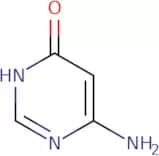
CAS:<p>6-Aminopyrimidin-4-ol is an intermediate in the synthesis of orotic acid. It is also a precursor to 6-chloropurine, which is used in the manufacture of orotic acid and 6-aminopurine. 6-Aminopyrimidin-4-ol can be prepared by benzannulation of phosphorus oxychloride with orotic acid or by hydrolysis of 6-chloropurine with thiourea. The latter method is preferred because it results in less waste.<br>6-Aminopyrimidin-4-ol is labile and must be stored under an inert gas at low temperature to prevent decomposition. It undergoes inactivating reactions with strong oxidizing agents, such as chlorine dioxide, peracetic acid, hydrogen peroxide, and potassium permanganate. <br>It also reacts with nucleophiles such as ammonia or amines to form stable taut</p>Formula:C4H5N3OPurity:Min. 95%Color and Shape:PowderMolecular weight:111.1 g/molN1-(2-Aminoethyl)-N1-methylethane-1,2-diamine
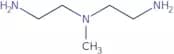
CAS:<p>N1-(2-Aminoethyl)-N1-methylethane-1,2-diamine is a chromatographic cross-linking agent that is used in the preparation of monoclonal antibodies. It contains two amino groups and two ethyleneamine groups. N1-(2-Aminoethyl)-N1-methylethane-1,2-diamine binds to calcium carbonate and forms a chelate ring with the metal ion. The compound has been shown to have diagnostic properties, as it can be detected by nmr spectra and by the use of monoclonal antibody.</p>Formula:C5H15N3Purity:Min. 95%Color and Shape:Clear LiquidMolecular weight:117.19 g/mol[(3-Methylphenyl)(phenyl)methyl]amine hydrochloride
CAS:<p>[(3-Methylphenyl)(phenyl)methyl]amine hydrochloride is a useful building block in the synthesis of many organic compounds. It has been used extensively as a research chemical, and is often used as an intermediate to synthesize other chemicals. [(3-Methylphenyl)(phenyl)methyl]amine hydrochloride is also a versatile scaffold for drug design, and has shown anti-inflammatory properties.</p>Formula:C14H16ClNPurity:Min. 95 Area-%Color and Shape:PowderMolecular weight:233.74 g/mol(+)-Biotin-(PEO)3-amine
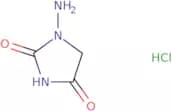
CAS:<p>(+)-Biotin-(PEO)3-amine is a PEG compound with two different functional groups (also known as heterobifunctional). Unlike homobifunctional PEG compounds (same functional group on both ends), this type of compounds are more versatile as have two different anchor points. (+)-Biotin-(PEO)3-amine is used as a linker and spacer to add a PEG moiety, via pegylation (a bioconjugation technique) to proteins, peptides, oligonucleotides, small molecules and nanoparticles.</p>Formula:C16H30N4SO4Purity:Min. 95 Area-%Color and Shape:White Off-White PowderMolecular weight:374.5 g/mol1-Aminohydantoin hydrochloride
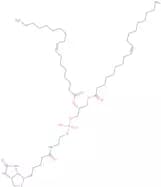
CAS:<p>1-Aminohydantoin hydrochloride is an intermediate in the synthesis of the aminohydantoins, a class of drugs used to treat epilepsy. It is also used as a reagent for preparing monoclonal antibodies. 1-Aminohydantoin hydrochloride is prepared by reacting hydrochloric acid with hydrazine and sodium citrate, followed by purification using distillation and recrystallization. 1-Aminohydantoin hydrochloride can be used to determine the presence of chloride ions in animal tissues by measuring its chemical shift on a mass spectrometer. This drug has been shown to inhibit oxidative DNA damage in rat kidneys, which may be due to its ability to suppress reactive oxygen species production.</p>Formula:C3H6ClN3O2Color and Shape:PowderMolecular weight:151.55 g/mol1,2-Dioleoyl-sn-glycero-3-phosphatidylethanolamino (+)-biotin
CAS:<p>This is a speciality chemical and is not intended for use in food, drug, or cosmetic applications. This fine chemical is a useful building block, which can be used to synthesize complex compounds. It has been shown to have high reactivity with a variety of reagents, making it an excellent research component.</p>Formula:C51H92N3O10PSPurity:Min. 95%Color and Shape:PowderMolecular weight:970.33 g/molN1,N4-Di(buta-2,3-dienyl)butane-1,4-diamine dihydrochloride
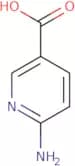
CAS:<p>N1,N4-Di(buta-2,3-dienyl)butane-1,4-diamine is a natural compound that inhibits polyamine oxidase (PAO), an enzyme that catalyzes the oxidation of polyamines. PAO is involved in the development of cancer and neuronal death. N1,N4-Di(buta-2,3-dienyl)butane-1,4-diamine has been shown to inhibit PAO activity in human carcinoma cell lines and to be neuroprotective in a rat model of Parkinson's disease. This agent also induces apoptosis by depolarizing mitochondrial membrane potential. It has been shown to be more potent than protocatechuic acid and irreversible inhibition can occur when cells are exposed for long periods of time.</p>Formula:C12H20N2•(HCl)2Purity:Min. 95%Color and Shape:SolidMolecular weight:265.22 g/mol6-Aminonicotinic acid
CAS:<p>6-Aminonicotinic acid is an inhibitor of bacterial DNA gyrase and topoisomerase IV. It has been shown to inhibit the growth of a number of bacteria, including E. coli K-12, with potent inhibitory activity against these enzymes. 6-Aminonicotinic acid binds to the active sites on these enzymes and prevents them from working. The detection time for 6-aminonicotinic acid is about 3 hours after exposure. 6-Aminonicotinic acid has been shown to be more potent than other inhibitors of bacterial DNA gyrase and topoisomerase IV such as 2,4-diaminopyrimidine (2,4DAP).</p>Formula:C6H6N2O2Purity:Min. 95%Color and Shape:White PowderMolecular weight:138.12 g/mol

















![N-[(2-Fluorophenyl)methyl]-4-iodo-2,5-dimethoxybenzeneethanamine](/_next/image/?url=https%3A%2Fstatic.cymitquimica.com%2Fproducts%2F3D%2Fthumb-webp%2FFF97685.webp&w=3840&q=75)

![4-[[(2-Amino-1,2-dicyanoethenyl)imino]methyl]benzoic acid](/_next/image/?url=https%3A%2Fstatic.cymitquimica.com%2Fproducts%2F3D%2Fthumb-webp%2FFA169005.webp&w=3840&q=75)
![4-Amino-4H-pyrazolo[3,4-d]pyrimidine](/_next/image/?url=https%3A%2Fstatic.cymitquimica.com%2Fproducts%2F3D%2Fthumb-webp%2FFA15519.webp&w=3840&q=75)

![[(3-Methylphenyl)amino]acetic acid](/_next/image/?url=https%3A%2Fstatic.cymitquimica.com%2Fproducts%2F3D%2Fthumb-webp%2FFM115478.webp&w=3840&q=75)
![[(3-Methylphenyl)(phenyl)methyl]amine hydrochloride](/_next/image/?url=https%3A%2Fstatic.cymitquimica.com%2Fproducts%2F3D%2Fthumb-webp%2FFM134405.webp&w=3840&q=75)