Amines
Amines are a set of molecules containing an amino functional group (derived from ammonia). This category includes amines at any level of substitution : primary, secondary, tertiary, and ammonium salts. Amines are fundamental in organic synthesis and are widely used in pharmaceuticals, agrochemicals, and materials science. At CymitQuimica, we provide a comprehensive selection of amines to meet your research and industrial needs. Our range ensures access to various amines for diverse chemical processes and innovative research.
Subcategories of "Amines"
- Nitrosamines(2,605 products)
- Primary Amines(30,821 products)
- Quaternary Ammonium Cations and Salts(1,099 products)
- Secondary Amines(20,817 products)
- Tertiary Amines(17,117 products)
Found 8778 products of "Amines"
Sort by
Purity (%)
0
100
|
0
|
50
|
90
|
95
|
100
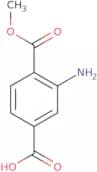
3-Amino-4-carbomethoxybenzoic acid
CAS:<p>3-Amino-4-carbomethoxybenzoic acid is a compound that has not yet been labeled with a function. It has been shown to be an intermediate in the synthesis of polymers, such as polyamides and polyesters. 3-Amino-4-carbomethoxybenzoic acid is involved in biological functions related to butyric acid, which is a metabolite of the amino acids phenylalanine and tyrosine, or from the degradation of proteins. It is also used as a precursor for amines and may be an intermediate in the synthesis of glycoconjugates. The compound was found to have anticancer properties when used in combination with other drugs, such as doxorubicin and etoposide. Furthermore, it was found to have anti-inflammatory activities by inhibiting prostaglandin synthesis.</p>Formula:C9H9NO4Purity:Min. 95%Color and Shape:PowderMolecular weight:195.17 g/mol2-(2,2-dimethylpropanoyl)-3-hydroxy-3-(phenylamino)prop-2-enenitrile
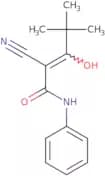
CAS:<p>Please enquire for more information about 2-(2,2-dimethylpropanoyl)-3-hydroxy-3-(phenylamino)prop-2-enenitrile including the price, delivery time and more detailed product information at the technical inquiry form on this page</p>Purity:Min. 95%2-bromo-5,5-dimethyl-3-((4-(trifluoromethoxy)phenyl)amino)cyclohex-2-en-1-one
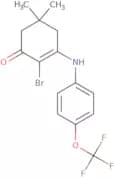
CAS:<p>Please enquire for more information about 2-bromo-5,5-dimethyl-3-((4-(trifluoromethoxy)phenyl)amino)cyclohex-2-en-1-one including the price, delivery time and more detailed product information at the technical inquiry form on this page</p>Purity:Min. 95%2,3-Diaminopropionicacid
CAS:<p>2,3-Diaminopropionic acid is an antimicrobial peptide with significant cytotoxicity against cancer cells. This compound has two amine groups that are able to form hydrogen bonds with each other. The x-ray crystal structures of this molecule reveal that it forms a beta sheet structure and an alpha helix, which is essential for the stability of this compound. 2,3-Diaminopropionic acid has been shown to have strong antibacterial activity against Gram-positive bacteria and good activity against Gram-negative bacteria such as Escherichia coli and Salmonella enterica. This compound also inhibits the synthesis of proteins in bacterial cells by inhibiting the enzyme protein synthesis. 2,3-Diaminopropionic acid is stable under normal conditions but can be hydrolyzed in water vapor or ester hydrochloride. It reacts with nitrogen atoms on the surface of biological molecules to form amides.</p>Formula:C3H8N2O2Purity:Min. 95%Molecular weight:104.11 g/mol3-Dansylaminophenylboronic acid
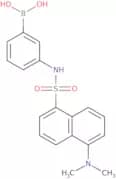
CAS:<p>3-Dansylaminophenylboronic acid is a boronic acid that forms reversible covalent bonds with dopamine. It can be used in the diagnosis of cancer, as it binds to histone lysine and magnetic particles. The fluorescence resonance of 3-Dansylaminophenylboronic acid can also be used in the diagnosis of cancer, as it produces a strong signal. This compound has been shown to have homogeneous assays for the detection of dopamine and lipoprotein lipase in urine samples. 3-Dansylaminophenylboronic acid has also been found to be effective against cancer cells in culture, although it is not active against polysialic-expressing cells.</p>Formula:C18H19BN2O4SPurity:Min. 95%Color and Shape:PowderMolecular weight:370.23 g/molMethyl 2-amino-4-bromobenzoate
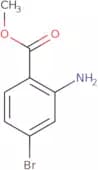
CAS:<p>Methyl 2-amino-4-bromobenzoate is an amide that has a potential use as a cross-coupling agent in organic synthesis. It is labile and must be handled with care; it can also be used as an additive to polymerize natural polymers. Methyl 2-amino-4-bromobenzoate has been shown to enhance the efficiency of chemical reactions, including those between carboxylic acid and amines, and has been used in the synthesis of peptides. This chemical has functional groups that are compatible with a wide range of sequences, allowing for its use as a toolkit in synthetic chemistry. Methyl 2-amino-4-bromobenzoate is an analog of methyl 4-(aminomethyl)benzoate (MAMB).</p>Formula:C8H8BrNO2Purity:Min. 95%Color and Shape:PowderMolecular weight:230.06 g/mol6-Methoxygramine
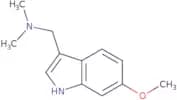
CAS:Controlled Product<p>6-Methoxygramine is a mitochondrial oxidase inhibitor, which is used in animal models of Parkinson's disease. It has been shown to be selective for the mitochondria and not to penetrate the blood-brain barrier. 6-Methoxygramine binds to an active site that is specific for oxidases, such as monoamine oxidase (MAO). This binding prevents the oxidation of dopamine, leading to its accumulation in the brain. 6-Methoxygramine also has been shown to inhibit MAO type A in rat brains.</p>Formula:C12H16N2OPurity:Min. 95%Color and Shape:PowderMolecular weight:204.27 g/molN-Amino-2-(4-iodophenoxy)ethanamide
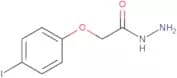
CAS:<p>Please enquire for more information about N-Amino-2-(4-iodophenoxy)ethanamide including the price, delivery time and more detailed product information at the technical inquiry form on this page</p>Formula:C8H9IN2O2Purity:Min. 95%Color and Shape:PowderMolecular weight:292.07 g/mol2-(3,5-Dimethyl-1H-pyrazol-1-yl)quinolin-8-amine
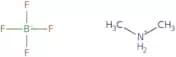
CAS:<p>2-(3,5-Dimethyl-1H-pyrazol-1-yl)quinolin-8-amine is a fine chemical that belongs to the group of versatile building blocks. It can be used as a reagent or as a speciality chemical in research and development. 2-(3,5-Dimethyl-1H-pyrazol-1-yl)quinolin-8-amine is also a useful scaffold for the synthesis of complex compounds and has been shown to be an effective inhibitor of protein tyrosine kinases.</p>Formula:C14H14N4Purity:Min. 95%Color and Shape:PowderMolecular weight:238.29 g/molDimethylammonium tetrafluoroborate
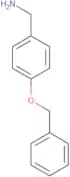
CAS:Controlled Product<p>Dimethylammonium tetrafluoroborate is a reagent that is used in organic chemistry. It is a solid with a melting point of -56°C and can be synthesized by the reaction of ethyl amine and hexafluoro-2-butyne. This reagent has been used to synthesize quaternary ammonium salts, anions, and aliphatic hydrocarbons. Dimethylammonium tetrafluoroborate is also employed as a solvent for some devices due to its physicochemical properties, including its low boiling point and high dielectric constant.</p>Formula:C2H8BF4NPurity:Min. 95%Molecular weight:132.9 g/mol4-Benzyloxybenzylamine
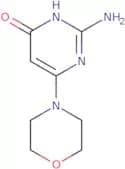
CAS:<p>4-Benzyloxybenzylamine is a synthetic analogue of the amino acid phenylalanine. It is a potent inhibitor of the enzyme tyrosinase and has been shown to be effective in inhibiting cell proliferation and inducing apoptosis in melanoma cells. The drug also has a potential for use as an anti-aging agent, which may be due to its ability to block tyrosinase activity, thereby preventing the formation of melanin. 4-Benzyloxybenzylamine also shows strong antimicrobial effects against both gram-positive and gram-negative bacteria. This drug is being investigated for use as a skin protectant, especially in cases where there are immunosuppressive conditions such as human immunodeficiency virus (HIV) or organ transplantation.</p>Formula:C14H15NOPurity:Min. 95%Color and Shape:PowderMolecular weight:213.28 g/mol2-Amino-6-morpholin-4-ylpyrimidin-4(3H)-one
CAS:<p>2-Amino-6-morpholin-4-ylpyrimidin-4(3H)-one (2AP) is a versatile building block for the synthesis of complex compounds. It is used as a reaction component in organic chemistry, as well as a reagent for the synthesis of other chemical substances. 2AP is also useful as an intermediate in the production of pharmaceuticals, agrochemicals, and other research chemicals. 2AP has been shown to be useful in the synthesis of fine chemicals, such as amorphous silicon dioxide and polystyrene sulfonic acid. This substance can be used to make a variety of products with different properties, which makes it an excellent scaffold for research purposes.<br>2AP can be found under CAS number 37409-97-5.</p>Formula:C8H12N4O2Purity:Min. 95%Color and Shape:PowderMolecular weight:196.21 g/mol4-Aminobenzoic acid N-butyl ester
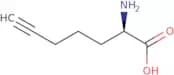
CAS:<p>4-Aminobenzoic acid N-butyl ester is a glycol ether compound that has been shown to have strong immunosuppressive and anti-inflammatory properties. It has been used in the treatment of autoimmune diseases, such as systemic lupus erythematosus and rheumatoid arthritis. 4-Aminobenzoic acid N-butyl ester also has a low potential for drug interactions with other drugs. The water solubility of this compound is high, making it suitable for use in humid environments, such as the respiratory tract. The bone cancer drug butamben was developed using 4-aminobenzoic acid N-butyl ester as a starting material. This drug also reacts with benzalkonium chloride to form stable complexes with high potency and high values.</p>Formula:C11H15NO2Purity:Min. 95 Area-%Color and Shape:PowderMolecular weight:193.24 g/mol(2R)-2-Aminohept-6-ynoic acid
CAS:<p>2-Aminohept-6-ynoic acid is a useful building block and can be used as a reagent in organic synthesis. It is a versatile building block, and can be used as an intermediate or scaffold in the preparation of complex compounds. CAS No. 211054-03-4</p>Formula:C7H11NO2Purity:Min. 95%Color and Shape:PowderMolecular weight:141.17 g/molCyclohexylamine
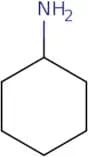
CAS:<p>Cyclohexylamine is a basic organic compound with the molecular formula CH(NH). It can be synthesized by the reaction of anhydrous sodium with p-nitrophenyl phosphate. Cyclohexylamine has been shown to have synergistic effects when combined with metal hydroxides and metal carbonyls, which may be due to its ability to reduce their potential for oxidation. Cyclohexylamine has been used as a model compound in an electrochemical impedance spectroscopy study of the interaction between enzyme activity and metal ions. In addition, cyclohexylamine has been found to have carcinogenic properties in cell line studies.</p>Formula:C6H13NPurity:Min. 98%Color and Shape:Clear LiquidMolecular weight:99.17 g/molN-(1R,8S,9s)-Bicyclo[6.1.0]non-4-yn-9-ylmethyloxycarbonyl-1,8-diamino-3,6-dioxaoctane
CAS:<p>N-(1R,8S,9s)-Bicyclo[6.1.0]non-4-yn-9-ylmethyloxycarbonyl-1,8-diamino-3,6-dioxaoctane is a polymerase that has been developed for use in vaccines and as an agrochemical for the control of plant diseases. This enzyme has been shown to have high activity against cancer cells, including lung cancer cells and breast cancer cells. It is also autofluorescent and can be used as a cell marker in flow cytometry experiments. N-(1R,8S,9s)-Bicyclo[6.1.0]non-4-yn-9-ylmethyloxycarbonyl-1,8-diamino-3,6-dioxaoctane also has antiinflammatory effects on macrophages by inhibiting the production of proinflammatory cytokines such as IL 12p</p>Formula:C17H28N2O4Purity:Min. 95%Color and Shape:Colorless Clear LiquidMolecular weight:324.42 g/mol2-Amino-5-iodobenzoic acid ethyl ester
CAS:<p>2-Amino-5-iodobenzoic acid ethyl ester is a chemical reagent that is used to prepare 2-chloro-5-iodobenzoic acid. It can be prepared by the hydrolysis of 2,4,6-trinitrobenzene with an aqueous solution of sodium hydroxide. The iodination reaction proceeds in two steps: (1) chlorination of methyl anthranilate with chlorine and (2) addition of the resultant product to 2,4,6-trinitrobenzene. In the first step, methyl anthranilate reacts with chlorine to form 2-chloro-5-iodobenzoic acid ethyl ester and hydrogen chloride gas. In the second step, this product reacts with 2,4,6-trinitrobenzene to form 2-amino 5 -iodobenzoic acid ethyl ester and nitrogen gas</p>Formula:C9H10INO2Purity:Min. 95%Color and Shape:PowderMolecular weight:291.09 g/mol(R)-(-)-Fenfluramine hydrochloride
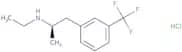
CAS:Controlled Product<p>Serotonin reuptake inhibitor; anorectic</p>Formula:C12H17ClF3NPurity:Min. 95%Molecular weight:267.72 g/mol9-[5-Deoxy-5-[[cis-3-[2-[6-(1,1-dimethylethyl)-1H-benzimidazol-2-yl]ethyl]cyclobutyl](1-methylethyl)amino]-β-D-ribofuranosyl]-9H- purin-6-amine
CAS:<p>Nilotinib is a small molecule that inhibits the tyrosine kinase activity of TK1, TK2, and TK3. It binds to the ATP-binding site of these kinases and prevents the phosphorylation of the cellular substrate. Nilotinib has been shown to inhibit the proliferation of leukemia cells in vitro, as well as to have antiproliferative effects in vivo. Nilotinib can be used for the treatment of chronic myelogenous leukemia (CML) and Philadelphia chromosome-positive acute lymphoblastic leukemia (Ph+ ALL). In addition, it has been shown to have synergistic effects with other drugs such as α1-acid glycoprotein inhibitors or methyltransferase inhibitors. Nilotinib can also be used for cases of hepatic steatosis.</p>Formula:C30H42N8O3Purity:Min. 95%Color and Shape:PowderMolecular weight:562.71 g/molMethyl 4-amino-3-nitrobenzoate
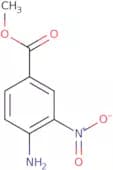
CAS:<p>Methyl 4-amino-3-nitrobenzoate is a synthetic compound that has been found to have a variety of uses. It has been used to prepare intramolecular hydrogen bonds in anilines, and it can be used as an intermediate to synthesize amides and anilines. This molecule also forms resonance structures with the nitro group, which allows for increased stability. The proton magnetic resonance spectra of Methyl 4-amino-3-nitrobenzoate show that the molecule has a high degree of symmetry, which is due to the presence of intramolecular hydrogen bonding.</p>Formula:C8H8N2O4Purity:Min. 95%Molecular weight:196.16 g/molN-(5-Aminopentyl) methotrexate amide
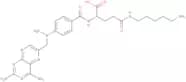
CAS:<p>N-(5-Aminopentyl) methotrexate amide is a fluorescent probe that is used to study the transport of drugs across cell membranes. It binds to the plasma membrane of cells and can be visualized with a fluorescence microscope. N-(5-Aminopentyl) methotrexate amide has been shown to bind to leukemia cells in murine leukemia models. It has a high affinity for drug-resistant cells, which makes it useful for studying drug resistance mechanisms. This probe can be used at nanomolar concentrations for imaging studies, as well as for measuring the uptake of drugs into cancer cells by flow cytometry.</p>Formula:C25H34N10O4Purity:Min. 95%Color and Shape:Yellow PowderMolecular weight:538.6 g/molMethyl 2-aminothiazole-5-carboxylate
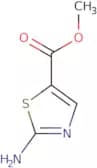
CAS:<p>Methyl 2-aminothiazole-5-carboxylate is a molecule that has been shown to have anticancer effects in vivo. It is an aromatic heterocycle with the chemical formula C6H4N2S. Methyl 2-aminothiazole-5-carboxylate has been found to inhibit the chloride channel ClC-2, which leads to decreased cell proliferation and cancer progression. This molecule also demonstrated synergistic effects when used with other anticancer therapeutics, such as chloroquinoxaline.<br>Methyl 2-aminothiazole-5-carboxylate is a synthetic compound that can be used as an anticancer drug for the treatment of cancer.</p>Formula:C5H6N2O2SPurity:Min. 95%Molecular weight:158.18 g/mol3,4,5-Trimethoxybenzoic acid 8-(diethylamino)octyl ester, hydrochloride
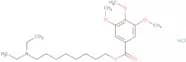
CAS:<p>3,4,5-Trimethoxybenzoic acid 8-(diethylamino)octyl ester, hydrochloride is a chemical substance that binds to the intracellular calcium ion channels and causes an excitatory effect. It has been shown to cause cell lysis in wheat germ and influenza virus. 3,4,5-Trimethoxybenzoic acid 8-(diethylamino)octyl ester, hydrochloride also inhibits the production of TNF-α by activated tubule cells.</p>Formula:C22H38ClNO5Purity:Min. 95%Color and Shape:PowderMolecular weight:431.99 g/moltrans-4-(Diethylamino)cinnamaldehyde
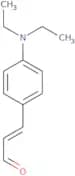
CAS:<p>Trans-4-(Diethylamino)cinnamaldehyde is a molecule that has been systematically studied with several techniques, such as x-ray crystallography. It has been shown to be a fluorophore and can be used as a fluorescent probe. Trans-4-(Diethylamino)cinnamaldehyde can be used in the fluorescence method in which it reacts with other molecules and emits light. This reaction scheme is based on the principle of irradiation by UV light or visible light to produce an excited state. Fluorescence is detected at various wavelengths depending on the dye used. Trans-4-(Diethylamino)cinnamaldehyde also emits fluorescence when irradiated with ultraviolet light, which is often referred to as "violet" fluorescence. The wavelength of this emission is 365 nm and it can be detected using high yield techniques, such as fluorometers.</p>Formula:C13H17NOPurity:Min. 95%Color and Shape:PowderMolecular weight:203.28 g/molCCT 241533
CAS:<p>CCT 241533 is a Chinese herb that has been shown to have anti-cancer properties. It has been demonstrated to inhibit the growth of HL-60 cells and induce apoptosis in these cells. CCT 241533 also inhibits the proliferation of epidermal growth factor (EGF) and induces cell death in response to radiation. This drug also binds to toll-like receptors, which are proteins on the surface of cells that detect pathogens and initiate an immune response. CCT 241533 has been shown to inhibit polymerase chain reactions by competitive inhibition or by binding to DNA, preventing transcription or replication. CCT 241533 may be useful for the treatment of infectious diseases, such as tuberculosis, because it can bind to bacterial 16S ribosomal RNA and inhibit protein synthesis, leading to cell death by inhibiting the production of proteins vital for cell division.<br>CCT 241533 has been shown in animal studies to be effective against cervical cancer due to its ability to bind</p>Formula:C23H27FN4O4Purity:Min. 95%Molecular weight:442.48 g/molAncamine T
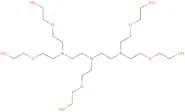
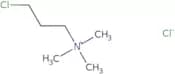
CAS:<p>Ancamine T is an amine curing agent, which is derived from synthetic chemical processes, specifically developed for use in epoxy systems. Its mode of action involves catalyzing the cross-linking reaction between epoxide groups in epoxy resins, leading to the formation of a highly cross-linked, thermoset polymer network. This curing process is essential for achieving the desired mechanical, thermal, and chemical resistance properties of the final product.</p>Purity:Min. 95%(3-Chloropropyl)-trimethylammonium chloride
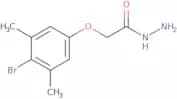
CAS:<p>Please enquire for more information about (3-Chloropropyl)-trimethylammonium chloride including the price, delivery time and more detailed product information at the technical inquiry form on this page</p>Formula:C6H15ClN•ClPurity:Min. 95%Molecular weight:172.1 g/molN-amino-2-(4-bromo-3,5-dimethylphenoxy)ethanamide
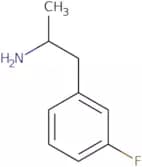
CAS:<p>Please enquire for more information about N-amino-2-(4-bromo-3,5-dimethylphenoxy)ethanamide including the price, delivery time and more detailed product information at the technical inquiry form on this page</p>Formula:C10H13BrN2O2Purity:Min. 95%Color and Shape:PowderMolecular weight:273.13 g/mol1-(3-Fluorophenyl)propan-2-amine
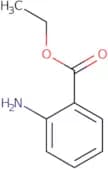
CAS:Controlled Product<p>3-Fluorophenylpropan-2-amine (3FPPA) is a synthetic, nonselective dopamine and serotonin reuptake inhibitor. 3FPPA has been shown to inhibit the growth of cancer cells in vitro, and enhances the release of growth factors from nerve endings in rat brain slices. 3FPPA can be used as a test compound for investigating the effects of psychostimulants on neural cell division.<br>3FPPA binds to fatty acids and can be used as a medication to treat obesity or cancer. 3FPPA is not selective for either dopamine or serotonin, but is an analog of both amines.</p>Formula:C9H12FNPurity:Min. 95%Molecular weight:153.2 g/molEthyl 2-aminobenzoate
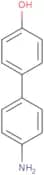
CAS:Controlled Product<p>Ethyl 2-aminobenzoate is a chemical compound that has been used in research and as a pharmaceutical intermediate. It is also known to be an intermediate in the synthesis of other 2-aminobenzoates, such as ethyl 4-aminobenzoate and ethyl 5-aminobenzoate. The anthranilate moiety can be cleaved by hydrolysis or oxidation to produce the corresponding amino acid. This compound has been shown to have low toxicity in rats, although it may cause irritation at high concentrations.</p>Formula:C9H11NO2Purity:Min. 95%Color and Shape:Clear LiquidMolecular weight:165.19 g/mol4-Hydroxy-4'-aminobiphenyl
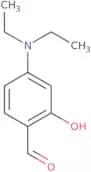
CAS:<p>4-Hydroxy-4'-aminobiphenyl (4-OH-4'ABP) is a test compound that is an aromatic aminobiphenyl and has been shown to be carcinogenic. This compound has been found in the urine and serum of human subjects as well as in the liver, lung and brain of experimental animals. 4-OH-4'ABP has been shown to cause cancer in target organs such as the liver and lung. It is also considered a carcinogen due to its ability to bind to DNA, inhibit protein synthesis, and induce oxidative stress. 4-OH-4'ABP can be hydroxylated at position 3 or 4 by cytochrome P450 enzymes into reactive metabolites which are then able to bind covalently with cellular macromolecules like DNA, proteins, or lipids. This binding can lead to mutations or cell death.</p>Formula:C12H11NOPurity:Min. 95%Color and Shape:PowderMolecular weight:185.22 g/mol4-(N,N-Diethylamino)salicylaldehyde
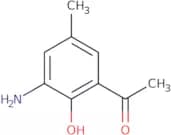
CAS:<p>4-(N,N-Diethylamino)salicylaldehyde is a coumarin derivative that has been shown to be a fluorescent probe for proton transfer. It emits light at around 400 nm when the probe is excited by light of wavelength greater than 300 nm. The emission spectrum changes from green to red as the pH increases. 4-(N,N-Diethylamino)salicylaldehyde also exhibits fluorescence enhancement in the presence of metal ions such as Fe3+, Cu2+, or Cr3+. This compound can be used as a fluorescent probe for hydrogen bonding interactions and metal hydroxides.</p>Formula:C11H15NO2Purity:Min. 95%Color and Shape:PowderMolecular weight:193.24 g/mol3-Amino-2-hydroxy-5-methylacetophenone
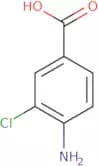
CAS:<p>3-Amino-2-hydroxy-5-methylacetophenone is a reagent for organic synthesis, which is used as a building block for the preparation of various chemical compounds. 3-Amino-2-hydroxy-5-methylacetophenone has been shown to be an intermediate in the synthesis of pharmaceuticals. Due to its versatility, this compound can be used as a reaction component, and is also used as a building block in the preparation of speciality chemicals. This product has high quality, and can be used as a useful scaffold or building block in research chemicals. The CAS number for 3-amino-2 hydroxy 5 methyl acetophenone is 70977 71 8.</p>Formula:C9H11NO2Purity:Min. 95%Molecular weight:165.19 g/mol4-Amino-3-chlorobenzoic acid
CAS:<p>4-Amino-3-chlorobenzoic acid is a white solid with a molecular weight of 170.1 g/mol, melting point of 158.5°C and boiling point of 267°C. It has the molecular formula C6H5ClNO2 and the IUPAC name 4-(aminomethyl)-3-chlorobenzoic acid. The chemical structure of this compound is shown in Figure 1.</p>Formula:C7H6ClNO2Purity:Min. 95%Color and Shape:PowderMolecular weight:171.58 g/mol4-Amino-5-chloro-2,3-dihydro-N-[1-(3-methoxypropyl)-4-piperidinyl]-7-benzofurancarboxamide
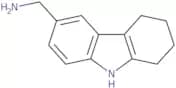
CAS:<p>The drug 4-Amino-5-chloro-2,3-dihydro-N-[1-(3-methoxypropyl)-4-piperidinyl]-7-benzofurancarboxamide (BZP) is a histamine H2 receptor antagonist. It binds to the histamine H2 receptor in the stomach and duodenum, thereby blocking stomach acid production. BZP has been shown to be effective for treating symptoms of constipation or diarrhoea caused by inflammatory bowel disease or abdominal surgery. BZP also reduces the risk of relapse after surgery but does not affect long term efficacy. This drug is not available in the United States and has significant interactions with other drugs and symptoms including constipation, bowel disease, long term efficacy, and analytical method.</p>Formula:C18H26ClN3O3Purity:Min. 95%Color and Shape:White PowderMolecular weight:367.87 g/mol(2,3,4,9-Tetrahydro-1H-carbazol-6-ylmethyl)amine
CAS:<p>2,3,4,9-Tetrahydro-1H-carbazol-6-ylmethyl)amine is a fine chemical that can be used as a scaffold for the synthesis of various other compounds. It has been shown to be a useful intermediate in the synthesis of pharmaceuticals and research chemicals. This compound can also be used as an additive for speciality chemicals. 2,3,4,9-Tetrahydro-1H-carbazol-6-ylmethyl)amine is known to have high purity and quality. The reagent is also versatile and can be used in the synthesis of many different types of compounds.</p>Formula:C13H16N2Purity:Min. 95%Color and Shape:PowderMolecular weight:200.28 g/mol2-Methyl-1H-imidazole-1-propanamine
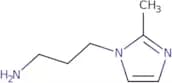
CAS:<p>2-Methyl-1H-imidazole-1-propanamine is a byproduct of the reaction that produces acrylonitrile. It is a polar compound that has been shown to be an effective viscosity modifier for various types of formulations. 2-Methyl-1H-imidazole-1-propanamine can be used as an additive in pharmaceutical formulations, such as those for thiamine pyrophosphate, and is nonpolluting. The optimum concentration for this product is between 0.5% and 1%.</p>Formula:C7H13N3Purity:Min. 95 Area-%Color and Shape:Clear LiquidMolecular weight:139.2 g/molFurfurylamine
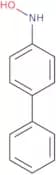
CAS:<p>Furfurylamine is a model system of fatty acid. It is an organic compound with the chemical formula C4H6O2, which belongs to the group of amines. Furfurylamine has been shown to have significant interactions with autoimmune diseases and infectious diseases. Furfurylamine has been shown to inhibit the production of prostaglandin E2 (PGE2) in animal models and may be effective at treating inflammatory diseases such as asthma and arthritis. Furfurylamine also displays anti-inflammatory properties that are independent of its effects on PGE2 production.</p>Formula:C5H7NOPurity:Min. 99.0 Area-%Color and Shape:Colorless Yellow Clear LiquidMolecular weight:97.12 g/molN-Hydroxy-4-aminobiphenyl
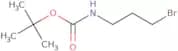
CAS:<p>N-Hydroxy-4-aminobiphenyl is a chemical compound that is metabolized by microbial enzymes. It has been shown to be effective against typhimurium and resistant mutants such as those found in the bladder. N-Hydroxy-4-aminobiphenyl can be synthesized from 4-aminobiphenyl, which is first hydrolyzed by HCl to form hydrochloride acid, then reacted with acetic anhydride and nitrobenzene. This product can also be synthesized from 4-aminophenol and sodium acetate. The product of this reaction is N-hydroxyacetanilide, which reacts with nitric acid to form N-hydroxyaminobenzonitrile. Nitration of the aminobenzonitrile leads to formation of the desired product, N-hydroxyphenylamine.</p>Formula:C12H11NOPurity:Min. 95%Color and Shape:Yellow PowderMolecular weight:185.22 g/mol3-(Boc-amino)propyl bromide
CAS:<p>3-(Boc-amino)propyl bromide is an antimicrobial agent that has been shown to be a potent inhibitor of cancer cell growth in vitro. The mechanism of action of 3-(Boc-amino)propyl bromide is not yet known, but it may be due to its ability to inhibit the uptake of radiotracers by mda-mb-231 cells. 3-(Boc-amino)propyl bromide has also been shown to have a high affinity for proteins and is able to hydrogen bond with them. This property may explain the high salt requirement for its solubility, as well as its toxicity towards bacteria and other microorganisms.</p>Formula:C8H16BrNO2Purity:Min. 95 Area-%Color and Shape:Colorless PowderMolecular weight:238.12 g/molMonoethanolamine
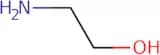
CAS:<p>Monoethanolamine is an organic compound that is the simplest type of amine. It is a colorless liquid with a mild, neutral odor. Monoethanolamine has been shown to be an effective antimicrobial agent, inhibiting bacterial growth by reacting with water vapor and nitrogen atoms in the environment. Monoethanolamine has also been shown to inhibit the production of nitric oxide and other reactive nitrogen species, which may account for its antimicrobial properties. The inhibition of nitric oxide synthesis may also account for monoethanolamine's ability to improve locomotor activity in mice. This chemical can be used as a reagent in analytical methods such as gas chromatography and solid phase microextraction.</p>Formula:C2H7NOPurity:Min. 95%Color and Shape:Colorless Clear LiquidMolecular weight:61.08 g/mol5-Amino-4-oxopentanoic acid benzyl ester hydrochloride
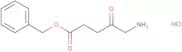
CAS:<p>Please enquire for more information about 5-Amino-4-oxopentanoic acid benzyl ester hydrochloride including the price, delivery time and more detailed product information at the technical inquiry form on this page</p>Formula:C12H15NO3·HClPurity:Min. 97%Color and Shape:PowderMolecular weight:257.71 g/molN,N-Bis(2-hydroxyethyl)-p-phenylenediamine sulphate
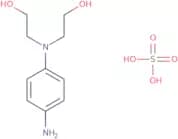
CAS:<p>N,N-Bis(2-hydroxyethyl)-p-phenylenediamine sulphate is a chemical that is used in the production of textile dyes. It has been shown to have haematological and histological effects on rats, but it is not known whether these effects are also present in humans. The compound can cause irritation of the skin and eyes. In vivo studies have shown that exposure to N,N-bis(2-hydroxyethyl)-p-phenylenediamine sulphate can lead to DNA damages and histological changes in the liver and kidney. The use of this substance should be terminated if it shows any signs of being an irritant or damaging to tissues.</p>Formula:C10H16N2O2·H2SO4Purity:Min. 95%Color and Shape:White PowderMolecular weight:294.33 g/mol4-Amino-2-nitrobenzoic acid
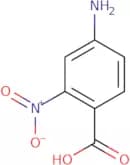
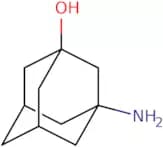
CAS:<p>4-Amino-2-nitrobenzoic acid is a chemical compound that can be found in human urine. It belongs to the group of amides and is an acidic substance. The pH optimum for 4-Amino-2-nitrobenzoic acid is between 1 and 2. This compound can be hydrolyzed by acidic conditions, forming an amide derivative. The uptake of 4-Amino-2-nitrobenzoic acid in humans and animals depends on the glomerular filtration rate, which influences how much of the compound will be excreted by the kidneys. The uptake also depends on the acetylation status of the compound, which is determined by its metabolism with phosphatase enzymes. Organic acids are also present in human urine, which may result in the formation of 4-Amino-2-nitrobenzoic acid as well as other compounds with similar structures.</p>Formula:C7H6N2O4Purity:Min. 95%Color and Shape:SolidMolecular weight:182.13 g/mol3-Amino-1-adamantanol
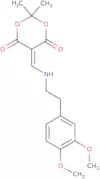
CAS:<p>Intermediate in the synthesis of vildagliptin</p>Purity:Min. 95%Color and Shape:PowderMolecular weight:167.25 g/mol5-(((2-(3,4-dimethoxyphenyl)ethyl)amino)methylene)-2,2-dimethyl-1,3-dioxane-4,6-dione
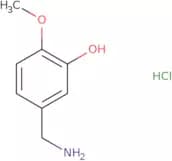
CAS:<p>Please enquire for more information about 5-(((2-(3,4-dimethoxyphenyl)ethyl)amino)methylene)-2,2-dimethyl-1,3-dioxane-4,6-dione including the price, delivery time and more detailed product information at the technical inquiry form on this page</p>Purity:Min. 95%3-Hydroxy-4-methoxybenzylamine hydrochloride
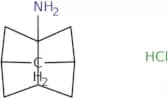
CAS:<p>3-Hydroxy-4-methoxybenzylamine hydrochloride is a vanilloid receptor 1 (VR1) antagonist. It has been shown to inhibit the growth of prostate cancer cells in cell-based assays and to have potential as a therapeutic for prostate cancer patients with high triglycerides. 3-Hydroxy-4-methoxybenzylamine hydrochloride is also an inhibitor of guanosine, which is involved in the production of energy. It has been shown to enhance the antitumor effects of cetuximab, an antibody that targets the epidermal growth factor receptor (EGFR). 3-Hydroxy-4-methoxybenzylamine hydrochloride is soluble in water and can be used as a solvent for other compounds.<br>3-Hydroxy-4-methoxybenzylamine hydrochloride is also known by its chemical name, N-(3,4 dimethylphenyl)-</p>Formula:C8H12ClNO2Purity:Min. 95%Color and Shape:PowderMolecular weight:189.64 g/mol3-Noradamantaneamine hydrochloride
CAS:<p>3-Noradamantaneamine hydrochloride is a thioamide that has inhibitory activities on biological processes, such as the production of tumor necrosis factor-α (TNF-α). 3-Noradamantaneamine hydrochloride also inhibits angiogenesis and the proliferation of endothelial cells. The drug was shown to be neuroprotective in animal models and to have anti-angiogenic properties. The mechanism of action is not yet clear, but may involve nitric oxide synthase inhibition or nitration of the drug.</p>Formula:C9H15N·HClPurity:Min. 95%Color and Shape:White PowderMolecular weight:173.68 g/mol6-Aminouracil
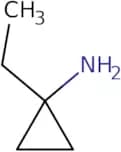
CAS:<p>6-Aminouracil is a hydroxylated form of uracil. It has inhibitory properties against protein synthesis in bacteria, acting as an inhibitor of the enzyme dihydroorotase. 6-Aminouracil has been shown to be effective against PC3 cells and has high resistance to hydrolysis by acid or alkali. The reaction mechanism for the conversion of uracil to 6-aminouracil is unclear; however, it may involve a nucleophilic attack on the hydroxyl group.</p>Formula:C4H5N3O2Purity:Min. 95%Color and Shape:PowderMolecular weight:127.1 g/mol(1-Ethylcyclopropyl)amine hydrochloride
CAS:<p>1-Ethylcyclopropyl)amine hydrochloride is a fine chemical that is used as a versatile building block and reaction component. It has been shown to be an effective intermediate in the synthesis of complex compounds. 1-Ethylcyclopropyl)amine hydrochloride has been used in the synthesis of useful scaffolds for drug discovery, such as cycloprolyl-diamine, which is a useful building block for the preparation of other compounds. Additionally, 1-Ethylcyclopropyl)amine hydrochloride is a reagent for the preparation of pharmaceutically active compounds.</p>Formula:C5H11N·HClPurity:Min. 95%Color and Shape:White PowderMolecular weight:121.61 g/mol




![N-(1R,8S,9s)-Bicyclo[6.1.0]non-4-yn-9-ylmethyloxycarbonyl-1,8-diamino-3,6-dioxaoctane](/_next/image/?url=https%3A%2Fstatic.cymitquimica.com%2Fproducts%2F3D%2Fthumb-webp%2FFB60339.webp&w=3840&q=75)

![9-[5-Deoxy-5-[[cis-3-[2-[6-(1,1-dimethylethyl)-1H-benzimidazol-2-yl]ethyl]cyclobutyl](1-methylethy…](/_next/image/?url=https%3A%2Fstatic.cymitquimica.com%2Fproducts%2F3D%2Fthumb-webp%2FFD146242.webp&w=3840&q=75)

![4-Amino-5-chloro-2,3-dihydro-N-[1-(3-methoxypropyl)-4-piperidinyl]-7-benzofurancarboxamide](/_next/image/?url=https%3A%2Fstatic.cymitquimica.com%2Fproducts%2F3D%2Fthumb-webp%2FFA27248.webp&w=3840&q=75)