


Amines
Amines are a set of molecules containing an amino functional group (derived from ammonia). This category includes amines at any level of substitution : primary, secondary, tertiary, and ammonium salts. Amines are fundamental in organic synthesis and are widely used in pharmaceuticals, agrochemicals, and materials science. At CymitQuimica, we provide a comprehensive selection of amines to meet your research and industrial needs. Our range ensures access to various amines for diverse chemical processes and innovative research.
Subcategories of "Amines"
- Nitrosamines(2,606 products)
- Primary Amines(30,821 products)
- Quaternary Ammonium Cations and Salts(1,100 products)
- Secondary Amines(20,817 products)
- Tertiary Amines(17,117 products)
Found 8779 products of "Amines"
Sort by
Purity (%)
0
100
|
0
|
50
|
90
|
95
|
100
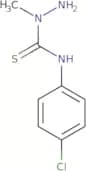
(Aminomethylamino)((4-chlorophenyl)amino)methane-1-thione
CAS:<p>Please enquire for more information about (Aminomethylamino)((4-chlorophenyl)amino)methane-1-thione including the price, delivery time and more detailed product information at the technical inquiry form on this page</p>Formula:C8H10ClN3SPurity:Min. 95%Color and Shape:PowderMolecular weight:215.7 g/mol1-(2-Aminoethyl)adamantane
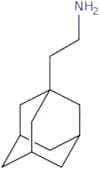
CAS:<p>Adamantane is a small molecule that can be used in diagnosis. It is a potent inhibitor of serine proteases and has been used as a model for the study of these enzymes. Adamantane binds to the active site of serine proteases, forming an intramolecular hydrogen bond with the catalytic serine residue. Adamantane inhibits in vitro the activity of pepsin, chymotrypsin, and trypsin. The inhibition of chymotrypsin by adamantane has been shown to be selective over other serine proteases. Adamantane can also inhibit lysosomal phospholipase A2 (LP-PLA2) activity, which may lead to diagnostic applications for neurodegenerative diseases such as Alzheimer's disease or Parkinson's disease.</p>Formula:C12H21NPurity:Min. 95%Color and Shape:Clear LiquidMolecular weight:179.3 g/mol(+/-)-Fmoc-cis-2-aminocyclopentane carboxylic acid
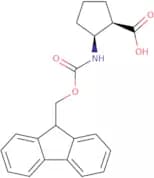
CAS:<p>Fmoc-cis-(1R,2S)-2-aminocyclopentane carboxylic acid is a versatile building block that is used in the synthesis of many important compounds. It can be used as a scaffold for organic synthesis and can be converted to an intermediate for peptides and proteins. Fmoc-cis-(1R,2S)-2-aminocyclopentane carboxylic acid is also useful in chemical reactions due to its high reactivity, including reactions with thiols, amines, alcohols, and others. This compound has been shown to form complexes with metals such as palladium or platinum.</p>Formula:C21H21NO4Purity:Min. 96 Area-%Color and Shape:White PowderMolecular weight:351.4 g/molMethyl 4-amino-3-methylbenzoate
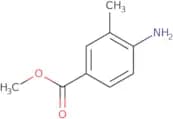
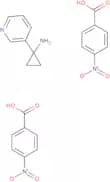
CAS:<p>Methyl 4-amino-3-methylbenzoate is an aromatic compound that belongs to the class of achyranthes bidentata. It can be synthesized by reacting butyryl chloride with methyl 3-nitrobenzoate. The five-membered ring in this molecule is derived from the reaction of three molecules of butyryl chloride with one molecule of methyl 3-nitrobenzoate. This reaction produces a number of possible products, including methyl 4-amino-3-methylbenzoate and 2,2,2-trichloroethyl 4-(4'-nitrophenyl)butanoate. The synthesis optimizes the reaction conditions by using a catalytic reduction technique. This reduces the amount of anilines produced and increases the yield of desired product (i.e., methyl 4-amino-3-methylbenzoate).</p>Formula:C9H11NO2Purity:Min. 95%Molecular weight:165.19 g/mol1-(3-Pyridinyl)cyclopropanamine bis-4-nitrobenzoate
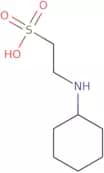
CAS:<p>1-(3-Pyridinyl)cyclopropanamine bis-4-nitrobenzoate salt is a fine chemical that is used as a versatile building block in the synthesis of complex compounds. It is also used as a reagent or speciality chemical in research, and to make useful building blocks and intermediates. 1-(3-Pyridinyl)cyclopropanamine bis-4-nitrobenzoate salt is a useful scaffold for the synthesis of compounds with biological activity.</p>Formula:C8H10N2•(C7H5NO4)2Purity:Min. 95%Color and Shape:Light (Or Pale) Yellow SolidMolecular weight:468.41 g/molCHES
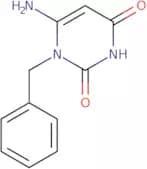
CAS:<p>2-(N-Cyclohexylamino)ethanesulfonic acid, also known as CHES, is a biological cyclohexylamino buffer with an optimal pH range of 8.6-10.0 and a pKa of 9.5. It has poor metal ion coordination and is suitable for applications above physiological pH.</p>Formula:C8H17NO3SPurity:(Titration) 98.0 To 102.0%Color and Shape:PowderMolecular weight:207.29 g/mol6-Amino-1-benzyluracil
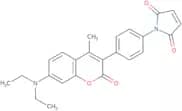
CAS:<p>6-Amino-1-benzyluracil is a triethyl orthoformate that reacts with an aldehyde to form an imine. This reaction is known as alkylation. The imine reacts with benzamidine to form an anticancer drug called lumazine, which has been shown to be effective against cancer cells. 6-Amino-1-benzyluracil had low solubility in water and was therefore refluxed with ethyl acetoacetate and elemental acetoacetate. 6-Amino-1-benzyluracil is insoluble in the organic phase and can be removed by filtration.</p>Formula:C11H11N3O2Purity:Min. 95%Color and Shape:PowderMolecular weight:217.22 g/mol7-Diethylamino-3-(4'-maleimidylphenyl)-4-methylcoumarin
CAS:<p>7-Diethylamino-3-(4'-maleimidylphenyl)-4-methylcoumarin is a fluorescent probe that can be used to measure the cytosolic calcium concentration. This probe binds to heparin, which is a positive ionic charge and has been shown to cause an increase in cytosolic calcium levels in cultured cells. 7-Diethylamino-3-(4'-maleimidylphenyl)-4-methylcoumarin has been used to successfully monitor changes in cytosolic calcium levels in response to pharmacological agents, such as the monoclonal antibody TNF-α. 7-Diethylamino-3-(4'-maleimidylphenyl)-4-methylcoumarin has also been used as a marker for tissue culture studies, where it was found that this molecule binds to the ryanodine receptor and alters its redox potential.</p>Formula:C24H22N2O4Purity:Min. 95%Color and Shape:PowderMolecular weight:402.44 g/mol3-Amino-2,4,6-tribromobenzoic acid
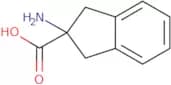
CAS:<p>3-Amino-2,4,6-tribromobenzoic acid is an antibacterial agent that has a strong interaction with the optical properties of diaminopyridine. This interaction leads to an enhancement in the fluorescence of 3-amino-2,4,6-tribromobenzoic acid. The photophysical properties of 3-amino-2,4,6-tribromobenzoic acid have been investigated by measuring its fluorescence emission in acetonitrile and zirconium chloride solutions. It has been shown that this compound is active against many bacterial strains including methicillin resistant Staphylococcus aureus (MRSA). This compound has also been shown to be effective against Mycobacterium tuberculosis and Mycobacterium avium complex.</p>Formula:C7H4Br3NO2Purity:Min. 95%Color and Shape:PowderMolecular weight:373.82 g/mol2-Aminoindane-2-carboxylic acid
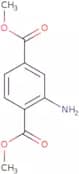
CAS:<p>2-Aminoindane-2-carboxylic acid is a potent opioid analgesic with a high affinity for kappa-opioid receptors. Molecular modeling studies suggest that it binds to the receptor in an orientation similar to morphine and has a higher binding affinity than morphine. In functional assays, 2-Aminoindane-2-carboxylic acid showed low potency at the delta opioid receptor. It also has been shown to have a high affinity for the kappa opioid receptor and a low affinity for delta opioid receptors, which are associated with respiratory depression. This drug can be made from indole and carboxylic acids or by treating 2 aminoindanone with hydrochloric acid and hydrogen gas.</p>Formula:C10H11NO2Purity:Min. 95%Color and Shape:PowderMolecular weight:177.2 g/mol2-Aminoterephthalic acid dimethyl ester
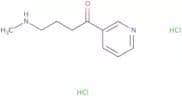
CAS:<p>2-Aminoterephthalic acid dimethyl ester is a proton receptor that binds to the C-terminus of the proton receptor. It has been shown to inhibit serine protease activity and chemokine production, which may lead to dysuria. The proton receptor-binding site is composed of a five-membered heteroaryl ring with a methylthio group, which interacts with the protonated amino group at the 2 position of the 2-aminoterephthalic acid. This interaction results in an electrochemical impedance spectroscopy signal that has a low energy.</p>Formula:C10H11NO4Purity:Min. 98.5 Area-%Color and Shape:Off-White PowderMolecular weight:209.2 g/mol4-(Methylamino)-1-(3-pyridyl)-1-butanone dihydrochloride
CAS:<p>4-(Methylamino)-1-(3-pyridyl)-1-butanone dihydrochloride (4-MBA) is a natural product that has been shown to have anti-cancer properties in vitro and in vivo. It inhibits the growth of cancer cells by inhibiting DNA synthesis and inducing apoptosis, as well as by inhibiting the production of certain proteins. 4-MBA has been shown to be effective against strains of Escherichia coli and Salmonella typhimurium. This compound is found in honeybush tea, Aspalathus linearis, and other plants, but is not present in humans or animals. 4-MBA has also been shown to inhibit nicotine metabolism in humans and rats.</p>Formula:C10H16Cl2N2OPurity:Min. 95%Color and Shape:SolidMolecular weight:251.15 g/mol[1-(Methoxymethyl)cyclopropyl]amine hydrochloride
CAS:<p>1-(Methoxymethyl)cyclopropyl]amine hydrochloride is a versatile building block that can be used in the synthesis of complex compounds. It has been shown to be useful as a reagent, speciality chemical, and research chemical. This compound is also a useful intermediate in the synthesis of other compounds and as a reaction component for several chemical reactions. 1-(Methoxymethyl)cyclopropyl]amine hydrochloride is high-quality and has CAS No. 1029716-05-9.</p>Formula:C5H11NO•HClPurity:Min. 95%Color and Shape:PowderMolecular weight:137.61 g/molN-Boc-hydroxylamine
CAS:<p>N-Boc-hydroxylamine is an efficient method for the preparation of epoxides from carboxylic acids. The reaction system is a ruthenium complex in trifluoroacetic acid with an effective reaction time of 20 minutes and a stereoselective transfer mechanism. The carbamic acid group on the amine reacts with the epoxide to form a hydroxamic ester. Preparation of N-Boc-hydroxylamine can be accomplished by reacting hydroxylamine with a boc-protected alcohol, which then undergoes decarboxylation.</p>Formula:C5H11NO3Purity:Min. 95%Color and Shape:White PowderMolecular weight:133.15 g/mol(S)-2-Amino-5-methoxytetralin (S)-mandelate
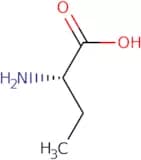
CAS:Controlled Product<p>Please enquire for more information about (S)-2-Amino-5-methoxytetralin (S)-mandelate including the price, delivery time and more detailed product information at the technical inquiry form on this page</p>Formula:C19H23NO4Purity:Min. 95%Molecular weight:329.39 g/molL-2-Aminobutyric acid
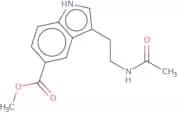
CAS:<p>L-2-Aminobutyric acid is a nonessential amino acid that serves as a substrate for enzymes that catalyze the alpha-elimination of hydroxyl groups. This process is used in the synthesis of proteins and other biological molecules. The L-2-Aminobutyric acid is also an analog to 2-aminoethanol, which has been shown to inhibit amyloid protein production in human serum. A synthetic route for the preparation of L-2-Aminobutyric acid has been developed using anhydrous sodium hydroxide and blood sampling from a bacterial strain. L-2-Aminobutyric acid inhibits protease activity and has been shown to have antibacterial properties. The optimum pH for this compound is 5.5, with an approximate intramolecular hydrogen bond distance of 3.1 angstroms.</p>Formula:C4H9NO2Purity:Min. 95%Color and Shape:White PowderMolecular weight:103.12 g/molN-Acetyl-5-carboxymethoxy tryptamine
CAS:<p>N-Acetyl-5-carboxymethoxy tryptamine is a versatile building block that is used as a reagent and in the synthesis of complex compounds. It can also be used as an intermediate or a reaction component in the synthesis of other compounds. This compound has been shown to have high quality and, when used as an intermediate, can serve as a useful scaffold for the synthesis of new molecules. N-Acetyl-5-carboxymethoxy tryptamine belongs to CAS No. 1397243-36-5, which is a speciality chemical that is not regulated by law.</p>Formula:C14H16N2O3Purity:Min. 95%Molecular weight:260.29 g/molEthylamine HCl
CAS:Controlled Product<p>Ethylamine HCl is the salt of ethylamine and hydrochloric acid. It is a basic compound with a high affinity for water. Ethylamine HCl has been shown to have anti-inflammatory properties, which may be due to its ability to inhibit prostaglandin synthesis. This chemical also has an important role in the formation of polymers such as cellulose and can be used to prepare other chemicals such as ethyl alcohol.</p>Formula:C2H7N·HClColor and Shape:White Off-White PowderMolecular weight:81.54 g/molBisbentiamine
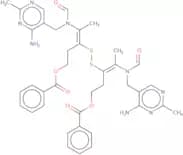
CAS:<p>Bisbentiamine is a glycerin analog that can be used as a drug and food additive. It is an effective inhibitor of the autoimmune disease, bowel disease, and cavity. Bisbentiamine inhibits the production of reactive oxygen species and oxidative stress in skin cells by inhibiting the formation of disulfide bonds. This compound has been shown to have protective effects against inflammatory bowel disease, which may be due to its ability to inhibit fatty acid synthesis in the gut that is associated with inflammation.</p>Formula:C38H42N8O6S2Purity:Min. 95%Color and Shape:PowderMolecular weight:770.92 g/mol[(2,5-Dichlorophenyl)sulphonyl]phenylamine
CAS:<p>[(2,5-Dichlorophenyl)sulphonyl]phenylamine is a versatile building block with a number of potential applications. It can be used as a reagent in the synthesis of complex compounds or as an intermediate in the preparation of useful scaffolds. This compound has been studied for use in the production of research chemicals and other speciality chemicals. [(2,5-Dichlorophenyl)sulphonyl]phenylamine is also a useful building block that can be used to produce high quality fine chemicals with diverse properties.</p>Formula:C12H9Cl2NO2SPurity:Min. 95%Molecular weight:302.18 g/mol2-[[(Heptadecafluorooctyl)sulphonyl]methylamino]ethyl acrylate
CAS:Controlled Product<p>2-[(Heptadecafluorooctyl)sulphonylamino]ethyl acrylate is a chemical used to remove contaminants from water. It is often used in industrial wastewater treatment, as well as for municipal and domestic wastewater treatment. This chemical binds to organic compounds and removes them from the water through adsorption. 2-[(Heptadecafluorooctyl)sulphonylamino]ethyl acrylate is also used in the filtration of surface water and drinking water. The efficacy of this chemical has been tested on humans, but it was not found to be toxic.</p>Formula:C14H10F17NO4SPurity:Min. 95%Color and Shape:PowderMolecular weight:611.27 g/mol3-{[(4-Methylphenyl)sulfonyl]amino}benzoic acid
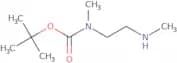
CAS:<p>Please enquire for more information about 3-{[(4-Methylphenyl)sulfonyl]amino}benzoic acid including the price, delivery time and more detailed product information at the technical inquiry form on this page</p>Formula:C14H13NO4SPurity:Min. 95%Color and Shape:PowderMolecular weight:291.32 g/moltert-Butyl methyl(2-(methylamino)ethyl)carbamate
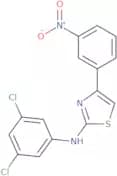
CAS:<p>Tert-Butyl methyl(2-(methylamino)ethyl)carbamate (TBMMEC) is an experimental anticancer drug that has been shown to induce the regression of a variety of cancers in animal models. TBMMEC binds to the antigen Cetuximab and its conjugates, which have been found to be effective against colorectal cancer cells. TBMMEC has also been shown to inhibit the replication of human cytomegalovirus, a virus that causes cancer in humans. This drug is currently being tested for safety and efficacy in humans.</p>Formula:C9H20N2O2Purity:Min. 95%Color and Shape:Colourless To Pale Yellow LiquidMolecular weight:188.27 g/mol(3,5-dichlorophenyl)(4-(3-nitrophenyl)(2,5-thiazolyl))amine
CAS:<p>Please enquire for more information about (3,5-dichlorophenyl)(4-(3-nitrophenyl)(2,5-thiazolyl))amine including the price, delivery time and more detailed product information at the technical inquiry form on this page</p>Purity:Min. 95%[5-(4-Amino-2-bromophenyl)-2-furyl]methanol
CAS:<p>5-(4-Amino-2-bromophenyl)-2-furyl]methanol (5ABF) is a fine chemical that has been shown to be an effective building block. The compound is used as a reagent in organic synthesis and can be used as a reaction component. 5ABF is also an intermediate, which can be converted into useful building blocks. 5ABF has been shown to have versatile uses in research chemicals and speciality chemicals. This chemical's CAS number is 874592-18-4. 5ABF has a high quality and is a versatile scaffold.</p>Formula:C11H10BrNO2Purity:Min. 95%Color and Shape:Slightly Yellow PowderMolecular weight:268.11 g/mol4-Bromo-2-(trifluoromethyl)benzylamine hydrochloride
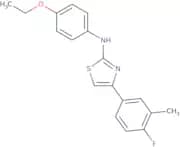
CAS:<p>4-Bromo-2-(trifluoromethyl)benzylamine hydrochloride is a versatile building block useful for the synthesis of complex compounds. It is also a research chemical, which is used as a reaction component and a speciality chemical. 4-Bromo-2-(trifluoromethyl)benzylamine hydrochloride has high purity and can be used as a reagent in the synthesis of new pharmaceuticals or fine chemicals.</p>Formula:C8H7BrF3N•HClPurity:Min. 95%Color and Shape:PowderMolecular weight:290.51 g/mol2-(4-Ethoxyphenylamino)-4-(3-methyl-4-fluorophenyl)thiazole
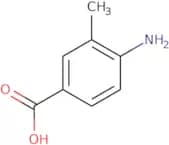
CAS:<p>Please enquire for more information about 2-(4-Ethoxyphenylamino)-4-(3-methyl-4-fluorophenyl)thiazole including the price, delivery time and more detailed product information at the technical inquiry form on this page</p>Purity:Min. 95%4-Amino-3-methylbenzoic acid
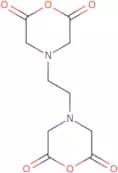
CAS:<p>4-Amino-3-methylbenzoic acid is a chemical compound that can be synthesized from 4-Methylbenzoic acid and sodium carbonate. It has been used in the treatment of cervical cancer and leishmania. The synthesis of this drug is an example of a chemical reaction in which a carboxylic acid is reacted with sodium carbonate to give an ester and sodium bicarbonate. This process requires the use of trifluoroacetic acid. The resulting drug also has antiviral properties, as it inhibits HIV infection by blocking reverse transcriptase activity. 4-Amino-3-methylbenzoic acid was also shown to have anti-inflammatory properties, which may be due to its ability to inhibit prostaglandin synthesis.</p>Formula:C8H9NO2Purity:Min. 95%Color and Shape:Brown PowderMolecular weight:151.16 g/molEthylenediaminetetraacetic Dianhydride
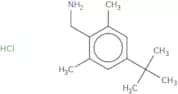
CAS:<p>Ethylenediaminetetraacetic dianhydride (EDTA) is a dianhydride that is used in wastewater treatment. It is a strong chelating agent and reacts with metal ions to form complexes, which are then removed as sludge. EDTA also has amide groups that can react with water under acidic conditions, which increases its adsorption capacity. This compound is thermally stable and has a high chemical stability in the presence of human serum and basic fibroblasts. EDTA binds to DNA by electrostatic interactions, forming hydrogen bonds between the amine group of the EDTA molecule and the phosphate groups of DNA. This prevents cross-linking of DNA chains and results in an increased rate of DNA synthesis.</p>Formula:C10H12N2O6Purity:Min. 95%Color and Shape:PowderMolecular weight:256.21 g/mol4-tert-Butyl-2,6-dimethylbenzylamine hydrochloride
CAS:<p>4-tert-Butyl-2,6-dimethylbenzylamine hydrochloride is a versatile building block that can be used for the synthesis of many different types of chemical compounds. It is a reagent in organic synthesis and has been used as a building block for other compounds. 4-tert-Butyl-2,6-dimethylbenzylamine hydrochloride is also useful as an intermediate or scaffold in complex syntheses. This chemical has been used in research to produce 2,4,5-trichlorotoluene and 1,2,3,5,6-pentachlorocyclohexane. CAS No. 2703627-79-4</p>Formula:C13H21N·HClPurity:Min. 95%Color and Shape:PowderMolecular weight:227.77 g/mol6-amino-3-methyl-4-(3-nitrophenyl)-4H-pyrano[3,2-d]pyrazole-5-carbonitrile
CAS:<p>Please enquire for more information about 6-amino-3-methyl-4-(3-nitrophenyl)-4H-pyrano[3,2-d]pyrazole-5-carbonitrile including the price, delivery time and more detailed product information at the technical inquiry form on this page</p>Formula:C14H11N5O3Purity:Min. 95%Color and Shape:PowderMolecular weight:297.27 g/mol2-Butoxyethan-1-amine
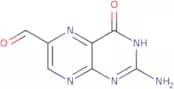
CAS:<p>2-Butoxyethan-1-amine is a solvent that has been used in the production of polydimethylsiloxane, which is often found in silicone sealants and caulks. This chemical is volatilized, so it can be released into the atmosphere during its manufacture or use. The ethers are cross-linked with glycols to form polyether polyols that are heat treated to produce ethylene glycol. 2-Butoxyethan-1-amine is also an ingredient in water solutions of polydimethylsiloxane, which may include other substances such as salts. The permeation of this chemical through microns (µm) thick layers of silica gel was demonstrated using a template containing pores of various sizes and shapes. Fluoride ions were used to catalyze the reaction between 2-butoxyethan-1-amine and silica gel; this process was shown to increase the rate of permeation by up to 40%.</p>Formula:C6H15NOPurity:Min. 95%Color and Shape:Clear LiquidMolecular weight:117.19 g/mol2-Amino-6-formylpteridin-4-one
CAS:<p>2-Amino-6-formylpteridin-4-one is a reactive compound that can cause oxidative injury in humans. It has been shown to cause hydrogen bond cleavage and the loss of structural integrity in human serum. 2-Amino-6-formylpteridin-4-one also induces apoptosis by inhibiting the mitochondrial membrane potential and releasing cytochrome c from the mitochondria into the cytosol. 2-Amino-6-formylpteridin-4-one is an inhibitor of binding to anion radicals, which may be beneficial for treating skin disorders such as psoriasis.</p>Formula:C7H5N5O2Purity:Min. 97 Area-%Color and Shape:PowderMolecular weight:191.15 g/molAdrenochrome monoaminoguanidine mesilate
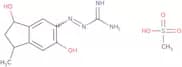
CAS:<p>Adrenochrome monoaminoguanidine mesilate is a synthetic drug that has been used in the treatment of cellulite, obesity, and chronic fatigue syndrome. It is an orally administered drug that causes the body to release adrenaline and noradrenaline. Adrenochrome monoaminoguanidine mesilate is a crystalline substance with a melting point of 130-140°C. The drug contains no additives or excipients other than gelatinization and cellulose.</p>Formula:C11H17N5O5SPurity:Min. 95%Color and Shape:PowderMolecular weight:331.35 g/mol2-Amino-6-chlorobenzonitrile
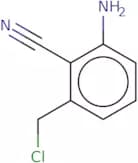
CAS:2-Amino-6-chlorobenzonitrile is an inhibitor of butyrylcholinesterase. It inhibits the enzyme by binding to the active site and preventing the hydrolysis of acetylcholine. It also inhibits other enzymes that have a similar structure, such as acetylcholinesterase and benzodiazepine receptors. 2-Amino-6-chlorobenzonitrile can be synthesized from chloride and ammonia in two steps with high enantioselectivity. The first step is the addition of benzaldehyde to 2-aminobenzoic acid with sodium hydroxide, followed by treatment with phosphoryl chloride. The second step involves treatment with potassium cyanide to form cyanohydrin, which is then treated with hydrogen chloride gas to produce 2-amino-6-chlorobenzonitrile. This compound has been shown to inhibit acetylcholinesterase and butyryFormula:C7H5ClN2Purity:Min. 95%Color and Shape:PowderMolecular weight:152.58 g/molethyl 2-(4-(4-chlorophenylamino)-3,5-thiazolyl)acetate
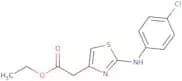
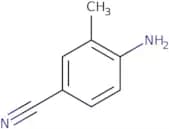
CAS:<p>Please enquire for more information about ethyl 2-(4-(4-chlorophenylamino)-3,5-thiazolyl)acetate including the price, delivery time and more detailed product information at the technical inquiry form on this page</p>Purity:Min. 95%4-Amino-3-methylbenzonitrile
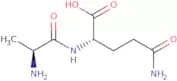
CAS:<p>4-Amino-3-methylbenzonitrile is a proton ionophore that can be used to prevent viral replication. It is a synthetic, aminobenzonitrile derivative that binds to the viral RNA polymerase and prevents the synthesis of new virus particles. 4-Amino-3-methylbenzonitrile has been shown to inhibit the growth of some strains of coxsackievirus, although it is less effective against other strains and viruses. 4-Amino-3-methylbenzonitrile inhibits the synthesis of viral proteins by binding to the viral RNA polymerase. This prevents viral transcription and replication, which leads to cell death.</p>Formula:C8H8N2Color and Shape:PowderMolecular weight:132.16 g/molL-Alanyl-L-glutamine
CAS:<p>Stable substitute for glutamine in cell culture media</p>Formula:C8H15N3O4Purity:Min. 98 Area-%Color and Shape:White PowderMolecular weight:217.22 g/mol2,2'-Azino-bis(3-ethylbenzothiazoline-6-sulfonic acid) diammonium salt
CAS:<p>ABTS can be used as a peroxidase substrate that gives a metastable cation when in the presence of H2O2. 2,2'-Azino-bis (3-ethylbenzothiazoline-6-sulfonic acid) or ABTS is commonly used in the enzyme-linked immunosorbent assay (ELISA). ABTS is chosen because the enzyme facilitates the reaction to give a green end-product with an absorbance maximum of 420nm and can therefore be detected with a spectrophotometer.</p>Formula:C18H24N6O6S4Purity:Min. 98.0 Area-%Color and Shape:PowderMolecular weight:548.68 g/mol(5S)-N-(5-Amino-1-carboxypentyl) iminodiacetic acid hydrate
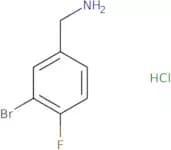
CAS:<p>(5S)-N-(5-Amino-1-carboxypentyl) iminodiacetic acid hydrate is a sophisticated chelating agent, designed for precise control in various biochemical applications. The reactive moieties of this compound are particularly useful in affinity chromatography and surface functionalization, making it a valuable tool in both protein purification and the development of biosensors or other biotechnological applications. Affinity chromatography: As a metal-chelator, it is particularly adept at binding divalent metal cations such as Ni²⁺, Co²⁺, and Cu²⁺, which are instrumental in stabilizing protein structures or facilitating enzyme activity. When complexed with Ni²⁺ (nickel) ions (5S)-N-(5-Amino-1-carboxypentyl) iminodiacetic acid forms a surface that can specifically capture proteins engineered with a polyhistidine tag (His-tag). Such interactions facilitate the purification and isolation of target proteins with high specificity, allowing immobilization in a controlled orientation without compromising functional integrity.Surface functionalization: The free amine group allows for conjugation via strong covalent bonds to surfaces such as glass, silica, gold (e.g., electrodes), polymers, hydrogels and magnetic beads. This creates metal-functionalized surfaces for biospecific interactions with His-tagged proteins. Examples of potential applications of this include Surface Plasmon Resonance (SPR), fluorescence microscopy and use in artificial cell systems with hydrogel-based cell-mimicking environments. Thus giving (5S)-N-(5-Amino-1-carboxypentyl) iminodiacetic acid a broad scope in its application in advanced biochemical assays and materials science.</p>Formula:C10H18N2O6·xH2OPurity:Min. 95 Area-%Color and Shape:White PowderMolecular weight:262.26 g/mol3-Bromo-4-fluorobenzylamine hydrochloride
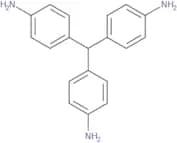
CAS:<p>3-Bromo-4-fluorobenzylamine hydrochloride is a versatile building block that can be used in the preparation of complex compounds. It has been shown to be an effective reagent for research and as a speciality chemical. The compound is also useful as a reaction component or scaffold in the synthesis of high quality and useful intermediates.</p>Formula:C7H8BrClFNPurity:Min. 95%Color and Shape:White PowderMolecular weight:240.5 g/molTris(4-Aminophenyl)methane
CAS:<p>Tris(4-aminophenyl)methane is a molecule that can react with nitrous acid to form an aliphatic hydrocarbon, which is a type of organic compound. It has been shown to be effective in mammalian cells and in vitro. Tris(4-aminophenyl)methane reacts with nitrous acid to form a diamine adduct, which has been shown to have a diameter of 3.2 nanometers. The expression plasmid containing the gene for the protein tyrosinase was introduced into E. coli cells using an electroporation technique and then used as a template for transcription reactions. The reaction products were identified by gas chromatography/mass spectrometry (GC/MS). Tris(4-aminophenyl)methane has been shown to bind tightly to DNA molecules in nuclear DNA and RNA molecules in ribosomes, inhibiting their synthesis through adsorption mechanisms. This leads to cell death through the inhibition</p>Formula:C19H19N3Purity:Min. 95%Color and Shape:PowderMolecular weight:289.37 g/molPantethine
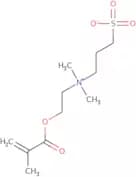
CAS:<p>Pantethine is a dietary supplement, which is a derivative of pantothenic acid, sourced from vitamin B5. As a biologically active compound, it undergoes conversion to pantetheine, which then forms coenzyme A (CoA) and acyl-carrier proteins. This conversion is critical, as CoA is an essential cofactor involved in numerous biochemical reactions that are integral to fatty acid metabolism, among other processes.</p>Formula:C22H42N4O8S2Purity:Min. 95%Color and Shape:PowderMolecular weight:554.72 g/molDMAPS
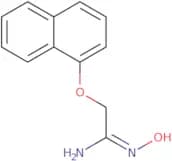
CAS:A hygroscopic, zwitterionic monomer used in the synthesis of polysulfobetaines.Formula:C11H21NO5SPurity:(Total Nitrogen) Min. 98%Color and Shape:PowderMolecular weight:279.35 g/molN-Hydroxy-2-(1-naphthalenyloxy)ethanimidamide
CAS:<p>Please enquire for more information about N-Hydroxy-2-(1-naphthalenyloxy)ethanimidamide including the price, delivery time and more detailed product information at the technical inquiry form on this page</p>Formula:C12H12N2O2Purity:Min. 95%Color and Shape:PowderMolecular weight:216.24 g/mol20-Deoxo-23-deoxy-5-O-[3,6-dideoxy-3-(dimethylamino)-beta-D-glucopyranosyl]-20,23-di-1-piperidinyltylonolide
CAS:<p>20-Deoxo-23-deoxy-5-O-[3,6-dideoxy-3-(dimethylamino)-beta-D-glucopyranosyl]-20,23-di-1-piperidinyltylonolide is an antimicrobial agent that belongs to the group of chemotherapeutic agents. It is a fluorinated analog of tilmicosin. The low dose group was treated with this drug for five days, and the high dose group received 20 times the amount of drug. Fluorescence spectrometry showed that there was no significant difference in the fluorescence intensity between these two groups after 24 hours. This drug has been shown to have pharmacokinetic properties in rats and mice, but further optimization may be required to improve its process.</p>Formula:C41H71N3O8Purity:Min. 95%Color and Shape:Off-White PowderMolecular weight:734.02 g/mol5-Chlorotryptamine hydrochloride
CAS:Controlled Product<p>5-Chlorotryptamine hydrochloride is a mitotic inhibitor that binds to the spindle. It has been shown to be an anti-proliferative agent in cells, as well as having anti-mitotic properties. 5-Chlorotryptamine hydrochloride binds to the c1-4 alkyl chains of the spindle and stops it from moving. This prevents the mitosis process and inhibits cell division. 5-Chlorotryptamine hydrochloride can also be used to inhibit kinesin, which is a protein involved in movement along microtubules.</p>Formula:C10H11ClN2·HClColor and Shape:PowderMolecular weight:231.12 g/mol3-(2-(2-Aminoethoxy)ethoxy)-propanoic acid
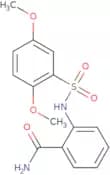
CAS:<p>3-(2-(2-Aminoethoxy)ethoxy)-propanoic acid is a PEG compound with two different functional groups (also known as heterobifunctional). Unlike homobifunctional PEG compounds (same functional group on both ends), this type of compounds are more versatile as have two different anchor points. 3-(2-(2-Aminoethoxy)ethoxy)-propanoic acid is used as a linker and spacer to add a PEG moiety, via pegylation (a bioconjugation technique) to proteins, peptides, oligonucleotides, small molecules and nanoparticles.</p>Formula:C7H15NO4Purity:Min. 95%Color and Shape:White PowderMolecular weight:177.2 g/mol2-(((2,5-dimethoxyphenyl)sulfonyl)amino)benzamide
CAS:<p>Please enquire for more information about 2-(((2,5-dimethoxyphenyl)sulfonyl)amino)benzamide including the price, delivery time and more detailed product information at the technical inquiry form on this page</p>Purity:Min. 95%4-[(7-Chloro-4-quinolinyl)amino]-1-pentanol
CAS:<p>4-[(7-Chloro-4-quinolinyl)amino]-1-pentanol (QLT) is a drug that has been shown to be effective against both healthy volunteers and malaria patients. It is a prodrug that is metabolized by the liver into 7-chloroquinalone, which inhibits the growth of plasmodium falciparum. QLT has been shown to be safe and well tolerated in studies with healthy volunteers, and it does not appear to cause significant adverse effects. QLT also has an effect on T cells, which may be due to its ability to inhibit protein synthesis and cell division.</p>Formula:C14H17ClN2OPurity:Min. 95%Color and Shape:Yellow SolidMolecular weight:264.75 g/mol


![[1-(Methoxymethyl)cyclopropyl]amine hydrochloride](/_next/image/?url=https%3A%2Fstatic.cymitquimica.com%2Fproducts%2F3D%2Fthumb-webp%2FFM129588.webp&w=3840&q=75)



![[(2,5-Dichlorophenyl)sulphonyl]phenylamine](/_next/image/?url=https%3A%2Fstatic.cymitquimica.com%2Fproducts%2F3D%2Fthumb-webp%2FFD145674.webp&w=3840&q=75)
![2-[[(Heptadecafluorooctyl)sulphonyl]methylamino]ethyl acrylate](/_next/image/?url=https%3A%2Fstatic.cymitquimica.com%2Fproducts%2F3D%2Fthumb-webp%2FFH96868.webp&w=3840&q=75)
![3-{[(4-Methylphenyl)sulfonyl]amino}benzoic acid](/_next/image/?url=https%3A%2Fstatic.cymitquimica.com%2Fproducts%2F3D%2Fthumb-webp%2FFM136721.webp&w=3840&q=75)
![[5-(4-Amino-2-bromophenyl)-2-furyl]methanol](/_next/image/?url=https%3A%2Fstatic.cymitquimica.com%2Fproducts%2F3D%2Fthumb-webp%2FFA134218.webp&w=3840&q=75)

![6-amino-3-methyl-4-(3-nitrophenyl)-4H-pyrano[3,2-d]pyrazole-5-carbonitrile](/_next/image/?url=https%3A%2Fstatic.cymitquimica.com%2Fproducts%2F3D%2Fthumb-webp%2FFA169032.webp&w=3840&q=75)




![20-Deoxo-23-deoxy-5-O-[3,6-dideoxy-3-(dimethylamino)-beta-D-glucopyranosyl]-20,23-di-1-piperidinyl…](/_next/image/?url=https%3A%2Fstatic.cymitquimica.com%2Fproducts%2F3D%2Fthumb-webp%2FFT137728.webp&w=3840&q=75)


![4-[(7-Chloro-4-quinolinyl)amino]-1-pentanol](/_next/image/?url=https%3A%2Fstatic.cymitquimica.com%2Fproducts%2F3D%2Fthumb-webp%2FFC20107.webp&w=3840&q=75)