Amines
Amines are a set of molecules containing an amino functional group (derived from ammonia). This category includes amines at any level of substitution : primary, secondary, tertiary, and ammonium salts. Amines are fundamental in organic synthesis and are widely used in pharmaceuticals, agrochemicals, and materials science. At CymitQuimica, we provide a comprehensive selection of amines to meet your research and industrial needs. Our range ensures access to various amines for diverse chemical processes and innovative research.
Subcategories of "Amines"
- Nitrosamines(2,603 products)
- Primary Amines(30,805 products)
- Quaternary Ammonium Cations and Salts(1,099 products)
- Secondary Amines(20,809 products)
- Tertiary Amines(17,111 products)
Found 8777 products of "Amines"
Sort by
Purity (%)
0
100
|
0
|
50
|
90
|
95
|
100
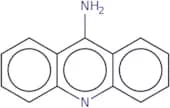
9-Aminoacridine
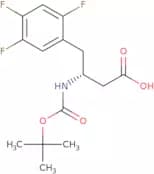
CAS:<p>9-Aminoacridine is a potential anticancer agent that intercalates into the DNA and prevents the replication process. It has been shown to inhibit the growth of bacteria resistant to tetracycline by interfering with bacterial DNA replication. 9-Aminoacridine also has anti-inflammatory properties, which may be due to its inhibition of prostaglandin synthesis.</p>Formula:C13H10N2Purity:Min. 95%Molecular weight:194.23 g/molBoc-(R)-3-Amino-4-(2,4,5-trifluorophenyl)butanoic acid
CAS:<p>Intermediate in the synthesis of sitagliptin</p>Formula:C15H18F3NO4Purity:Min. 95%Molecular weight:333.3 g/mol2-Methyl-2H-indazol-5-ylamine
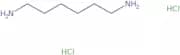
CAS:<p>Please enquire for more information about 2-Methyl-2H-indazol-5-ylamine including the price, delivery time and more detailed product information at the technical inquiry form on this page</p>Formula:C8H9N3Purity:Min. 95%Molecular weight:147.18 g/mol1,6-Diaminohexane dihydrochloride
CAS:<p>1,6-Diaminohexane dihydrochloride is a chemical that is used in the analytical method for the determination of p-hydroxybenzoic acid. It has also been used to measure fatty acids and anhydrous sodium. The sample preparation required for this chemical includes mixing with water and adding hydroxyl groups. A toxicological study on 1,6-diaminohexane dihydrochloride shows that it has no acute toxicity in rats. However, it does show some signs of toxicity in rabbits and dogs at high doses. Amine compounds are usually very reactive due to the presence of a lone electron pair on nitrogen.</p>Formula:C6H18Cl2N2Purity:Min. 95%Molecular weight:189.13 g/molTetrabutylammonium nitrite
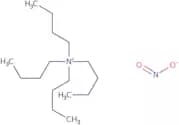
CAS:<p>Tetrabutylammonium nitrite is a tosylate salt. It reversibly binds to copper ions, forming a copper complex that is activated by the presence of nitroalkanes. The binding of tetrabutylammonium nitrite to glycosidic bonds in sugar residues, such as the hemoglobin molecule, leads to the formation of reactive oxygen species (ROS), which are responsible for cell damage. Tetrabutylammonium nitrite has been shown to reduce infarct size and improve cardiac function in animal models following ischemic reperfusion injury. Tetrabutylammonium nitrite also has antioxidant properties due to its ability to scavenge ROS and protect against oxidative stress.</p>Formula:C16H36N2O2Purity:Min. 95%Color and Shape:White PowderMolecular weight:288.47 g/molFITC-b-Ala-Amyloid b-Protein (1-42) ammonium salt
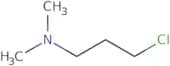
CAS:<p>Please enquire for more information about FITC-b-Ala-Amyloid b-Protein (1-42) ammonium salt including the price, delivery time and more detailed product information at the technical inquiry form on this page</p>Formula:C227H327N57O66S2Purity:Min. 95%Molecular weight:4,974.5 g/mol3-Chloro-N,N-dimethylpropan-1-amine
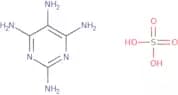
CAS:<p>3-Chloro-N,N-dimethylpropan-1-amine (3CMP) is a chemical that belongs to the group of organic solvents. It is soluble in water and has a low toxicity for mammals. 3CMP has been shown to have antimicrobial properties against typhimurium and other bacteria. 3CMP binds to the hydroxyl group of biomembranes and interferes with bacterial replication by inhibiting RNA synthesis. The mechanism of this inhibition may be due to the chloride ions that are released from the membrane or may be due to an increase in cell size, which can lead to hypertrophy. 3CMP binds to the chloride ion on bacterial membranes, which inhibits the synthesis of RNA by blocking its ability to bind with the ribosome. This leads to cell death by inhibiting protein synthesis and cell division.</p>Formula:C5H12ClNPurity:Min. 95%Molecular weight:121.61 g/mol2,4,5,6-Tetraaminopyrimidine sulphate
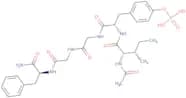
CAS:<p>2,4,5,6-Tetraaminopyrimidine sulphate is a chemical compound that is used for the treatment of leukemic mice. It has shown to have anti-inflammatory and anti-cancer properties. This drug binds to the enzyme p-hydroxybenzoic acid that is involved in the synthesis of collagen and elastin. It also suppresses the production of inflammatory cytokines such as TNF-α and IL-1β. 2,4,5,6-Tetraaminopyrimidine sulphate has been used in clinical trials for the treatment of autoimmune diseases and inflammatory diseases such as psoriasis. The drug is currently being researched for use in cancer treatments due to its ability to inhibit cell division and induce apoptosis. 2,4,5,6-Tetraaminopyrimidine sulphate has also been shown to be effective when applied topically on skin as a cosmetic agent or when administered orally as a supplement for</p>Formula:C4H10N6O4SPurity:Min. 95%Color and Shape:Slightly Yellow PowderMolecular weight:238.23 g/molAc-Ile-Tyr(PO3H2)-Gly-Glu-Phe-NH2 ammonium salt
CAS:<p>Please enquire for more information about Ac-Ile-Tyr(PO3H2)-Gly-Glu-Phe-NH2 ammonium salt including the price, delivery time and more detailed product information at the technical inquiry form on this page</p>Formula:C33H45N6O12PPurity:Min. 95%Molecular weight:748.72 g/mol(Asn670, Sta671,Val672)-Amyloid b/A4 Protein Precursor770 (662-675) ammonium
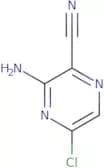
CAS:<p>Please enquire for more information about (Asn670, Sta671,Val672)-Amyloid b/A4 Protein Precursor770 (662-675) ammonium including the price, delivery time and more detailed product information at the technical inquiry form on this page</p>Formula:C73H118N16O27•(NH3)xPurity:Min. 95%Molecular weight:1,651.81 g/mol3-Amino-5-chloropyrazine-2-carbonitrile
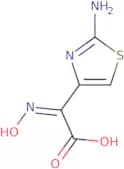
CAS:<p>Please enquire for more information about 3-Amino-5-chloropyrazine-2-carbonitrile including the price, delivery time and more detailed product information at the technical inquiry form on this page</p>Formula:C5H3ClN4Purity:Min. 95%Molecular weight:154.56 g/mol(Z)-2-(2-Aminothiazol-4-yl)-2-(hydroxyimino)acetic acid
CAS:<p>Please enquire for more information about (Z)-2-(2-Aminothiazol-4-yl)-2-(hydroxyimino)acetic acid including the price, delivery time and more detailed product information at the technical inquiry form on this page</p>Formula:C5H5N3O3SPurity:Min. 95%Molecular weight:187.18 g/mol2-Amino-5-chloro-N,3-dimethylbenzamide
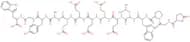
CAS:<p>2-Amino-5-chloro-N,3-dimethylbenzamide is a synthetic compound. It has been shown to induce necrotic cell death in mammalian cells. This compound was synthesized by the reaction of 2-aminoquinoline with a Grignard reagent, followed by nitration of the resultant amine. The synthesis of this compound was thermodynamically favorable and exhibited good solubility in water. The chlorantraniliprole and anthranilic acid moieties are activated with an acylation reaction, which allows them to bind to the ryanodine receptor and inhibit calcium release from the sarcoplasmic reticulum (SR) with ammonolysis. This inhibition leads to ferroptosis, a type of programmed necrosis.</p>Formula:C9H11ClN2OPurity:Min. 95%Color and Shape:PowderMolecular weight:198.65 g/molH-Glu-Leu-Asp-[(2R,4S,5S)-5-amino-4-hydroxy-2,7-dimethyl-octanoyl]-Val-Glu-Phe-Gly-Gly-D-Arg-D-Arg-D-Arg-D-Arg-D-Arg-D-Arg-D-Arg-D-A rg-D-Arg-OH trifluoroacetate salt
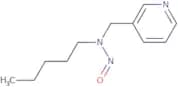
CAS:<p>Please enquire for more information about H-Glu-Leu-Asp-[(2R,4S,5S)-5-amino-4-hydroxy-2,7-dimethyl-octanoyl]-Val-Glu-Phe-Gly-Gly-D-Arg-D-Arg-D-Arg-D-Arg-D-Arg-D-Arg-D-Arg-D-A rg-D-Arg-OH trifluoroacetate salt including the price, delivery time and more detailed product information at the technical inquiry form on this page</p>Formula:C102H183N45O26Purity:Min. 95%Molecular weight:2,455.83 g/molN'-Nitrosopentyl-(3-picolyl)amine
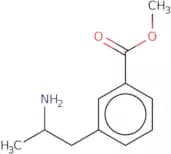
CAS:<p>N'-Nitrosopentyl-(3-picolyl)amine is a research chemical that can be used as a reaction component, reagent, or intermediate. It is a high quality and versatile building block for the synthesis of complex compounds. N'-Nitrosopentyl-(3-picolyl)amine has been shown to be useful as an intermediate in the synthesis of drugs such as pentoxifylline and lodoxamide, which are used to treat respiratory diseases. This chemical is also used to synthesize other compounds that have speciality applications such as pharmaceuticals and rubber additives.</p>Formula:C11H17N3OPurity:Min. 95%Color and Shape:Off-White To Yellow LiquidMolecular weight:207.27 g/mol3'-(2-Propylamine)benzoic acid methyl ester
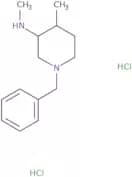
CAS:<p>3'-(2-Propylamine)benzoic acid methyl ester is a high quality, complex compound that can be used as a reagent, speciality chemical, or reaction component. It has a wide range of applications in the synthesis of pharmaceuticals, agrochemicals, and other biologically active compounds. 3'-(2-Propylamine)benzoic acid methyl ester is also a versatile building block and useful intermediate in organic synthesis.</p>Formula:C11H15NO2Purity:Min. 95%Molecular weight:193.24 g/molN,4-Dimethyl-1-(phenylmethyl)-3-piperidinamine hydrochloride (1:2)
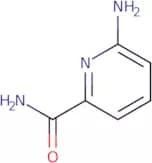
CAS:<p>Intermediate in the synthesis of tofacitinib</p>Formula:C14H24N2Cl2Purity:Min. 95%Molecular weight:291.26 g/mol6-Aminopicolinamide
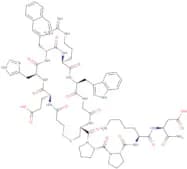
CAS:<p>6-Aminopicolinamide is a metabolite of nicotinamide, which can be found in the urine of humans and animals. 6-Aminopicolinamide has been shown to have anti-leukemic activity against experimental leukemias in animals. The mechanism of action is not well understood but may involve inhibition of nucleotide synthesis or the inhibition of dehydrogenase activity. Clinical trials are underway to determine its efficacy as an anti-tumor agent.</p>Formula:C6H7N3OPurity:Min. 95%Molecular weight:137.14 g/mol(Deamino-Cys11,D-2-Nal 14,Cys18)-b-MSH (11-22) amide trifluoroacetate salt
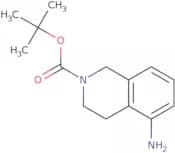
CAS:<p>Please enquire for more information about (Deamino-Cys11,D-2-Nal 14,Cys18)-b-MSH (11-22) amide trifluoroacetate salt including the price, delivery time and more detailed product information at the technical inquiry form on this page</p>Formula:C69H91N19O16S2Purity:Min. 95%Molecular weight:1,506.71 g/mol5-Amino-2-tert-butoxycarbonyl-1,2,3,4-tetrahydroisoquinoline
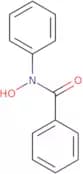
CAS:<p>Please enquire for more information about 5-Amino-2-tert-butoxycarbonyl-1,2,3,4-tetrahydroisoquinoline including the price, delivery time and more detailed product information at the technical inquiry form on this page</p>Formula:C14H20N2O2Purity:Min. 95%Molecular weight:248.32 g/molN-Benzoyl-N-phenylhydroxylamine
CAS:<p>N-Benzoyl-N-phenylhydroxylamine is a compound that has been shown to be an optimum concentration for the production of molybdenum. It is a model system for the extraction and separation of molybdenum from other metals. The extraction process involves acidification with nitric acid, followed by precipitation with sodium benzoate. N-Benzoyl-N-phenylhydroxylamine is extracted using an electrode and then purified with a metal chelate. This compound has been shown to have synergistic effects when combined with vanadium, which may be due to their similar chemical properties.</p>Formula:C13H11NO2Purity:Min. 95%Molecular weight:213.23 g/mol3-[[[2-[(Aminoiminomethyl)amino]-4-thiazolyl]methyl]sulfinyl]-N-(aminosulfonyl)propanamide
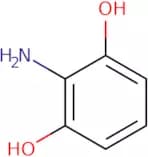
CAS:<p>Please enquire for more information about 3-[[[2-[(Aminoiminomethyl)amino]-4-thiazolyl]methyl]sulfinyl]-N-(aminosulfonyl)propanamide including the price, delivery time and more detailed product information at the technical inquiry form on this page</p>Formula:C8H14N6O4S3Purity:Min. 95%Molecular weight:354.43 g/mol2-Aminoresorcinol
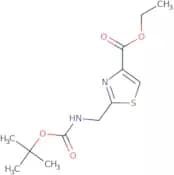
CAS:<p>2-Aminoresorcinol is a synthetic chemical compound that inhibits the reaction of amines with chlorine atoms. It is used as an intermediate in the production of resorcinol and 2-aminophenol. The reaction mechanism involves the formation of a chloramine (chlorine atom attached to an amine) which, in turn, reacts with malonic acid to produce an intermediate that undergoes intramolecular hydrogen transfer. This reaction results in the formation of a chloroform molecule. A second step involves hydroxylation by hydrochloric acid, which leads to the formation of chloral hydrate. In this way, 2-aminoresorcinol can be used for the synthesis of both resorcinol and 2-aminophenol. 2-Aminoresorcinol is also known for its inhibitory effects on certain reactions involving amines and sulfur compounds such as thiourea and carbonyl compounds such as malonic acid.</p>Formula:C6H7NO2Purity:Min. 95%Color and Shape:White To Dark Brown SolidMolecular weight:125.13 g/molEthyl 2-((tert-butoxycarbonylamino)methyl)thiazole-4-carboxylate
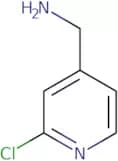
CAS:<p>Please enquire for more information about Ethyl 2-((tert-butoxycarbonylamino)methyl)thiazole-4-carboxylate including the price, delivery time and more detailed product information at the technical inquiry form on this page</p>Formula:C12H18N2O4SPurity:Min. 95%Molecular weight:286.35 g/mol(2-Chloropyridin-4-yl)methanamine
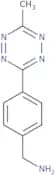
CAS:<p>2-Chloropyridin-4-yl)methanamine is a hydrogenated molecule that has been shown to inhibit the activity of certain cancer cells. It inhibits the expression of the enzyme molecules involved in the synthesis of DNA and RNA. 2-Chloropyridin-4-yl)methanamine also inhibits the hydrolysis of hydrogen chloride (HCl) to produce hydrogen (H2). This drug is used as an inhibitor for medicines that require acidic pH for absorption, such as HCl.</p>Formula:C6H7ClN2Purity:Min. 95%Molecular weight:142.59 g/molMethyltetrazine amine
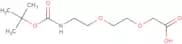
CAS:<p>A building block used for derivatization of carboxylic acids or activated esters with methytetrazine moiety. The stability of Methyltetrazine Amine is substantially improved compared to hydrogen substituted tetrazine-tmine. Superior stability of methyltetrazine-amine allows this reagent to be used in wider range of chemical transformations. Long-term storage of methyltetrazine-amine, especially in aqueous buffer, is also greatly improved compared to Tetrazine Amine.Supplied as the HCl salt</p>Formula:C10H11N5Purity:Min. 95%Color and Shape:PowderMolecular weight:201.23 g/molN-(tert-Butyloxycarbonyl)-8-amino-3,6-dioxaoctanoic acid
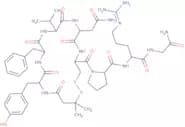
CAS:<p>N-(tert-Butyloxycarbonyl)-8-amino-3,6-dioxaoctanoic acid is a potential drug for hypercholesterolemia. It has been shown to lower LDL cholesterol and triglycerides levels in monkeys. The compound is orally bioavailable and can be taken orally. This drug also has the potential to be developed as a PCSK9 (proprotein convertase subtilisin/kexin type 9) inhibitor.</p>Formula:C11H21NO6Purity:Min. 95%Color and Shape:Clear LiquidMolecular weight:263.29 g/mol(Deamino-Pen 1,Val4,D-Arg8)-Vasopressin
CAS:<p>Vasopressin is a peptide hormone that regulates water balance. It is synthesized in the hypothalamus and stored in the posterior pituitary gland, from where it is released when blood pressure falls. Vasopressin binds to V1 receptors in the kidney and vascular smooth muscle cells, causing vasoconstriction and increased blood pressure. Vasopressin also stimulates phosphatidic acid synthesis and hypotension, which are mediated through V2 receptors. Vasopressin has been found to be effective against cardiac arrest and myocardial infarction in animals. This drug has also been shown to stimulate the paraventricular nucleus of the hypothalamus and inhibit sympathetic activity in ganglia.</p>Formula:C48H69N13O11S2Purity:Min. 95%Molecular weight:1,068.27 g/mol4-(Fmoc-hydrazino)-benzoylaminomethyl resin (200-400 mesh)
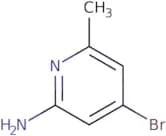
<p>Please enquire for more information about 4-(Fmoc-hydrazino)-benzoylaminomethyl resin (200-400 mesh) including the price, delivery time and more detailed product information at the technical inquiry form on this page</p>Purity:Min. 95%4-Bromo-6-methyl-2-pyridinamine
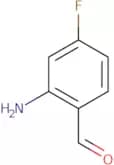
CAS:<p>4-Bromo-6-methyl-2-pyridinamine is a small molecule that binds to the bromodomain of the human protein BRD4. This binding inhibits the interaction between BRD4 and acetylated lysine residues on histones, thereby inhibiting transcriptional activation. 4-Bromo-6-methyl-2-pyridinamine has been shown to be a potent inhibitor of the activity of BRD4, which may be due to its chemical stability and ability to inhibit protein synthesis. The compound's potency in inhibition assays and its lack of biochemical toxicity make it an attractive lead compound for further study.</p>Formula:C6H7BrN2Purity:Min. 95%Molecular weight:187.04 g/mol2-Amino-4-fluorobenzaldehyde
CAS:<p>2-Amino-4-fluorobenzaldehyde is a plant growth regulator that has been shown to be effective at increasing the yield of flowers and fruit crops. It is used as an intermediate in the synthesis of agrochemicals, such as 2-aminobenzaldehyde and anthranilic acid. The biosynthesis of 2-amino-4-fluorobenzaldehyde starts from methanol and intermediates such as anthranilic acid, aminoaldehydes, or alcohols. It can also be produced by oxidative coupling of 2-aminobenzaldehyde with phenylacetone in the presence of sodium hydroxide. 2-Amino-4-fluorobenzaldehyde has been shown to be more efficient than other plant growth regulators such as robinia or aminocyclopentane carboxylic acid (ACC).</p>Formula:C7H6FNOPurity:Min. 95%Color and Shape:SolidMolecular weight:139.13 g/molBoc-15-amino-4,7,10,13-tetraoxapentadecanoic acid
CAS:<p>Boc-15-amino-4,7,10,13-tetraoxapentadecanoic acid is a PEG compound with two different functional groups (also known as heterobifunctional). Unlike homobifunctional PEG compounds (same functional group on both ends), this type of compounds are more versatile as have two different anchor points. Boc-15-amino-4,7,10,13-tetraoxapentadecanoic acid is used as a linker and spacer to add a PEG moiety, via pegylation (a bioconjugation technique) to proteins, peptides, oligonucleotides, small molecules and nanoparticles.</p>Formula:C16H31NO8Purity:Min. 95%Molecular weight:365.42 g/mol(3R)-3-[(tert-Butoxycarbonyl)amino]-4-(2,4-difluorophenyl)butanoic acid
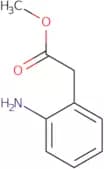
CAS:<p>Please enquire for more information about (3R)-3-[(tert-Butoxycarbonyl)amino]-4-(2,4-difluorophenyl)butanoic acid including the price, delivery time and more detailed product information at the technical inquiry form on this page</p>Formula:C15H19F2NO4Purity:Min. 95%Molecular weight:315.31 g/molMethyl 2-(2-aminophenyl)acetate
CAS:<p>Methyl 2-(2-aminophenyl)acetate is a synthetic compound that can be activated with nanomolar concentrations of cyanide. It is a potent cytotoxic agent that exhibits minimal activity in the presence of cells. Methyl 2-(2-aminophenyl)acetate has shown to have antiviral and antitumor properties, as well as potential use in cancer therapy. Methyl 2-(2-aminophenyl)acetate is synthesized by reacting an aldehyde group with a primary amine to produce an amide bond. This reaction also produces a linker molecule, which can be used for immobilization. Immobilization occurs when the chemical is bound to an insoluble support or carrier, such as silica gel or glass beads. Immobilization can increase the stability of the reactant, decrease its rate of degradation, and facilitate separation from unreacted components.</p>Formula:C9H11NO2Purity:Min. 95%Molecular weight:165.19 g/mol(R)-3-[((tert-Butoxy)carbonyl)amino]-4-(2,5-difluorophenyl)butanoic acid
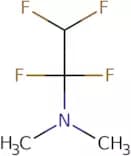
CAS:<p>Please enquire for more information about (R)-3-[((tert-Butoxy)carbonyl)amino]-4-(2,5-difluorophenyl)butanoic acid including the price, delivery time and more detailed product information at the technical inquiry form on this page</p>Formula:C15H19F2NO4Purity:Min. 95%Molecular weight:315.31 g/molN,N-Dimethyl-1,1,2,2-tetrafluoroethylamine
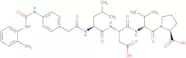
CAS:<p>Dimethyl 1,1,2,2-tetrafluoroethylamine (DMTFEA) is a fluorinated compound that contains a cyclohexane ring. It can be synthesized using pyrazoles and reaction solution. DMTFEA has functional groups such as halides, fluorine and chlorine. DMTFEA is acidic and has the structural formula of CF3CF=N-CH2CH2COOH. This chemical can also be synthesized by reacting chloroacetic acid with dimethylamine. The pharmacokinetic properties of DMTFEA are not well-known, but it does have ester compounds that are synthetic in nature.</p>Formula:C4H7F4NPurity:Min. 95%Molecular weight:145.1 g/mol(4-((2-Methylphenyl)aminocarbonyl)-aminophenyl)acetyl-Fibronectin CS-1 Fragment (1980-1983)
CAS:<p>Please enquire for more information about (4-((2-Methylphenyl)aminocarbonyl)-aminophenyl)acetyl-Fibronectin CS-1 Fragment (1980-1983) including the price, delivery time and more detailed product information at the technical inquiry form on this page</p>Formula:C36H48N6O9Purity:Min. 95%Molecular weight:708.8 g/molMca-(Asn670,Leu671)-Amyloid β/A4 Protein Precursor770 (667-674)-Dap (Dnp) ammonium acetate salt
CAS:<p>Please enquire for more information about Mca-(Asn670,Leu671)-Amyloid beta/A4 Protein Precursor770 (667-674)-Dap (Dnp) ammonium acetate salt including the price, delivery time and more detailed product information at the technical inquiry form on this page</p>Formula:C56H73N13O26Purity:Min. 95%Molecular weight:1,344.25 g/molN-Methyl-N-((3R,4R)-4-methylpiperidin-3-yl)-7H-pyrrolo[2,3-d]pyrimidin-4-amine
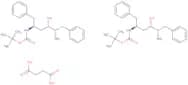
CAS:<p>Intermediate in the synthesis of tofacitinib</p>Formula:C13H19N5Purity:Min. 95%Molecular weight:245.32 g/mol(2S,3S,5S)-5-tert-Butyloxycarbonylamino-2-amino-3-hydroxy-1,6-diphenylhexane succinate
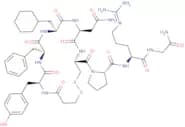
CAS:<p>Please enquire for more information about (2S,3S,5S)-5-tert-Butyloxycarbonylamino-2-amino-3-hydroxy-1,6-diphenylhexane succinate including the price, delivery time and more detailed product information at the technical inquiry form on this page</p>Formula:(C23H32N2O3)2•C4H6O4Purity:Min. 95%Molecular weight:887.11 g/mol(Deamino-Cys1,b-cyclohexyl-Ala4,Arg8)-Vasopressin trifluoroacetate salt
CAS:<p>Desmopressin is a synthetic analogue of vasopressin, which is used to treat disorders associated with insufficient secretion of vasopressin. It has been shown that desmopressin binds to the vasopressin V2 receptor subtype and stimulates the release of arginine-vasopressin in corticotropin-releasing hormone (CRH)-treated rat pituitary cells. This stimulation was mediated by a residue on the Cys1,b-cyclohexyl residue. The binding of desmopressin to this site was demonstrated in vitro using binding experiments on rat brain synaptosomes. Desmopressin has also been shown to stimulate ovulation in rats and humans, and it has been shown to be effective for treating nocturnal enuresis in children.</p>Formula:C50H71N13O11S2Purity:Min. 95%Molecular weight:1,094.31 g/molN,N'-Dibenzylethylenediamine diacetate
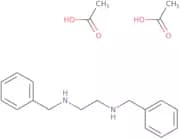
CAS:Controlled Product<p>N,N'-Dibenzylethylenediamine diacetate is a diagnostic agent that is used to detect penicillin in blood samples. It reacts with the drug by forming a red-colored product, which can be detected with an ultraviolet light. This reaction is inhibited by cefapirin sodium and benzathine. The detection of penicillin in maternal blood has been shown to be significantly higher during the first trimester of pregnancy than during any other time period. Penicillin has also been shown to be effective against syphilis and streptococcal pharyngitis (strep throat), although it is not recommended for treatment trials because of its tendency to cause allergic reactions.</p>Formula:C16H20N2•(C2H4O2)2Purity:Min. 95%Molecular weight:360.45 g/molTetra-n-propylammonium hydrogen sulfate
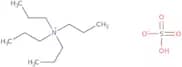
CAS:<p>Tetra-n-propylammonium hydrogen sulfate (TPAS) is a pharmaceutical dosage that consists of tetra-n-propylammonium ions and hydrogen sulfate anions. It has a diameter of about 2 nm, and can be detected by fluorescence techniques. TPAS has shown to have pharmacologic activities, including the ability to react with hydrogen fluoride in solution to form a precipitate that can be used as a sample preparation reagent. TPAS also has been shown to produce dehydrating effects on chloride in an alicyclic system.</p>Formula:C12H29NO4SPurity:Min. 95%Molecular weight:283.43 g/mols-2-(4-Aminobenyl)-diethylenetriamine penta-tert-butyl acetate
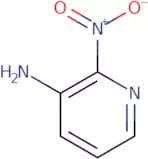
CAS:<p>Please enquire for more information about s-2-(4-Aminobenyl)-diethylenetriamine penta-tert-butyl acetate including the price, delivery time and more detailed product information at the technical inquiry form on this page</p>Purity:Min. 95%Color and Shape:Clear LiquidMolecular weight:779.02 g/mol3-Amino-2-nitropyridine
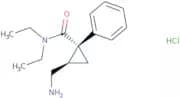
CAS:<p>3-Amino-2-nitropyridine is a heterocyclic compound that is an oxidation product of 2,4,6-trinitrotoluene. 3-Amino-2-nitropyridine is a potent inhibitor of the d4 receptor and has been shown to be active in animal models of cancer and autoimmune diseases. The mechanism of action of this drug is not well understood, but it has been found to inhibit cell proliferation in vitro by binding to nucleophilic sites on the receptor. Nitrobenzoic acid may also contribute to its activity. 3-Amino-2-nitropyridine inhibits inflammatory responses by inhibiting cell proliferation and migration.</p>Formula:C5H5N3O2Purity:Min. 95%Molecular weight:139.11 g/mol(E)-2-(Aminomethyl)-N,N-diethyl-1-phenylcyclopropanecarboxamideHydrochloride
CAS:Controlled Product<p>Levomilnacipran is a serotonin-norepinephrine reuptake inhibitor (SNRI) that is used for the treatment of major depressive disorder and fibromyalgia. It has been shown to have antidepressant effects in patients with major depressive disorder and fibromyalgia. Levomilnacipran inhibits the reuptake of serotonin and norepinephrine by blocking the transporter proteins in these neurotransmitter pathways, increasing their availability to interact with receptors in the brain. Levomilnacipran also has been found to inhibit aminotransferase activity, which may be responsible for its hepatotoxicity.</p>Formula:C15H23ClN2OPurity:Min. 95%Molecular weight:282.81 g/molGastrin I (1-14) (human) ammonium salt
CAS:<p>Please enquire for more information about Gastrin I (1-14) (human) ammonium salt including the price, delivery time and more detailed product information at the technical inquiry form on this page</p>Formula:C79H100N16O27Purity:Min. 95%Molecular weight:1,705.73 g/molBiotinyl-Amyloid b-Protein (1-42) ammonium salt
CAS:<p>Please enquire for more information about Biotinyl-Amyloid b-Protein (1-42) ammonium salt including the price, delivery time and more detailed product information at the technical inquiry form on this page</p>Formula:C213H325N57O62S2Purity:Min. 95%Molecular weight:4,740.34 g/mol12-(Boc-aminooxy)-dodecanoic acid
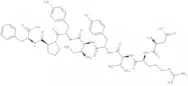
CAS:<p>Please enquire for more information about 12-(Boc-aminooxy)-dodecanoic acid including the price, delivery time and more detailed product information at the technical inquiry form on this page</p>Formula:C17H33NO5Purity:Min. 95%Molecular weight:331.45 g/mol(p-Amino-Phe6)-Angiotensin II
CAS:<p>Please enquire for more information about (p-Amino-Phe6)-Angiotensin II including the price, delivery time and more detailed product information at the technical inquiry form on this page</p>Formula:C53H74N12O12Purity:Min. 95%Molecular weight:1,071.23 g/mol




![H-Glu-Leu-Asp-[(2R,4S,5S)-5-amino-4-hydroxy-2,7-dimethyl-octanoyl]-Val-Glu-Phe-Gly-Gly-D-Arg-D-Arg…](/_next/image/?url=https%3A%2Fstatic.cymitquimica.com%2Fproducts%2F3D%2Fthumb-webp%2FFG111107.webp&w=3840&q=75)
![3-[[[2-[(Aminoiminomethyl)amino]-4-thiazolyl]methyl]sulfinyl]-N-(aminosulfonyl)propanamide](/_next/image/?url=https%3A%2Fstatic.cymitquimica.com%2Fproducts%2F3D%2Fthumb-webp%2FFA21487.webp&w=3840&q=75)


![(3R)-3-[(tert-Butoxycarbonyl)amino]-4-(2,4-difluorophenyl)butanoic acid](/_next/image/?url=https%3A%2Fstatic.cymitquimica.com%2Fproducts%2F3D%2Fthumb-webp%2FFB99243.webp&w=3840&q=75)
![(R)-3-[((tert-Butoxy)carbonyl)amino]-4-(2,5-difluorophenyl)butanoic acid](/_next/image/?url=https%3A%2Fstatic.cymitquimica.com%2Fproducts%2F3D%2Fthumb-webp%2FFB103971.webp&w=3840&q=75)

![N-Methyl-N-((3R,4R)-4-methylpiperidin-3-yl)-7H-pyrrolo[2,3-d]pyrimidin-4-amine](/_next/image/?url=https%3A%2Fstatic.cymitquimica.com%2Fproducts%2F3D%2Fthumb-webp%2FFM154245.webp&w=3840&q=75)