Ethers
Ethers are organic compounds containing an ether functional group, characterized by an oxygen atom bonded to two hydrocarbon radicals. These compounds are valuable in synthesis and serve as solvents in various chemical reactions. At CymitQuimica, we offer a selection of high-quality ethers to support your research and industrial applications, ensuring reliable and effective results. Our range of ethers meets diverse laboratory requirements, from routine experiments to advanced research.
Found 40902 products of "Ethers"
Sort by
Purity (%)
0
100
|
0
|
50
|
90
|
95
|
100
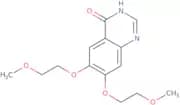
6,7-Bis(2-methoxyethoxy)-3,4-dihydroquinazolin-4-one
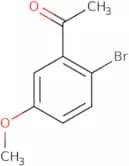
CAS:<p>This compound is a synthetic molecule that has been shown to have growth factor activity and may be useful in cancer research. The molecule is a nucleophile and reacts with epidermal growth factor (EGF) to form the corresponding adduct. This adduct can then react with chloride to form the corresponding chloro-adduct. It also binds to cellular proteins, such as antigen and factor receptors. The piperazine ring of this molecule is responsible for its binding affinity for these receptors. <br>The compound was expressed from a plasmid under normoxic conditions, but was not expressed under hypoxic conditions.</p>Formula:C14H18N2O5Purity:Min. 95%Color and Shape:White PowderMolecular weight:294.3 g/mol2'-Bromo-5'-methoxyacetophenone
CAS:<p>2'-Bromo-5'-methoxyacetophenone is a perchloric acid catalyst that can be used in the synthesis of ketones, methyl ketones, and other organic compounds. Bromination reactions are catalyzed by hypobromous acid (HOBr), which is generated from bromine and HOCl. The reaction is typically initiated with an acid catalyst such as 2'-bromo-5'-methoxyacetophenone.</p>Formula:C9H9BrO2Purity:Min. 95%Color and Shape:Clear LiquidMolecular weight:229.07 g/mol3-Hydroxy-2,4-dimethoxyacetophenone
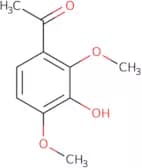
CAS:<p>3-Hydroxy-2,4-dimethoxyacetophenone is an alkoxide that reacts with a variety of substances. It has been used to synthesize polymers, and has been detected in the gas phase by electron spin resonance spectroscopy. 3-Hydroxy-2,4-dimethoxyacetophenone is also a microbial metabolite that can be quantified by coulometric analysis. It has been found in microorganisms such as Escherichia coli and Pseudomonas aeruginosa, which suggests it may have anti-microbial activity.</p>Formula:C10H12O4Purity:Min. 95%Color and Shape:PowderMolecular weight:196.2 g/mol2-Indol-3-yl-2-oxo-N-(3-(1,1,2,2-tetrafluoroethoxy)phenyl)ethanamide
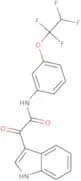
CAS:Please enquire for more information about 2-Indol-3-yl-2-oxo-N-(3-(1,1,2,2-tetrafluoroethoxy)phenyl)ethanamide including the price, delivery time and more detailed product information at the technical inquiry form on this pageFormula:C18H12F4N2O3Purity:Min. 95%Color and Shape:PowderMolecular weight:380.29 g/mol5-(4-methoxyphenyl)-2H-1,2,3-triazole-4-carbonitrile
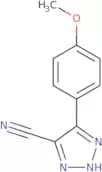
CAS:Please enquire for more information about 5-(4-methoxyphenyl)-2H-1,2,3-triazole-4-carbonitrile including the price, delivery time and more detailed product information at the technical inquiry form on this pagePurity:Min. 95%4-Ethoxysalicylic acid
CAS:<p>4-Ethoxysalicylic acid is a phosphorus oxychloride derivative that is used as an intermediate in the production of xanthones. Xanthones are used in the manufacture of dyes, pharmaceuticals, and fragrances. This compound also reacts with zinc chloride to give 4-ethoxysalicylate, which is an oxidizing agent. 4-Ethoxysalicylic acid has low toxicity and can be filtered from a reaction mixture by filtration or recrystallization. It can act as a monoamine oxidase inhibitor, which may contribute to its antidepressant properties. A hydrophobic molecule, 4-ethoxysalicylic acid will not dissolve in water but can be dissolved in organic solvents such as alcohols or ethers. It also has a high affinity for blood proteins and will bind to them readily. This property makes it useful as an anti-coagulant drug for treating depression and other mental illness.</p>Formula:C9H10O4Purity:Min. 95%Color and Shape:PowderMolecular weight:182.17 g/mol5-Chloro-2-methoxyacetophenone
CAS:<p>5-Chloro-2-methoxyacetophenone is a byproduct of the synthesis of 2-hydroxybenzofuran. It is also used in the synthesis of tetracyclic benzopyrans, which are known to be potent analgesics and have been found to have anti-inflammatory properties. 5-Chloro-2-methoxyacetophenone can be obtained by decarbonylation (loss of carbon) or elimination reactions.</p>Formula:C9H9ClO2Purity:Min. 95%Color and Shape:Clear LiquidMolecular weight:184.62 g/mol(S)-2-((((9H-Fluoren-9-yl)methoxy)carbonyl)amino)-3-(1H-pyrrolo[2,3-b]pyridin-3-yl)propanoic acid
CAS:<p>Please enquire for more information about (S)-2-((((9H-Fluoren-9-yl)methoxy)carbonyl)amino)-3-(1H-pyrrolo[2,3-b]pyridin-3-yl)propanoic acid including the price, delivery time and more detailed product information at the technical inquiry form on this page</p>Formula:C25H21N3O4Purity:Min. 95%Molecular weight:427.45 g/mol2-Hydroxy-4,6-dimethoxyacetophenone
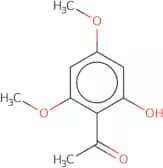
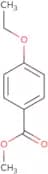
CAS:<p>2-Hydroxy-4,6-dimethoxyacetophenone is a natural compound that has been shown to have significant cytotoxicity in vitro against human colon cancer cells. This compound may be used as an alternative treatment for bowel disease and other conditions by blocking the apoptosis pathway. 2-Hydroxy-4,6-dimethoxyacetophenone binds to DNA, preventing DNA from polymerizing into chromatin and halting the cell cycle. It also inhibits the production of xanthoxylin, which is involved in the formation of cell nuclei. The mechanism of action for this drug is similar to that of chemical pesticides and radiation treatment.</p>Formula:C10H12O4Purity:Min. 95%Color and Shape:PowderMolecular weight:196.2 g/molMethyl 4-ethoxybenzoate
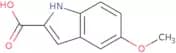
CAS:<p>Methyl 4-ethoxybenzoate is a chemical compound that is used in the production of polymers, resins, and plastics. It has been shown to be an efficient scavenger for tannins and other reactive oxygen species. Methyl 4-ethoxybenzoate has been used for the treatment of cavities by filling them with this compound and can be used as a sealant for resin composites. Methyl 4-ethoxybenzoate is not soluble in water and must be recycled. The methyl group on the benzoic acid portion of the molecule can form hydrogen bonds with carboxyl groups on polysaccharides such as cellulose or hemicellulose, resulting in interactions between these groups. These interactions are stronger than those found between carboxyl groups and phenolic compounds. This interaction has been shown to increase with increasing pH values, suggesting that it may be useful for extracting tannins from coniferous trees at low temperatures.</p>Formula:C10H12O3Purity:Min. 95%Molecular weight:180.2 g/mol5-Methoxyindole-2-carboxylic acid
CAS:<p>5-Methoxyindole-2-carboxylic acid is a molecule that belongs to the class of diazonium salts. It is a potent inhibitor of mitochondrial membrane potential and has been shown to have anti-diabetic effects in animal models. 5-Methoxyindole-2-carboxylic acid also inhibits sperm motility, which may be due to its ability to inhibit uv absorption. This compound has been shown to be an effective agent in the treatment of brain infarctions when administered chronically orally. The mechanism of action is not known, but it may involve inhibition of potassium ion uptake or hydrogen bond formation with fatty acids.</p>Formula:C10H9NO3Color and Shape:PowderMolecular weight:191.18 g/mol4-(Benzyloxy)-3-methoxyphenylacetonitrile
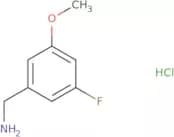
CAS:<p>4-(Benzyloxy)-3-methoxyphenylacetonitrile is an anti-cancer drug that belongs to the class of dihydroisoquinolines. It is used as a monomer in the synthesis of other drugs and it has been shown to be an effective inhibitor of cancer cells when used with carbamic acid. 4-(Benzyloxy)-3-methoxyphenylacetonitrile is synthesised through the reaction of 2,4-dichloroisonicotinic acid and 3-fluoroacetamide in the presence of a strong acid catalyst. This compound has been shown to have a high level of stereoselectivity, which makes it useful for synthesising other compounds.</p>Formula:C16H15NO2Purity:Min. 95%Color and Shape:PowderMolecular weight:253.3 g/mol3-Fluoro-5-methoxybenzylamine hydrochloride
CAS:<p>3-Fluoro-5-methoxybenzylamine hydrochloride is a chemical building block that can be used in organic synthesis. It is a versatile building block and can be used to synthesize complex compounds. 3-Fluoro-5-methoxybenzylamine hydrochloride is used as a reaction component and reagent for the production of pharmaceuticals, agricultural chemicals, and other organic compounds. It has CAS number 1158269-22-7 and can be found in the Chemical Abstract Services database.</p>Formula:C8H10FNO•HClPurity:Min. 95%Color and Shape:Clear LiquidMolecular weight:191.63 g/mol3-(2-(2-(2-Aminoethoxy)ethoxy)ethoxy)propanoic acid HCI
CAS:<p>3-(2-(2-(2-Aminoethoxy)ethoxy)ethoxy)propanoic acid HCI is a PEG compound with two different functional groups (also known as heterobifunctional). Unlike homobifunctional PEG compounds (same functional group on both ends), this type of compounds are more versatile as have two different anchor points. 3-(2-(2-(2-Aminoethoxy)ethoxy)ethoxy)propanoic acid HCI is used as a linker and spacer to add a PEG moiety, via pegylation (a bioconjugation technique) to proteins, peptides, oligonucleotides, small molecules and nanoparticles.</p>Formula:C9H19NO5·HClColor and Shape:Slightly Yellow Yellow Clear Liquid PowderMolecular weight:257.71 g/mol2-[(2-Carboxyphenyl)amino]-3-methoxybenzoic acid
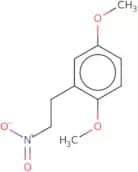
CAS:<p>2-[(2-Carboxyphenyl)amino]-3-methoxybenzoic acid is a fine chemical that is used as a building block, reagent, and speciality chemical in the synthesis of other compounds. This compound is a versatile building block for the synthesis of complex compounds with many applications. 2-[(2-Carboxyphenyl)amino]-3-methoxybenzoic acid is a complex compound that can be used as an intermediate or scaffold in the manufacture of pharmaceuticals, agrochemicals, and other organic syntheses.</p>Formula:C15H13NO5Purity:Min. 95%Molecular weight:287.27 g/mol1-(2,5-Dimethoxyphenyl)-2-nitroethane
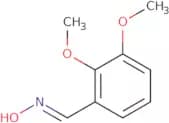
CAS:<p>1-(2,5-Dimethoxyphenyl)-2-nitroethane is a versatile building block that can be used as a reagent in organic synthesis or as an intermediate in the manufacturing of other chemicals. It is soluble in most common solvents and has a greenish yellow color. This chemical is also useful for the manufacture of pharmaceuticals, insecticides, and pesticides.</p>Formula:C10H13NO4Purity:Min. 95%Molecular weight:211.21 g/mol2,3-Dimethoxybenzaldoxime
CAS:<p>2,3-Dimethoxybenzaldoxime is an oxime that can be used as a chlorinating agent in organic synthesis. It has been shown to be a good catalyst for the Suzuki coupling of chlorides and boronic acids and for the Miyaura coupling of alkenes and halides.<br>2,3-Dimethoxybenzaldoxime also reacts with alkenes to form dimers. This reaction is catalyzed by a palladium complex, which may be due to its ability to activate the alkene by oxidative addition or reductive elimination.</p>Formula:C9H11NO3Purity:Min. 95%Color and Shape:PowderMolecular weight:181.19 g/mol2,4,5-Trimethoxybenzoic acid
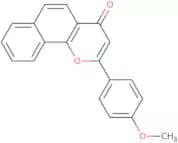
CAS:2,4,5-Trimethoxybenzoic acid is a polarizer that belongs to the group of phenols. It is used in the production of photographic film and as an intermediate in organic synthesis. The 2,4,5-trimethoxybenzoic acid has been shown to have a protective effect on Toll-like receptor 4 (TLR4) and TLR2 signaling pathways after thermal expansion. This compound may be helpful in reducing risk due to its involvement in the M2 phenotype and its lack of cytotoxic effects on macrophages. 2,4,5-Trimethoxybenzoic acid also has a hydroxyl group that can form hydrogen bonds with other compounds or water molecules. It also has fatty acids that can permeate through cell membranes and increase water permeability.Formula:C10H12O5Purity:Min. 95%Color and Shape:PowderMolecular weight:212.2 g/mol4'-Methoxy-α-naphthoflavone
CAS:4'-Methoxy-alpha-naphthoflavone is a flavonoid that has been shown to have inhibitory effects on the metabolism of 3-methylcholanthrene and other xenobiotics. The compound inhibits the oxidation of these compounds by both the cytochrome P450 and NADPH-dependent oxidases. 4'-Methoxy-alpha-naphthoflavone also inhibits the activation of these compounds by hepatic tissues, as well as the metabolism of phenobarbital by rat liver microsomes. The compound may be metabolized in vivo to 4'-hydroxy-alpha-naphthoflavone, which is more potent than 4'-methoxy-alpha-naphthoflavone.Formula:C20H14O3Purity:Min. 95%Molecular weight:302.32 g/mol5-Methoxy-3-methylbenzonitrile
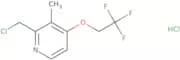
CAS:<p>5-Methoxy-3-methylbenzonitrile is a versatile chemical with a wide range of applications in pharmaceuticals, agrochemicals, and other industries. It is used as a reaction component in the synthesis of drugs such as indomethacin and methotrexate. It is also useful for the production of high-quality research chemicals. 5-Methoxy-3-methylbenzonitrile has been shown to be an efficient building block for the synthesis of complex compounds with diverse structures.</p>Formula:C9H9NOPurity:Min. 95%Color and Shape:PowderMolecular weight:147.17 g/mol2-Chloromethyl-3-methyl-4-(2,2,2-trifluoroethoxy)pyridine, hydrochloride
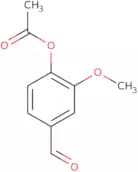
CAS:<p>Please enquire for more information about 2-Chloromethyl-3-methyl-4-(2,2,2-trifluoroethoxy)pyridine, hydrochloride including the price, delivery time and more detailed product information at the technical inquiry form on this page</p>Formula:C9H10Cl2F3NOPurity:Min. 95%Molecular weight:276.08 g/mol4-Acetoxy-3-methoxybenzaldehyde
CAS:<p>4-Acetoxy-3-methoxybenzaldehyde is an antimicrobial agent that is used specifically for the treatment of lemongrass oil and eugenol. It has been shown to be effective against a wide range of microorganisms, such as Escherichia coli, Pseudomonas aeruginosa, Salmonella enterica, Staphylococcus aureus, and Streptococcus pneumoniae. 4-Acetoxy-3-methoxybenzaldehyde has been shown to inhibit the growth of bacteria by binding to the 50S ribosomal subunit. The molecule also has hydroxyl group which can react with potassium dichromate and sodium carbonate. This reaction results in the formation of 4-acetoxy-3-hydroxybenzaldehyde through an S N 2 substitution mechanism.</p>Formula:C10H10O4Purity:Min. 95%Color and Shape:PowderMolecular weight:194.18 g/mol1-Fluoro-3-methoxy-2-nitrobenzene
CAS:<p>1-Fluoro-3-methoxy-2-nitrobenzene is a versatile building block that can be used as a scaffold for the synthesis of complex compounds. It is also used as a reaction component in research and development, especially in the production of pharmaceuticals, pesticides and other chemicals. 1-Fluoro-3-methoxy-2-nitrobenzene has many uses in the production of high quality reagents, such as pharmaceutical intermediates, dyes, and explosives.</p>Formula:C7H6FNO3Purity:Min. 95%Molecular weight:171.13 g/mol2,4,6-Trimethoxybenzamide
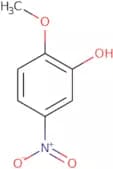
CAS:<p>2,4,6-Trimethoxybenzamide is a triggered compound that reacts with lithium to form an efficient regiospecific lithium 2,4,6-trimethoxybenzamide complex. This reaction occurs at low temperatures and has been shown to be more efficient than other methods for the synthesis of acridones. The reaction has not been shown to be reversible and requires the use of a strong base such as lithium.</p>Formula:C10H13NO4Purity:Min. 95%Color and Shape:PowderMolecular weight:211.21 g/mol2-Methoxy-5-nitrophenol
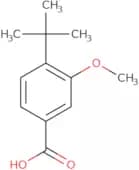
CAS:<p>2-Methoxy-5-nitrophenol (2MNOP) is a compound that has been shown to inhibit the growth of bacteria in nutrient solutions by reducing the activity of glutamate pyruvate transaminase and pyridoxine hydrochloride. 2MNOP is a potent inhibitor of bacterial enzyme activities, such as neutral ph, hydrochloric acid, nitro, and toxicity studies. It is not active against eukaryotic cells or plants. The uptake of 2MNOP is enhanced by the presence of diamine tetraacetic acid and ethylene diamine. 2MNOP has also been shown to be effective against multi-walled carbon nanotubes.</p>Formula:C7H7NO4Purity:Min. 95%Color and Shape:PowderMolecular weight:169.13 g/mol3-Methoxy-4-t-Butyl-Benzoic acid
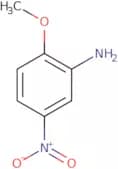
CAS:3-Methoxy-4-t-Butyl-Benzoic acid is a building block that can be used in the synthesis of a variety of organic compounds. This chemical has been used as a reagent, as well as in research and development. It is also used to synthesize complex compounds and may be used as a versatile building block or intermediate for reactions.Formula:C12H16O3Purity:Min. 95%Molecular weight:208.25 g/mol2-Methoxy-5-nitroaniline
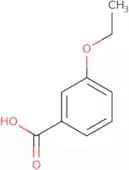
CAS:<p>2-Methoxy-5-nitroaniline is a nitro compound that is cytotoxic at high doses. It is a diazonium salt that can be synthesised from hydrochloric acid and nitrous acid. The toxicity of 2-methoxy-5-nitroaniline has been tested in rats and found to have significant cytotoxicity at doses of 5000 mg/kg, with a LD50 of 2700 mg/kg. The chemical structure of 2-methoxy-5-nitroaniline consists of an amine group, two nitro groups, and two methyl groups. This compound can be synthesized by reacting ammonia with formaldehyde in the presence of nitric acid. 2-Methoxy-5-nitroaniline has shown to inhibit transcription polymerase chain reactions (PCR) in mouse erythrocytes at concentrations as low as 0.1 mM. Dietary</p>Formula:C7H8N2O3Purity:95%NmrColor and Shape:PowderMolecular weight:168.15 g/mol3-Ethoxybenzoic acid
CAS:<p>3-Ethoxybenzoic acid is an organic compound that is used as a ligand in biochemistry. It has been shown to be active in the monooxygenase activity of human cytochrome P450 enzymes, including CYP1A2 and CYP3A4. 3-Ethoxybenzoic acid binds to the ferredoxin molecule, which is a hydrogen-accepting cofactor found in many electron transfer reactions. The orientation of 3-ethoxybenzoic acid with respect to the ferredoxin molecule determines its catalytic activity. Crystallography studies have revealed that 3-ethoxybenzoic acid can bind to two water molecules and one hydroxide ion, stabilizing the ferredoxin molecule and increasing its catalytic activity.</p>Formula:C9H10O3Purity:Min. 95%Color and Shape:PowderMolecular weight:166.17 g/mol2-Hydroxy-6-methoxybenzoic acid methyl ester
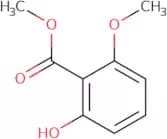
CAS:<p>2-Hydroxy-6-methoxybenzoic acid methyl ester is a biologically active molecule that has been shown to have antibacterial activity. It is structurally similar to the natural compound 2,6-dimethoxyphenol and can be used as a substitute for this compound in bioassays. The antibacterial activity of 2-hydroxy-6-methoxybenzoic acid methyl ester is due to its ability to inhibit enzymes involved in DNA repair and cell division. This compound also inhibits the growth of cancer cells and weevils by interfering with their metabolism.</p>Formula:C9H10O4Purity:Min. 95%Color and Shape:PowderMolecular weight:182.17 g/mol3-Ethoxybenzamide
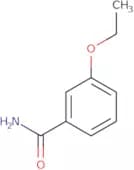
CAS:<p>3-Ethoxybenzamide is a crystalline compound that can form complexes with metal ions. It has been shown to inhibit bacterial growth by binding to the enzyme thiourea, which is essential for the biosynthesis of thiamine. 3-Ethoxybenzamide also inhibits the production of hydrogen sulfide, which is produced by bacteria and a cause of foul odors. 3-Ethoxybenzamide has been shown to have antibacterial activity against Gram-positive bacteria such as Staphylococcus aureus and Streptococcus pyogenes. 3-Ethoxybenzamide also inhibits the growth of Gram-negative bacteria such as Escherichia coli and Salmonella typhimurium. This compound has also been shown to have anti-inflammatory activities through its ability to inhibit prostaglandin synthesis in mice.</p>Formula:C9H11NO2Purity:Min. 95%Color and Shape:PowderMolecular weight:165.19 g/molCarboxymethoxyamine hemihydrochloride
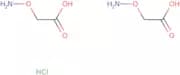
CAS:Carboxymethoxyamine hemihydrochloride (CMAH) is a gamma-aminobutyric acid analogue that has inhibitory properties. It is used in the treatment of syncytial virus infections and has been shown to reduce the severity of symptoms, as well as shorten the course of the disease. CMAH binds to the receptors in cells that are sensitive to gamma-aminobutyric acid. This binding inhibits uptake of calcium ions into cells, thereby reducing intracellular Ca2+ levels and inhibiting synaptic transmission. CMAH also has an effect on aminotransferase activity, which may be due to its ability to inhibit protein synthesis or dephosphorylate proteins.Formula:C2H5NO3HClColor and Shape:White PowderMolecular weight:109.3 g/mol2-Ethoxybenzaldehyde
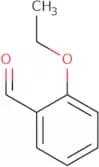
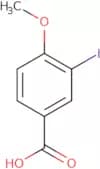
CAS:<p>2-Ethoxybenzaldehyde is an organic compound that has been found to be a potential anticancer agent. It inhibits the growth of tumor cells in vitro, by inhibiting the PI3K/Akt signaling pathway. 2-Ethoxybenzaldehyde also has antibacterial activity against Gram-positive bacteria, such as P. aeruginosa, by binding to the nitrogen atoms on the cell wall and disrupting their function. The molecule has a functional group that reacts with metal cations, which helps to explain its chemical nature and its reaction mechanism. The molecule is soluble in water but not in organic solvents. 2-Ethoxybenzaldehyde crystallizes as a white solid with a monoclinic crystal system and can react with salicylaldehyde to produce benzalmalonic acid.</p>Formula:C9H10O2Purity:Min. 97 Area-%Color and Shape:Clear LiquidMolecular weight:150.17 g/mol3-Iodo-4-methoxybenzoic acid
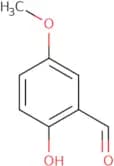
CAS:<p>3-Iodo-4-methoxybenzoic acid is a biaryl compound that can be synthesized by the cross-coupling reaction of an aryl boronic acid and benzene. 3-Iodo-4-methoxybenzoic acid is a good substrate for Suzuki cross-coupling reactions. The optimisation of this reaction requires sterically unhindered substrates, high solvents, and refluxing conditions. 3-Iodo-4-methoxybenzoic acid is also suitable for the synthesis of esters by esterification with alcohols in the presence of a catalytic amount of acid.</p>Formula:C8H7IO3Purity:Min. 95%Molecular weight:278.04 g/mol2-Hydroxy-5-methoxybenzaldehyde
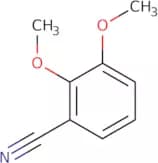
CAS:2-Hydroxy-5-methoxybenzaldehyde is a colorless, water-soluble liquid that has been used as a chemical intermediate in the synthesis of pharmaceuticals. It is also an antiinflammatory agent that inhibits acetylcholinesterase. 2-Hydroxy-5-methoxybenzaldehyde binds to copper ions by means of hydrogen bonding interactions and forms stable complexes with nitrogen atoms such as amides, nitriles, and hydrazones. 2HMB has been shown to have antiinflammatory activity in animal studies. This compound has a redox potential of -0.8 V, which indicates it can be oxidized by strong oxidizing agents or reduced by strong reducing agents.Formula:C8H8O3Purity:Min. 95%Color and Shape:Colorless Clear LiquidMolecular weight:152.15 g/mol2,3-Dimethoxybenzonitrile
CAS:2,3-Dimethoxybenzonitrile is a useful building block for the synthesis of complex compounds. It is used in the manufacture of pharmaceuticals and agrochemicals. 2,3-Dimethoxybenzonitrile can be used as a reactant or intermediate in organic synthesis. It is also known to have antioxidant properties.Formula:C9H9NO2Purity:Min. 95%Molecular weight:163.17 g/mol2-indol-3-yl-2-oxo-N-(4-(trifluoromethoxy)phenyl)ethanamide
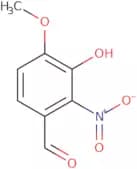
CAS:Please enquire for more information about 2-indol-3-yl-2-oxo-N-(4-(trifluoromethoxy)phenyl)ethanamide including the price, delivery time and more detailed product information at the technical inquiry form on this pageFormula:C17H11F3N2O3Purity:Min. 95%Color and Shape:PowderMolecular weight:348.28 g/mol3-Hydroxy-4-methoxy-2-nitrobenzaldehyde
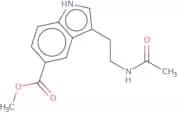
CAS:3-Hydroxy-4-methoxy-2-nitrobenzaldehyde is a ternary complex that has been adsorbed onto the surface of an ion exchange resin. The adsorption process occurs through the formation of hydrogen bonds between the hydroxyl groups on the resin and the hydroxyl groups on the molecule. This complex is also soluble in chloroform, which may be due to its ability to form hydrogen bonds with itself and other molecules. The 3-hydroxy group on this molecule has been shown to react reductively with nitrophenol, forming a nitroso derivative. 3-Hydroxy-4-methoxy-2-nitrobenzaldehyde has been used as a template for the microbiological assay of azides and quinones.Formula:C8H7NO5Purity:Min. 95%Molecular weight:197.14 g/molN-Acetyl-5-carboxymethoxy tryptamine
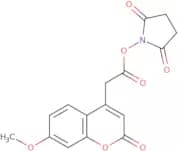
CAS:<p>N-Acetyl-5-carboxymethoxy tryptamine is a versatile building block that is used as a reagent and in the synthesis of complex compounds. It can also be used as an intermediate or a reaction component in the synthesis of other compounds. This compound has been shown to have high quality and, when used as an intermediate, can serve as a useful scaffold for the synthesis of new molecules. N-Acetyl-5-carboxymethoxy tryptamine belongs to CAS No. 1397243-36-5, which is a speciality chemical that is not regulated by law.</p>Formula:C14H16N2O3Purity:Min. 95%Molecular weight:260.29 g/mol7-Methoxycoumarin-4-acetic acid N-succinimidyl ester
CAS:<p>7-Methoxycoumarin-4-acetic acid N-succinimidyl ester is a fluorescent probe for the detection of metalloproteinases. It has been used in assays to measure matrix metalloproteinase activity and to study the kinetics of these enzymes. This compound can be used as a fluorescence focus for the study of extracellular matrix regulation. 7-Methoxycoumarin-4-acetic acid N-succinimidyl ester inhibits matrix metalloproteinases by binding to their active site and blocking access to substrates, preventing the breakdown of extracellular matrix proteins.</p>Formula:C16H13NO7Purity:Min. 97 Area-%Color and Shape:Off-White PowderMolecular weight:331.28 g/mol2,6-Dimethoxy-4-methylbenzyl alcohol
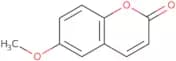
CAS:<p>2,6-Dimethoxy-4-methylbenzyl alcohol is a high quality, versatile building block that is used as a reagent. The chemical has been shown to be a useful intermediate in the production of fine chemicals and speciality chemicals. 2,6-Dimethoxy-4-methylbenzyl alcohol can be used as a reaction component in the production of research chemicals and versatile building blocks. This compound can be found on CAS registry number 875664-51-0.</p>Formula:C10H14O3Purity:Min. 95%Color and Shape:PowderMolecular weight:182.22 g/mol6-Methoxycoumarin
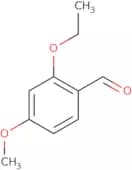
CAS:<p>6-Methoxycoumarin is a potent inhibitor drug that inhibits the activity of monoamine oxidase (MAO). It has been shown to have anti-feedant properties in laboratory experiments and is used as an antifeedant. 6-Methoxycoumarin also fluoresces under ultraviolet light, which can be used to identify its presence in a solution. 6-Methoxycoumarin is a derivative of coumarin and has the same skeleton with two methoxy groups attached. The compound can be identified by its chemical structure and predictable fluorescence properties. 6-Methoxycoumarin has been shown to bind to amines, which are organic compounds containing nitrogen, on the chromatographic column, allowing for easy detection.</p>Formula:C10H8O3Purity:Min. 95%Color and Shape:PowderMolecular weight:176.17 g/mol2-Ethoxy-4-methoxybenzaldehyde
CAS:<p>2-Ethoxy-4-methoxybenzaldehyde is a volatile compound that has been shown to have medicinal properties. It is used to analyze the presence of alcohols and aldehydes in various products. The sensitivity of this compound was optimized by using an analytical method that involved solid phase microextraction (SPME) followed by gas chromatography (GC). The carcinogenicity of this compound was determined by exposing it to rats in a 2 year study, which showed no evidence of carcinogenicity. This compound can also be used as a phenolic or microextraction reagent for the headspace analysis of volatile compounds.</p>Formula:C10H12O3Purity:Min. 95%Color and Shape:PowderMolecular weight:180.2 g/mol2-Methoxybenzamide
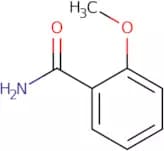
CAS:<p>2-Methoxybenzamide is an amide with a p-hydroxybenzoic acid moiety. It has been shown to be an effective inhibitor of the enzyme histone deacetylase, which is involved in the regulation of gene expression. 2-Methoxybenzamide also has antiinflammatory activity and has minimal toxicity. This drug is used as a research tool for studying the immune system and its effects on hyperproliferative diseases such as cancer and autoimmune diseases. 2-Methoxybenzamide can also be used to treat metabolic disorders and physiological effects. The drug binds to intracellular targets through intermolecular hydrogen bonds that are mainly found in protein structures, including cytochrome P450s, protein kinases, DNA polymerases, transcription factors, and proteases.</p>Formula:C8H9NO2Purity:Min. 95%Color and Shape:PowderMolecular weight:151.16 g/mol6,6'-Dihydroxy-5,5'-dimethoxy- [1,1'-biphenyl]-3,3'-dicarboxaldehyde
CAS:6,6'-Dihydroxy-5,5'-dimethoxy-[1,1'-biphenyl]-3,3'-dicarboxaldehyde (DDM) is a molecule that belongs to the class of organic compounds known as phenols. DDM has been shown to be an inhibitor of the enzyme activity of lysine residues and protocatechuic acid production. DDM also inhibits 5-carboxyvanillic acid production by competitively binding to the enzyme's active site. DDM has been shown to have antibacterial activity against wild-type strains of Staphylococcus aureus and Escherichia coli.Formula:C16H14O6Purity:Min. 95 Area-%Color and Shape:Yellow PowderMolecular weight:302.28 g/mol3,4,5-Trimethoxybenzonitrile
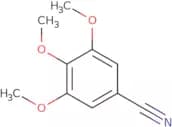
CAS:3,4,5-Trimethoxybenzonitrile is a drug that is used in the treatment of cancer. It inhibits the growth of cancer cells by binding to the benzodiazepine receptor. This drug also has anticancer activity and is used as an acidic hydrate in clinical medicine to treat cancer. 3,4,5-Trimethoxybenzonitrile has been shown to have antitumor effects in human adenocarcinoma cells by inhibiting the synthesis of DNA and RNA. It also inhibits cellular protein synthesis and induces cell death due to its ability to inhibit topoisomerase II activity.Formula:C10H11NO3Purity:Min. 95%Color and Shape:PowderMolecular weight:193.2 g/mol8-Hydroxy-7-methoxy-2-oxo-2H-1-benzopyran-3-carboxylic acid
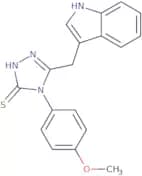
<p>8-Hydroxy-7-methoxy-2-oxo-2H-1-benzopyran-3-carboxylic acid is a versatile building block with a broad range of applications. It has been used in the synthesis of many complex compounds and research chemicals, including CAS No. 1207819-96-6. This chemical can be used as a reagent to produce important biological molecules such as antibiotics, antivirals, and antihypertensives.</p>Formula:C11H7NO8Purity:Min. 95%Color and Shape:Green SolidMolecular weight:281.18 g/mol5-(Indol-3-ylmethyl)-4-(4-methoxyphenyl)-1,2,4-triazole-3-thiol
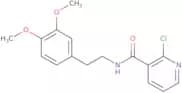
CAS:Please enquire for more information about 5-(Indol-3-ylmethyl)-4-(4-methoxyphenyl)-1,2,4-triazole-3-thiol including the price, delivery time and more detailed product information at the technical inquiry form on this pageFormula:C18H16N4OSPurity:Min. 95%Color and Shape:PowderMolecular weight:336.41 g/molN-(2-(3,4-dimethoxyphenyl)ethyl)(2-chloro(3-pyridyl))formamide
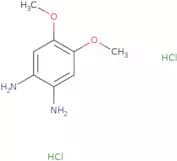
CAS:Please enquire for more information about N-(2-(3,4-dimethoxyphenyl)ethyl)(2-chloro(3-pyridyl))formamide including the price, delivery time and more detailed product information at the technical inquiry form on this pagePurity:Min. 90%4,5-Dimethoxy-1,2-phenylenediamine hydrochloride
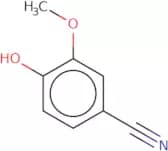
CAS:<p>Produces fluorescent benzimidazole derivatives; detects aromatic aldehydes</p>Formula:C8H14N2O2•xHClPurity:Min. 98%Color and Shape:Purple PowderMolecular weight:241.11 g/mol4-Hydroxy-3-methoxybenzonitrile
CAS:<p>4-Hydroxy-3-methoxybenzonitrile is a synthetic compound that is used in the synthesis of a variety of other organic compounds. The hydroxyl group on the 3-position of this molecule reacts with nitrogen nucleophiles, such as tetrazole, to form amides. 4-Hydroxy-3-methoxybenzonitrile also has the ability to act as a substrate for tyrosinase and demethylate. This property makes it useful in the synthesis of linear dNMPs and oligodeoxynucleotides.</p>Formula:C8H7NO2Purity:Min. 98%Color and Shape:PowderMolecular weight:149.15 g/mol



![(S)-2-((((9H-Fluoren-9-yl)methoxy)carbonyl)amino)-3-(1H-pyrrolo[2,3-b]pyridin-3-yl)propanoic acid](/_next/image/?url=https%3A%2Fstatic.cymitquimica.com%2Fproducts%2F3D%2Fthumb-webp%2FFF154979.webp&w=3840&q=75)


![2-[(2-Carboxyphenyl)amino]-3-methoxybenzoic acid](/_next/image/?url=https%3A%2Fstatic.cymitquimica.com%2Fproducts%2F3D%2Fthumb-webp%2FFC19799.webp&w=3840&q=75)






![6,6'-Dihydroxy-5,5'-dimethoxy- [1,1'-biphenyl]-3,3'-dicarboxaldehyde](/_next/image/?url=https%3A%2Fstatic.cymitquimica.com%2Fproducts%2F3D%2Fthumb-webp%2FFD71561.webp&w=3840&q=75)