Ethers
Ethers are organic compounds containing an ether functional group, characterized by an oxygen atom bonded to two hydrocarbon radicals. These compounds are valuable in synthesis and serve as solvents in various chemical reactions. At CymitQuimica, we offer a selection of high-quality ethers to support your research and industrial applications, ensuring reliable and effective results. Our range of ethers meets diverse laboratory requirements, from routine experiments to advanced research.
Found 40712 products of "Ethers"
Sort by
Purity (%)
0
100
|
0
|
50
|
90
|
95
|
100
5-Ethoxy-2-mercaptobenzimidazole
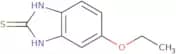
CAS:<p>5-Ethoxy-2-mercaptobenzimidazole is a corrosion inhibitor that has been shown to inhibit the growth of cancer cells by causing them to undergo apoptotic cell death. It also has a protective effect on nerve cells, as evidenced by its ability to prevent the neurotoxic effects of hydrochloric acid. 5-Ethoxy-2-mercaptobenzimidazole is synthesized from 2-(2'-hydroxyethoxy)benzaldehyde and ethyl chloroformate in the presence of sodium chloride and hydrochloric acid. It is then converted into 5-ethoxy-2-mercaptobenzimidazole with sodium hydroxide.</p>Formula:C9H10N2OSPurity:Min. 95%Color and Shape:PowderMolecular weight:194.25 g/mol(R)-2-((tert-Butoxycarbonyl)amino)-3-methoxypropanoic acid
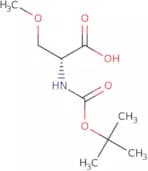
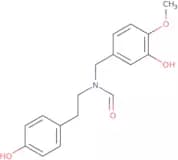
CAS:<p>(R)-2-((tert-Butoxycarbonyl)amino)-3-methoxypropanoic acid (BAAM) is a potent, orally bioavailable, and pharmacokinetically well-characterized inhibitor of blood coagulation that has been shown to be effective in animal models. BAAM inhibits the activity of tissue factor (TF), an enzyme that initiates the blood coagulation cascade. TF is important for hemostasis because it is activated by contact with blood and tissue factors such as collagen or thrombin. BAAM has shown some promise as a potential treatment for thrombosis, which can lead to heart attacks and strokes.</p>Formula:C9H17NO5Purity:Min. 95%Molecular weight:219.24 g/molN-(p-Hydroxyphenethyl)-N-(3-hydroxy-4-methoxybenzyl)formamide
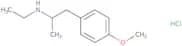
CAS:Controlled Product<p>Please enquire for more information about N-(p-Hydroxyphenethyl)-N-(3-hydroxy-4-methoxybenzyl)formamide including the price, delivery time and more detailed product information at the technical inquiry form on this page</p>Formula:C17H19NO4Purity:Min. 95%Molecular weight:301.34 g/molN-Ethyl-4-methoxy amphetamine hydrochloride
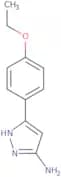
CAS:Controlled Product<p>Please enquire for more information about N-Ethyl-4-methoxy amphetamine hydrochloride including the price, delivery time and more detailed product information at the technical inquiry form on this page</p>Formula:C12H20ClNOPurity:Min. 95%Molecular weight:229.75 g/mol5-(4-Ethoxyphenyl)-1H-pyrazol-3-amine
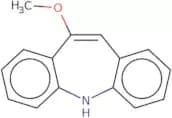
CAS:<p>Please enquire for more information about 5-(4-Ethoxyphenyl)-1H-pyrazol-3-amine including the price, delivery time and more detailed product information at the technical inquiry form on this page</p>Formula:C11H13N3OPurity:Min. 95%Molecular weight:203.24 g/mol10-Methoxy iminostilbene
CAS:<p>10-Methoxy iminostilbene is a photophysical that has been shown to be toxic to mouse erythrocytes and to inhibit the DNA polymerase activity of calf thymus. It has also been shown to inhibit the growth of bacteria in an industrial process. 10-Methoxy iminostilbene is insoluble in water and organic solvents, which makes it difficult to purify. 10-Methoxy iminostilbene also has high levels of impurities and is sensitive to hydrochloric acid, methylbenzene, and amines. The functional groups present on this molecule are carbonyl, nitro, hydroxyls, ethers, amides, esters, ketones.</p>Formula:C15H13NOPurity:95%NmrColor and Shape:SolidMolecular weight:223.27 g/mol2-[(Dimethylamino)methylene]-5-(2,3,4-trimethoxyphenyl)cyclohexane-1,3-dione
CAS:Controlled Product<p>Please enquire for more information about 2-[(Dimethylamino)methylene]-5-(2,3,4-trimethoxyphenyl)cyclohexane-1,3-dione including the price, delivery time and more detailed product information at the technical inquiry form on this page</p>Formula:C18H23NO5Purity:Min. 95%Molecular weight:333.38 g/molN-(Ethoxycarbonylphenyl)-N'-methyl-N'-phenylformamidine
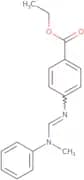
CAS:<p>Please enquire for more information about N-(Ethoxycarbonylphenyl)-N'-methyl-N'-phenylformamidine including the price, delivery time and more detailed product information at the technical inquiry form on this page</p>Formula:C15H14N2O2Purity:Min. 95%Molecular weight:254.28 g/mol4-Methoxyphenyl isocyanate
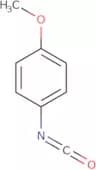
CAS:<p>4-Methoxyphenyl isocyanate (4MPIC) is a reactive organic compound that is used in the synthesis of polymers. 4MPIC reacts with amines to form amides, and can be used as a photophysical probe to study reaction mechanisms. It has been shown to react with hydroxy groups in polymers and form an insoluble polymer. 4MPIC also has antibacterial activity, although it is not active against all bacteria. This compound also reacts with chlorine atoms to form heterocycles, which are efficient for the synthesis of pharmaceuticals.</p>Formula:C8H7NO2Purity:Min. 95%Color and Shape:Clear LiquidMolecular weight:149.15 g/mol4-Methoxy retinoic acid
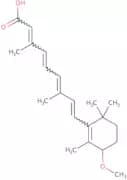
CAS:<p>Please enquire for more information about 4-Methoxy retinoic acid including the price, delivery time and more detailed product information at the technical inquiry form on this page</p>Formula:C21H30O3Purity:Min. 95%Molecular weight:330.46 g/mol(S)-1,2,3,4,5,6,7,8-Octahydro-1-[(4-methoxyphenyl)methyl]isoquinoline (acetate salt )
CAS:<p>(S)-1,2,3,4,5,6,7,8-Octahydro-1-[(4-methoxyphenyl)methyl]isoquinoline (acetate salt ) is a diphosphine that can be used as a catalyst to produce formic acid from methanol and carbon monoxide. This product is an enantiomer of picric acid and has been shown to be an effective additive in the crystallization of picric acid. The acetate salt is also optically pure.</p>Purity:Min. 95%Dimethyl 7,7'-dimethoxy-[4,4'-bibenzo[d][1,3]dioxole]-5,5'-dicarboxylate
CAS:<p>Dimethyl 7,7'-dimethoxy-[4,4'-bibenzo[d][1,3]dioxole]-5,5'-dicarboxylate is a biocompatible polymer that can be used in the treatment of liver injury. It has been shown to have an inhibitory effect on hepatic enzyme activities and synchronous fluorescence. Dimethyl 7,7'-dimethoxy-[4,4'-bibenzo[d][1,3]dioxole]-5,5'-dicarboxylate can be used as a matrix for curcuma aromatica to remove wastewater contaminants. This polymer also has the ability to inhibit monoethyl ether-induced liver injury in low-dose groups and reduce hepatitis B virus replication.</p>Formula:C20H18O10Purity:Min. 95%Molecular weight:418.35 g/mol2-[(2-Methoxyphenoxy)methyl]oxirane
CAS:<p>2-[(2-Methoxyphenoxy)methyl]oxirane is an organic compound that is used in the synthesis of other compounds and in the industrial process. It is also used as a reactant in some catalytic processes, for example, hydroxylation. 2-[(2-Methoxyphenoxy)methyl]oxirane has a hydroxyl group at the end of its structure, which makes it an organic solvent. This compound can be synthesized from chloropropane and sodium hydroxide solution. The viscosity of this compound is low and it has a developable surface. The structural formula for 2-[(2-Methoxyphenoxy)methyl]oxirane is shown below: HNCHCOCHCHOH</p>Formula:C10H12O3Purity:Min. 95%Molecular weight:180.2 g/mol1-(3,5-Dimethoxyphenyl)piperazine
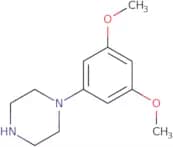
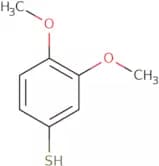
CAS:Controlled Product<p>1-(3,5-Dimethoxyphenyl)piperazine (1DMPP) is a phenylpiperazine derivative that has shown anticancer activity in vitro against human cancer cells. It is orally bioavailable and has been found to inhibit the growth of cancer cells in vivo. 1DMPP is metabolized by the liver into a number of metabolites that are excreted via the kidneys. The pharmacokinetic properties of 1DMPP have been studied in rats and mice, which revealed that it is well absorbed when administered orally and has a short terminal half-life. In vitro studies have demonstrated that 1DMPP inhibits cell growth through inhibition of protein synthesis and DNA replication.</p>Formula:C12H18N2O2Purity:Min. 95%Molecular weight:222.28 g/mol3,4-Dimethoxythiophenol
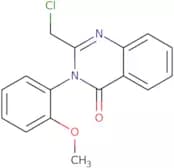
CAS:<p>3,4-Dimethoxythiophenol is a chemical compound that is used as a fluorescence probe to study biological functions in cells. It reacts with hydroxyl groups and other reactive sites on proteins, including sulfhydryl groups, thiols, and amines. 3,4-Dimethoxythiophenol has been shown to inhibit the viability of cancer cells (e.g., prostate cancer cells) by interfering with the function of dehydrogenase enzymes. 3,4-Dimethoxythiophenol also inhibits growth of microglia (cells that protect neurons) in vitro. This inhibition is due to the production of reactive oxygen species by the microglial cells. The chemical structure of this compound includes a hydroxyl group and two methoxy groups.</p>Formula:C8H10O2SPurity:Min. 95%Color and Shape:Clear LiquidMolecular weight:170.23 g/mol2-(Chloromethyl)-3-(2-methoxyphenyl)quinazolin-4(3H)-one
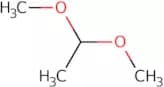
CAS:Controlled Product<p>Please enquire for more information about 2-(Chloromethyl)-3-(2-methoxyphenyl)quinazolin-4(3H)-one including the price, delivery time and more detailed product information at the technical inquiry form on this page</p>Formula:C16H13ClN2O2Purity:Min. 95%Molecular weight:300.74 g/mol1,1-Dimethoxyethane
CAS:<p>1,1-Dimethoxyethane is an organic compound that belongs to the group of isatin derivatives. It has inhibitory activity against acetal formation and can be used as a solvent in chemical reactions. 1,1-Dimethoxyethane also inhibits cancer cell growth by interfering with the production of carboxylic acids. This compound may also have therapeutic effects on Alzheimer's disease and vascular diseases such as atherosclerosis and angina pectoris.</p>Formula:C4H10O2Purity:Min. 95%Color and Shape:Clear LiquidMolecular weight:90.12 g/mol4-Chloro-2-methoxy-5-methylaniline
CAS:<p>4-Chloro-2-methoxy-5-methylaniline is a dye molecule that is used in the synthesis of other molecules, such as diketene. It is also used as a solvent, coupling agent, and a dye molecule. This compound can be synthetically prepared by reacting naphthylamine with pyrazolone. The reaction requires catalytic amounts of polyvalent metal salts, such as zinc chloride or iron(III) chloride. The halogenation of 4-chloro-2-methoxy-5-methylaniline to produce 2,4,5-trichlorophenol can be achieved by diazotising the molecule with sodium nitrite and potassium dichromate. 4-Chloro-2-methoxy-5 methylaniline's substituents are methyl groups on the phenyl ring (Cl) and chlorine atoms (C1). Derivatives of this</p>Formula:C8H10ClNOPurity:Min. 95%Molecular weight:171.62 g/mol4,5-Dihydro-5a-methoxy D-(-)-norgestrel
CAS:<p>Please enquire for more information about 4,5-Dihydro-5a-methoxy D-(-)-norgestrel including the price, delivery time and more detailed product information at the technical inquiry form on this page</p>Formula:C22H32O3Purity:Min. 95%Molecular weight:344.49 g/molN-Methyl-1-(3,4,5-trimethoxyphenyl)methanamine hydrochloride
CAS:Controlled Product<p>Please enquire for more information about N-Methyl-1-(3,4,5-trimethoxyphenyl)methanamine hydrochloride including the price, delivery time and more detailed product information at the technical inquiry form on this page</p>Formula:C11H17NO3Purity:Min. 95%Molecular weight:211.26 g/mol2-Methoxy promazine
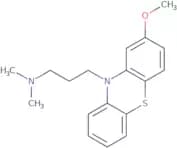
CAS:Controlled Product<p>2-Methoxy promazine is a phenothiazine antipsychotic drug which has been used to treat chronic schizophrenia. It binds to the D2 receptor, and it is one of the most potent antipsychotic drugs for this receptor. 2-Methoxy promazine also binds to dopamine receptors, with a binding constant of 0.1 nM. 2-Methoxy promazine may be useful in the treatment of bowel disease because it has been shown to decrease bowel motility and increase colonic tone. 2-Methoxy promazine is not metabolized by cytochrome P450 enzymes, but it does have photochemical properties that can cause skin damage when exposed to sunlight. It is also an analog of promethazine, which belongs to the class of phenothiazine drugs. Promethazine is synthesized from 2-methylaminophenol and methylamine through a series of transfer reactions and hydrogen bonding.</p>Formula:C18H22N2OSPurity:Min. 95%Color and Shape:PowderMolecular weight:314.45 g/mol2-(2,5-Dimethoxyphenyl)ethylformamide
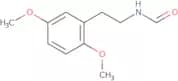
CAS:Controlled Product<p>Please enquire for more information about 2-(2,5-Dimethoxyphenyl)ethylformamide including the price, delivery time and more detailed product information at the technical inquiry form on this page</p>Formula:C11H15NO3Purity:Min. 95%Molecular weight:209.24 g/mol2,6-Dimethoxybenzoyl Chloride
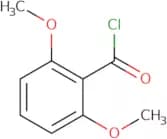
CAS:<p>2,6-Dimethoxybenzoyl chloride is a halide that is used in the synthesis of other compounds. It can be synthesized by the reaction of methoxy groups with demethylation and regiospecific chlorination. This compound has been used to synthesize other substances, such as 2-chloro-2′,6′-diethoxybenzophenone. 2,6-Dimethoxybenzoyl chloride also has enzymatic activity that can be catalyzed by chromatographic science. The chloride ion is the most common anion found in living cells and it is involved in a variety of reactions. Dimethoxybenzamido and tribromide are two types of organic compounds that contain chlorine.</p>Formula:C9H9ClO3Purity:Min. 95%Molecular weight:200.62 g/mol3-Amino-4-methoxypyridine
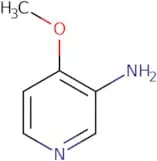
CAS:<p>3-Amino-4-methoxypyridine is a molecule that has been shown to have anesthetic activity. It has been shown to inhibit the uptake of glycogen by glioblastoma cells and decrease the rate of glycogen synthesis in these cells. 3-Amino-4-methoxypyridine also inhibits the production of ATP in cardiac muscle cells, which may be due to its ability to inhibit glycogen synthase kinase-3 (GSK3) and glycogen synthase. This drug also inhibits cancer cell growth by inhibiting protein synthesis, as well as inflammatory disease progression by inhibiting NFκB activation and cytokine production. 3-Amino-4-methoxypyridine can be synthesized from aminopyridines such as isonicotinic acid or nicotinic acid, which are oxidized with hydrogen peroxide and sodium nitrite in the presence of a base catalyst.</p>Formula:C6H8N2OPurity:Min. 95%Molecular weight:124.14 g/mol8-Methoxymethyl-1-methyl-3-(2-methylpropyl) xanthine
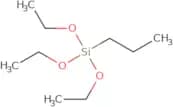
CAS:Controlled Product<p>8-Methoxymethyl-1-methyl-3-(2-methylpropyl) xanthine (8MMX) is an intracellular calcium ion chelator that inhibits enzyme activity in the cyclic nucleotide phosphodiesterase enzyme family. 8MMX has been shown to be a potent inhibitor of both cyclic nucleotide phosphodiesterases and cyclic nucleotide phosphodiesterase isoenzymes. 8MMX has been shown to inhibit bladder contractility and improve bladder function in animal models. It also reduces the incidence of papillary muscle rupture, which can lead to heart failure, and improves ventricular function by increasing the rate of relaxation of the left ventricle.<br>8MMX is a potential treatment for pulmonary hypertension, which is caused by increased concentrations of intracellular calcium ions.</p>Formula:C12H18N4O3Purity:Min. 95%Molecular weight:266.3 g/molTriethoxy(propyl)silane
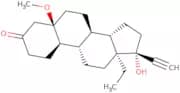
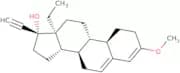
CAS:<p>Triethoxy(propyl)silane is an organosilicon compound that has reactive properties. It is a polymeric material that can be used as a component in paints, coatings, and sealants. The reaction of triethoxy(propyl)silane with sodium hydroxide solution yields hydrogen fluoride, water vapor, and hydrochloric acid. Triethoxy(propyl)silane has been shown to react with hydroxide solution to form polycarboxylic acids. The hydroxyl group on the triethoxy(propyl)silane molecule is responsible for the transport properties of this compound.</p>Formula:C9H22O3SiPurity:Min. 95%Molecular weight:206.35 g/mol(17a)-13-Ethyl-3-methoxy-18,19-dinorpregna-3,5-dien-20-yn-17-ol
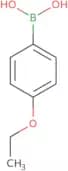
CAS:Controlled Product<p>Please enquire for more information about (17a)-13-Ethyl-3-methoxy-18,19-dinorpregna-3,5-dien-20-yn-17-ol including the price, delivery time and more detailed product information at the technical inquiry form on this page</p>Formula:C22H30O2Purity:Min. 95%Molecular weight:326.47 g/mol(4-Ethoxyphenyl)boronic acid
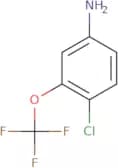
CAS:<p>4-Ethoxyphenylboronic acid is a boron-containing compound that has been shown to have potent antiviral activity. This compound is synthesized from adipose tissue and optical properties of the phenoxazine derivative are studied in order to find an efficient process for solid-phase synthesis. 4-Ethoxyphenylboronic acid has been shown to inhibit triglyceride lipase and fatty acid, which may be an important drug target. It has also been found to have potent antagonistic effects on fatty acids.</p>Formula:C8H11BO3Purity:Min. 95%Molecular weight:165.98 g/mol4-Chloro-3-(trifluoromethoxy)aniline
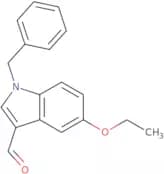
CAS:<p>Please enquire for more information about 4-Chloro-3-(trifluoromethoxy)aniline including the price, delivery time and more detailed product information at the technical inquiry form on this page</p>Formula:C7H5ClF3NOPurity:Min. 95%Color and Shape:Clear LiquidMolecular weight:211.57 g/mol1-Benzyl-5-ethoxy-1H-indole-3-carbaldehyde
CAS:Controlled Product<p>Please enquire for more information about 1-Benzyl-5-ethoxy-1H-indole-3-carbaldehyde including the price, delivery time and more detailed product information at the technical inquiry form on this page</p>Formula:C18H17NO2Purity:Min. 95%Molecular weight:279.33 g/mol3,7,4'-Trihydroxy-5-methoxy-8-prenylflavanone, (2R,3S)-
<p>3,7,4'-Trihydroxy-5-methoxy-8-prenylflavanone, (2R,3S)- is a naturally occurring prenylated flavanone, which is primarily sourced from various plant species. This compound is part of the larger flavonoid family and is often found in certain medicinal plants known for their wide range of therapeutic properties. Its structure comprises a flavanone backbone, modified by hydroxyl, methoxy, and prenyl groups that contribute to its distinctive chemical profile.</p>Purity:Min. 95%4-Bromo-7-methoxy-1H-pyrrolo[2,3-c]pyridine
CAS:<p>Please enquire for more information about 4-Bromo-7-methoxy-1H-pyrrolo[2,3-c]pyridine including the price, delivery time and more detailed product information at the technical inquiry form on this page</p>Purity:Min. 95%2-(4-Methoxyphenyl)benzothiazole
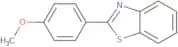
CAS:<p>2-(4-Methoxyphenyl)benzothiazole is a hydrogen-bond acceptor that is activated in the presence of an electron-withdrawing group. It has been shown to have anti-fungal properties and inhibitory properties against bacteria. 2-(4-Methoxyphenyl)benzothiazole also inhibits the activity of topoisomerase, which is an enzyme that controls DNA supercoiling and uncoiling, as well as DNA replication. The mechanism of this inhibition is not known, but it is thought to be due to the ability of 2-(4-methoxyphenyl)benzothiazole to form hydrogen bonds with the active site cysteine residues on topoisomerase I. 2-(4-Methoxyphenyl)benzothiazole also has been shown to be photophysical in nature, absorbing light at wavelengths of 350 nm and 480 nm and emitting light</p>Formula:C14H11NOSPurity:Min. 95%Color and Shape:PowderMolecular weight:241.31 g/mol6-Benzyloxy-5-methoxyindole-2-carboxylic acid
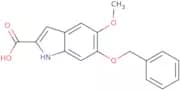
CAS:<p>Please enquire for more information about 6-Benzyloxy-5-methoxyindole-2-carboxylic acid including the price, delivery time and more detailed product information at the technical inquiry form on this page</p>Formula:C17H15NO4Purity:Min. 95%Molecular weight:297.31 g/mol3-(4'-Methoxy-3'-sulfonamidophenyl)-2-propylamine, hydrochloride
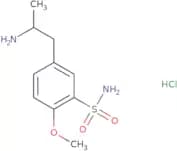
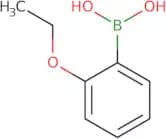
CAS:Controlled Product<p>Please enquire for more information about 3-(4'-Methoxy-3'-sulfonamidophenyl)-2-propylamine, hydrochloride including the price, delivery time and more detailed product information at the technical inquiry form on this page</p>Formula:C10H16N2O3S•HClPurity:Min. 95%Color and Shape:PowderMolecular weight:280.77 g/mol2-Ethoxyphenylboronic acid
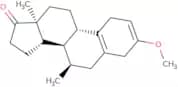
CAS:<p>Ethoxyphenylboronic acid is a triazine compound which inhibits inflammation by inhibiting the kinase that catalyzes the phosphorylation of arachidonic acid. It also inhibits lipid kinase, which is involved in the metabolism of lipids, and it has been shown to inhibit cancer cell growth through hydrogen bond interactions with DNA. Ethoxyphenylboronic acid has been shown to have anti-inflammatory properties and may be useful for the treatment of inflammatory diseases such as arthritis. The compound can also inhibit hydrogen peroxide-induced oxidative damage in cells, due to its ability to release intracellular glutathione.</p>Formula:C8H11BO3Purity:Min. 95%Molecular weight:165.98 g/mol3-Methoxy-7a-methyl-estra-2,5(10)-dien-17-one
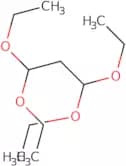
CAS:Controlled Product<p>Please enquire for more information about 3-Methoxy-7a-methyl-estra-2,5(10)-dien-17-one including the price, delivery time and more detailed product information at the technical inquiry form on this page</p>Formula:C20H28O2Purity:Min. 95%Molecular weight:300.44 g/mol1,1,3,3-Tetraethoxypropane
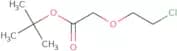
CAS:<p>1,1,3,3-Tetraethoxypropane is a fatty acid that is produced by the metabolism of plant and animal lipids. It has been used as a food additive to bind water and improve texture in baked goods. It also has shown to have antioxidant properties. In addition, 1,1,3,3-Tetraethoxypropane has been shown to be reactive with human feces and inhibit enzyme activities in infectious diseases. This compound is also an autoimmune disease agent that inhibits physiological activities in humans. The bound form of 1,1,3,3-Tetraethoxypropane can be found in human serum and liver cells.</p>Formula:C11H24O4Purity:Min. 95%Color and Shape:Clear LiquidMolecular weight:220.31 g/moltert-Butyl 2-(2-chloroethoxy)acetate
CAS:<p>Please enquire for more information about tert-Butyl 2-(2-chloroethoxy)acetate including the price, delivery time and more detailed product information at the technical inquiry form on this page</p>Formula:C8H15ClO3Purity:Min. 95%Color and Shape:Clear, colourless liquid.Molecular weight:194.66 g/mol2-Chloro-4,6-dimethoxypyrimidine
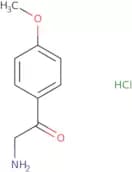
CAS:<p>2-Chloro-4,6-dimethoxypyrimidine is a synthetic compound that is a triazolopyrimidine derivative. It has been shown to have significant antifungal activity against cryptococcus neoformans in toxicity studies. 2-Chloro-4,6-dimethoxypyrimidine is an amine that can be used as a fungicide or pesticide due to its toxicity and effectiveness against fungi. 2-Chloro-4,6-dimethoxypyrimidine has a molecular weight of 196 and contains three functional groups: chlorine, hydrogen chloride, and pyridinium. This compound also has the ability to form covalent bonds with organic molecules such as chloromethyl groups on proteins.</p>Formula:C6H7ClN2O2Purity:Min. 95%Color and Shape:Off-White To Yellow SolidMolecular weight:174.58 g/mol2-Amino-4'-methoxyacetophenone hydrochloride
CAS:Controlled Product<p>Please enquire for more information about 2-Amino-4'-methoxyacetophenone hydrochloride including the price, delivery time and more detailed product information at the technical inquiry form on this page</p>Formula:C9H11NO2·HClPurity:Min. 95%Color and Shape:PowderMolecular weight:201.65 g/mol2-Methoxy-4-methylbenzenethiol
CAS:<p>Please enquire for more information about 2-Methoxy-4-methylbenzenethiol including the price, delivery time and more detailed product information at the technical inquiry form on this page</p>Formula:C8H10OSPurity:Min. 95%Molecular weight:154.23 g/mol4-[2-(Cyclopropylmethoxy)ethyl]phenol
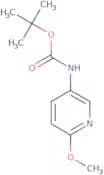
CAS:<p>4-[2-(Cyclopropylmethoxy)ethyl]phenol is a potent beta-blocker that has been used as an antiglaucoma drug. This substance has been shown to have cardiovascular effects, such as vasodilation and peripheral vasoconstriction, that are mediated by its blockade of beta-adrenergic receptors. 4-[2-(Cyclopropylmethoxy)ethyl]phenol also reduces intraocular pressure in the eye, which may be due to its inhibition of prostaglandin synthesis.</p>Formula:C12H16O2Purity:Min. 95%Molecular weight:192.25 g/moltert-Butyl-n-(6-methoxy-3-pyridyl)carbamate
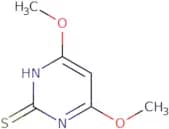
CAS:<p>Please enquire for more information about tert-Butyl-n-(6-methoxy-3-pyridyl)carbamate including the price, delivery time and more detailed product information at the technical inquiry form on this page</p>Formula:C11H16N2O3Purity:Min. 95%Molecular weight:224.26 g/mol2-Mercapto-4,6-dimethoxypyrimidine
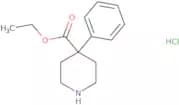
CAS:Controlled Product<p>2-Mercapto-4,6-dimethoxypyrimidine is a chemical reagent that belongs to the group of dibenzalacetone. This compound has been shown to selectively methylate benzene, dihydric alcohols, and aromatic ethers. It can be used in the chemical industry as a reagent for the production of zirconium metal oxide. 2-Mercapto-4,6-dimethoxypyrimidine has also been found to be an effective catalyst for the synthesis of dodecylbenzene from dimethylbenzene and sodium dodecylbenzenesulfonate.</p>Formula:C6H8N2O2SPurity:Min. 95%Color and Shape:PowderMolecular weight:172.21 g/mol4-Phenyl-4-carbethoxy piperidineHCl
CAS:Controlled Product<p>4-Phenyl-4-carbethoxy piperidineHCl is a germanium compound that can be used as a diagnostic agent to detect the presence of magnesium in the blood. It has been shown to bind to acidic and basic sites on the brain, regulating the functions of these regions. The drug has also been shown to have analgesic properties, as it activates opioid receptors in the brain. 4-Phenyl-4-carbethoxy piperidineHCl binds with high affinity to meperidine and naloxone, which are opioid receptor agonists. It is also able to bind to pentazocine, an opioid receptor antagonist. This drug is not active against molybdenum or thebaine.</p>Formula:C14H20ClNO2Purity:Min. 95%Molecular weight:269.77 g/mol7-(2-Carbomethoxyethyl)-5-(2-chlorophenyl)-thieno-1,4-diazepin-2-one
CAS:Controlled Product<p>Please enquire for more information about 7-(2-Carbomethoxyethyl)-5-(2-chlorophenyl)-thieno-1,4-diazepin-2-one including the price, delivery time and more detailed product information at the technical inquiry form on this page</p>Formula:C17H15ClN2O3SPurity:Min. 95%Molecular weight:362.83 g/mol1-Cyclopropyl-7-(2,8-diazabicyclo[4.3.0]non-8-yl)-6-fluoro-8-methoxy-4-oxoquinoline-3-carboxylic acid
CAS:<p>This is a broad-spectrum antibacterial agent that inhibits bacterial DNA gyrase. It is active against atypical bacterial species, such as Chlamydia and Mycoplasma, and has been shown to be effective against certain strains of the methicillin-resistant Staphylococcus aureus (MRSA) bacteria. This drug also inhibits the growth of other bacteria by binding to their DNA. The drug is used in combination with other antibiotics to treat infections caused by Clostridium difficile, Helicobacter pylori, Borrelia burgdorferi, and Salmonella enterica. However, this drug does not work against Pseudomonas aeruginosa or Enterobacteriaceae infections.</p>Formula:C21H24FN3O4Purity:Min. 95%Color and Shape:PowderMolecular weight:401.43 g/mol1-(Chloroacetyl)-4-(4-methoxyphenyl)piperazine
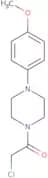
CAS:Controlled Product<p>Please enquire for more information about 1-(Chloroacetyl)-4-(4-methoxyphenyl)piperazine including the price, delivery time and more detailed product information at the technical inquiry form on this page</p>Formula:C13H17ClN2O2Purity:Min. 95%Molecular weight:268.74 g/molMethyl 4-methoxy-1-methyl-1H-indole-2-carboxylate
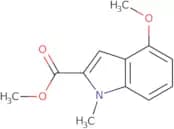
CAS:Controlled Product<p>Please enquire for more information about Methyl 4-methoxy-1-methyl-1H-indole-2-carboxylate including the price, delivery time and more detailed product information at the technical inquiry form on this page</p>Formula:C12H13NO3Purity:Min. 95%Molecular weight:219.24 g/mol

![2-[(Dimethylamino)methylene]-5-(2,3,4-trimethoxyphenyl)cyclohexane-1,3-dione](/_next/image/?url=https%3A%2Fstatic.cymitquimica.com%2Fproducts%2F3D%2Fthumb-webp%2FFD134779.webp&w=3840&q=75)
![(S)-1,2,3,4,5,6,7,8-Octahydro-1-[(4-methoxyphenyl)methyl]isoquinoline (acetate salt )](/_next/image/?url=https%3A%2Fstatic.cymitquimica.com%2Fproducts%2F3D%2Fthumb-webp%2FFO29465.webp&w=3840&q=75)
![Dimethyl 7,7'-dimethoxy-[4,4'-bibenzo[d][1,3]dioxole]-5,5'-dicarboxylate](/_next/image/?url=https%3A%2Fstatic.cymitquimica.com%2Fproducts%2F3D%2Fthumb-webp%2FFD139796.webp&w=3840&q=75)
![2-[(2-Methoxyphenoxy)methyl]oxirane](/_next/image/?url=https%3A%2Fstatic.cymitquimica.com%2Fproducts%2F3D%2Fthumb-webp%2FFM25322.webp&w=3840&q=75)




![4-Bromo-7-methoxy-1H-pyrrolo[2,3-c]pyridine](/_next/image/?url=https%3A%2Fstatic.cymitquimica.com%2Fproducts%2F3D%2Fthumb-webp%2FFB141995.webp&w=3840&q=75)

![4-[2-(Cyclopropylmethoxy)ethyl]phenol](/_next/image/?url=https%3A%2Fstatic.cymitquimica.com%2Fproducts%2F3D%2Fthumb-webp%2FFC20740.webp&w=3840&q=75)

![1-Cyclopropyl-7-(2,8-diazabicyclo[4.3.0]non-8-yl)-6-fluoro-8-methoxy-4-oxoquinoline-3-carboxylic a…](/_next/image/?url=https%3A%2Fstatic.cymitquimica.com%2Fproducts%2F3D%2Fthumb-webp%2FFC102529.webp&w=3840&q=75)