


Ethers
Ethers are organic compounds containing an ether functional group, characterized by an oxygen atom bonded to two hydrocarbon radicals. These compounds are valuable in synthesis and serve as solvents in various chemical reactions. At CymitQuimica, we offer a selection of high-quality ethers to support your research and industrial applications, ensuring reliable and effective results. Our range of ethers meets diverse laboratory requirements, from routine experiments to advanced research.
Found 40712 products of "Ethers"
Sort by
Purity (%)
0
100
|
0
|
50
|
90
|
95
|
100
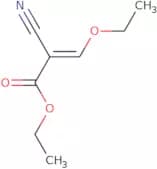
Ethyl (ethoxymethylene) cyanoacetate
CAS:<p>Ethyl (Ethoxymethylene) cyanoacetate is a chemical compound that belongs to the family of aldehyde compounds. It is a colorless liquid at room temperature, with an odor similar to that of acetic acid. The compound has been used in the synthesis of epidermal growth factor and diazonium salts. It has also been used in the production of anti-cancer drugs such as malonic acid, which inhibits tumor growth by inhibiting protein synthesis. Ethyl (Ethoxymethylene) cyanoacetate reacts with quinoline derivatives to form carbon disulphide, which can be used as an antimicrobial agent and insecticide.</p>Formula:C8H11NO3Purity:Min. 95%Color and Shape:PowderMolecular weight:169.18 g/molDimethoxymethane
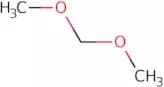
CAS:<p>Dimethoxymethane is a colorless liquid with a sweet odor. Dimethoxymethane has been used as an intermediate in organic synthesis, as well as a solvent for various reactions.</p>Formula:C3H8O2Purity:Min. 95%Molecular weight:76.09 g/molN-Methyl-1-(3,4,5-trimethoxyphenyl)methanamine hydrochloride
CAS:Controlled Product<p>Please enquire for more information about N-Methyl-1-(3,4,5-trimethoxyphenyl)methanamine hydrochloride including the price, delivery time and more detailed product information at the technical inquiry form on this page</p>Formula:C11H17NO3Purity:Min. 95%Molecular weight:211.26 g/mol[1-(2-Methoxyethyl)-1H-indol-3-yl]acetic acid
CAS:Controlled Product<p>Please enquire for more information about [1-(2-Methoxyethyl)-1H-indol-3-yl]acetic acid including the price, delivery time and more detailed product information at the technical inquiry form on this page</p>Formula:C13H15NO3Purity:Min. 95%Molecular weight:233.26 g/mol1-(5-Chloro-2-methoxybenzyl)piperazine
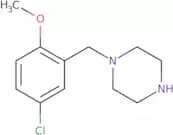
CAS:Controlled Product<p>Please enquire for more information about 1-(5-Chloro-2-methoxybenzyl)piperazine including the price, delivery time and more detailed product information at the technical inquiry form on this page</p>Formula:C12H17ClN2OPurity:Min. 95%Molecular weight:240.73 g/mol2,5-Dimethoxy-4-nitroaniline
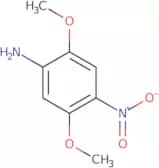
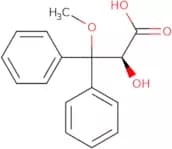
CAS:Controlled Product<p>Please enquire for more information about 2,5-Dimethoxy-4-nitroaniline including the price, delivery time and more detailed product information at the technical inquiry form on this page</p>Formula:C8H10N2O4Purity:Min. 95%Molecular weight:198.18 g/mol(S)-2-Hydroxy-3-methoxy-3,3-diphenylpropionic acid
CAS:<p>This is a crystalline form of the pyrimidine derivative (S)-2-Hydroxy-3-methoxy-3,3-diphenylpropionic acid. The compound has been shown to have antiplatelet properties and is currently being developed as an antithrombotic agent. In vitro studies have shown that ambrisentan inhibits platelet aggregation, thromboxane synthesis, and leukocyte adhesion. It also reduces the levels of serum cholesterol and triglycerides in patients with chronic heart failure. Ambrisentan has been studied in clinical trials for the treatment of pulmonary hypertension associated with chronic obstructive pulmonary disease (COPD) and idiopathic pulmonary fibrosis (IPF).</p>Formula:C16H16O4Purity:Min. 95%Molecular weight:272.3 g/mol4-Methoxy-3-(trifluoromethyl)aniline
CAS:<p>4-Methoxy-3-(trifluoromethyl)aniline is a benzene derivative that is stabilized by the methoxy and trifluoromethyl groups. The crystal structure of 4-methoxy-3-(trifluoromethyl)aniline has been determined to be orthorhombic, with space group Pbca and lattice constants a=6.541(2), b=8.829(2), c=5.744(1) Å at 100 K. This compound has a benzene ring with four methyl substituents on the phenyl ring, two of which are located on the para position. The molecule also contains two O atoms in positions 1 and 2, as well as two F atoms in positions 3 and 4.</p>Formula:C8H8F3NOPurity:Min. 95%Molecular weight:191.15 g/mol5-(2-Aminopropyl)-2-methoxybenzenesulphonamide
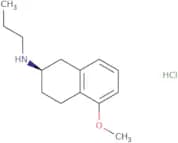
CAS:Controlled Product<p>5-(2-Aminopropyl)-2-methoxybenzenesulphonamide is a trimethyl derivative of the aminopropyl group. It is used as a reagent to introduce hydroxymethyl groups into organic compounds. 5-(2-Aminopropyl)-2-methoxybenzenesulphonamide reacts with hydrochloric acid and an organic solvent in the preparation process. In the Friedel-Crafts reaction, 5-(2-Aminopropyl)-2-methoxybenzenesulphonamide reacts with d-alanine to form an optical isomer, which can be converted to its racemic form by ammonolysis. This compound is also used as a prostatic agent and an amide in the synthesis of benzene and phenoxymethyl alcohols.</p>Formula:C10H16N2O3SPurity:Min. 95%Molecular weight:244.31 g/mol(R)-1,2,3,4-Tetrahydro-5-methoxy-N-propyl-2-naphthalenamine hydrochloride
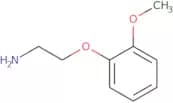
CAS:Controlled Product<p>Please enquire for more information about (R)-1,2,3,4-Tetrahydro-5-methoxy-N-propyl-2-naphthalenamine hydrochloride including the price, delivery time and more detailed product information at the technical inquiry form on this page</p>Formula:C14H22ClNOPurity:Min. 95%Molecular weight:255.78 g/mol2-(2-Methoxyphenoxy)ethylamine base
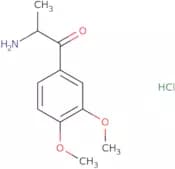
CAS:<p>2-(2-Methoxyphenoxy)ethylamine base is an inorganic base with a hydroxyl group. It is soluble in organic solvents and has been used as a coumarin derivative. 2-(2-Methoxyphenoxy)ethylamine base has shown potential use as an antifungal agent, which may be due to its ability to cause lysis in fungi cells. This compound has also shown in vitro activity against bacteria and viruses, including herpes simplex virus type 1 and HIV-1. The 2-(2-methoxyphenoxy)ethylamine base can be sulfonated or acid catalyzed to produce other derivatives that have potential use as anti-inflammatory or analgesic agents.</p>Formula:C9H13NO2Purity:Min. 95%Molecular weight:167.21 g/mol2-Amino-3',4'-dimethoxypropiophenone hydrochloride
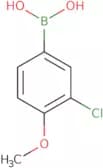
CAS:Controlled Product<p>Please enquire for more information about 2-Amino-3',4'-dimethoxypropiophenone hydrochloride including the price, delivery time and more detailed product information at the technical inquiry form on this page</p>Formula:C11H16ClNO3Purity:Min. 95%Molecular weight:245.7 g/mol3-Chloro-4-methoxyphenylboronic acid
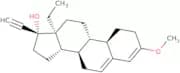
CAS:<p>Please enquire for more information about 3-Chloro-4-methoxyphenylboronic acid including the price, delivery time and more detailed product information at the technical inquiry form on this page</p>Formula:C7H8BClO3Purity:Min. 95%Molecular weight:186.4 g/mol(17a)-13-Ethyl-3-methoxy-18,19-dinorpregna-3,5-dien-20-yn-17-ol
CAS:Controlled Product<p>Please enquire for more information about (17a)-13-Ethyl-3-methoxy-18,19-dinorpregna-3,5-dien-20-yn-17-ol including the price, delivery time and more detailed product information at the technical inquiry form on this page</p>Formula:C22H30O2Purity:Min. 95%Molecular weight:326.47 g/mol4-Chloro-2,5-dimethoxynitrobenzene
CAS:Controlled Product<p>4-Chloro-2,5-dimethoxynitrobenzene (CDMNB) is a solvent and a synthetic intermediate. It is soluble in diethylene, solvents, and sodium formate. CDMNB can be reduced with catalytic reduction or amines to 2,5-dimethoxybenzoic acid. CDMNB has been shown to react with xylene under catalytic conditions to produce 4-chloro-3,5-dimethoxybenzoic acid. This reaction can be monitored by liquid phase chromatography or cyclic voltammetry.</p>Formula:C8H8ClNO4Purity:Min. 95%Molecular weight:217.61 g/mol5-[(2-Methoxyphenoxy)-methyl]-2-oxazolidinone
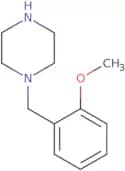
CAS:Controlled Product<p>5-[(2-Methoxyphenoxy)-methyl]-2-oxazolidinone is a pharmacological agent that is structurally similar to rapamycin. It has been shown to inhibit the production of creatine kinase in rat liver microsomes and has been used in studies on degenerative diseases. 5-[(2-Methoxyphenoxy)-methyl]-2-oxazolidinone inhibits the activity of polymerase chain reaction (PCR) by binding to the DNA polymerase and blocking the extension of an oligonucleotide primer. It has also been shown to be toxic to humans, as it can cause fatty acid accumulation and a clinical response. In addition, this drug is enantiopure, meaning that it is composed of only one type of molecule with a specific configuration. The analytical chemistry for this drug includes gas chromatography (GC) and high performance liquid chromatography (HPLC).</p>Formula:C11H13NO4Purity:Min. 95%Color and Shape:White PowderMolecular weight:223.23 g/mol1-(2-Methoxybenzyl)piperazine
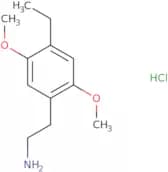
CAS:Controlled Product<p>1-(2-Methoxybenzyl)piperazine (1-MBP) is a multitarget drug that has been shown to have medicinal properties. It inhibits the cholinergic system, which is involved in memory and cognition, as well as pathways such as the inflammatory response and amyloid production. 1-MBP has been shown to inhibit acetylcholinesterase, an enzyme that breaks down acetylcholine, thus increasing the amount of acetylcholine available for signaling. 1-MBP also inhibits cholinesterase, which increases the amount of acetylcholine in the brain. This drug may have synergistic effects with other drugs for Alzheimer's disease, such as donepezil and tacrine. 1-MBP has been used in optimization studies to find new potential treatments for Alzheimer's disease by targeting different aspects of its pathogenesis.</p>Formula:C12H18N2OPurity:Min. 95%Color and Shape:PowderMolecular weight:206.28 g/mol4-Ethyl-2,5-dimethoxy-benzeneethanamineHydrochloride
CAS:Controlled Product<p>4-Ethyl-2,5-dimethoxy-benzeneethanamineHydrochloride is a metabolic substrate of CYP2D6. It is also an inhibitor of CYP1A2 and CYP3A4. The class of 4-Ethyl-2,5-dimethoxy-benzeneethanamineHydrochloride is not yet known. 4-Ethyl-2,5-dimethoxy-benzeneethanamineHydrochloride has been shown to cause toxicity in animal studies. Toxicity may be due to its inhibition of cytochrome P450 enzymes, which are involved in metabolism and detoxification.</p>Formula:C12H20ClNO2Purity:Min. 95%Molecular weight:245.75 g/mol1-(2-Ethoxybenzyl)piperazine
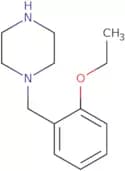
CAS:Controlled Product<p>Please enquire for more information about 1-(2-Ethoxybenzyl)piperazine including the price, delivery time and more detailed product information at the technical inquiry form on this page</p>Formula:C13H20N2OPurity:Min. 95%Molecular weight:220.31 g/mol5[(R)-(2-Aminopropyl)]-2-methoxybenzenesulfonamide hydrochloride
CAS:Controlled Product<p>Please enquire for more information about 5[(R)-(2-Aminopropyl)]-2-methoxybenzenesulfonamide hydrochloride including the price, delivery time and more detailed product information at the technical inquiry form on this page</p>Formula:C10H17ClN2O3SPurity:Min. 95%Molecular weight:280.77 g/moltert-Butyl 4-(2-methoxy-2-oxoethyl)piperazine-1-carboxylate
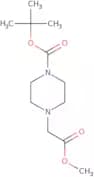
CAS:<p>Please enquire for more information about tert-Butyl 4-(2-methoxy-2-oxoethyl)piperazine-1-carboxylate including the price, delivery time and more detailed product information at the technical inquiry form on this page</p>Formula:C12H22N2O4Purity:Min. 95%Molecular weight:258.31 g/mol1-Benzyl-4-phenylamino-4-(methoxymethyl)piperidine
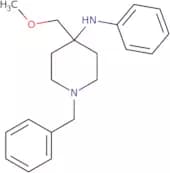
CAS:<p>Please enquire for more information about 1-Benzyl-4-phenylamino-4-(methoxymethyl)piperidine including the price, delivery time and more detailed product information at the technical inquiry form on this page</p>Formula:C20H26N2OPurity:Min. 95%Molecular weight:310.43 g/mol4-Methoxyphenylacetylene
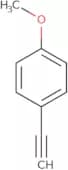
CAS:<p>4-Methoxyphenylacetylene is a phosphane that has been extensively studied for its reactivity in cross-coupling reactions with electron-deficient olefins. 4-Methoxyphenylacetylene has been shown to react with chlorides and form an intermediate chloride, which reacts with an olefin to form an ether. X-ray crystal structures of the reaction mechanism have been determined. The transfer mechanism involves nucleophilic attack of chloride on the phosphorus atom followed by elimination of hydrogen chloride from the phosphorus. The reaction product is an ether.</p>Formula:C9H8OPurity:Min. 95%Color and Shape:White Clear LiquidMolecular weight:132.16 g/mol2,5-Dimethoxy-4-methylamphetamine hydrochloride
CAS:Controlled Product<p>2,5-Dimethoxy-4-methylamphetamine hydrochloride is a molecule that belongs to the class of phenethylamines. It has a serotonergic activity and can be used in the treatment of depression. This drug also affects the dopaminergic system and 5-HT2 receptors. 2,5-Dimethoxy-4-methylamphetamine hydrochloride is an agonist for 5HT1A receptors and an antagonist for 5HT2A and 5HT2C receptors. It has been shown to have a significant effect on locomotor activity in humans. The effects of this drug are dose dependent, with high doses leading to hallucinogenic effects.</p>Formula:C12H20ClNO2Purity:Min. 95%Molecular weight:245.75 g/mol2-Chloro-1-(5-methoxy-1,2-dimethyl-1H-indol-3-yl)ethanone
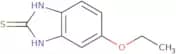
CAS:Controlled Product<p>Please enquire for more information about 2-Chloro-1-(5-methoxy-1,2-dimethyl-1H-indol-3-yl)ethanone including the price, delivery time and more detailed product information at the technical inquiry form on this page</p>Formula:C13H14ClNO2Purity:Min. 95%Molecular weight:251.71 g/mol5-Ethoxy-2-mercaptobenzimidazole
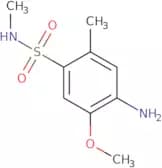
CAS:<p>5-Ethoxy-2-mercaptobenzimidazole is a corrosion inhibitor that has been shown to inhibit the growth of cancer cells by causing them to undergo apoptotic cell death. It also has a protective effect on nerve cells, as evidenced by its ability to prevent the neurotoxic effects of hydrochloric acid. 5-Ethoxy-2-mercaptobenzimidazole is synthesized from 2-(2'-hydroxyethoxy)benzaldehyde and ethyl chloroformate in the presence of sodium chloride and hydrochloric acid. It is then converted into 5-ethoxy-2-mercaptobenzimidazole with sodium hydroxide.</p>Formula:C9H10N2OSPurity:Min. 95%Color and Shape:PowderMolecular weight:194.25 g/mol4-Amino-5-methoxy-2-methyl-N-methylbenzenesulfonamide
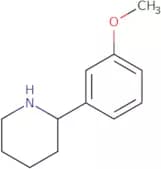
CAS:<p>4-Amino-5-methoxy-2-methyl-N-methylbenzenesulfonamide is a surfactant that is used in the chemical industry to dissolve diazotized aromatic amines. It is also used in the preparation of coupling agents, such as naphthol, and hydrochloric acid. 4-Amino-5-methoxy-2-methylbenzenesulfonamide can be prepared by the diazotization of aniline followed by coupling with hydrochloric acid and sodium phosphate. The product can then be purified by recrystallization from a salt solution containing sodium acetate.</p>Formula:C9H14N2O3SPurity:Min. 95%Molecular weight:230.29 g/mol2-(3-Methoxyphenyl)piperidine
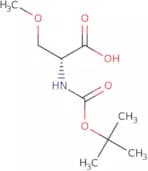
CAS:<p>Please enquire for more information about 2-(3-Methoxyphenyl)piperidine including the price, delivery time and more detailed product information at the technical inquiry form on this page</p>Formula:C12H17NOPurity:Min. 95%Color and Shape:PowderMolecular weight:191.27 g/mol(R)-2-((tert-Butoxycarbonyl)amino)-3-methoxypropanoic acid
CAS:<p>(R)-2-((tert-Butoxycarbonyl)amino)-3-methoxypropanoic acid (BAAM) is a potent, orally bioavailable, and pharmacokinetically well-characterized inhibitor of blood coagulation that has been shown to be effective in animal models. BAAM inhibits the activity of tissue factor (TF), an enzyme that initiates the blood coagulation cascade. TF is important for hemostasis because it is activated by contact with blood and tissue factors such as collagen or thrombin. BAAM has shown some promise as a potential treatment for thrombosis, which can lead to heart attacks and strokes.</p>Formula:C9H17NO5Purity:Min. 95%Molecular weight:219.24 g/mol4-(Benzyloxy)-5-methoxy-2-nitrobenzaldehyde
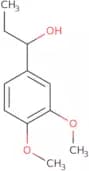
CAS:<p>4-(Benzyloxy)-5-methoxy-2-nitrobenzaldehyde (BOMBA) is an amide with affinity for microtubules. It has been shown to interact with the microtubule lattice and inhibit the polymerization of tubulin. This leads to a decrease in cell viability and cytotoxicity, as well as a decrease in tumor size. In vivo studies have demonstrated that BOMBA inhibits tumor growth by inducing thrombosis and coagulation, which results in reduced blood flow to the tumor. The mechanism of action of BOMBA is thought to be due to its ability to form sulfamates, which are known for their anti-coagulant activity.</p>Formula:C15H13NO5Purity:Min. 95%Molecular weight:287.27 g/mol1-(3',4'-Dimethoxyphenyl)-1-propanol
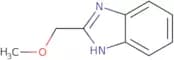
CAS:<p>1-(3’,4’-Dimethoxyphenyl)-1-propanol is a naturally occurring chemical with the molecular formula C10H14O2. It has been found in the bark of Pinus pinaster and the rhizome of Piper auritum. This compound has been shown to have an antiinflammatory effect by inhibiting prostaglandin synthesis. It also inhibits nitrosation reactions and is being studied for its potential as a cancer chemopreventive agent. 1-(3’,4’-Dimethoxyphenyl)-1-propanol is an enantiomer of 2-(3',4'-dimethoxyphenyl)propane-1,3-diol.</p>Formula:C11H16O3Purity:Min. 95%Molecular weight:196.24 g/mol2-(Methoxymethyl)-1H-benzimidazole
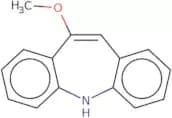
CAS:<p>Please enquire for more information about 2-(Methoxymethyl)-1H-benzimidazole including the price, delivery time and more detailed product information at the technical inquiry form on this page</p>Formula:C9H10N2OPurity:Min. 95%Molecular weight:162.19 g/mol10-Methoxy iminostilbene
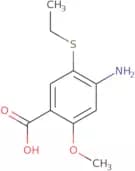
CAS:<p>10-Methoxy iminostilbene is a photophysical that has been shown to be toxic to mouse erythrocytes and to inhibit the DNA polymerase activity of calf thymus. It has also been shown to inhibit the growth of bacteria in an industrial process. 10-Methoxy iminostilbene is insoluble in water and organic solvents, which makes it difficult to purify. 10-Methoxy iminostilbene also has high levels of impurities and is sensitive to hydrochloric acid, methylbenzene, and amines. The functional groups present on this molecule are carbonyl, nitro, hydroxyls, ethers, amides, esters, ketones.</p>Formula:C15H13NOPurity:95%NmrColor and Shape:SolidMolecular weight:223.27 g/mol2-Methoxy-4-amino-5-ethylthiobenzoic acid
CAS:<p>Please enquire for more information about 2-Methoxy-4-amino-5-ethylthiobenzoic acid including the price, delivery time and more detailed product information at the technical inquiry form on this page</p>Formula:C10H13NO3SPurity:Min. 95%Molecular weight:227.28 g/molJ147
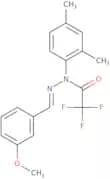
CAS:<p>2,2,2-Trifluoroacetic acid 1-(2,4-dimethylphenyl)-2-[(3-methoxyphenyl)methylene]hydrazide is a neuroprotective drug that belongs to the class of hydrazides. It has been shown to have neurotrophic activity in vitro and in vivo and can be used for the treatment of conditions such as diabetic neuropathy or cancer tissues. 2,2,2-Trifluoroacetic acid 1-(2,4-dimethylphenyl)-2-[(3-methoxyphenyl)methylene]hydrazide also has anti-inflammatory properties and can be used for the treatment of autoimmune diseases. The drug's mechanism of action is not fully understood but is thought to involve monoamine neurotransmitters.</p>Formula:C18H17F3N2O2Purity:Min. 95%Molecular weight:350.34 g/mol2-Methoxypyrimidine-5-boronic acid
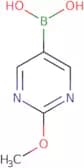
CAS:<p>Please enquire for more information about 2-Methoxypyrimidine-5-boronic acid including the price, delivery time and more detailed product information at the technical inquiry form on this page</p>Formula:C5H7BN2O3Purity:Min. 95%Molecular weight:153.93 g/mol3-(trifluoromethoxy)aniline
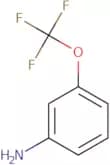
CAS:<p>3-(trifluoromethoxy)aniline is a compound that contains a trifluoromethoxy group. It has been shown to have antiproliferative effects in prostate cancer cells. 3-(trifluoromethoxy)aniline inhibits the activity of pim-1, which is important for cell proliferation and differentiation. The synthesis of 3-(trifluoromethoxy)aniline can be accomplished by one of two methods. In the first method, 3-chloroaniline is reacted with trifluoroacetic acid and bis(trimethylsilyl)acetamide in dichloromethane to form 3-hydroxy-4-chlorobenzenesulfonyl chloride (3HCBSCl). In the second method, the desired product is synthesized from 3-aminophenol and trifluoroacetic acid in acetonitrile. These two methods produce different isomers</p>Formula:C7H6F3NOPurity:Min. 95%Color and Shape:PowderMolecular weight:177.12 g/mol(5-Methoxy-1-methyl-1H-benzimidazol-2-yl)methanol
CAS:Controlled Product<p>Please enquire for more information about (5-Methoxy-1-methyl-1H-benzimidazol-2-yl)methanol including the price, delivery time and more detailed product information at the technical inquiry form on this page</p>Formula:C10H12N2O2Purity:Min. 95%Molecular weight:192.21 g/mol5-Bromo-2-methoxyphenethylamine hydrobromide
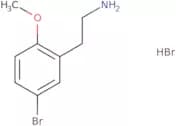
CAS:Controlled Product<p>Please enquire for more information about 5-Bromo-2-methoxyphenethylamine hydrobromide including the price, delivery time and more detailed product information at the technical inquiry form on this page</p>Formula:C9H13Br2NOPurity:Min. 95%Molecular weight:311.01 g/mol4,5-Dihydro-5a-methoxy D-(-)-norgestrel
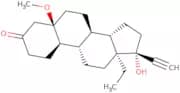
CAS:<p>Please enquire for more information about 4,5-Dihydro-5a-methoxy D-(-)-norgestrel including the price, delivery time and more detailed product information at the technical inquiry form on this page</p>Formula:C22H32O3Purity:Min. 95%Molecular weight:344.49 g/mol3-Methoxy-7a-methyl-estra-2,5(10)-dien-17-one
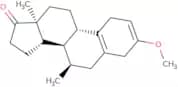
CAS:Controlled Product<p>Please enquire for more information about 3-Methoxy-7a-methyl-estra-2,5(10)-dien-17-one including the price, delivery time and more detailed product information at the technical inquiry form on this page</p>Formula:C20H28O2Purity:Min. 95%Molecular weight:300.44 g/mol2,5-Dichloro-4-methoxybenzoic acid
CAS:<p>2,5-Dichloro-4-methoxybenzoic acid is a synthetic herbicide that inhibits the enzyme 5-enolpyruvylshikimate-3-phosphate synthase (EPSPS). This enzyme is necessary for the synthesis of aromatic amino acids. 2,5-Dichloro-4-methoxybenzoic acid is used as a selective herbicide in plants grown in vitro to eliminate weeds. It is also used to control populations of wild plants and grasses. 2,5-Dichloro-4-methoxybenzoic acid has been shown to inhibit the growth of glyphosate resistant weed species by inhibiting EPSPS activity.</p>Purity:Min. 95%1-(4-Methoxybenzyl)piperazine
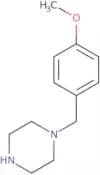
CAS:Controlled Product<p>1-(4-Methoxybenzyl)piperazine is a chemical compound that has been shown to have inhibitory activities against cancer cells. It also shows potential for the treatment of type 2 diabetes and Alzheimer's disease. The mechanism of action is not well understood, but it may be due to its ability to induce mitochondrial biogenesis and insulin sensitivity. 1-(4-Methoxybenzyl)piperazine has also been shown to improve memory in rats with spontaneous dementia, similar to the effects of donepezil (a drug used for Alzheimer's disease). 1-(4-Methoxybenzyl)piperazine can be taken orally or administered via injection.</p>Formula:C12H18N2OPurity:Min. 95%Molecular weight:206.28 g/molN-(3-Bromo-4-hydroxyphenethyl)-N-(2-bromo-5-hydroxy-4-methoxybenzyl)formamide
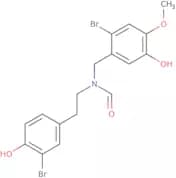
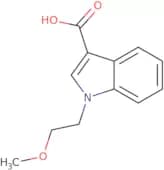
CAS:Controlled Product<p>Please enquire for more information about N-(3-Bromo-4-hydroxyphenethyl)-N-(2-bromo-5-hydroxy-4-methoxybenzyl)formamide including the price, delivery time and more detailed product information at the technical inquiry form on this page</p>Formula:C17H17Br2NO4Purity:Min. 95%Molecular weight:459.13 g/mol1-(2-Methoxyethyl)-1H-indole-3-carboxylic acid
CAS:Controlled Product<p>Please enquire for more information about 1-(2-Methoxyethyl)-1H-indole-3-carboxylic acid including the price, delivery time and more detailed product information at the technical inquiry form on this page</p>Formula:C12H13NO3Purity:Min. 95%Molecular weight:219.24 g/mol2,3,3-Trimethyl 5-methoxy indolenine
CAS:<p>2,3,3-Trimethyl 5-methoxy indolenine (TMMI) is a fluorescent probe that has been used in photodynamic therapy. TMMI is chemically stable and has an unsymmetrical heterocycle with optical properties that allow it to be excited by green light at wavelengths of 540 nm. TMMI can be used to image hypoxic regions of the brain. This molecule has also been used as an enhancement agent for neovascularization and angiography. TMMI can be synthesized using mesoporous silica nanoparticles and halogens such as chlorine or bromine.</p>Formula:C12H15NOPurity:Min. 95%Molecular weight:189.25 g/mol2-Fluoro-5-methoxyaniline
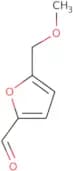
CAS:<p>2-Fluoro-5-methoxyaniline is a high quality reagent that is used as an intermediate in the synthesis of various complex compounds. The CAS number for this chemical is 62257-15-2 and it has been shown to be useful as a building block for the synthesis of fine chemicals, speciality chemicals, and research chemicals with many different uses. It is also a versatile building block that can be used in reactions involving amines, alcohols, thiols, and nitriles. 2-Fluoro-5-methoxyaniline may also be used as a reaction component in organic syntheses.</p>Formula:C7H8FNOPurity:Min. 95%Color and Shape:PowderMolecular weight:141.14 g/mol5-(Methoxymethyl)-2-furancarboxaldehyde
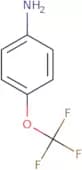
CAS:<p>5-hydroxymethylfurfural (5-hmf) is an organic compound that is produced when a carbohydrate or sugar undergoes oxidation. It is used as an additive in animal feed and as an industrial chemical. 5-hmf is a solid catalyst that can be used at high temperatures, making it suitable for use in the production of 2,6-dihydroxybenzoic acid. The reaction mechanism of 5-hmf involves the dehydration of furfural to form 5-hydroxymethylfurfural. This process occurs when a molecule of water reacts with furfural to produce two molecules of 5-hmf. The reaction may be accelerated by introducing heat, which breaks down the hydrogen bonds between the molecules of furfural and water.</p>Formula:C7H8O3Purity:Min. 95%Color and Shape:Clear LiquidMolecular weight:140.14 g/mol4-(Trifluoromethoxy)aniline
CAS:<p>4-(Trifluoromethoxy)aniline is a reactive intermediate used in the synthesis of pharmaceuticals, dyes, and pesticides. It is prepared by reacting hydrogen fluoride with aniline in the presence of an acid catalyst. 4-(Trifluoromethoxy)aniline can be used to synthesize epoxyeicosatrienoic acids, which are potent anti-inflammatory agents. 4-(Trifluoromethoxy)aniline has been shown to have a pharmacokinetic profile that is similar to those of other fluoroquinolones, but has not been studied for clinical development.</p>Formula:C7H6F3NOPurity:Min. 95%Color and Shape:Clear LiquidMolecular weight:177.12 g/mol4-[Bis(4-ethoxyphenyl)methyl]piperidine
CAS:Controlled Product<p>Please enquire for more information about 4-[Bis(4-ethoxyphenyl)methyl]piperidine including the price, delivery time and more detailed product information at the technical inquiry form on this page</p>Formula:C22H29NO2Purity:Min. 95%Molecular weight:339.47 g/mol


![[1-(2-Methoxyethyl)-1H-indol-3-yl]acetic acid](/_next/image/?url=https%3A%2Fstatic.cymitquimica.com%2Fproducts%2F3D%2Fthumb-webp%2FFM135744.webp&w=3840&q=75)



![5-[(2-Methoxyphenoxy)-methyl]-2-oxazolidinone](/_next/image/?url=https%3A%2Fstatic.cymitquimica.com%2Fproducts%2F3D%2Fthumb-webp%2FFM25063.webp&w=3840&q=75)
![5[(R)-(2-Aminopropyl)]-2-methoxybenzenesulfonamide hydrochloride](/_next/image/?url=https%3A%2Fstatic.cymitquimica.com%2Fproducts%2F3D%2Fthumb-webp%2FFA17834.webp&w=3840&q=75)







![4-[Bis(4-ethoxyphenyl)methyl]piperidine](/_next/image/?url=https%3A%2Fstatic.cymitquimica.com%2Fproducts%2F3D%2Fthumb-webp%2FFB116975.webp&w=3840&q=75)