Ethers
Ethers are organic compounds containing an ether functional group, characterized by an oxygen atom bonded to two hydrocarbon radicals. These compounds are valuable in synthesis and serve as solvents in various chemical reactions. At CymitQuimica, we offer a selection of high-quality ethers to support your research and industrial applications, ensuring reliable and effective results. Our range of ethers meets diverse laboratory requirements, from routine experiments to advanced research.
Found 40729 products of "Ethers"
Sort by
Purity (%)
0
100
|
0
|
50
|
90
|
95
|
100
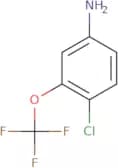
4-Chloro-3-(trifluoromethoxy)aniline
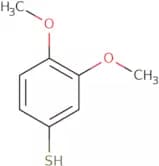
CAS:<p>Please enquire for more information about 4-Chloro-3-(trifluoromethoxy)aniline including the price, delivery time and more detailed product information at the technical inquiry form on this page</p>Formula:C7H5ClF3NOPurity:Min. 95%Color and Shape:Clear LiquidMolecular weight:211.57 g/mol3,4-Dimethoxythiophenol
CAS:<p>3,4-Dimethoxythiophenol is a chemical compound that is used as a fluorescence probe to study biological functions in cells. It reacts with hydroxyl groups and other reactive sites on proteins, including sulfhydryl groups, thiols, and amines. 3,4-Dimethoxythiophenol has been shown to inhibit the viability of cancer cells (e.g., prostate cancer cells) by interfering with the function of dehydrogenase enzymes. 3,4-Dimethoxythiophenol also inhibits growth of microglia (cells that protect neurons) in vitro. This inhibition is due to the production of reactive oxygen species by the microglial cells. The chemical structure of this compound includes a hydroxyl group and two methoxy groups.</p>Formula:C8H10O2SPurity:Min. 95%Color and Shape:Clear LiquidMolecular weight:170.23 g/mol1-[2-(5-Methoxy-1H-indol-3-yl)ethyl]-5-oxopyrrolidine-3-carboxylic acid
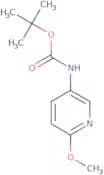
CAS:Controlled Product<p>Please enquire for more information about 1-[2-(5-Methoxy-1H-indol-3-yl)ethyl]-5-oxopyrrolidine-3-carboxylic acid including the price, delivery time and more detailed product information at the technical inquiry form on this page</p>Formula:C16H18N2O4Purity:Min. 95%Molecular weight:302.33 g/moltert-Butyl-n-(6-methoxy-3-pyridyl)carbamate
CAS:<p>Please enquire for more information about tert-Butyl-n-(6-methoxy-3-pyridyl)carbamate including the price, delivery time and more detailed product information at the technical inquiry form on this page</p>Formula:C11H16N2O3Purity:Min. 95%Molecular weight:224.26 g/mol[4-[2-(Diethylamino)ethoxy]-3-iodophenyl][2-(1-hydroxybutyl)-3-benzofuranyl]-methanone
CAS:Controlled Product<p>Please enquire for more information about [4-[2-(Diethylamino)ethoxy]-3-iodophenyl][2-(1-hydroxybutyl)-3-benzofuranyl]-methanone including the price, delivery time and more detailed product information at the technical inquiry form on this page</p>Formula:C25H30INO4Purity:Min. 95%Molecular weight:535.41 g/mol2,5-Dimethoxy-4-methylamphetamine hydrochloride
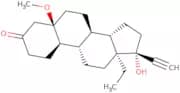
CAS:Controlled Product<p>2,5-Dimethoxy-4-methylamphetamine hydrochloride is a molecule that belongs to the class of phenethylamines. It has a serotonergic activity and can be used in the treatment of depression. This drug also affects the dopaminergic system and 5-HT2 receptors. 2,5-Dimethoxy-4-methylamphetamine hydrochloride is an agonist for 5HT1A receptors and an antagonist for 5HT2A and 5HT2C receptors. It has been shown to have a significant effect on locomotor activity in humans. The effects of this drug are dose dependent, with high doses leading to hallucinogenic effects.</p>Formula:C12H20ClNO2Purity:Min. 95%Molecular weight:245.75 g/mol4,5-Dihydro-5a-methoxy D-(-)-norgestrel
CAS:<p>Please enquire for more information about 4,5-Dihydro-5a-methoxy D-(-)-norgestrel including the price, delivery time and more detailed product information at the technical inquiry form on this page</p>Formula:C22H32O3Purity:Min. 95%Molecular weight:344.49 g/mol2,5-Dichloro-4-methoxybenzoic acid
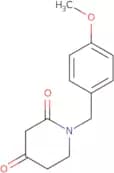
CAS:<p>2,5-Dichloro-4-methoxybenzoic acid is a synthetic herbicide that inhibits the enzyme 5-enolpyruvylshikimate-3-phosphate synthase (EPSPS). This enzyme is necessary for the synthesis of aromatic amino acids. 2,5-Dichloro-4-methoxybenzoic acid is used as a selective herbicide in plants grown in vitro to eliminate weeds. It is also used to control populations of wild plants and grasses. 2,5-Dichloro-4-methoxybenzoic acid has been shown to inhibit the growth of glyphosate resistant weed species by inhibiting EPSPS activity.</p>Purity:Min. 95%1-(4-Methoxybenzyl)piperidine-2,4-dione
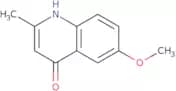
CAS:<p>Please enquire for more information about 1-(4-Methoxybenzyl)piperidine-2,4-dione including the price, delivery time and more detailed product information at the technical inquiry form on this page</p>Formula:C13H15NO3Purity:Min. 95%Molecular weight:233.26 g/mol6-Methoxy-2-methylquinolin-4(1H)-one
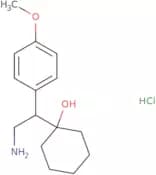
CAS:<p>6-Methoxy-2-methylquinolin-4(1H)-one is a heterocyclic molecule that has the ability to undergo oxidation reactions. It is an intermediate in the synthesis of other molecules, such as 4-hydroxyquinoline and 4-hydroxybenzaldehyde. The acidity of 6-methoxy-2-methylquinolin-4(1H)-one can be increased by adding alkali, which will cause it to react with hydroxyl and form a phenylhydrazine. When heated with hydrazine, 6-methoxy-2-methylquinolin-4(1H)-one undergoes tautomerism and forms 2-(phenylhydrazinyl) quinoline. The chemical structure of 6-methoxy-2 methylquinolin 4(1H)-one can be detected by analyzing its spectrum (i.e., absorption or emission spectra). This chemical shows bands</p>Formula:C11H11NO2Purity:Min. 95%Molecular weight:189.21 g/mol2-(4-Methoxyphenyl)-2-(1-hydroxycyclohexyl)ethylamineHydrochloride
CAS:<p>Please enquire for more information about 2-(4-Methoxyphenyl)-2-(1-hydroxycyclohexyl)ethylamineHydrochloride including the price, delivery time and more detailed product information at the technical inquiry form on this page</p>Formula:C15H24ClNO2Purity:Min. 95%Molecular weight:285.81 g/mol(S)-1,2,3,4,5,6,7,8-Octahydro-1-[(4-methoxyphenyl)methyl]isoquinoline (acetate salt )
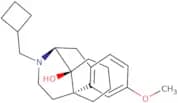
CAS:<p>(S)-1,2,3,4,5,6,7,8-Octahydro-1-[(4-methoxyphenyl)methyl]isoquinoline (acetate salt ) is a diphosphine that can be used as a catalyst to produce formic acid from methanol and carbon monoxide. This product is an enantiomer of picric acid and has been shown to be an effective additive in the crystallization of picric acid. The acetate salt is also optically pure.</p>Purity:Min. 95%(-)-3-Methoxy butorphanol
CAS:Controlled Product<p>Please enquire for more information about (-)-3-Methoxy butorphanol including the price, delivery time and more detailed product information at the technical inquiry form on this page</p>Formula:C22H31NO2Purity:Min. 95%Molecular weight:341.49 g/mol4-Methoxybenzylamine
CAS:<p>4-Methoxybenzylamine is an organic amine that has a redox potential of -0.14 V (vs. SHE) and a pK a of 10.5. It is used in the synthesis of trifluoroacetic acid esters, which are used as pharmaceutical intermediates. 4-Methoxybenzylamine has been shown to be effective in alleviating pain in animal models, and its mechanism of action may be due to inhibition of the enzyme cyclooxygenase. The kinetic data for this reaction were obtained by studying the deuterium isotope effect, which is characterized by a low energy barrier and rapid reaction rate. The hydrolysis step is also important for the reaction mechanism, with protocatechuic acid being an intermediate product. Hydrochloric acid is needed for dehydration of the reactants, while an aryl halide can be used instead in some cases. In these reactions, there are many possible reaction</p>Formula:C8H11NOPurity:Min. 95%Molecular weight:137.18 g/mol3,4-Dimethoxy-Benzamidine HCl
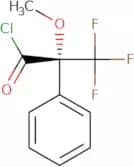
CAS:<p>Please enquire for more information about 3,4-Dimethoxy-Benzamidine HCl including the price, delivery time and more detailed product information at the technical inquiry form on this page</p>Formula:C9H12N2O2·HClPurity:Min. 95%Molecular weight:216.66 g/molS-(+)-α-Methoxy-α-(trifluoromethyl)phenylacetic acid chloride
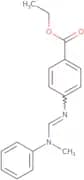
CAS:<p>S-(+)-alpha-Methoxy-alpha-(trifluoromethyl)phenylacetic acid chloride is an optical, amide, and epoxidation derivatizing agent that is used to chiralify amines. It is a liquid at room temperature with a molecular weight of 123.87 g/mol. This chemical reacts with alcohols to form esters, which can be identified by their different retention times in chromatography. It also reacts with hydroxyl groups to form ethers and esters, as well as hydroxyls on other molecules such as amino acids, peptides, and proteins. S-(+)-alpha-Methoxy-alpha-(trifluoromethyl)phenylacetic acid chloride has been used for the synthesis of bisoprolol from metoprolol and triethylphosphite.</p>Formula:C10H8ClF3O2Purity:Min. 95%Molecular weight:252.62 g/molN-(Ethoxycarbonylphenyl)-N'-methyl-N'-phenylformamidine
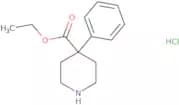
CAS:<p>Please enquire for more information about N-(Ethoxycarbonylphenyl)-N'-methyl-N'-phenylformamidine including the price, delivery time and more detailed product information at the technical inquiry form on this page</p>Formula:C15H14N2O2Purity:Min. 95%Molecular weight:254.28 g/mol4-Phenyl-4-carbethoxy piperidineHCl
CAS:Controlled Product<p>4-Phenyl-4-carbethoxy piperidineHCl is a germanium compound that can be used as a diagnostic agent to detect the presence of magnesium in the blood. It has been shown to bind to acidic and basic sites on the brain, regulating the functions of these regions. The drug has also been shown to have analgesic properties, as it activates opioid receptors in the brain. 4-Phenyl-4-carbethoxy piperidineHCl binds with high affinity to meperidine and naloxone, which are opioid receptor agonists. It is also able to bind to pentazocine, an opioid receptor antagonist. This drug is not active against molybdenum or thebaine.</p>Formula:C14H20ClNO2Purity:Min. 95%Molecular weight:269.77 g/mol(2S,3S)-5-[2-(Dimethylamino)ethyl]-3-hydroxy-2-(4-methoxyphenyl)-2,3-dihydro-1,5-benzothiazepin-4-one hydrochloride
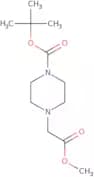
CAS:<p>(2S,3S)-5-[2-(Dimethylamino)ethyl]-3-hydroxy-2-(4-methoxyphenyl)-2,3-dihydro-1,5-benzothiazepin-4-one hydrochloride is a racemic mixture of two enantiomers. It is a prodrug that is hydrolyzed to its active form, diltiazem. The drug has been shown to be effective in the treatment of hypertension and angina pectoris. (2S,3S)-5-[2-(Dimethylamino)ethyl]-3-hydroxy-2-(4-methoxyphenyl)-2,3-dihydro-1,5-benzothiazepin-4-one hydrochloride has been shown to inhibit the activity of the enzyme phosphodiesterase which breaks down cyclic AMP. This inhibition results in an increase in levels of</p>Formula:C20H24N2O3S·HClPurity:Min. 95%Molecular weight:408.94 g/moltert-Butyl 4-(2-methoxy-2-oxoethyl)piperazine-1-carboxylate
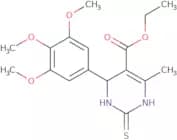
CAS:<p>Please enquire for more information about tert-Butyl 4-(2-methoxy-2-oxoethyl)piperazine-1-carboxylate including the price, delivery time and more detailed product information at the technical inquiry form on this page</p>Formula:C12H22N2O4Purity:Min. 95%Molecular weight:258.31 g/molEthyl 6-methyl-2-thioxo-4-(3,4,5-trimethoxyphenyl)-1,2,3,4-tetrahydropyrimidine-5-carboxylate
CAS:<p>Please enquire for more information about Ethyl 6-methyl-2-thioxo-4-(3,4,5-trimethoxyphenyl)-1,2,3,4-tetrahydropyrimidine-5-carboxylate including the price, delivery time and more detailed product information at the technical inquiry form on this page</p>Formula:C17H22N2O5SPurity:90%MinMolecular weight:366.43 g/mol4-Chloro-2-methoxy-5-methylaniline
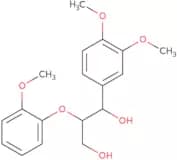
CAS:<p>4-Chloro-2-methoxy-5-methylaniline is a dye molecule that is used in the synthesis of other molecules, such as diketene. It is also used as a solvent, coupling agent, and a dye molecule. This compound can be synthetically prepared by reacting naphthylamine with pyrazolone. The reaction requires catalytic amounts of polyvalent metal salts, such as zinc chloride or iron(III) chloride. The halogenation of 4-chloro-2-methoxy-5-methylaniline to produce 2,4,5-trichlorophenol can be achieved by diazotising the molecule with sodium nitrite and potassium dichromate. 4-Chloro-2-methoxy-5 methylaniline's substituents are methyl groups on the phenyl ring (Cl) and chlorine atoms (C1). Derivatives of this</p>Formula:C8H10ClNOPurity:Min. 95%Molecular weight:171.62 g/mol1-(3,4-Dimethoxyphenyl)-2-(2-methoxyphenoxy)propane-1,3-diol
CAS:<p>1,3-Dimethoxy-2-(2-methoxyphenoxy)propane-1,3-diol (DMMP) is a natural product with antioxidant properties. It has been shown to be a potent inhibitor of the epidermal growth factor receptor (EGFR), and also inhibits the activity of the response elements for EGFR. DMMP is also a potent inhibitor of proliferation in human cancer cells and can inhibit the growth of tumour cells that are resistant to methotrexate. DMMP is a precursor to protocatechuic acid, which has been shown to have anti-herpes virus effects. DMMP has been shown to decrease the rate of second order reactions through its ability to react with carbonyl groups on proteins. This reaction leads to an increase in stability and decreases the rate of protein degradation by proteases. A mutant strain was found that can produce this compound without any external stimulus, making it ideal for use as an antibiotic against bacterial</p>Formula:C18H22O6Purity:Min. 95 Area-%Color and Shape:PowderMolecular weight:334.36 g/molN-(tert-Butoxycarbonyl)glycine N'-methoxy-N'-methylamide
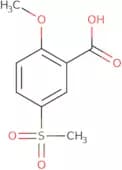
CAS:<p>Please enquire for more information about N-(tert-Butoxycarbonyl)glycine N'-methoxy-N'-methylamide including the price, delivery time and more detailed product information at the technical inquiry form on this page</p>Formula:C9H18N2O4Purity:Min. 95%Molecular weight:218.25 g/mol2-Methoxy-5-methylsulfonylbenzoicacid
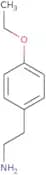
CAS:<p>2-Methoxy-5-methylsulfonylbenzoic acid is an organic compound that can be used as a pharmaceutical intermediate. It has been used to synthesize diagnostic agents and drugs such as isradipine and sarpogrelate hydrochloride. 2-Methoxy-5-methylsulfonylbenzoic acid is also used as an intermediate in the synthesis of bortezomib, a drug that inhibits the proteasome. This product contains impurities that may interfere with its use as a pharmaceutical preparation. The flow rate of this product is sensitive to changes in temperature and pressure.</p>Formula:C9H10O5SPurity:Min. 95%Molecular weight:230.24 g/mol(4-Ethoxyphenyl)ethylamine
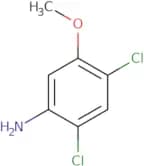
CAS:Controlled Product<p>Please enquire for more information about (4-Ethoxyphenyl)ethylamine including the price, delivery time and more detailed product information at the technical inquiry form on this page</p>Formula:C10H15NOPurity:Min. 95%Molecular weight:165.23 g/mol2,4-Dichloro-5-methoxyaniline
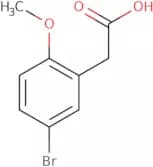
CAS:<p>2,4-Dichloro-5-methoxyaniline (2,4-DMA) is a trifluoroacetic acid derivative that inhibits the growth of cancer cells by interfering with cellular processes such as DNA replication and protein synthesis. It has been shown to have anticancer activity in vitro and in vivo. In addition, 2,4-DMA can inhibit the growth of cancer cells by preventing epidermal growth factor from binding to its receptor on the cell surface. A recent study showed that 2,4-DMA has anti-angiogenic properties and can prevent tumor growth by inhibiting bcr-abl kinase activity. 2,4-DMA also has an acidic property which may be due to its conversion of trifluoroacetic acid into hydrogen fluoride (HF) and hydrogen chloride (HCl).<br>2,4-Dichloro-5-methoxyaniline was approved for use in Japan</p>Formula:C7H7Cl2NOPurity:Min. 95%Color and Shape:White To Pink SolidMolecular weight:192.04 g/mol(5-Bromo-2-methoxyphenyl)acetic acid
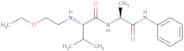
CAS:<p>5-Bromo-2-methoxyphenyl)acetic acid (BMPEA) is a hydroxylated derivative of aspartic acid. It has been shown to induce apoptotic cell death in various cell lines, including human lung cells and rat hippocampal cells. BMPEA is synthesized by the solid-phase method and is characterized by a constant structure. It can be used to treat degenerative diseases and other conditions where apoptosis is desirable, such as Alzheimer's disease, Parkinson's disease, amyotrophic lateral sclerosis, retinitis pigmentosa, and Duchenne muscular dystrophy.</p>Formula:C9H9BrO3Purity:Min. 95%Color and Shape:PowderMolecular weight:245.07 g/molN-2-Ethoxyethyl-Val-Ala-anilide
CAS:<p>Please enquire for more information about N-2-Ethoxyethyl-Val-Ala-anilide including the price, delivery time and more detailed product information at the technical inquiry form on this page</p>Formula:C18H29N3O3Purity:Min. 95%Molecular weight:335.44 g/mol2-Chloro-3-methoxybenzaldehyde
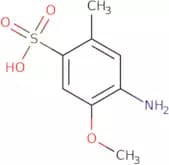
CAS:<p>Please enquire for more information about 2-Chloro-3-methoxybenzaldehyde including the price, delivery time and more detailed product information at the technical inquiry form on this page</p>Formula:C8H7ClO2Purity:Min. 95%Molecular weight:170.59 g/mol4-Amino-5-methoxy-2-methylbenzenesulfonic acid
CAS:<p>4-Amino-5-methoxy-2-methylbenzenesulfonic acid is a compound that has been used as an additive to analytical reagents in order to improve their sensitivity. This compound is used as the sodium salt, which is water soluble and has a high degree of reproducibility. 4-Amino-5-methoxy-2-methylbenzenesulfonic acid has also been used for the validation of analytical methods, including calibration and cytotoxicity testing. The validation procedure includes colorants, spectra analysis, impurities, and solvents.</p>Formula:C8H11NO4SPurity:Min. 95%Color and Shape:PowderMolecular weight:217.24 g/mol7-Methoxy-4-(trifluoromethyl)coumarin
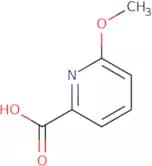
CAS:<p>7-Methoxy-4-(trifluoromethyl)coumarin is a potent and selective aromatase inhibitor. It inhibits the activity of the enzyme, which converts testosterone to estradiol. The inhibition of this enzyme may be beneficial in the treatment of breast cancer. This compound has also been shown to inhibit the activity of P450 enzymes and coumarin derivatives, which are involved in drug metabolism and detoxification.</p>Formula:C11H7F3O3Purity:Min. 95%Molecular weight:244.17 g/mol2-Methoxy-6-picolinic acid
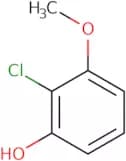
CAS:<p>2-Methoxy-6-picolinic acid (2MPA) is a picolinate that has been shown to be an effective catalyst for the conversion of alcohols into allylic alcohols. 2MPA is able to catalyze the reaction by abstracting hydrogen from the carbonyl group, and then adding it to the adjacent carbon. This reaction can produce peroxide as a byproduct, which is subsequently hydrolyzed to form water and alcohol. The β-unsaturated carbonyl group of 2MPA provides additional stability for this catalytic process.<br>2MPA can also be used as a catalyst in other reactions, such as the oxidation of benzylic alcohols with hydrogen peroxide to form benzylic carbonyl compounds.</p>Formula:C7H7NO3Purity:Min. 95%Color and Shape:PowderMolecular weight:153.14 g/mol2-Chloro-3-methoxyphenol
CAS:<p>Please enquire for more information about 2-Chloro-3-methoxyphenol including the price, delivery time and more detailed product information at the technical inquiry form on this page</p>Formula:C7H7ClO2Purity:Min. 95%Molecular weight:158.58 g/molN-Methoxymethyl-N-(trimethylsilylmethyl)benzylamine
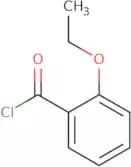
CAS:<p>N-Methoxymethyl-N-(trimethylsilylmethyl)benzylamine is a chiral, electron deficient reagent that reacts with aldehydes and boronic esters to form products with high chemical yields. This compound can be used as a catalyst for acylation reactions, such as the synthesis of p-nitrophenol. N-Methoxymethyl-N-(trimethylsilylmethyl)benzylamine is synthesized by the reaction of trifluoroacetic acid and an amine, followed by chloroformate displacement. The product is then reacted with acylating agents in the presence of catalysts.</p>Formula:C13H23NOSiPurity:Min. 95%Color and Shape:Clear Colourless To Pale Yellow LiquidMolecular weight:237.41 g/molo-Ethoxybenzoyl chloride
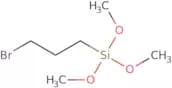
CAS:<p>O-Ethoxybenzoyl chloride is a pesticide that belongs to the group of sildenafil. It inhibits the activity of prolyl endopeptidase, an enzyme that degrades the peptide hormone vasoactive intestinal polypeptide (VIP). This inhibition prevents degradation of VIP, which is important for the regulation of blood vessel tone. The compound has been shown to be effective against Sclerotinia sclerotiorum and Claviceps purpurea. O-Ethoxybenzoyl chloride has been shown to have a high level of tolerance in plants and animals. It also has been found to be safe for humans with its low toxicity levels and low acute toxicity. It is not classified as hazardous by the World Health Organization (WHO).</p>Formula:C9H9ClO2Purity:Min. 95%Molecular weight:184.62 g/mol(3-Bromopropyl)trimethoxysilane
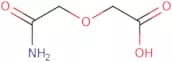
CAS:<p>3-Bromopropyltrimethoxysilane is a divalent hydrocarbon that has been used as a model compound for the study of detection methods. It has been shown to have biocompatible properties and can be used as an immobilization template molecule. 3-Bromopropyltrimethoxysilane also reacts with pyridinium ions to form complexes that are highly stable. The stability of these complexes can be attributed to the functional groups on the pyridine ring, which are more susceptible to hydrolysis than those on the silica surface. 3-Bromopropyltrimethoxysilane is a substrate for nitrate reductase enzymes, resulting in inhibition of growth at concentrations low enough not to cause cytotoxicity.</p>Formula:C6H15BrO3SiPurity:Min. 95%Molecular weight:243.17 g/mol(2-Amino-2-oxoethoxy)acetic acid
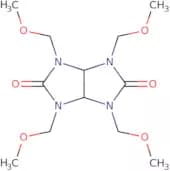
CAS:<p>2-Amino-2-oxoethoxy)acetic acid is a product that can be used as a transport agent in the process of extracting glycosides. It has been shown to have strong adsorption properties and is able to extract glycosides from plant material. 2-Amino-2-oxoethoxy)acetic acid has a high affinity for calcium, which is an important component in the adsorption mechanism.</p>Formula:C4H7NO4Purity:Min. 95%Molecular weight:133.1 g/mol1,3,4,6-Tetrakis(methoxymethyl)glycoluril
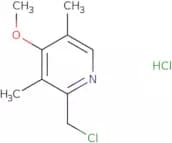
CAS:<p>Tetrakis(methoxymethyl)glycoluril is a cross-linking agent that can be immobilized on various surfaces, including polyvinyl and magnesium oxide. Tetrakis(methoxymethyl)glycoluril is a water soluble molecule that has been used to coat the surface of optical fibers in order to prevent light scattering. This molecule has also been used as a coating for photomasks in order to control the patterning of thin films, such as polymers or photoresists. Tetrakis(methoxymethyl)glycoluril can be synthesized by reacting magnesium oxide with chloromethyl ethers at high temperatures in the presence of phosphorus pentoxide. The reaction produces an intermediate which reacts with deionized water to yield tetrakis(methoxymethyl)glycoluril.</p>Formula:C12H22N4O6Purity:Min. 95%Color and Shape:White PowderMolecular weight:318.33 g/mol2-(Chloromethyl)-4-methoxy-3,5-dimethylpyridine hydrochloride
CAS:<p>2-(Chloromethyl)-4-methoxy-3,5-dimethylpyridine hydrochloride is a benzimidazole derivative. It has a chemical stability and can be used for wastewater treatment. It is also a pump inhibitor and can be used for anhydrous sodium magnesium salts. This product is synthesized from the reaction of protonated 2-bromo-4-methoxyphenol with 2,6-dimethylpyridine in the presence of hydrochloric acid. The reaction was carried out in an asymmetric synthesis using a proton transport system. 2-(Chloromethyl)-4-methoxy-3,5-dimethylpyridine hydrochloride is soluble in water and has a pH of 1 to 3. It has been shown that this product can be used as an antioxidant and as a metal chelation agent.</p>Formula:C9H13Cl2NOPurity:Min. 95%Color and Shape:PowderMolecular weight:222.11 g/molp-Methoxybenzylmercaptan
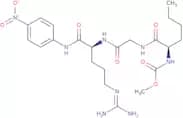
CAS:<p>P-Methoxybenzylmercaptan is an inhibitor of protein synthesis. It binds to the active site of the enzyme ribonuclease A, which is involved in the processing of messenger RNA. P-Methoxybenzylmercaptan also inhibits other enzymes such as alkaline phosphatase and esterases. It has been shown to be effective against HIV infection. This compound can be used for chemical ligation reactions and as a cell culture medium additive, as it protects cells from oxidation and provides a more acidic environment. P-Methoxybenzylmercaptan has been shown to bind to amines and is being investigated for its use in drug development.</p>Formula:C8H10OSPurity:Min. 95%Color and Shape:Clear LiquidMolecular weight:154.23 g/molMethoxycarbonyl-D-Nle-Gly-Arg-pNA acetate salt
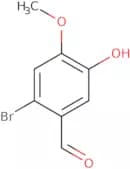
CAS:<p>Please enquire for more information about Methoxycarbonyl-D-Nle-Gly-Arg-pNA acetate salt including the price, delivery time and more detailed product information at the technical inquiry form on this page</p>Formula:C22H34N8O7Purity:Min. 95%Molecular weight:522.56 g/mol2-Bromo-5-hydroxy-4-methoxybenzaldehyde
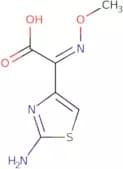
CAS:<p>2-Bromo-5-hydroxy-4-methoxybenzaldehyde is a death pathway inhibitor that has been shown to have radiosensitizing effects in vitro. It has also been found to inhibit the expression of matrix metalloproteinase (MMP) in human glioma cells and in a rat model of cerebral ischemia. This compound may be used as a potential chemotherapeutic agent for the treatment of cancer. 2-Bromo-5-hydroxy-4-methoxybenzaldehyde inhibits cell proliferation by inducing apoptosis, or programmed cell death, which may be due to its ability to suppress MMP activity.</p>Formula:C8H7BrO3Purity:Min. 95%Color and Shape:PowderMolecular weight:231.04 g/mol2-Amino-a-(methoxyimino)-4-thiazoleacetic acid
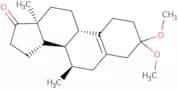
CAS:<p>2-Amino-a-(methoxyimino)-4-thiazoleacetic acid is a reaction product of cefotaxime and n-dimethyl formamide. It has been shown to be an effective agent for the treatment of wastewater with a high organic content. 2-Amino-a-(methoxyimino)-4-thiazoleacetic acid also reacts with chloride ions to form cleavage products that are soluble in water, making it an ideal choice for wastewater treatment. This compound is not toxic and can be used as a drug to treat patients with infections caused by bacteria resistant to other antibiotics. 2-Amino-a-(methoxyimino)-4-thiazoleacetic acid binds to mismatched base pairs in DNA, inhibiting DNA synthesis and causing cell death by apoptosis.</p>Formula:C6H7N3O3SPurity:Min. 95%Molecular weight:201.2 g/mol7α-Methyl-3,3-dimethoxy-5(10)-estrene-17-one
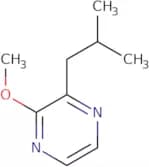
CAS:Controlled Product<p>Please enquire for more information about 7alpha-Methyl-3,3-dimethoxy-5(10)-estrene-17-one including the price, delivery time and more detailed product information at the technical inquiry form on this page</p>Formula:C21H32O3Purity:Min. 95%Color and Shape:PowderMolecular weight:332.48 g/mol2-Isobutyl-3-methoxypyrazine
CAS:<p>2-Isobutyl-3-methoxypyrazine is a hydrophobic compound that is not soluble in water. It has a bound form and can be titrated with calorimetry. 2-Isobutyl-3-methoxypyrazine is synthesized by reacting 2,2,4-trimethylpentane with methoxyacetone in the presence of sodium methylate. The compound has been detected as an odorant in numerous plant species and is believed to play a role in plant physiology. 2-Isobutyl-3-methoxypyrazine has been shown to have potent antiviral activity against infectious diseases such as HIV, herpes simplex virus type 1 (HSV1), and varicella zoster virus (VZV). This specific antiviral activity may be due to its ability to bind fatty acids by hydrogen bonds, which may interfere with the synthesis of viral membranes.</p>Formula:C9H14N2OPurity:Min. 95%Molecular weight:166.22 g/mol4-Chloro-6-methoxyquinoline
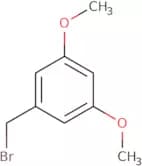
CAS:<p>4-Chloro-6-methoxyquinoline is an inhibitor of bacterial DNA gyrase. It has antibacterial activity against Gram-positive and Gram-negative bacteria, including Staphylococcus aureus, Enterococcus faecalis, and Pseudomonas aeruginosa. 4-Chloro-6-methoxyquinoline is a synthetic compound that was reinvestigated for its antibacterial activity. It has been shown to be effective in the treatment of Staphylococcal infections. The mechanism of action may involve inhibition of topoisomerase II or interference with the synthesis of DNA by binding to the enzyme bacterial DNA gyrase. Quinidine and cinchonidine are quinine derivatives that have been found to inhibit bacterial DNA gyrase. These compounds are found in the bark of Cinchona species, which includes Cinchona ledgeriana, Cinchona officinalis, and Cinchona succirub</p>Formula:C10H8ClNOPurity:Min. 95%Molecular weight:193.029443,5-Dimethoxybenzyl bromide
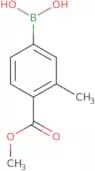
CAS:<p>3,5-Dimethoxybenzyl bromide is a difluoro compound that has been synthesized as a potential CB2 receptor agonist. It has been shown to bind to both CB1 and CB2 receptors in cell culture. 3,5-Dimethoxybenzyl bromide has also been shown to inhibit the growth of mouse melanoma cells by inducing apoptosis and cell cycle arrest, which may be due to its ability to demethylate pterostilbene derivatives. 3,5-Dimethoxybenzyl bromide is an example of a nucleophilic agent because it can donate a proton from the hydroxyl group on the benzene ring. The chloride ion forms an ionic bond with the negatively charged oxygen atom on the benzoic acid group. This type of bond is called an ester linkage or ester bond.</p>Formula:C9H11O2BrPurity:Min. 94%Color and Shape:PowderMolecular weight:231.09 g/mol(4-(Methoxycarbonyl)-3-Methylphenyl)boronic acid
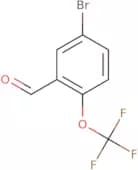
CAS:<p>Please enquire for more information about (4-(Methoxycarbonyl)-3-Methylphenyl)boronic acid including the price, delivery time and more detailed product information at the technical inquiry form on this page</p>Formula:C9H11BO4Purity:Min. 95%Molecular weight:193.99 g/mol5-Bromo-2-(trifluoromethoxy)benzaldehyde
CAS:<p>5-Bromo-2-(trifluoromethoxy)benzaldehyde is a chemical that is used as a reactant in organic chemistry. It can be used as a building block for the synthesis of complex compounds, or as an intermediate in the preparation of fine chemicals. 5-Bromo-2-(trifluoromethoxy)benzaldehyde is also useful in research and development. It has been used to synthesize pharmaceuticals, pesticides, and other organic compounds.</p>Formula:C8H4BrF3O2Purity:Min. 95%Color and Shape:PowderMolecular weight:269.02 g/mol

![1-[2-(5-Methoxy-1H-indol-3-yl)ethyl]-5-oxopyrrolidine-3-carboxylic acid](/_next/image/?url=https%3A%2Fstatic.cymitquimica.com%2Fproducts%2F3D%2Fthumb-webp%2FFM119445.webp&w=3840&q=75)
![[4-[2-(Diethylamino)ethoxy]-3-iodophenyl][2-(1-hydroxybutyl)-3-benzofuranyl]-methanone](/_next/image/?url=https%3A%2Fstatic.cymitquimica.com%2Fproducts%2F3D%2Fthumb-webp%2FFD150040.webp&w=3840&q=75)


![(S)-1,2,3,4,5,6,7,8-Octahydro-1-[(4-methoxyphenyl)methyl]isoquinoline (acetate salt )](/_next/image/?url=https%3A%2Fstatic.cymitquimica.com%2Fproducts%2F3D%2Fthumb-webp%2FFO29465.webp&w=3840&q=75)


![(2S,3S)-5-[2-(Dimethylamino)ethyl]-3-hydroxy-2-(4-methoxyphenyl)-2,3-dihydro-1,5-benzothiazepin-4-…](/_next/image/?url=https%3A%2Fstatic.cymitquimica.com%2Fproducts%2F3D%2Fthumb-webp%2FFD45531.webp&w=3840&q=75)