Ethers
Ethers are organic compounds containing an ether functional group, characterized by an oxygen atom bonded to two hydrocarbon radicals. These compounds are valuable in synthesis and serve as solvents in various chemical reactions. At CymitQuimica, we offer a selection of high-quality ethers to support your research and industrial applications, ensuring reliable and effective results. Our range of ethers meets diverse laboratory requirements, from routine experiments to advanced research.
Found 40712 products of "Ethers"
Sort by
Purity (%)
0
100
|
0
|
50
|
90
|
95
|
100
(S)-1,2,3,4,5,6,7,8-Octahydro-1-[(4-methoxyphenyl)methyl]isoquinoline (acetate salt )
CAS:<p>(S)-1,2,3,4,5,6,7,8-Octahydro-1-[(4-methoxyphenyl)methyl]isoquinoline (acetate salt ) is a diphosphine that can be used as a catalyst to produce formic acid from methanol and carbon monoxide. This product is an enantiomer of picric acid and has been shown to be an effective additive in the crystallization of picric acid. The acetate salt is also optically pure.</p>Purity:Min. 95%1,1,3,3-Tetraethoxypropane
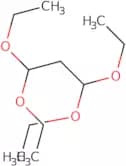
CAS:<p>1,1,3,3-Tetraethoxypropane is a fatty acid that is produced by the metabolism of plant and animal lipids. It has been used as a food additive to bind water and improve texture in baked goods. It also has shown to have antioxidant properties. In addition, 1,1,3,3-Tetraethoxypropane has been shown to be reactive with human feces and inhibit enzyme activities in infectious diseases. This compound is also an autoimmune disease agent that inhibits physiological activities in humans. The bound form of 1,1,3,3-Tetraethoxypropane can be found in human serum and liver cells.</p>Formula:C11H24O4Purity:Min. 95%Color and Shape:Clear LiquidMolecular weight:220.31 g/mol2-[(Dimethylamino)methylene]-5-(2,3,4-trimethoxyphenyl)cyclohexane-1,3-dione
CAS:Controlled Product<p>Please enquire for more information about 2-[(Dimethylamino)methylene]-5-(2,3,4-trimethoxyphenyl)cyclohexane-1,3-dione including the price, delivery time and more detailed product information at the technical inquiry form on this page</p>Formula:C18H23NO5Purity:Min. 95%Molecular weight:333.38 g/mol2-(2-Methoxyphenoxy)ethylamine base
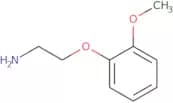
CAS:<p>2-(2-Methoxyphenoxy)ethylamine base is an inorganic base with a hydroxyl group. It is soluble in organic solvents and has been used as a coumarin derivative. 2-(2-Methoxyphenoxy)ethylamine base has shown potential use as an antifungal agent, which may be due to its ability to cause lysis in fungi cells. This compound has also shown in vitro activity against bacteria and viruses, including herpes simplex virus type 1 and HIV-1. The 2-(2-methoxyphenoxy)ethylamine base can be sulfonated or acid catalyzed to produce other derivatives that have potential use as anti-inflammatory or analgesic agents.</p>Formula:C9H13NO2Purity:Min. 95%Molecular weight:167.21 g/mol5-(4-Ethoxyphenyl)-1H-pyrazol-3-amine
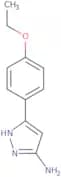
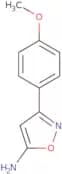
CAS:<p>Please enquire for more information about 5-(4-Ethoxyphenyl)-1H-pyrazol-3-amine including the price, delivery time and more detailed product information at the technical inquiry form on this page</p>Formula:C11H13N3OPurity:Min. 95%Molecular weight:203.24 g/mol3-(4-Methoxyphenyl)-1,2-oxazol-5-amine
CAS:<p>Please enquire for more information about 3-(4-Methoxyphenyl)-1,2-oxazol-5-amine including the price, delivery time and more detailed product information at the technical inquiry form on this page</p>Formula:C10H10N2O2Purity:Min. 95%Molecular weight:190.2 g/mol1-(4-Amino-6,7-dimethoxy-2-quinazolinyl)-4-[(tetrahydro-2-furanyl)carbonxyl]piperazine hydrochloride
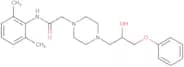
CAS:<p>Terazosin HCL dehydrate is an inhibitor of alpha-1 adrenergic receptors. This results in vasodilation followed by a reduction in urethral resistance, venous return to the heart and peripheral vascular resistance. In particular Terazosin HCL hydrate’s ability to recover urine flow and alleviate symptoms in patients with benign prostatic hyperplasia is of benefit to the therapeutic and clinical industries.</p>Formula:C19H26ClN5O4Purity:Min. 95%Molecular weight:423.89 g/molDesmethoxy ranolazine
CAS:<p>Please enquire for more information about Desmethoxy ranolazine including the price, delivery time and more detailed product information at the technical inquiry form on this page</p>Formula:C23H31N3O3Purity:Min. 95%Molecular weight:397.51 g/mol5[(R)-(2-Aminopropyl)]-2-methoxybenzenesulfonamide hydrochloride
CAS:Controlled Product<p>Please enquire for more information about 5[(R)-(2-Aminopropyl)]-2-methoxybenzenesulfonamide hydrochloride including the price, delivery time and more detailed product information at the technical inquiry form on this page</p>Formula:C10H17ClN2O3SPurity:Min. 95%Molecular weight:280.77 g/mol7-(2-Carbomethoxyethyl)-5-(2-chlorophenyl)-thieno-1,4-diazepin-2-one
CAS:Controlled Product<p>Please enquire for more information about 7-(2-Carbomethoxyethyl)-5-(2-chlorophenyl)-thieno-1,4-diazepin-2-one including the price, delivery time and more detailed product information at the technical inquiry form on this page</p>Formula:C17H15ClN2O3SPurity:Min. 95%Molecular weight:362.83 g/mol(2S,3S)-5-[2-(Dimethylamino)ethyl]-3-hydroxy-2-(4-methoxyphenyl)-2,3-dihydro-1,5-benzothiazepin-4-one hydrochloride
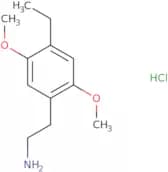
CAS:<p>(2S,3S)-5-[2-(Dimethylamino)ethyl]-3-hydroxy-2-(4-methoxyphenyl)-2,3-dihydro-1,5-benzothiazepin-4-one hydrochloride is a racemic mixture of two enantiomers. It is a prodrug that is hydrolyzed to its active form, diltiazem. The drug has been shown to be effective in the treatment of hypertension and angina pectoris. (2S,3S)-5-[2-(Dimethylamino)ethyl]-3-hydroxy-2-(4-methoxyphenyl)-2,3-dihydro-1,5-benzothiazepin-4-one hydrochloride has been shown to inhibit the activity of the enzyme phosphodiesterase which breaks down cyclic AMP. This inhibition results in an increase in levels of</p>Formula:C20H24N2O3S·HClPurity:Min. 95%Molecular weight:408.94 g/mol4-Ethyl-2,5-dimethoxy-benzeneethanamineHydrochloride
CAS:Controlled Product<p>4-Ethyl-2,5-dimethoxy-benzeneethanamineHydrochloride is a metabolic substrate of CYP2D6. It is also an inhibitor of CYP1A2 and CYP3A4. The class of 4-Ethyl-2,5-dimethoxy-benzeneethanamineHydrochloride is not yet known. 4-Ethyl-2,5-dimethoxy-benzeneethanamineHydrochloride has been shown to cause toxicity in animal studies. Toxicity may be due to its inhibition of cytochrome P450 enzymes, which are involved in metabolism and detoxification.</p>Formula:C12H20ClNO2Purity:Min. 95%Molecular weight:245.75 g/mol1-(4-Bromo-2,5-dimethoxybenzyl)piperazine
CAS:Controlled Product<p>Please enquire for more information about 1-(4-Bromo-2,5-dimethoxybenzyl)piperazine including the price, delivery time and more detailed product information at the technical inquiry form on this page</p>Formula:C13H19BrN2O2Purity:Min. 95%Molecular weight:315.21 g/molFmoc-4-methoxy-4'-(γ-carboxypropyloxy)-benzhydrylamine linked to Alanyl-aminomethyl resin (200-400 mesh)
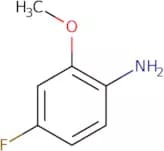
<p>Please enquire for more information about Fmoc-4-methoxy-4'-(gamma-carboxypropyloxy)-benzhydrylamine linked to Alanyl-aminomethyl resin (200-400 mesh) including the price, delivery time and more detailed product information at the technical inquiry form on this page</p>Purity:Min. 95%4-Fluoro-2-methoxyaniline
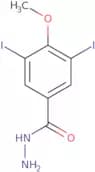
CAS:<p>4-Fluoro-2-methoxyaniline is an inhibitor of tyrosine kinase. It is a molecule that has been isolated from the ground leaves of erythroxylon coca and is used in the treatment of diabetes mellitus. 4-Fluoro-2-methoxyaniline inhibits the growth factor receptor, epidermal growth factor (EGF), and its receptor, EGF receptor. This inhibition leads to decreased proliferation of epidermal cells and decreased insulin production by pancreatic beta cells. 4-Fluoro-2-methoxyaniline also has antioxidant properties, which may be due to its ability to scavenge free radicals.</p>Formula:C7H8FNOPurity:Min. 95%Color and Shape:Light Brown To Brown LiquidMolecular weight:141.14 g/mol3,5-Diiodo-4-methoxybenzhydrazide
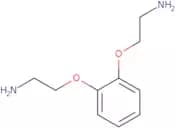
CAS:<p>3,5-Diiodo-4-methoxybenzhydrazide is a high quality chemical that is useful in the preparation of complex compounds. This compound has been shown to be an excellent reagent and useful intermediate for the synthesis of various fine chemicals. It has been used as a precursor for the production of the antiviral drug Tamiflu, among other pharmaceuticals. 3,5-Diiodo-4-methoxybenzhydrazide is also a versatile building block that can be used in research or as a reaction component in organic synthesis.</p>Formula:C8H8I2N2O2Purity:Min. 95%Color and Shape:PowderMolecular weight:417.97 g/molO-Bis(2-aminoethoxy)benzene
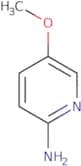
CAS:<p>O-Bis(2-aminoethoxy)benzene is a cyclic compound that has a predominantly thionyl character. It has an amide group, which is formed by the condensation of two carboxylic acids. O-Bis(2-aminoethoxy)benzene can act as a ligand for metal ions in the form of an anion or chloride ion, and it also interacts with neutral ligands. This compound can be used to prepare ferrocenyl derivatives through alkylation. The interaction between O-Bis(2-aminoethoxy)benzene and ferrocene was studied using voltammetry.</p>Formula:C10H16N2O2Purity:Min. 95%Molecular weight:196.25 g/mol2-Amino-5-methoxypyridine
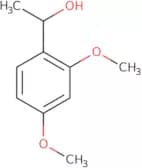
CAS:<p>2-Amino-5-methoxypyridine (2AM5MP) is a synthetic compound that is used to study the nicotinic acetylcholine receptor. It has been shown that 2AM5MP can be used as an agonist for the nicotinic acetylcholine receptor, which may be due to its ability to act as a substrate for amine oxidase. This compound has been shown to have anti-cancer properties and fluoresce when exposed to positron emission tomography (PET) scans. The anti-cancer effects of 2AM5MP are thought to be due to its ability to inhibit cancer cell proliferation and induce cancer cell apoptosis.</p>Formula:C6H8N2OPurity:Min. 95%Molecular weight:124.14 g/mol2,4-Dimethoxyphenylmethylcarbinol
CAS:<p>2,4-Dimethoxyphenylmethylcarbinol is a benzene derivative that can be synthesized from 2,4-dimethoxybenzaldehyde and formaldehyde. This compound is an efficient reductant for hydrazine and has been used as a screening agent for new drugs. It is also a pharmacological active substance with anti-inflammatory properties. 2,4-Dimethoxyphenylmethylcarbinol has shown activity against carrageenan-induced rat paw edema, as well as the vessel and ultrasonic effects of irradiation.</p>Formula:C10H14O3Purity:Min. 95%Molecular weight:182.22 g/mol2-Fluoro-6-methoxybenzonitrile
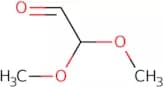
CAS:<p>2-Fluoro-6-methoxybenzonitrile (2FMN) is a compound that is used as a starting material for the synthesis of other pharmaceuticals. It has been shown to bind to the acetylcholine receptor by using vibrational spectroscopy and functional theory. It also has been shown to be an effective chemokine inhibitor. Computational methods were used to optimize 2FMN's binding affinity for the acetylcholine receptor, and it was found that 2FMN binds with a dipole orientation in order to increase its binding affinity.</p>Formula:C8H6FNOPurity:Min. 95%Color and Shape:PowderMolecular weight:151.14 g/mol2,2-Dimethoxyacetaldehyde - About 60% water solution
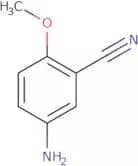
CAS:<p>2,2-Dimethoxyacetaldehyde is an inhibitor of the enzyme DNA polymerase. It has been shown to inhibit replication of the herpes simplex virus type 1 and 2 (HSV-1, HSV-2) in cell cultures. 2,2-Dimethoxyacetaldehyde has also been shown to inhibit the replication of HIV in cells and is a potential antiviral agent. This compound is also used as a building block for other drugs such as amide and ester hydrochloride. It is synthesized from 2,2-dimethoxypropane and formaldehyde with a two step process that starts with an asymmetric synthesis reaction between formaldehyde and methoxide ion followed by an ester hydrochloride formation reaction with methylamine. The product can be purified by recrystallization from water or acetone solution.</p>Formula:C4H8O3Purity:Min. 95%Molecular weight:104.1 g/mol5-Amino-2-methoxybenzonitrile
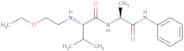
CAS:<p>Please enquire for more information about 5-Amino-2-methoxybenzonitrile including the price, delivery time and more detailed product information at the technical inquiry form on this page</p>Formula:C8H8N2OPurity:Min. 95%Molecular weight:148.16 g/molN-2-Ethoxyethyl-Val-Ala-anilide
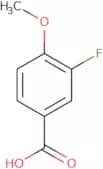
CAS:<p>Please enquire for more information about N-2-Ethoxyethyl-Val-Ala-anilide including the price, delivery time and more detailed product information at the technical inquiry form on this page</p>Formula:C18H29N3O3Purity:Min. 95%Molecular weight:335.44 g/mol3-Fluoro-4-methoxybenzoic acid
CAS:<p>3-Fluoro-4-methoxybenzoic acid is a dipolar molecule with a fluorine atom. It has been synthesized experimentally and the yields are determined by the experimental conditions. 3-Fluoro-4-methoxybenzoic acid has two isomers, which can be differentiated by their resonances. The molecule also has an asymmetric C3(CF)2Cl group in the middle of its structure that can rotate freely.</p>Formula:C8H7FO3Purity:Min. 95%Color and Shape:PowderMolecular weight:170.14 g/molEthyl-2-ethoxy-1-[[(2'-cyanobiphenyl-4-yl) methyl] benzimidazole-7-carboxylate
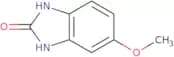
CAS:<p>Candesartan is a selective angiotensin II receptor antagonist that inhibits the binding of angiotensin II to its receptors, which in turn decreases the activity of angiotensin-converting enzyme. Candesartan cilexetil is an ester prodrug that has been shown to be effective in the treatment of high blood pressure. In the crystalline form, candesartan cilexetil is a white powder with a melting point of 130–135 °C and a solubility in water of >1 g/L. The molecular weight of candesartan cilexetil is 393.8 g/mol and it has a molecular formula C17H21NO2S. The chemical structure consists of two benzimidazole rings coupled together through an ethyl-2-ethoxy linker and attached to a carboxylate group on one end and an amide group on the other</p>Formula:C26H23N3O3Purity:Min. 95%Molecular weight:425.48 g/mol2-Hydroxy-5-methoxybenzimidazole
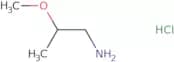
CAS:<p>Please enquire for more information about 2-Hydroxy-5-methoxybenzimidazole including the price, delivery time and more detailed product information at the technical inquiry form on this page</p>Formula:C8H8N2O2Purity:Min. 95%Molecular weight:164.16 g/mol(2-Methoxypropyl)amine hydrochloride
CAS:<p>2-Methoxypropyl)amine hydrochloride (2MPPA) is a versatile building block that can be used in the synthesis of complex compounds. It is a research chemical that is used as a reagent and as a speciality chemical for the production of pharmaceuticals, agrochemicals, and other organic chemicals. 2MPPA can be used as an intermediate in the manufacture of useful scaffolds or useful reaction components. This product has CAS number 70807-90-8 and is of high quality.</p>Formula:C4H11NO·HClPurity:Min. 95%Color and Shape:SolidMolecular weight:125.6 g/molPAL resin (200-400 mesh) 4-Alkoxy-2,6-dimethoxybenzylamine resin
<p>Please enquire for more information about PAL resin (200-400 mesh) 4-Alkoxy-2,6-dimethoxybenzylamine resin including the price, delivery time and more detailed product information at the technical inquiry form on this page</p>Purity:Min. 95%(2R,3S)-2-[(1R)-1-[3,5-Bis(trifluoromethyl)phenyl]ethoxy]-3-(4-fluorophenyl)morpholine hydrochloride
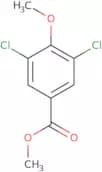
CAS:<p>Please enquire for more information about (2R,3S)-2-[(1R)-1-[3,5-Bis(trifluoromethyl)phenyl]ethoxy]-3-(4-fluorophenyl)morpholine hydrochloride including the price, delivery time and more detailed product information at the technical inquiry form on this page</p>Formula:C20H18F7NO2•HClPurity:Min. 95%Molecular weight:473.81 g/molMethyl 3,5-dichloro-4-methoxybenzoate
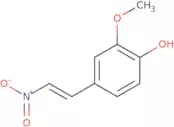
CAS:<p>Methyl 3,5-dichloro-4-methoxybenzoate is a fine chemical and useful building block for research chemicals. It belongs to the class of speciality chemicals and can be used as a reagent in organic synthesis. Methyl 3,5-dichloro-4-methoxybenzoate is a versatile building block that has been reported in the synthesis of many complex compounds. This compound can also be used as an intermediate or scaffold for medicinal chemistry applications.</p>Formula:C9H8Cl2O3Purity:Min. 95%Molecular weight:235.06 g/mol1-(4-Hydroxy-3-methoxyphenyl)-2-nitroethene
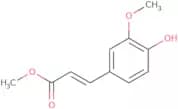
CAS:<p>1-(4-Hydroxy-3-methoxyphenyl)-2-nitroethene is an experimental molecule that was not previously known to exist. The intramolecular reaction of 1,4-dihydroxynitrobenzene and glyoxylic acid yields the product. It is a phenolic compound with biological activity, which has been shown to inhibit glycosidases and alkaloids.</p>Formula:C9H9NO4Purity:Min. 95%Color and Shape:SolidMolecular weight:195.17 g/molMethyl (2E)-3-(4-hydroxy-3-methoxyphenyl)acrylate
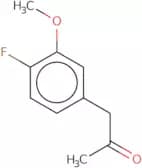
CAS:<p>Methyl (2E)-3-(4-hydroxy-3-methoxyphenyl)acrylate is a natural compound, which belongs to the group of ferulate esters. It has been shown that methyl (2E)-3-(4-hydroxy-3-methoxyphenyl)acrylate inhibits the activity of esterases, which are enzymes that hydrolyze esters. This inhibition leads to an accumulation of ferulic acid in the blood, which is associated with bowel disease. Methyl (2E)-3-(4-hydroxy-3-methoxyphenyl)acrylate has been shown to be effective against murine hepatoma cells and polymorphonuclear leucocytes, which are white blood cells that can be found in the blood and other tissues. The inhibitory effect on these cells may be due to its ability to bind to ferulic acid and caffeic acids.</p>Formula:C11H12O4Purity:Min. 95%Color and Shape:White PowderMolecular weight:208.21 g/mol4-Fluoro-3-methoxyphenylacetone
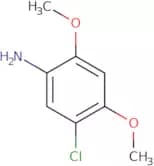
CAS:<p>4-Fluoro-3-methoxyphenylacetone is a high quality reagent that can be used as an intermediate in the synthesis of complex compounds. This compound is also useful for creating fine chemicals and speciality chemicals, for research purposes. 4-Fluoro-3-methoxyphenylacetone has been shown to be a versatile building block in organic synthesis, with many possible applications. It can react with other compounds to create new compounds or react with itself to form new molecules. CAS No. 320338-98-5</p>Formula:C10H11FO2Purity:Min. 95%Molecular weight:182.19 g/mol5-Chloro-2,4-dimethoxyaniline
CAS:<p>5-Chloro-2,4-dimethoxyaniline (5-CDA) is a crystalline solid that belongs to the amine class of chemical compounds. It is used in the production of polyhalogenated anilines and nitrosamines, which are known carcinogens. 5-CDA has been shown to be toxic to animals at high doses and can cause health effects such as irritation of the eyes, skin, and respiratory tract; central nervous system depression; and gastrointestinal disturbances. The toxicity of this compound is related to its ability to form nitrosamines when it comes into contact with nitrite or other N-nitroso compounds. 5-CDA is also present in wastewater effluents from paper mills and agricultural runoff from triticum aestivum fields.</p>Formula:C8H10ClNO2Purity:Min. 95%Molecular weight:187.62 g/mol5-Fluoro-2-methoxyphenylacetone
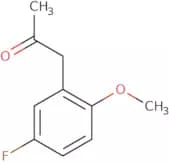
CAS:<p>5-Fluoro-2-methoxyphenylacetone is a chemical with a wide array of applications in research and industry. It is a versatile building block, useful intermediate, and reagent for organic synthesis. This compound has been used as a starting material in the synthesis of other compounds. CAS No. 1017082-10-8</p>Formula:C10H11FO2Color and Shape:PowderMolecular weight:182.19 g/mol4-Methoxycarbonylphenylboronic acid
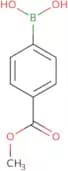
CAS:<p>4-Methoxycarbonylphenylboronic acid is an organic compound that can be synthesized from biphenyl. It is a diazonium salt with a bidentate ligand and a carbonyl group, which allows it to form an intermolecular hydrogen bond. The phenyl group of 4-methoxycarbonylphenylboronic acid can be oxidized to the corresponding carboxylic acid or reduced to the corresponding alcohol.<br>4-Methoxycarbonylphenylboronic acid is also soluble in halides, iodinations, and mercaptoacetic acid. This compound has been used as an acceptor in the oxidation of aluminium with diborane as a catalyst. 4-Methoxycarbonylphenylboronic acid has also been used to synthesize other compounds such as metronidazole (a drug) and erythromycin (an antibiotic).</p>Formula:C8H9BO4Purity:Min. 95%Color and Shape:White PowderMolecular weight:179.97 g/mol(2-{Ethyl-[4-(4-nitro-phenylazo)-phenyl]-amino}-ethoxy)-acetic acid-4-nitro-phenyl ester
CAS:<p>Please enquire for more information about (2-{Ethyl-[4-(4-nitro-phenylazo)-phenyl]-amino}-ethoxy)-acetic acid-4-nitro-phenyl ester including the price, delivery time and more detailed product information at the technical inquiry form on this page</p>Formula:C24H23N5O7Purity:Min. 95%Molecular weight:493.47 g/mol8-[(1E)-2-(3,4-Dimethoxyphenyl)ethenyl]-1,3-diethyl-3,9-dihydro-1H-purine-2,6-dione
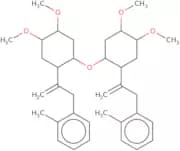
CAS:Controlled Product<p>Please enquire for more information about 8-[(1E)-2-(3,4-Dimethoxyphenyl)ethenyl]-1,3-diethyl-3,9-dihydro-1H-purine-2,6-dione including the price, delivery time and more detailed product information at the technical inquiry form on this page</p>Formula:C19H22N4O4Purity:Min. 95%Color and Shape:PowderMolecular weight:370.4 g/mol2-(4,5-Dimethoxy-2-(1-((2-methylphenyl)methyl)vinyl)cyclohexyl)ether
CAS:<p>2-(4,5-Dimethoxy-2-(1-((2-methylphenyl)methyl)vinyl)cyclohexyl)ether is a versatile building block for the synthesis of complex compounds. It is also an intermediate in the synthesis of useful scaffolds and reaction components. This compound has a high quality and can be used as a reagent or research chemicals.</p>Formula:C36H50O5Purity:Min. 95%Molecular weight:562.78 g/mol2-(2-Ethoxyphenoxy)ethyl bromide
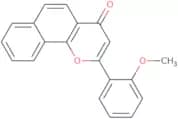
CAS:<p>2-(2-Ethoxyphenoxy)ethyl bromide is a substance that is found as an impurity in the drug sulphonamide. It has been shown to be an optical isomer of methanol and ethanol, which have base form. The substance crystallizes in the form of white needles and its base form is tamsulosin hydrochloride. It has been used as a reagent for organic chemistry reactions, such as recrystallization, and as an impurity in organic solvents.</p>Formula:C10H13BrO2Purity:Min. 95%Molecular weight:245.11 g/mol2'-Methoxy-α-naphthoflavone
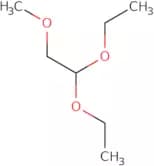
CAS:<p>2'-Methoxy-alpha-naphthoflavone is a fine chemical that can be synthesized from naphthalene, benzaldehyde, and methoxyacetic acid. It is a versatile building block for research chemicals and has been shown to have high quality. 2'-Methoxy-alpha-naphthoflavone has been used as a reaction component in the synthesis of complex compounds with interesting biological activities.</p>Formula:C20H14O3Purity:Min. 95%Molecular weight:302.32 g/molMethoxyacetaldehyde diethyl acetal
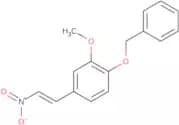
CAS:<p>Methoxyacetaldehyde diethyl acetal is a viscous liquid with a low vapor pressure. This substance is stable at high temperatures and has a high resistance to chemical interactions. It is also hydrophobic in nature. Methoxyacetaldehyde diethyl acetal has been shown to interact with the aminoglycoside antibiotics, erythromycin, streptomycin, and neomycin. The interaction of this substance with these antibiotics may be due to the fact that it has proton resonances similar to those of amino acids, as well as its ability to form hydrogen bonds with the antibiotic molecules. Methoxyacetaldehyde diethyl acetal also interacts with triethyl orthoformate, which can lead to the formation of an ester bond between them.</p>Formula:C7H16O3Purity:Min. 95%Color and Shape:Colorless Clear LiquidMolecular weight:148.2 g/moltrans-4-Benzyloxy-3-methoxy-β-nitrostyrene
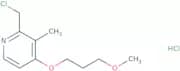
CAS:<p>Trans-4-Benzyloxy-3-methoxy-beta-nitrostyrene is an oxime that can be used as a catalyst for the catalytic hydrogenation of nitroalkanes. It is also a precursor to pallimamine, which is used as a pharmaceutical agent and an experimental virucide. Trans-4-Benzyloxy-3-methoxy-beta-nitrostyrene is synthesized by coupling two indole carboxylic acid analogues in the presence of sodium hydroxide and potassium carbonate. The reaction yields trans-(4'-benzyloxy)-3'-methoxystyrene, which is then converted to the title compound with ammonium chloride and hydrochloric acid. This compound undergoes acidic hydrolysis to yield the title compound.</p>Formula:C16H15NO4Purity:Min. 95%Color and Shape:PowderMolecular weight:285.29 g/mol2-Chloromethyl-4-(3-methoxypropoxy)-3-methylpyridine hydrochloride
CAS:<p>Please enquire for more information about 2-Chloromethyl-4-(3-methoxypropoxy)-3-methylpyridine hydrochloride including the price, delivery time and more detailed product information at the technical inquiry form on this page</p>Formula:C11H17Cl2NO2Purity:Min. 95%Molecular weight:266.16 g/mol4-Difluoromethoxyphenylboronic acid pinacol ester
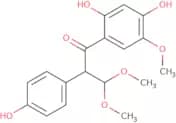
CAS:<p>Please enquire for more information about 4-Difluoromethoxyphenylboronic acid pinacol ester including the price, delivery time and more detailed product information at the technical inquiry form on this page</p>Formula:C13H17BF2O3Purity:Min. 95%Molecular weight:270.08 g/mol1-(2,4-Dihydroxy-5-methoxyphenyl)-2-(4-hydroxyphenyl)-3,3-dimethoxy-1-propanone
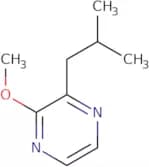
CAS:<p>Please enquire for more information about 1-(2,4-Dihydroxy-5-methoxyphenyl)-2-(4-hydroxyphenyl)-3,3-dimethoxy-1-propanone including the price, delivery time and more detailed product information at the technical inquiry form on this page</p>Formula:C18H20O7Purity:Min. 95%Molecular weight:348.35 g/mol2-Isobutyl-3-methoxypyrazine
CAS:<p>2-Isobutyl-3-methoxypyrazine is a hydrophobic compound that is not soluble in water. It has a bound form and can be titrated with calorimetry. 2-Isobutyl-3-methoxypyrazine is synthesized by reacting 2,2,4-trimethylpentane with methoxyacetone in the presence of sodium methylate. The compound has been detected as an odorant in numerous plant species and is believed to play a role in plant physiology. 2-Isobutyl-3-methoxypyrazine has been shown to have potent antiviral activity against infectious diseases such as HIV, herpes simplex virus type 1 (HSV1), and varicella zoster virus (VZV). This specific antiviral activity may be due to its ability to bind fatty acids by hydrogen bonds, which may interfere with the synthesis of viral membranes.</p>Formula:C9H14N2OPurity:Min. 95%Molecular weight:166.22 g/mol2-Iodo-5-methoxybenzoic acid
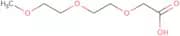
CAS:<p>2-Iodo-5-methoxybenzoic acid is a macrocyclic compound that has been synthesized in the Wittig reaction. It was first prepared by catalyzed intramolecular aryl demethylation of 2-iodo-5-nitrobenzoic acid, followed by coupling with methyl vinyl ketone. The cytotoxic activity of this compound is due to its ability to inhibit the synthesis of protein and DNA and induce apoptosis. This molecule has been shown to be effective against liverworts and ethers.</p>Formula:C8H7IO3Purity:Min. 95%Color and Shape:PowderMolecular weight:278.04 g/mol(2-(2-Methoxyethoxy)ethoxy)acetic acid
CAS:<p>2-(2-Methoxyethoxy)ethoxy)acetic acid (MEAA) is a cell stabilizer that can be used in the treatment of cancer, diabetes, and other diseases. MEAA has been shown to inhibit the growth of cells by binding to and stabilizing the cytoskeleton through inhibition of protein synthesis. It also prevents the activation of pro-inflammatory cytokines and reactive oxygen species. MEAA's magnetic resonance spectroscopy properties have been studied in detail and it has been shown to bind well with silver ions. MEAA has also been shown to have high cytotoxicity when combined with laser ablation therapy.</p>Formula:C7H14O5Purity:90%Color and Shape:Clear LiquidMolecular weight:178.18 g/mol5-Amino-2-methoxyisonicotinic acid
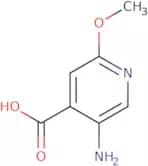
CAS:<p>5-Amino-2-methoxyisonicotinic acid is a carboxylic acid that is used in the synthesis of aminopyridines. The compound can be synthesized from formamidine acetate and diethyl dicarbonate. This process involves lithiation, followed by addition of an amine and finally conversion to the desired product with formamidine acetate. 5-Amino-2-methoxyisonicotinic acid can also be synthesized from formamide and diethyl ether. 5-Amino-2-methoxyisonicotinic acid is an analog of 2,4,6-trimethylaniline and has been shown to have similar properties to this compound, including strong basicity.</p>Formula:C7H8N2O3Purity:Min. 95%Molecular weight:168.15 g/mol
![(S)-1,2,3,4,5,6,7,8-Octahydro-1-[(4-methoxyphenyl)methyl]isoquinoline (acetate salt )](/_next/image/?url=https%3A%2Fstatic.cymitquimica.com%2Fproducts%2F3D%2Fthumb-webp%2FFO29465.webp&w=3840&q=75)

![2-[(Dimethylamino)methylene]-5-(2,3,4-trimethoxyphenyl)cyclohexane-1,3-dione](/_next/image/?url=https%3A%2Fstatic.cymitquimica.com%2Fproducts%2F3D%2Fthumb-webp%2FFD134779.webp&w=3840&q=75)
![1-(4-Amino-6,7-dimethoxy-2-quinazolinyl)-4-[(tetrahydro-2-furanyl)carbonxyl]piperazine hydrochlori…](/_next/image/?url=https%3A%2Fstatic.cymitquimica.com%2Fproducts%2F3D%2Fthumb-webp%2FFA28036.webp&w=3840&q=75)
![5[(R)-(2-Aminopropyl)]-2-methoxybenzenesulfonamide hydrochloride](/_next/image/?url=https%3A%2Fstatic.cymitquimica.com%2Fproducts%2F3D%2Fthumb-webp%2FFA17834.webp&w=3840&q=75)

![(2S,3S)-5-[2-(Dimethylamino)ethyl]-3-hydroxy-2-(4-methoxyphenyl)-2,3-dihydro-1,5-benzothiazepin-4-…](/_next/image/?url=https%3A%2Fstatic.cymitquimica.com%2Fproducts%2F3D%2Fthumb-webp%2FFD45531.webp&w=3840&q=75)



![Ethyl-2-ethoxy-1-[[(2'-cyanobiphenyl-4-yl) methyl] benzimidazole-7-carboxylate](/_next/image/?url=https%3A%2Fstatic.cymitquimica.com%2Fproducts%2F3D%2Fthumb-webp%2FFE31863.webp&w=3840&q=75)
![(2R,3S)-2-[(1R)-1-[3,5-Bis(trifluoromethyl)phenyl]ethoxy]-3-(4-fluorophenyl)morpholine hydrochlori…](/_next/image/?url=https%3A%2Fstatic.cymitquimica.com%2Fproducts%2F3D%2Fthumb-webp%2FFB102459.webp&w=3840&q=75)
![(2-{Ethyl-[4-(4-nitro-phenylazo)-phenyl]-amino}-ethoxy)-acetic acid-4-nitro-phenyl ester](/_next/image/?url=https%3A%2Fstatic.cymitquimica.com%2Fproducts%2F3D%2Fthumb-webp%2FFE111186.webp&w=3840&q=75)
![8-[(1E)-2-(3,4-Dimethoxyphenyl)ethenyl]-1,3-diethyl-3,9-dihydro-1H-purine-2,6-dione](/_next/image/?url=https%3A%2Fstatic.cymitquimica.com%2Fproducts%2F3D%2Fthumb-webp%2FFD152904.webp&w=3840&q=75)