Ethers
Ethers are organic compounds containing an ether functional group, characterized by an oxygen atom bonded to two hydrocarbon radicals. These compounds are valuable in synthesis and serve as solvents in various chemical reactions. At CymitQuimica, we offer a selection of high-quality ethers to support your research and industrial applications, ensuring reliable and effective results. Our range of ethers meets diverse laboratory requirements, from routine experiments to advanced research.
Found 40712 products of "Ethers"
Sort by
Purity (%)
0
100
|
0
|
50
|
90
|
95
|
100
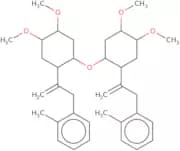
2-(4,5-Dimethoxy-2-(1-((2-methylphenyl)methyl)vinyl)cyclohexyl)ether
CAS:<p>2-(4,5-Dimethoxy-2-(1-((2-methylphenyl)methyl)vinyl)cyclohexyl)ether is a versatile building block for the synthesis of complex compounds. It is also an intermediate in the synthesis of useful scaffolds and reaction components. This compound has a high quality and can be used as a reagent or research chemicals.</p>Formula:C36H50O5Purity:Min. 95%Molecular weight:562.78 g/mol2,4,5-Triethoxybenzophenone
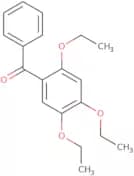
CAS:<p>2,4,5-Triethoxybenzophenone is a regioisomeric carbonyl compound that can be synthesized by reacting phenol with an ester of an aliphatic alcohol and an aromatic hydrocarbon. This product has a variety of uses, including as a precursor for the synthesis of other compounds. 2,4,5-Triethoxybenzophenone is used in the manufacture of benzoates, metal carbonyls, acetophenones, aryl ketones and arylcarbonyls. It has been shown to be effective in the treatment of various skin conditions such as acne and dandruff. The frequency factor for this compound is 5.</p>Formula:C19H22O4Purity:Min. 95%Color and Shape:PowderMolecular weight:314.38 g/mol3,4,5-Trimethoxybenzoic acid anhydride
CAS:<p>3,4,5-Trimethoxybenzoic acid anhydride is a synthetic chemical compound that is used as a pharmaceutical intermediate. It is mainly used to prepare potent anticancer agents and potent anticancer drugs. 3,4,5-Trimethoxybenzoic acid anhydride reacts with amines in the presence of a base to form substituted amides. This reaction has been shown by crystal x-ray diffraction to be sensitive to the solvent polarity and temperature of the reaction medium. The compound can also react with chloride ion to form 3,4,5-trichlorobenzoic acid anhydride (3TCBA).</p>Formula:C20H22O9Purity:(%) Min. 85%Color and Shape:PowderMolecular weight:406.38 g/mol3-(Difluoromethoxy)nitrobenzene
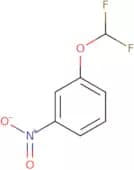
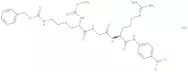
CAS:<p>Please enquire for more information about 3-(Difluoromethoxy)nitrobenzene including the price, delivery time and more detailed product information at the technical inquiry form on this page</p>Formula:C7H5F2NO3Purity:Min. 95%Molecular weight:189.12 g/molMethoxycarbonyl-Lys(Z)-Gly-Arg-pNA hydrochloride salt
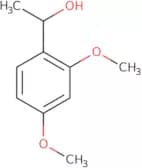
CAS:<p>Please enquire for more information about Methoxycarbonyl-Lys(Z)-Gly-Arg-pNA hydrochloride salt including the price, delivery time and more detailed product information at the technical inquiry form on this page</p>Formula:C30H41N9O9Purity:Min. 95%Molecular weight:671.7 g/mol2,4-Dimethoxyphenylmethylcarbinol
CAS:<p>2,4-Dimethoxyphenylmethylcarbinol is a benzene derivative that can be synthesized from 2,4-dimethoxybenzaldehyde and formaldehyde. This compound is an efficient reductant for hydrazine and has been used as a screening agent for new drugs. It is also a pharmacological active substance with anti-inflammatory properties. 2,4-Dimethoxyphenylmethylcarbinol has shown activity against carrageenan-induced rat paw edema, as well as the vessel and ultrasonic effects of irradiation.</p>Formula:C10H14O3Purity:Min. 95%Molecular weight:182.22 g/mol2-Iodo-5-methoxybenzoic acid
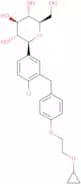
CAS:<p>2-Iodo-5-methoxybenzoic acid is a macrocyclic compound that has been synthesized in the Wittig reaction. It was first prepared by catalyzed intramolecular aryl demethylation of 2-iodo-5-nitrobenzoic acid, followed by coupling with methyl vinyl ketone. The cytotoxic activity of this compound is due to its ability to inhibit the synthesis of protein and DNA and induce apoptosis. This molecule has been shown to be effective against liverworts and ethers.</p>Formula:C8H7IO3Purity:Min. 95%Color and Shape:PowderMolecular weight:278.04 g/molBexagliflozin
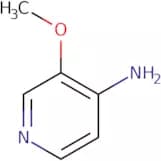
CAS:<p>Bexagliflozin is a drug that is used to treat type II diabetes in adults. It helps to control blood sugar levels by inhibiting the enzyme DPP-IV and increasing insulin release from the pancreas. Bexagliflozin has been shown to be effective in lowering blood sugar levels in patients with chronic kidney disease and cancer, as well as those with a body mass index (BMI) of 30 or higher. This drug is an oral hypoglycaemic agent that can be used for diagnostic purposes. It has also been shown to be clinically effective for the treatment of diabetic nephropathy and diabetic retinopathy. The enantiomers of bexagliflozin can be differentiated according to their pharmacological properties, which may allow for more targeted therapy.</p>Formula:C24H29ClO7Purity:Min. 95%Molecular weight:464.94 g/mol4-Amino-3-methoxypyridine
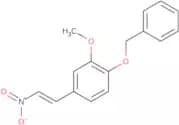
CAS:<p>4-Amino-3-methoxypyridine (4AMMP) is a naturally occurring amino acid that can be found in the nuclei of innervated tissues. It is an inhibitor of the enzyme tyrosine hydroxylase and inhibits the synthesis of catecholamines. The concentration of 4AMMP in blood was measured by radioactivity. This agent has been used for studies on the thalamic nucleus and cortex, as well as for measuring catecholamine levels in tissue homogenates.</p>Formula:C6H8N2OPurity:Min. 95%Molecular weight:124.14 g/moltrans-4-Benzyloxy-3-methoxy-β-nitrostyrene
CAS:<p>Trans-4-Benzyloxy-3-methoxy-beta-nitrostyrene is an oxime that can be used as a catalyst for the catalytic hydrogenation of nitroalkanes. It is also a precursor to pallimamine, which is used as a pharmaceutical agent and an experimental virucide. Trans-4-Benzyloxy-3-methoxy-beta-nitrostyrene is synthesized by coupling two indole carboxylic acid analogues in the presence of sodium hydroxide and potassium carbonate. The reaction yields trans-(4'-benzyloxy)-3'-methoxystyrene, which is then converted to the title compound with ammonium chloride and hydrochloric acid. This compound undergoes acidic hydrolysis to yield the title compound.</p>Formula:C16H15NO4Purity:Min. 95%Color and Shape:PowderMolecular weight:285.29 g/mol4-Chloro-2-(trifluoromethoxy)aniline
CAS:<p>4-Chloro-2-(trifluoromethoxy)aniline is a fine chemical that is used as a building block in the synthesis of other chemicals, such as pharmaceuticals and agrochemicals. It is also used in research as a reagent for organic synthesis and as a speciality chemical. 4-Chloro-2-(trifluoromethoxy)aniline has versatile applications in the manufacture of complex compounds, intermediates, and scaffolds.</p>Formula:C7H5ClF3NOPurity:Min. 95%Molecular weight:211.57 g/mol3-(4-Methoxybenzoyl)acrylic acid
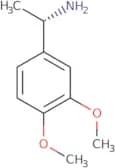
CAS:<p>Please enquire for more information about 3-(4-Methoxybenzoyl)acrylic acid including the price, delivery time and more detailed product information at the technical inquiry form on this page</p>Formula:C11H10O4Purity:Min. 95%Color and Shape:PowderMolecular weight:206.19 g/mol(1S)-1-(3,4-Dimethoxyphenyl)ethan-1-amine
CAS:<p>Please enquire for more information about (1S)-1-(3,4-Dimethoxyphenyl)ethan-1-amine including the price, delivery time and more detailed product information at the technical inquiry form on this page</p>Formula:C10H15NO2Purity:Min. 95%Molecular weight:181.23 g/mol2-[2-Trifluoroethoxyphenoxy]ethyl methanesulfonate
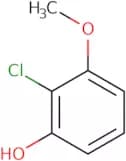
CAS:<p>2-[2-Trifluoroethoxyphenoxy]ethyl methanesulfonate is a research chemical that is commonly used in the synthesis of enantioselective compounds. It has been clinically studied for its potential use in the treatment of prostatic hyperplasia, a condition characterized by an enlargement of the prostate gland. This compound has shown promising results in inhibiting the growth of prostatic cells and reducing symptoms associated with hyperplasia. Its enantioselective properties make it an ideal candidate for targeted therapy, allowing for more precise and effective treatment options. Researchers continue to explore the potential applications of 2-[2-Trifluoroethoxyphenoxy]ethyl methanesulfonate in various fields, including medicine and pharmaceuticals.</p>Formula:C11H13F3O5SPurity:Min. 95%Molecular weight:314.28 g/mol2-Chloro-3-methoxyphenol
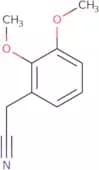
CAS:<p>Please enquire for more information about 2-Chloro-3-methoxyphenol including the price, delivery time and more detailed product information at the technical inquiry form on this page</p>Formula:C7H7ClO2Purity:Min. 95%Molecular weight:158.58 g/mol2,3-(Dimethoxyphenyl)acetonitrile
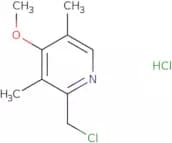
CAS:<p>2,3-(Dimethoxyphenyl)acetonitrile is a chemical intermediate that is used in the synthesis of pharmaceuticals and specialty chemicals. It can be used as a reaction component and reagent for the synthesis of other chemicals. This compound has a high quality and is also a versatile building block for complex compounds. 2,3-(Dimethoxyphenyl)acetonitrile has been shown to be useful in the production of fine chemicals such as pharmaceuticals, agrochemicals, and dyes. The CAS number for this compound is 4468-57-9.</p>Formula:C10H11NO2Purity:Min. 95%Molecular weight:177.2 g/mol2-(Chloromethyl)-4-methoxy-3,5-dimethylpyridine hydrochloride
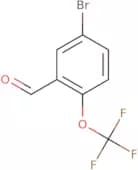
CAS:<p>2-(Chloromethyl)-4-methoxy-3,5-dimethylpyridine hydrochloride is a benzimidazole derivative. It has a chemical stability and can be used for wastewater treatment. It is also a pump inhibitor and can be used for anhydrous sodium magnesium salts. This product is synthesized from the reaction of protonated 2-bromo-4-methoxyphenol with 2,6-dimethylpyridine in the presence of hydrochloric acid. The reaction was carried out in an asymmetric synthesis using a proton transport system. 2-(Chloromethyl)-4-methoxy-3,5-dimethylpyridine hydrochloride is soluble in water and has a pH of 1 to 3. It has been shown that this product can be used as an antioxidant and as a metal chelation agent.</p>Formula:C9H13Cl2NOPurity:Min. 95%Color and Shape:PowderMolecular weight:222.11 g/mol5-Bromo-2-(trifluoromethoxy)benzaldehyde
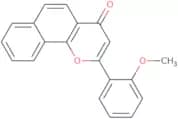
CAS:<p>5-Bromo-2-(trifluoromethoxy)benzaldehyde is a chemical that is used as a reactant in organic chemistry. It can be used as a building block for the synthesis of complex compounds, or as an intermediate in the preparation of fine chemicals. 5-Bromo-2-(trifluoromethoxy)benzaldehyde is also useful in research and development. It has been used to synthesize pharmaceuticals, pesticides, and other organic compounds.</p>Formula:C8H4BrF3O2Purity:Min. 95%Color and Shape:PowderMolecular weight:269.02 g/mol2'-Methoxy-α-naphthoflavone
CAS:<p>2'-Methoxy-alpha-naphthoflavone is a fine chemical that can be synthesized from naphthalene, benzaldehyde, and methoxyacetic acid. It is a versatile building block for research chemicals and has been shown to have high quality. 2'-Methoxy-alpha-naphthoflavone has been used as a reaction component in the synthesis of complex compounds with interesting biological activities.</p>Formula:C20H14O3Purity:Min. 95%Molecular weight:302.32 g/molFmoc-4-methoxy-4'-(γ-carboxypropyloxy)-benzhydrylamine linked to Alanyl-aminomethyl resin (200-400 mesh)
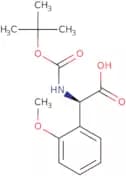
<p>Please enquire for more information about Fmoc-4-methoxy-4'-(gamma-carboxypropyloxy)-benzhydrylamine linked to Alanyl-aminomethyl resin (200-400 mesh) including the price, delivery time and more detailed product information at the technical inquiry form on this page</p>Purity:Min. 95%Boc-(R)-2-methoxyphenylglycine
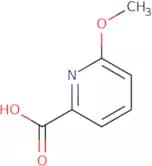
CAS:<p>Please enquire for more information about Boc-(R)-2-methoxyphenylglycine including the price, delivery time and more detailed product information at the technical inquiry form on this page</p>Formula:C14H19NO5Purity:Min. 95%Molecular weight:281.3 g/mol2-Methoxy-6-picolinic acid
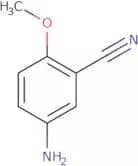
CAS:<p>2-Methoxy-6-picolinic acid (2MPA) is a picolinate that has been shown to be an effective catalyst for the conversion of alcohols into allylic alcohols. 2MPA is able to catalyze the reaction by abstracting hydrogen from the carbonyl group, and then adding it to the adjacent carbon. This reaction can produce peroxide as a byproduct, which is subsequently hydrolyzed to form water and alcohol. The β-unsaturated carbonyl group of 2MPA provides additional stability for this catalytic process.<br>2MPA can also be used as a catalyst in other reactions, such as the oxidation of benzylic alcohols with hydrogen peroxide to form benzylic carbonyl compounds.</p>Formula:C7H7NO3Purity:Min. 95%Color and Shape:PowderMolecular weight:153.14 g/mol5-Amino-2-methoxybenzonitrile
CAS:<p>Please enquire for more information about 5-Amino-2-methoxybenzonitrile including the price, delivery time and more detailed product information at the technical inquiry form on this page</p>Formula:C8H8N2OPurity:Min. 95%Molecular weight:148.16 g/molN-(4-Methoxybenzylidene)-4-butylaniline
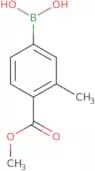
CAS:<p>N-(4-Methoxybenzylidene)-4-butylaniline is an organic compound that belongs to the group of liquid crystals. It has been used in the study of phase transitions and thermal properties. The melting point of N-(4-methoxybenzylidene)-4-butylaniline is between -80 and -90 °C, depending on the solvent. This compound has a low proton affinity, but it can be oxidized to form a radical cation.</p>Formula:C18H21NOPurity:Min. 95%Molecular weight:267.37 g/mol(4-(Methoxycarbonyl)-3-Methylphenyl)boronic acid
CAS:<p>Please enquire for more information about (4-(Methoxycarbonyl)-3-Methylphenyl)boronic acid including the price, delivery time and more detailed product information at the technical inquiry form on this page</p>Formula:C9H11BO4Purity:Min. 95%Molecular weight:193.99 g/molMidodrine
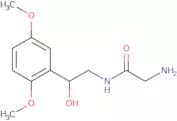
CAS:Controlled Product<p>2-Amino-N-[2-(2,5-dimethoxyphenyl)-2-hydroxyethyl]-acetamide is a drug that has been used to treat a variety of diseases and conditions. It is an alpha adrenergic agonist that works by stimulating the alpha receptors in the body, which increase blood pressure and improve blood flow. This drug also has significant effects on energy metabolism, including the production of ATP. 2-Amino-N-[2-(2,5-dimethoxyphenyl)-2-hydroxyethyl]-acetamide is used to treat patients with congestive heart failure who are taking low doses of midodrine hydrochloride or nonsteroidal antiinflammatory drugs.</p>Formula:C12H18N2O4Purity:Min. 95%Color and Shape:PowderMolecular weight:254.28 g/mol2-(Carboxymethyl)-4,5-dimethoxybenzoic acid
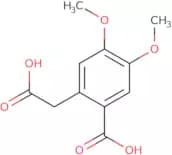
CAS:<p>Please enquire for more information about 2-(Carboxymethyl)-4,5-dimethoxybenzoic acid including the price, delivery time and more detailed product information at the technical inquiry form on this page</p>Formula:C11H12O6Purity:Min. 95%Molecular weight:240.21 g/mol4-(2',4'-Dimethoxyphenyl-Fmoc-aminomethyl)-phenoxymethyl-polystyrene resin (200-400 mesh)
<p>Please enquire for more information about 4-(2',4'-Dimethoxyphenyl-Fmoc-aminomethyl)-phenoxymethyl-polystyrene resin (200-400 mesh) including the price, delivery time and more detailed product information at the technical inquiry form on this page</p>Purity:Min. 95%8-Desmethoxy-8-fluoro moxifloxacin
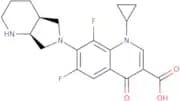
CAS:<p>8-Desmethoxy-8-fluoro moxifloxacin is a photolytic drug that is used to treat bacterial infections. It has a high degree of antibacterial activity against methicillin-resistant staphylococcus aureus, including methicillin resistant strains of Staphylococcus epidermidis. 8-Desmethoxy-8-fluoro moxifloxacin hydrochloride is produced by the addition of hydrochloric acid to moxifloxacin, which is then purified by ion chromatography. The compound has been shown to have good stability in human plasma and urine. It also shows excellent recoveries in acetonitrile and quantification results in flow rates.</p>Formula:C20H21F2N3O3Purity:Min. 95%Molecular weight:389.4 g/mol2-Amino-a-(methoxyimino)-4-thiazoleacetic acid
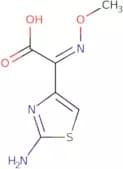
CAS:<p>2-Amino-a-(methoxyimino)-4-thiazoleacetic acid is a reaction product of cefotaxime and n-dimethyl formamide. It has been shown to be an effective agent for the treatment of wastewater with a high organic content. 2-Amino-a-(methoxyimino)-4-thiazoleacetic acid also reacts with chloride ions to form cleavage products that are soluble in water, making it an ideal choice for wastewater treatment. This compound is not toxic and can be used as a drug to treat patients with infections caused by bacteria resistant to other antibiotics. 2-Amino-a-(methoxyimino)-4-thiazoleacetic acid binds to mismatched base pairs in DNA, inhibiting DNA synthesis and causing cell death by apoptosis.</p>Formula:C6H7N3O3SPurity:Min. 95%Molecular weight:201.2 g/mol2,7-Bis[2-(diethylamino)ethoxy]-9-fluorenone dihydrochloride
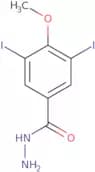
CAS:Controlled Product<p>2,7-Bis[2-(diethylamino)ethoxy]-9-fluorenone dihydrochloride (2,7-BDFE) is a potent inducer of interferon. It is a natural compound that has been shown to have significant cytotoxicity against murine sarcoma virus and opportunistic fungal infections. 2,7-BDFE has also been shown to induce toll-like receptor 4 (TLR4), which triggers the production of other cytokines and chemokines. 2,7-BDFE has also been found to inhibit the growth of cancer cells in vitro and in vivo. This drug is used as an inhibitor for benzalkonium chloride for the prevention of bacterial contamination on surfaces.</p>Formula:C25H36N2O3Cl2Purity:Min. 95%Color and Shape:Yellow PowderMolecular weight:483.47 g/mol3,5-Diiodo-4-methoxybenzhydrazide
CAS:<p>3,5-Diiodo-4-methoxybenzhydrazide is a high quality chemical that is useful in the preparation of complex compounds. This compound has been shown to be an excellent reagent and useful intermediate for the synthesis of various fine chemicals. It has been used as a precursor for the production of the antiviral drug Tamiflu, among other pharmaceuticals. 3,5-Diiodo-4-methoxybenzhydrazide is also a versatile building block that can be used in research or as a reaction component in organic synthesis.</p>Formula:C8H8I2N2O2Purity:Min. 95%Color and Shape:PowderMolecular weight:417.97 g/molKaempferol-7,4'-dimethoxy-8-butyryl ester
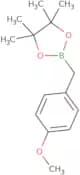
CAS:<p>Kaempferol-7,4'-dimethoxy-8-butyryl ester is a fine chemical that is used as a versatile building block for the synthesis of complex compounds. It is also used in research chemicals and as a reagent and speciality chemical. Kaempferol-7,4'-dimethoxy-8-butyryl ester has CAS number 1284229-43-1 and can be used as an intermediate for the synthesis of other compounds. It is also a useful scaffold for the synthesis of high quality compounds with potential pharmaceutical applications.</p>Formula:C21H20O7Purity:Min. 95%Molecular weight:384.38 g/mol4-Methoxybenzylboronic acid pinacolester
CAS:<p>Please enquire for more information about 4-Methoxybenzylboronic acid pinacolester including the price, delivery time and more detailed product information at the technical inquiry form on this page</p>Formula:C14H21BO3Purity:Min. 95%Molecular weight:248.13 g/mol2-Hydroxy-5-[(4-{[(6-methoxypyridazin-3-yl)amino]sulfonyl}phenyl)diazenyl]benzoic acid
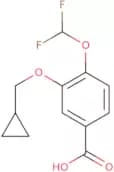
CAS:<p>Used in treatment of nonspecific ulcerative colitis</p>Formula:C18H15N5O6SPurity:Min. 95%Color and Shape:PowderMolecular weight:429.41 g/mol3-Cyclopropylmethoxy-4-difluoromethoxy-benzoic acid
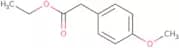
CAS:<p>3-Cyclopropylmethoxy-4-difluoromethoxy-benzoic acid is an industrial chemical that is used as a binding agent in the production of dyes, rubber, and pharmaceuticals. The compound is produced by the acylation of 3-chloromethoxybenzoic acid with cyclopropylmethanol. This reaction requires an inorganic base such as potassium carbonate or sodium bicarbonate to activate the chloride. 3-Cyclopropylmethoxy-4-difluoromethoxybenzoic acid can be used as a reactive alkylating agent for the production of amides and other organic compounds, which increases its versatility.</p>Formula:C12H12O4F2Purity:Min. 95%Color and Shape:White/Off-White SolidMolecular weight:258.22 g/molEthyl 4-methoxyphenylacetate
CAS:<p>Ethyl 4-methoxyphenylacetate is a fatty acid that is synthesized by the condensation of aniline and pyrrole. It has been shown to inhibit the growth of bacteria, such as Salmonella typhi and Staphylococcus aureus, in vitro. The inhibition of bacterial growth is thought to be due to its ability to react with hydrogen fluoride, which results in the formation of reactive oxygen species and nitrogen radicals. This compound also inhibits the production of tyrosinase in human skin cells, which may be beneficial for individuals with acne. Ethyl 4-methoxyphenylacetate has been shown to be safe for use in clinical trials.</p>Formula:C11H14O3Purity:Min. 95%Color and Shape:Clear LiquidMolecular weight:194.23 g/mol3-(3,5-Dimethoxyphenyl)propionic acid methyl ester
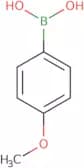
CAS:<p>3-(3,5-Dimethoxyphenyl)propionic acid methyl ester is a reagent that is used as a reactant in organic synthesis. It is also useful as a scaffold for the synthesis of heterocycles and other complex compounds. 3-(3,5-Dimethoxyphenyl)propionic acid methyl ester is used in research chemical synthesis and as a versatile building block for the production of fine chemicals. This chemical can be used to create products such as pharmaceuticals, pesticides, and cosmetics.</p>Formula:C12H16O4Purity:Min. 95%Molecular weight:224.25 g/mol4-Methoxyphenyl boronic acid
CAS:<p>4-Methoxyphenyl boronic acid is a molecule with a hydroxyl group and a boronic acid. It is synthesized by reacting biphenyl with trifluoroacetic acid in the presence of sodium carbonate and palladium-catalyzed coupling. 4-Methoxyphenyl boronic acid has shown to bind to the receptor for fatty acids, which may be due to its structural similarity to p-hydroxybenzoic acid. The protonated form of this molecule has been shown to react with an electrophilic carbon atom and an electron-deficient alkyl or vinyl halide, resulting in ring formation. This reaction is known as the Suzuki coupling reaction.</p>Formula:C7H9BO3Purity:Min. 95%Color and Shape:PowderMolecular weight:151.96 g/molp-Methoxybenzylmercaptan
CAS:<p>P-Methoxybenzylmercaptan is an inhibitor of protein synthesis. It binds to the active site of the enzyme ribonuclease A, which is involved in the processing of messenger RNA. P-Methoxybenzylmercaptan also inhibits other enzymes such as alkaline phosphatase and esterases. It has been shown to be effective against HIV infection. This compound can be used for chemical ligation reactions and as a cell culture medium additive, as it protects cells from oxidation and provides a more acidic environment. P-Methoxybenzylmercaptan has been shown to bind to amines and is being investigated for its use in drug development.</p>Formula:C8H10OSPurity:Min. 95%Color and Shape:Clear LiquidMolecular weight:154.23 g/mol4-Chloro-6-methoxyquinoline
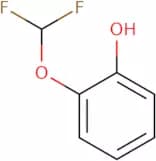
CAS:<p>4-Chloro-6-methoxyquinoline is an inhibitor of bacterial DNA gyrase. It has antibacterial activity against Gram-positive and Gram-negative bacteria, including Staphylococcus aureus, Enterococcus faecalis, and Pseudomonas aeruginosa. 4-Chloro-6-methoxyquinoline is a synthetic compound that was reinvestigated for its antibacterial activity. It has been shown to be effective in the treatment of Staphylococcal infections. The mechanism of action may involve inhibition of topoisomerase II or interference with the synthesis of DNA by binding to the enzyme bacterial DNA gyrase. Quinidine and cinchonidine are quinine derivatives that have been found to inhibit bacterial DNA gyrase. These compounds are found in the bark of Cinchona species, which includes Cinchona ledgeriana, Cinchona officinalis, and Cinchona succirub</p>Formula:C10H8ClNOPurity:Min. 95%Molecular weight:193.029442-(Difluoromethoxy)Phenol
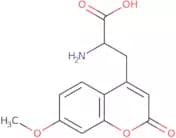
CAS:<p>2-(Difluoromethoxy)Phenol is a purine derivative and pyrimidine derivative. It has been shown to inhibit the growth of cancer cells in vitro and in vivo. 2-(Difluoromethoxy)phenol inhibits multidrug resistance by inhibiting the transport of drugs into cells and thereby preventing their accumulation. As a result, it suppresses inflammatory diseases and autoimmune diseases. The hydroxyl group in this compound can be replaced with fluorine or nitro groups to generate new derivatives with different properties. Piperidine can also be added to this molecule to create an analogue that is more potent than 2-(difluoromethoxy)phenol and has a longer duration of action.</p>Formula:C7H6F2O2Purity:Min. 95%Molecular weight:160.12 g/molH-β-(7-Methoxycoumarin-4-yl)-Ala-OH
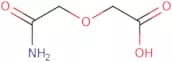
CAS:<p>Please enquire for more information about H-beta-(7-Methoxycoumarin-4-yl)-Ala-OH including the price, delivery time and more detailed product information at the technical inquiry form on this page</p>Formula:C13H13NO5Purity:Min. 95%Molecular weight:263.25 g/mol(2-Amino-2-oxoethoxy)acetic acid
CAS:<p>2-Amino-2-oxoethoxy)acetic acid is a product that can be used as a transport agent in the process of extracting glycosides. It has been shown to have strong adsorption properties and is able to extract glycosides from plant material. 2-Amino-2-oxoethoxy)acetic acid has a high affinity for calcium, which is an important component in the adsorption mechanism.</p>Formula:C4H7NO4Purity:Min. 95%Molecular weight:133.1 g/mol7,9-Dimethoxycarbonyl-2-ethoxycarbonyl-1H-pyrrolo-[2,3-f]quinoline-4,5-dione
CAS:<p>7,9-Dimethoxycarbonyl-2-ethoxycarbonyl-1H-pyrrolo-[2,3-f]quinoline-4,5-dione is a chemical compound that is used as an intermediate for research chemicals. It has a CAS number of 80721-47-7 and is classified as a fine chemical with the Chemical Abstracts Service (CAS) classification code of 3272. This compound is a versatile building block that can be used in the synthesis of other compounds. 7,9-Dimethoxycarbonyl-2-ethoxycarbonyl-1H-pyrrolo-[2,3f]quinoline 4,5dione can be used to produce high quality products.</p>Formula:C18H14N2O8Purity:Min. 95%Color and Shape:Orange PowderMolecular weight:386.31 g/mol(3-Bromopropyl)trimethoxysilane
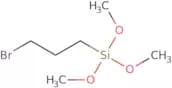
CAS:<p>3-Bromopropyltrimethoxysilane is a divalent hydrocarbon that has been used as a model compound for the study of detection methods. It has been shown to have biocompatible properties and can be used as an immobilization template molecule. 3-Bromopropyltrimethoxysilane also reacts with pyridinium ions to form complexes that are highly stable. The stability of these complexes can be attributed to the functional groups on the pyridine ring, which are more susceptible to hydrolysis than those on the silica surface. 3-Bromopropyltrimethoxysilane is a substrate for nitrate reductase enzymes, resulting in inhibition of growth at concentrations low enough not to cause cytotoxicity.</p>Formula:C6H15BrO3SiPurity:Min. 95%Molecular weight:243.17 g/mol(2R,3S)-2-[(1R)-1-[3,5-Bis(trifluoromethyl)phenyl]ethoxy]-3-(4-fluorophenyl)morpholine hydrochloride
CAS:<p>Please enquire for more information about (2R,3S)-2-[(1R)-1-[3,5-Bis(trifluoromethyl)phenyl]ethoxy]-3-(4-fluorophenyl)morpholine hydrochloride including the price, delivery time and more detailed product information at the technical inquiry form on this page</p>Formula:C20H18F7NO2•HClPurity:Min. 95%Molecular weight:473.81 g/mol2-Fluoro-6-methoxybenzonitrile
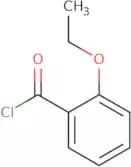
CAS:<p>2-Fluoro-6-methoxybenzonitrile (2FMN) is a compound that is used as a starting material for the synthesis of other pharmaceuticals. It has been shown to bind to the acetylcholine receptor by using vibrational spectroscopy and functional theory. It also has been shown to be an effective chemokine inhibitor. Computational methods were used to optimize 2FMN's binding affinity for the acetylcholine receptor, and it was found that 2FMN binds with a dipole orientation in order to increase its binding affinity.</p>Formula:C8H6FNOPurity:Min. 95%Color and Shape:PowderMolecular weight:151.14 g/molo-Ethoxybenzoyl chloride
CAS:<p>O-Ethoxybenzoyl chloride is a pesticide that belongs to the group of sildenafil. It inhibits the activity of prolyl endopeptidase, an enzyme that degrades the peptide hormone vasoactive intestinal polypeptide (VIP). This inhibition prevents degradation of VIP, which is important for the regulation of blood vessel tone. The compound has been shown to be effective against Sclerotinia sclerotiorum and Claviceps purpurea. O-Ethoxybenzoyl chloride has been shown to have a high level of tolerance in plants and animals. It also has been found to be safe for humans with its low toxicity levels and low acute toxicity. It is not classified as hazardous by the World Health Organization (WHO).</p>Formula:C9H9ClO2Purity:Min. 95%Molecular weight:184.62 g/molN-Methoxymethyl-N-(trimethylsilylmethyl)benzylamine
CAS:<p>N-Methoxymethyl-N-(trimethylsilylmethyl)benzylamine is a chiral, electron deficient reagent that reacts with aldehydes and boronic esters to form products with high chemical yields. This compound can be used as a catalyst for acylation reactions, such as the synthesis of p-nitrophenol. N-Methoxymethyl-N-(trimethylsilylmethyl)benzylamine is synthesized by the reaction of trifluoroacetic acid and an amine, followed by chloroformate displacement. The product is then reacted with acylating agents in the presence of catalysts.</p>Formula:C13H23NOSiPurity:Min. 95%Color and Shape:Clear Colourless To Pale Yellow LiquidMolecular weight:237.41 g/mol





![2-[2-Trifluoroethoxyphenoxy]ethyl methanesulfonate](/_next/image/?url=https%3A%2Fstatic.cymitquimica.com%2Fproducts%2F3D%2Fthumb-webp%2FFT33048.webp&w=3840&q=75)


![2,7-Bis[2-(diethylamino)ethoxy]-9-fluorenone dihydrochloride](/_next/image/?url=https%3A%2Fstatic.cymitquimica.com%2Fproducts%2F3D%2Fthumb-webp%2FFB37106.webp&w=3840&q=75)

![2-Hydroxy-5-[(4-{[(6-methoxypyridazin-3-yl)amino]sulfonyl}phenyl)diazenyl]benzoic acid](/_next/image/?url=https%3A%2Fstatic.cymitquimica.com%2Fproducts%2F3D%2Fthumb-webp%2FFH134950.webp&w=3840&q=75)



![7,9-Dimethoxycarbonyl-2-ethoxycarbonyl-1H-pyrrolo-[2,3-f]quinoline-4,5-dione](/_next/image/?url=https%3A%2Fstatic.cymitquimica.com%2Fproducts%2F3D%2Fthumb-webp%2FFD22201.webp&w=3840&q=75)
![(2R,3S)-2-[(1R)-1-[3,5-Bis(trifluoromethyl)phenyl]ethoxy]-3-(4-fluorophenyl)morpholine hydrochlori…](/_next/image/?url=https%3A%2Fstatic.cymitquimica.com%2Fproducts%2F3D%2Fthumb-webp%2FFB102459.webp&w=3840&q=75)